Zelda: Ocarina of Time Remake Review: Nintendo’s timeless masterpiece
Smart updates and beautiful restorations ensure this must-play Zelda stands the test of time
- Director (remake)
- HokWai Ng
- Key Credits
- Eiji Aonuma (Producer), Shigeru Miyamoto (Original game design)
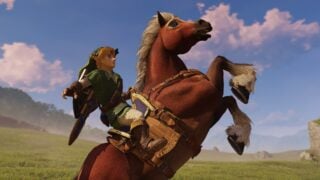
There’s something fitting about revisiting The Legend of Zelda: Ocarina of Time, nearly three decades after its original release. After all, it’s a game about growing up and watching a once-familiar world change.
Like Link emerging from the Temple of Time as an adult, the scale of Hyrule Field feels a little smaller than it did all those years ago. And I’m pretty sure the journey up Death Mountain to visit the Great Fairy was far more daunting at age 12. Yet while its environments may have lost some of their former mystique, the experience of exploring them has never felt grander.
Ocarina of Time’s remarkable Switch 2 visual overhaul, improved presentation, and more cinematic approach to storytelling give it the scale and spectacle of a modern blockbuster, elevating a story that was already among gaming’s most beloved, and making it sparkle for an entire new generation of players.
What matters most, to me, is how little has been lost in translation. Ocarina of Time was hugely influential when it was released in 1998, establishing the foundation of 3D adventure games. Decades later, its world remains a pleasure to explore, its dungeons are still intricate feats of design, and its atmosphere, music, and memorable characters are nearly unmatched in Nintendo’s repertoire.
Crucially, this is a remake that has been crafted with utter respect for its source material. Rather than using familiar story beats as the foundation for an entirely new interpretation, Nintendo has remained staunchly faithful to the Nintendo 64 game’s original design and tone. A handful of smart modernizations, like new controls, quest tracking, and yes, a less mazy Water Temple, make the adventure more approachable, but they don’t fundamentally change how it plays.
For all its beautifully improved visuals, Ocarina of Time’s remake hasn’t lost the oddness, the creepiness, or the moments of sadness that made the original game so memorable: the unsettling Mask Salesman, the traumatizing Bottom of the Well, and the melancholy of returning to Lon Lon Ranch. It’s still very much the same strange, wonderful adventure. Only now, with the benefit of modern technology, it feels bigger, snappier, and more emotionally affecting than ever.
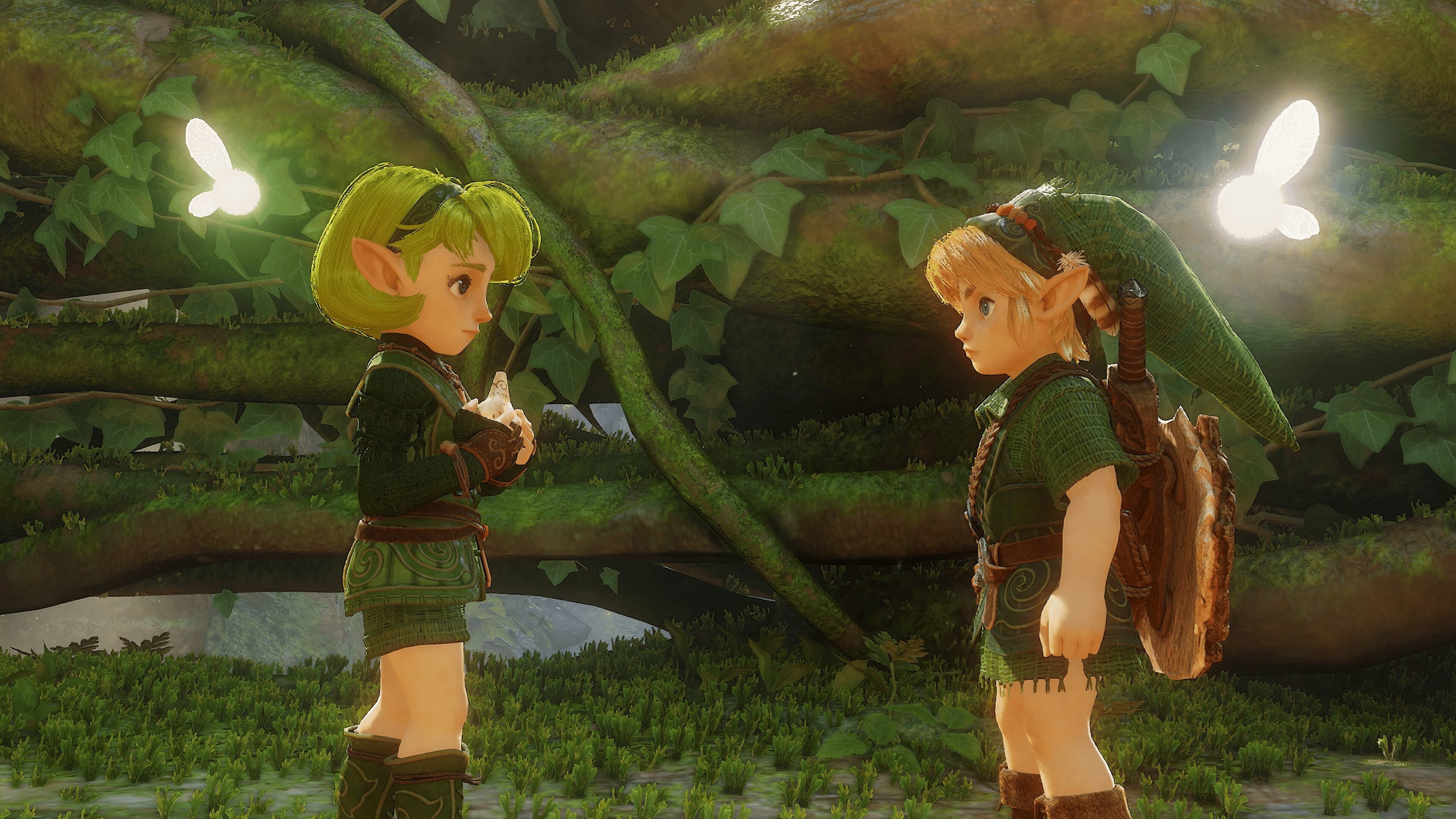
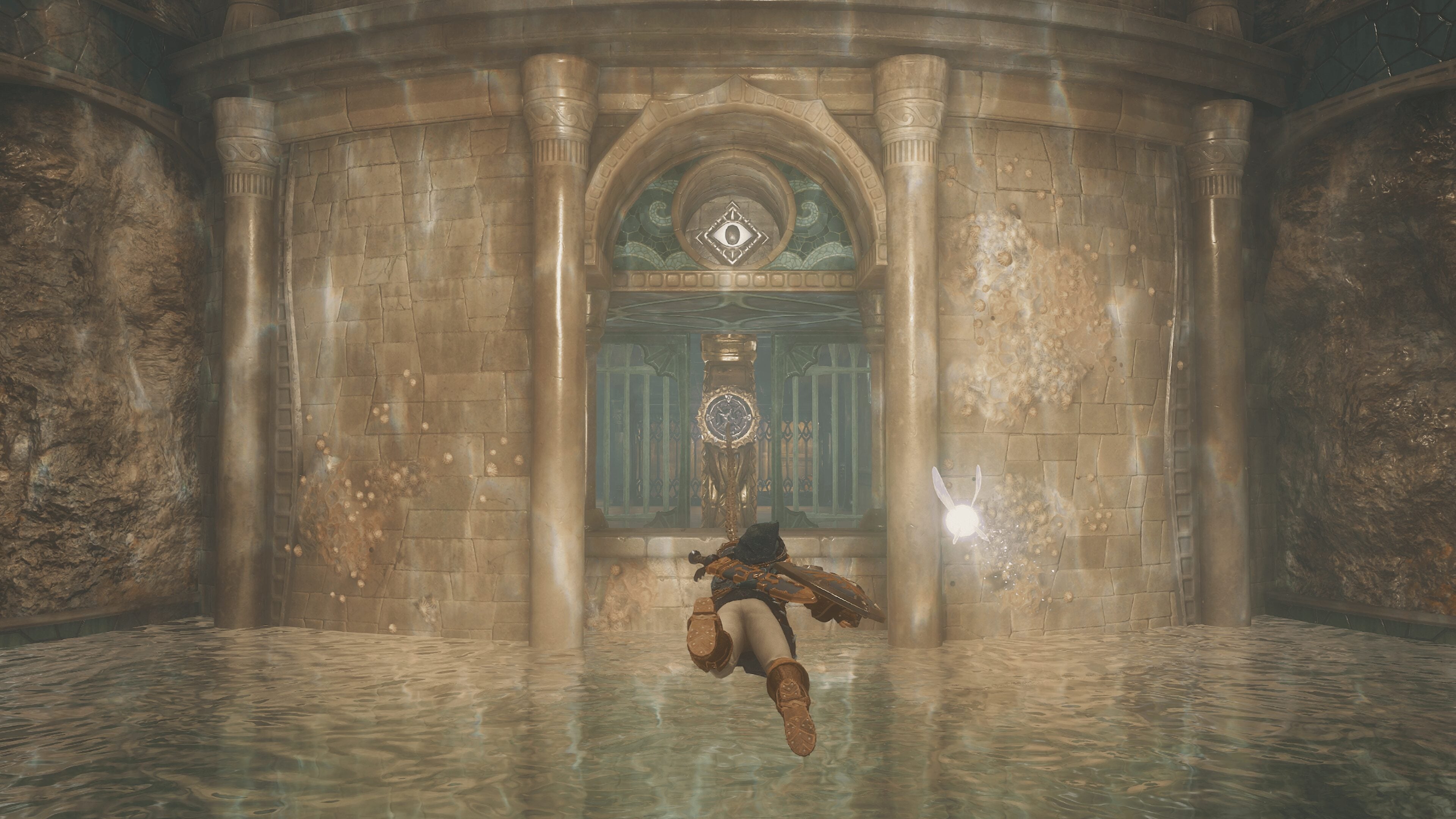
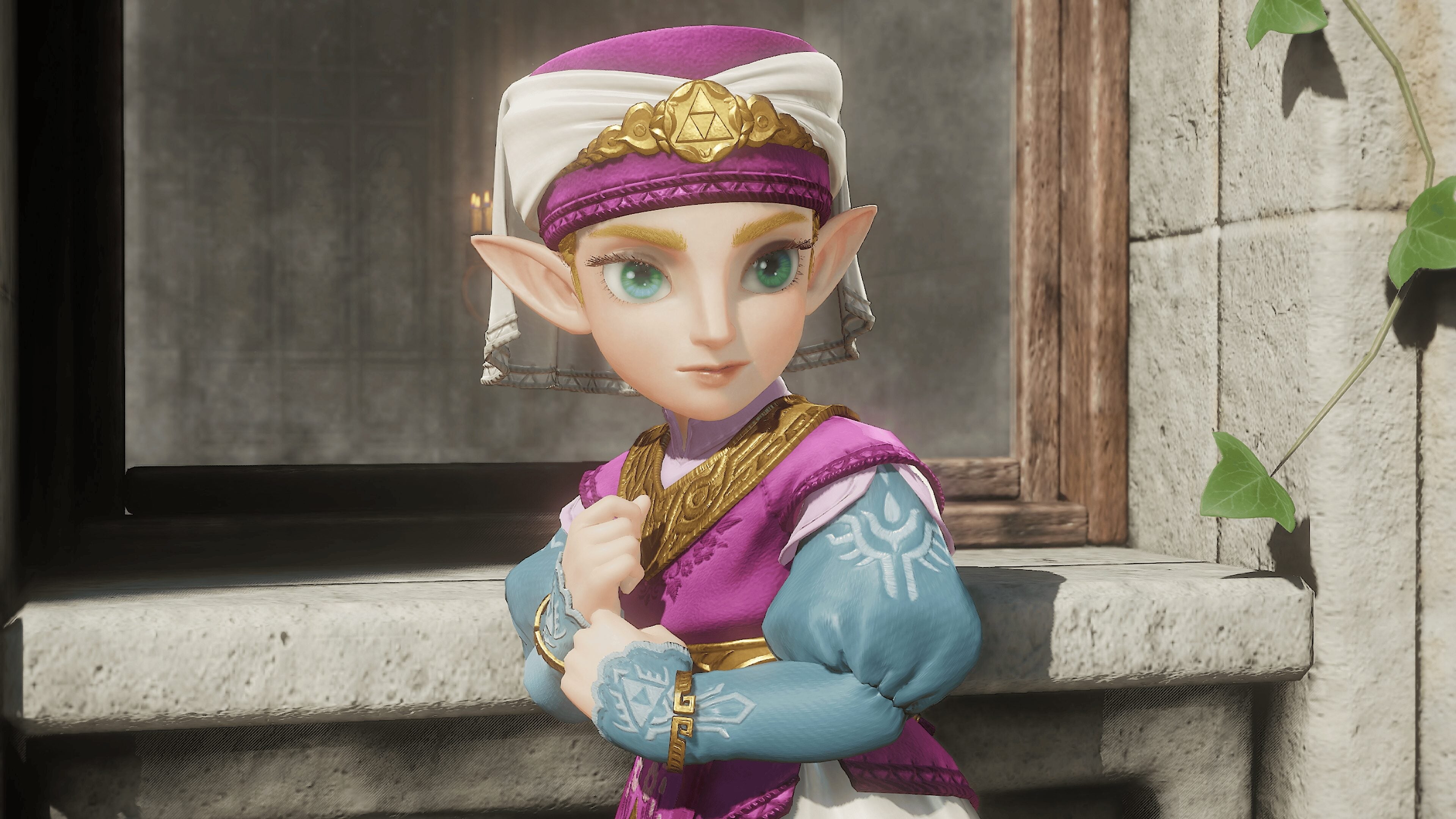
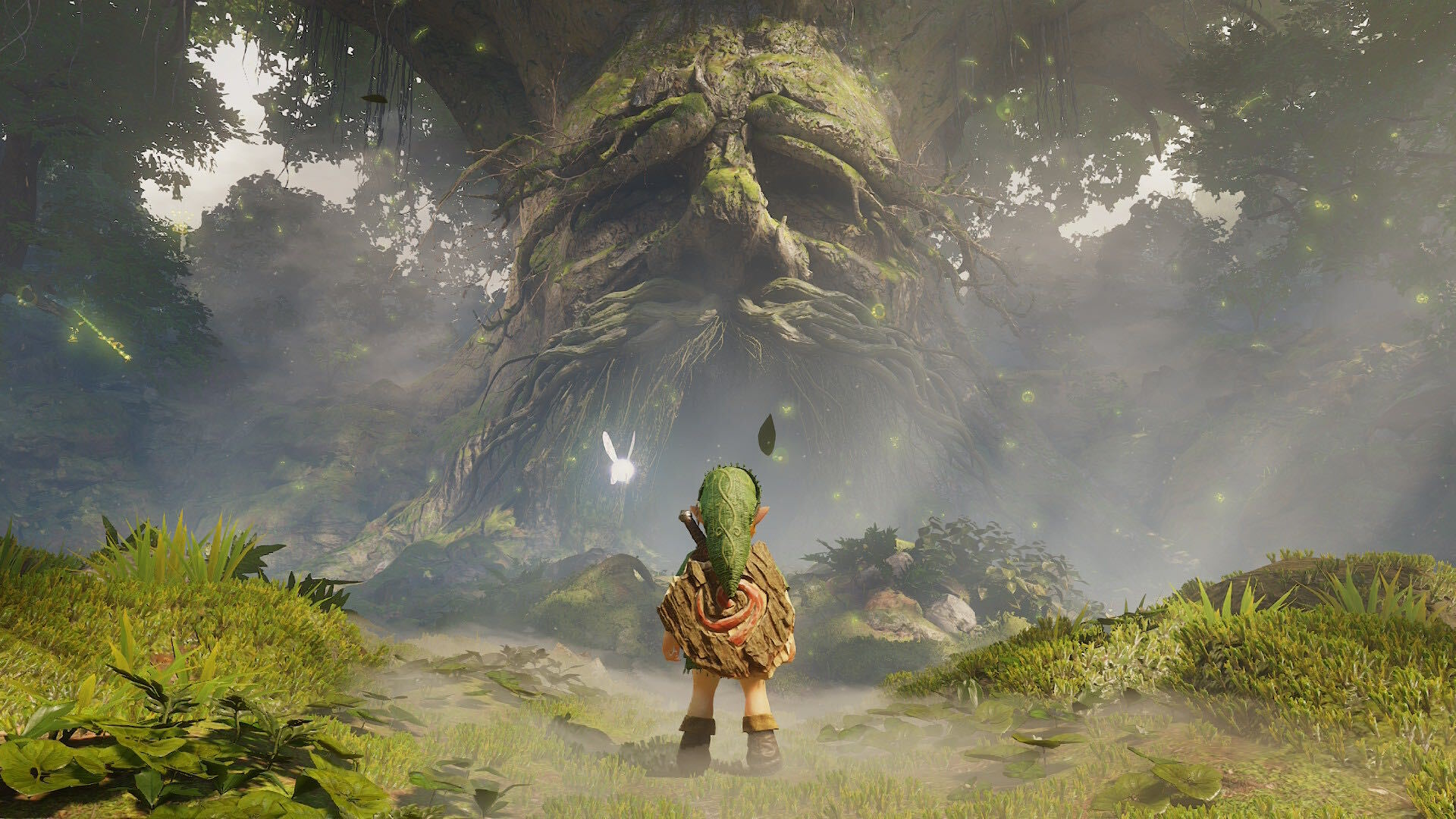
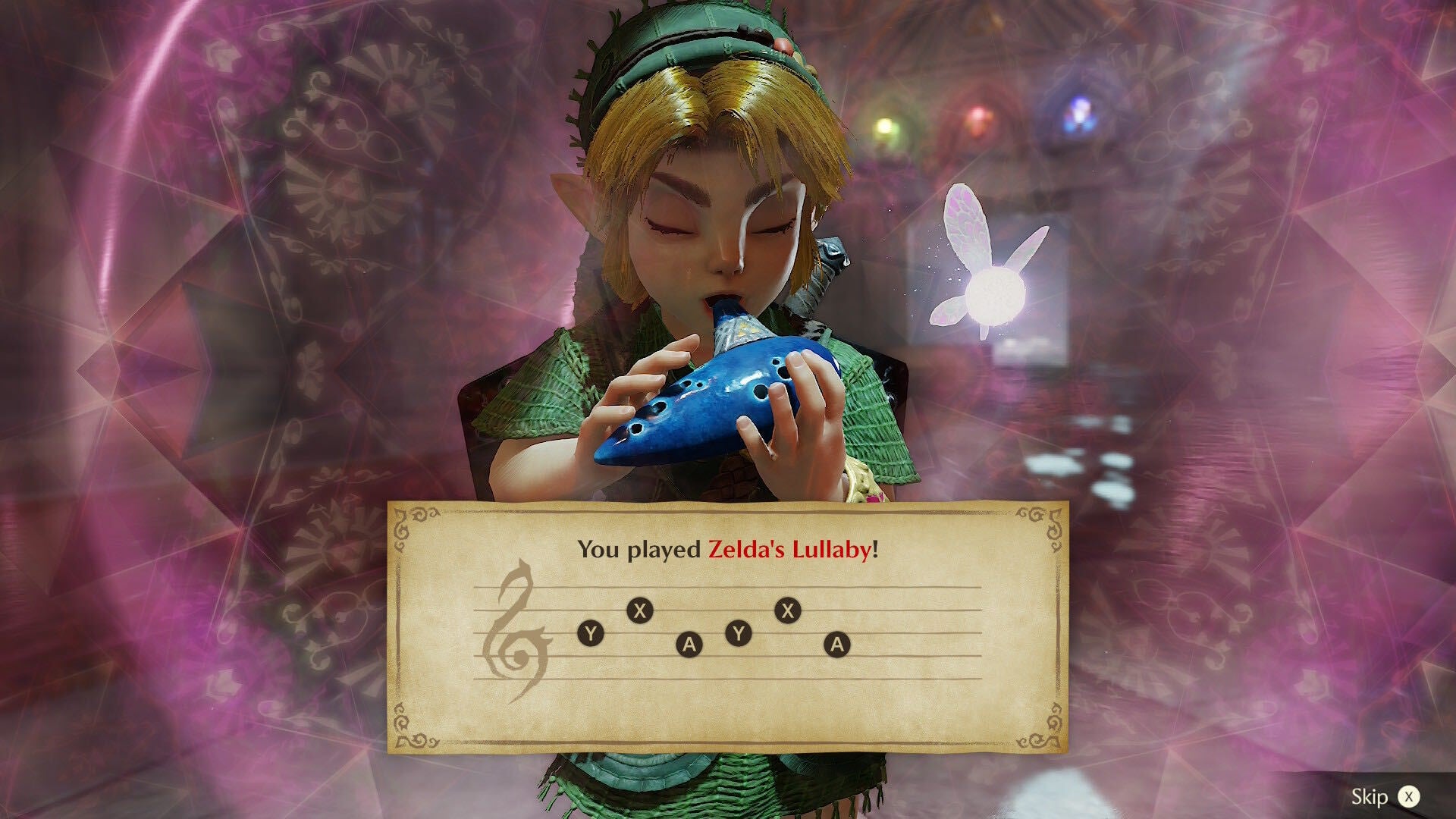
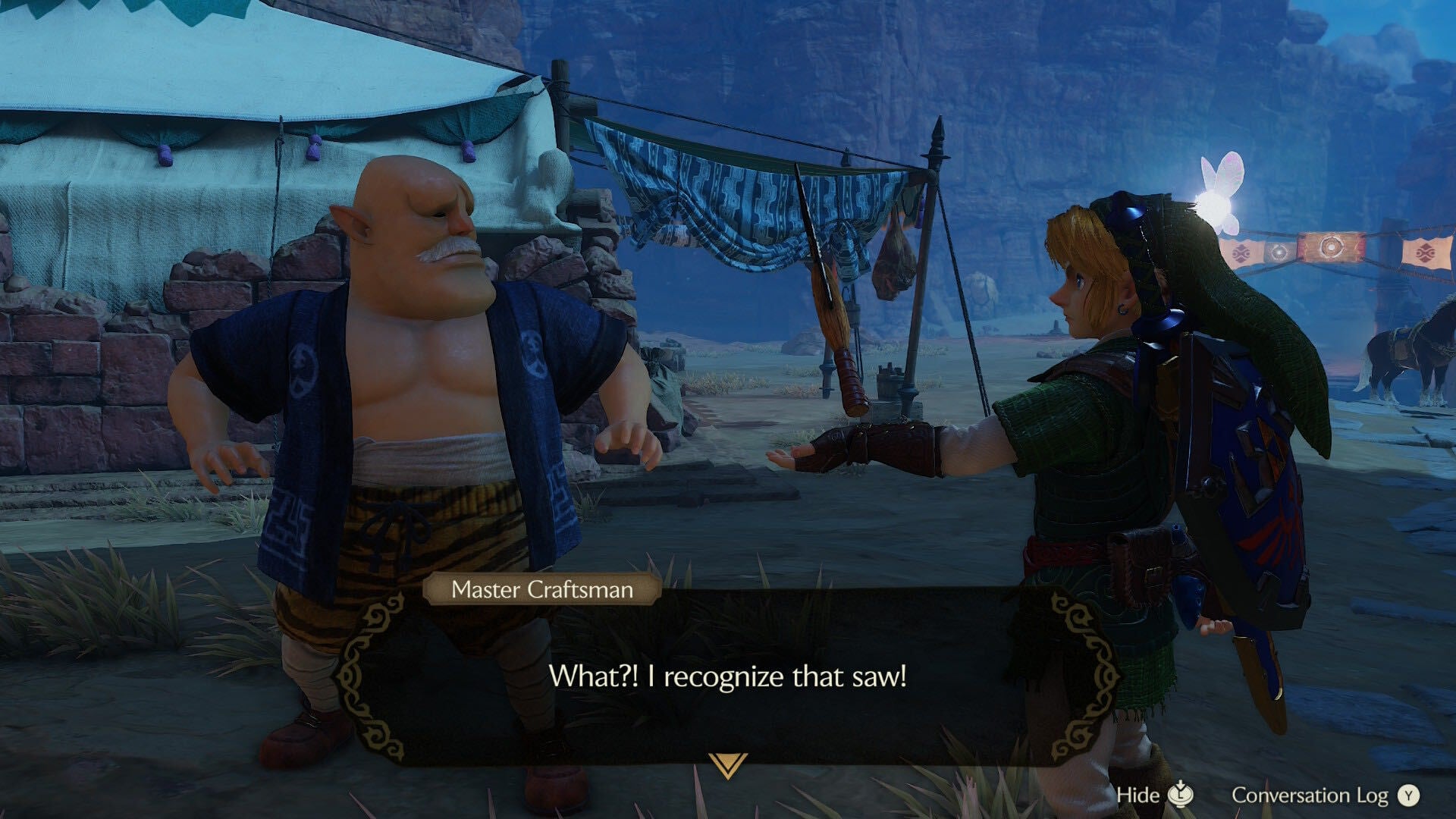
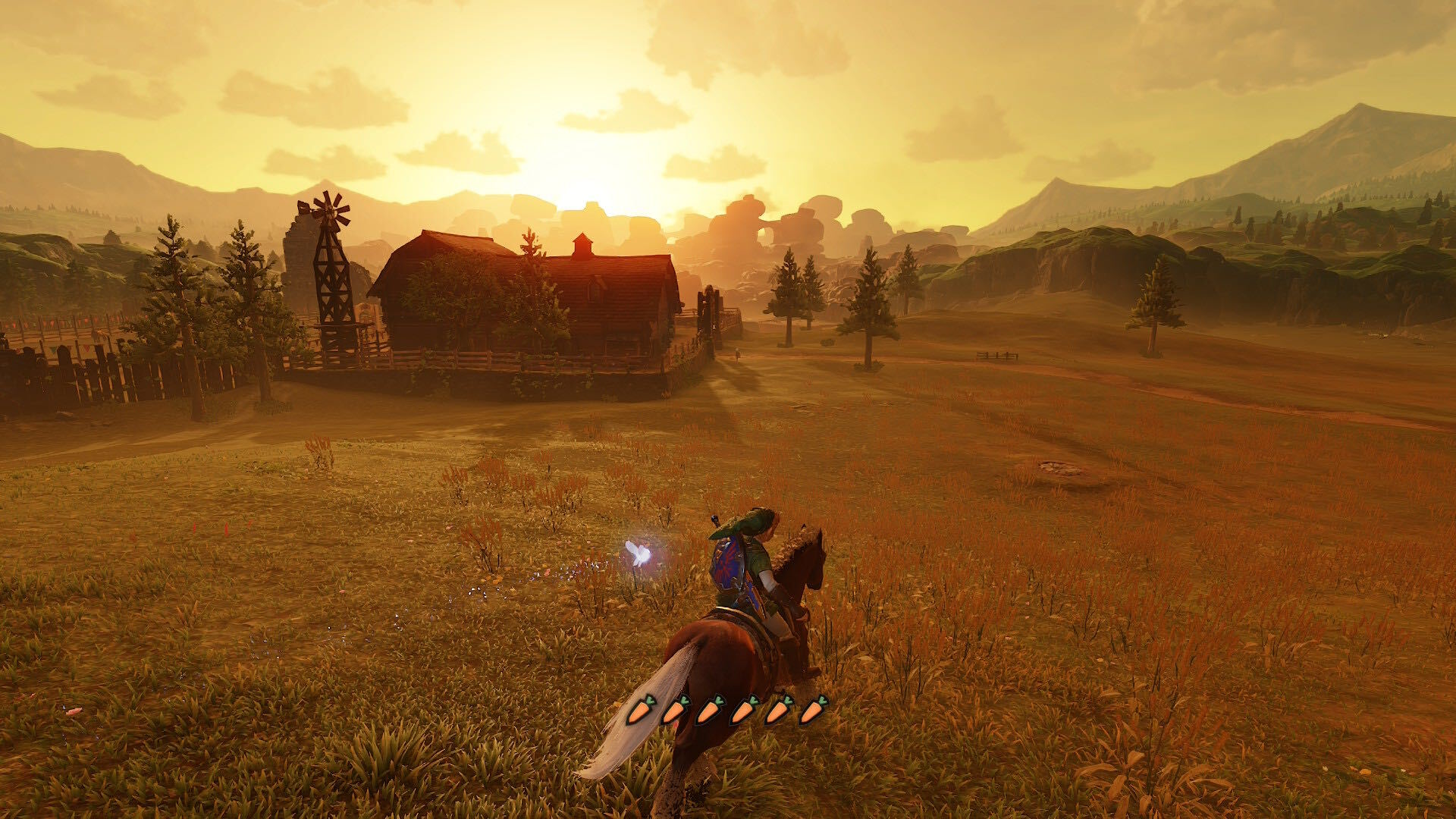
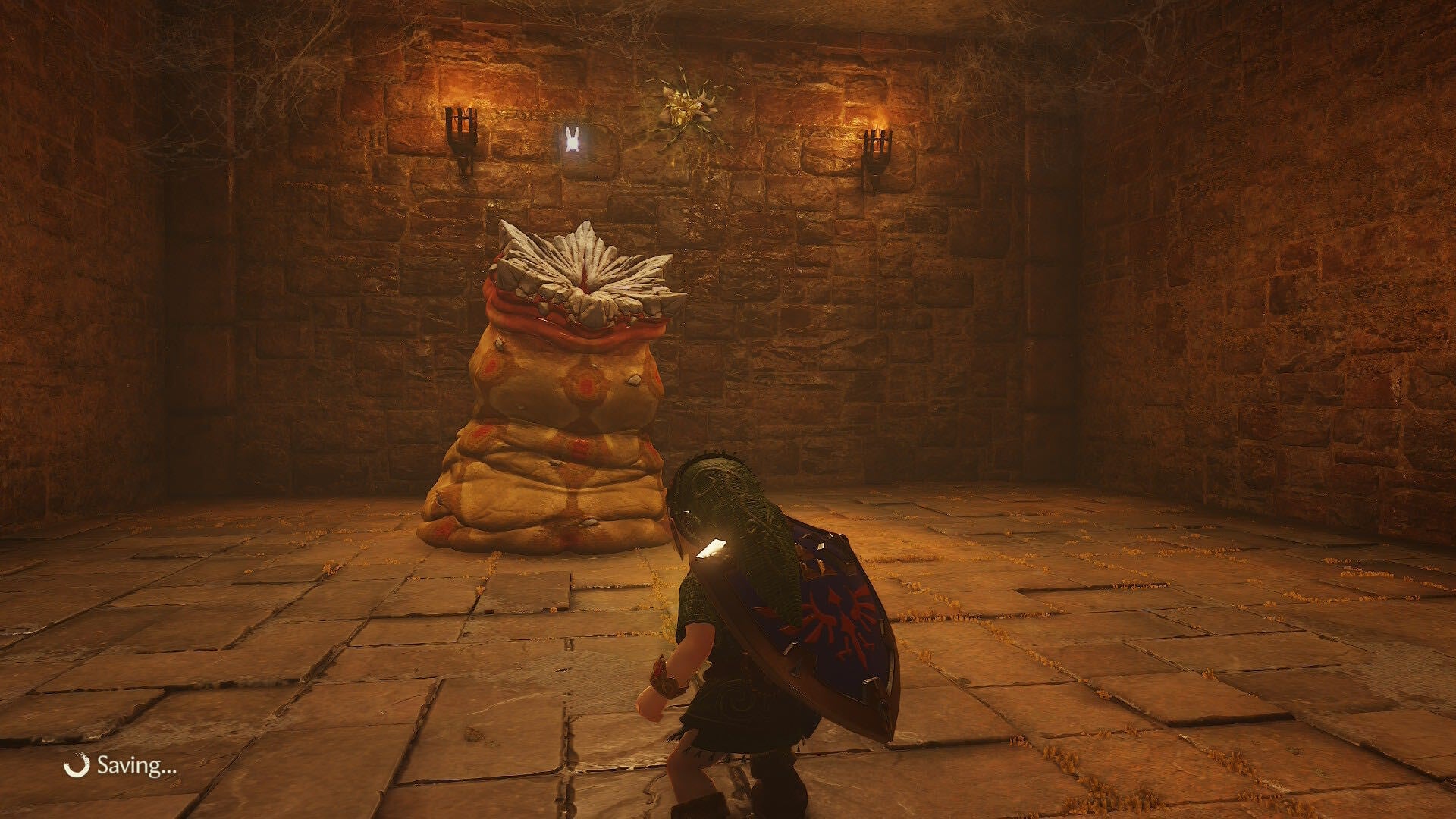
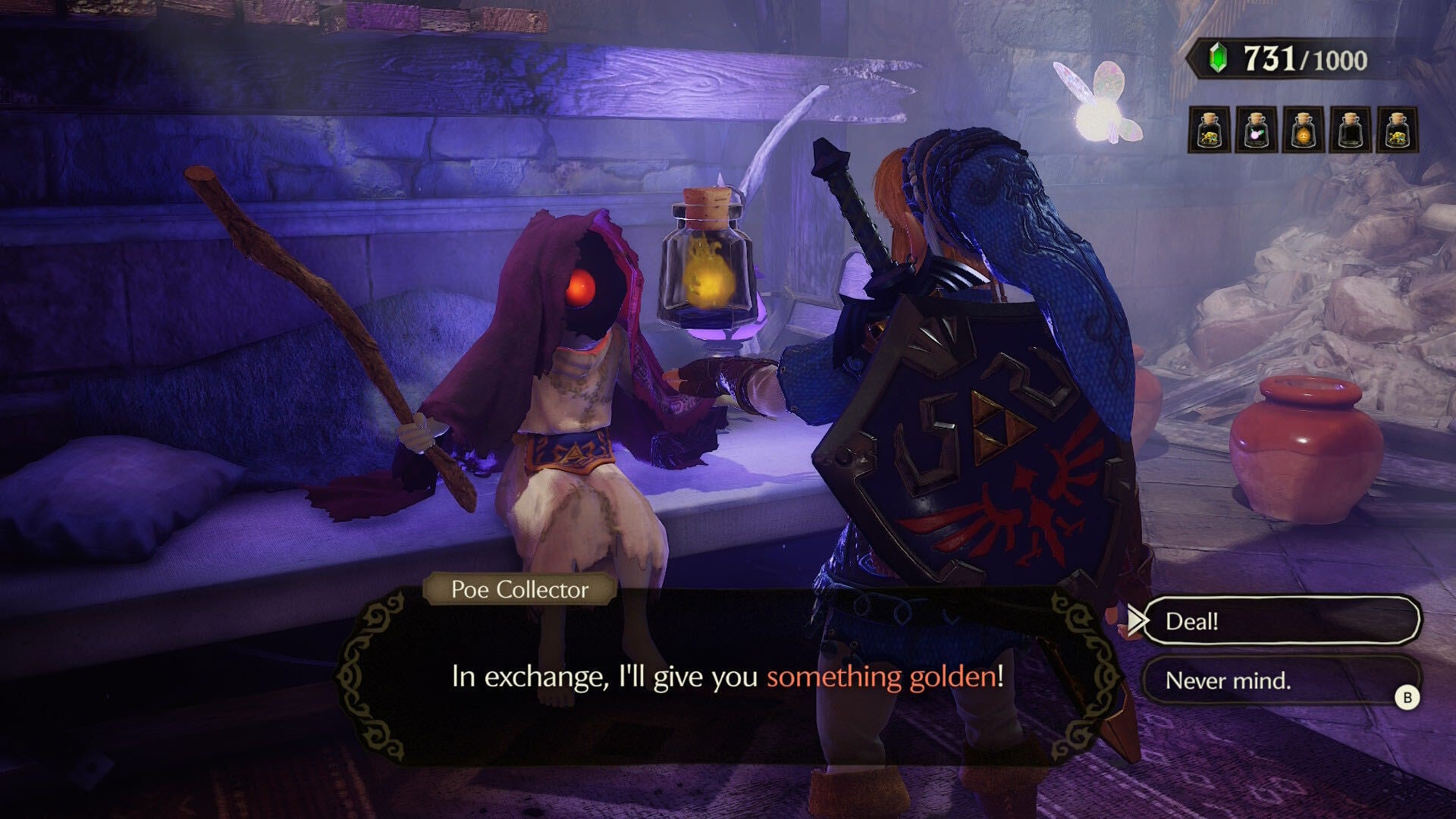
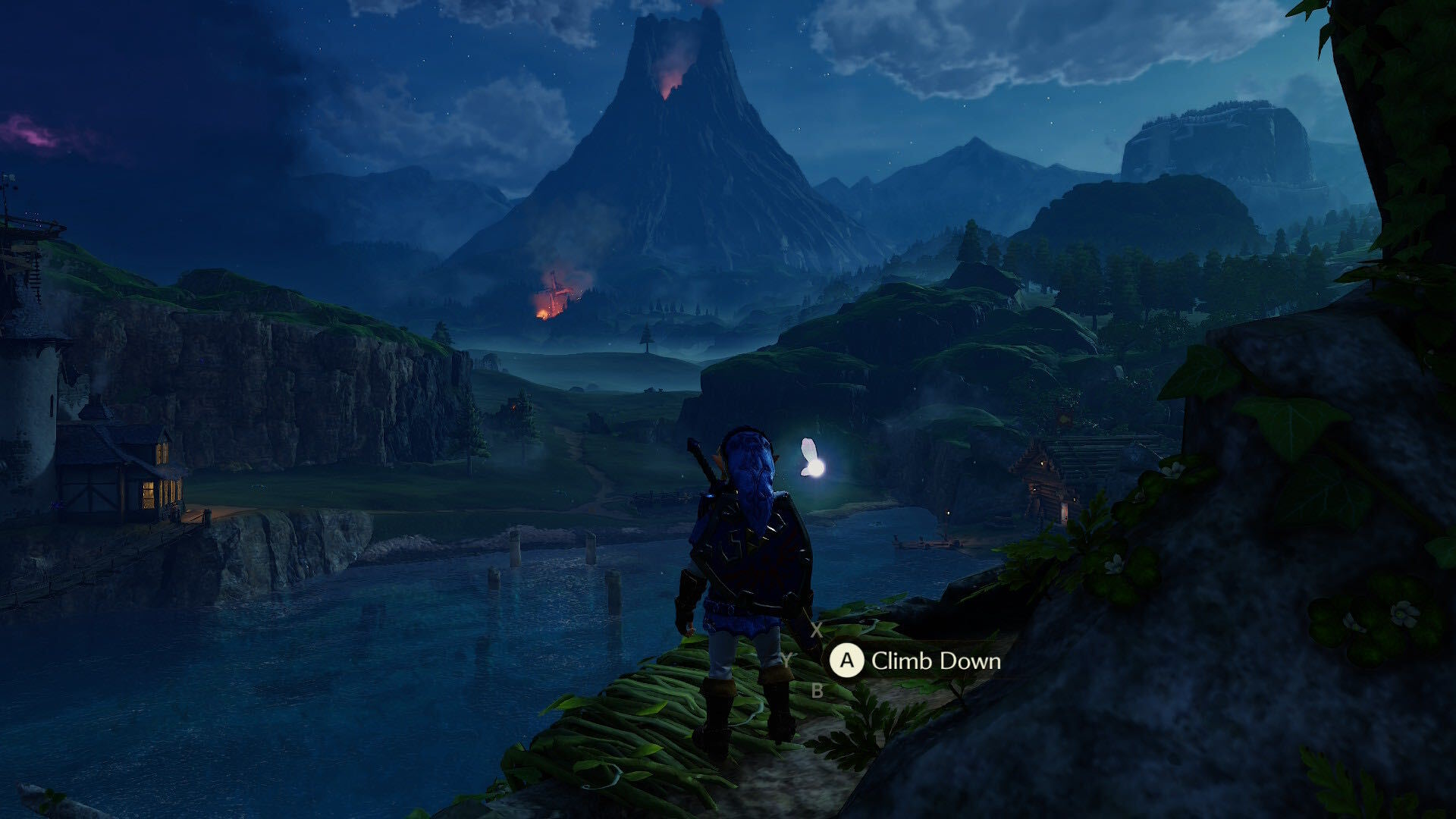
Returning to the Nintendo 64 classic 28 years later, now firmly into my own adulthood, it’s remarkable how Ocarina of Time’s world can feel so different, yet so much like the place I fell in love with in the late 90s.
Unsurprisingly, considering they’re the best-selling entries by a huge margin, the remake’s young development team has overhauled Ocarina’s presentation with Breath of the Wild and Tears of the Kingdom-style UI, including an item wheel. Like in those games, players can now jump on command, dash across Hyrule Field, and aim their bow and arrow with gyro controls.
This, combined with the ability to fast-equip items like masks and boots using the D-Pad, removes a lot of the aged annoyances from the original game, while the ability to track quests via a new menu, refight bosses, summon Deku shopkeepers, and hum the ocarina tunes you can’t remember the button commands for, are welcome quality-of-life additions.
“For all its beautifully improved visuals, Ocarina of Time’s remake hasn’t lost the oddness, the creepiness, or the moments of sadness that made the original game so memorable”
Beyond the headline changes, there are numerous smaller alterations to the blueprint for fans to pore over, including subtle nods to more modern Zelda entries. But unlike the other big 90s remakes of Final Fantasy 7 and Resident Evil 2, Ocarina of Time sticks closely to the design of the original.
This is, without doubt, the most detailed game Nintendo has ever made. The air in Kokiri Forest is thick with atmosphere, Link’s hair blows in the wind as you cast off at the Fishing Pond, and mist stirs around your feet as you timidly step further inside the Graveyard. The remake’s initially peculiar puppet-like characters and fairytale aesthetic soon charm you with a world that, again, feels simultaneously faithful to the original and wonderfully reimagined.
Hyrule Castle Town Market is both full of familiar characters and shops, and utterly transformed, its low-res 2D backgrounds replaced with a fully 3D recreation. The fade-to-black transition to Hyrule Castle, once a blurry corner, is now an intimidating stretch of road that reveals the town extending toward the horizon, implying a renewed sense of scale, even if its extension remains tangibly out of reach.
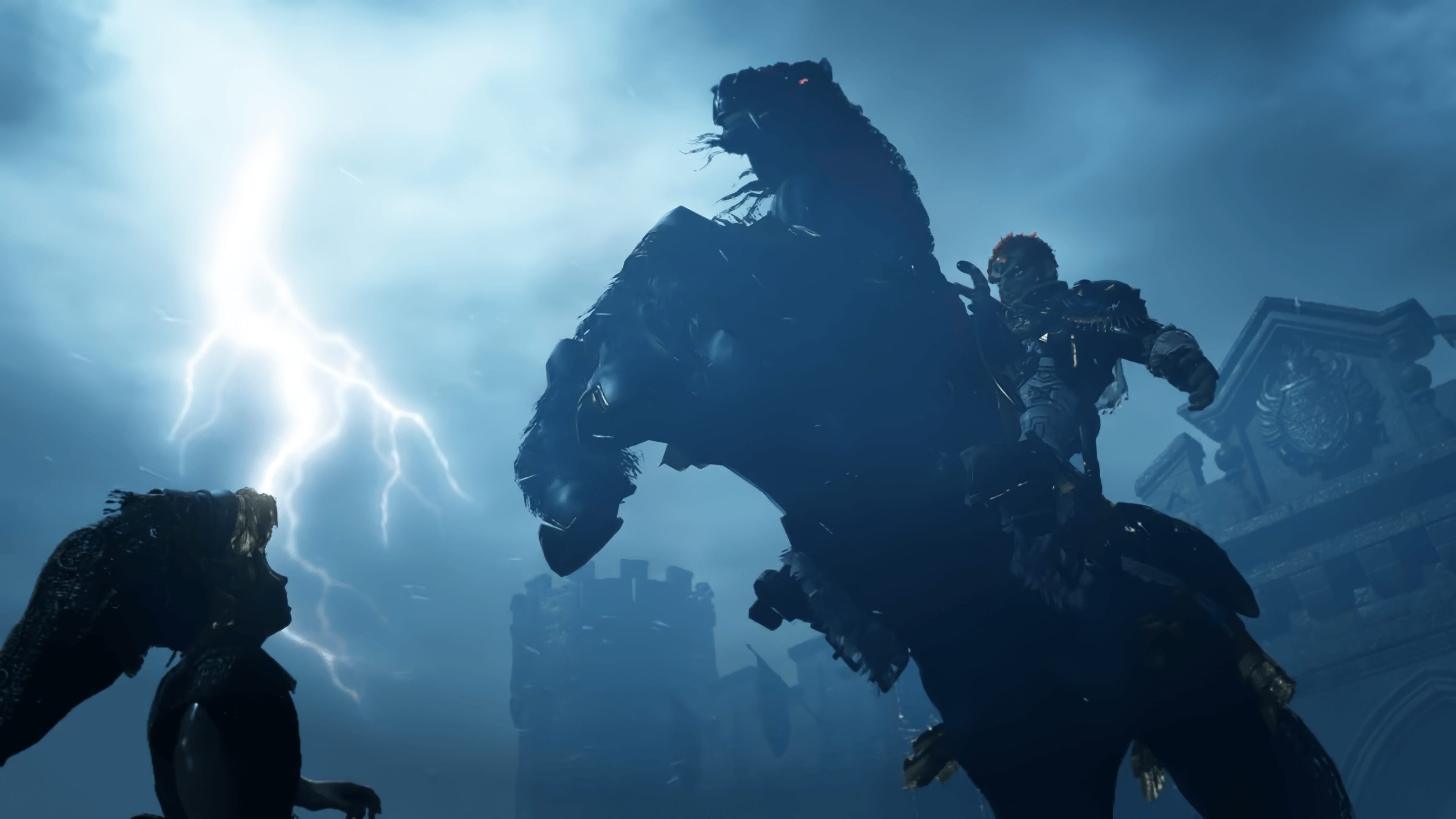
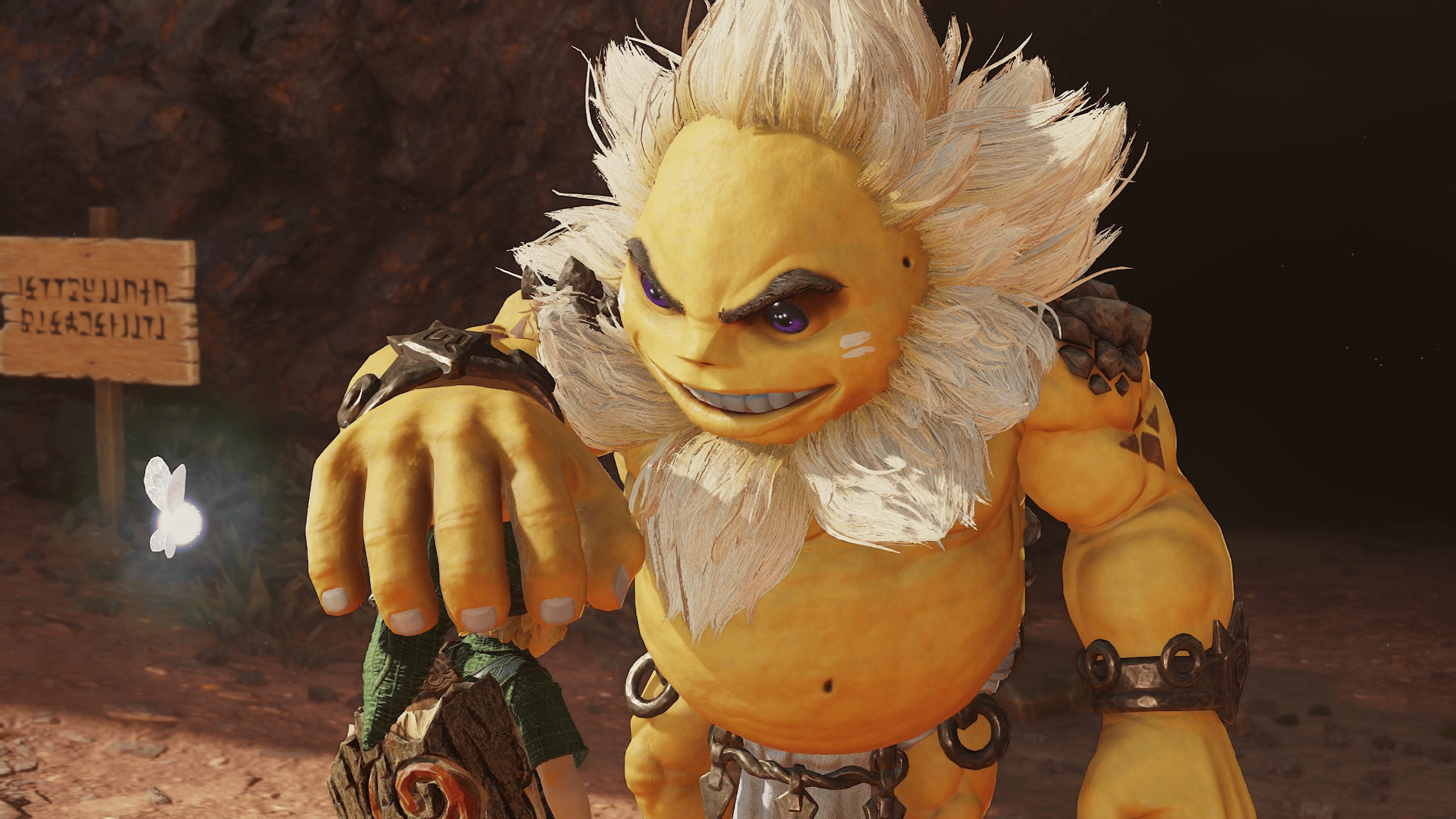
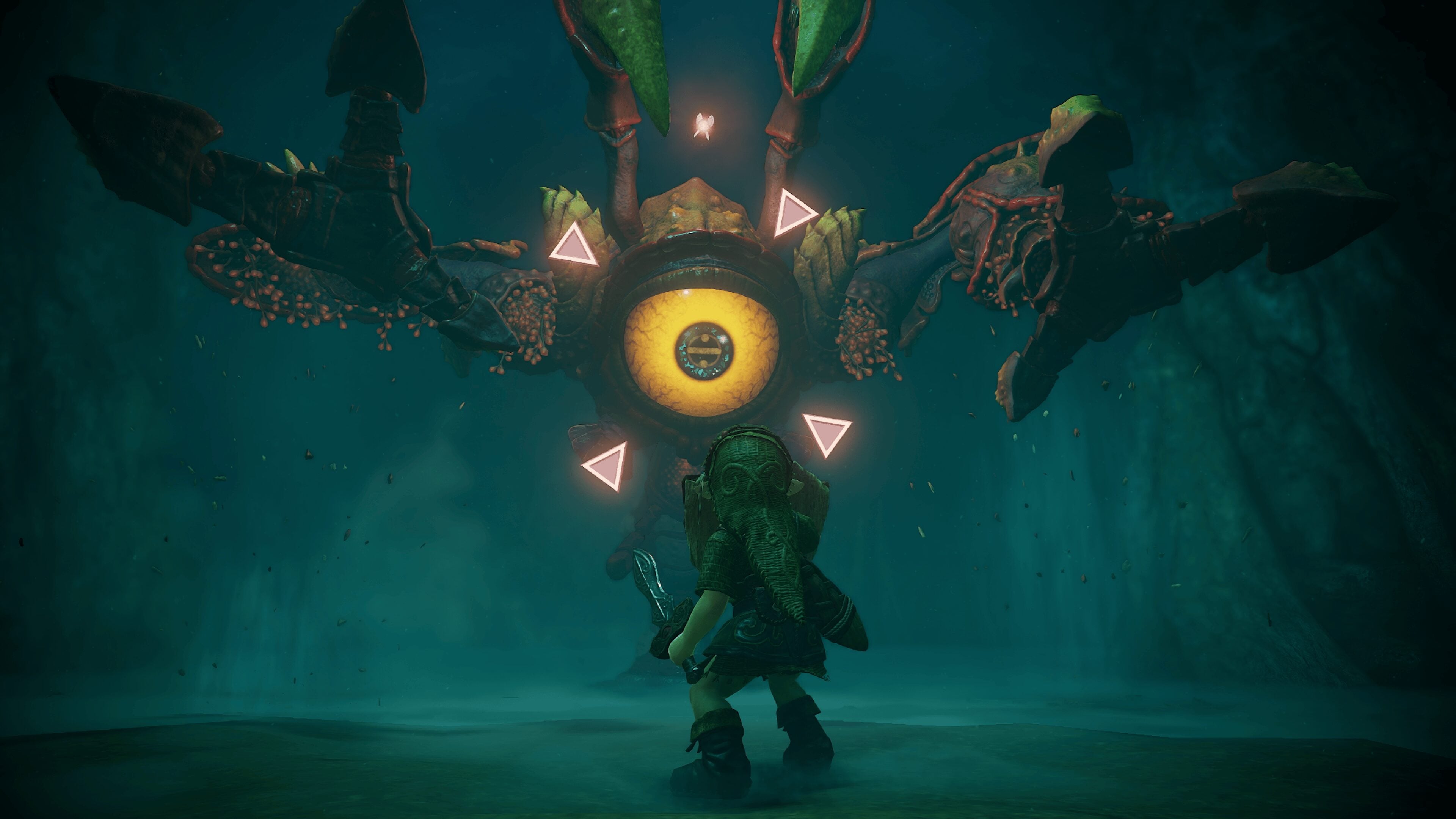
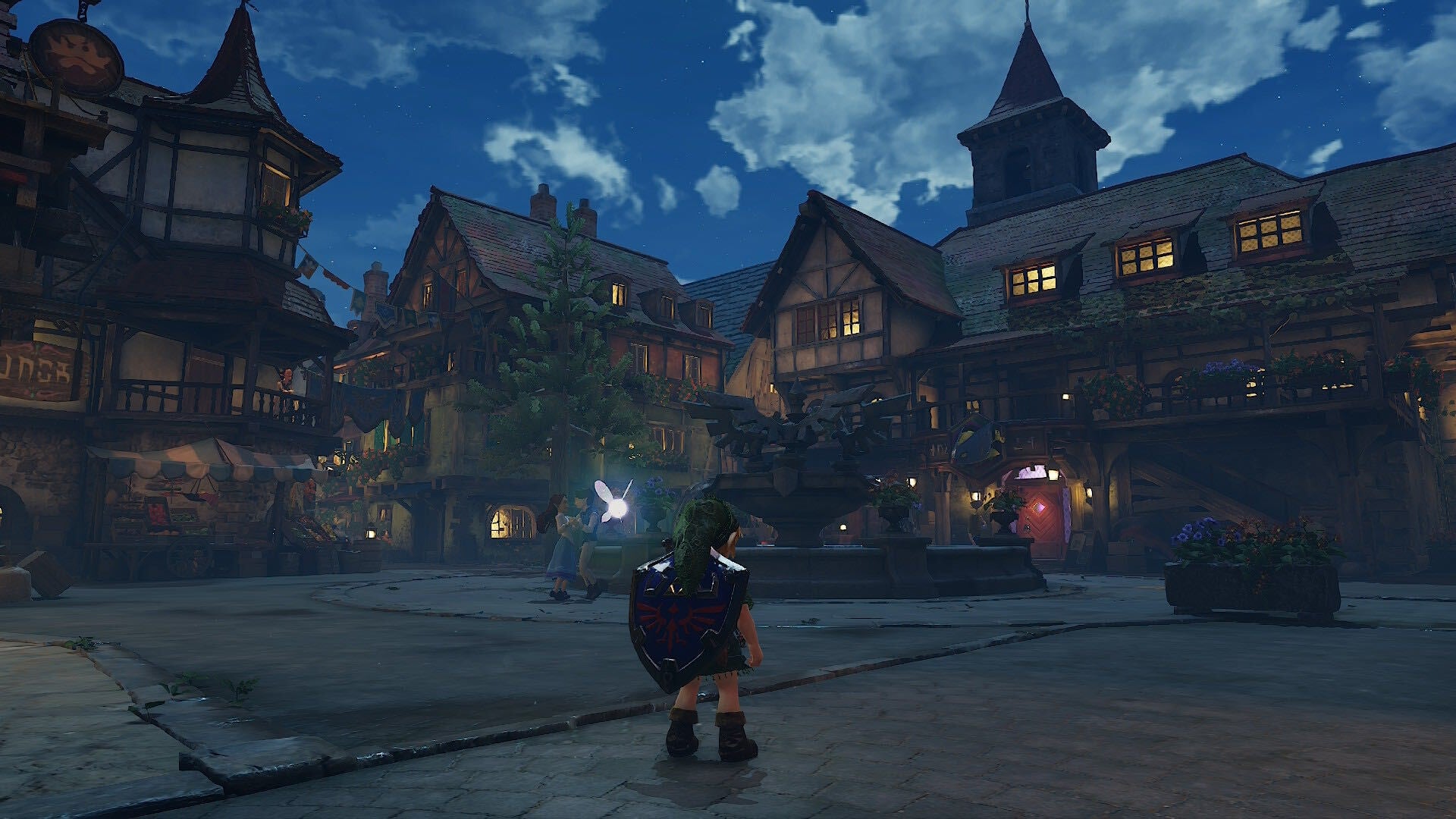
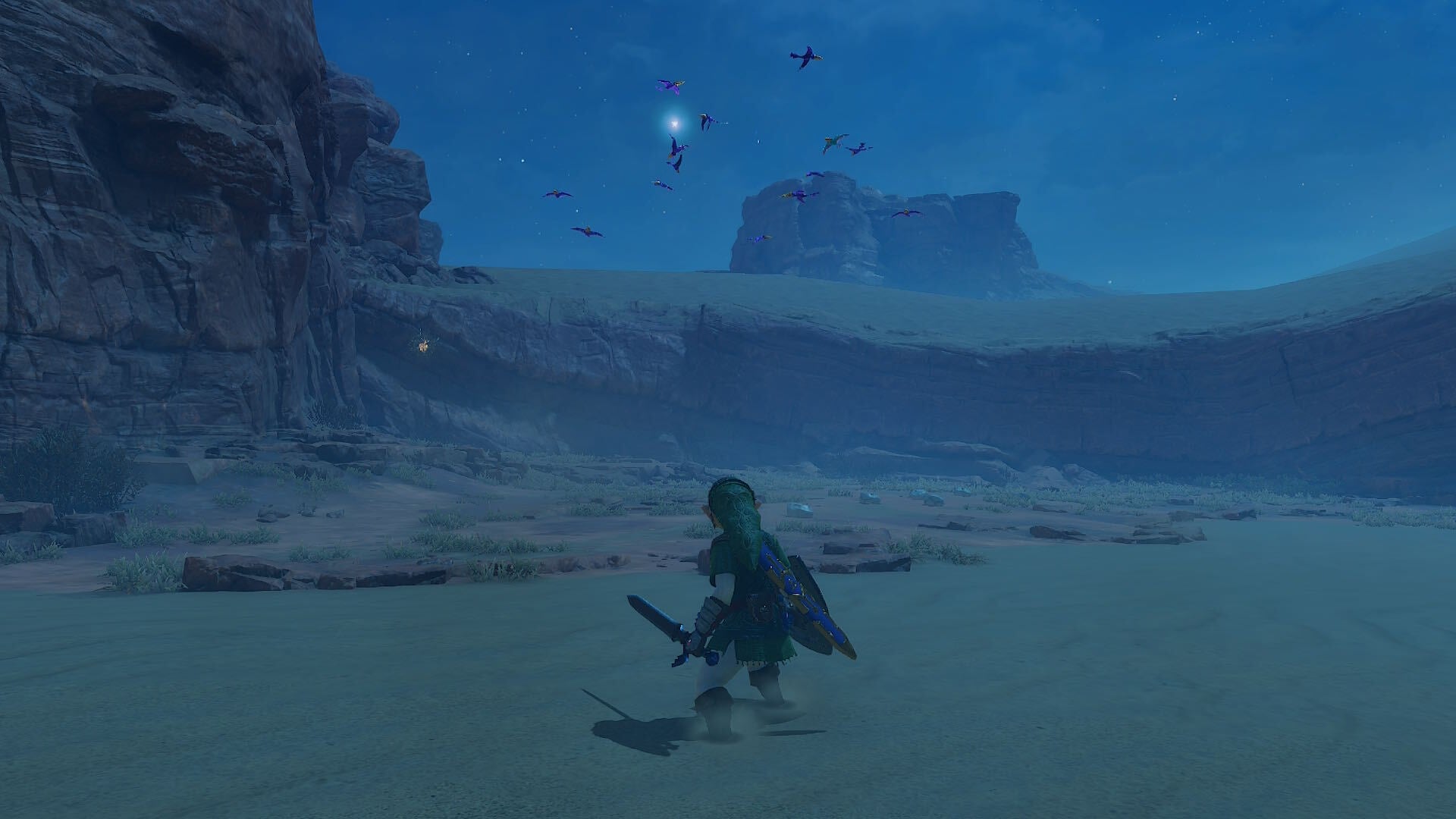
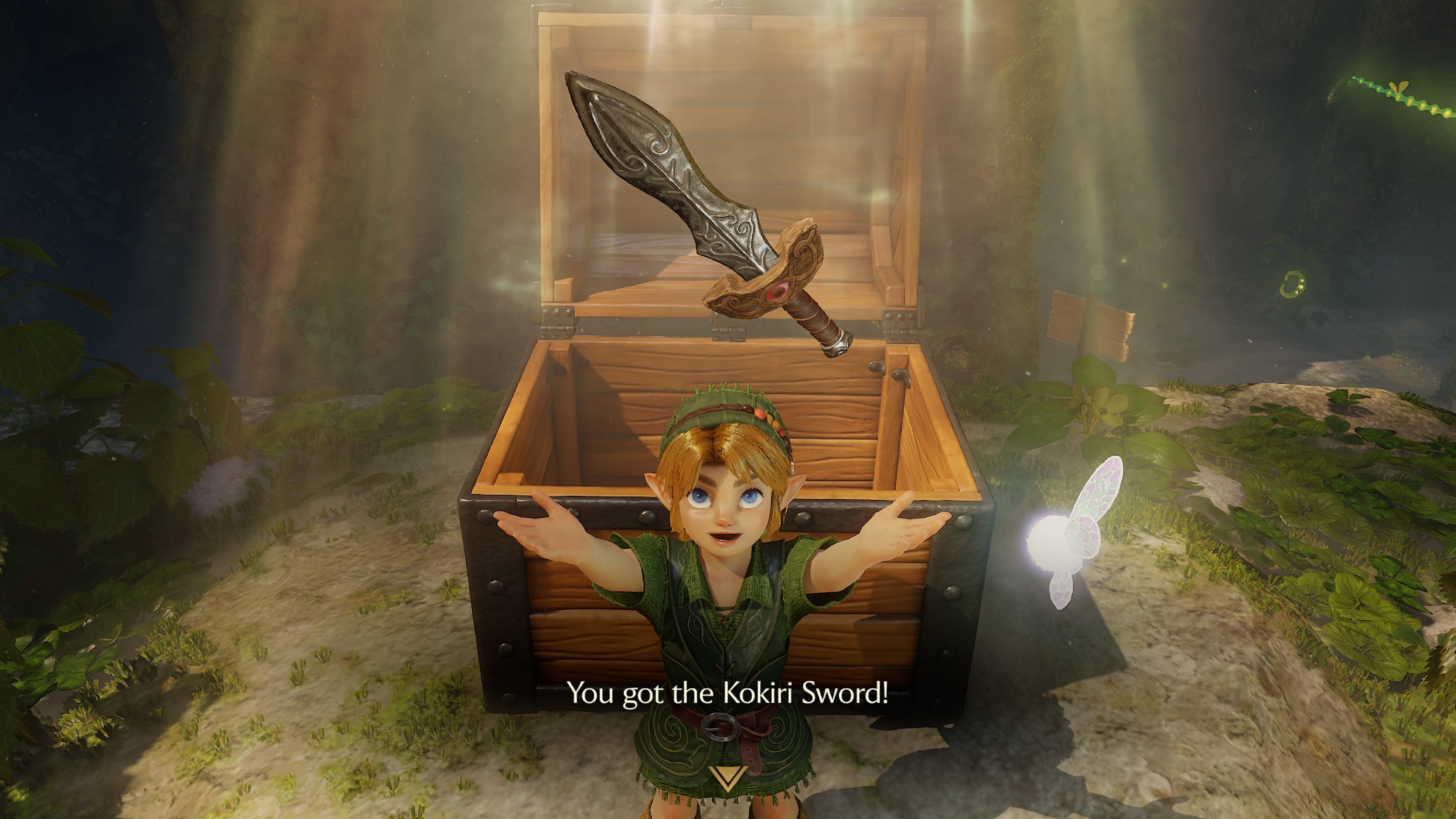
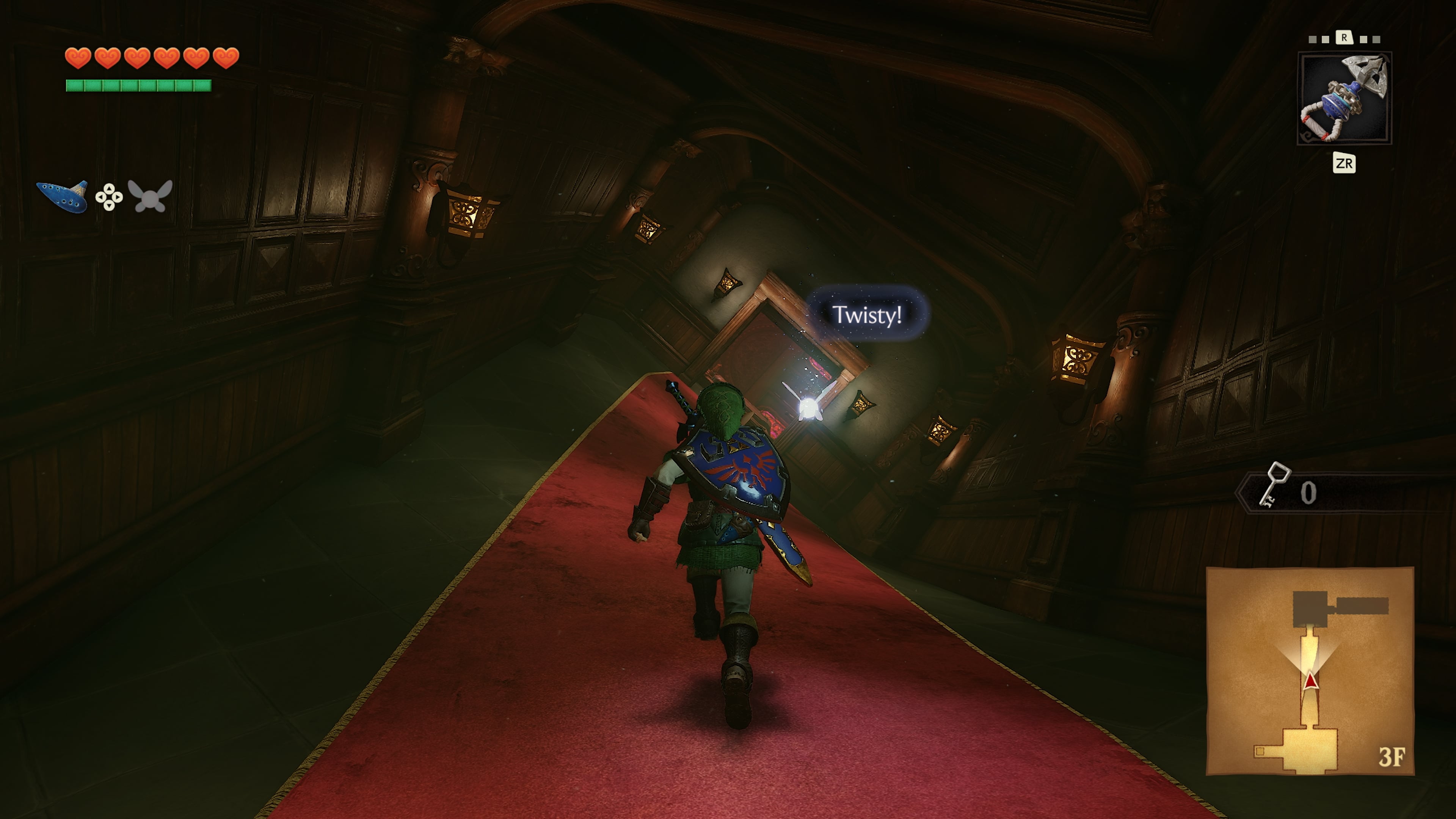
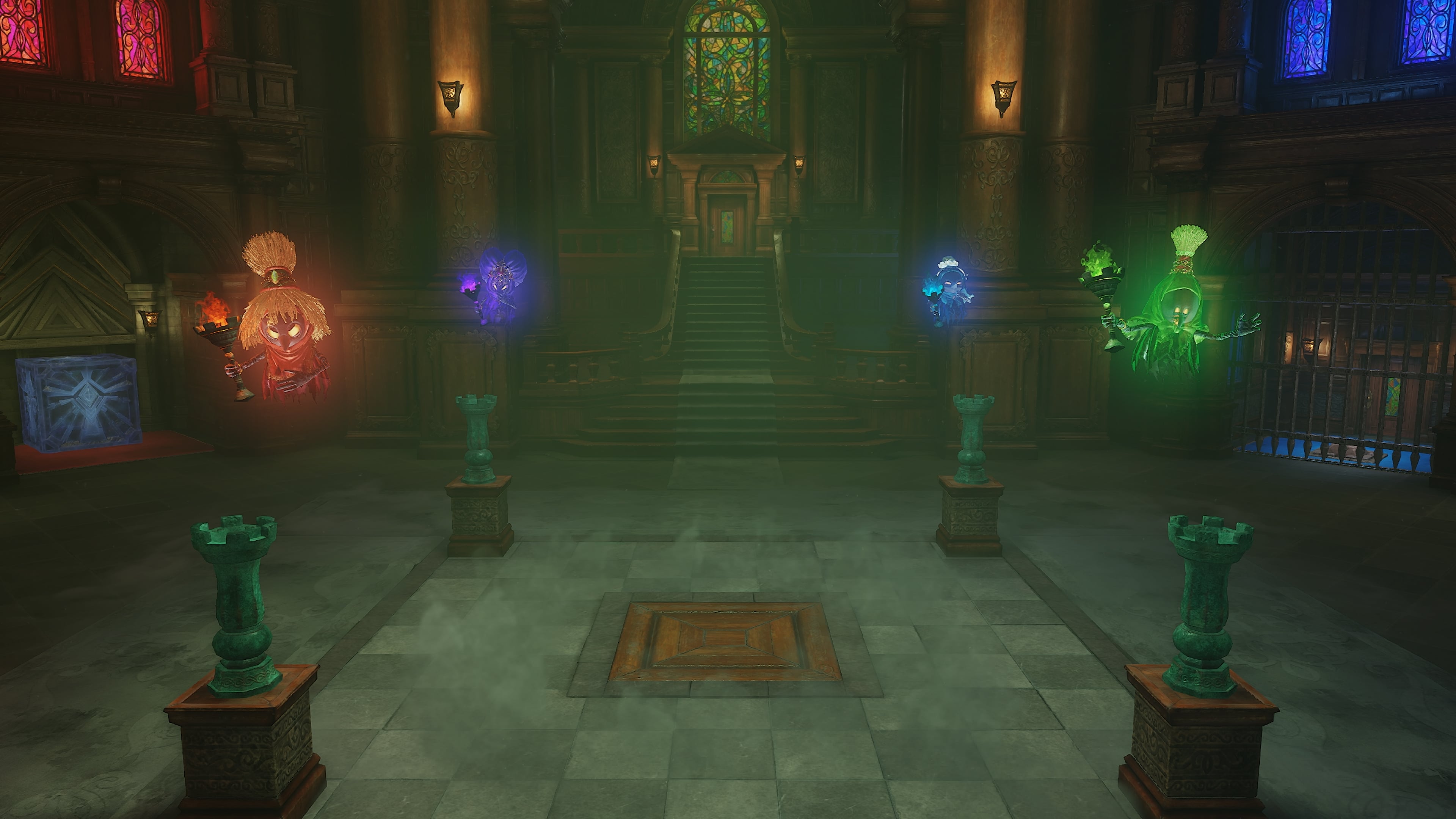
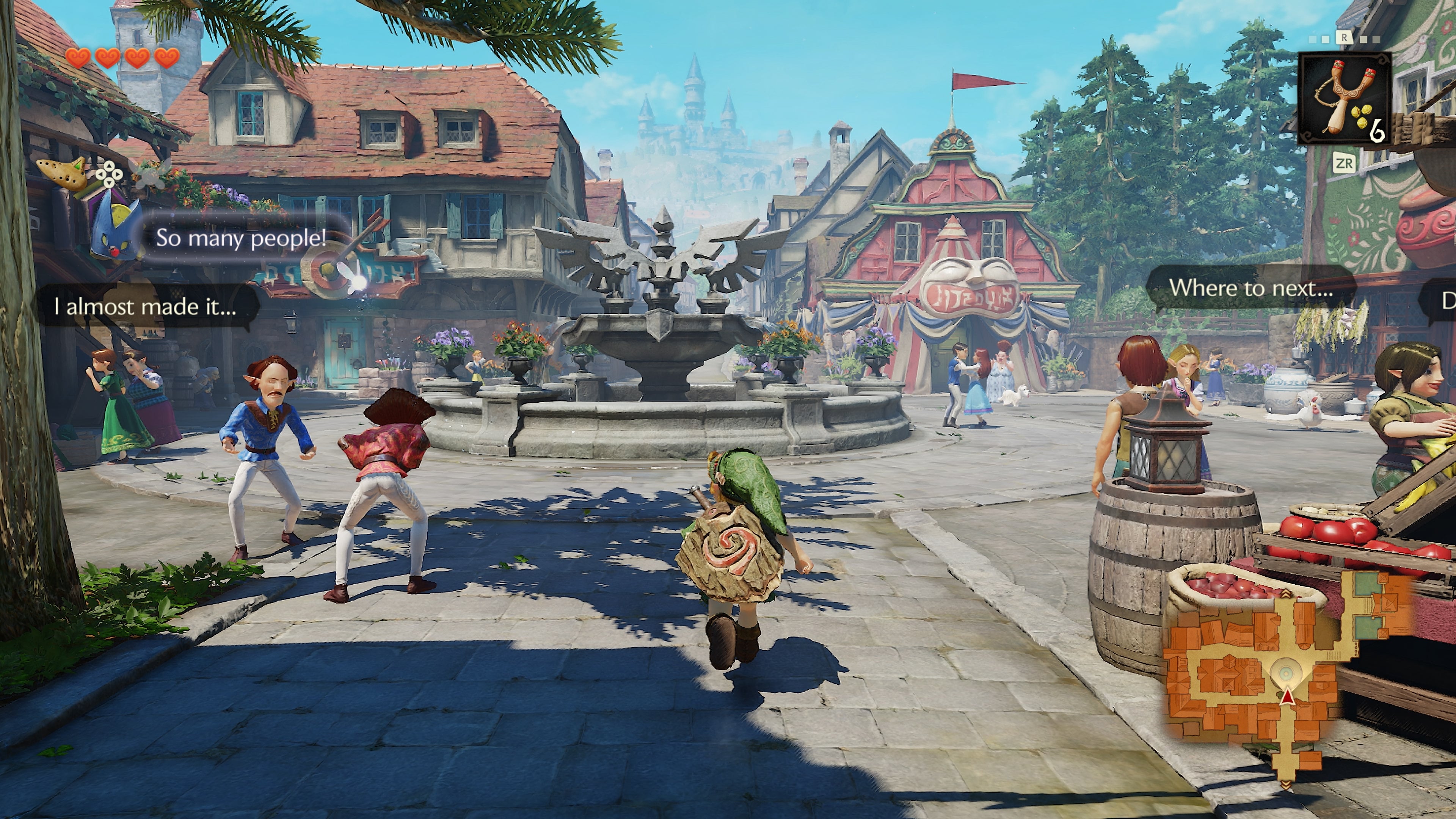
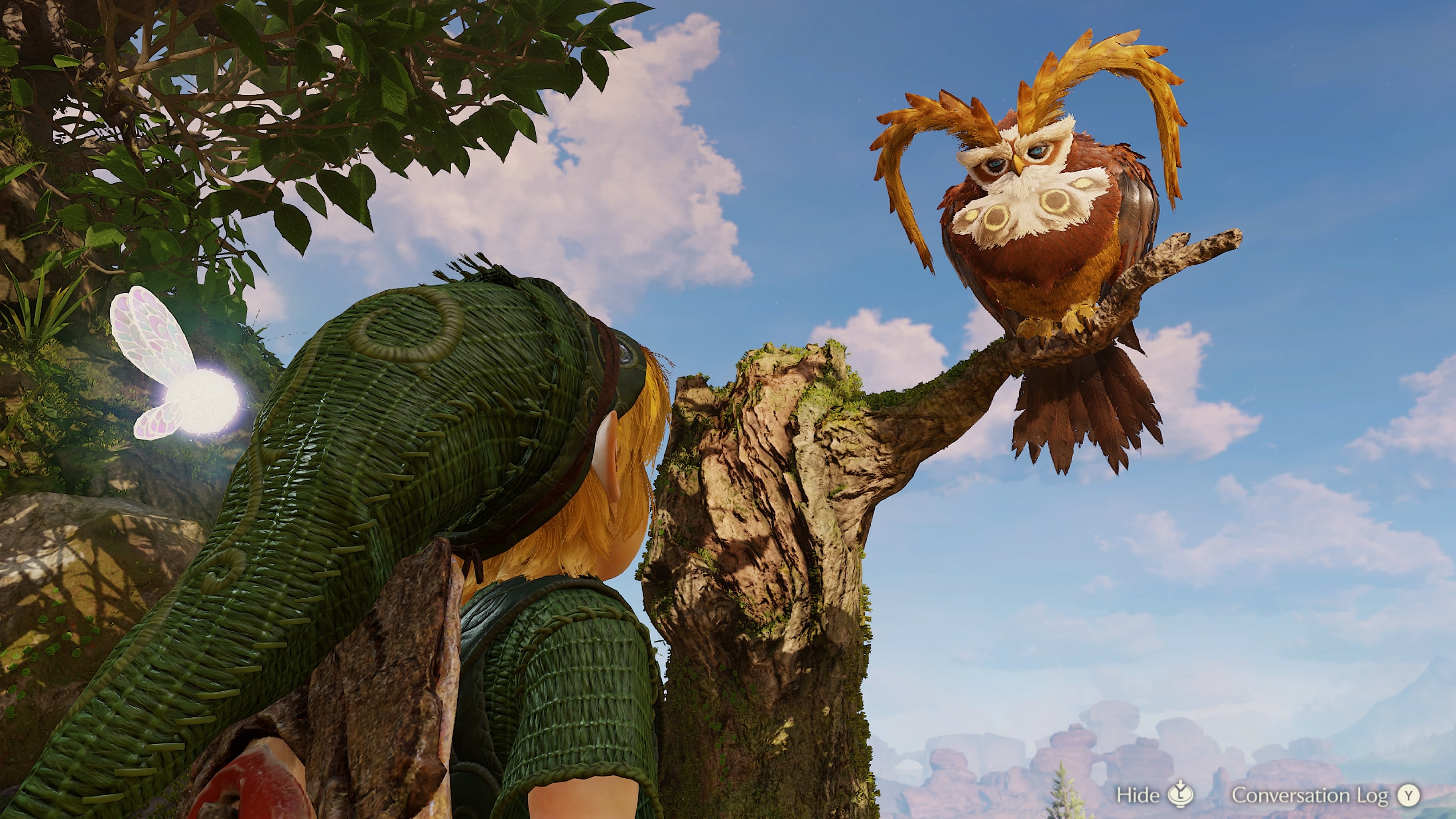
It’s those sorts of subtle additions that bring a grander feel to the remake, despite the fact that most of its broad designs are exactly as N64 players will remember. It’s not just the graphics that make the world feel more alive: characters bark dialogue, music dynamically changes, and the environment is more connected.
The transition from the streets of Kakariko Village to its housing interiors, or Lon Lon Ranch or Lake Hylia from Hyrule Field, is now totally seamless, too, and the inhabitants of these areas will spout dialogue via UI speech bubbles – a brilliant injection of personality. Towns now follow the passage of time, bringing a little of Majora’s Mask’s living-world feel as townspeople leave their homes to go to work, or settle in for dinner, and the gorgeous musical score is more dynamic than ever.
Perhaps the Ocarina of Time remake’s biggest triumph is how it brings a new sense of depth and spectacle to an adventure already rich in cinematic flair. Few games have used the passage of time as emotionally effectively as Ocarina of Time. Returning to familiar places like Lon Lon Ranch or Hyrule Castle as adult Link and discovering what changed in your absence remains a powerful storytelling device, and the remake’s cinematic presentation makes those moments even more affecting.
“Perhaps Ocarina of Time remake’s biggest triumph is in how it brings a new sense of scale and spectacle to an adventure that was already rich in cinematic flair.”
Expressive animation and fully voiced dialogue transform its cut-scenes, while a distinctly Californian voice cast – not always entirely to my taste – gives its characters a newfound personality. Its sad moments hit harder, its humor lands better, and its time-traveling story beats leave an even greater impression, long after the credits have rolled.
Changes of this magnitude could easily have fallen flat or fundamentally altered the original’s tone. That they instead feel so natural is a testament to the care with which the remake has been assembled – and enough to win over this teenage superfan.
There were times during the adventure when I imagined what more could be done: a larger, Breath of the Wild-esque Hyrule Field perhaps, expanded dungeons, or the ability to finally uncover the Tri-Force, as was so obsessively theorized on early internet forums. But I’m not sure if they would’ve necessarily made the experience better, and I respect the development team’s restraint.
Bringing Ocarina of Time up to modern standards didn’t require radical reinvention: just thoughtful modernizations that build on what made it a timeless classic in the first place. The Legend of Zelda: Ocarina of Time was already one of gaming’s most essential experiences, and this wonderful restoration makes it the definitive way to discover – or rediscover – a masterpiece.
The Legend of Zelda: Ocarina of Time remake review
The Legend of Zelda: Ocarina of Time’s Switch 2 remake is a remarkable restoration of one of gaming’s most beloved adventures. Rather than reinventing a masterpiece, Nintendo has carefully refined what made it special, creating the definitive way for a new generation to discover it and returning players to fall in love all over again.
- One of Nintendo's best ever adventures brought up to date
- A sublime visual and audio upgrade
- Overhauled cut-scenes bring blockbuster scale
- Decades later, its world remains a pleasure to explore
- English voice cast won't be to everyone's taste