Yakuza Kiwami 3 & Dark Ties review: How not to do a remake
Sega delivers a disappointing remake built on disdain, not reverence, looking to fix a game that wasn’t broken
- Director
- Ryosuke Horii
- Key Credits
- Hiroyuki Sakamoto (Producer), Masayoshi Yokoyama (Producer )
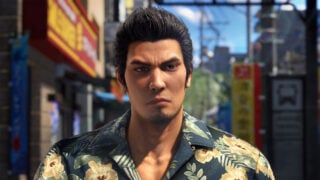
Some remakes are a product of passion and respect for the source material being adapted. A few bells and whistles shed to streamline, but the heart of the original experience is maintained in a genuine, adoring attempt to revitalise and rebirth. Others are Yakuza Kiwami 3: Ryu Ga Gotoku Studio demonstrates little but condescension for Yakuza 3, the game it purports to be remaking.
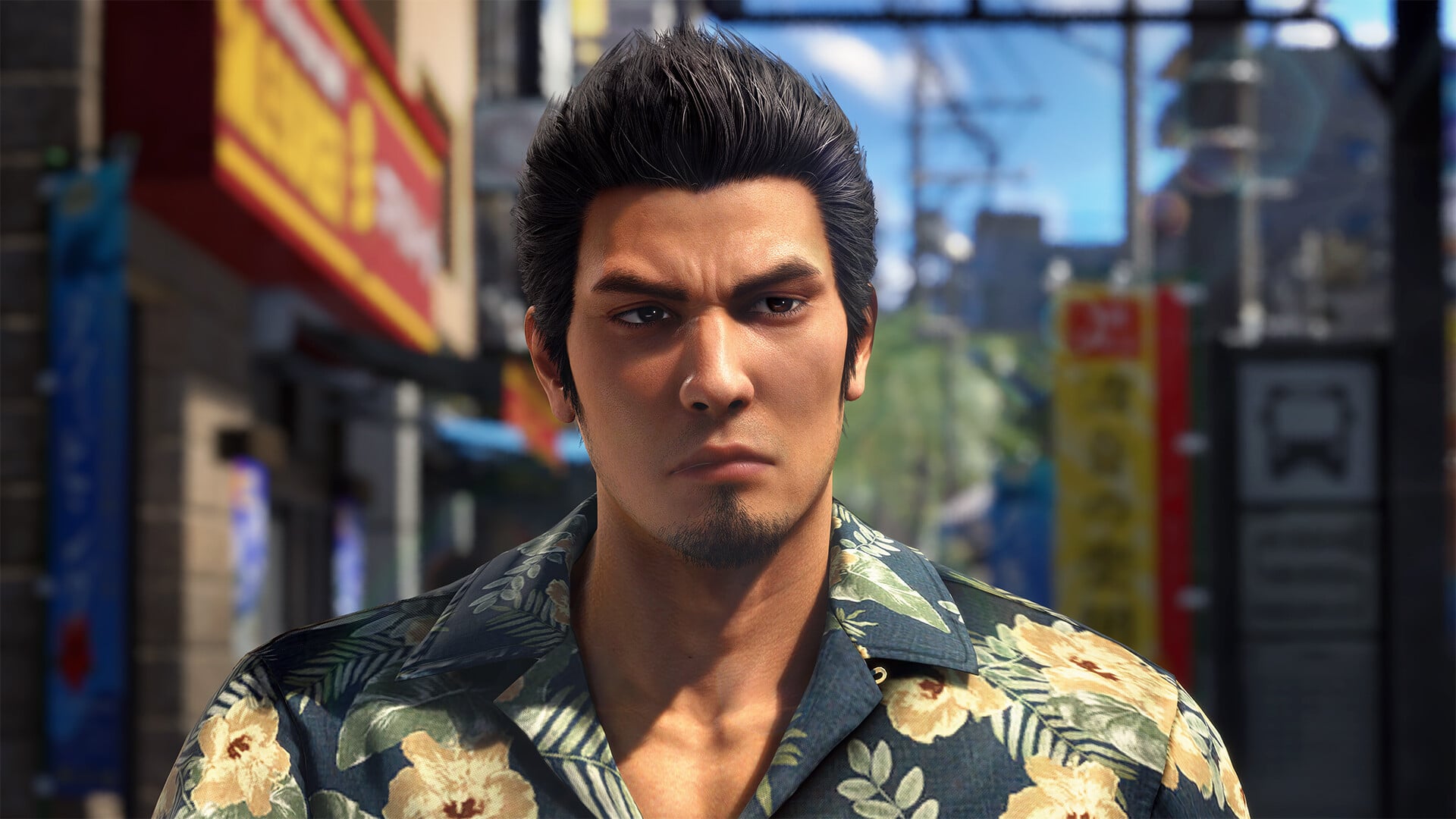
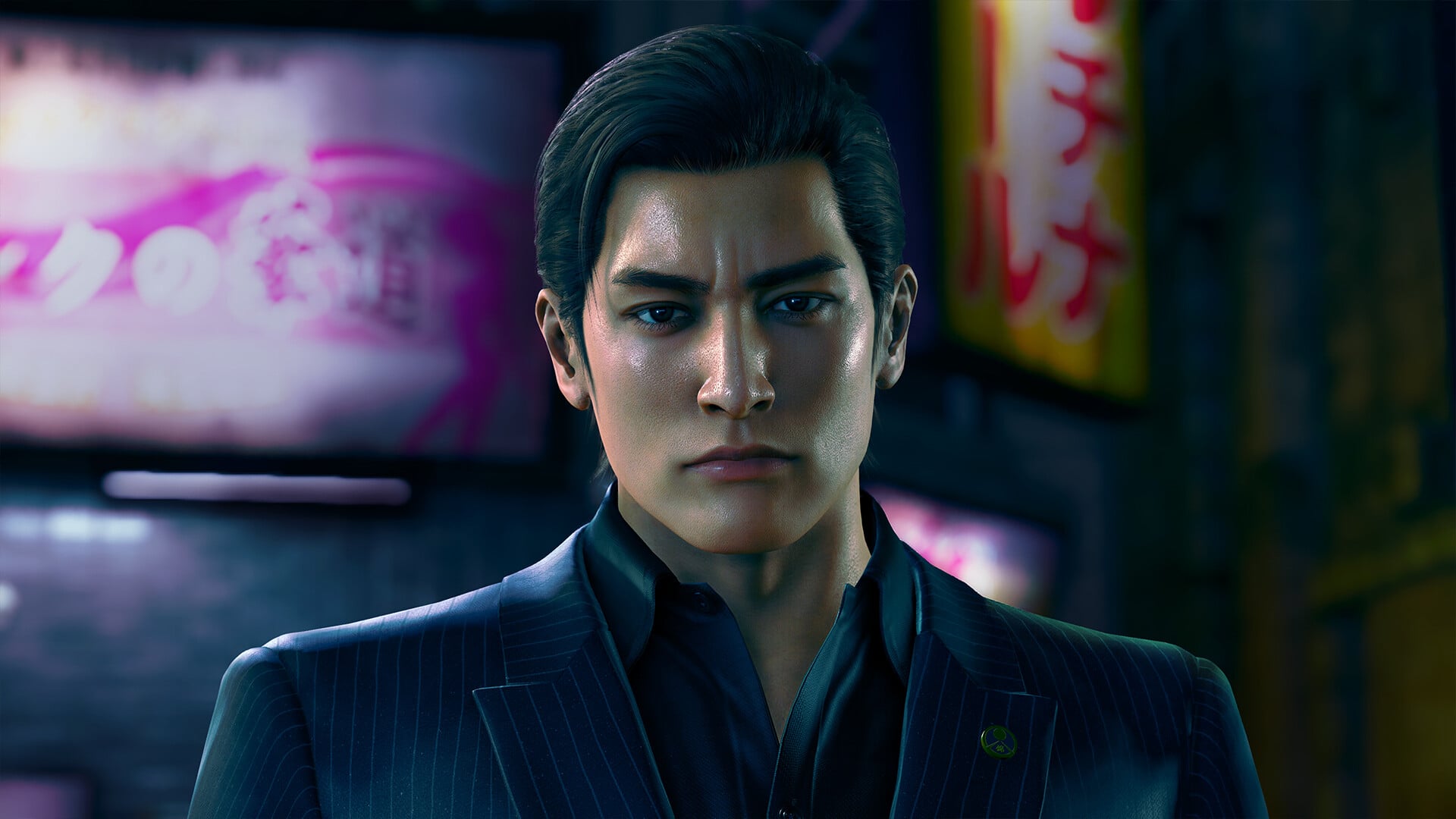
The story remains similar: orphanage owner Kazuma Kiryu is dragged into an Okinawan political conspiracy that rips apart yakuza families and found families. There aren’t many alterations to one of the series’ most touching (if not entirely cohesive) narratives, which isn’t a terrible thing. What isn’t as positive is that scenes are burdened by the Kiwami remakes’ time/money saving measure of adapting the original PS3 games’ animation data to the Dragon Engine’s more intricate contemporary models.
Formerly heartbreaking moments are presented with far less emotion, damaging their impact through strangely stilted facial animations. A few new scenes are added, increasing screentime for antagonists such as Hamazaki and Kanda or granting Kiryu closer interactions with the politicians of Okinawa. Despite adding little value to the narrative, they do at least look prettier thanks to being animated from scratch for this game.
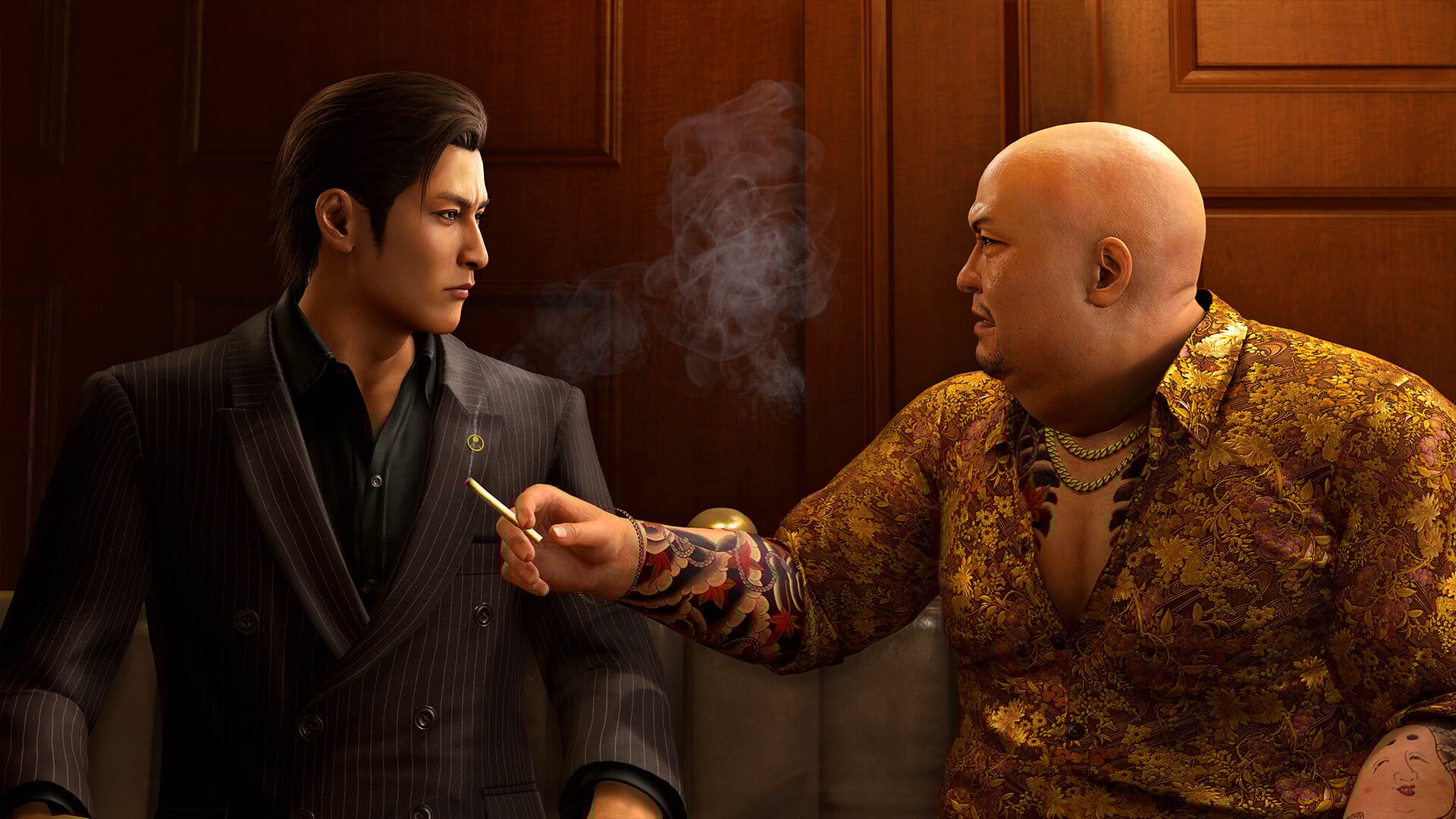
A few characters sidestep the animation data issue by being recast for the remake. While Ryo Ishibashi is effectively performing an inoffensive imitation of Shigeru Izumiya’s kind old patriarch Nakahara, Show Kasamatsu’s Rikiya and Teruyuki Kagawa’s Hamazaki pale in comparison to the original’s performances by Tatsuya Fujiwara and George Takahashi respectively.
Kasamatsu’s face and voice completely lack the innocence that defined Rikiya as a kind delinquent out of his depth. Conversely, Kagawa fails to bring the same degree of unhinged unpredictability and discomfort present in Takahashi’s performance. Rikiya and Hamazaki now come off as yakuza clichés, rather than the distinct characters they once were. It would also be irresponsible not to mention Kagawa’s admission of sexual misconduct.
Connecting these degraded cutscenes is some of the series’ worst combat yet. New mechanics such as Critical Attacks, which rewards a well-timed quickstep (truthfully a massive window of leniency) with bonus damage and combo speed, and Aura, which grants an enemy armoured attacks until Kiryu lays into them enough for the game to permit knockback, attempt to create an illusion of engaged combat.
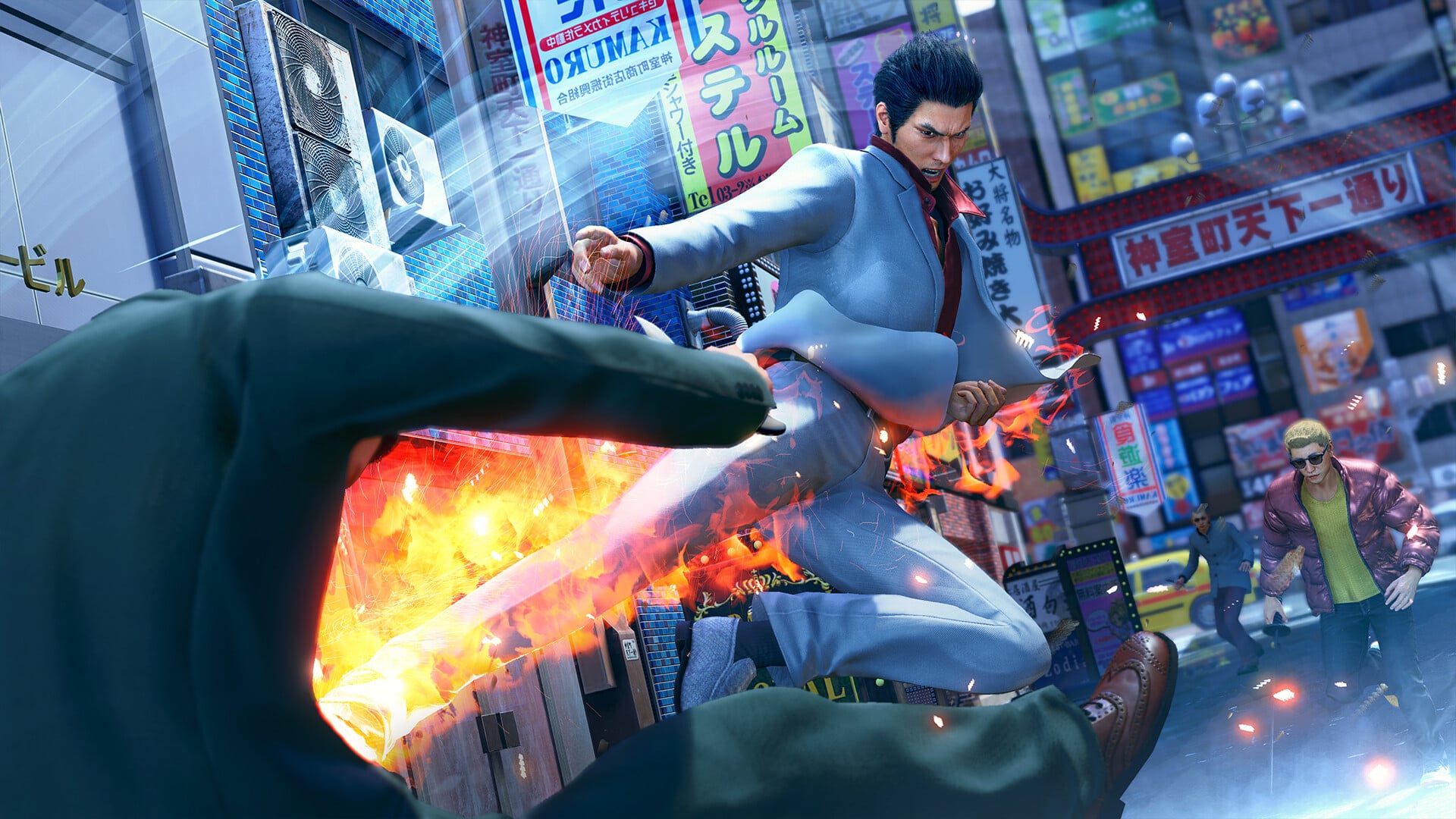
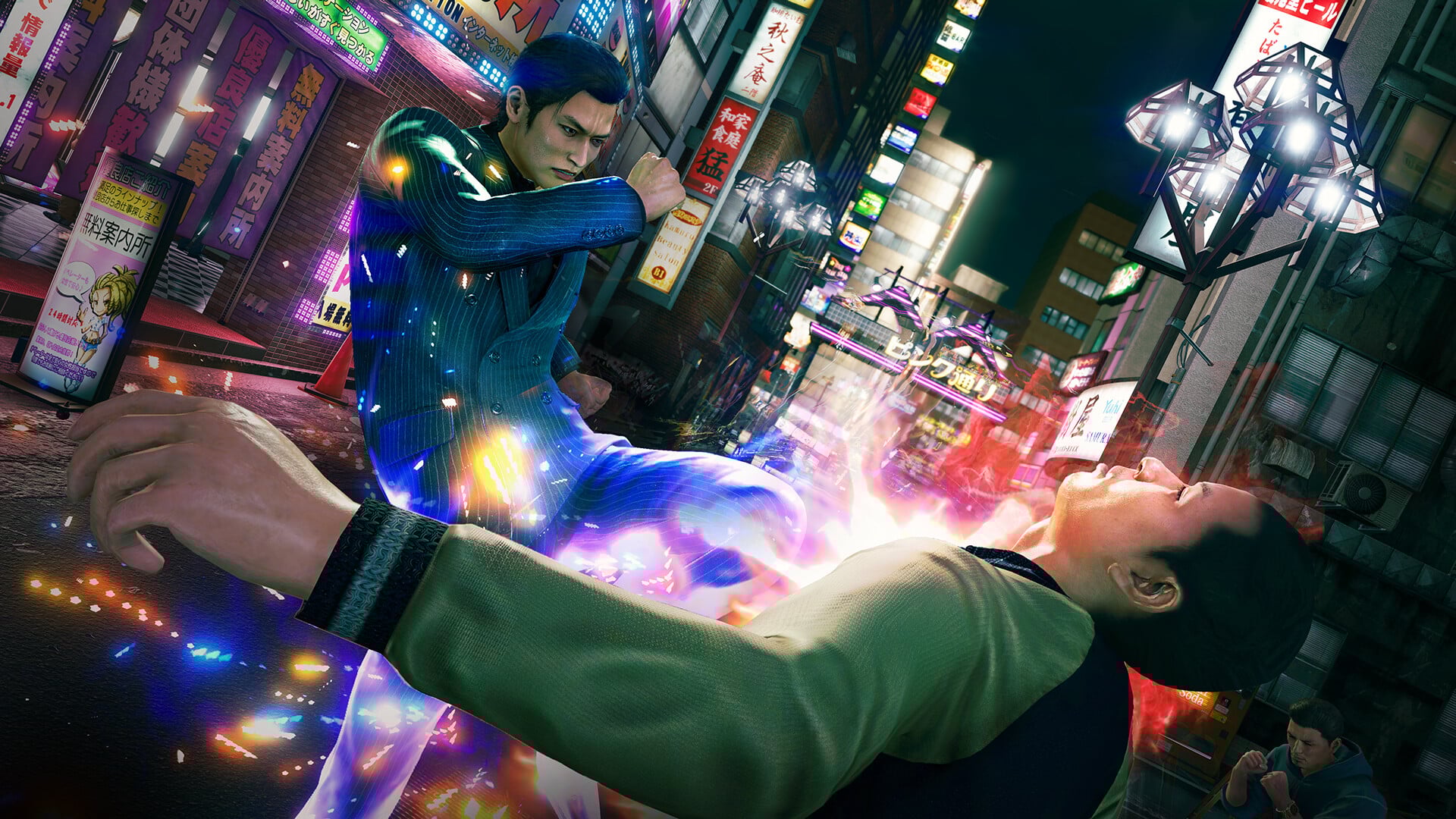
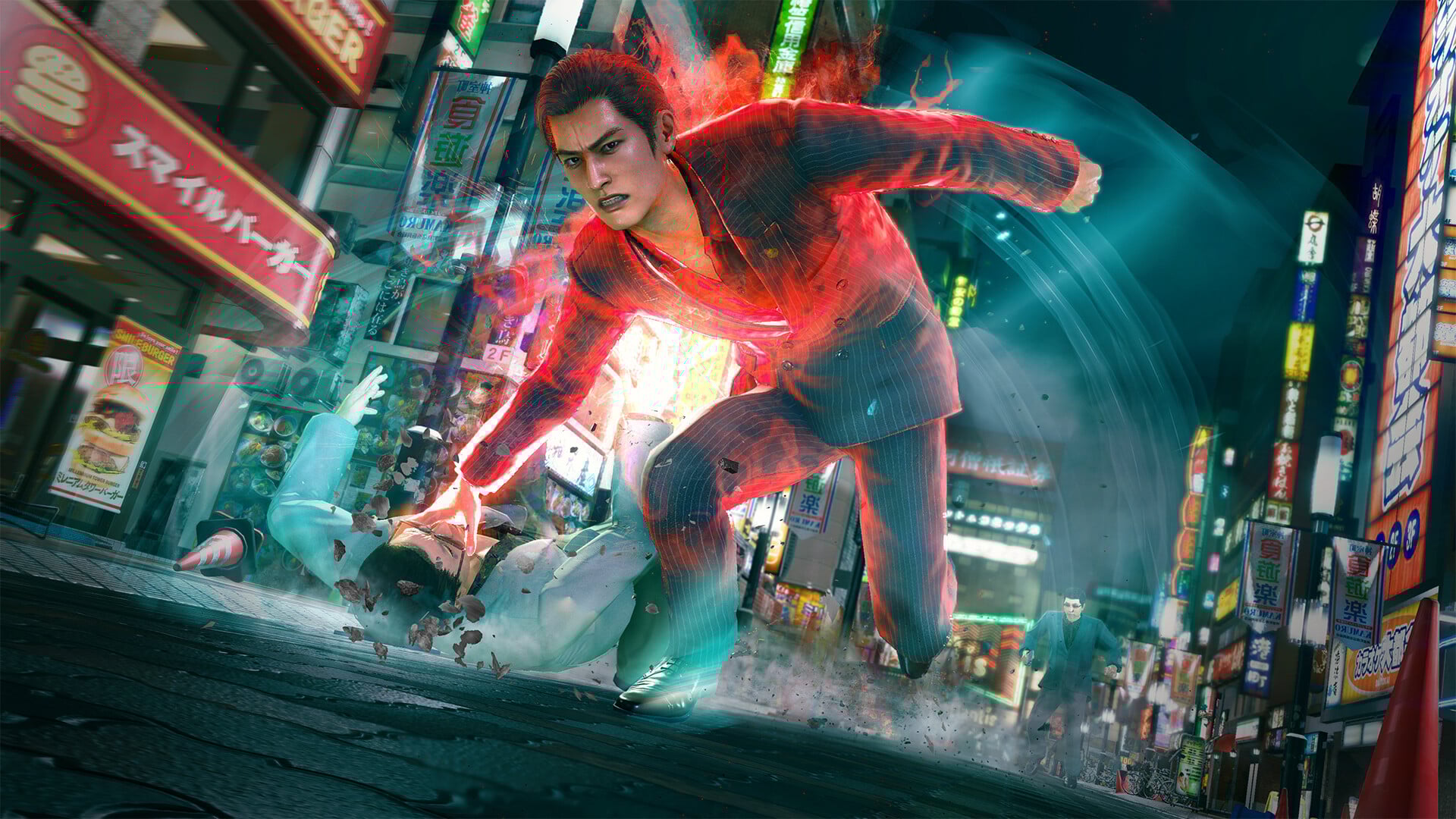
In reality, enemies barely attack, block or dodge, reduced to damage sponges that whittle away your motivation to keep fighting as Kiryu whittles away their health. It’s ironic, considering Yakuza 3’s common criticism of enemies blocking too much – at least there, they actually interact with the player.
Kiryu’s classic Dragon style feels disjointed, indistinct, and unsatisfying; what should be a return to form is a mess of attacks that fail to live up to Kiryu’s strength and grace, despite the overdone particle effects trying to convince you otherwise. Rather than a refined version of his Yakuza 3 moveset, the style is a stiff, muddled chimera of that game’s moves, the modern Dragon style originating in 6, and even techniques pulled from 0’s Beast and Gaiden’s Agent. There’s just no clear intent in what it’s trying to be.
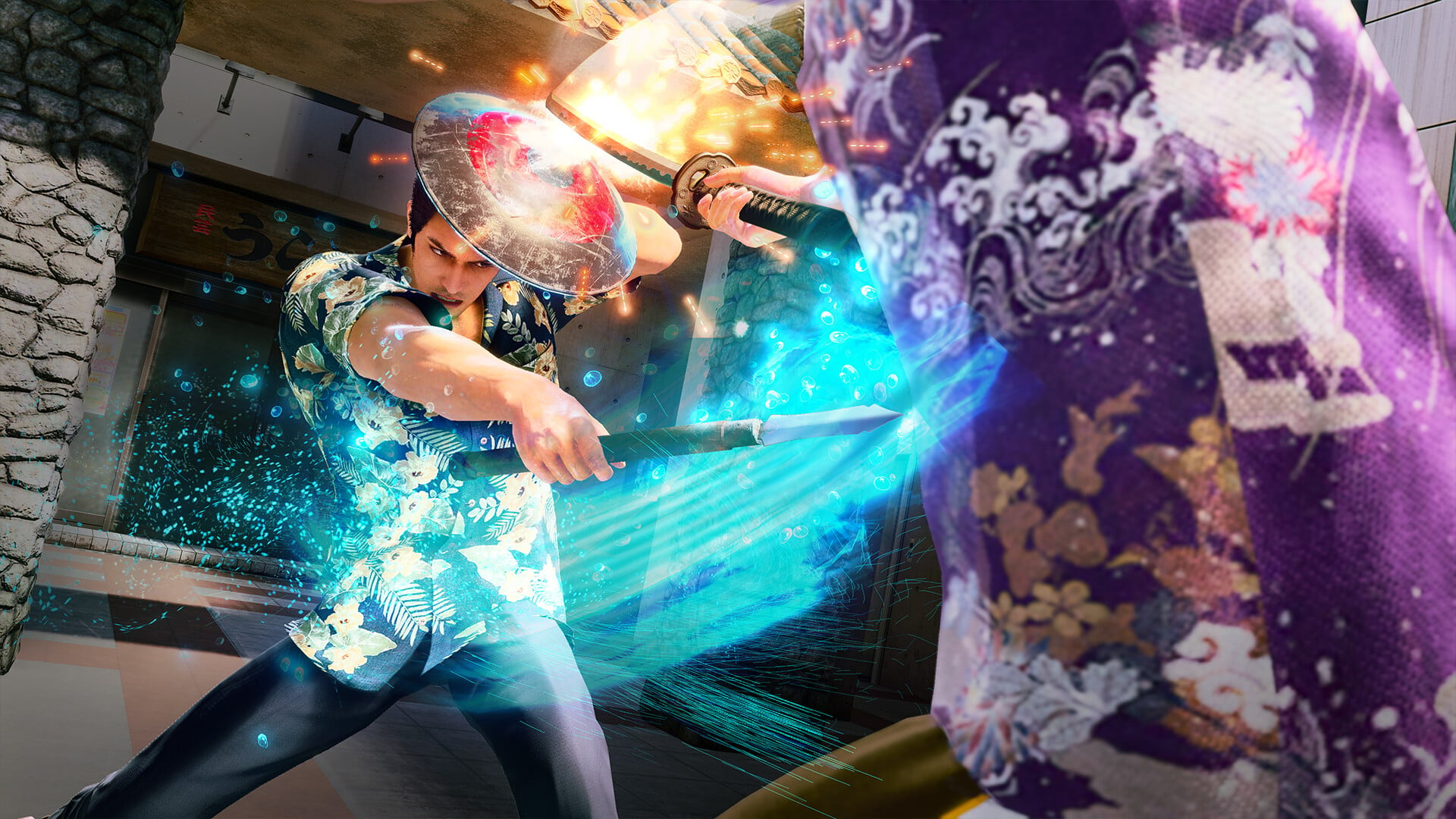
The new Ryukyu style is, similarly, an unfocused mess of flailing weapon attacks inspired by Okinawan kobudō. Kiryu alternates between tonfa, sai, tinbe-rochin, and traditional farming tools, with each weapon inflicting effects like bleed or stun. While novel in concept, the style feels less a freeflow weapon arts showcase and more randomly selecting spells in a turn-based RPG – fitting, considering several attacks are reused from skills in Infinite Wealth. For a story that held such reverence for Okinawa’s culture, it’s a shame the style supposedly honouring that history feels so cheaply made.
“In reality, enemies barely attack, block or dodge, reduced to damage sponges that whittle away your motivation to keep fighting as Kiryu whittles away their health.”
Whichever style you choose, you’re equipped with a (noticeably limited) set of cinematic Heat Action finishers and Dragon Boost, a powered-up state that lets Kiryu combo finishing blows into area-clearing throws. Unlike previous games, which granted choice in whether to finish combos in strikes or throws, throws entirely replace finishing strikes here, obliterating player agency in how to best make use of the state’s limited time. Similarly, the game just hands you the Dragon Finisher, a high-damage special move, once the state is almost over.
What was previously a Heat Action requiring the use of the limited resource Heat, earned slowly by dealing damage, is now given for free. There’s no reason not to tack the now mindless Dragon Finisher onto the end of Dragon Boost. Executive director Masayoshi Yokoyama stated, “You could probably clear the game even if you held the controller backwards and pressed the buttons. It might not result in good play, but at least you’d be able to perform some cool actions.” If making victory achievable without thought was the intent, then RGG succeeded with flying colours.
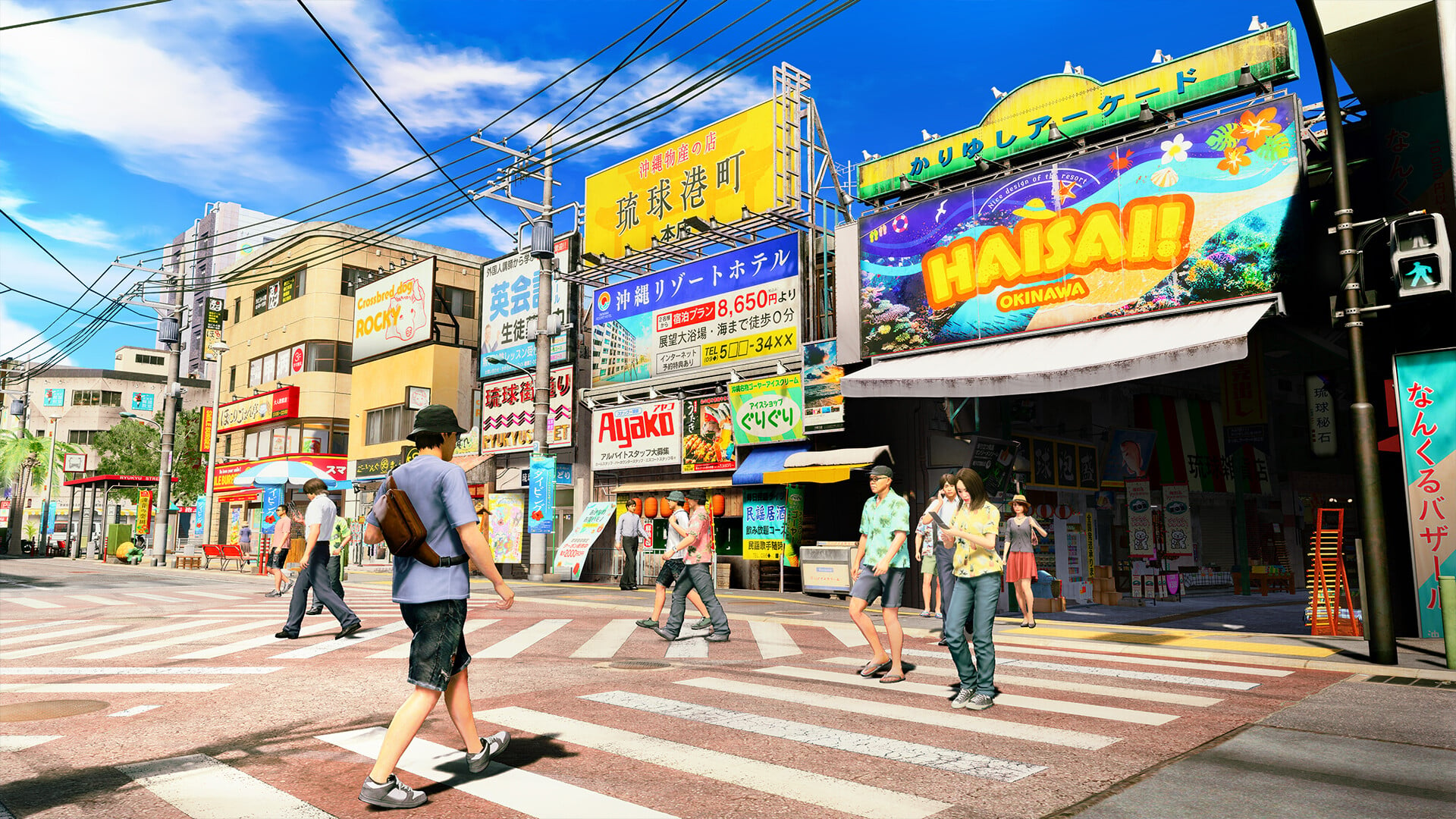
Outside of combat, there are plenty of side activities to waste time with, but many are copied from recent entries. Minigames such as bowling, batting cages, golf, and SEGA arcade emulators return as expected. Kiryu’s flip phone can be customised with charms, and empty connections can be made with residents, lifting the Aloha Links system wholesale from Infinite Wealth (no Revelations on that flip phone this time, though).

Kiryu’s responsibility towards his adopted children, previously implemented in small stories focused on each child’s individual struggles, has been gamified into a smorgasbord of previous titles’ minigames, like cooking and farming, smashed together into a reanimated corpse. The coliseum’s structure and outfit customisation are ripped straight out of Gaiden, alongside the Reapers being diminished to street battles from dedicated missions. Content reuse isn’t new for this series, but it’s never been so blatant nor insulting to the game being remade.
What has changed are the substories: many of the original’s more involved substories, like Murder at Cafe Alps, are gone, replaced with hollow distractions consisting of the low-effort talk>joke>fight>end structure that permeated Gaiden and Pirate Yakuza (at least their existence as budget titles made this less of a bitter pill).
A few of the new substories also add a dash of misogyny to Kiryu’s dialogue that blindsided me, such as condemning the risks of false information and unchecked sources on the internet until he’s suddenly convinced by the promise of ‘free sexy pictures of luscious ladies’. This can also be felt in a love hotel scene that inexplicably, childishly zooms in on a woman’s chest (there’s no actual joke to be found, just a juvenile smirk), alongside the cutting of a genuinely progressive substory featuring Kiryu patiently empathising with the struggles of a transwoman – the removal of which reads even worse with this context.
“Content reuse isn’t new for this series, but it’s never been so blatant nor insulting to the game being remade.”
This misogynistic colouring bleeds into Bad Boy Dragon, Kiwami 3’s main side mode, which sees Kiryu take the lead of an all-female ‘gal’ biker gang. It’s what you’d expect from Kiwami 3 by now: attempts at spectacle to hide its barebones reality; transparently reused locations; painfully sluggish motorcycle traversal, and team melees ripped from Gaiden. The mode also necessitates mandatory excursions that wrench you out of the main narrative and bring the pacing to a screeching halt twice in the early game.
Beyond these expected disappointments, what’s most striking is its framing. It’s introduced by Kiryu stepping in as a strong, capable man to save members of this apparently defenseless gal gang from male bikers, while simultaneously trying to say that the girls can hold their own weight and that pushing back against the unfair treatment of their gender is their unifying strength.
When the current head suddenly decides Kiryu should be their new leader, he points out, “I’m a guy. Not sure if you can still call yourself a gal gang with me in the picture.” This is quickly dismissed as unimportant by the girls, brazenly peppering in the lines, “It’s not your gender that matters, it’s your guts!” and “Heck yeah! Now that’s what I call diversity! How progressive!”

As for the game’s major selling point, Dark Ties being sold as a ‘separate game’ feels very misleading. A few hours of prequel meandering that add little to the characters of Mine, Kanda or Daigo, and cowardly shifts even further away from explicitly denoting Mine’s feelings for Daigo as homosexual love, rather than just admiration. The storytelling potential of following one of the series’ most compelling antagonists is wasted, failing to meaningfully explore Mine prior to his downfall in Yakuza 3 and even weakening his existing motivations from his debut in some of Dark Ties’ new scenes.
Its side content, Kanda Damage Control and Hell’s Arena, both exist solely to pad out runtime. There’s a sad awareness from RGG that this glorified DLC chapter has far too little content to offer to justify its existence, manifesting in constant forced excursions into content constructed entirely from reused assets, wrapped in a lazy attempt to recycle Gaiden’s structure of meaningless busywork for good boy points. The difference being, Gaiden at least had a touching story to tell – Dark Ties has nothing.
Its single redeeming factor is Mine’s combat, which is an improvement on the trainwreck of Kiryu’s (low as that bar may be). Taking inspiration from his original moveset, his Shootboxing style consists of a flowing array of quick jabs and haymakers, while his Aerial Supremacy ability sees him vault onto enemies and transition into leaping follow-up attacks. It’s unique, but the requirement of holding a button to vault prevents satisfying links between punches and vaults.
Dark Awakening switches the refined boxing out for swinging with feral abandon – a few finishers and Heat Actions appeal in their brutality, but it’s as laughably edgy as it is unfitting for Mine’s well-polished, calculated demeanor. In the end, Yakuza Kiwami 3 & Dark Ties is much like Mine’s heart: cold, empty, and desperate for approval from those who loved it in the past.
Yakuza Kiwami 3 & Dark Ties Review
Yakuza Kiwami 3 & Dark Ties is a sad microcosm of the state of Ryu Ga Gotoku Studio: a developer spinning its wheels, no longer caring for quality, content to chew up old assets and discard what made the original special in order to spit out a yearly release that cashes in on love for what the series used to be.
- At least the Dragon Engine is forever pretty to look at
- Two unsatisfying combat styles that succeed in making fights entirely thoughtless
- New scenes, story changes and recasts are either empty or outright worse
- Side content is vapid, regurgitated, low effort and has the gall to remove many of the original’s best, alongside obliterating pacing at times
- Dark Ties is a miniscule and blatantly padded