Rhythm Heaven Groove review: Nintendo’s musical paradise makes a much needed return
A triumphant comeback for a series that has been gone for far too long
- Director
- Kazuyoshi Osawa
- Key Credits
- Ko Takeuchi (Art director), Tsunku (Composer)

Games have a weird relationship with music.
Some of my fondest gaming memories have a strong soundtrack associated with them, whether that’s drifting around a corner as the Dolphin Shoals saxophone screams in Mario Kart 8, or exploring the Lost Woods with Saria’s Song as a clear guide. It’s such a precious thing that a subset of Zelda fans are still outraged at the lack of jaunty, hummable tunes in Breath of the Wild and Tears of the Kingdom.
It’s odd, though. Mario Kart’s big band vibes are gorgeous, yet it’s not exactly what you’d associate with racing. Likewise, Kokiri Forest’s soundtrack lives in my memory, but it’s hardly what you’re going to hear when walking through the local woods.
Games with licensed soundtracks can cause problems when many face inevitable delisting. Even rhythm games, like Guitar Hero, can have the music and the note patterns you have to hit feel disconnected, leading some musicians to glibly say that playing the real song is easier than its Guitar Hero equivalent, or some variation thereof.
But there’s something about Rhythm Heaven: Groove (Rhythm Paradise in the UK) that brings everything together. I’m not thinking about a note pattern, or a high score, and sometimes the visuals are specifically designed to throw you off instead of aid you. All that’s left is the music.
This remains the only series where I have closed my eyes, not as some flex of skill, but to concentrate on the game. Groove’s simplistic rhythm-based minigames have you playing through a wide variety of entirely original music – which features recognizable stars like Ado, no less – with no more than two required buttons to press. But usually you’ll need just one.
No fumbling with the fretboard and strumming like in Guitar Hero, no angling your sword as in Beat Saber, and no complex note patterns like in the Persona dancing spin-offs. While the game might try to throw you off, it’s never trying to trick you or baffle you. The simple design means that there is nothing stopping you, except your sense of rhythm.
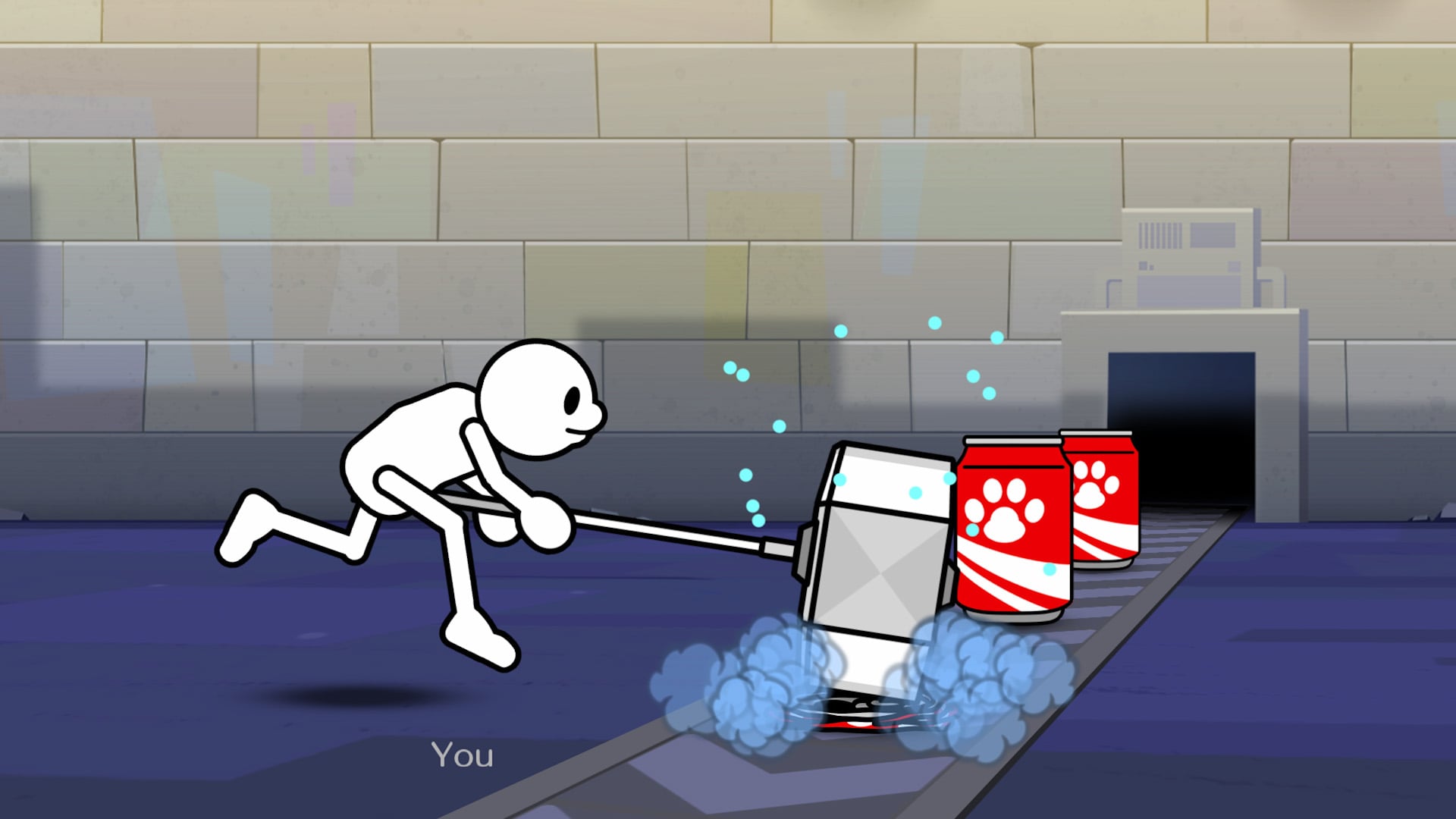

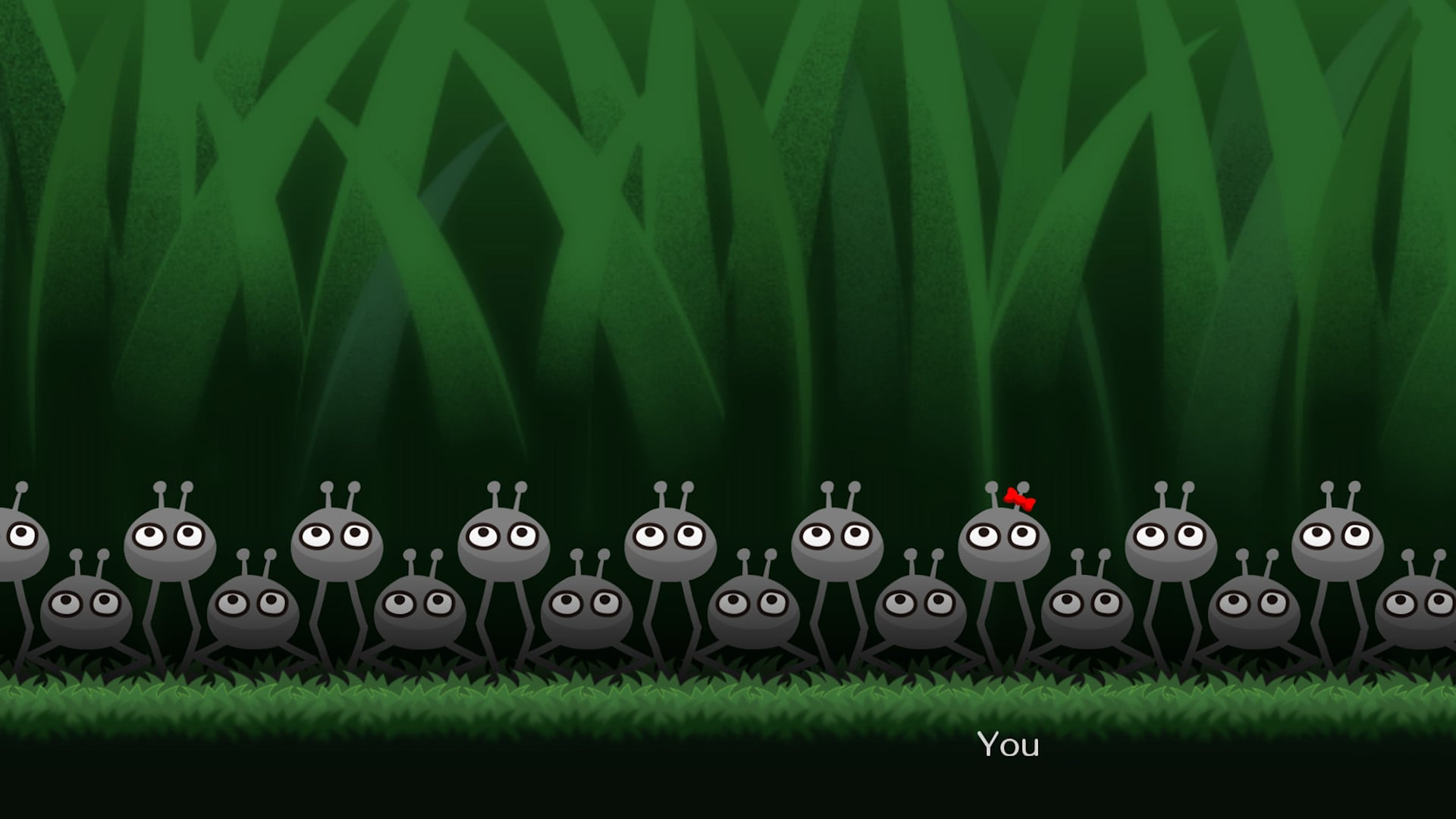

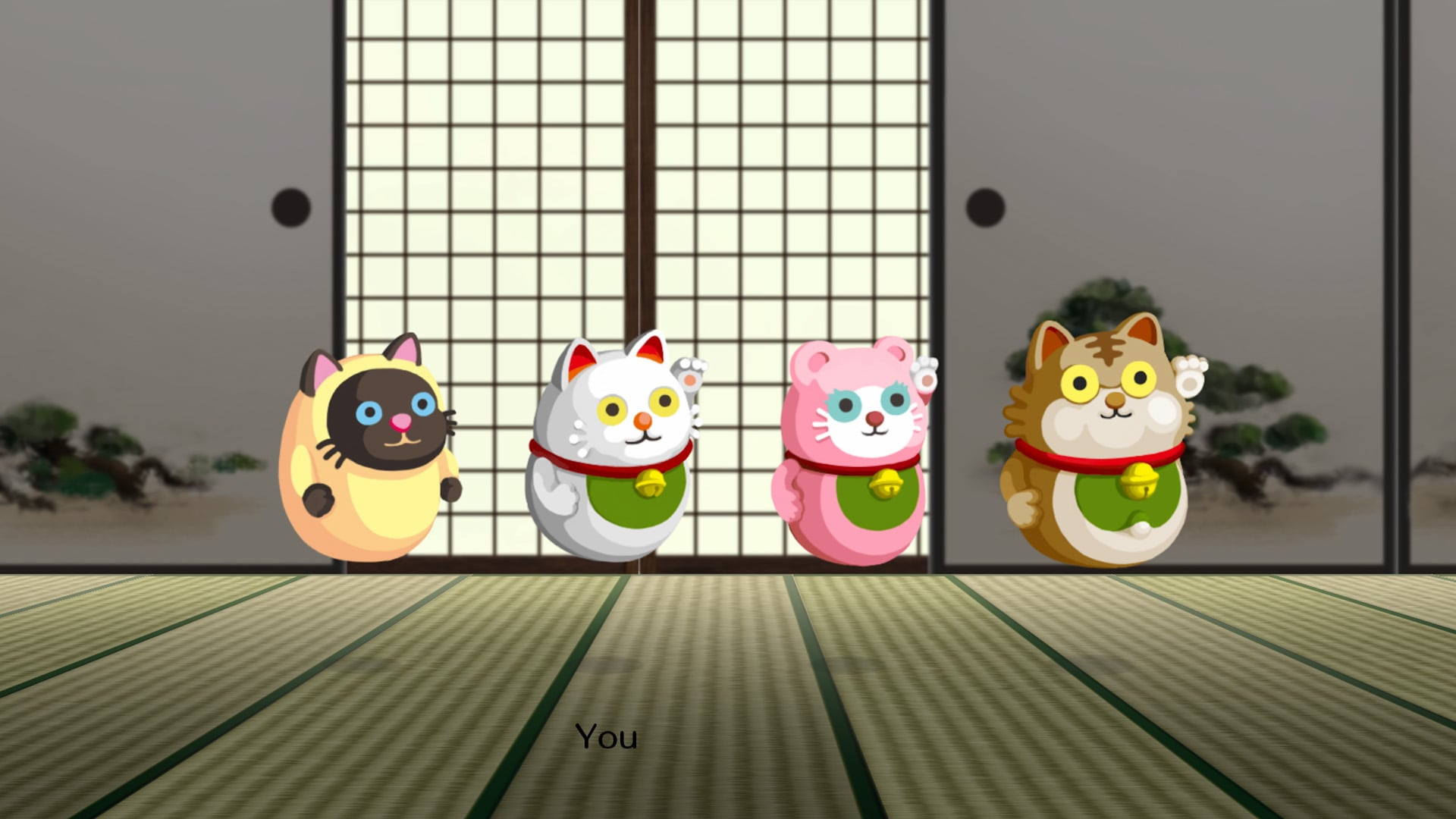


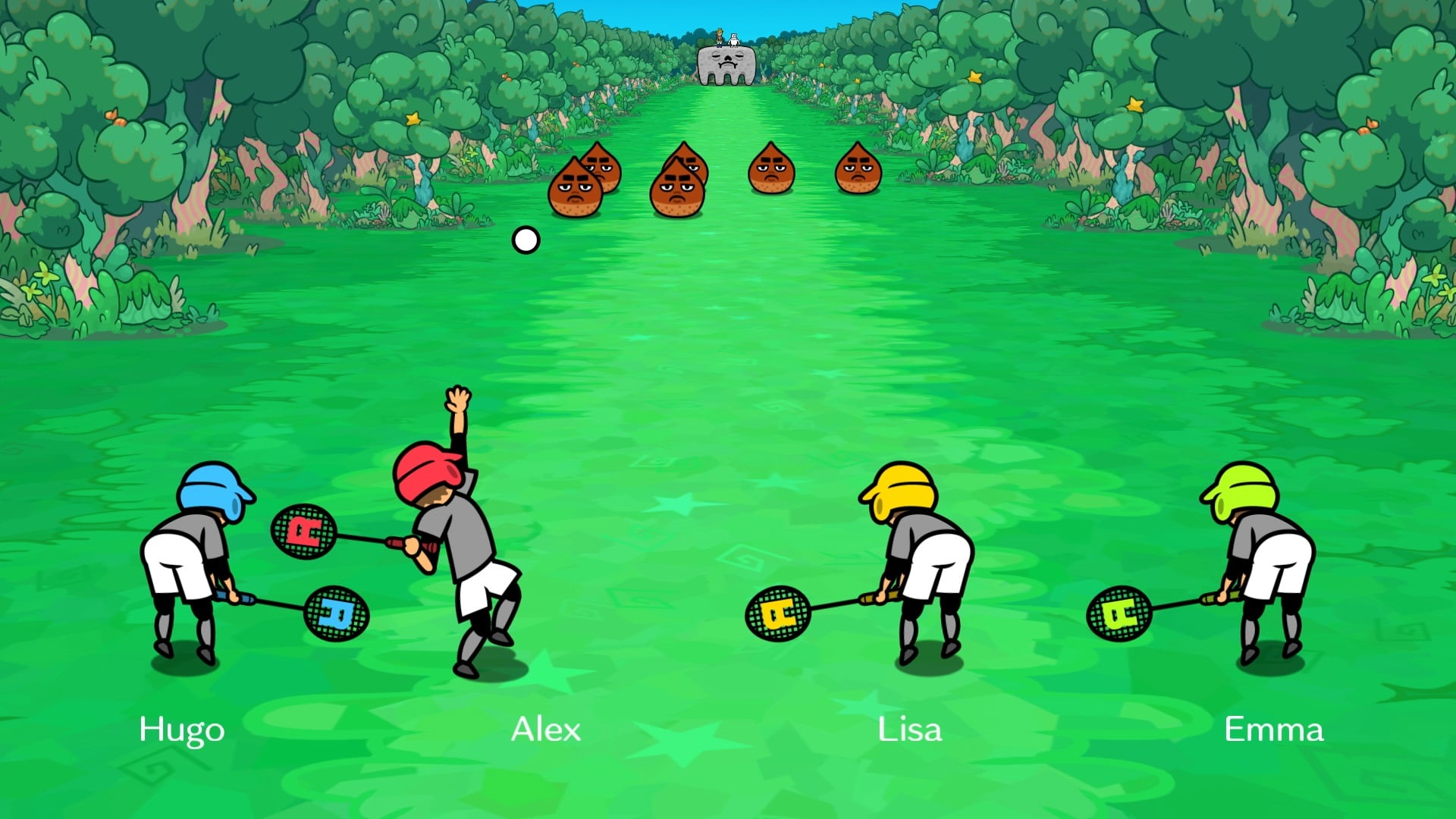
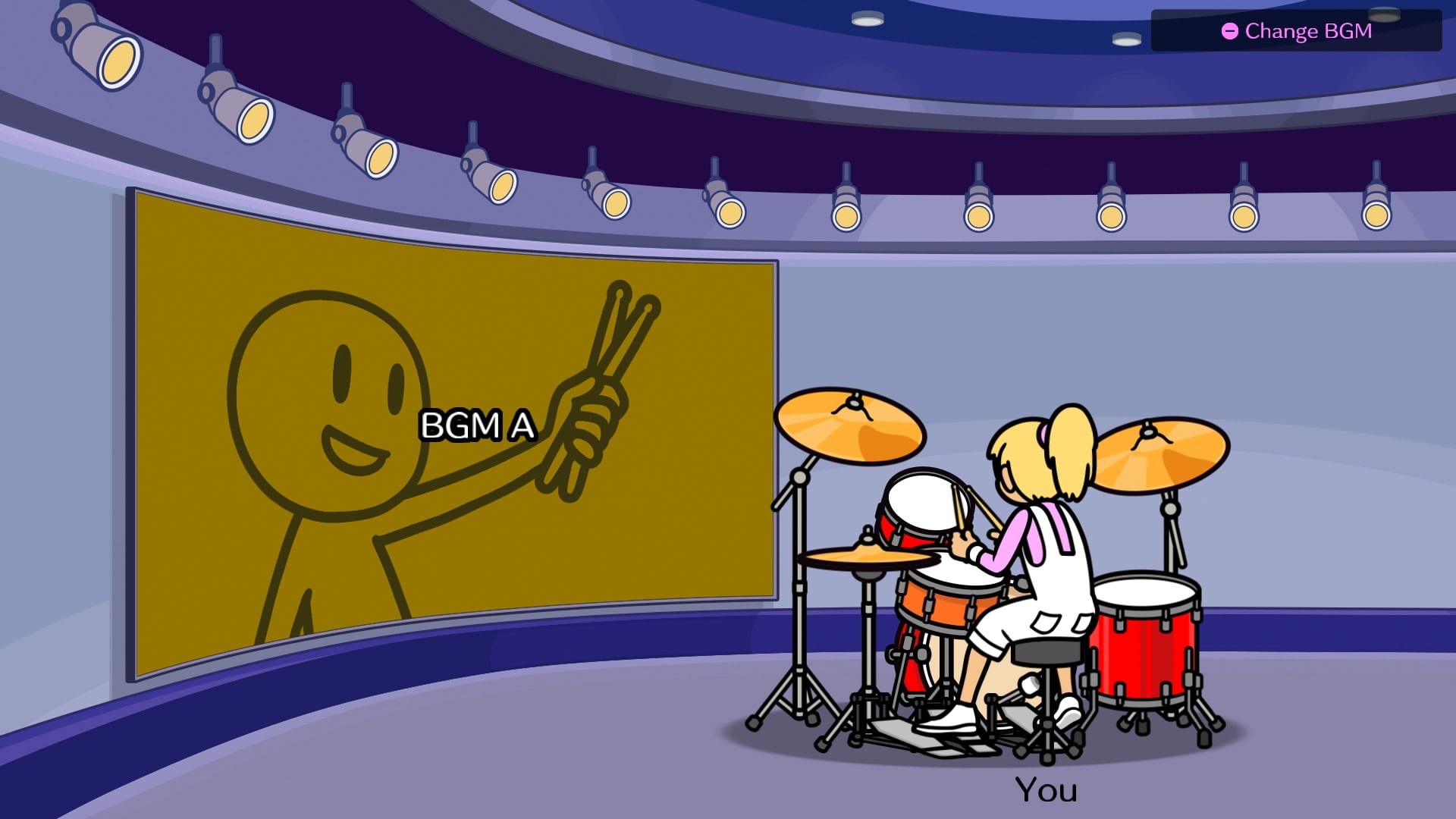
Each stage gives you four simple minigames to master, followed by a final Remix stage combining everything you’ve learned into a single performance. Each minigame is short enough to encourage replays, but just long enough that getting a Perfect never feels easy or accidental — you need to work for every accolade. The controls are simple, sure, but that means the game asks for precision. While most rhythm games will give you leeway for off-beat inputs, Groove wants accuracy, and even recommends playing in handheld mode to minimize latency.
Across the 16 stages you’ll learn to master dozens of unique minigames and some more difficult variants. It feels more than content-complete, but there are WarioWare-style microgames, including one where you swing in a rhythm before launching your shoe, interesting sound experiments and lessons, and unique minigames to play in multiplayer, and some of them just might replace Mario Party at my next gathering. Even the end credits sequence is a bonus playable minigame that you can replay and master.
While one minigame will simply ask you to imitate a beat, another will force you to stay in sync with a set of dancers, or warp to avoid a sudden lightning strike, or communicate with an alien. It sounds odd, but each set up has a different set of rules and expectations, and will teach you when your cue is to come in.
It’s undeniably bursting with personality, but what’s truly impressive is how each game continues to feel like a unique challenge when – again – two buttons is the most you’ll ever need to press for any individual minigame. It feels like a gameplay concept pushed to its absolute limit in the most creative ways possible.
“The amount of interesting gameplay variation it manages to squeeze out of two buttons and one concept is staggering.”
For example, the A for Effort minigame asks you to press the A button whenever the letter A scrolls across the screen. Your cues will be the words TEA, SODA, and COCOA. Each word flies across the screen with a different timing depending on the number of letters the word has. A simple concept, but it asks for precise timing. All the while, seemingly random stock images of people drinking the three beverages will flash up on the screen with each successful attempt — and that’s why it’s sometimes easier to close your eyes. The more difficult variant of this minigame combines the drinks with AAA, AAAA, and AAAAA.
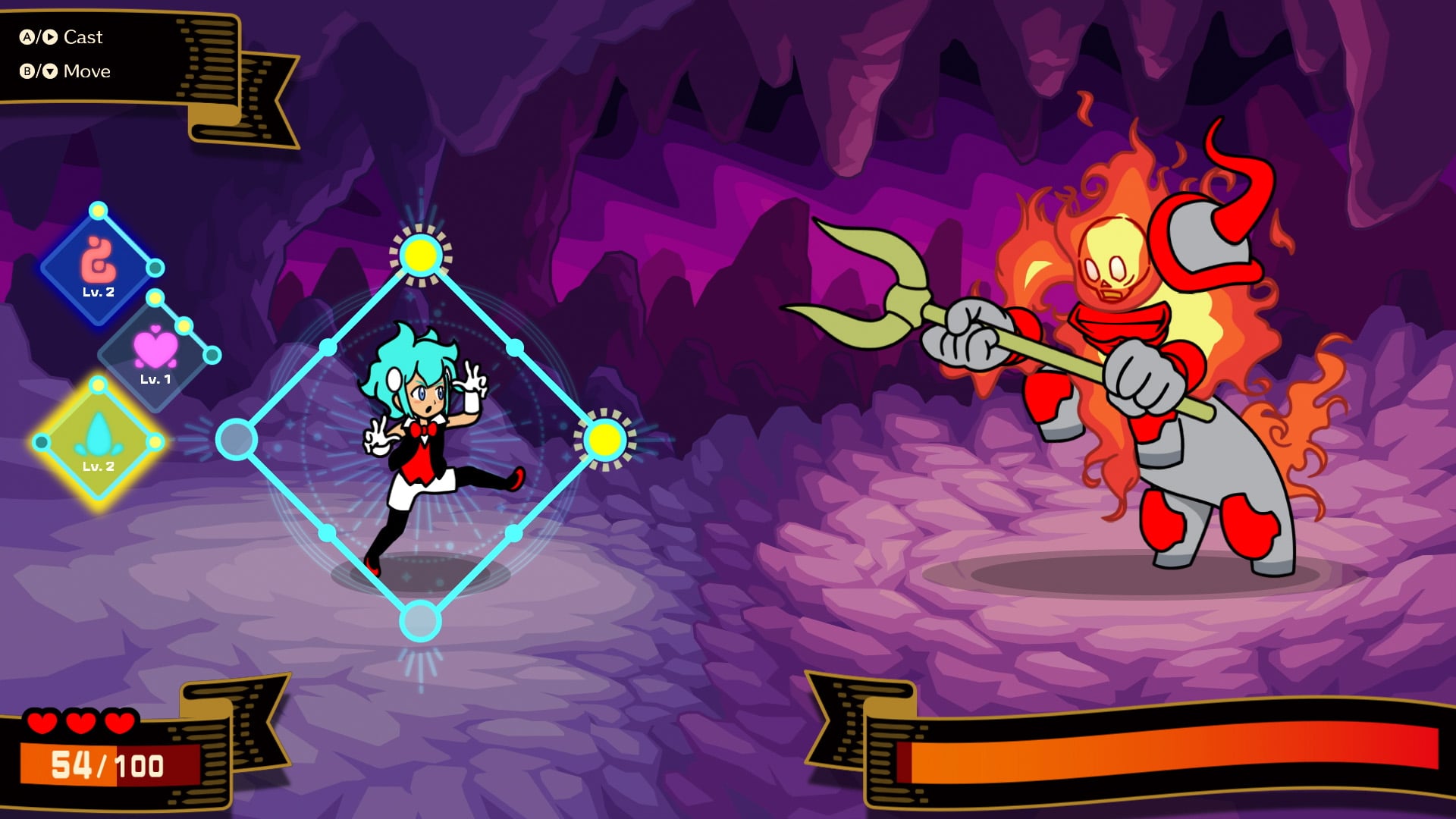
There’s even an RPG story mode titled Beatspell which asks you to press buttons along to a metronome to cast spells — and even that mode manages to change how it plays by introducing 3/4 beats in addition to the standard 4/4, completely changing how to cast spells along to a metronome. Again, the amount of interesting gameplay variation it manages to squeeze out of two buttons and one concept is staggering.
It feels like the other half of Tetris Effect. In that game, your gameplay was what pieced sounds together in the background to build the experience and heighten your emotional immersion — rhythm can be an unconscious byproduct of the gameplay, one that brings you closer to it. In Rhythm Heaven: Groove, rhythm takes the forefront, making the ‘game’ disappear.
You can’t take your eyes off the screen when playing Tetris Effect, but you never need to look at the screen in Rhythm Heaven. It’s not because you can memorize when to press the button, it’s that the music and sound effects tell you when to. I do think it taps into that feeling of synesthesia in the same way Tetris Effect does, but here the game only exists to illustrate rhythm and music instead of creating it.
I’m an amateur musician, and I feel like I have a new perspective on rhythm, time signatures, and off-beat patterns thanks to Rhythm Heaven: Groove. Playing through 80 minigames focusing on them feels like a crash course in how music is formed, and that experience is valuable whether you see it as an educational one or just some fun to help you unwind. This is the game that truly bridges the odd gap between the game you play and the music you hear, as both feel like they’re one and the same.
Rhythm Heaven: Groove Review
There’s no rhythm game quite like Rhythm Heaven, and Groove is a triumphant return for a series that has been gone for far too long. It's one of the only rhythm games to truly bring music and gameplay together, and it's fantastic.
- Huge variety of minigames
- Fantastically produced music
- Uniquely brilliant multiplayer rhythm games
- I already want more