Resident Evil Requiem Review: Capcom’s 30th anniversary celebration is superb but safe
The ninth mainline entry splits the series’ two styles straight down the middle.
- Director
- Koshi Nakanishi
- Key Credits
- Tomonori Takano (Art director), Yasufumi Kayo (Lead level designer)

I love being afraid, but I hate feeling powerless.
It’s a delicate balance that survival horror games have struggled to nail down for years, and there’s no better proof of that than the Resident Evil series. From the dark halls of the Arklay Mansion and haunting aesthetics of the RPD in earlier RE games, to the boulder-punching and zombie-suplexing action of the series’ middle years, we now find ourselves at a crossroads where even Capcom doesn’t know which way to turn — so, somehow, it went both ways.
Resident Evil: Requiem is the ninth mainline game in the series, and it is at once both a tense struggle for survival and one of the silliest action games of 2026. The divide is split straight down the middle, too — while you will swap between protagonists Leon and Grace several times throughout Resident Evil: Requiem, it’s clear that the first half is supposed to feel fraught, and the latter half allows you to flex on the foes that gave you trouble.
Guides: Read our Resident Evil 9 Requiem complete walkthrough for a step-by-step guide to finishing the game 100%, including all Mr. Raccoon Memoriam statue locations, all safe codes, locations, and rewards, all Quartz puzzle box solutions, and more.
Almost 30 years on from the Raccoon City incident, several of the survivors have either gone missing or died under mysterious circumstances. FBI investigator Grace Ashcroft is put onto the case, and it quickly transpires that she is more involved in the situation than even she knows, thanks to her mother, Resident Evil: Outbreak’s Alyssa Ashcroft. While digging around for clues at the ruined Wrenwood Hotel, Grace encounters Dr. Victor Gideon, and she is dragged into a world of horror she’s not prepared for.
The Rhodes Hill Care Center is very obviously inspired by Resident Evil 2’s RPD, and it has been functioning as an Umbrella experimental facility for years, with lead researcher Dr. Gideon following in the footsteps of the late Umbrella founder, Oswell E. Spencer. When Dr. Gideon finds Grace and sees Leon close behind, he initiates the final phase for the Care Center, freely infecting the staff and patients with a virus that sees them quickly transform into familiar zombies.
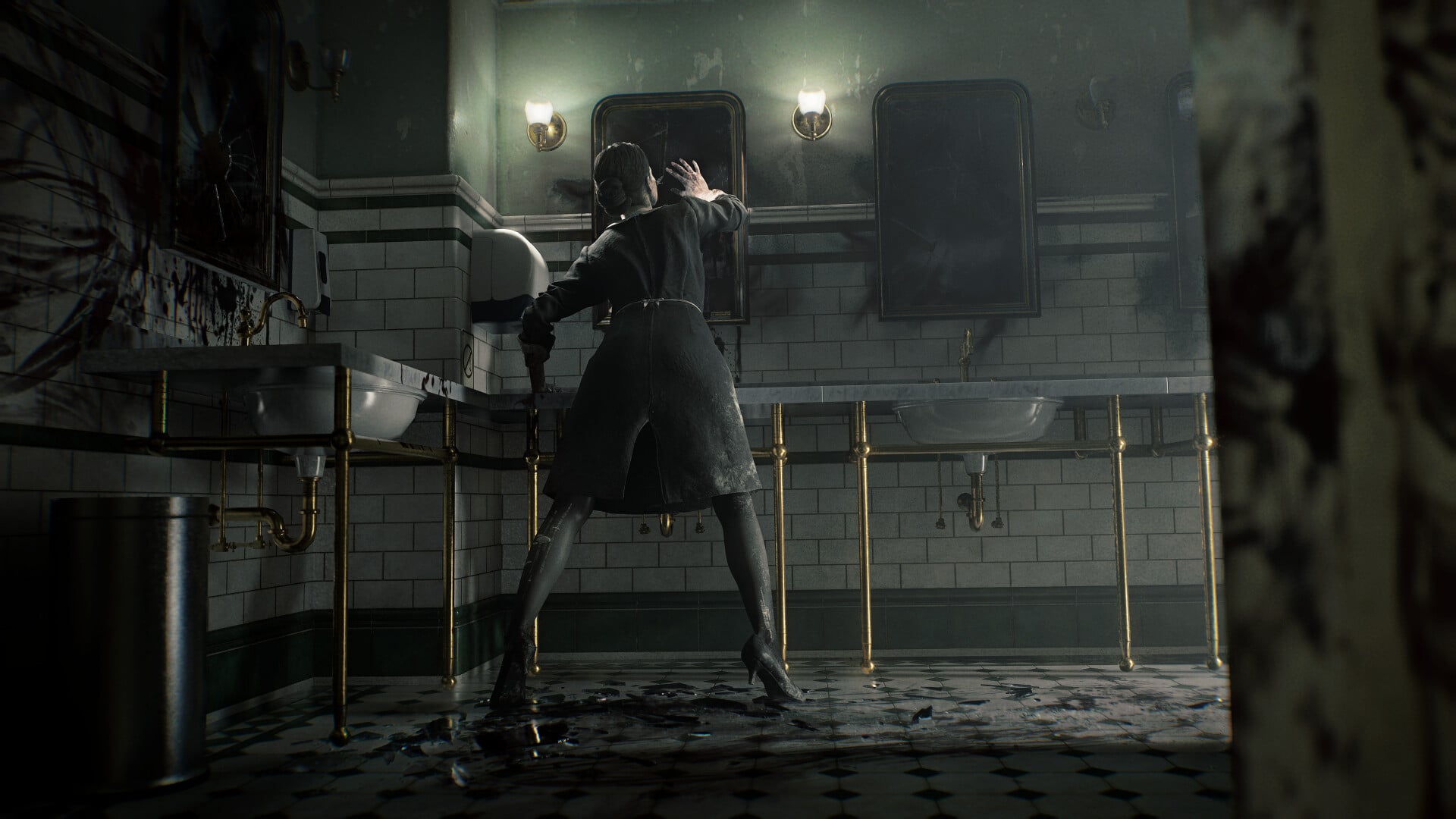
By the time Grace gets free, the facility is already overrun with monsters, and she’s tasked with charting out every hall in order to find the way out. There’s a zombie chef in the West Wing, a bloated monster in the East Wing, and a mysterious creature that is always watching. Grace has to navigate all of these challenges while juggling junk between her limited inventory space and an item box — just like Resident Evil 2.
Other Raccoon City survivors soon come into play, chiefly Leon, who hits the streets in search of his own answers. Leon is daddy. He used to be babygirl, and now he’s daddy. I mean, it’s quite incredible, really, the character designers have managed to make a Leon so suave and charming that he even made me swoon in my seat and fan my face.
“Leon is daddy… the character designers have managed to make a Leon so suave and charming that he even made me swoon in my seat and fan my face”
When you’re playing as Leon, Resident Evil: Requiem is distinctly more linear, with an action focus. You might sometimes be exploring the same area Grace has already cleared through, but Grace will have already solved the puzzles and opened the doors you need to rip and tear through any remaining monsters. Later, Leon returns to Raccoon City, tasked with gathering resources and upgrading the massive arsenal inside his attaché case to grab a few key items while cracking skulls and parrying literally any attack that comes his way — just like Resident Evil 4.
Therein lies the problem. As a thematic arc, Resident Evil: Requiem is brilliant, beautifully using the recent remakes of Resident Evil 2 and 4 to show Leon’s progression from naive rookie to confident agent, and now, practically Captain America. He’s a wise-cracking, charismatic force of nature that’ll rip through any zombie with his handy new hatchet. The hatchet gives Leon a bit of a brutal, survivalist flair, as opposed to the tactical applications of RE4’s combat knives.


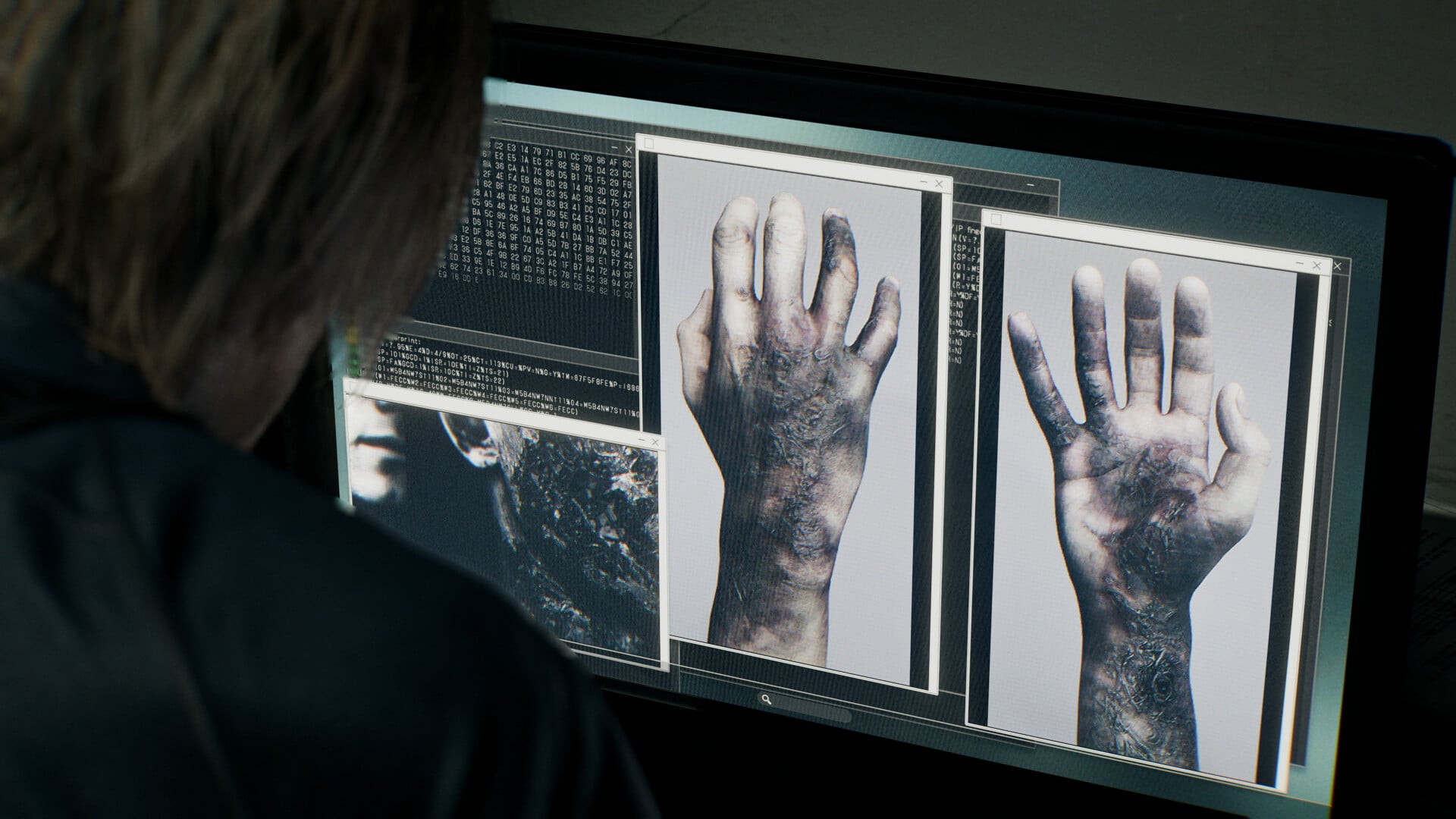

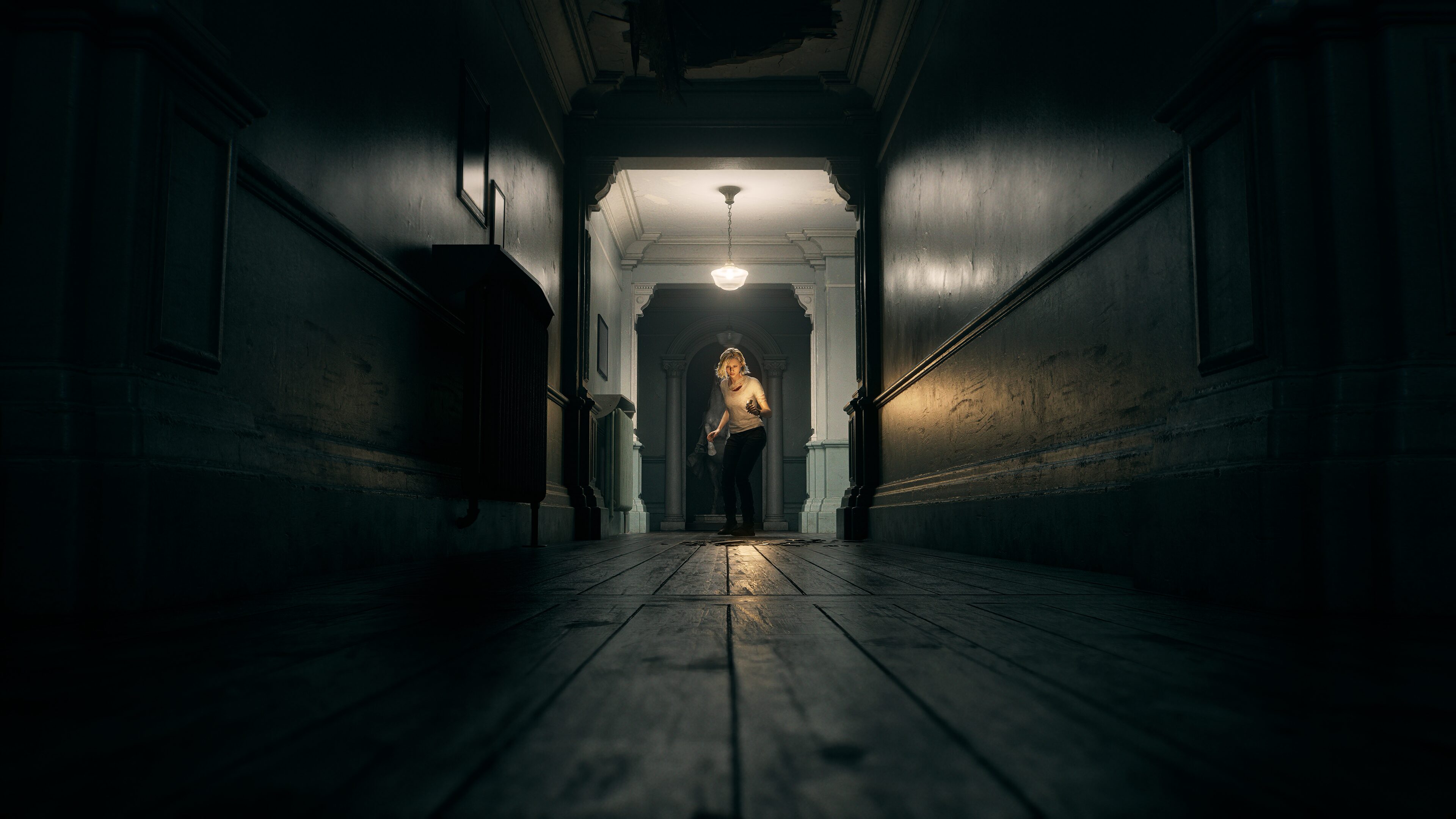
But as its own game, its own entry into the mainline Resident Evil pantheon, it can feel more like a remastered greatest hits album. The Rhodes Hill Care Center is a genuinely fantastic environment to skulk around and explore, and it might be in the top five Resident Evil locations ever. But it takes heavy inspiration from RE2’s RPD, which might be the single best RE location. Likewise, Leon’s hatchet parry and large arsenal are great, but that’s because they’re basically the best parts of Resident Evil 4, too.
In some ways, it acts as an incredible celebration of everything that Resident Evil is and has been up to this point, just in time for its 30th anniversary. In others, it feels like a retread that doesn’t live up to its inspirations. Resident Evil: Requiem is very literally a game of two halves, and while it’s a more cohesive tale than the likes of Resident Evil 6, its two distinct gameplay styles and protagonists can sometimes feel at odds with one another.
“In some ways, it acts as an incredible celebration of everything that Resident Evil is and has been up to this point, just in time for its 30th anniversary. In others, it feels like a retread that doesn’t live up to its inspirations.”
The titular weapon, the Requiem, is the perfect example of that. Grace’s exploration of the Care Center is Resident Evil: Requiem’s highlight, and it’s easily when your nerves will be most fraught, but she gets gifted Leon’s Requiem immediately, which essentially acts as a magnum that can simply remove the most annoying foes from your sight.
As long as you don’t spend your ammo aimlessly, the Requiem acts as a ‘get out of jail free’ card, giving you an exit from any situation you dislike instantly. Having it in Grace’s inventory for the whole Care Center might be too much of a comfort in a section that’s supposed to feel intense, having you struggle to survive amongst the horrors.
By the time the credits roll, Resident Evil: Requiem feels like a fantastic addition to the series, if one slightly hampered by its inspirations. For a numbered instalment, it’s a bit too safe, in a series where so many of the mainline games have broken the mold and set the standard for both the survival horror genre and over-the-shoulder shooter format.
It feels brutally unfair to compare a new game to two that are considered to be genre-defining masterpieces, but those are the comparisons that Resident Evil: Requiem draws. Capcom has once again delivered a polished and brilliant Resident Evil game, even if it’s not quite amongst the very best.
Resident Evil: Requiem Review
When taken in isolation, Resident Evil: Requiem is fantastic, and a genuinely brilliant entry into the mainline series. It’s still straddling that line between fear and power, and while Grace might not have Leon’s roundhouse kicks and one-liners, she can always fall back on the Requiem. It’s a game designed to challenge you, not pull your last precious hairs from your head (unless you try Insanity difficulty). Capcom has once again delivered a polished and beautiful Resident Evil game, it’s just not quite amongst the very best.
- The Care Center is a top-five RE area
- Insanity mode is a true challenge
- Leon has become daddy
- Not as good as RE2 or RE4
- The Orphanage section is poor
- Not as replayable as other modern entries