Pokémon Pokopia Review: Minecraft and Animal Crossing combine in Pokémon’s best spin-off
Late grinding can’t dull the shine of a Nintendo Switch 2 adventure we’re still playing hundreds of hours later
- Key Credits
- Takuto Edagawa (Chief director), Marina Ayano (Art director), Shigeru Ohmori (Concept & senior director)
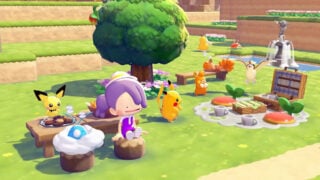
Just because Pokémon Pokopia seems like an obvious idea, that doesn’t mean it was always destined to be a success.
Combining the biggest and most popular media franchise on earth with some of the most influential games of the last decade could have resulted in a hodge-podge of disparate ideas without actually capturing what can be magical about casual “cozy” life-simulation games.
But by combining the IP’s stewards, Game Freak, with the Dragon Quest Builders 2 team from Omega Force, Pokémon Pokopia succeeds in not only being a game that Pokémon fans will love, but one with genuine life-simulation chops that can sit comfortably at the top table of the genre, alongside those that the game has clearly been inspired by.
Pokopia is an excellent life simulation game that takes the best bits from the champions of the genre and evolves into something that Pokémon fans, and cozy game fans will love. Some late-game grinding doesn’t dull an adventure that’s as full of discovery at 100 hours as it was at 1.
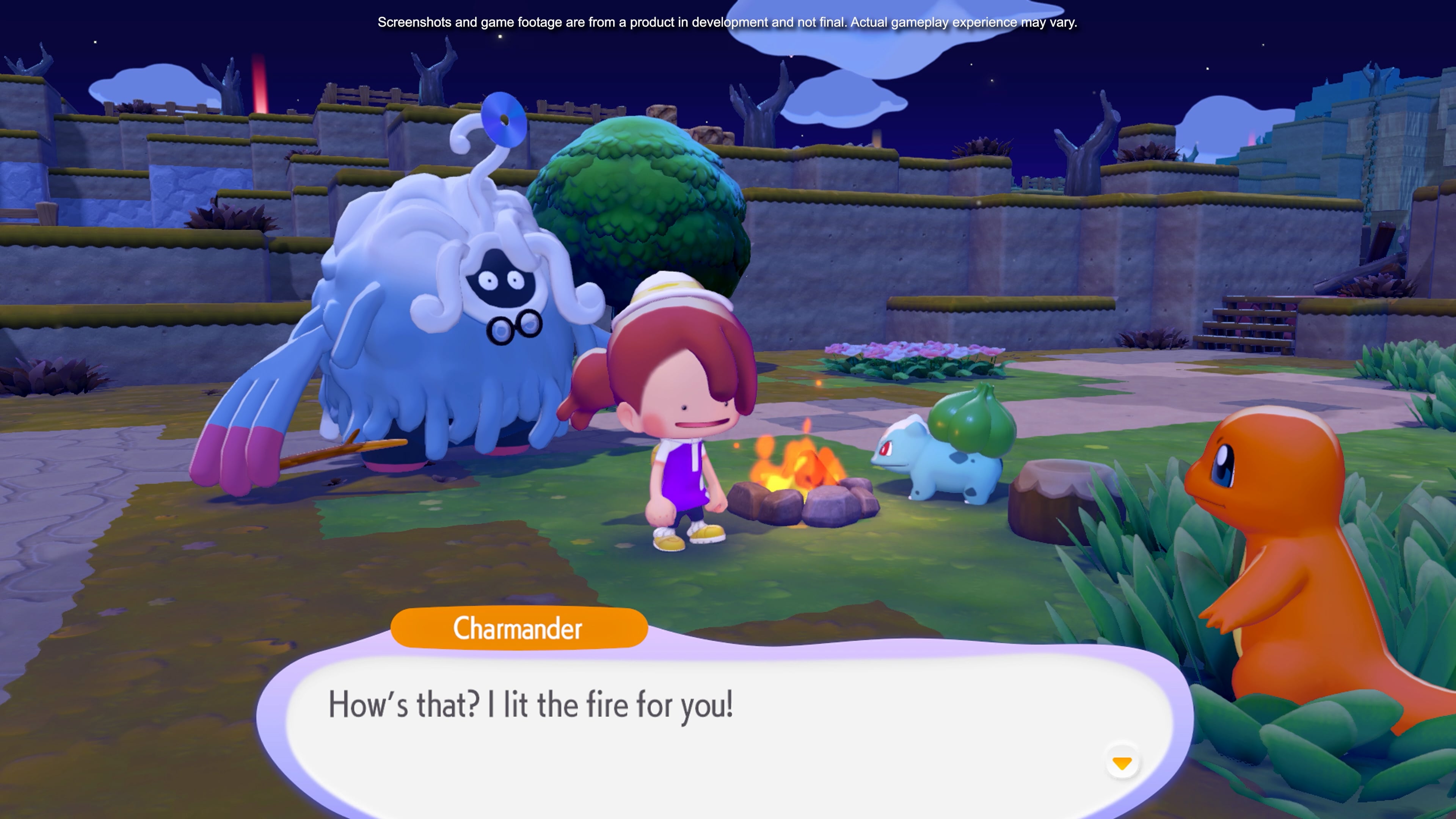
Pokémon Pokopia is the story of a Ditto that has lost its trainer. Ditto isn’t alone. Every Pokémon has lost its trainer. As has the region of Kanto itself. Ditto wakes up in the ruins of the setting of Pokémon’s first generation to find a Tangrowth, wandering the wasteland and attempting to figure out what’s going on. It quickly becomes Ditto’s mission to bring the Pokémon back to Kanto by creating a world they would want to live in, and hopefully, eventually, bring the trainers back to.
From the start, this is an intriguing concept for a Pokémon title. The game’s central mystery of where the trainers are and why they all disappeared is one that is teased out slowly throughout the 40-50 hours it will take most players to see the credits, and even up until the story’s climax, you’ll be left questioning where the story is going to go.
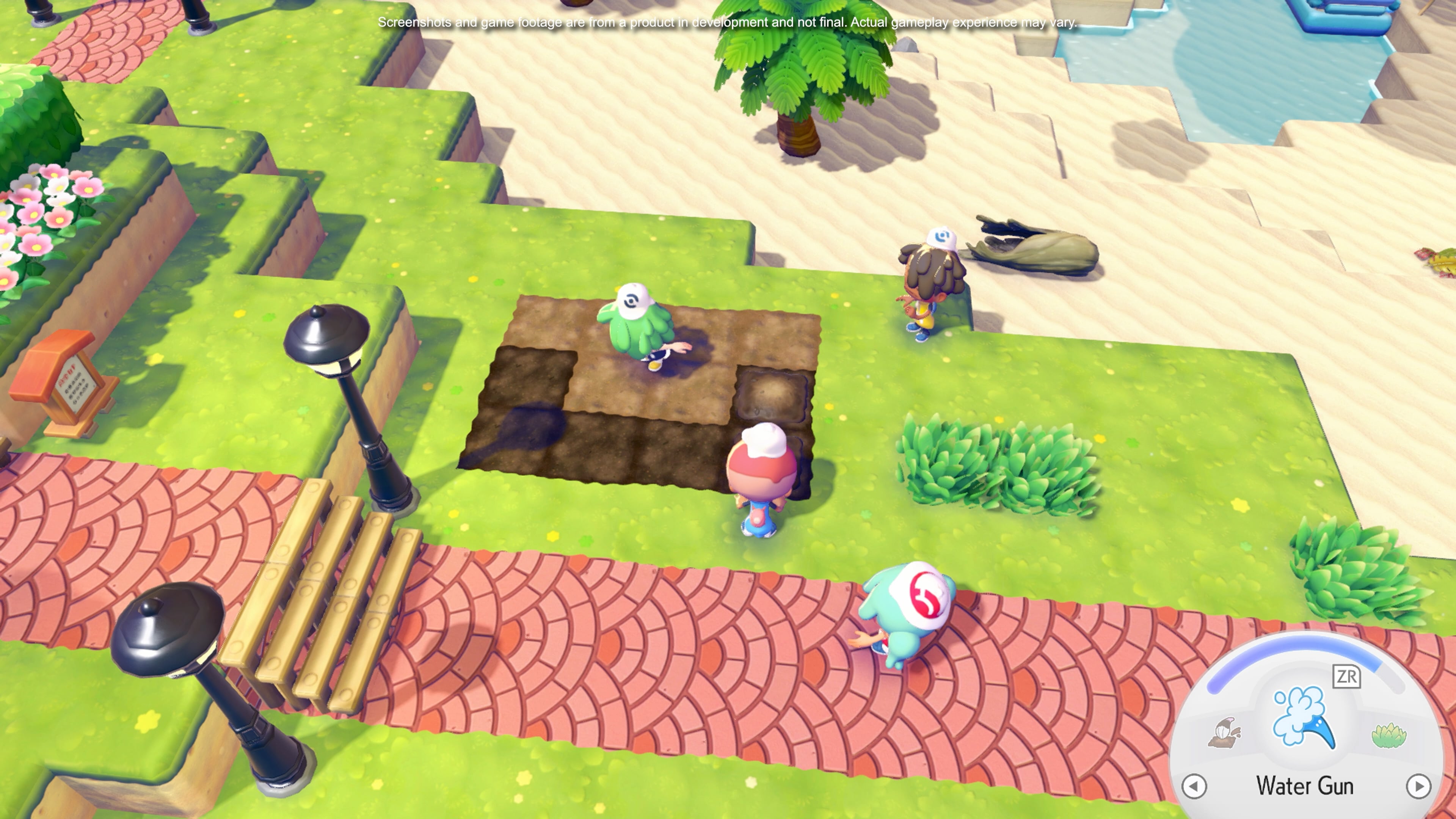
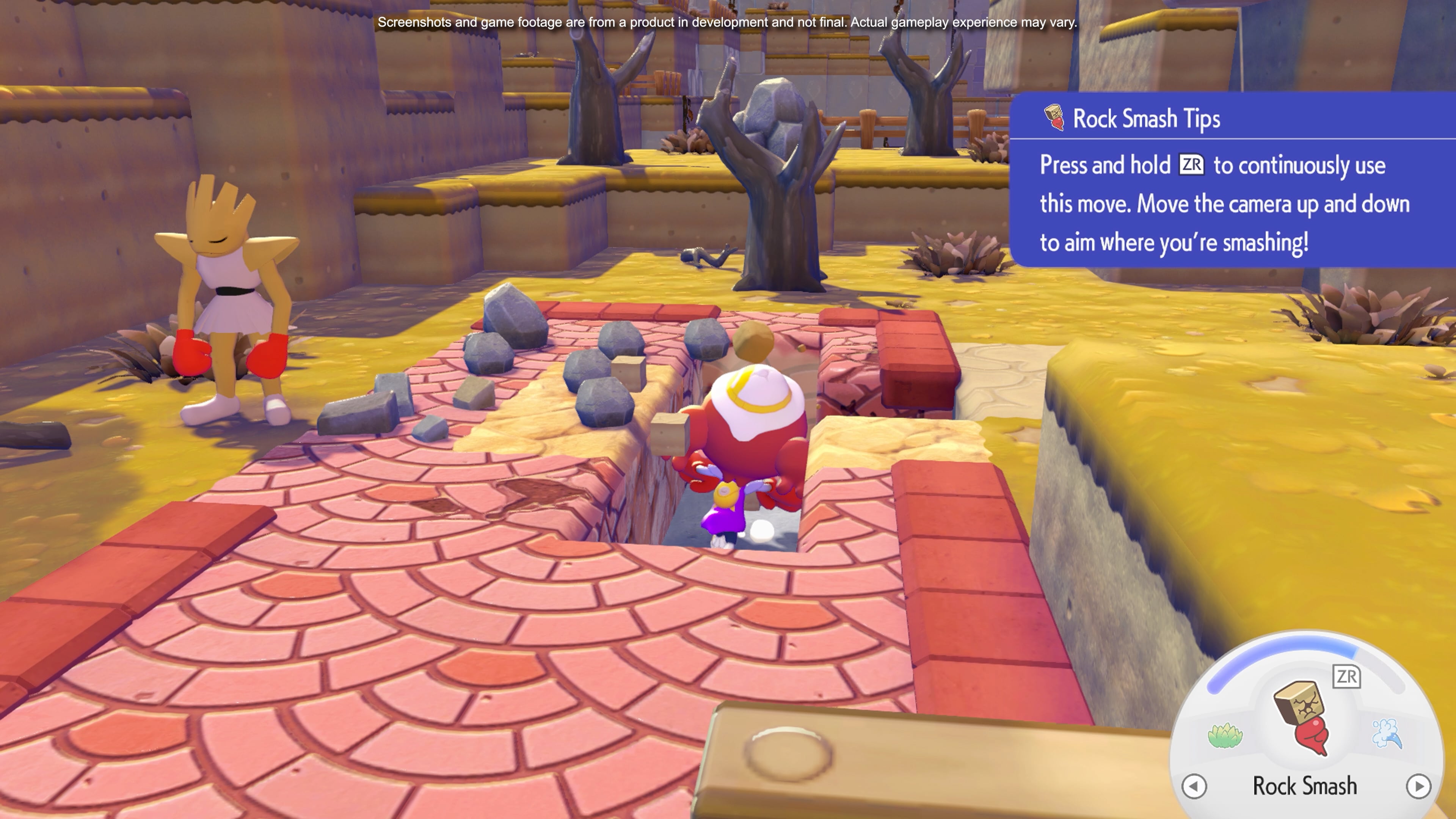
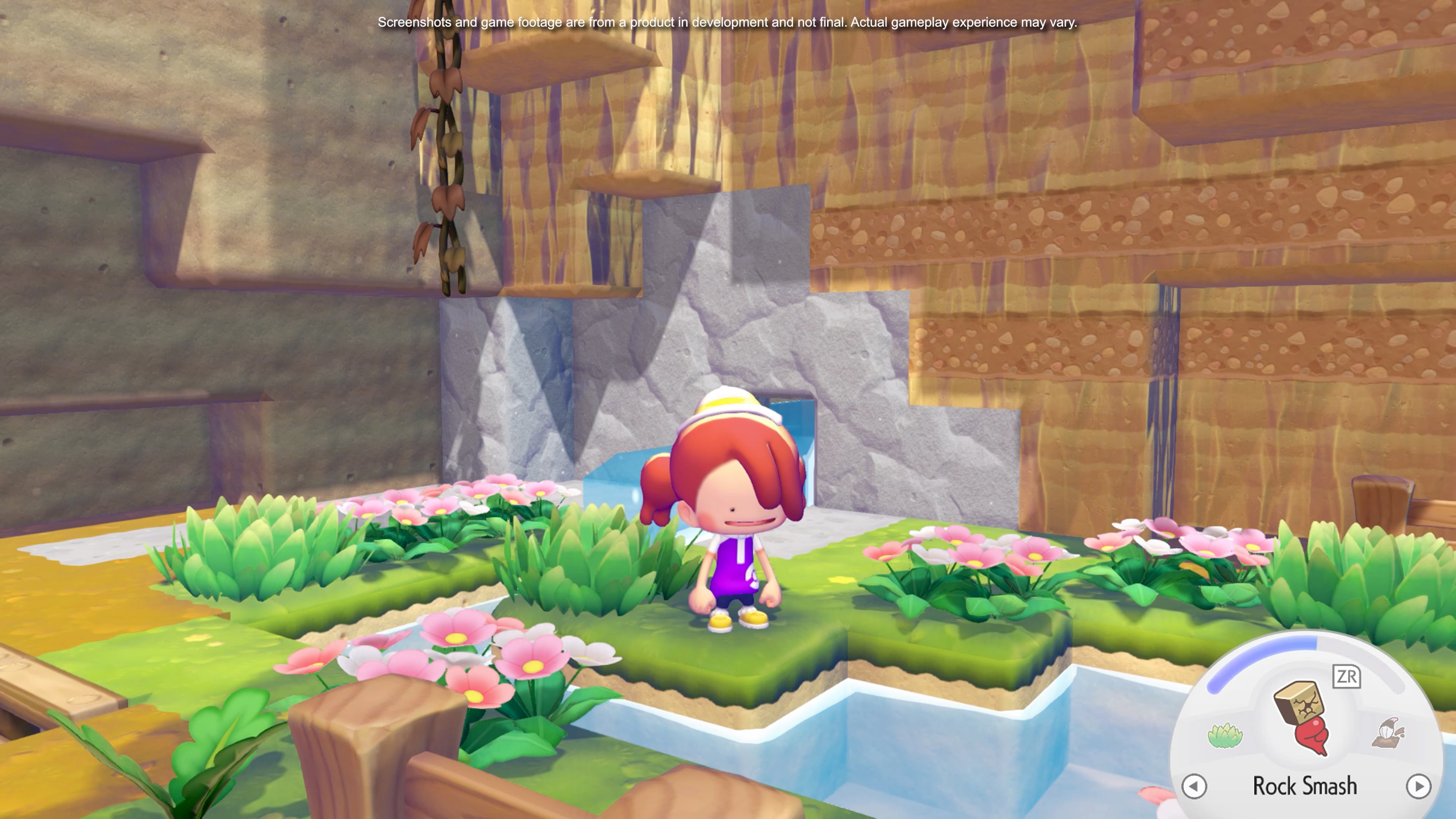
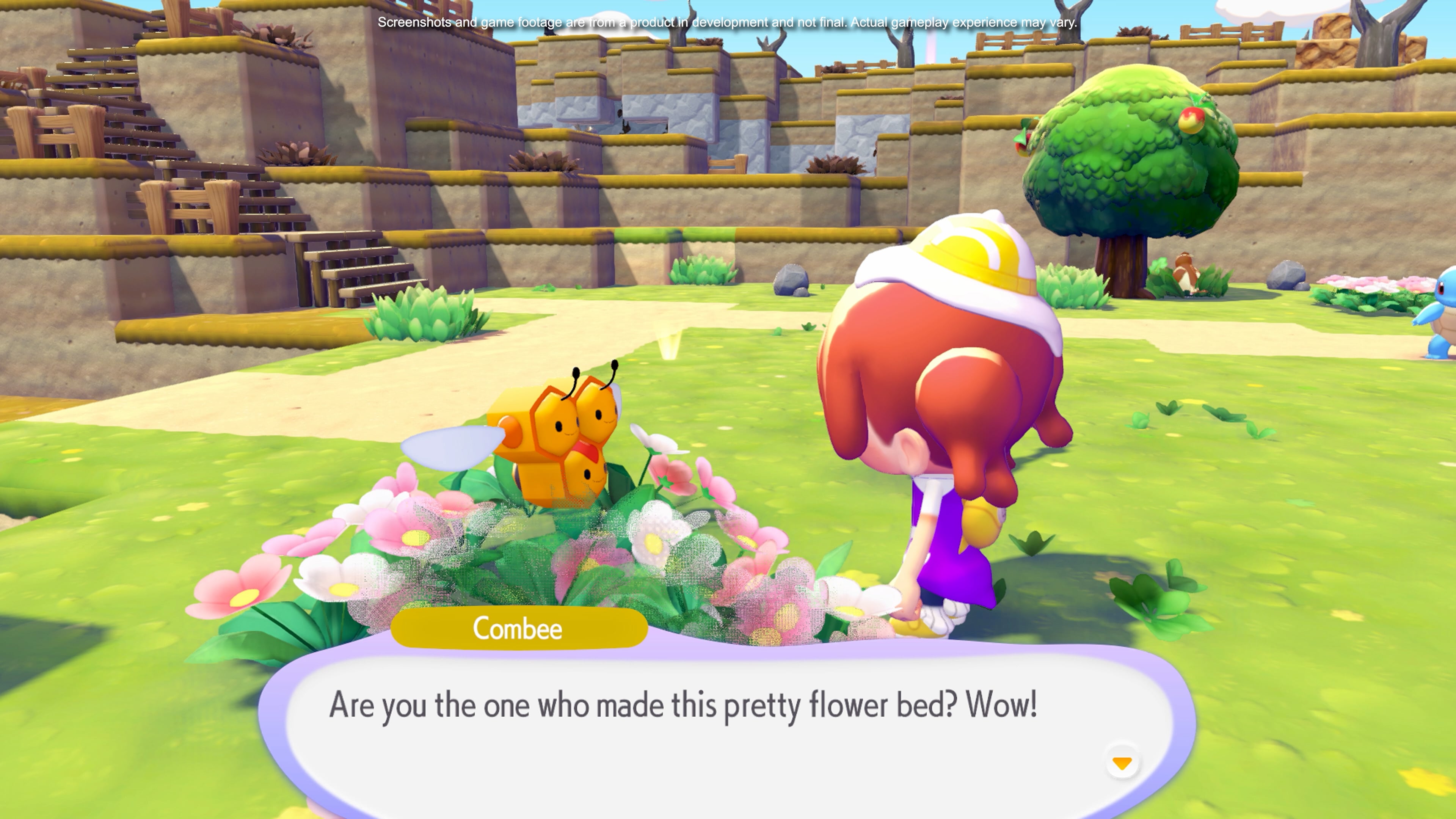
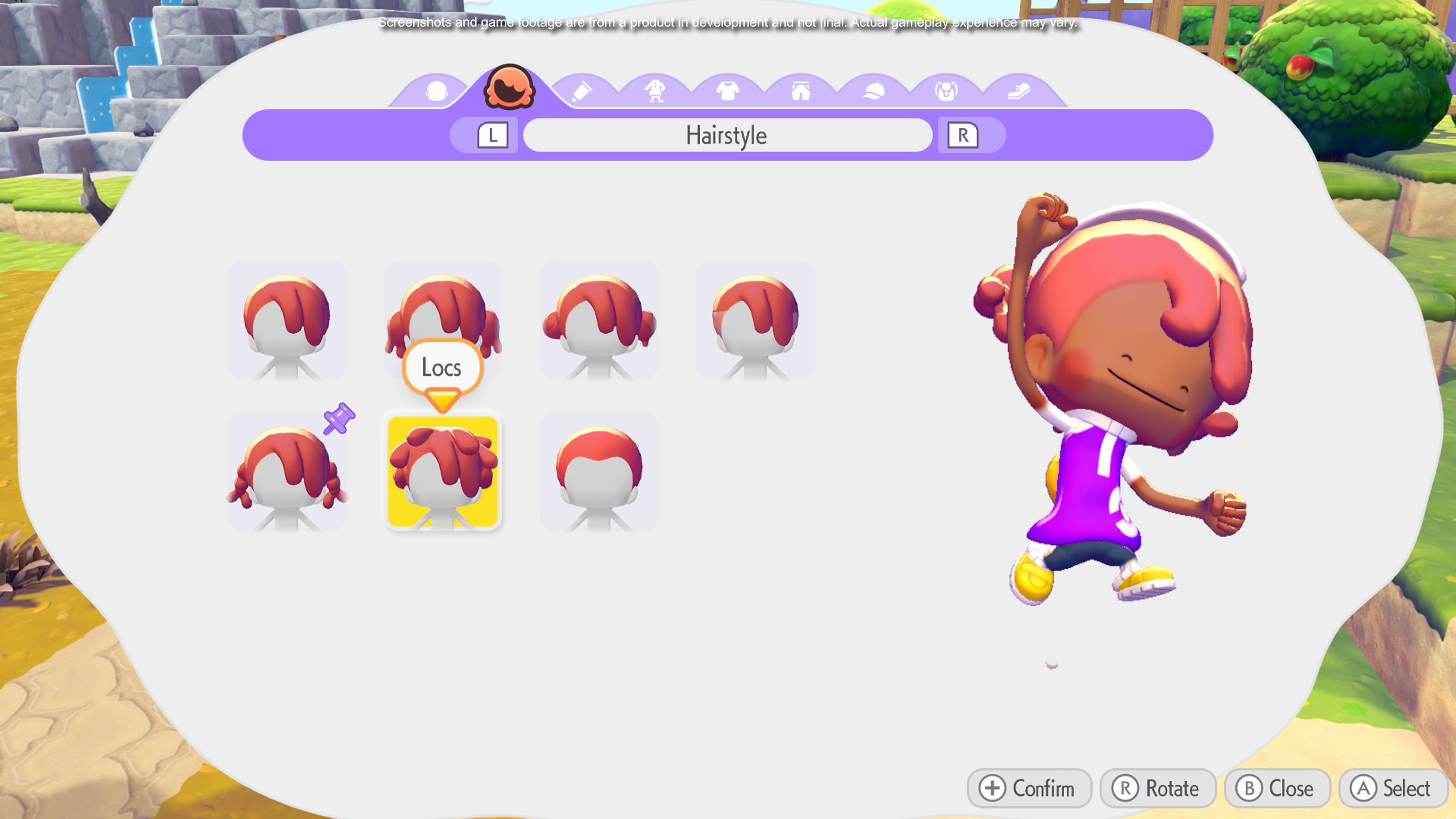
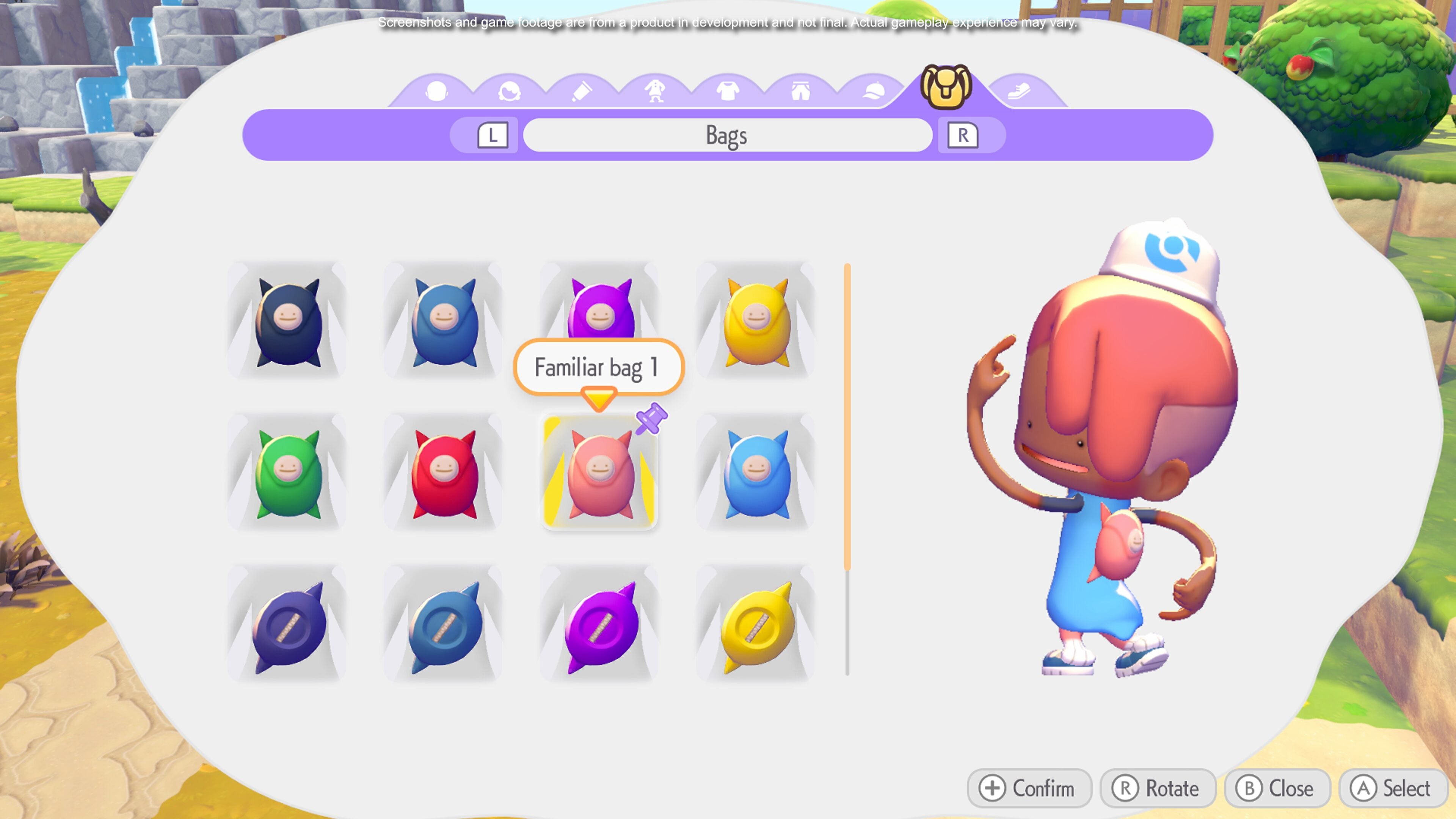
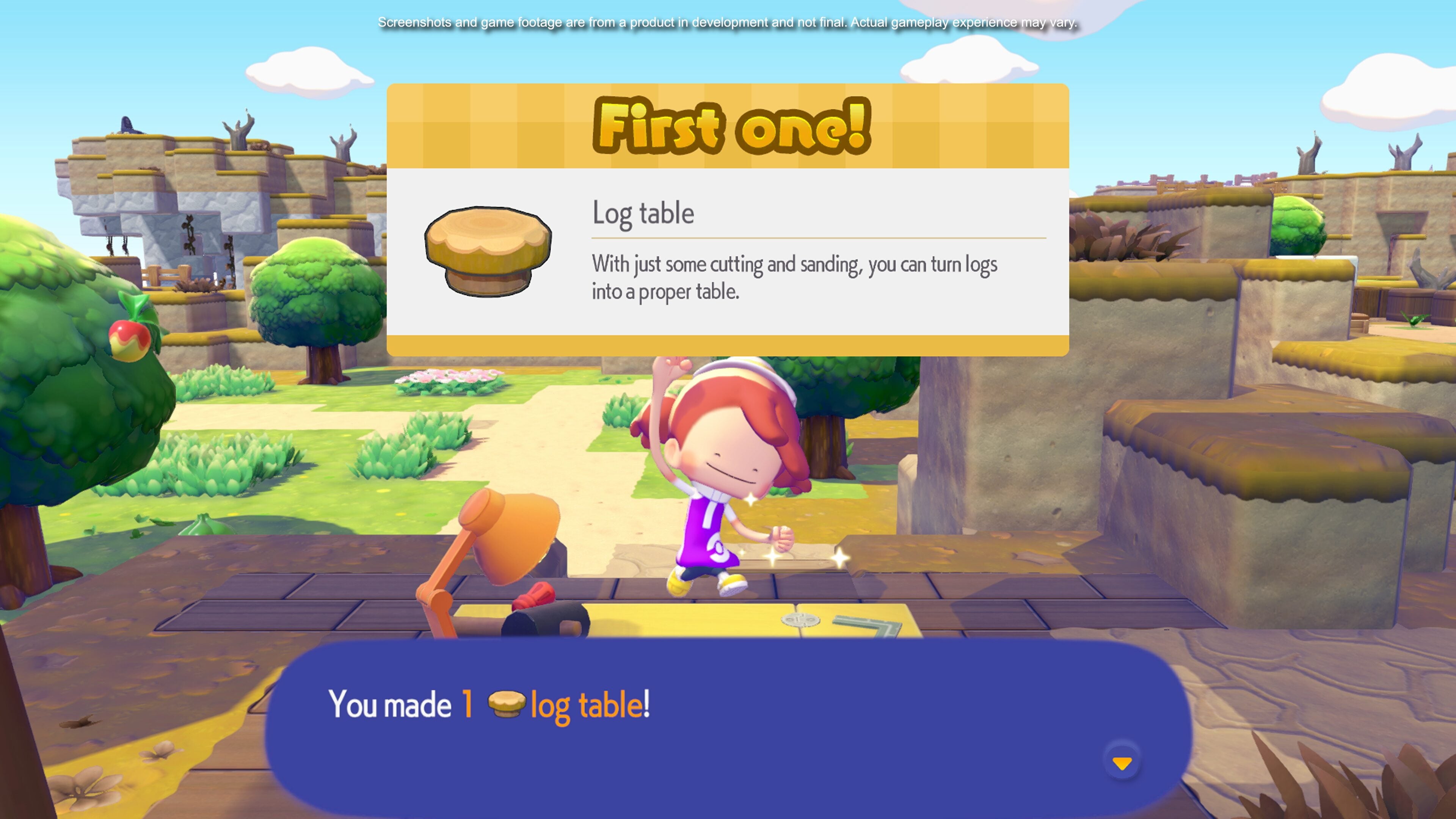
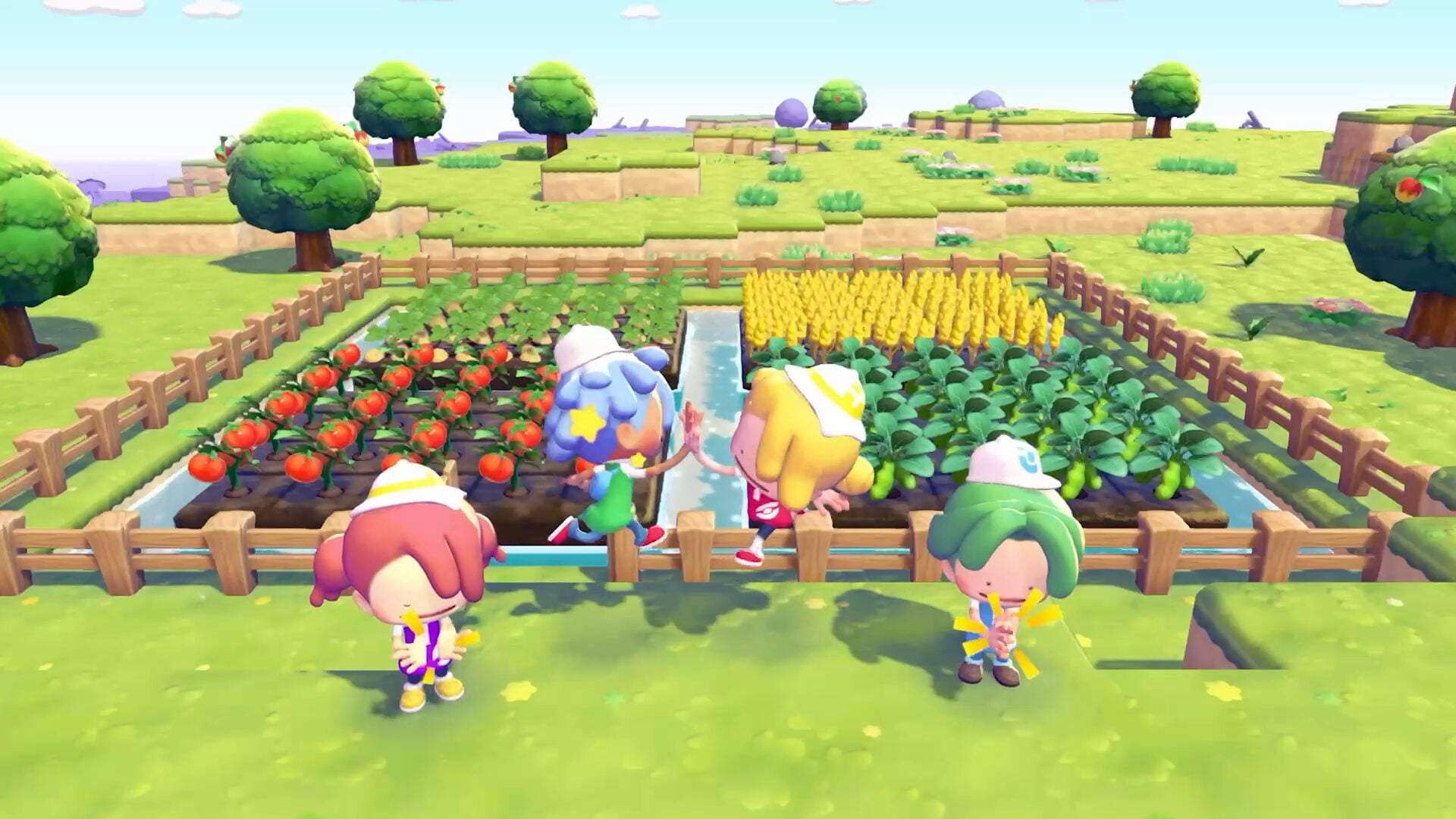
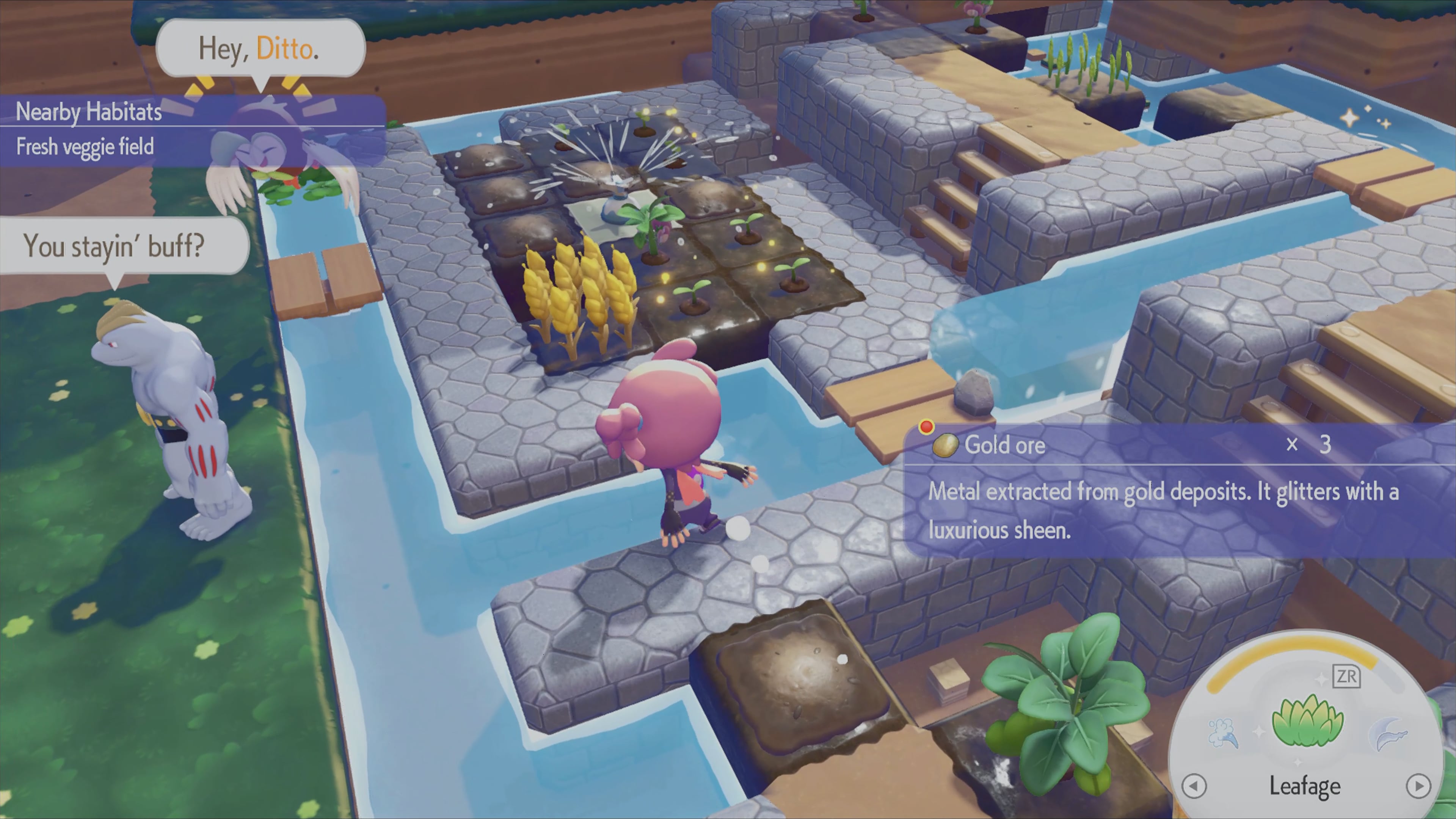
Pokopia’s gameplay loop largely centers on creating habitats that will attract new Pokémon to an area. These can be as simple as four squares of grass, or as complex as involving six bespoke items that you’ll need to craft or find in the world. Once a habitat is complete, after a short period of time, a Kanto favourite (or one of several cameos from across the generations) will appear and join your new Pokémon society.
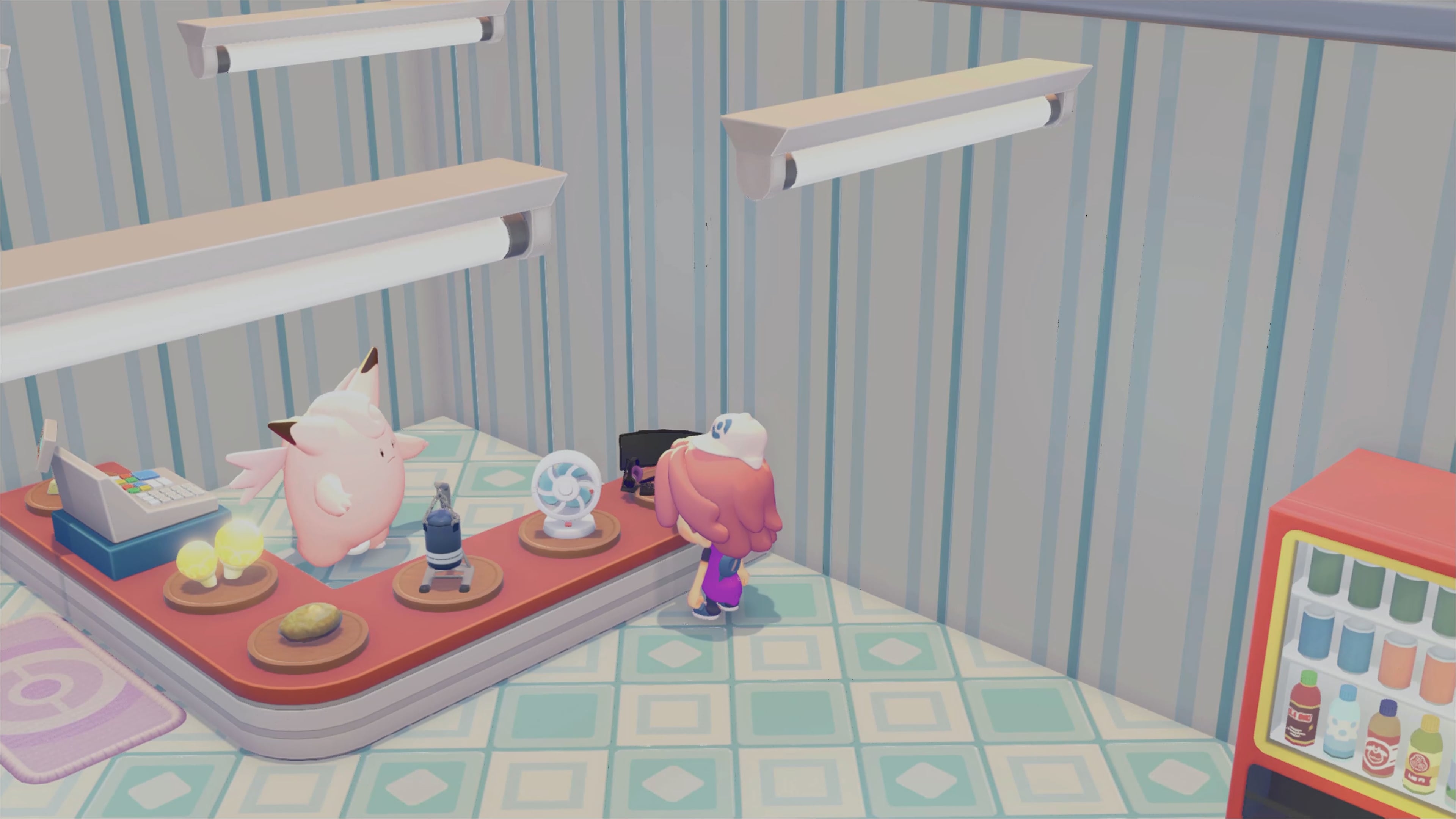
Pokémon quickly live and work alongside each other. They can help you farm, mine, or even run a shop. There are a lot of clever touches that really sell the idea of the Pokémon population using what they’ve found from a crumbling human society to attempt to rebuild.
A map can be found that, when hung up, states that Pokémon have no idea what it’s for. You quickly realise it’s a map of Kanto that the Pokémon have hung upside down, absolutely clueless as to why humans would hang up such a boring piece of wall art.
“Pokopia is an excellent life simulation game that takes the best bits from the champions of the genre and evolves into something that Pokémon fans, and cozy game fans will love”
Pokopia’s writing is sharp, and like the best cross-generational media, has jokes from both younger players and older members of the audience. Not only this, but the game is packed with references to the older games, anime, trading card games, and much more. It is a Pokémon anniversary celebration in all but name.
When we spoke to the game’s director, and veteran Pokémon director Shigeru Ohmori, about this gameplay in January, he said that he was inspired by his time as a map designer on Pokémon Ruby and Saphirre, wherein he’d place down tiles of grass and watch the Pokémon appear.
In practice, the habitat system is actually a complex collection game, with almost as many habitats to find as Pokémon themselves. Virtually every environmental block found in the world is used in some way for specific habitats. There is a slight frustration when a habitat requires an extremely specific item, and there’s little indication about how to discover it, but the answer is invariably to raise the environment level of a zone or progress further in the story.

Speaking of environment levels, each of the game’s zones, all of which are based on an area of Kanto, has a bespoke environment level, which is calculated by the comfort level of the Pokémon in that zone. When you discover a new Pokémon, the progress toward level will increase, but the key to raising it as high as possible is making sure the Pokémon are happy.
You can do this by giving them food, finding items that suit their personality, or building houses for them to live in. Pokémon will also have specific requests that will raise their happiness level. You can also raise a Pokémon’s happiness by placing items in the area around its habitat, or, once you’ve moved them into a house, adding furniture, flexing your interior decorating skills.
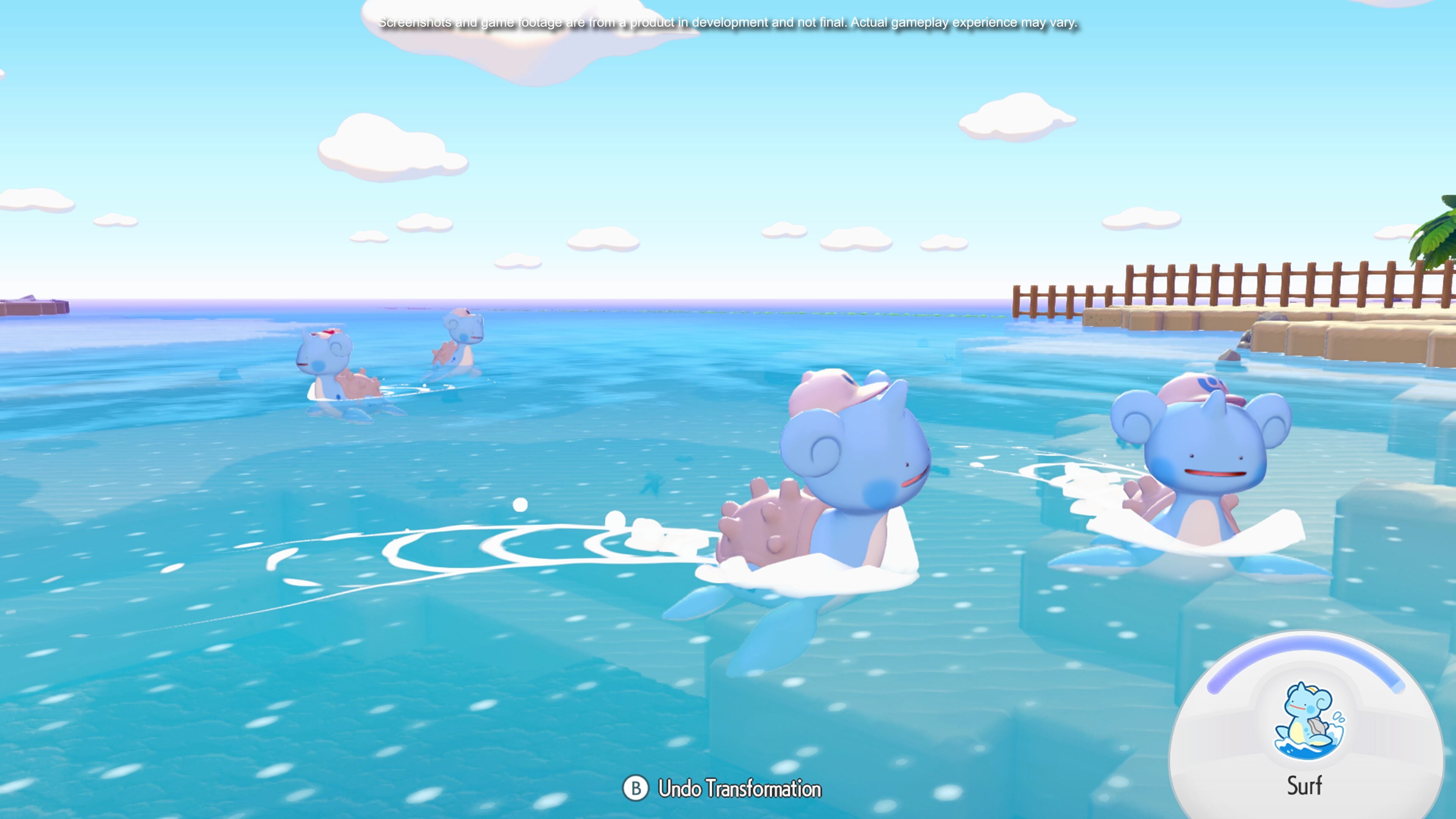
A small number of Pokémon will teach you abilities that can be used to terraform the world or traverse more easily. For example, Bulbasaur will teach you Leafage, which will allow you to pull grass out of the ground. Scyther will teach you Cut. Squirtle will teach you Water Gun, and so on. These are your tools for exploring and creating in the world of Pokémon Pokopia.
“Pokopia’s writing is sharp, and like the best cross-generational media, has jokes from both younger players and older members of the audience. Not only this, but the game is packed with references to the older games”
This system is well implemented, but I did find some frustration as to which moves Ditto was able to learn and which it wasn’t. There is regularly a need to light things on fire, but, despite meeting Charmander in the game’s opening, Ditto is never granted that power, for example.
Some tasks, like the aforementioned fire starting or the ability to charge up electrical items, are left to the Pokémon that you bring back to Kanto. This turns some building objectives into a logic puzzle. Using one Pokémon’s ability to charge up a certain item, which can then be used as part of a habitat to find another Pokémon will a separate ability that you need to progress.
These moments are typically explained to the player via the story, but, if you’re being extremely thorough and you’ve already found the Pokémon required to proceed, the game will acknowledge this, compliment your commitment to admin, and carry on.
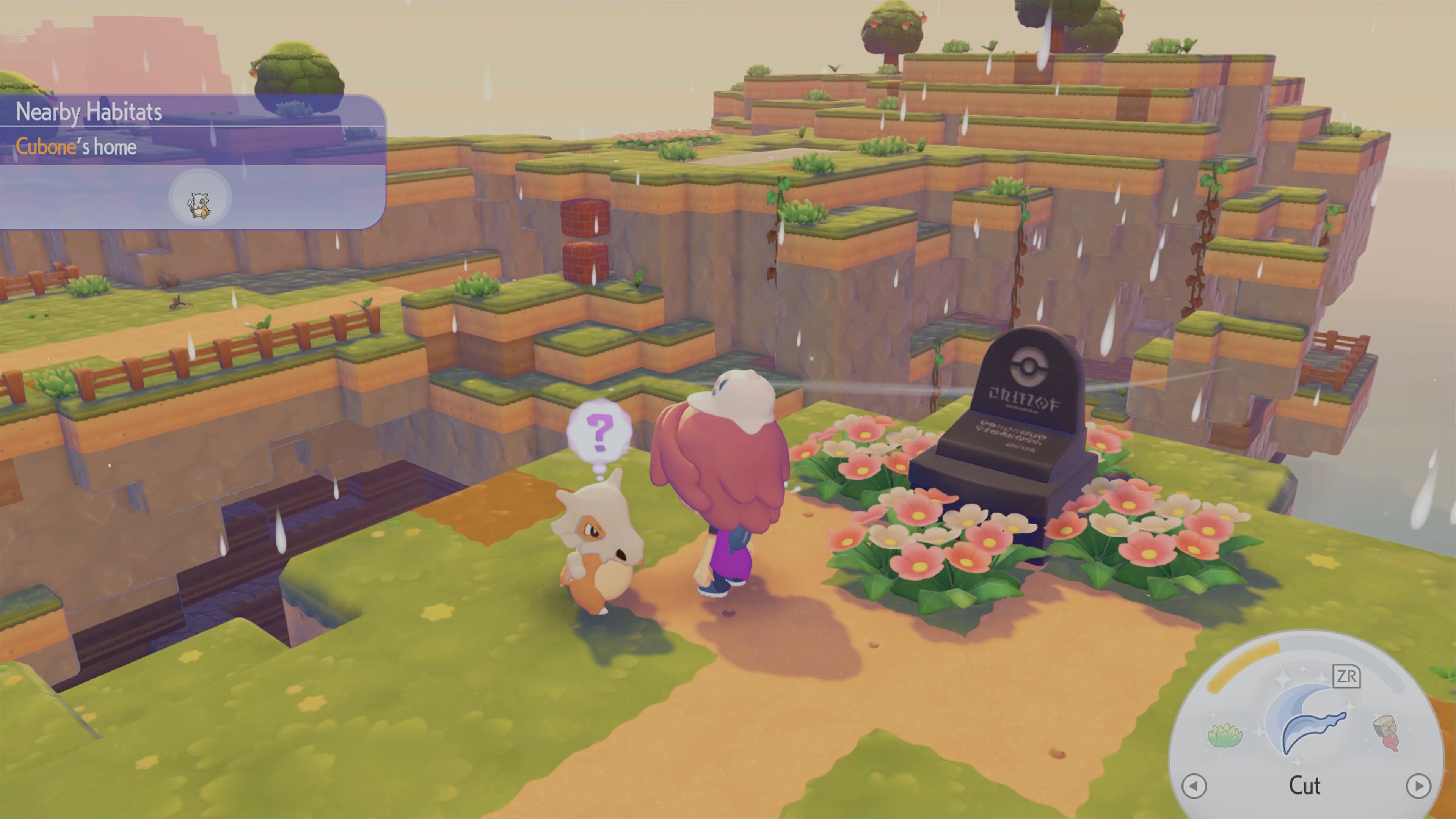
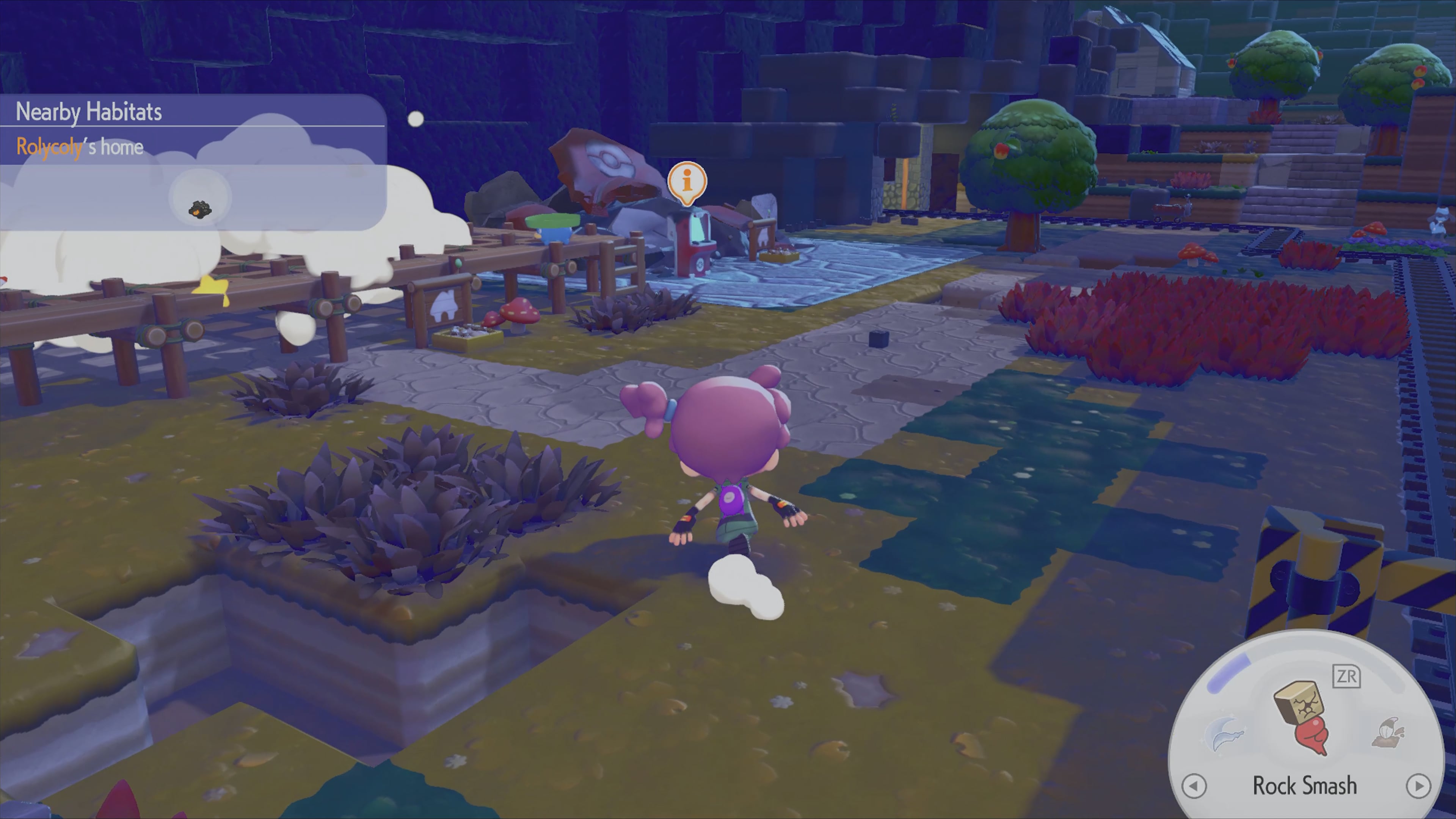
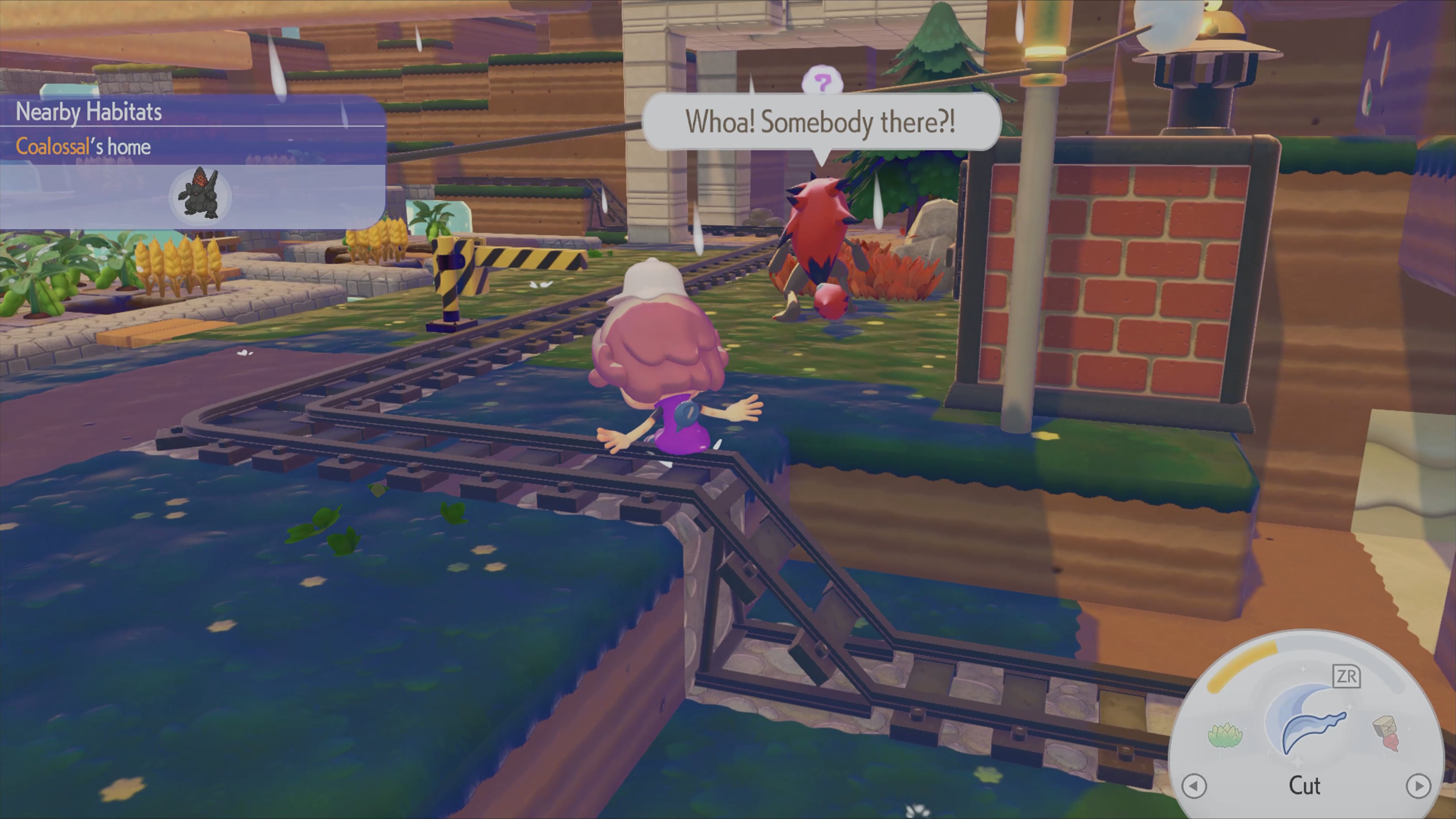
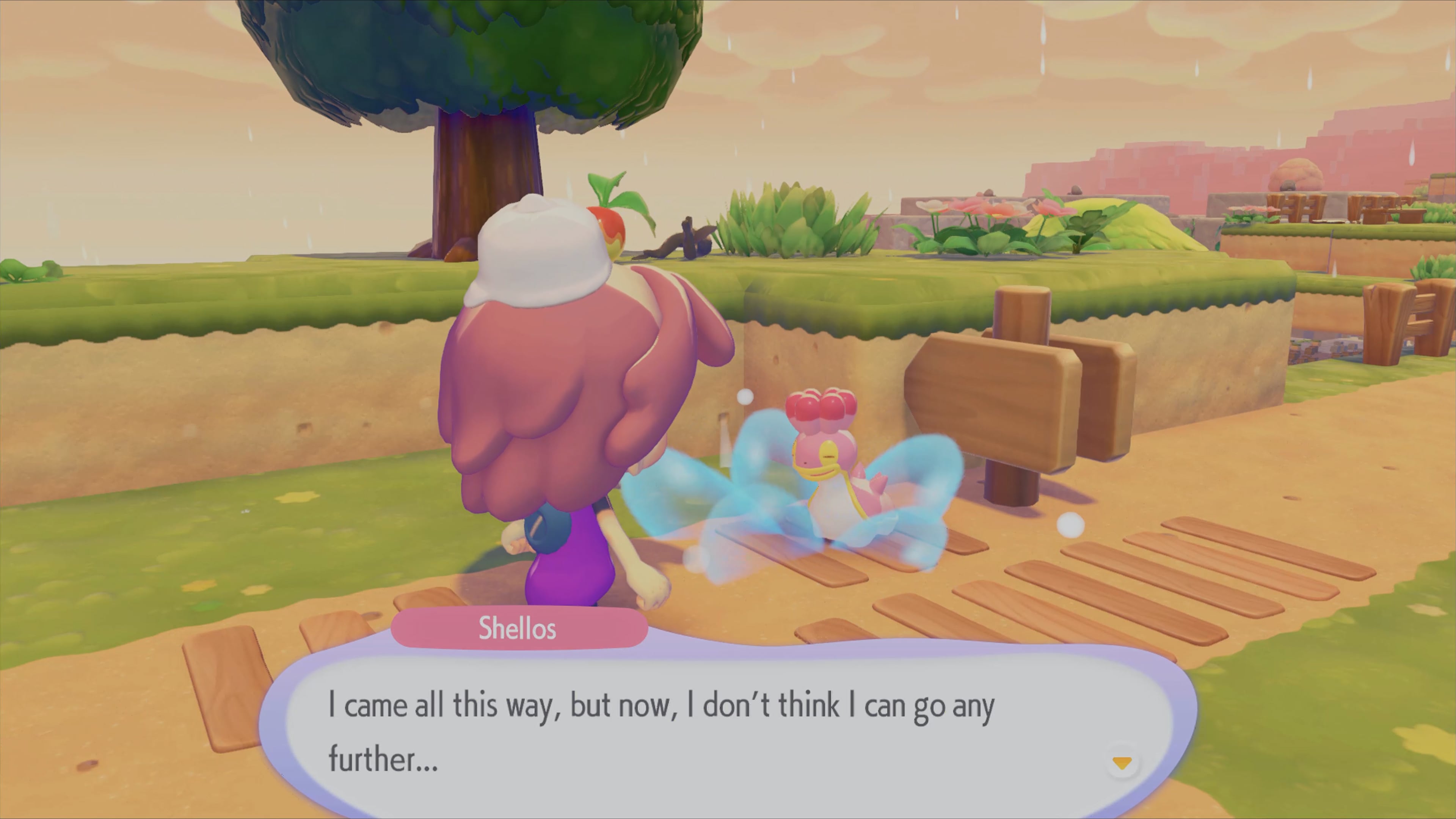
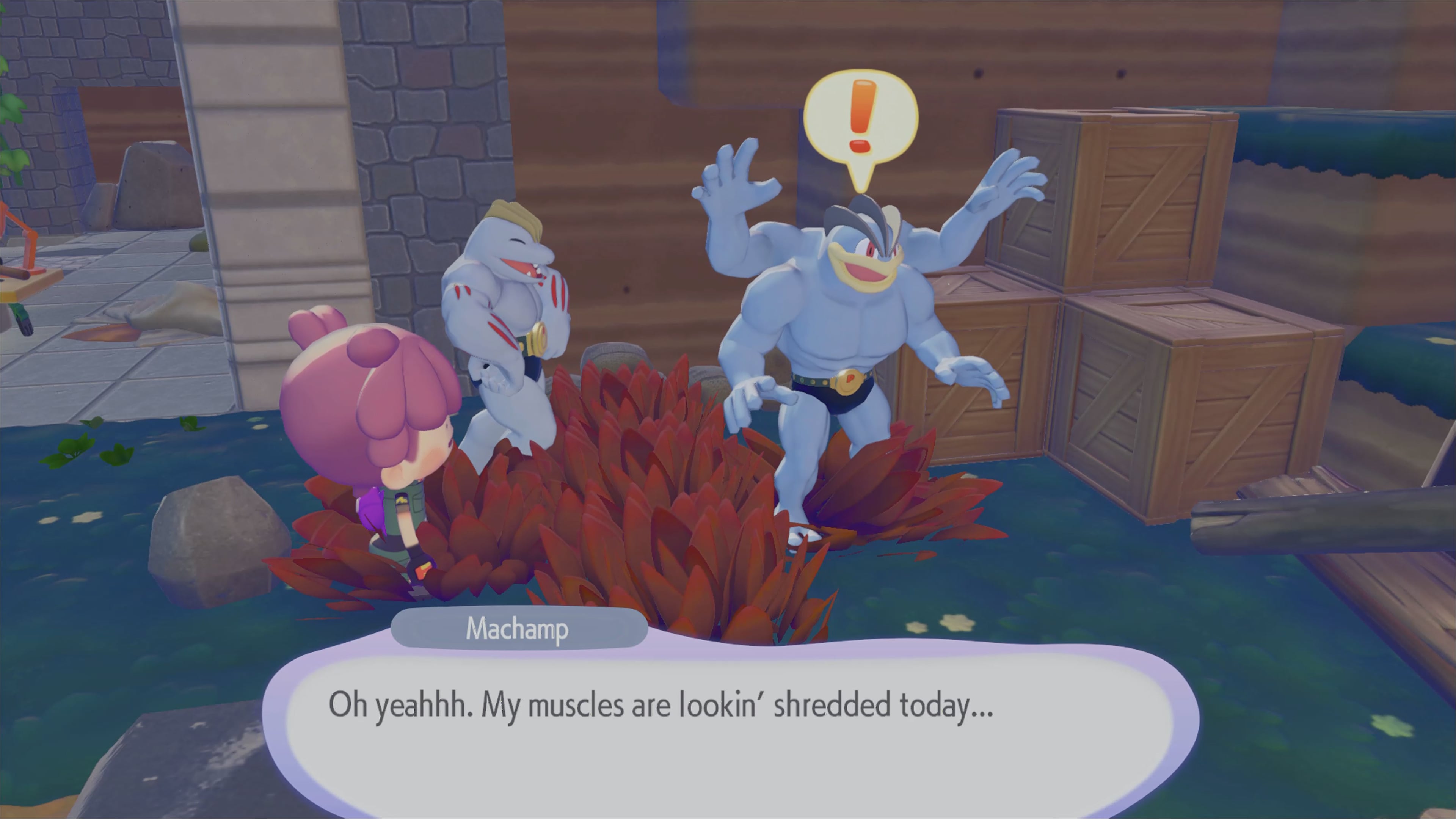
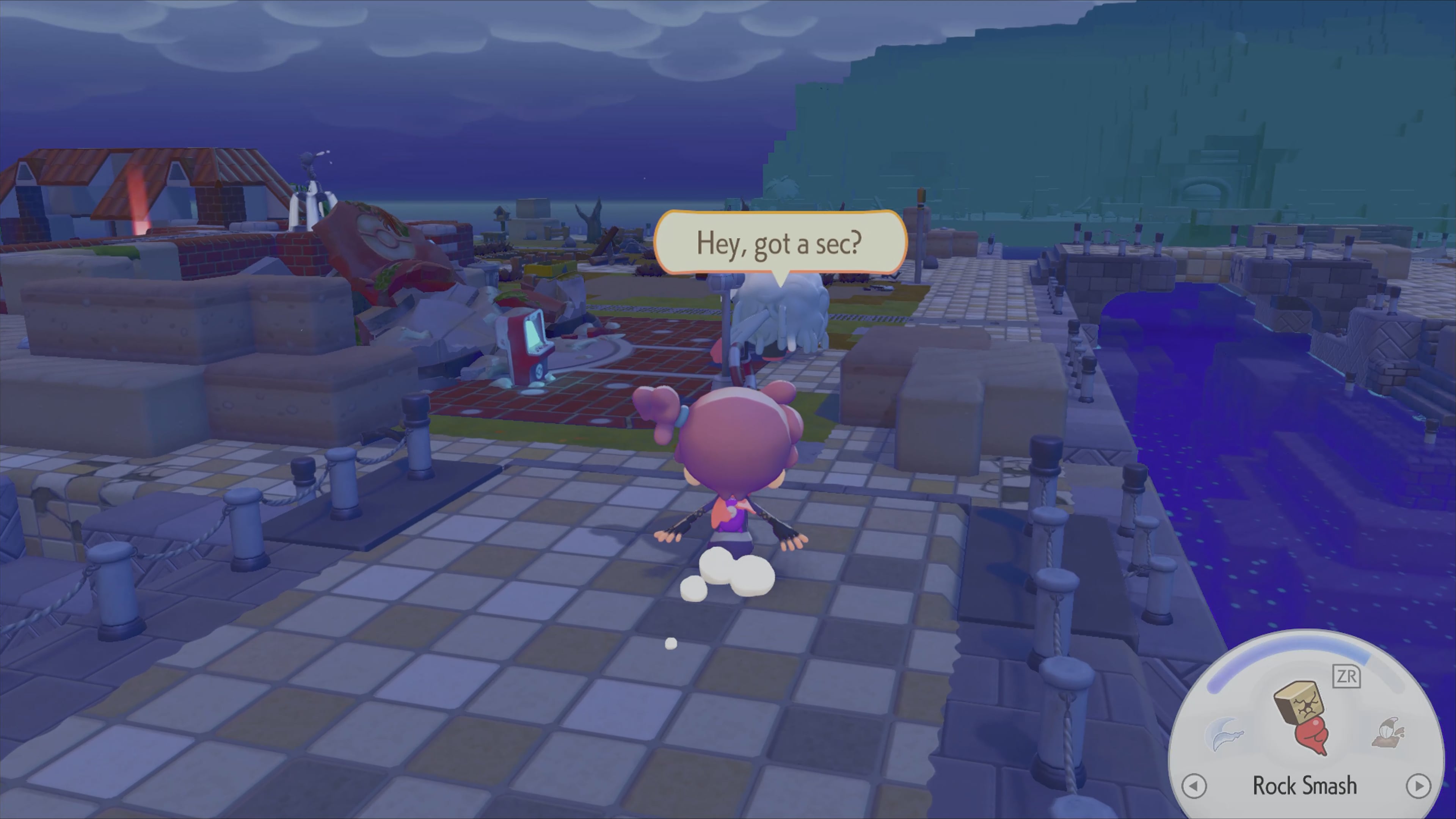
Each of the game’s main areas has a few major requests, which gate the player from the next explorable area. These typically involve the special variant Pokémon found in that area, such as Peakychu, a sickly Pikachu that lost its spark due to helping some ill friends, or Mosslax, a Snorlax that’s been sleeping in a cave for so long that it’s developed a green tracksuit of moss.
Finally, Pokémon-worthy performance
The Pokémon series hasn’t been known for its great technical performance in recent years but, thankfully, Pokopia is locked to 60 frames per second on Nintendo Switch 2, and looks great.
There are some long loads between zones, which is likely due to the fact that the game saves the location of every item, including ones you’ve not picked up, which, after 100 hours, can be a huge amount. Regardless of why it happens, it can be frustrating, especially when darting between areas to complete the last few habitats.
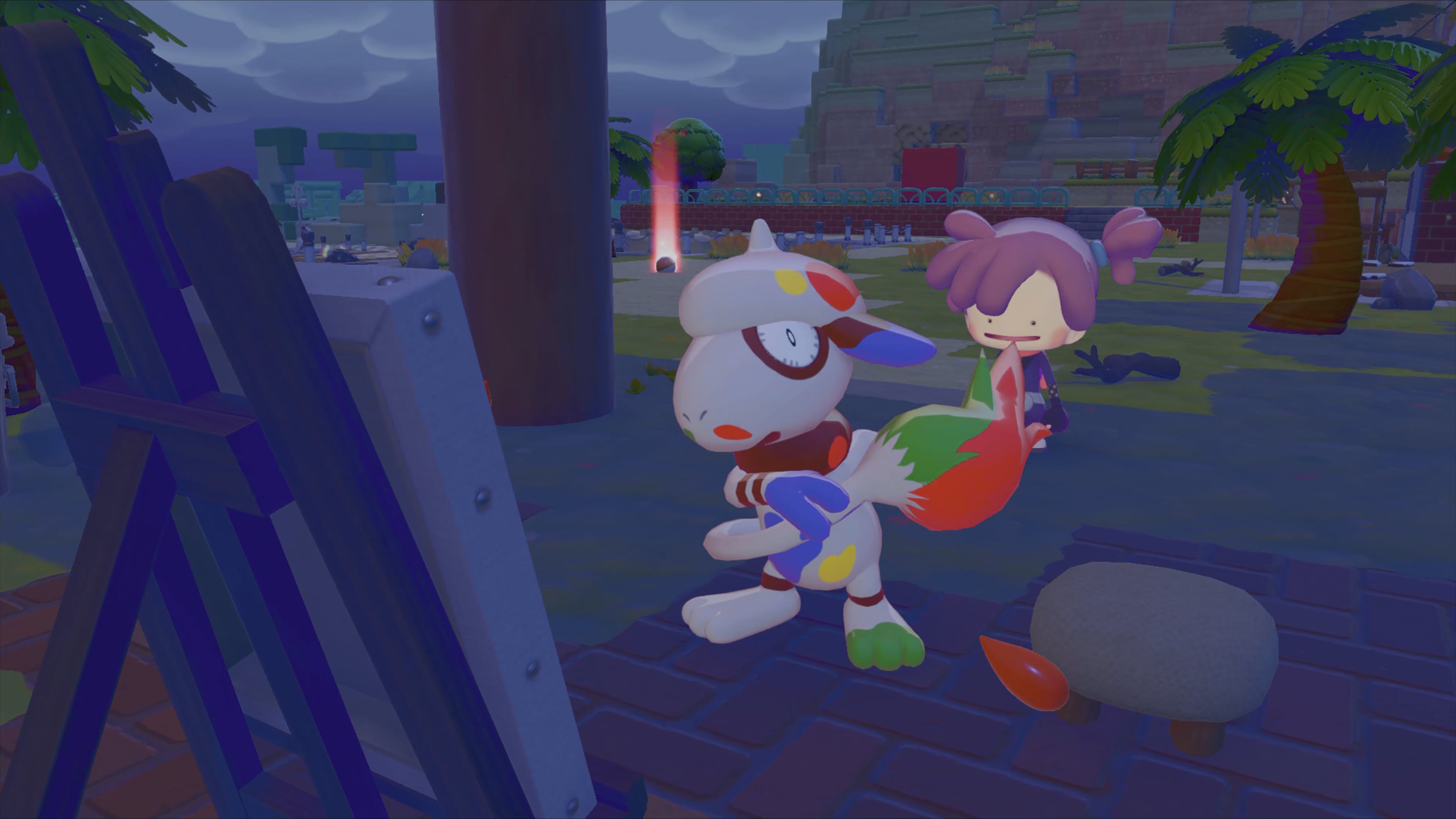
The Pokémon models have received a refresh, which includes a new, pop-art style makeover given to the cast, distinct from the more realistic style that was present in Pokémon Scarlet and Violet and Pokémon Legends Z-A.
I’d also like to shout out the game’s fantastic soundtrack, which features remixes of Junichi Masuda’s classic Kanto themes and musical motifs from across the series. It’s a soundtrack that I’m desperate to see released on streaming. Players can also find CDs throughout the world containing tracks from across 30 years of Pokémon, which means players can create their own playlist; however, this functionality is seemingly limited to one area.
These major requests largely feel designed to explain some of the game’s more intricate mechanics to players, as well as guide them throughout the world. They’re not difficult, but the little personality moments with the Pokémon throughout them are enjoyable. Each area has one of two time-gated activities, such as construction work that will ask the player to come back tomorrow, but anything that’s story critical is typically finished within 10-15 real-life minutes.
As expected, the real Pokémon Pokopia starts after the credits roll. The sheer number of Pokémon, habitats, items, furniture, and even whole sections of areas we were still discovering hours after finishing the game is staggering. There’s a farming system, a mining system, a rudimentary way to make music, and that’s before even mentioning the game’s multiplayer system, which sees groups of up to four Dittos building together.
For fans of the genre, Pokopia feels like the first must-have Pokémon Switch 2 exclusive. For the series first life-simulation game of this style, it’s almost totally nailed the concept on its first attempt. By collating a ‘best-of’ from the most popular non-violent games of the last decade, Pokopia has delivered the franchise’s best spin-off in modern memory, and one of its best games, full-stop.
Its cute exterior and witty writing belie a depth that fans won’t truly dig into until after the credits have rolled, and, like with any game of the genre, will be more about the massive Minecraft-style builds, or Stardew Valley-like societies that fans build of their own accord, rather than the game’s excellent authored content.
Frustration may arise in a momentum-breaking grind that appears during the story if a player isn’t prepared for it, and I’d have loved one or two more environments, as there are certain areas of Kanto that we’d have loved to explore. But I suppose we’ll have to build them ourselves.
Further reading
Pokémon Pokopia Review
Pokémon Pokopia is an excellent life simulation game that takes the best bits from the champions of the genre and evolves into something that Pokémon fans, and cozy game fans will love. Late-game grinding doesn't dull an adventure that's as full of discovery at 100 hours as it was at 1
- The loop of building new habitats to find new Pokemon never loses its joy.
- Top-notch, genuinely very funny writing .
- A life-simulation sandbox that can be as deep as the player wants it to be.
- We're still making discoveries after 100+ hours.
- An incredible soundtrack.
- Some late-game grinding will stall some players.
- Loading between areas can be slow.