Onimusha Way of the Sword review: A series reborn with great fights, but too many wrong modern lessons
Onimusha: Way of the Sword’s gameplay heights are let down by dated missions and uneven pacing
- Director
- Satoru Nihei
- Key Credits
- Akihito Kadowaki (Producer), Hiroshi Yamashita (Lead writer )
Onimusha: Way of the Sword feels like a victim of all the games that its franchise originally inspired.
There’s a reason fans were so excited when it was announced the series would return after so long in the wilderness. While never a mainstream hit, the Onimusha games on the PS2 were classics for fans of the genre. Not only that, it clearly inspired action developers worldwide, meaning echoes of Onimusha can be found everywhere.
Perhaps because of this, elements of Onimusha: Way of the Sword feel so dated. What doesn’t, however, is a rock-solid combat foundation, which means even if the missions you’re taking on are repetitive and overlong, the big blockbuster fights are some of the best around.
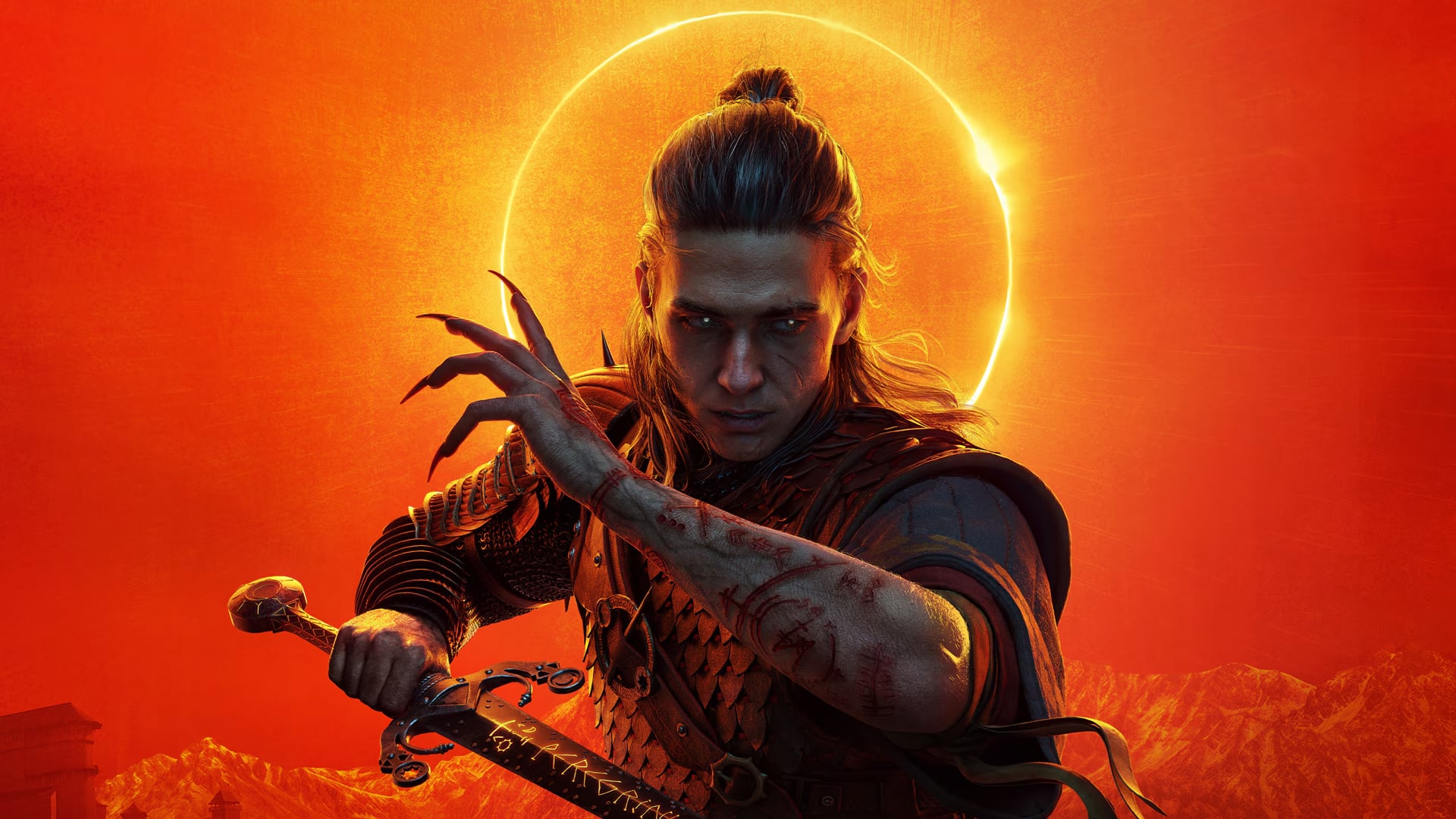
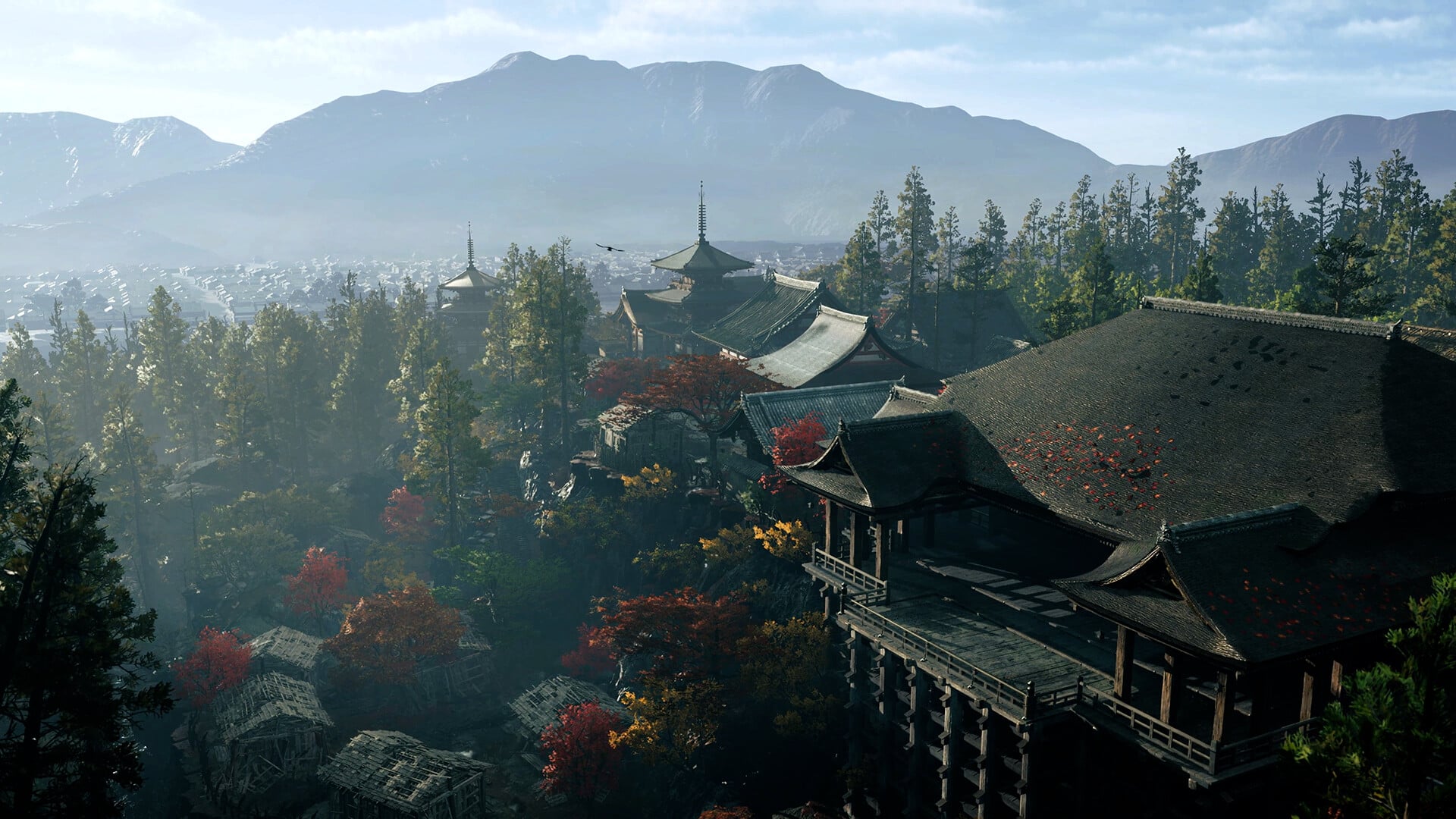
The game follows Miyamoto Musashi as he seeks to rid Kyoto of a looming demonic invasion. The city is teeming with demons, and most of the roads and pathways have been blocked off. By defeating a killer’s row of baddies with multiple arms, heads, and weapons, Kyoto is restored, and Musashi learns more about his new powers.
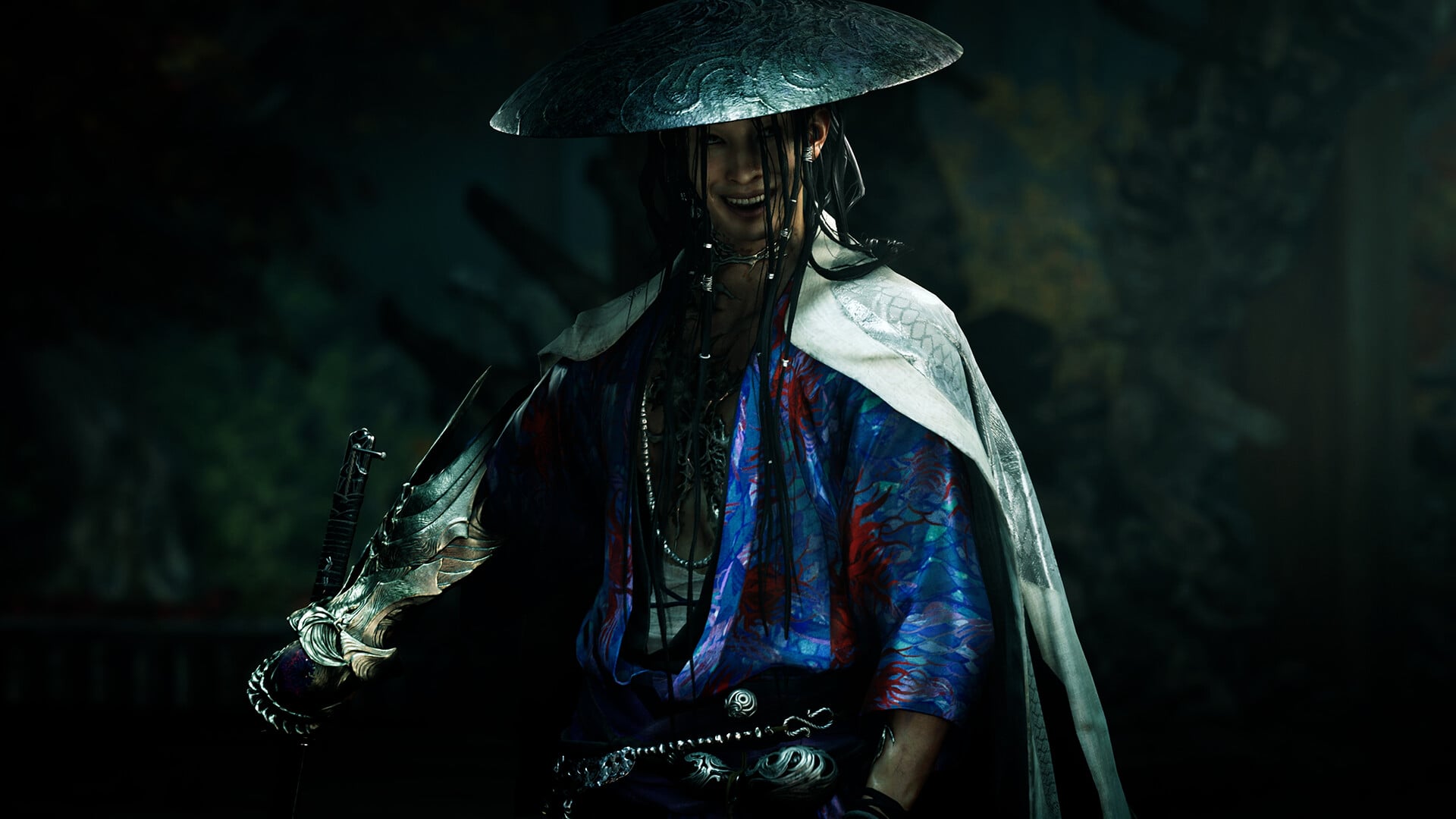
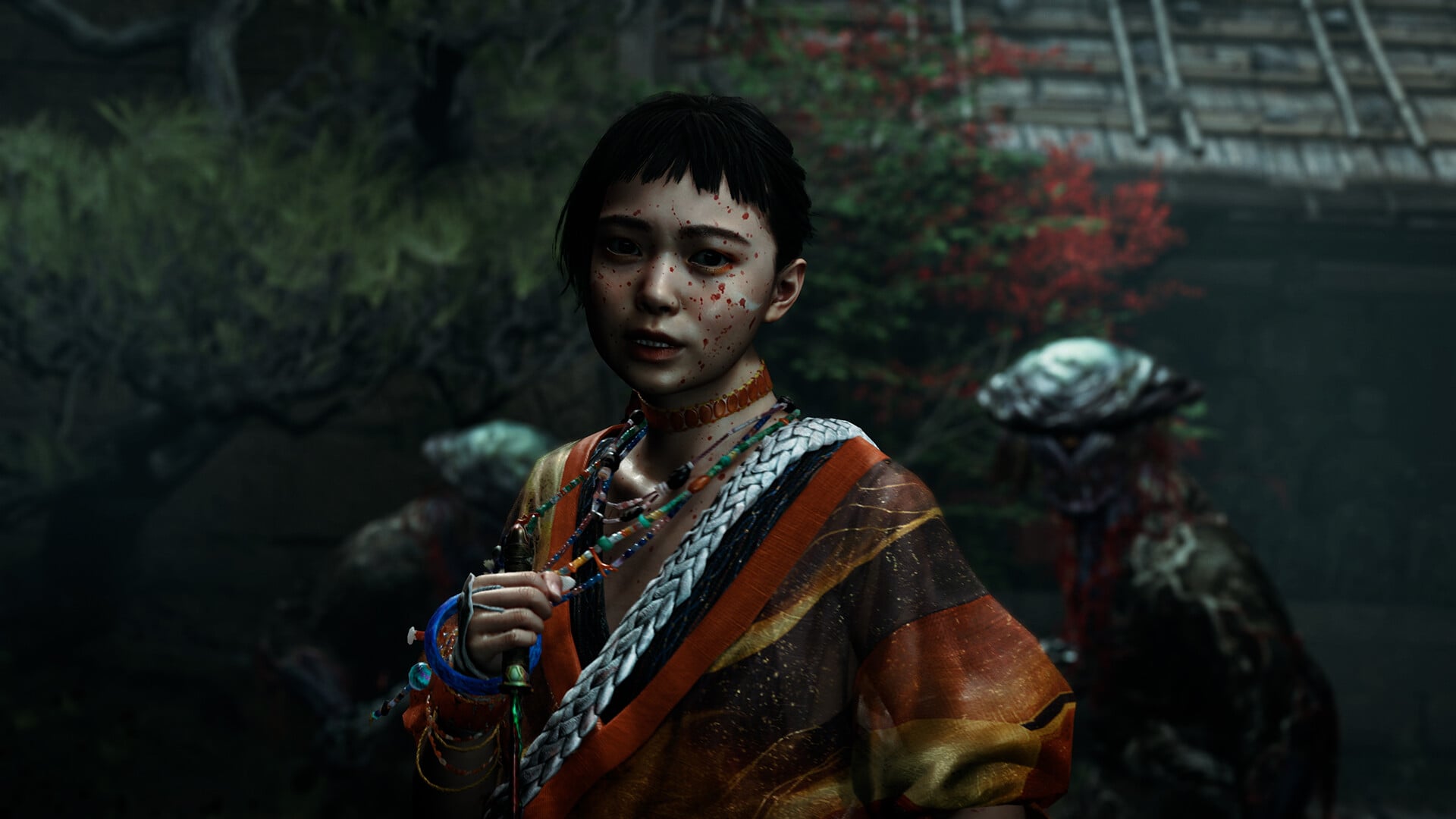
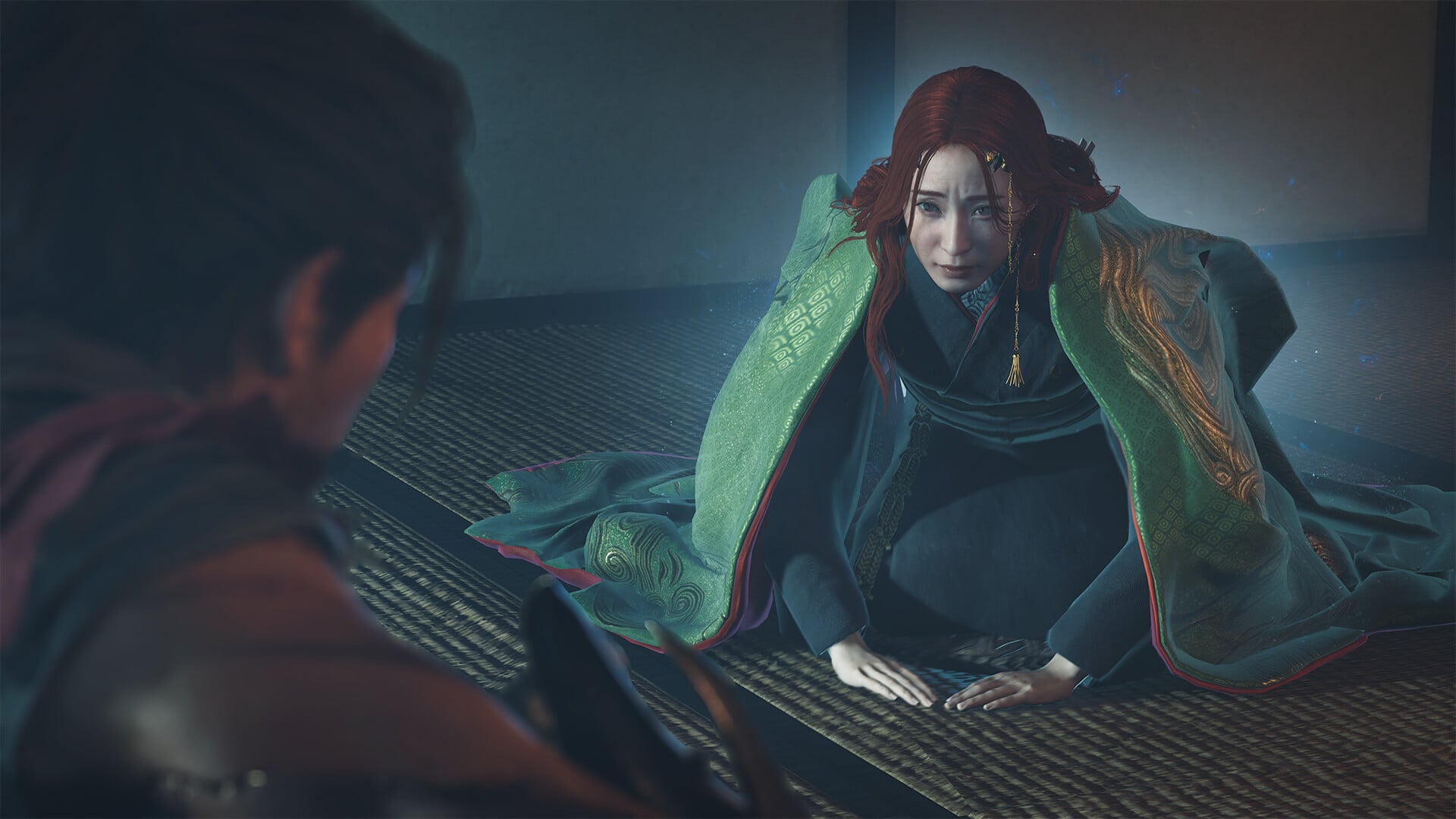
The story is not memorable, though some smaller side quests have interesting throughlines and some witty dialogue. What I’ll remember most is the pantomime dame-level performances from some of the main enemies. They’re camp, full of menace, and add a bit of levity when you’re really dialing in when to make your move during their boss fights.
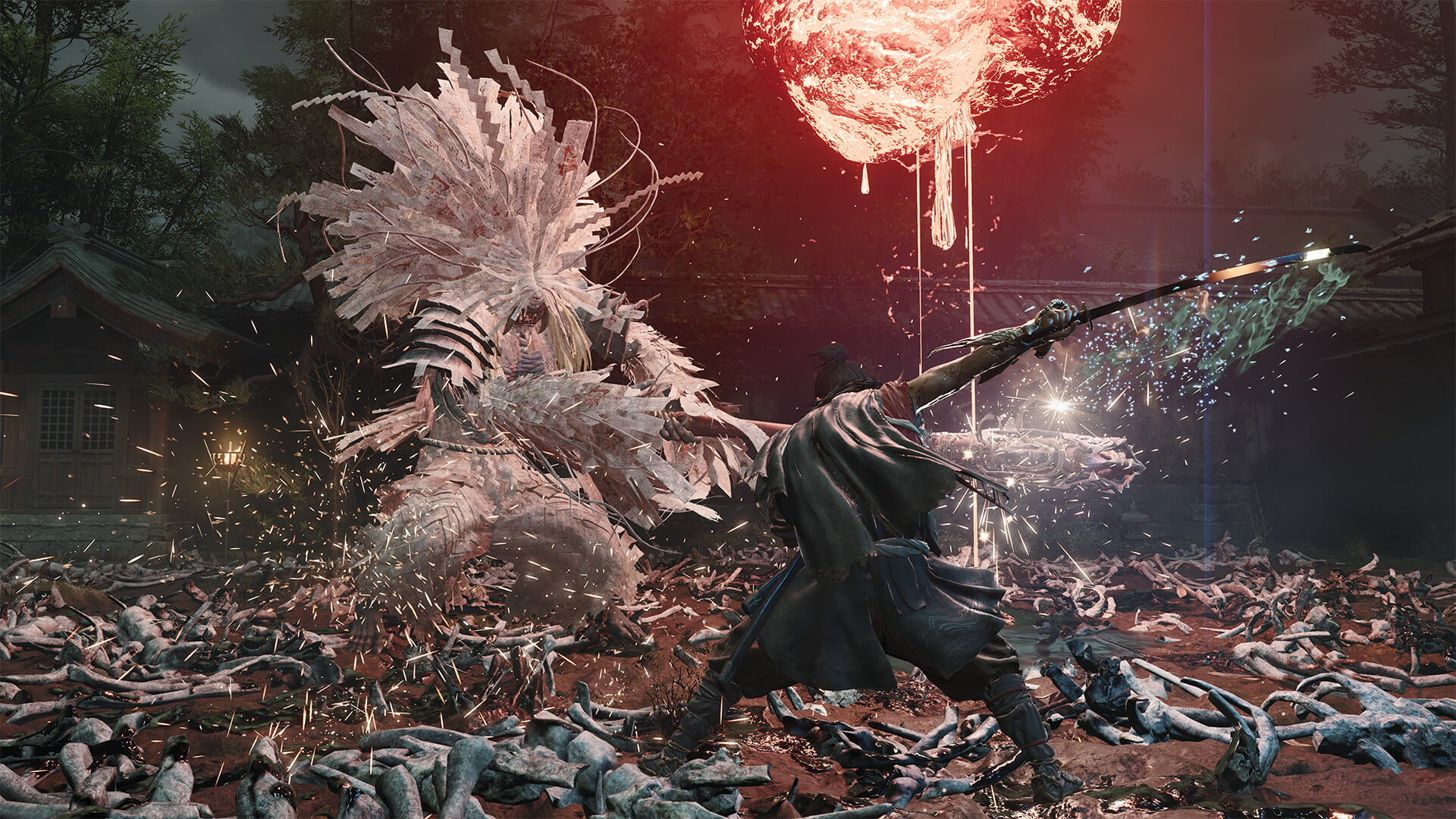
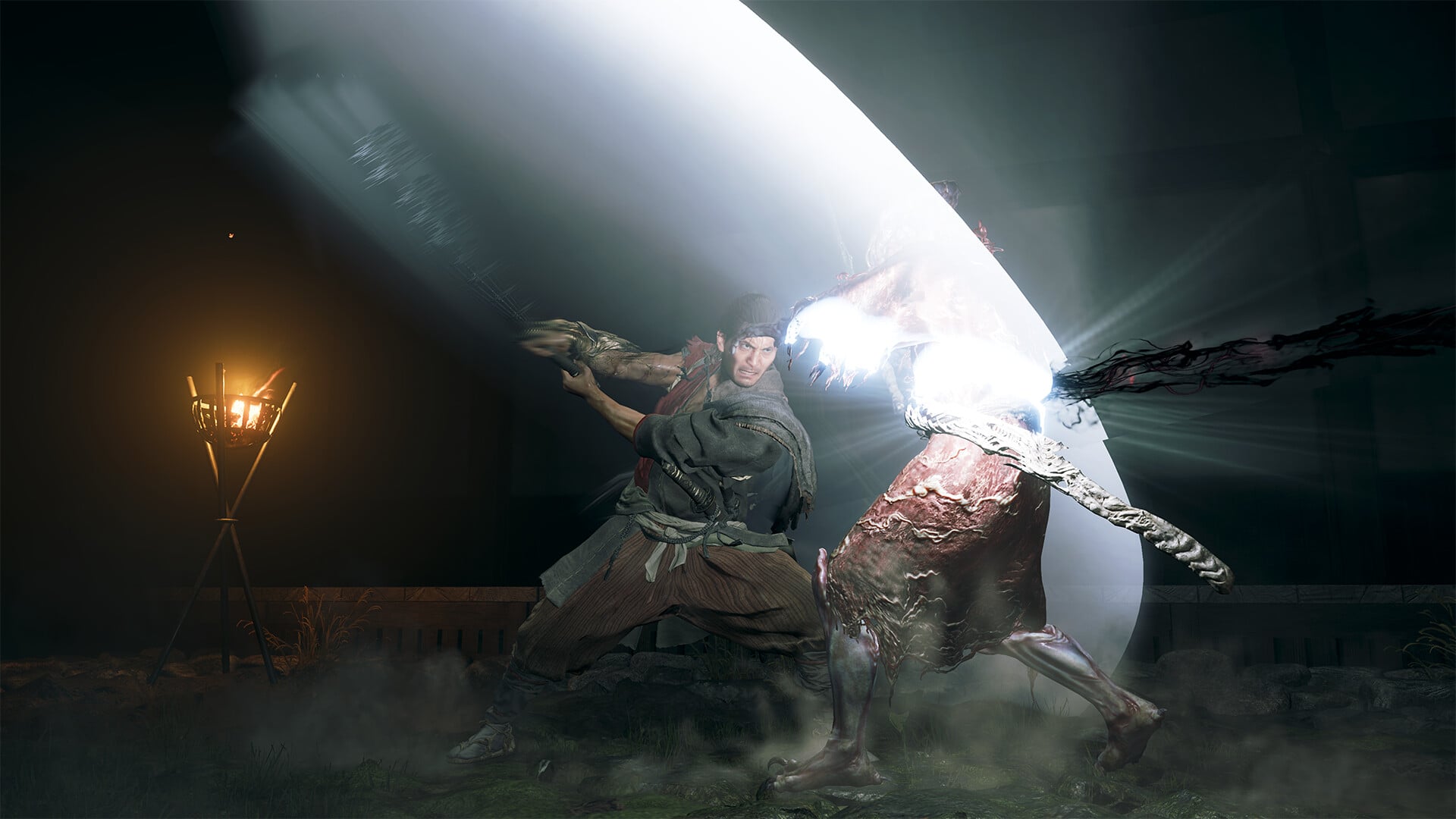
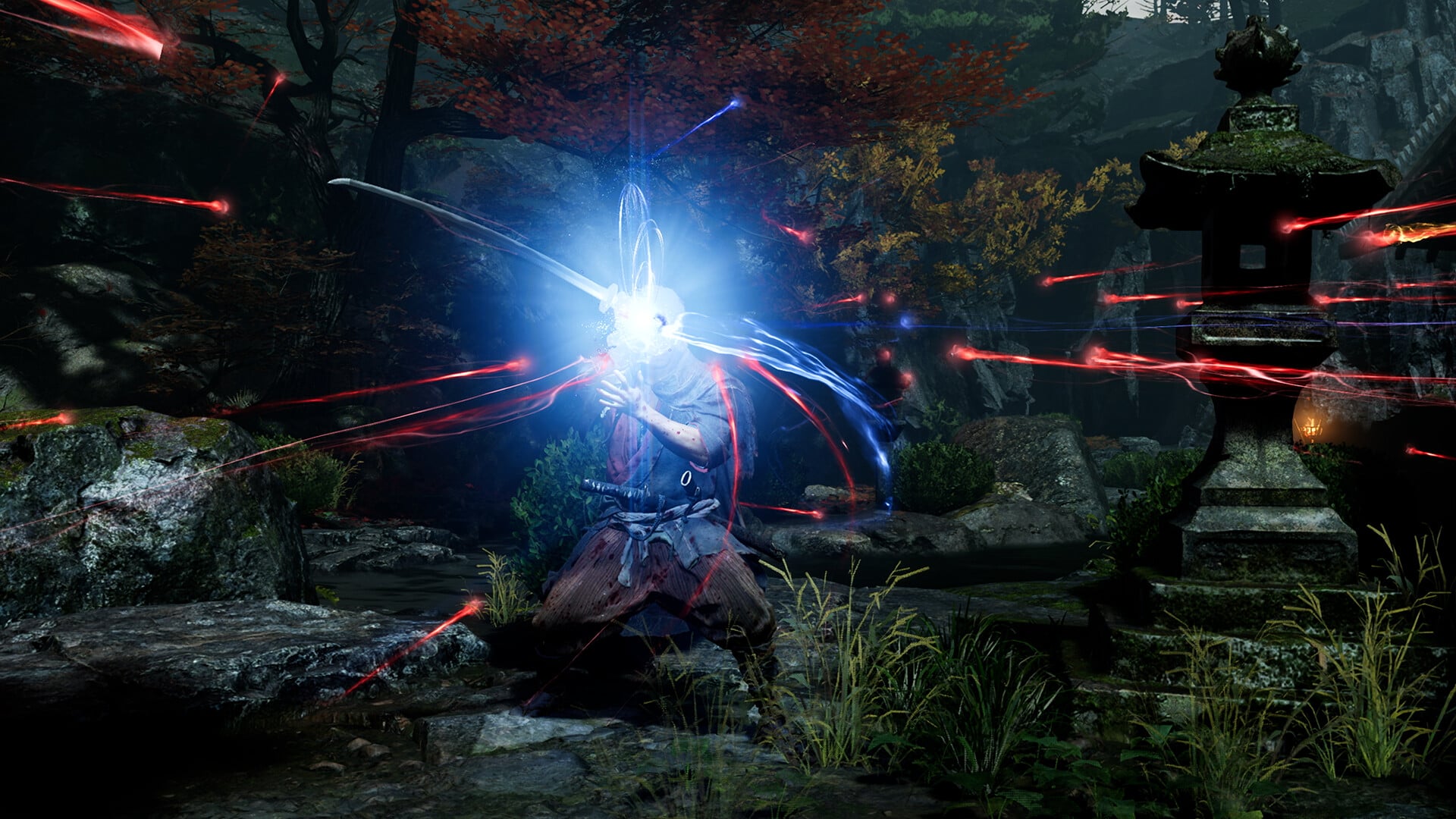
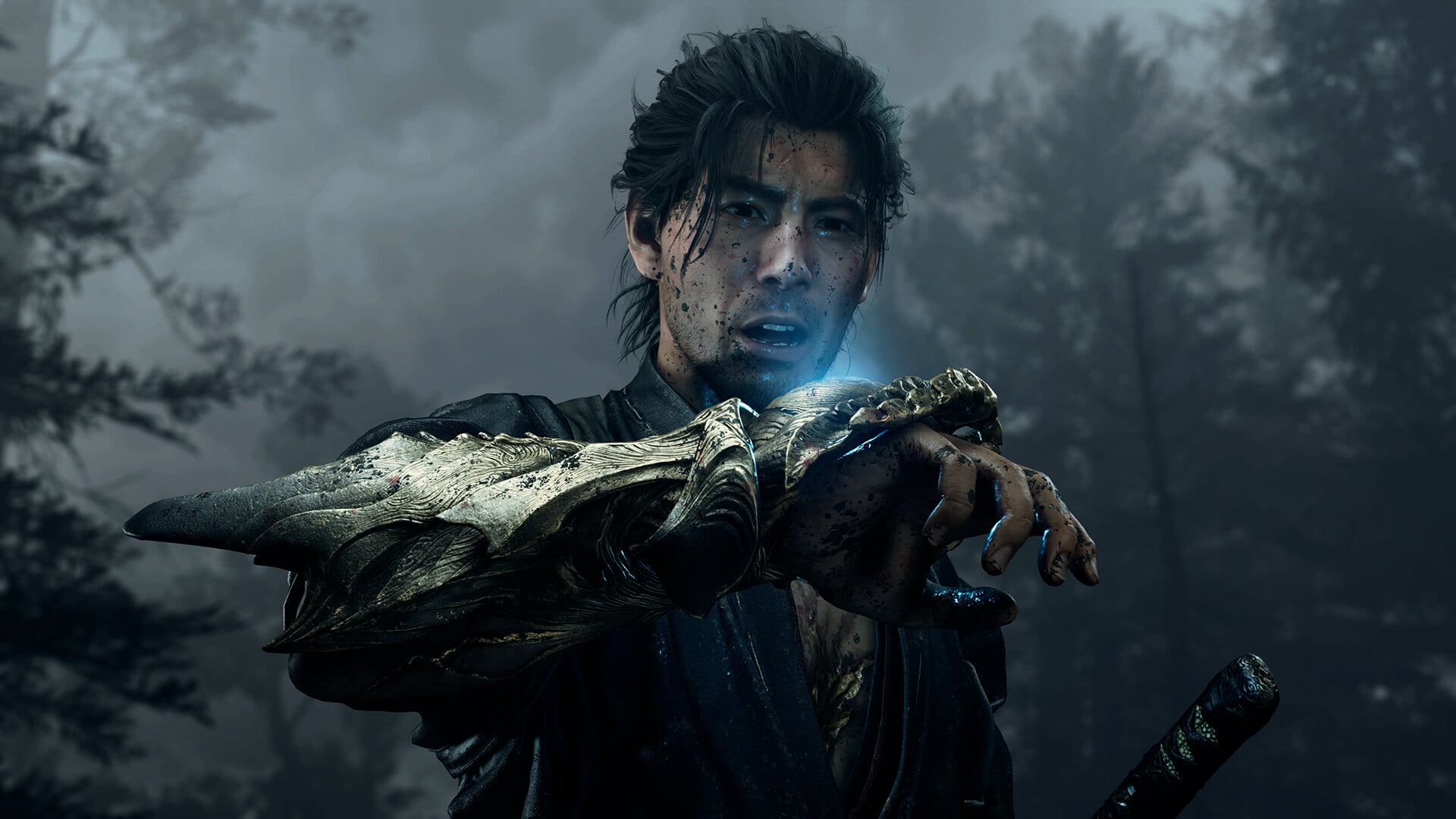
Musashi’s combat is sword-and-bow-based; however, you’ll spend the vast majority of the time using the sword. Musashi also has a gauntlet which gives him access to supernatural powers, and the ability to regain health and more from enemies he defeats in battle. Actually absorbing things into the gauntlet requires Musashi to slow down, making it a risk-vs-reward question of how badly you need the health, and if it’s worth leaving yourself open to attack.
You can block, you can parry, but if you’re looking for an extra challenge, you can perform an Issen. This last-second counterattack, which is triggered by attacking an enemy at the last possible second before their attack connects, is a key tenet of the franchise and is the best thing in Onimusha: Way of the Sword. Dialing this in, to the point where almost any enemy would melt in front of me, was a lot of fun, and a great skip gap for players to reach for.
However, this also leads to another one of my problems with the game: once you nail the Issen, you’ll virtually never die. Sure, you might lose a few lives during a boss fight when you’re working out timings, but battles with grunts and subbosses become so by-the-numbers that I began expecting them to just leave me alone.
“This last-second counterattack, which is triggered by attacking an enemy at the last possible second before their attack connects, is a key tenet of the franchise and the best thing in Way of the Sword.”
You will fight the same boss in Onimusha: Way of the Sword multiple times. When this happened at first, I took it as a reference to how I’ve grown as a player, how I can now take down a few quick movements that you used to take me forty minutes. But after the game does it the seventh or eighth time, it’s hard not to feel like it’s obvious padding. Padding the game absolutely does not need.
It took me around 30 hours to see the majority of what the game has to offer. I didn’t clear absolutely every side quest, but there’s plenty to do in Onimusha: Way of the Sword. I didn’t need the main mission artificially inflated to battle the same Mighty Morphin’ Power Rangers subboss again.
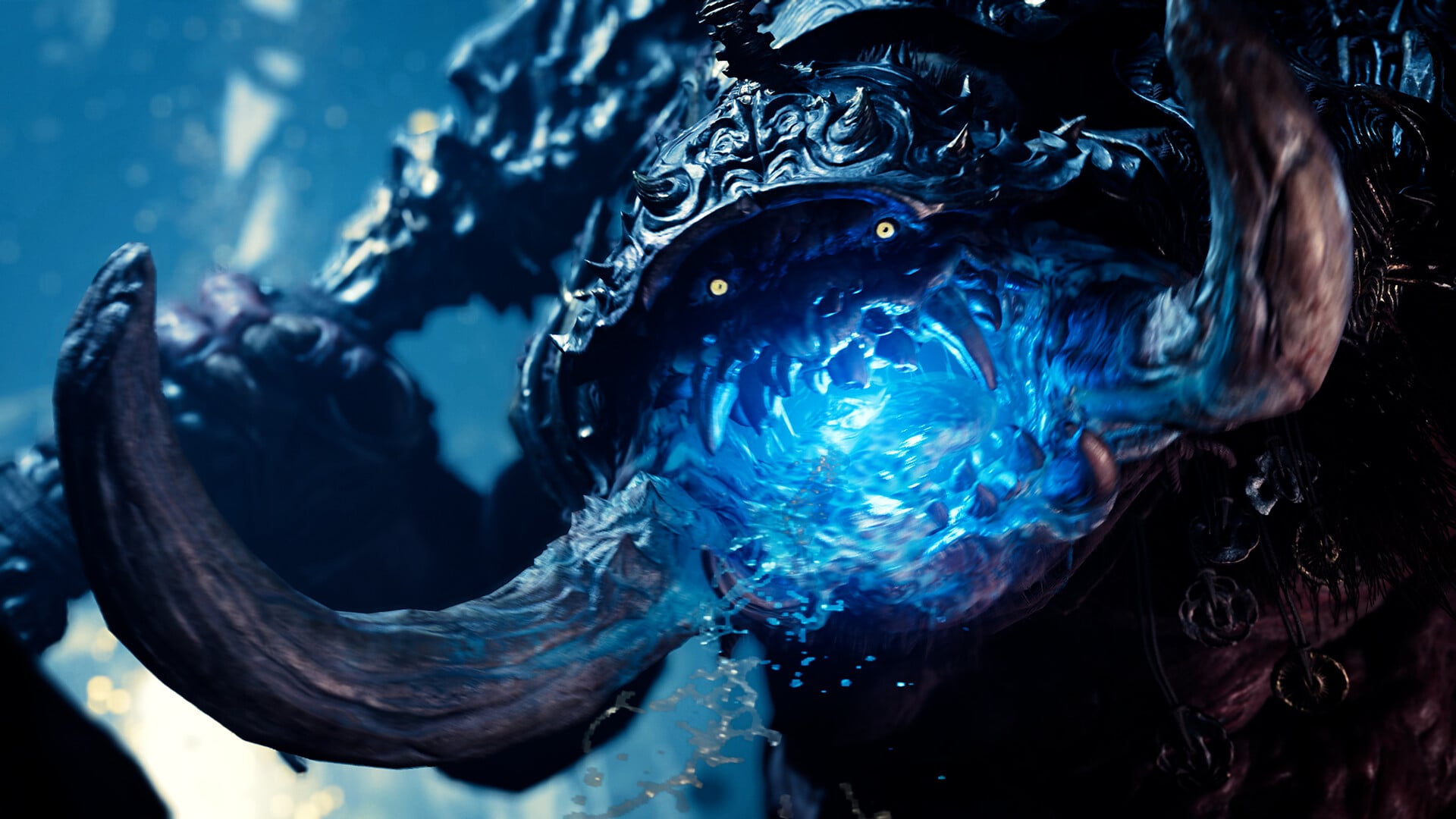
Onimusha: Way of the Sword’s art direction is near flawless. Enemies look spectacular and manage to move at speed while also being readable for players. The game’s biggest bosses are imposing, disgusting, and crucially, very Onimusha.
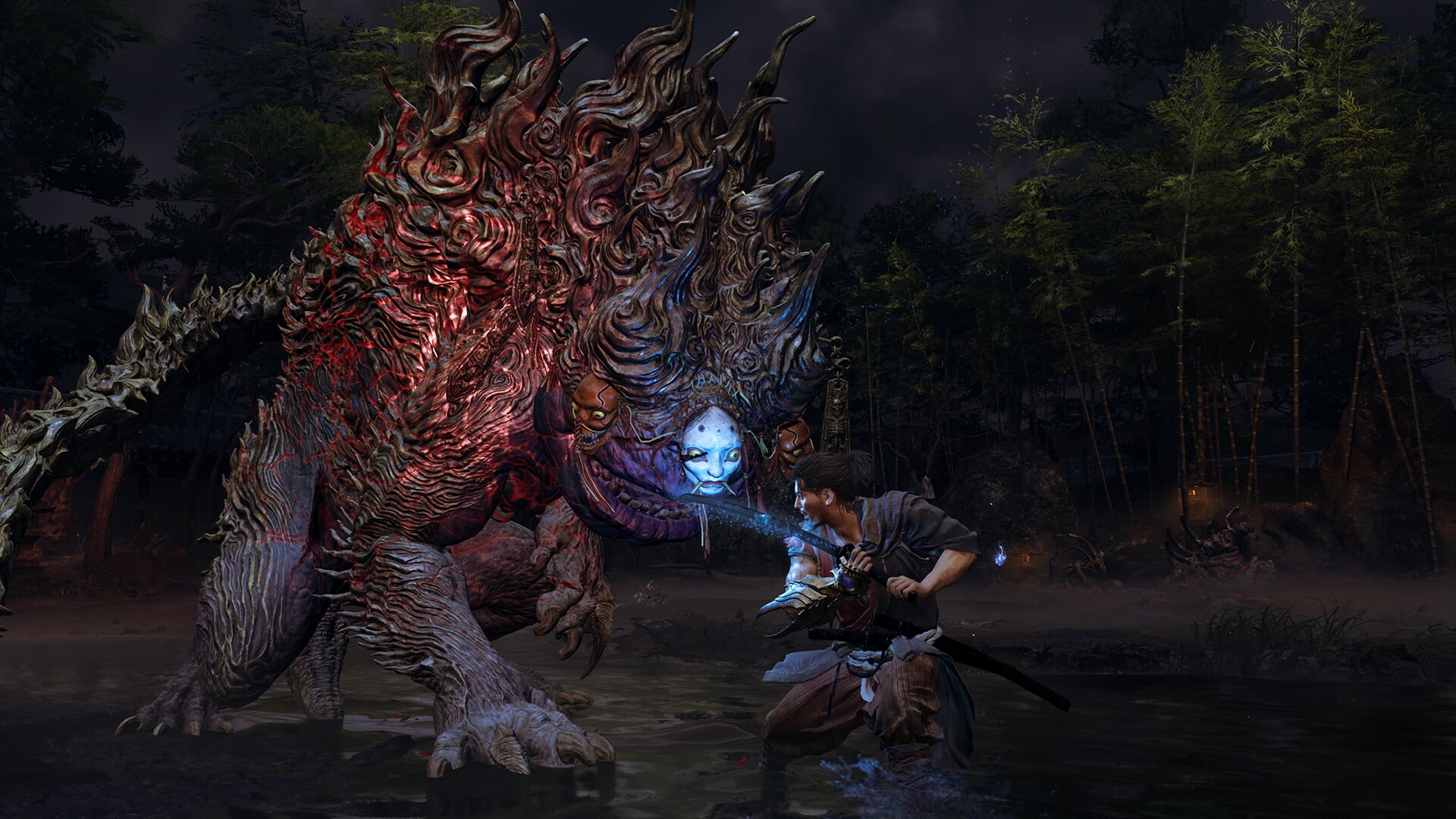
As referenced by the Power Rangers mention, there’s a strangely tactile feel to the way the humanoid bosses move. It sometimes feels like we’re on a sound stage in Japan, and they’re a jobbing Japanese actor sweating for their life as we face off in our climactic battle.
It’s here that I feel so conflicted by Onimusha: Way of the Sword. Lots of things annoy me about it. I think it’s learned the wrong lessons from the open-world games that have come out since the series was a going concern, and I think it needed about a quarter lobbed off it for the sake of pacing, but that combat is just great.
A totally linear mission-to-mission version of this game would have probably been to my preference. The open world of Kyoto is fine, but it never elevates beyond that in any sense. In fact, the last act of the game, where things suddenly become very back-to-back huge setpieces and bosses, is Onimusha: Way of the Sword at its very best. That is the bread and butter of the game; everything around it just obfuscates its best qualities.
At the core of Onimusha: Way of the Sword, there is a special game, and I’m thrilled that the franchise is back, but this return isn’t quite what I was looking for. It feels like, in the excitement of bringing the series back to modern times, modern gaming tropes that many in the audience have already moved on from have been focused on, instead of zeroing in on a tough-as-nails action game.
Onimusha: Way of the Sword Review
Onimusha: Way of the Sword is worth playing for the combat alone, but the game around it doesn't live up to the standards that it sets from a pure gameplay perspective. Full of filler, overlong and focussed on the wrong things, there is a much better game in Onimusha: Way of the Sword if some of the pieces were arranged differently.
- Combat is sublime.
- There's a genuine skill gap between new and experienced players which is fun to learn.
- Enemy designs are excellent, varied, and gruesome.
- The boss voice acting is pure anime camp.
- The open-world fluff is dated and needless.
- Missions are artificially inflated with repeated encounters.