Masters of Albion Review: Peter Molyneux’s ‘last game’ is a veritable megamix of his greatest hits
Early Access Review: 22Cans’ god sim resurrects much that was good about Fable, Dungeon Keeper and Black & White, but it needs more
- Game director
- Peter Molyneux
- Key Credits
- Mark Healey (Art director), Russell Shaw (Audio director)
EARLY ACCESS REVIEW: This is a launch review of an early access service game that is likely to evolve significantly in the coming months as the game’s developer adds and changes its systems. This review is accurate as of the early access launch window.
You will suspect this already, I’m sure, but all those 90 percent scores that your favorite Bullfrog games were awarded back in the day, well, their authors may not have been quite as scientific in their endeavors as you were once led to believe.
That’s not to suggest anything untoward was behind any of them – certainly not the vast majority anyway – only that the four-week cycle of print publishing that once ringfenced gamer discourse meant that reviews were handled very differently to how they are today, certainly when it came to titles that adorned the covers of magazines in order to scoop the competition.
Back when I was at the captain’s table of PC Zone, which for a time was the best-selling PC games mag in the UK, such games were reviewed in states that ranged from largely complete to partially playable (and in rare cases wholly unplayable), making them “early access” in all but name. As such, an accurate review required no small amount of second-guessing. That’s still the case today to some extent, only we can allow ourselves to be more open and honest about it.
Why am I dredging up the bad-old/good-old days of games mag reviews, you may ask. Mostly it’s because playing through Masters of Albion, Peter Molyneux’s belated and perhaps final return to the genre he established, can’t help but bring all my memories of those days into focus – along with the unexpected realization that Molyneux’s breathless enthusiasm is something that on some level has been missed.
The tyranny of modern-day expectation management has meant that Molyneux has (understandably, given the scorn he’s invited) tempered his language, saying little more than the game would be familiar to anyone who’s played Black & White, Fable, and Dungeon Keeper. Happily, I can report that on this occasion, he’s not blowing smoke up our collective bumhole.
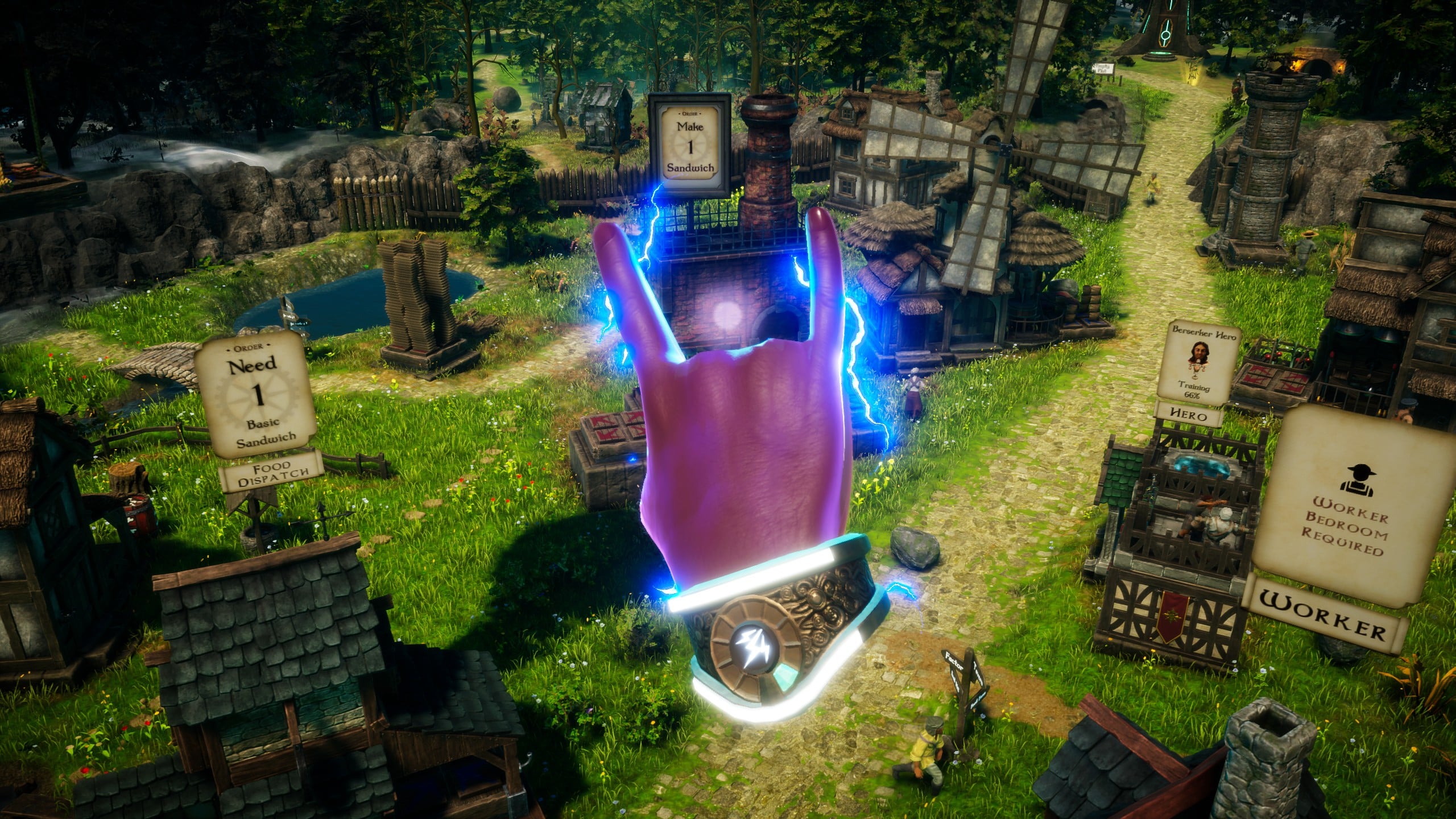
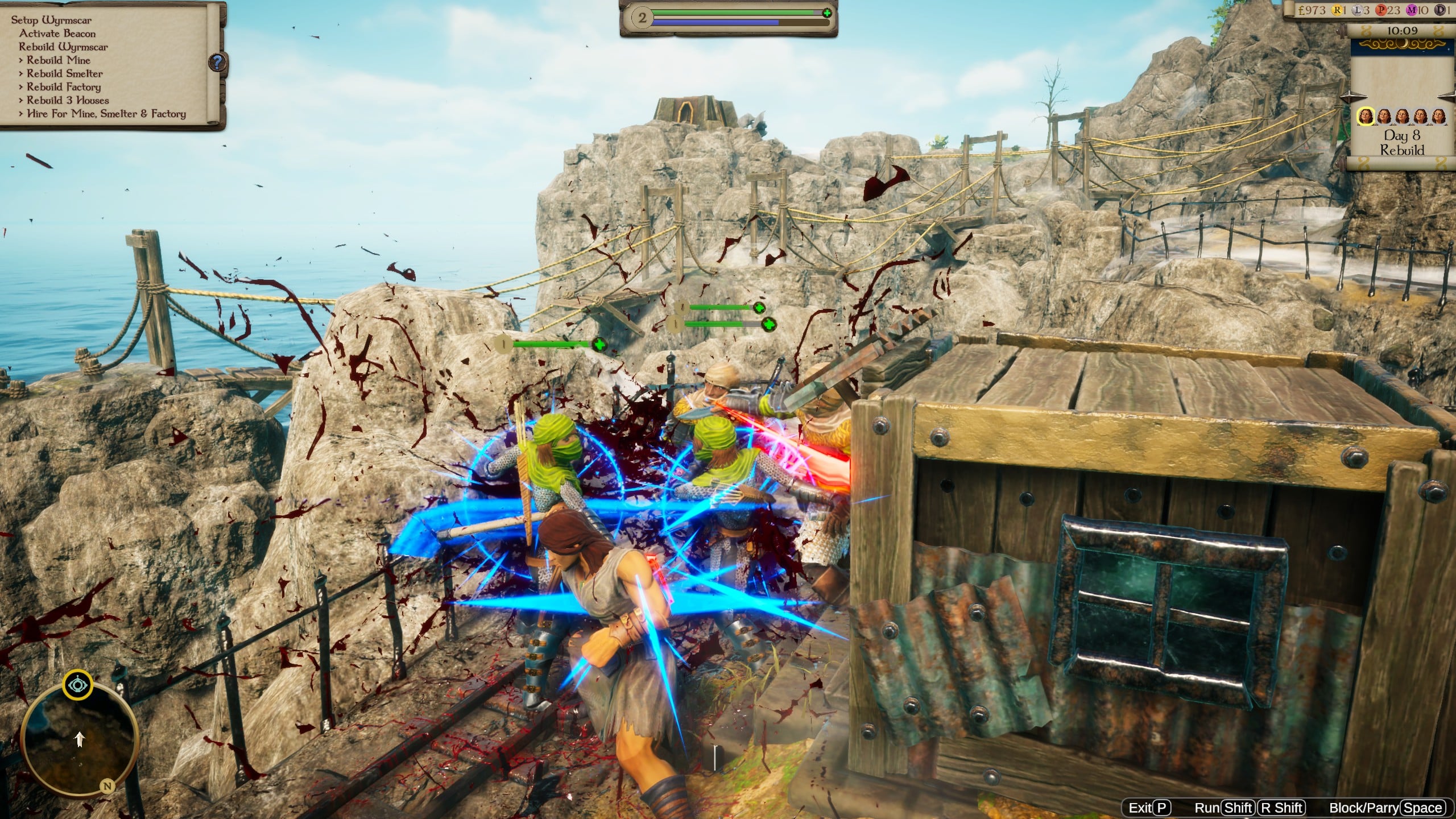
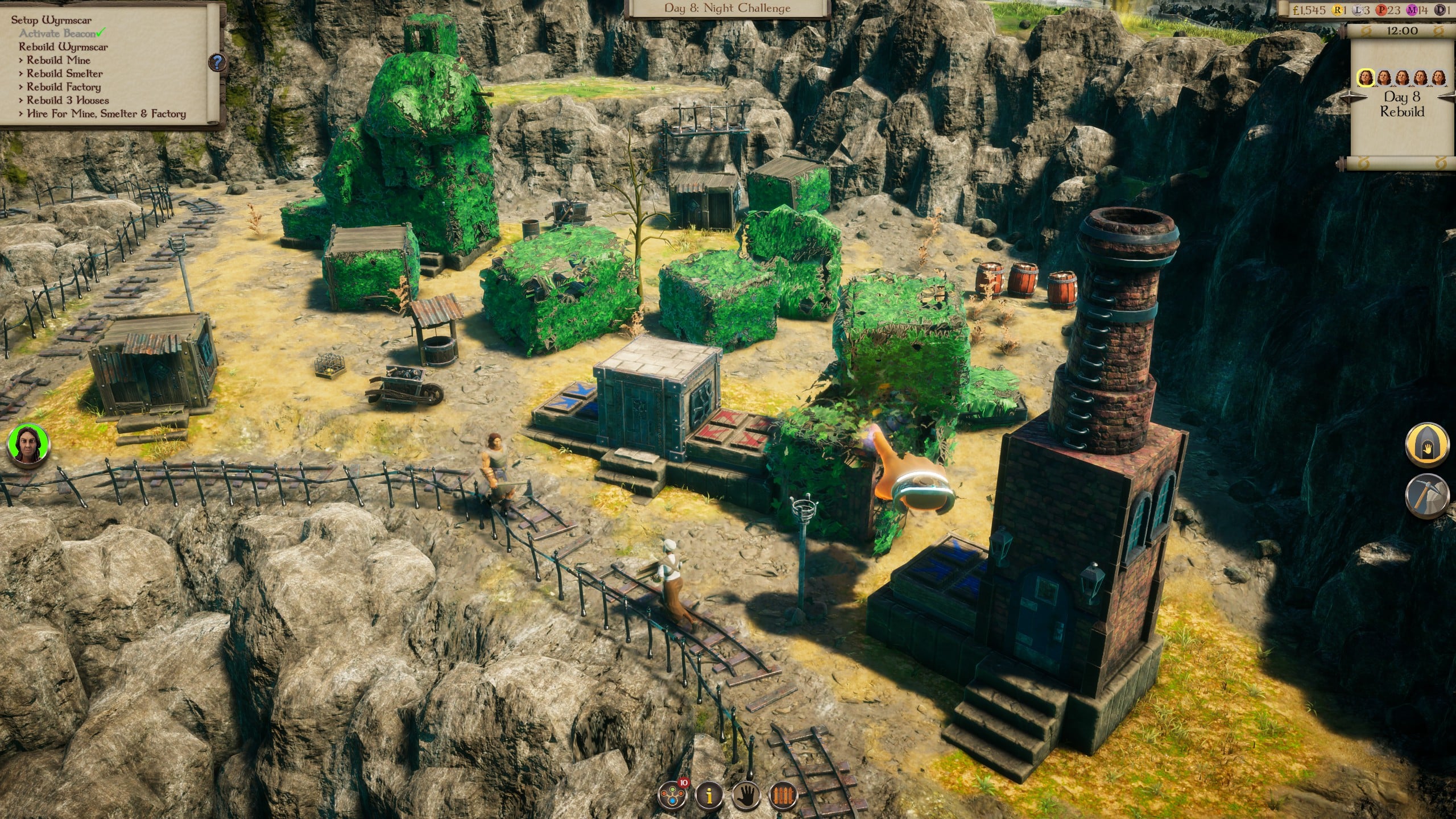
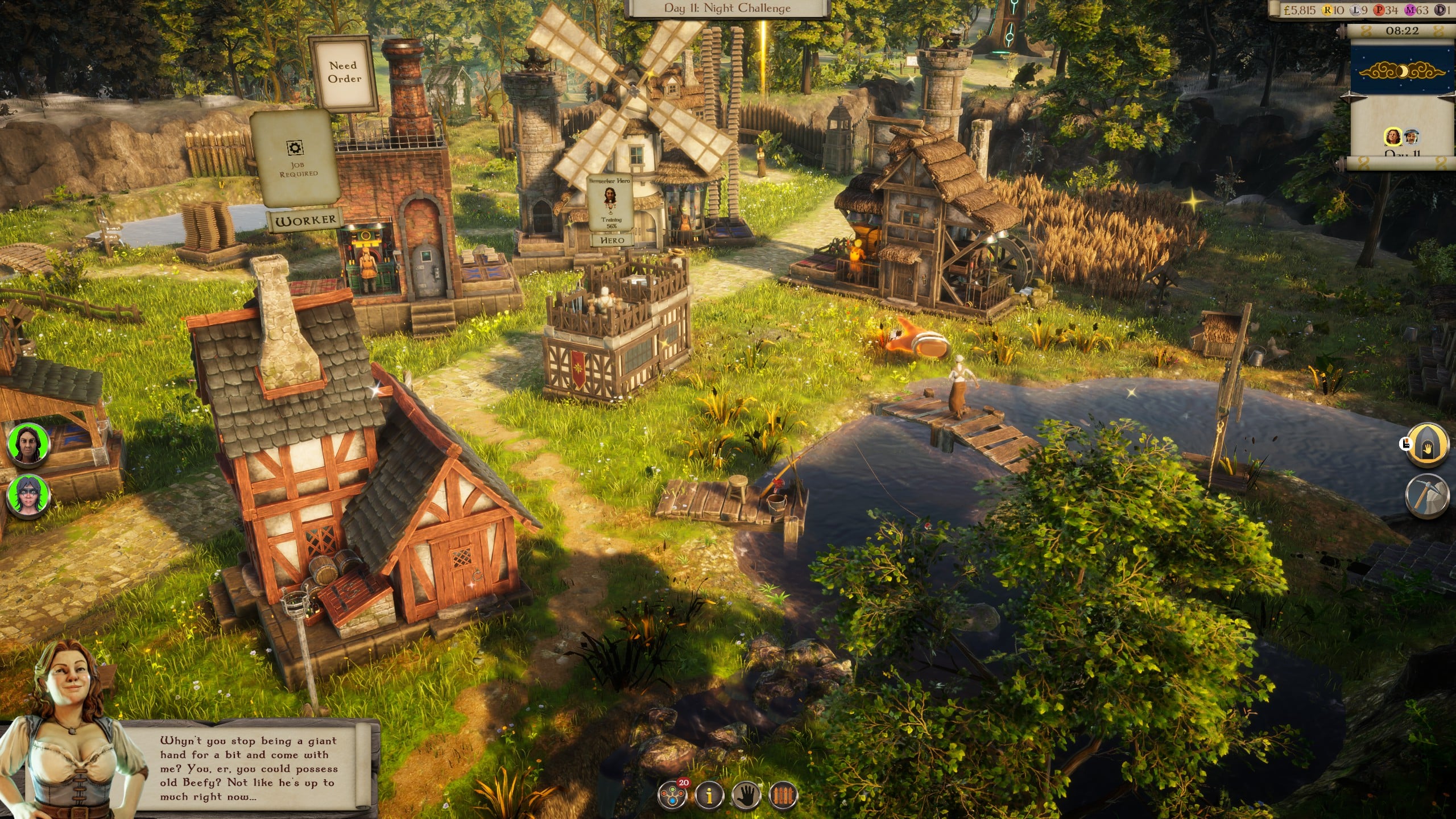
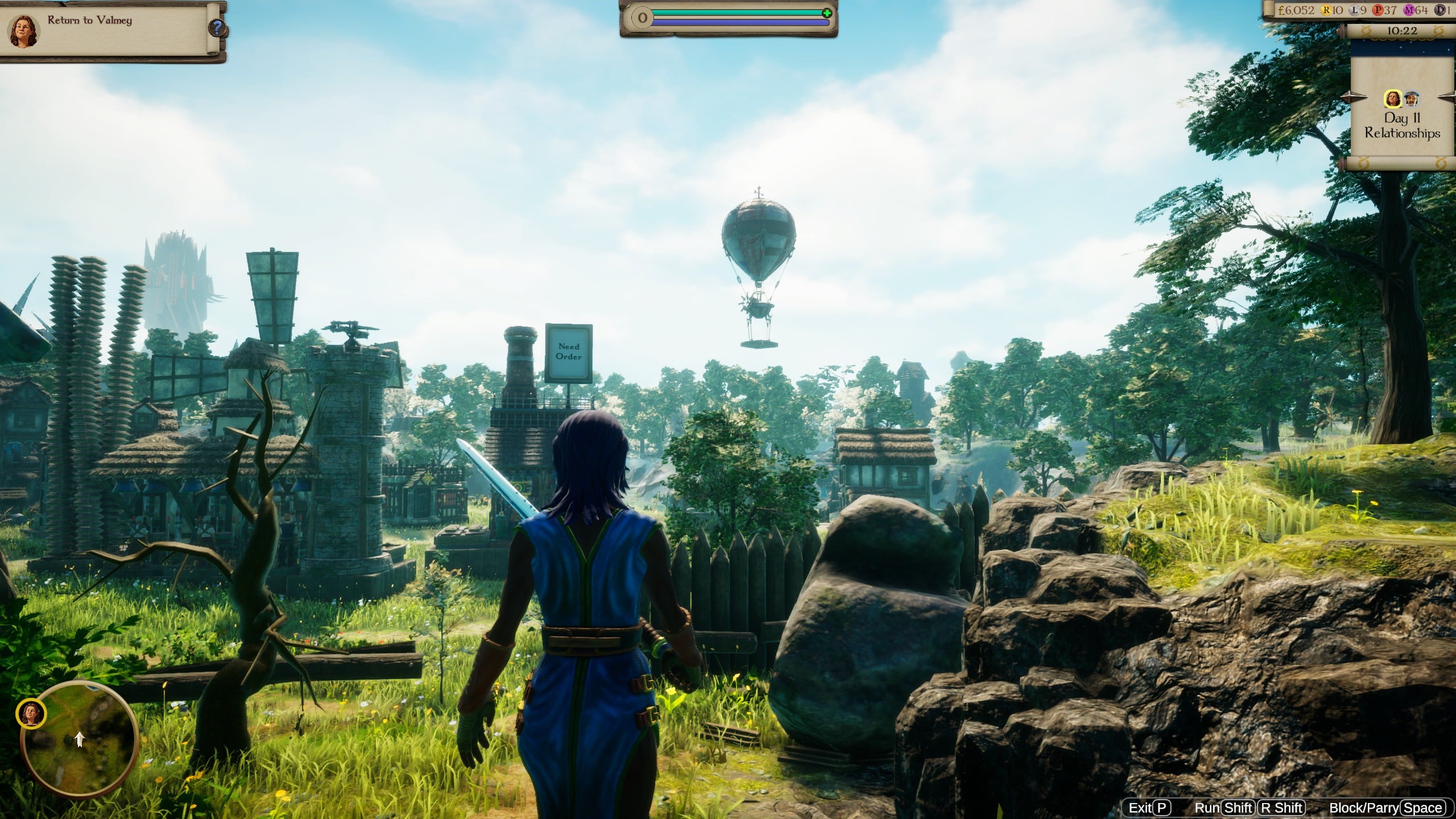
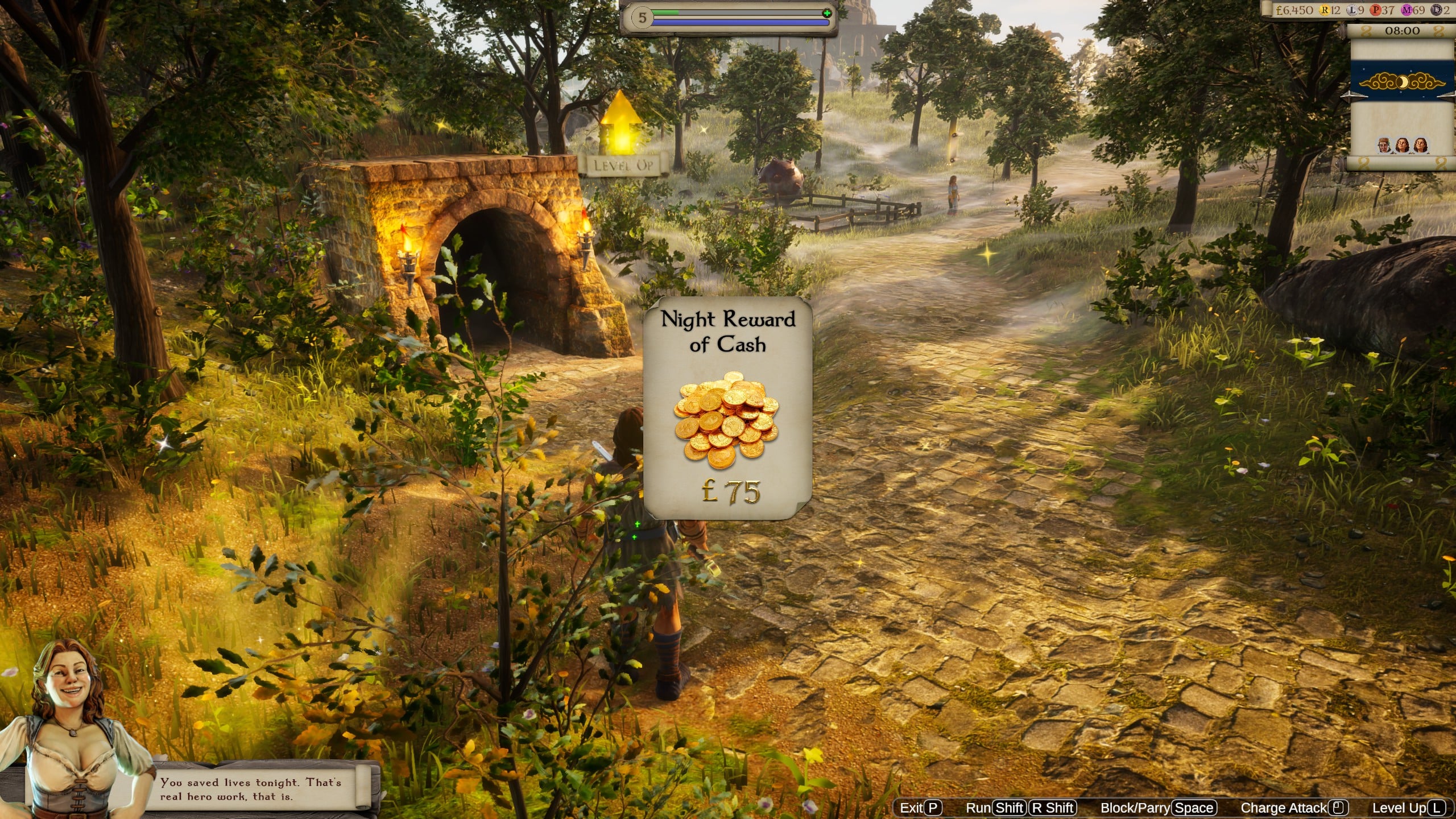
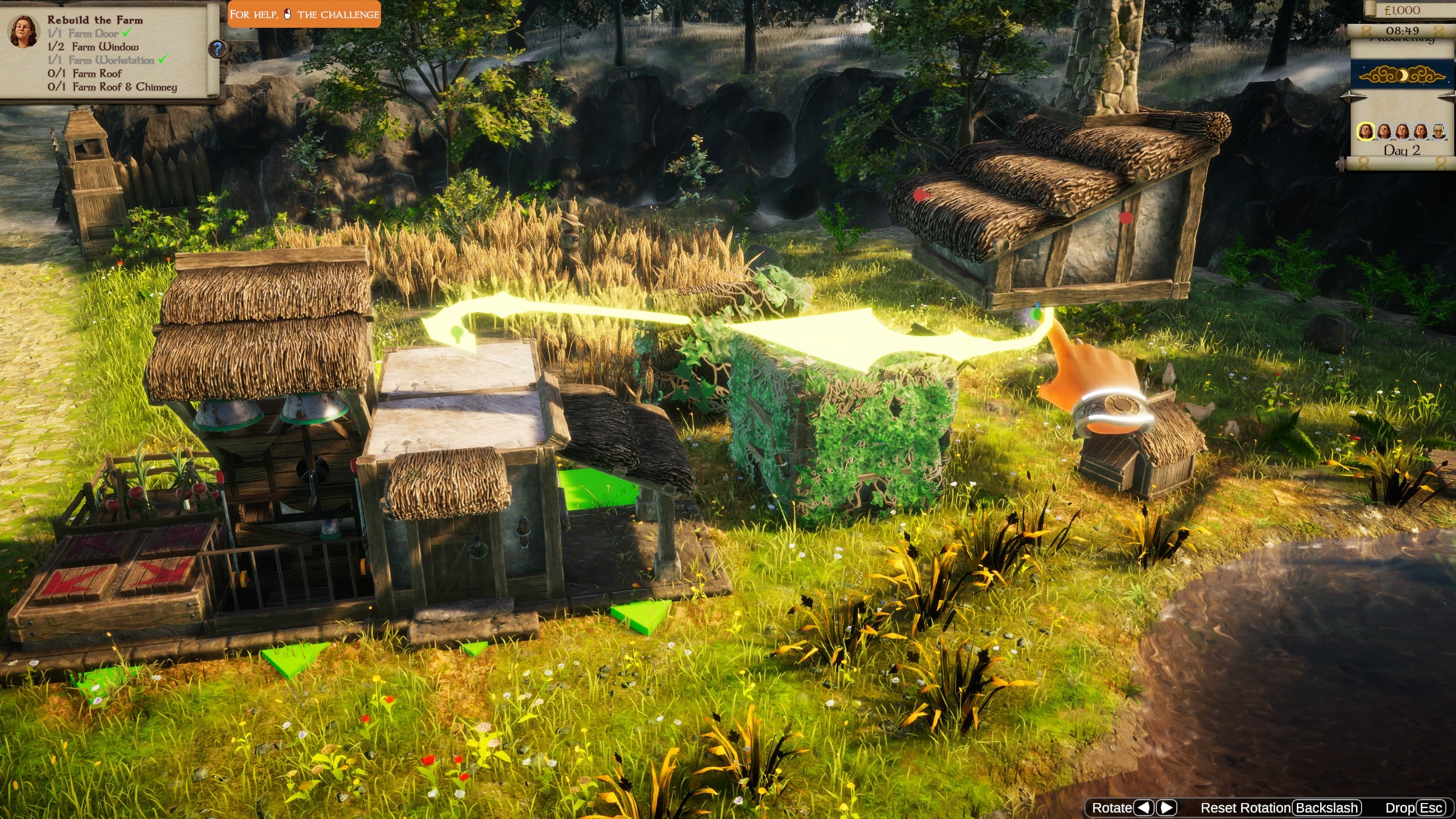
If I was forced to cloak Masters of Albion in contemporary genre terms, I would probably start with cozy town builder. Erecting buildings and assigning villagers to various tasks dominate the game whenever you unlock a new area of the map, followed by establishing your production chain for the items to be built there. The first town, Oakridge, is where you fulfill food orders, while the mountains of Wyrmscar are where you will be mining ore for weapons.
The aim throughout the land under your control is to amass the funds that will allow you to unlock and improve tech and abilities to be able to simultaneously expand operations and deal with the undead hordes that descend upon your population at night when the objectives you’ve been issued have been completed.
This might all be snoringly dull were it not for all the elements that mark Masters of Albion out as a descendant of the aforementioned Bullfrog and Lionhead classics. Fable’s lineage is the most obvious, not so much in terms of gameplay since there’s very little that marks the game out as an RPG, but the two Albions are clearly born of the same creative minds, with Masters sharing an uncannily similar visual style and sweary British humor as the classic Lionhead trilogy – all of which I should say has been expertly realised, with exceptional writing and audio delivery.
“Fable’s lineage is the most obvious… with Masters sharing an uncannily similar visual style and sweary British humor as the classic Lionhead trilogy”
As someone who probably hasn’t cracked an in-game smile since Sam & Max Hit the Road back in 1993, I surprised myself at how often the writing caught me off-guard. Indeed, I genuinely had a tea-snorting moment when a statue dryly called my hero a penis as he ambled past.
Of its three main sources of inspiration, Masters of Albion hews closer to Dungeon Keeper on the gameplay front, in the sense that the game flits between building by day and stopping waves of the undead by night. The dark humor isn’t nearly as evident here, despite the level of abuse that can be meted out to chickens.
However, the resource management angle has been embellished by a resource system where recipes have to be concocted to maximise income, so rather than merely build farms, mills and factories to produce food (and mines, forges, etc for weapons), orders will be issued for, say, a basic meat pie, and you’ll be required to select the ingredients that go into each order to effect both a higher return and to enhance your reputation towards securing bigger orders in future.

But while it’s a potentially interesting system that adds much-needed depth, it’s not well explained, can be easily exploited, and feels somewhat at odds with the character you represent. You are the Chosen One, after all, with god-like powers to smite friend or foe from on high. Having to put in a daily shift at the local Greggs is a little incongruous, to say the least.
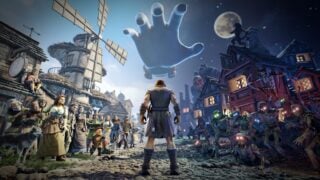
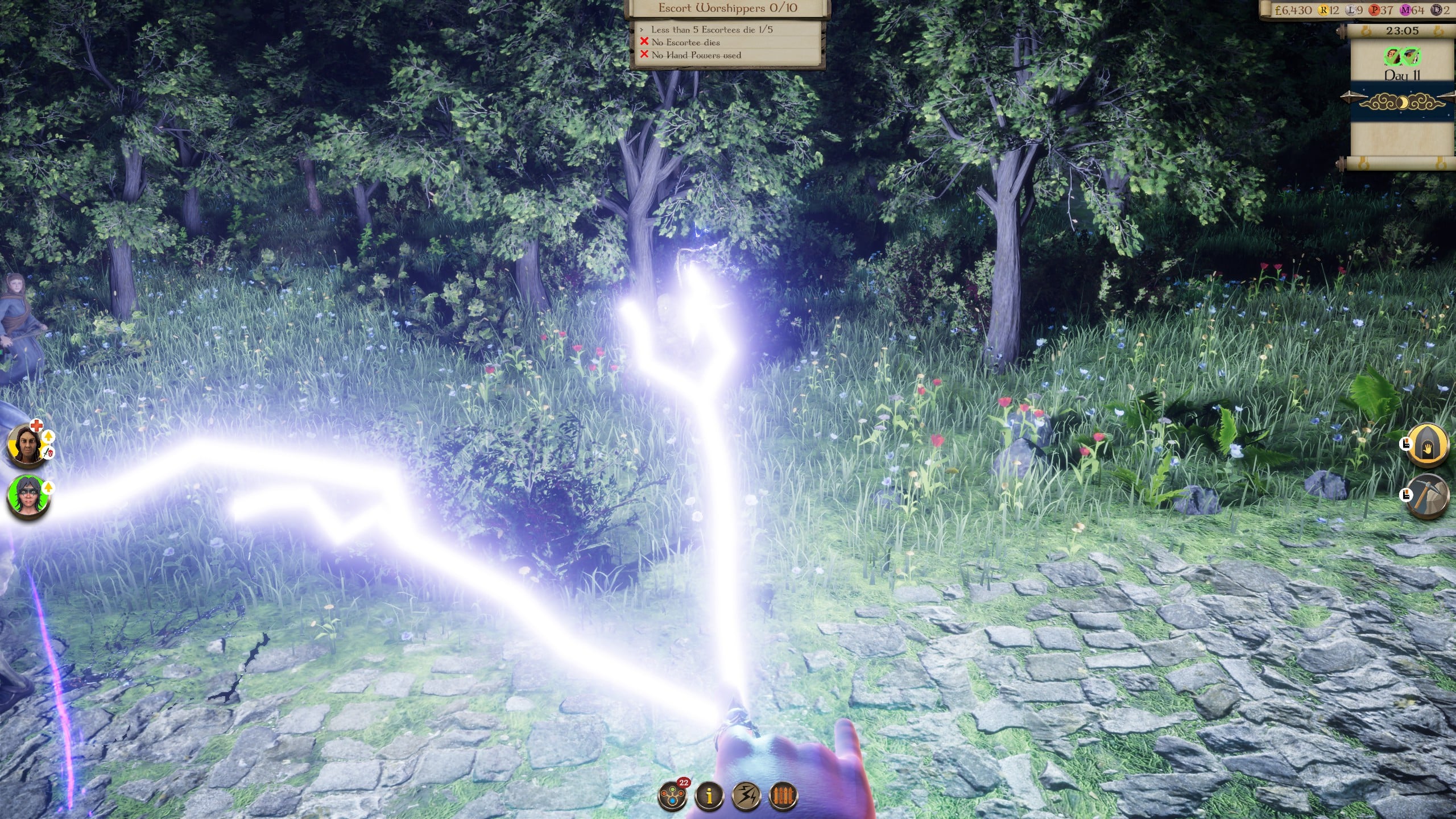
Naturally, the most satisfying part of the game is the smiting, and I suppose it’s where the influence of Black & White is most evident, with your powers represented and delivered via a floating rubbery hand. Yes, of course, it’s a glorified mouse pointer, but it’s one that does an awful lot of heavy lifting – pun intended. It represents the player, but it subconsciously connects all the aspects of play that could otherwise feel disparate.
Those digits feel like a work-in-progress here, though. Perhaps I’m misremembering, but your ghostly appendage is not as expressive as I remember Black & White’s to be, while your powers and gesticulations seem limited to throwing rocks, lightning, and fireballs. Maybe I’d not advanced enough, but it seems odd that you can’t uproot trees or scoop water. For what purpose I don’t know, but a bit more personality and scope for emergent gameplay feels necessary here.
“Masters of Albion hews closer to Dungeon Keeper on the gameplay front, in the sense that the game flits between building by day and stopping waves of the undead by night.”
More work is undoubtedly needed to bring Masters of Albion up to the level of its exalted forebears, and happily, 22cans has already mapped out the road ahead, promising much-needed improvements to hero combat and village life, more regions, creatures, and godly powers.
Given that Peter Molyneux has said that he’ll be calling time on his game development career once Masters of Albion is done, it feels that if the interest in the game persists, the journey to redemption has some distance left to run before Molyneux will feel he can ride off into the sunset with some shine returned to his legacy.
Masters of Albion Early Access Review
For now, Masters of Albion in early access represents a solid start from the wayward creator of some of the greatest games to have been born on these sceptered isles. It’s premature to be rolling out crack-addled 90 per cent scores in this day and age, but when the AI-pocalypse comes and gaming magazines make a comeback - as surely they will - I can see Masters of Albion being deserving of more than a few accolades.
- A veritable Molyneux megamix of greatest hits
- Top-notch wordage and audio delivery
- The best is yet to come - we hope
- Needs more chaos to offset the cozy
- Recipe-based production feels incongruous