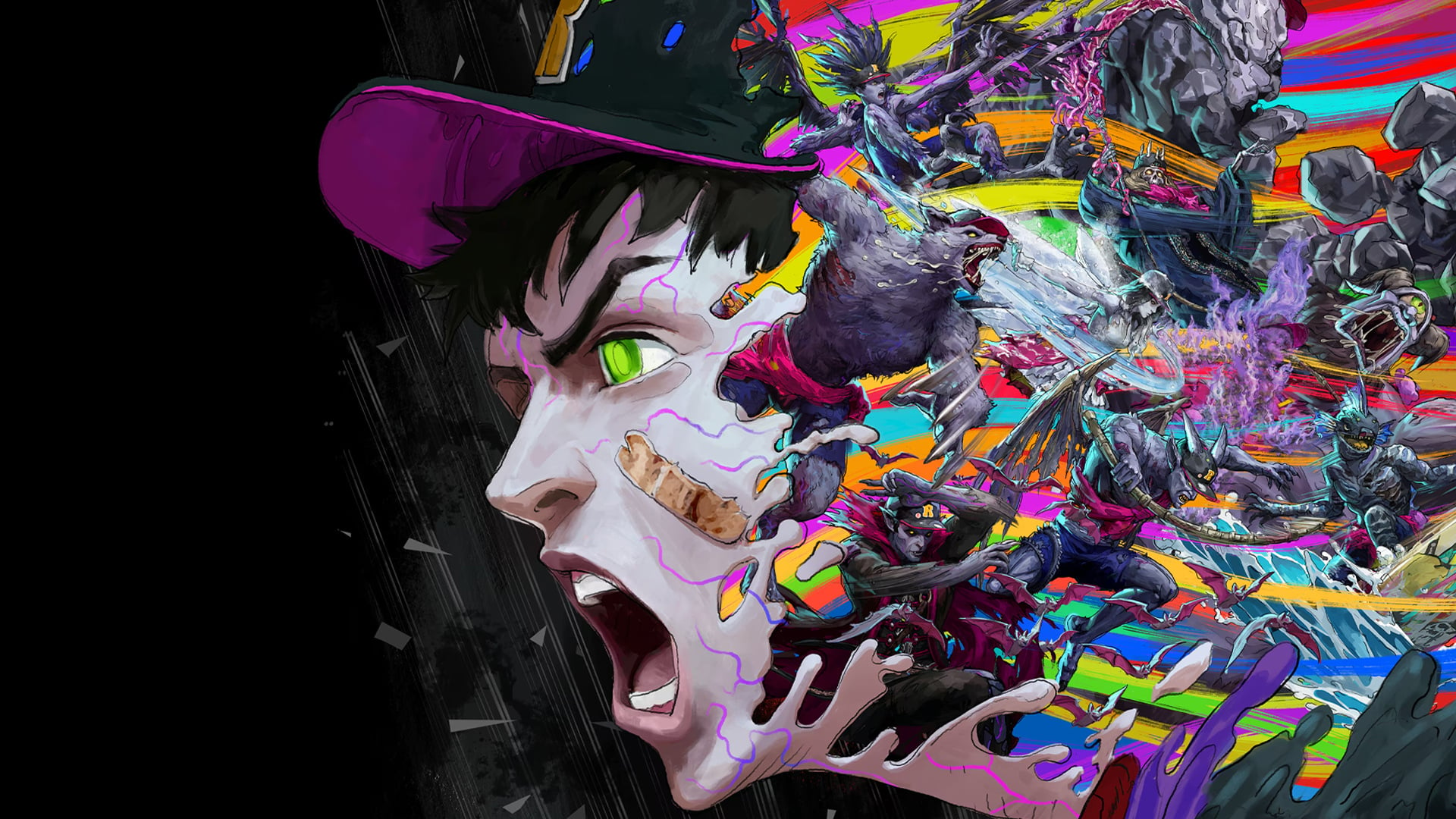
Marvel’s Wolverine Review: Uninspired gameplay leaves Logan feeling declawed despite a strong narrative
Insomniac’s latest is a visual stunner, but the gameplay doesn’t measure up
- Key Credits
- Mike Daly (Game director), Marcus Smith (Creative director), Walt Williams (Narrative director)

Before it was superseded by Batman: Arkham Asylum a few months later, many held up Raven’s X-Men Origins: Wolverine as the platonic ideal of a superhero game.
It was brutal, bloody action that strung together cameos from Wolverine’s most famous faces into a fun, but not spectacular action game.
When Marvel’s Wolverine was first announced, Raven’s effort was often cited as the bar to clear for the character’s definitive video game experience. It’s perhaps ironic, therefore, that in the almost 20 years since Wolverine’s last starring role, so little has progressed from a gameplay perspective in his newest, extremely shiny outing.
Marvel’s Wolverine is a third-person action game that follows Logan before his time with the X-Men. This isn’t an origin story per se, but it clearly attempts to set up a universe for Insomniac’s X-Men to exist. Wolverine, alongside Sabertooth, Mystique, and other familiar faces, are on what they believe to be a gallant quest to protect their fellow mutants.
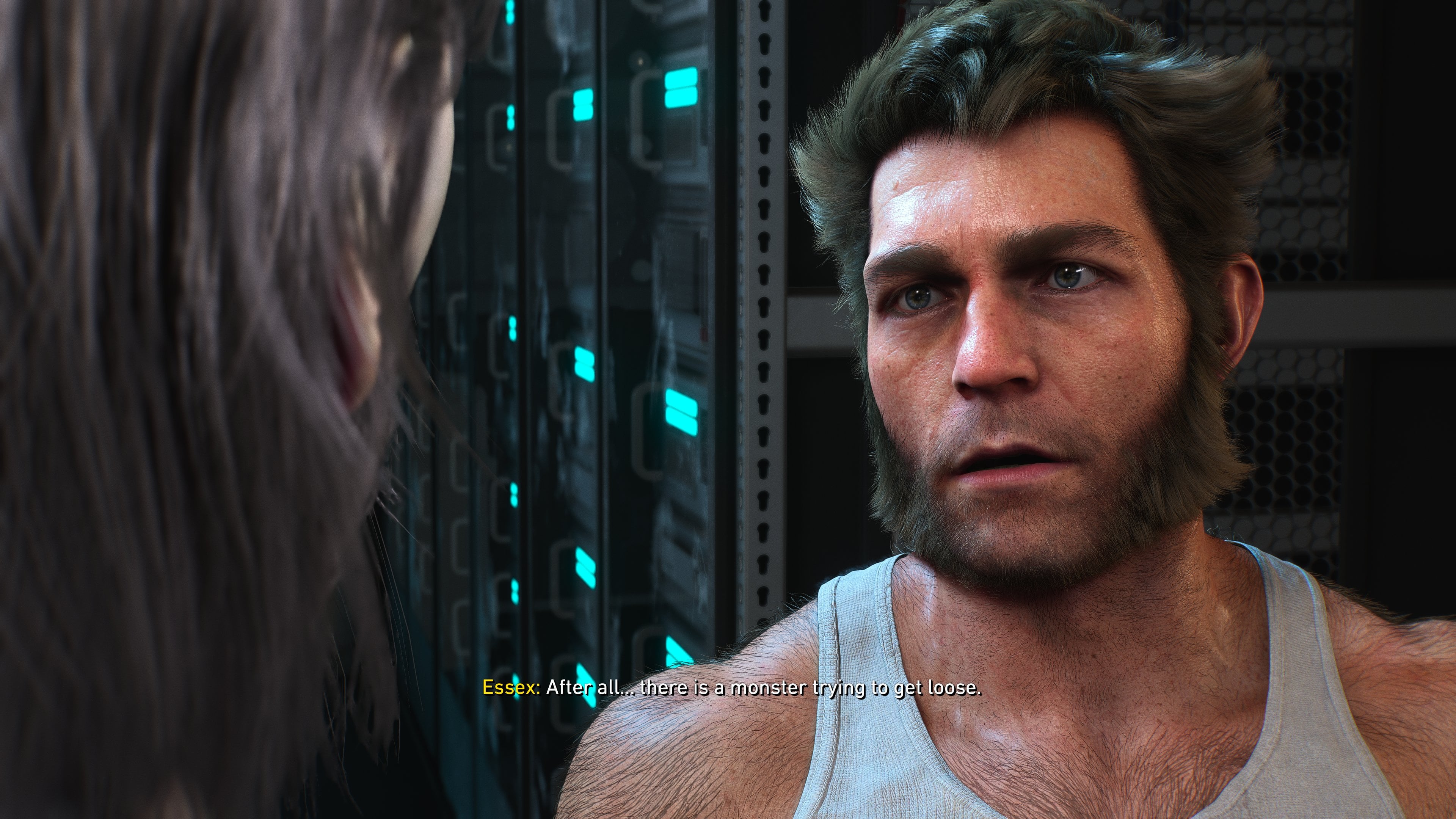
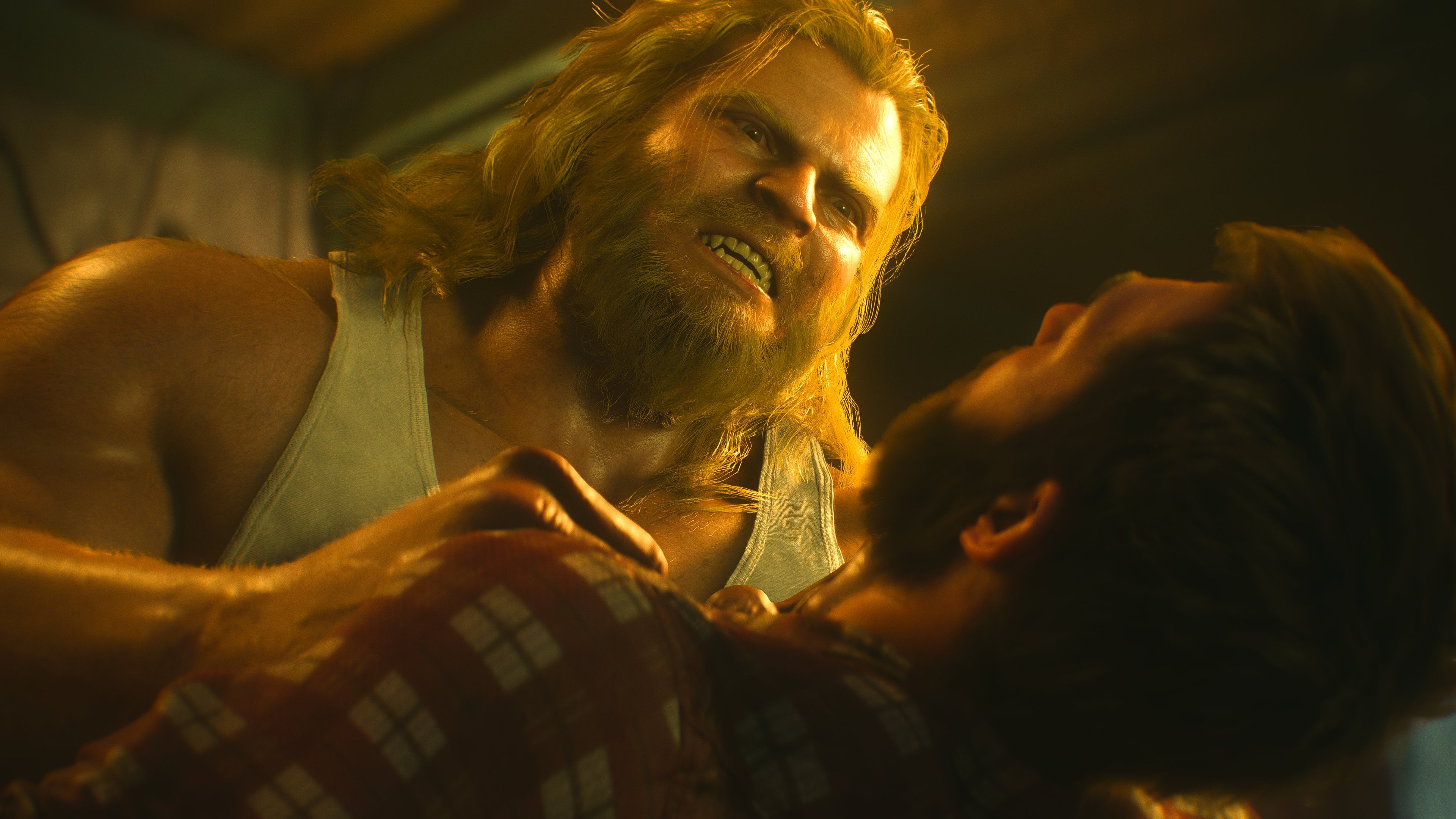
Marvel’s Wolverine’s strongest asset is its characters. It would be daunting for any game to introduce so many huge personalities while still attempting to tell a cohesive story, and the game achieves that. Logan and Jean Grey’s relationship throughout the game is a particular highlight, as is Troy Baker’s portrayal of Nathanial Essex.
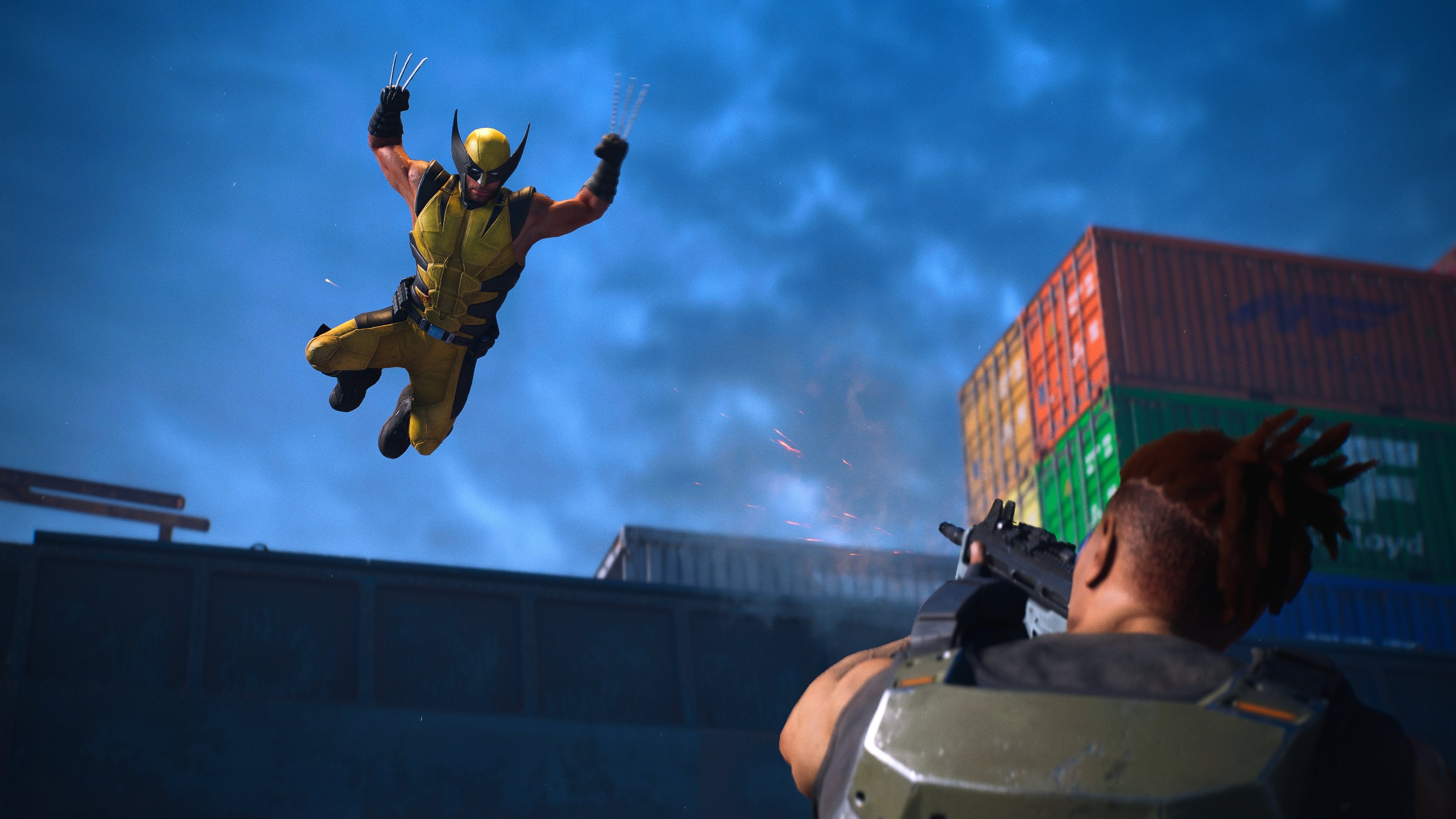
Where the game begins to fall down, however, is what you’re doing between those very tightly crafted and emotive story moments. Marvel’s Wolverine’s gameplay is very dated. The third-person hacking and slashing is fine, but it barely evolves from hour one until hour twelve.
Wolverine has a few abilities that do more damage, allow him to lunge at enemies across the room, or regain some of his health. The issue is that I never felt all that more powerful at the end of the game than I did at the start. You’re limited to four abilities out of the six, but I’d have happily only taken two, considering how ineffective they felt compared to my standard moveset.
Enemies are repetitive, and even though their outfits may change, they fall into the same small group of archetypes, making every fight feel or maybmonotonous. There are large enemies that are so spongy that fighting them is only ever a chore. I found myself saving up my abilities for when one of these guys would appear so I could just unleash them all and save the tedium.
By the end of the game, I was legitimately sighing when more enemies would appear because I just wanted to see how the story would progress. Boss fights are similar slogs, relying on parrying sequences that you’ll master long before you actually wear down their health. The combat is never bad, but it’s never truly engaging, and barely evolves.
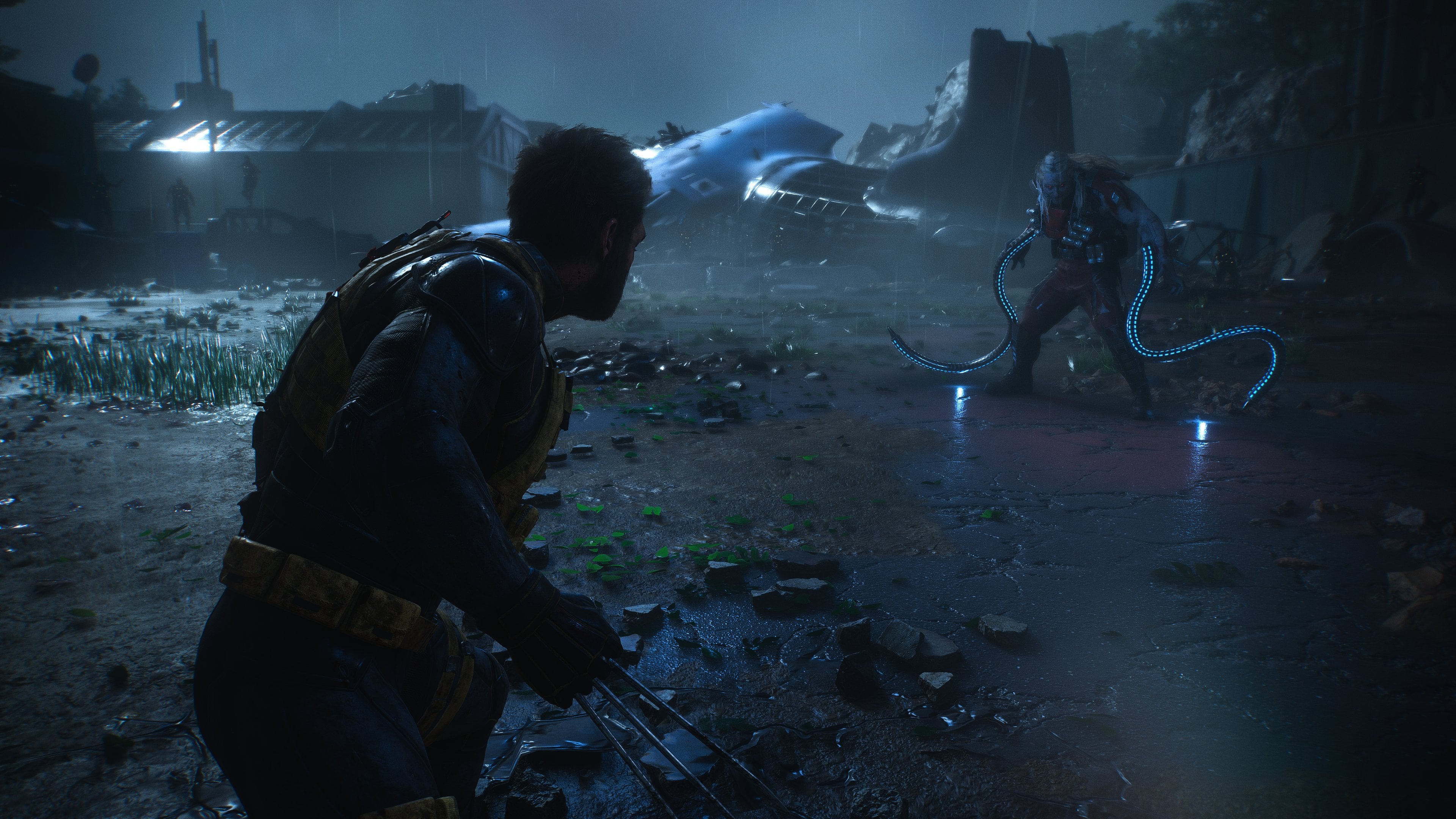
The biggest issue with Marvel’s Wolverine is that it’s just rather boring to fight as Wolverine, which should be the absolute top priority. I don’t feel like Wolverine is using claws, it feels like he’s got blunt kitchen knives on the ends of his fists.
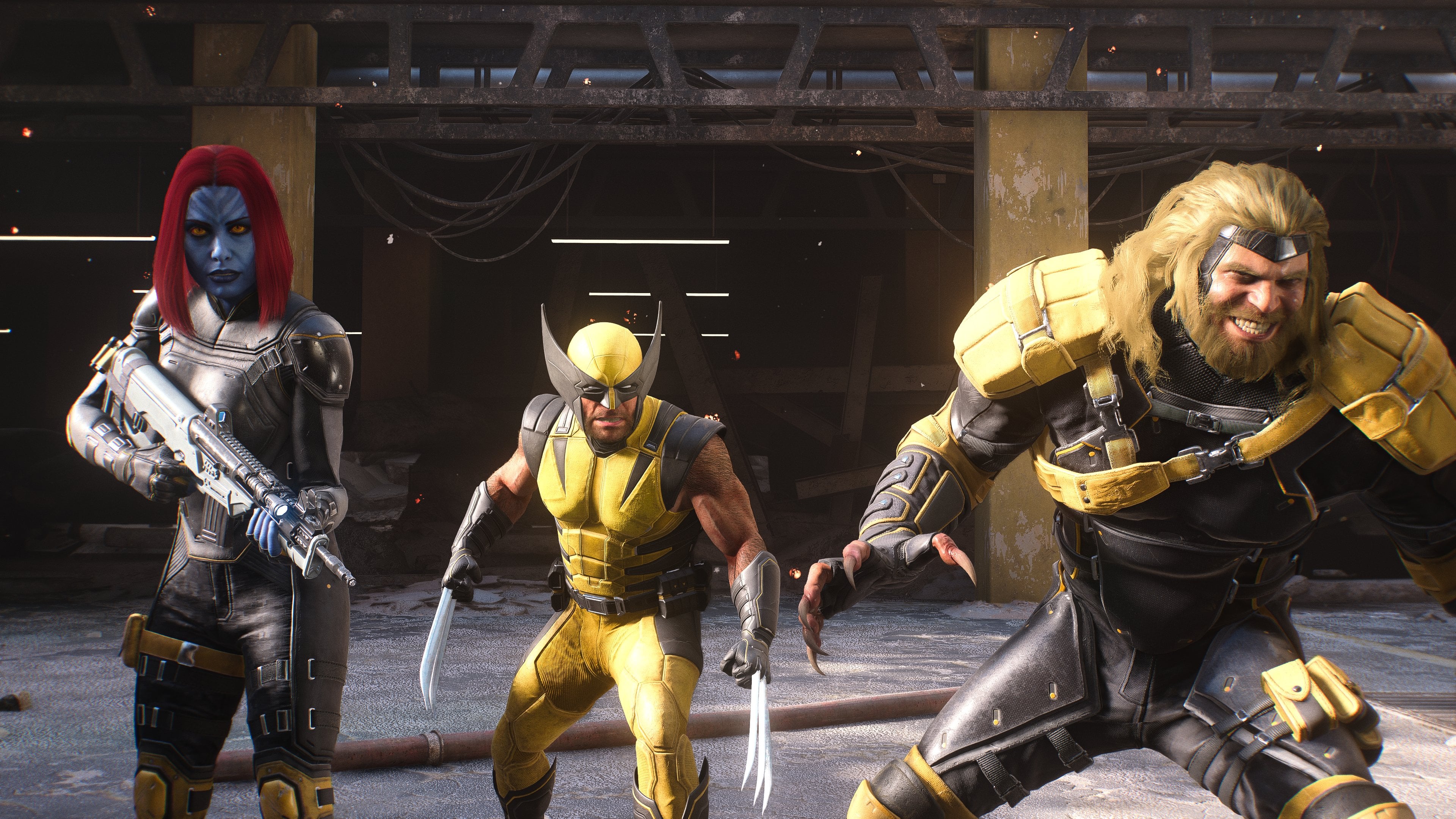
It reminds me of the issue Star Wars games have where, in theory, a lightsaber should be a one-hit-kill that cuts through enemies like butter. In reality, they’re more like light-up cricket bats. Wolverine’s claws are the same. They’re perfectly lethal when you sneak up on an enemy or drop on them from a great height, but when I’m fighting a human opponent in a flak jacket, I feel weak.
More than a few times during Marvel’s Wolverine, it felt like I should be taking a break from Logan and instead playing as Jean Grey, or Mystique; however, that never comes to pass. Perhaps Insomniac was so put off by the reaction to the admittedly poor MJ missions in Spider-Man that they wanted players to exclusively play as Wolverine in their Wolverine game, but the pacing really could use a shakeup now and then.
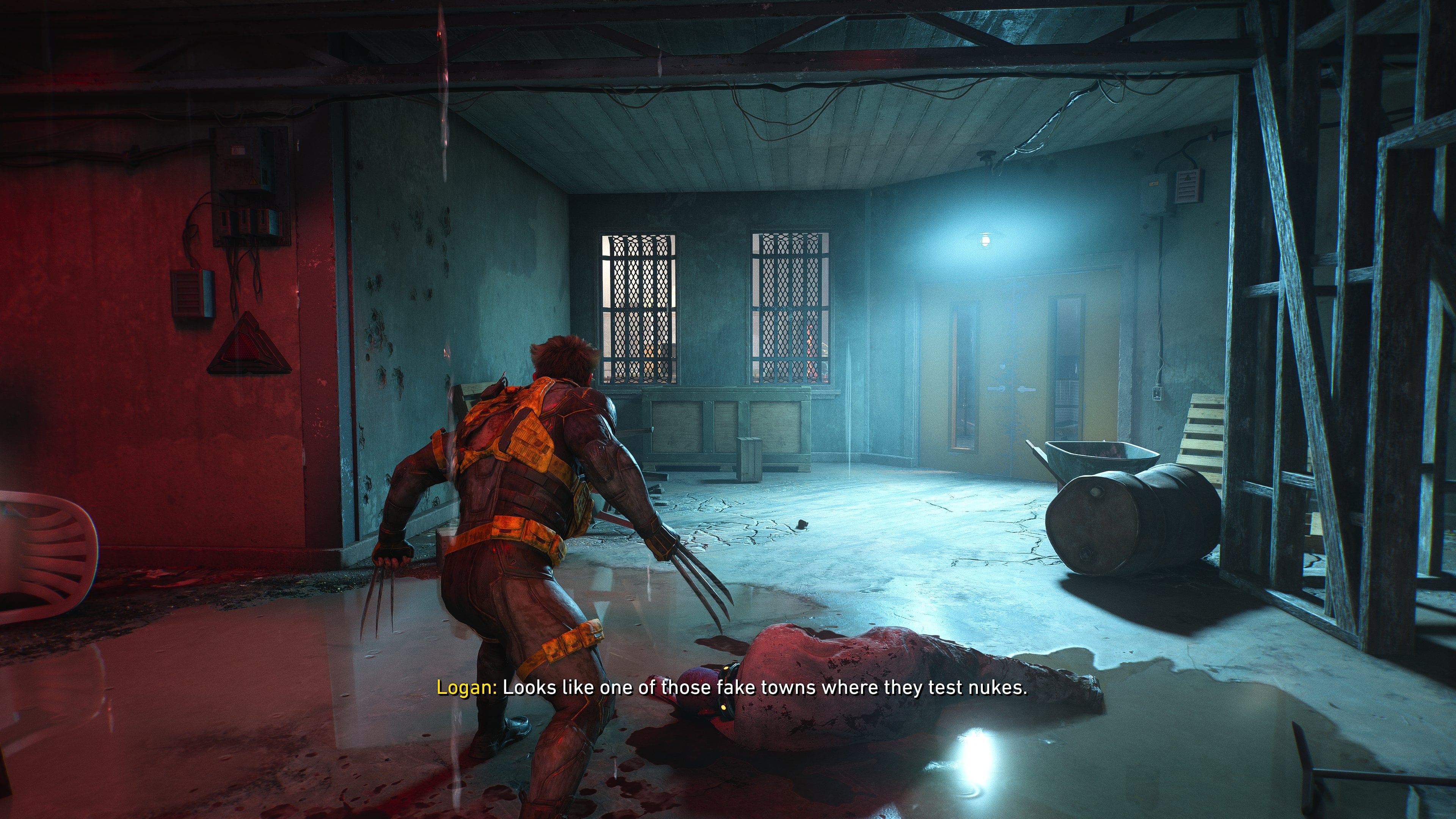
It’s not much better between fighting segments, as very beautiful, highly detailed locations fade into the background while you “detective vision” around the place looking for clues. On my second playthrough, I began to notice just how often the game takes control away from you and forces you to walk and talk, even when the answer to the objective is obvious.
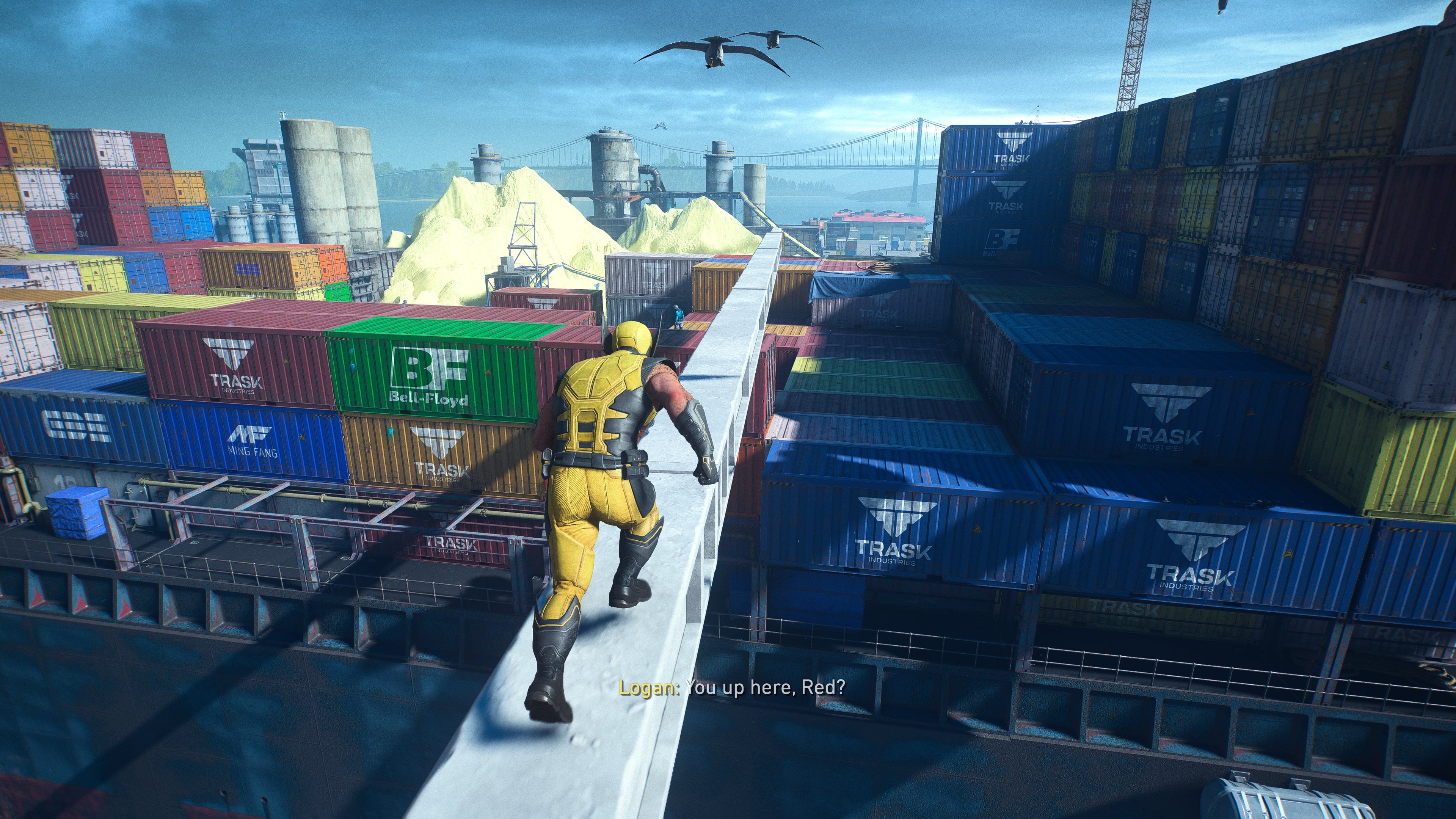
There are also XP crates randomly scattered around the world, for seemingly no reason at all. Not only that, but later in the game, when you transition to fighting against a new group of enemies, the game has to come up with a special XP crate themed to those enemies. It’s bizarre and incredibly ‘video gamey’ for a game that’s of such high presentational quality elsewhere. I barely smashed any and hit the level cap easily. These crates are a minor thing, but they contribute to the overall dated feeling of Marvel’s Wolverine.
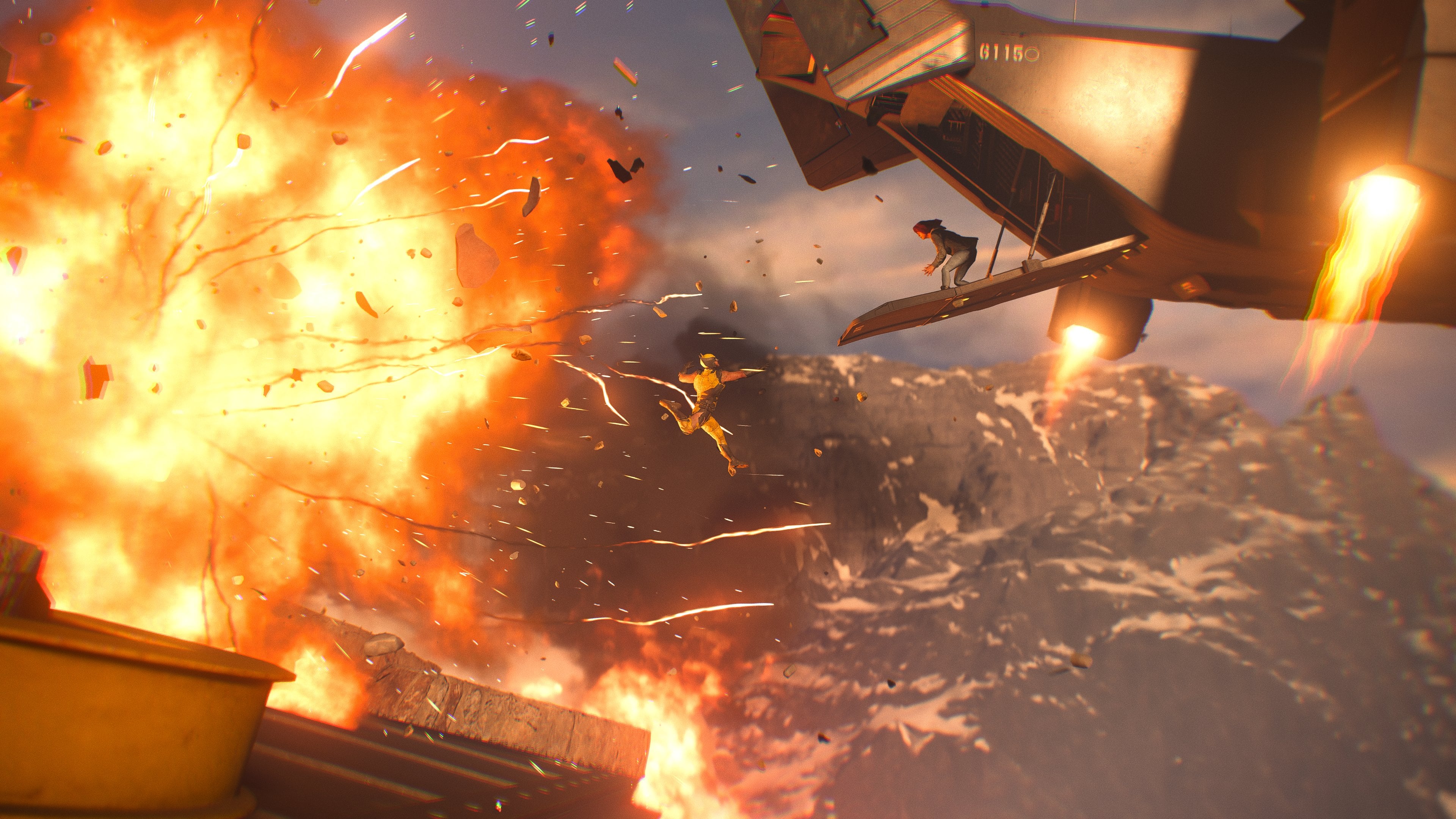
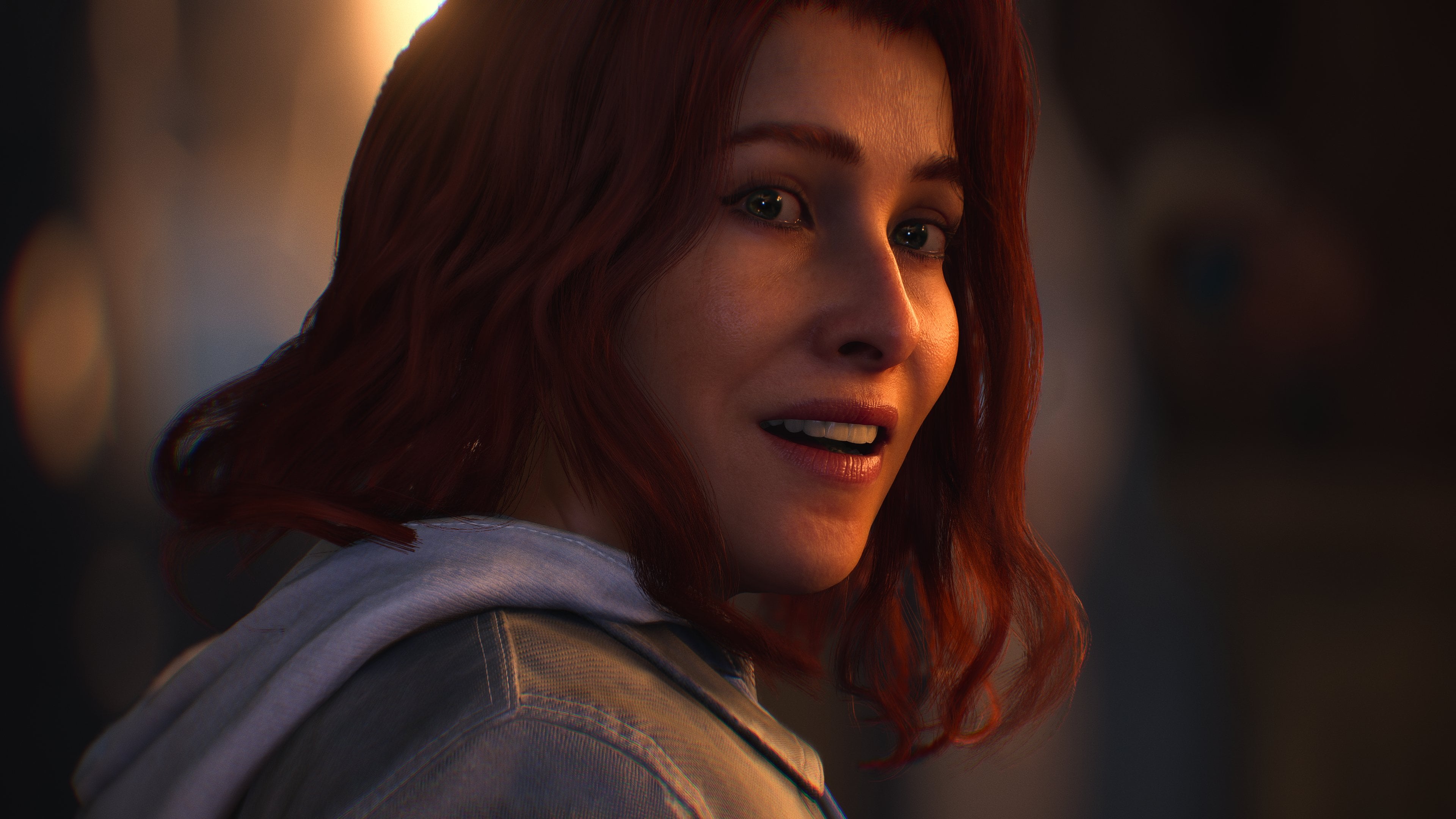
What isn’t dated is how beautiful the game is. Character models are best-in-class, and the environmental detail across the game’s world-hopping locales is extremely impressive. The tech that underpins the Spider-Man games has been distilled here, allowing Insomniac to achieve far more in a linear environment than they could when forced to accommodate an open world.
Logan’s character model is especially impressive, as is Jean’s. I mentioned that the characters and narrative are the strongest part of Marvel’s Wolverine, and that’s thanks in no small part to the extremely high level of visual polish that’s been achieved across the game. Liam McIntyre is a standout as Wolverine, which is no mean feat considering one actor has so categorically established himself in the public consciousness as a certain character. McIntyre isn’t doing an impression of his fellow Australian; this is an authentic, comic book-influenced rendition of Logan.
Logan visits Madripoor, Tokyo, and a few other important locations from his comic-book history, and they all have a strong visual distinction. Tokyo’s winding streets in particular make for both a great visual showpiece and an interesting mission location. While not open-world by any stretch, there is a surprising amount of freedom afforded when exploring in certain zones. It almost feels like the game was supposed to allow Logan to travel around these hubs, picking up missions organically before a more linear approach was introduced.
Marvel’s Wolverine is never a bad game; it’s just never a great game, either. It takes a character that should be tailor-made for video game fun and muzzles him with repetitive, basic combat and a game that feels like it’s from a decade ago. While playing the game, I was having fun, but the second I stopped, I felt absolutely nothing.
Like so many superhero films, big-budget excess and plenty of spectacle can hold your attention in the moment, but when the music stops, Marvel’s Wolverine left me feeling far colder than Insomniac’s three Spider-Man efforts, which I absolutely loved.
Were it not for the genuinely stunning presentation, there are parts of Marvel’s Wolverine that could be straight out of the pre-Arkham licensed game era we’d all rather forget. If this is the first step in Insomniac’s X-Men universe, then it’s not as confident of one as I’d imagined.
Marvel’s Wolverine is fine, but it fails to capture the spirit of the legendary character in the same way Insomniac did with Spider-Man. It's a game out of time, full of dated quest design and combat that excels in spectacle but not much else. Best-in-class visuals pull up the overall package, but this isn't the definitive Wolverine game I'd hoped for.
- Visually impressive from start to finish.
- Strong narrative and a great starting point for an X-Men universe.
- Liam McIntyre makes Wolverine his own.
- Basic, dated and repetitive combat.
- Over-the-top hand holding.
- Dull missions with endless stale enemies.