Halloween the Game single-player review: Is there enough here for solo players?
Illfonic’s latest multiplayer horror game has a single-player mode, but is it as well-executed as Michael Myers’ victims?
- Design director
- Jordan Mathewson
- Key Credits
- Andrii Verpakhovskyi (Lead designer), Coleman Gray (Art director)

Being a horror fan can sometimes be a rather solitary affair.
It’s sometimes difficult for enthusiasts of the genre to find like-minded fans, especially because it can be a bit awkward initially declaring that you enjoy something with such a dark subject matter.
It’s something I can personally attest to – I’ve been a big fan of horror films since I was a teenager, and now I’m in my 40s I have a wife who can’t really tolerate anything other than slashers, and an eight-year-old daughter who’s probably still a long way off before I start letting her watch my Dario Argento collection.
There’s a very real subset of horror fans, then, who also love video games but have struggled to get into many licensed titles they would kill to play, because they aren’t necessarily fans of playing online multiplayer with strangers.
Dead by Daylight has passed me by, even though its numerous crossovers are a horror fan’s dream (or indeed nightmare), and I can’t get excited for the upcoming Saw: Genesis because it’s a strictly 3v1 affair.
The studio and publisher that have made this particularly agonising for me over the years have been Illfonic and Gun Interactive. The pair released Friday the 13th: The Game in 2017, and while it later bolted on a single-player mode, the main event was clearly its asymmetrical multiplayer.
Since then, Illfonic has released Predator: Hunting Grounds, Ghostbusters: Spirits Unleashed and Killer Klowns from Outer Space: The Game, while Gun Interactive has published The Texas Chain Saw Massacre. All four are horror IPs I adore, but all four had little in the way of single-player gameplay.
That’s why, when Illfonic and Gun reunited for a game based on the legendary Halloween, and announced that it would have a single-player mode at launch for the first time, I was cautiously optimistic that I could finally enjoy Illfonic’s clear attention to detail for myself.
With that in mind, this review of Halloween: The Game focuses strictly on the single-player mode, and is aimed at players who – like me – may not be interested in the online multiplayer side of things and want to know if the solo content is worth the price of admission on its own.
For the uninitiated, Halloween: The Game is solely based on the classic 1978 movie directed by John Carpenter, rather than its 12 sequels. While the multiplayer mode offers asymmetrical multiplayer where one player is the iconic killer Michael Myers and four other players are Haddonfield civilians, the single-player story mode has you playing as Michael only, as it recreates the events of the film.
If you’re wondering how this is possible given that Michael doesn’t really do much until the end of the film instead of appearing in the background, the answer is that Halloween: The Game attempts to fill in the gaps by showing all the stuff that wasn’t revealed during the film.
This means if you’ve ever wondered how Michael managed to break out of Smith’s Grove Sanitarium, or what happened to the poor Phelps Garage mechanic whose body is discovered, or how Michael was able to steal his mask from the hardware store without being spotted, all these questions are answered here.
“If you’ve ever wondered how Michael managed to break out of Smith’s Grove Sanitarium, or what happened to the poor Phelps Garage mechanic whose body is discovered, or how Michael was able to steal his mask from the hardware store without being spotted, all these questions are answered here.”
Is it canon? Who knows, but longtime Halloween producer Malek Akkad was involved in the development, and John Carpenter was supposedly involved to some extent too, so if neither of them raised any concerns about the new content then that’ll do for me.
The single-player mode consists of six chapters – a prologue and five larger levels – covering the events of the movie. At first Michael only has a couple of basic abilities, but at the start of each level he gains a new ability, meaning it does also serve as a lengthy tutorial for the multiplayer mode, in a sense.
Some of these are a tad odd, and certainly haven’t featured in the film’s canon before, but do at least make things better from a gameplay perspective. Did you know Michael can use a Shape Jump ability to turn into a sort of spirit which can quickly zoom through Haddonfield and pass through doors, as long as he isn’t in the light? Well, he almost certainly can’t in the films, but given how slow he walks then in this context you’d certainly take it.
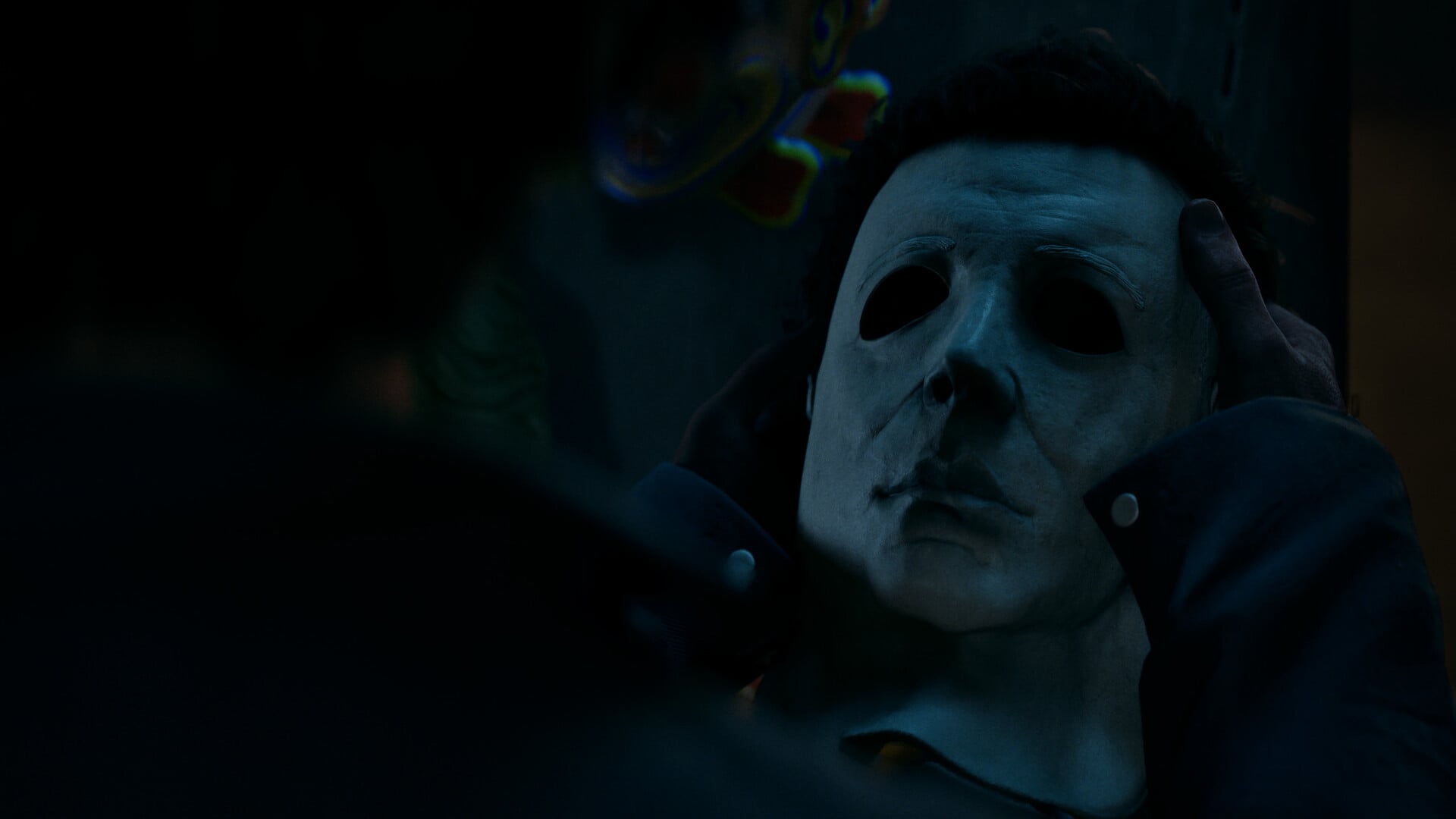
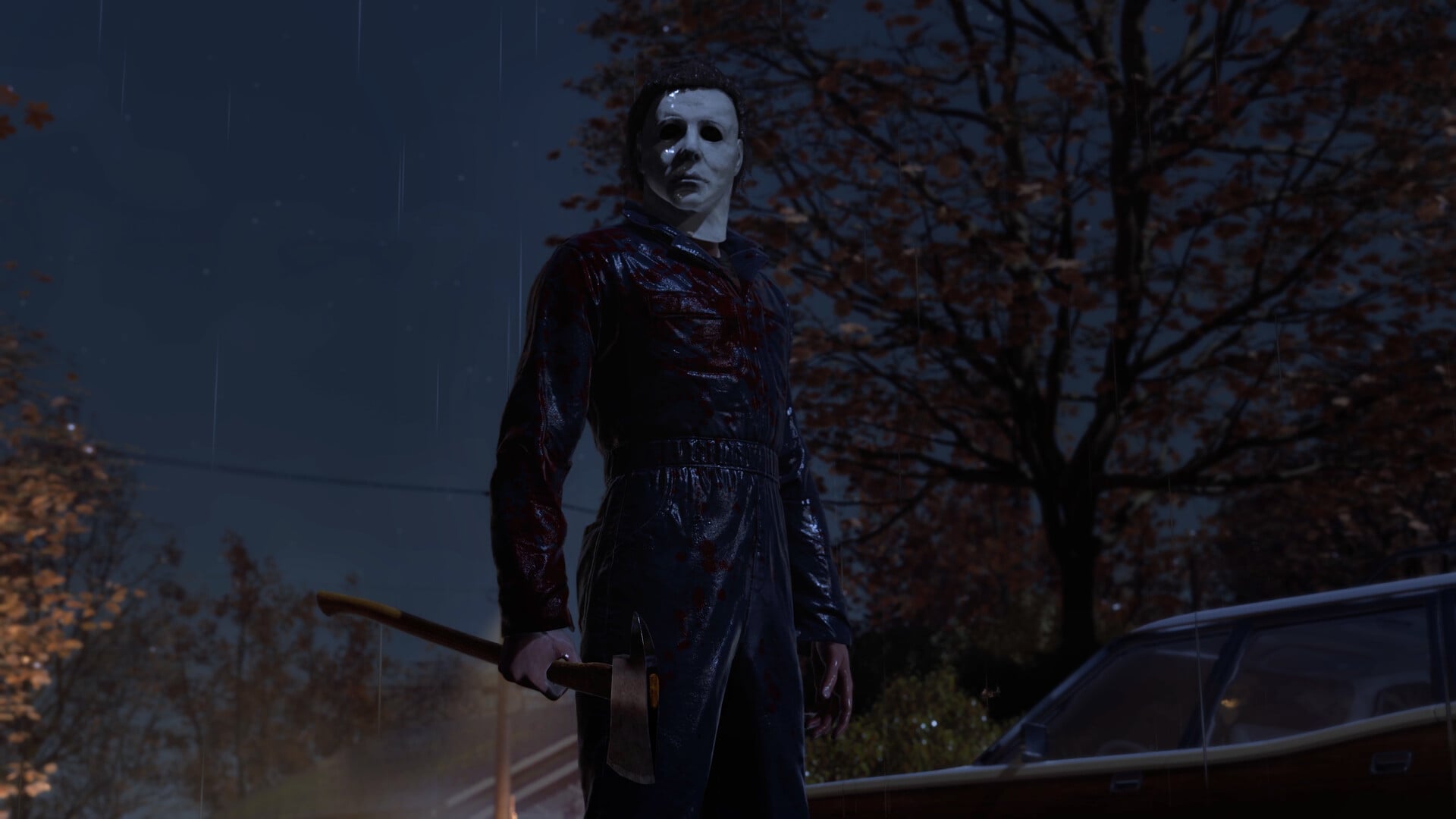
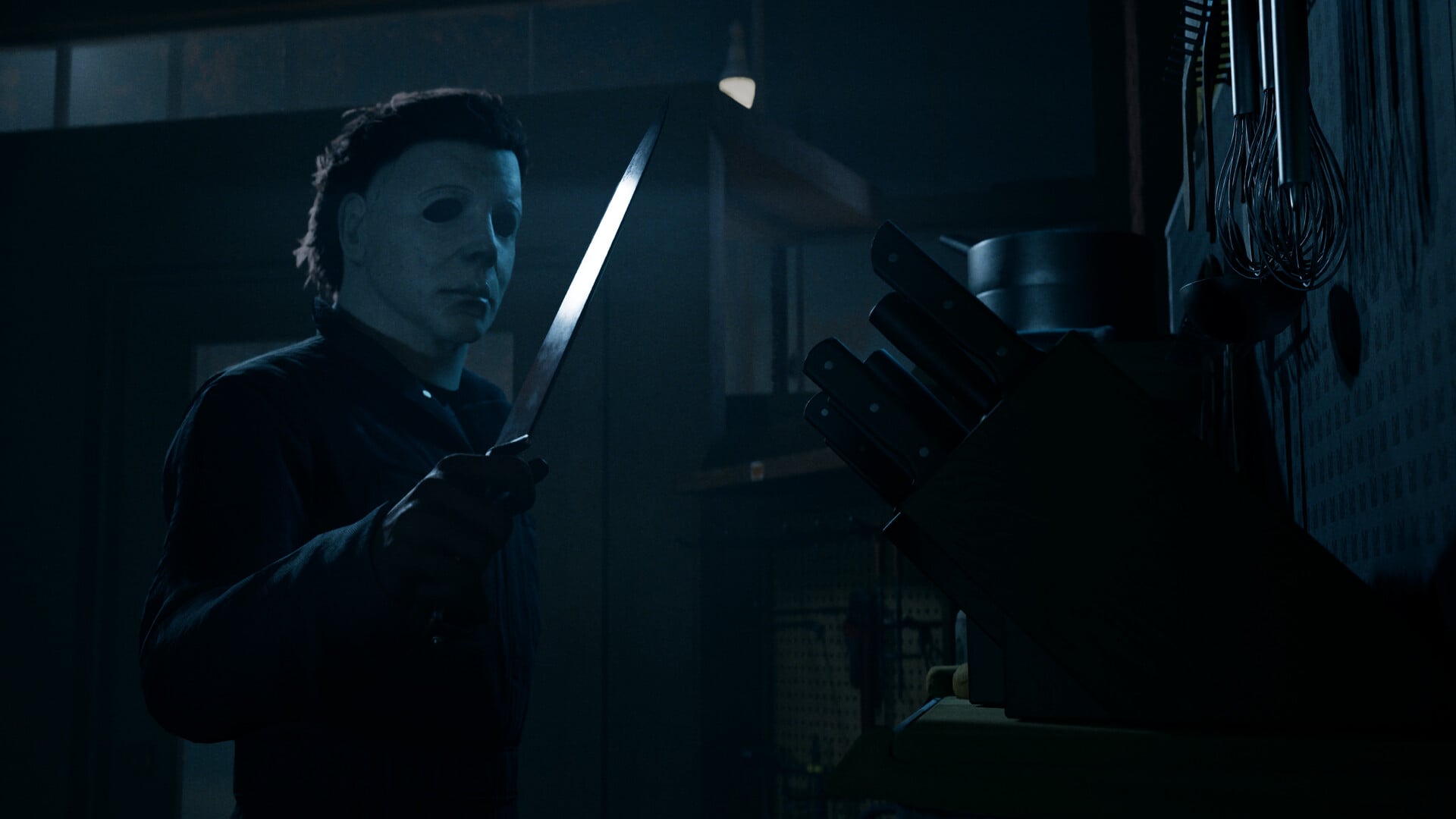
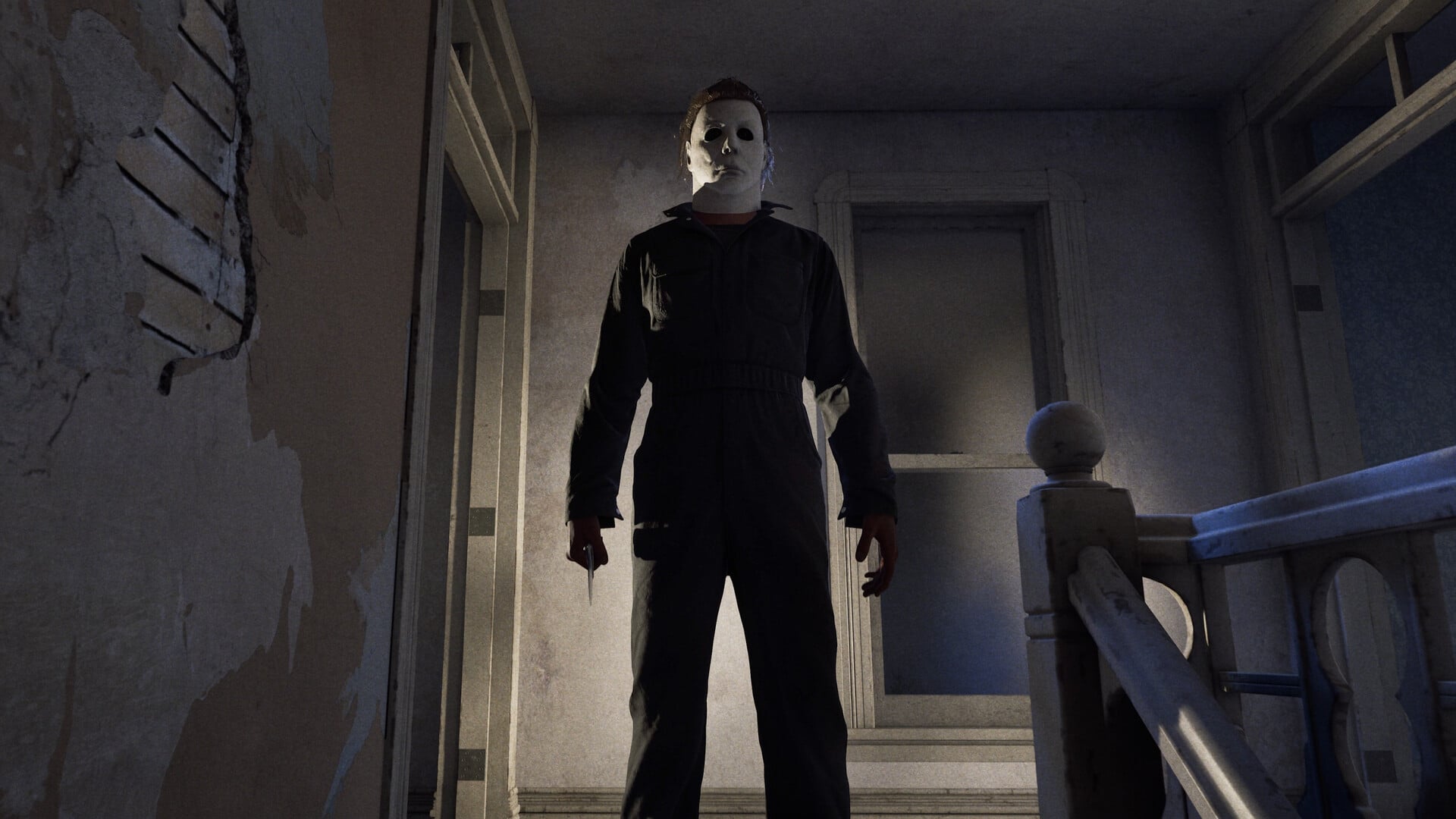
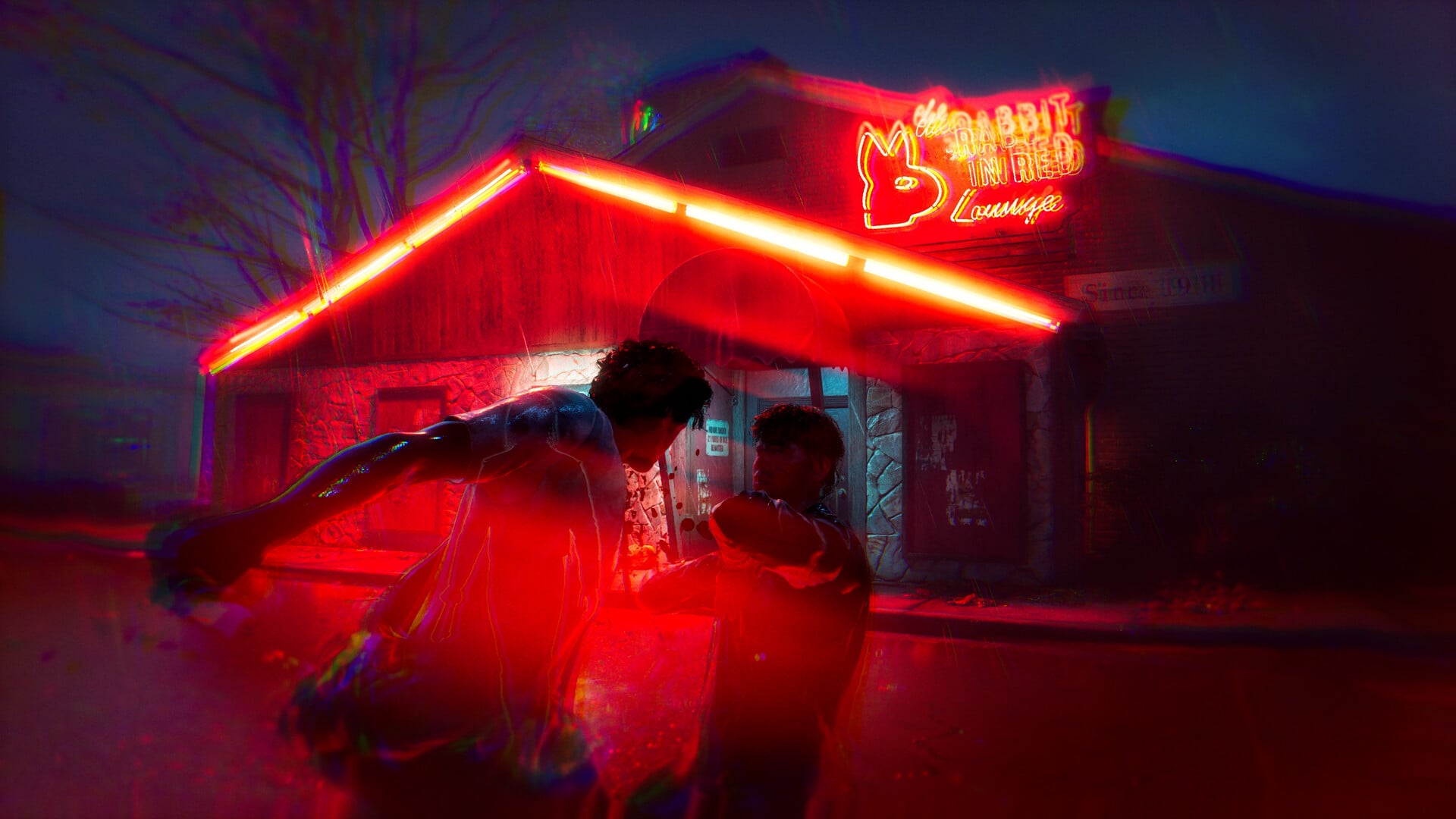
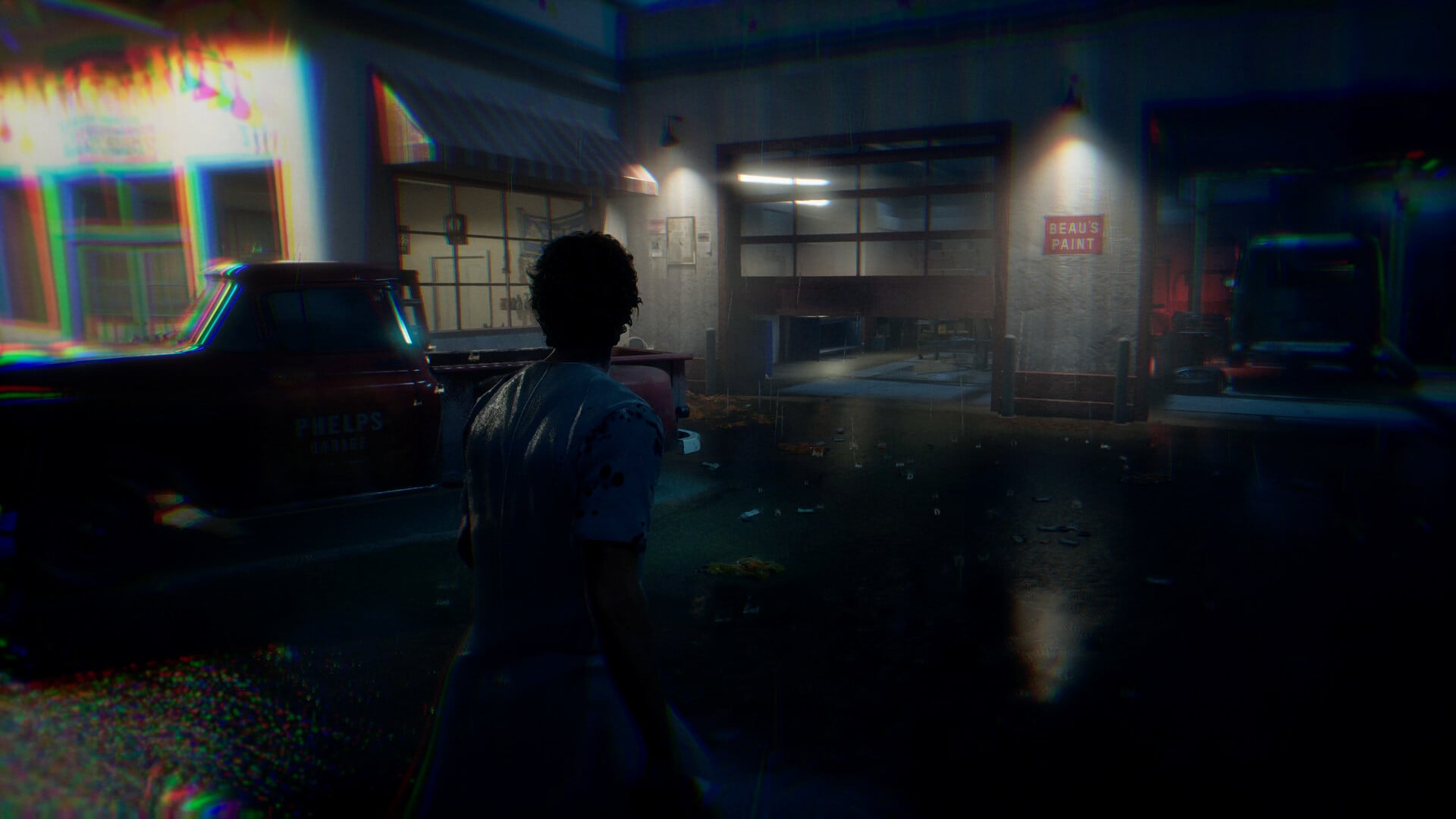
After the Prologue, which sees you escaping from Smith’s Grove, the rest of the game’s five chapters puts you in a series of small open world maps, where you’re generally free to roam wherever you like and kill whoever you come across. It’s not quite as straightforward as that, however.
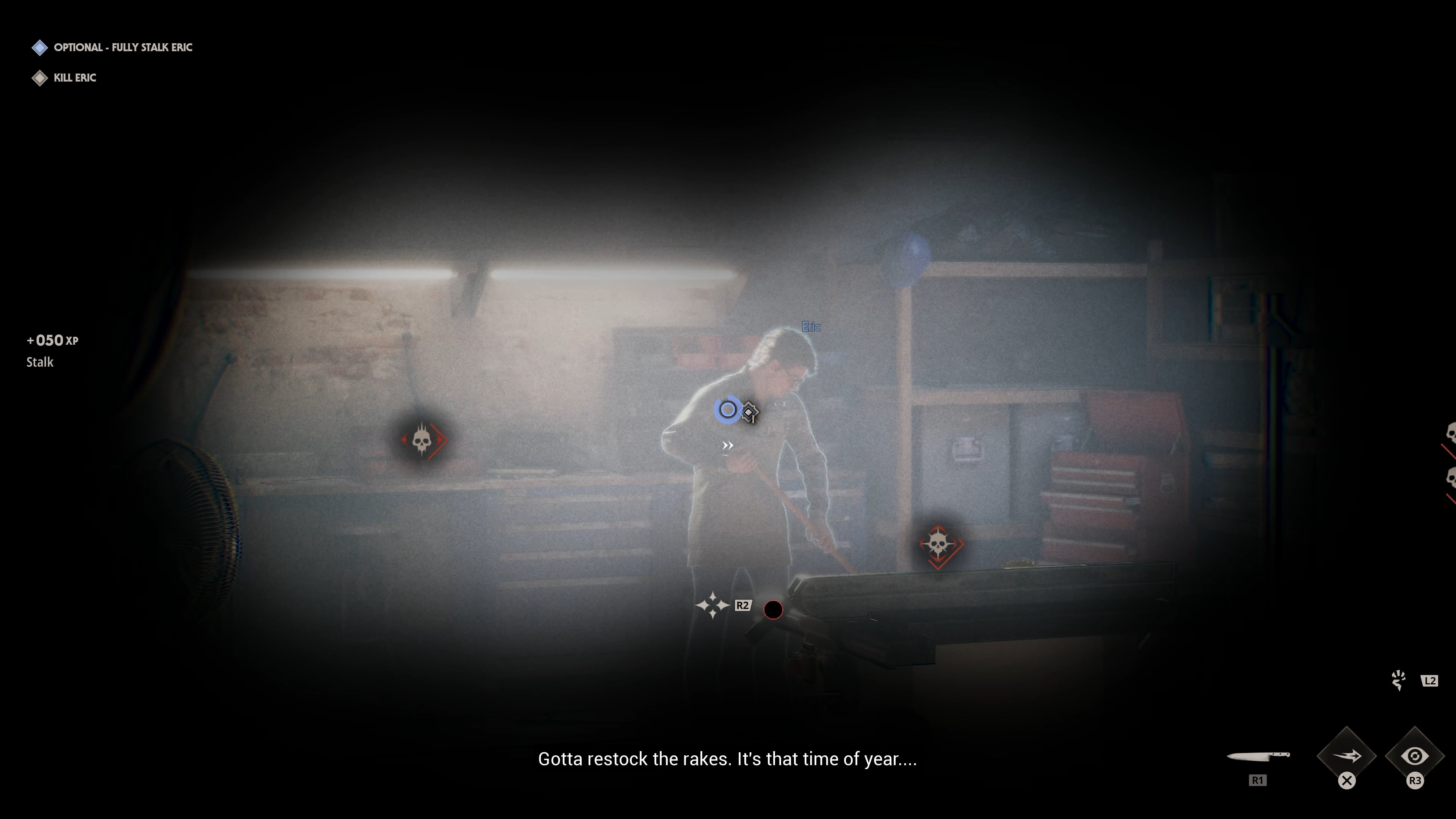
While you can go in all guns… um, all knife blazing, trying to melee people will invariably result in them running away to safety and calling the police. Instead, the best way to kill residents is to sneak up on them, use L2 to grab them, and drag them over to one of the many environmental kill spots found around the map.
Each of these spots has a different stalker rating, up to level 3. By hitting R3 you enter Killer Sense, which is a first-person view looking through Michael’s mask. If you can stare at your victim for long enough without being spotted, your stalker rating will climb, and once it hits level 3 that means you can perform any of the environmental kills you can find.
It’s a fun way of getting around the fact that Michael spends a lot of the film just standing in the bushes and staring at people from outside. Now when you next see the film and see his mask in the window, you know that all he’s doing is building his stalker rating.
It’s worth doing it too, because the environmental kills are often hilariously graphic. The classic ‘pinning the victim to the wall with a knife’ move is there, but there are a bunch of other ridiculous ones, such as slamming someone’s face through a TV, throwing them into a campfire or plunging their face into a toilet then stamping on their head so hard it shatters the porcelain.
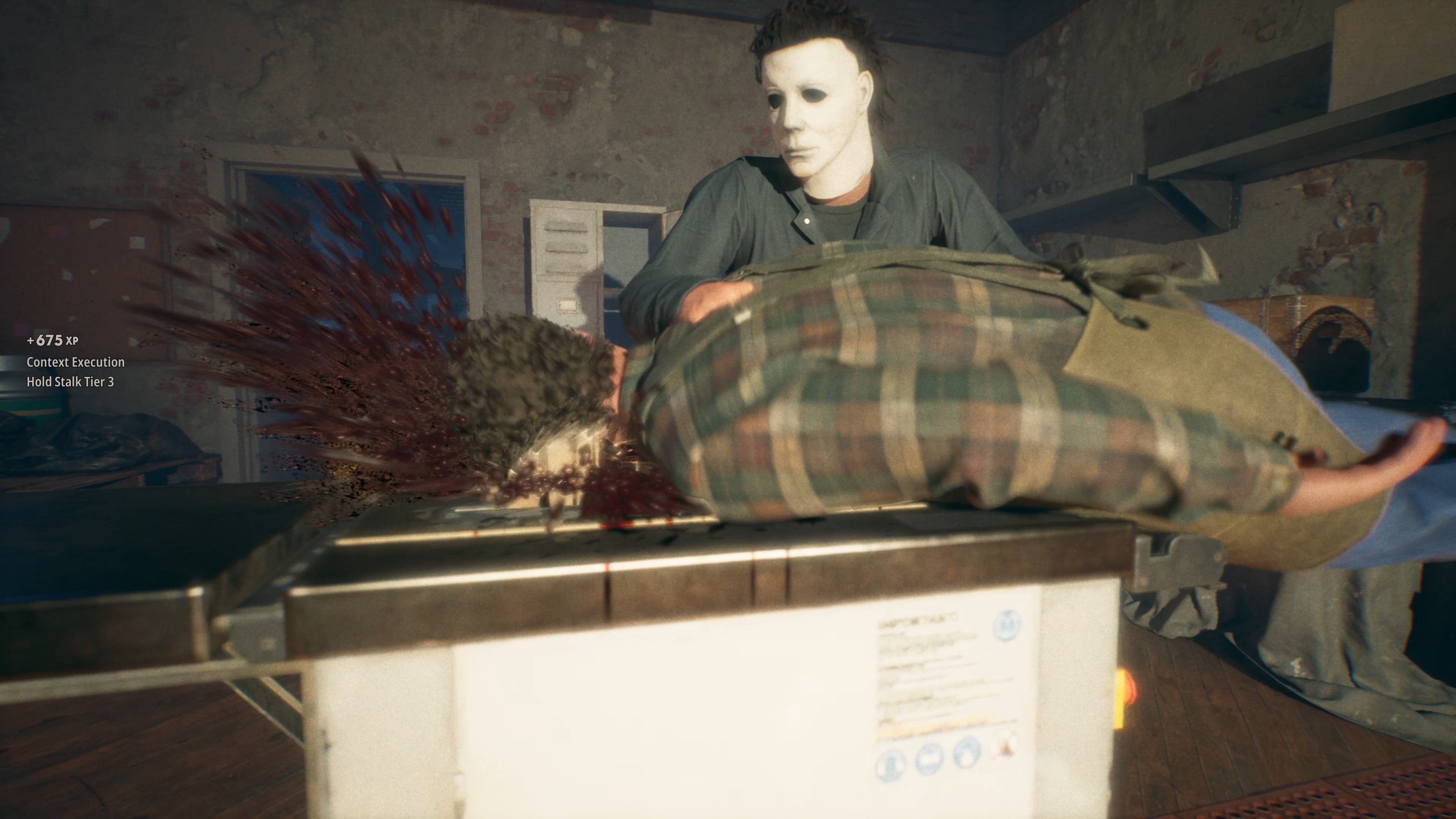
These special kills add to your rating, with the aim being to get a five-star ranking in each chapter and become the ultimate killer. For those who want to be tested even more, however, each stage also has six challenges which require them to act in a certain way, or kill certain residents with a particular execution.
You can kill the music store worker Tanya any way you like, but one challenge demands you give her an ironic sendoff by killing her with the cash register. When the police start chasing after you near the end of the game, one of the challenges asks you to lure at least one of them into the Wallaces’ household and get a full stalker level 3 rating before offing them.
Completing a challenge will unlock a cosmetic for the multiplayer mode, so if you’re a solo-only player this won’t matter much to you beyond the satisfaction of ticking them off achievement-style. Sometimes, however, the challenges force you to try to recreate the events of the film perfectly.
The most obvious example of this is the sequence in the film where Michael kills Annie by strangling her in her car, then pins Bob to the wall in the kitchen, puts a sheet over his head and strangles Lynda with a telephone cord. If you can pull off all three of these actions, you’ll tick off three challenges, but this requires a lot of patience because you’ll need to build each of their stalker levels and wait until they get to the right position first. Think of it as a clunkier take on Hitman.
Naturally, on my first playthrough I completely messed it up. Annie spotted me right away and tried to escape, so I had to quickly break into her house and kill her in the hallway. Then I heard Bob and Lynda coming in so I had to run upstairs and hide in their closet. Naturally, they discovered Annie’s body in the hallway (if she’d been in the car they wouldn’t have), got frightened and ran upstairs, at which point I had an awkward knife fight with Bob and his dog in the bedroom while Lynda ran off to get help.
If you’re a fan of the film, you’ll get a kick out of seeing the game attempting to recreate the story while also filling in the gaps, and the clear love that Illfonic has for the source material shines through in the recreations of each environment. There’s even a flashback section where you play as young Michael and have to repeat all the actions from the film’s intro sequence.
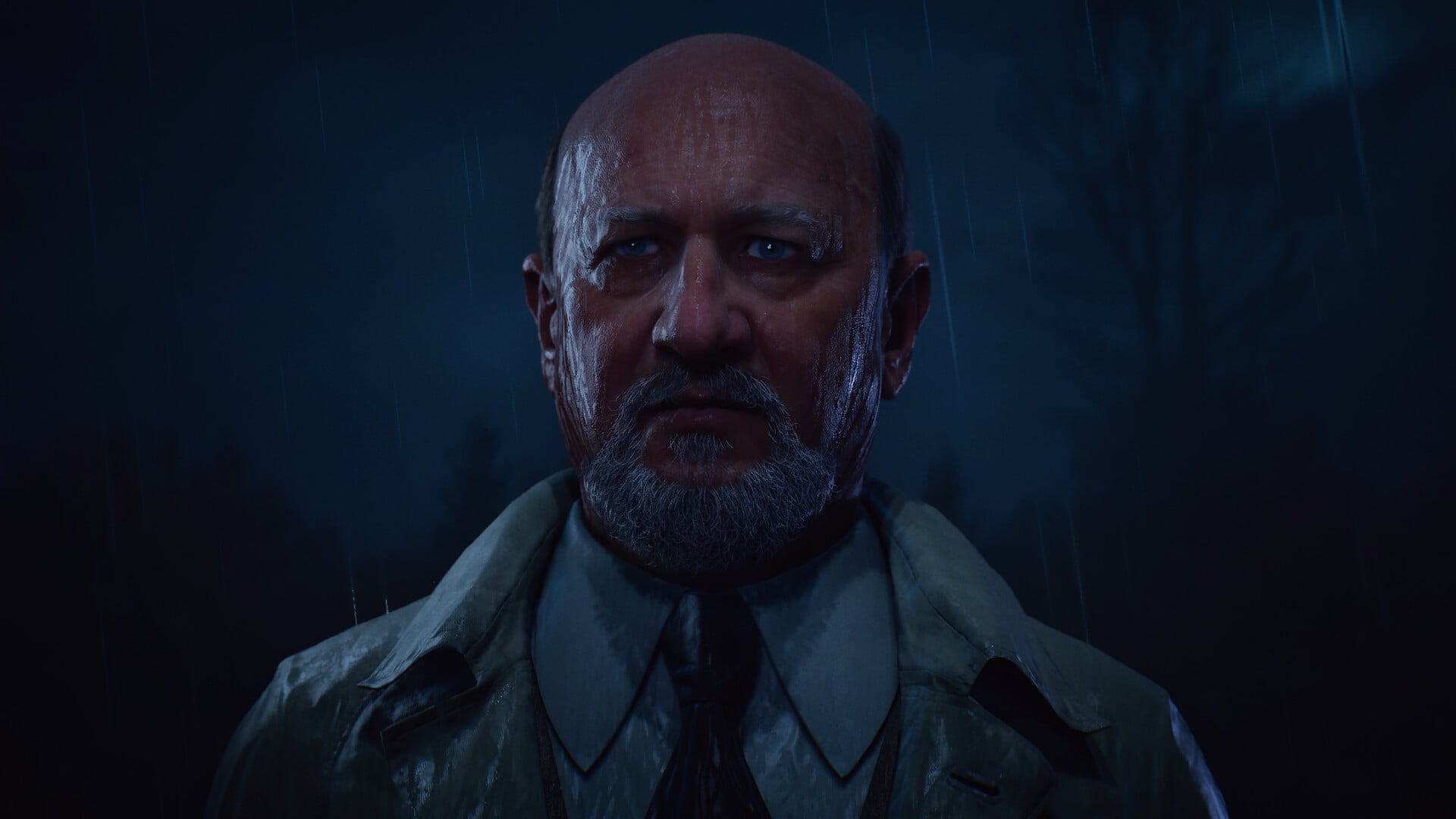
The presence of the iconic soundtrack is also a lovely (and, let’s face it, essential) addition, and while there’s some disappointment that not all the likenesses are there – Jamie Lee Curtis, PJ Soles, Nancy Loomis etc don’t look like they do in the film – the soul is there, and that’s the important thing. Arguably most importantly, the late Donald Pleasence’s likeness is spot on, though his voice – performed by Colin Mahan, who voiced him in Halloween (2018) and Halloween Kills – is still a bit off.
What this all boils down to is that if you’re a solo player, Halloween: The Game is a fun time as long as you’re aware of its limitations going into it. With only five chapters and a prologue, you can reach the credits here in just a couple of hours by just making it to the end of each stage. The real replay value will be in trying to get a five-star rating on each stage, carrying out the six challenges in each and trying again on higher difficulty levels.
If that doesn’t sound like fun to you and you only planned on playing through it once, then you’re really going to have to care about the multiplayer mode if you want to get your money’s worth here. You can at least play that mode ‘solo’ by playing against bots, should you wish, though obviously it loses something in that respect.
Because this isn’t a review of the full game (including online multiplayer), and because review aggregator sites wouldn’t take that into account when scraping our verdict, we’ve opted not to give Halloween: The Game a score based on its single-player mode alone. If you really want one, though, it would be a 3.
It’s a bit clunky, it’s a bit buggy, the performance struggles a bit even on PS5 Pro, and you’ll curse the Haddonfield residents’ AI upside down at times, but there’s a B-movie charm to Halloween: The Game, and while it sometimes struggles with the execution – unlike Michael Myers himself – the love for the source material is still infectious.
Halloween: The Game Review
Halloween has clearly been made with reverence for the source material, and Illfonic has done a great job recreating the locations from the 1978 movie. If you're strictly interested in the single-player mode, while it's a fun B-movie romp, you have to be the sort of player who's fine with repeating stages to tick off challenges and go for a high score, because if your sole intent is to reach the credits, you're going to manage that in two hours.
- Brilliantly authentic to the film, some likenesses aside
- Environmental kills are hilariously over-the-top at times
- Challenges and scoring system encourage multiple playthroughs
- You can play the multiplayer mode solo with bots if you want
- Not a lot of solo content if you just want to reach the ending
- Resident AI can sometimes be annoyingly stupid
- More than its fair share of glitches and performance issues