Castlevania Belmont’s Curse review: The first new 2D entry in 13 years looks incredible but lacks teeth
Konami’s iconic series makes a welcome return, but the bar has been raised during its absence
- Creative director
- Emmanuel Nouaille
- Key Credits
- Sandro Bordier (Lead designer), Tsutomu Taniguchi (Producer)
It may be hard to believe given how synonymous it is with the genre it was partly named after, but there hasn’t been a new side-scrolling Castlevania game in 13 years.
The last, Castlevania: Lords of Shadow – Mirror of Fate, was released on the Nintendo 3DS back in March 2013, before coming to Xbox 360 and PS3 later that same year.
Two console generations have passed since then, and in that time the Metroidvania genre has not only continued to evolve but also introduced a host of new, much-loved IPs – Silksong, Ori, Dead Cells, Animal Well and Shovel Knight have all come since then.
Konami has kept the series alive with numerous retro compilations, but Belmont’s Curse marks its first proper return in well over a decade, with Evil Empire (The Rogue Prince of Persia) at the helm and Motion Twin (Dead Cells) lending advice along the way.
While it’s great to see Castlevania back, however, it’s hard to shake the feeling that the bar has been raised since its absence, and this new adventure doesn’t quite manage to lift itself up to match it.
The game follows Rose Belmont, the daughter of Castlevania 3 hero Tremor Belmont, as the pair arrive in Paris following reports that it’s been overrun by demons. The old man is getting on in years, so he hands his Vampire Killer whip to Rose and lets her take on an adventure that, naturally, ends up involving Dracula before too long.
Things play exactly as you would expect a Metroidvania to play. Rose has to explore a large map, in search of a series of boss characters who will give her unique abilities once they’re defeated. With these abilities Rose can then reach previously inaccessible areas of the map, and so on and so forth until evil is defeated – at least until it comes back again later in the timeline (this is set around 200 years before the events of the first NES game).
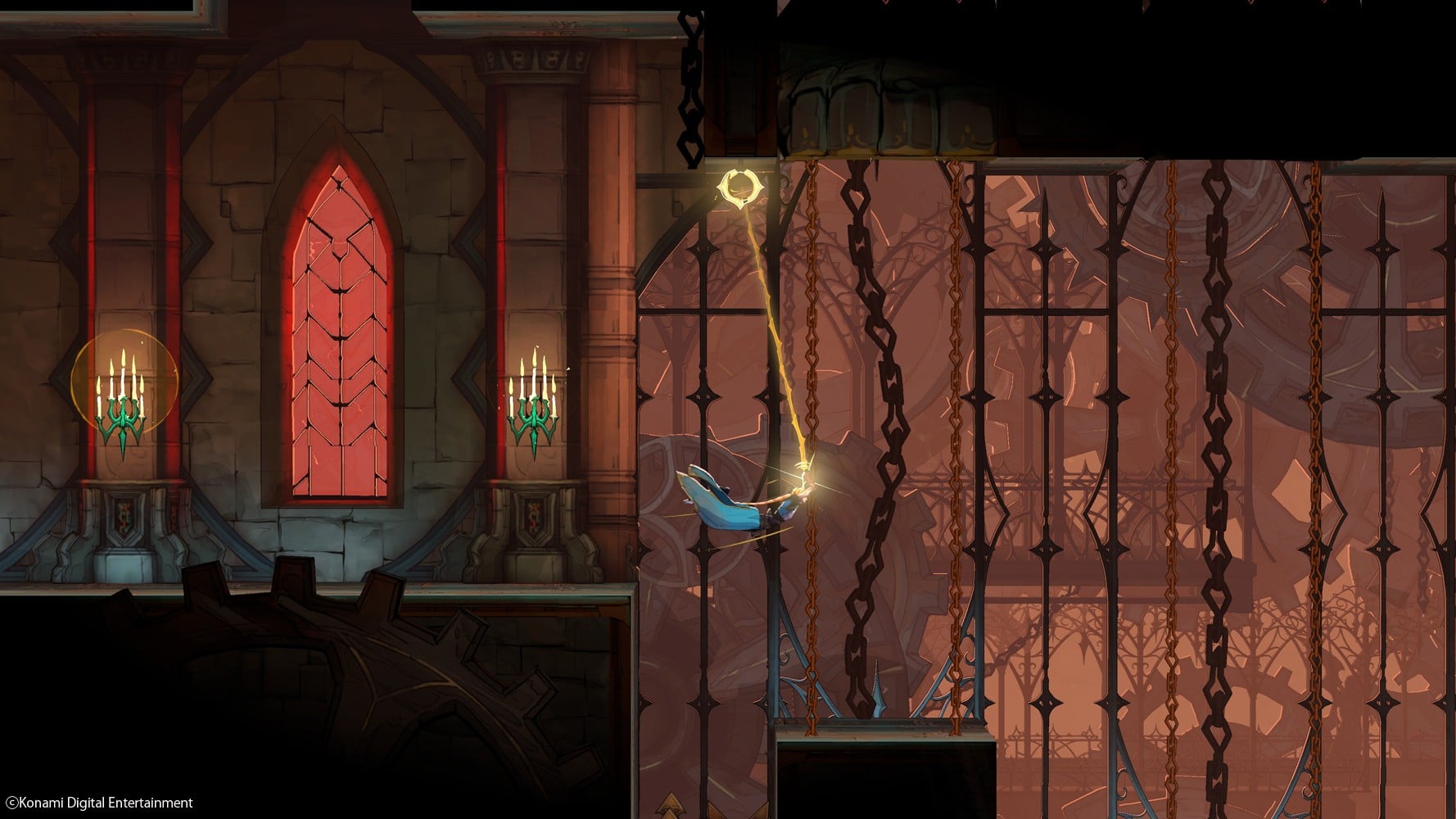
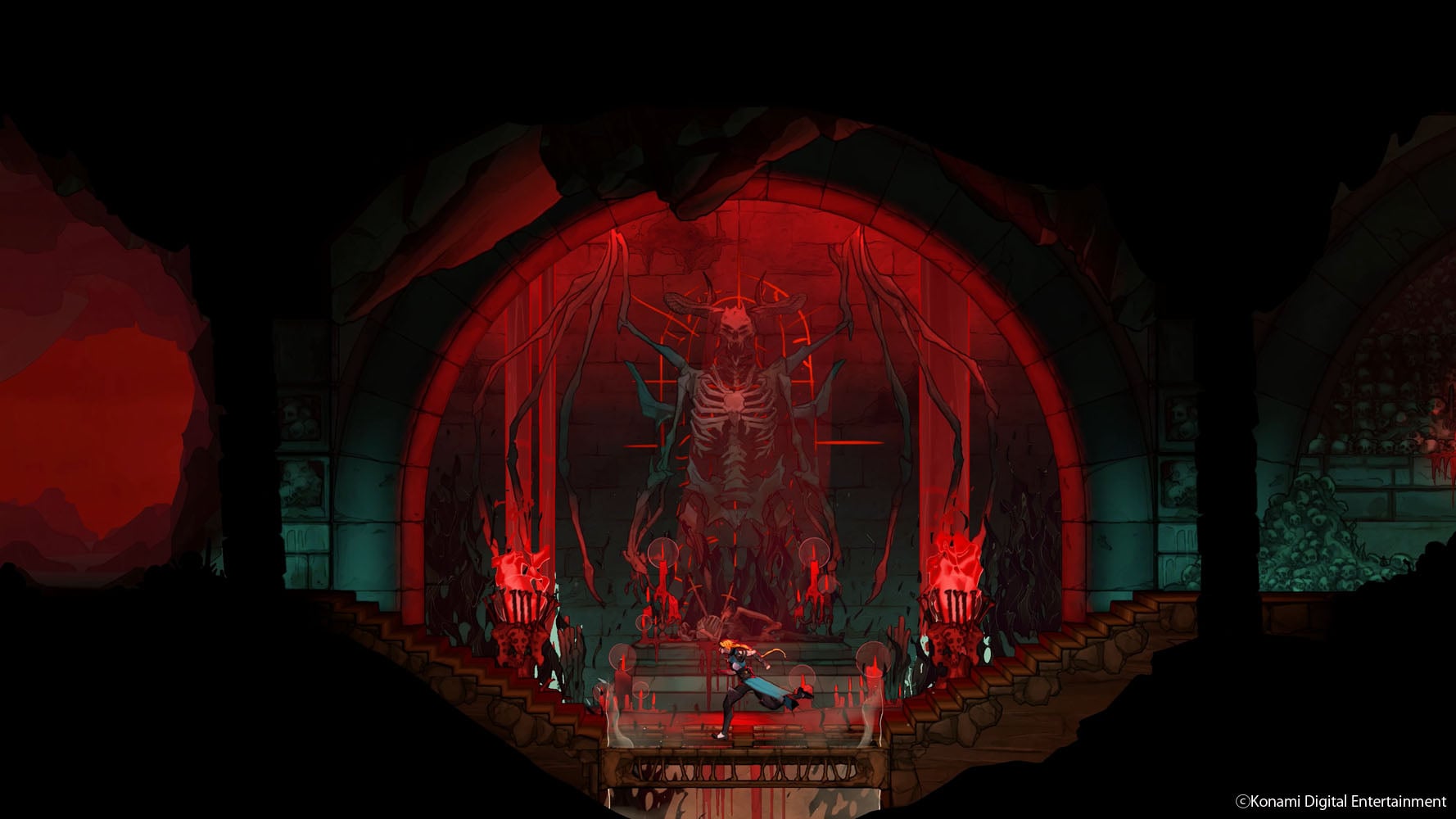
Visually, the game is outstanding. It makes use of polygonal characters and locations but designs them in a way that makes them look hand-drawn. This results in some incredibly detailed backgrounds, which are particularly impressive during the moments when the game takes you across a long outdoors walkway and the camera pans back to show a sprawling vista in the background (usually of Paris ablaze in some form).
The music is also solid throughout. It’s more moody and foreboding than some of the better Castlevania soundtracks in the past, which did a better job of making the player feel like a kick-ass hero, but it’s got some brilliant tracks anyway, and when it brings back classic Castlevania themes into the mix the arrangements are great.
The presentation is near-flawless, then, it’s just that the game itself is… fine. It’s a nightmare of a game to critique because it doesn’t do anything particularly wrong – it just never did anything that had me punching the air with joy, either. This is a game that remains faithful to the workings of the genre partly named after it, and takes no extra risks, for better or worse.
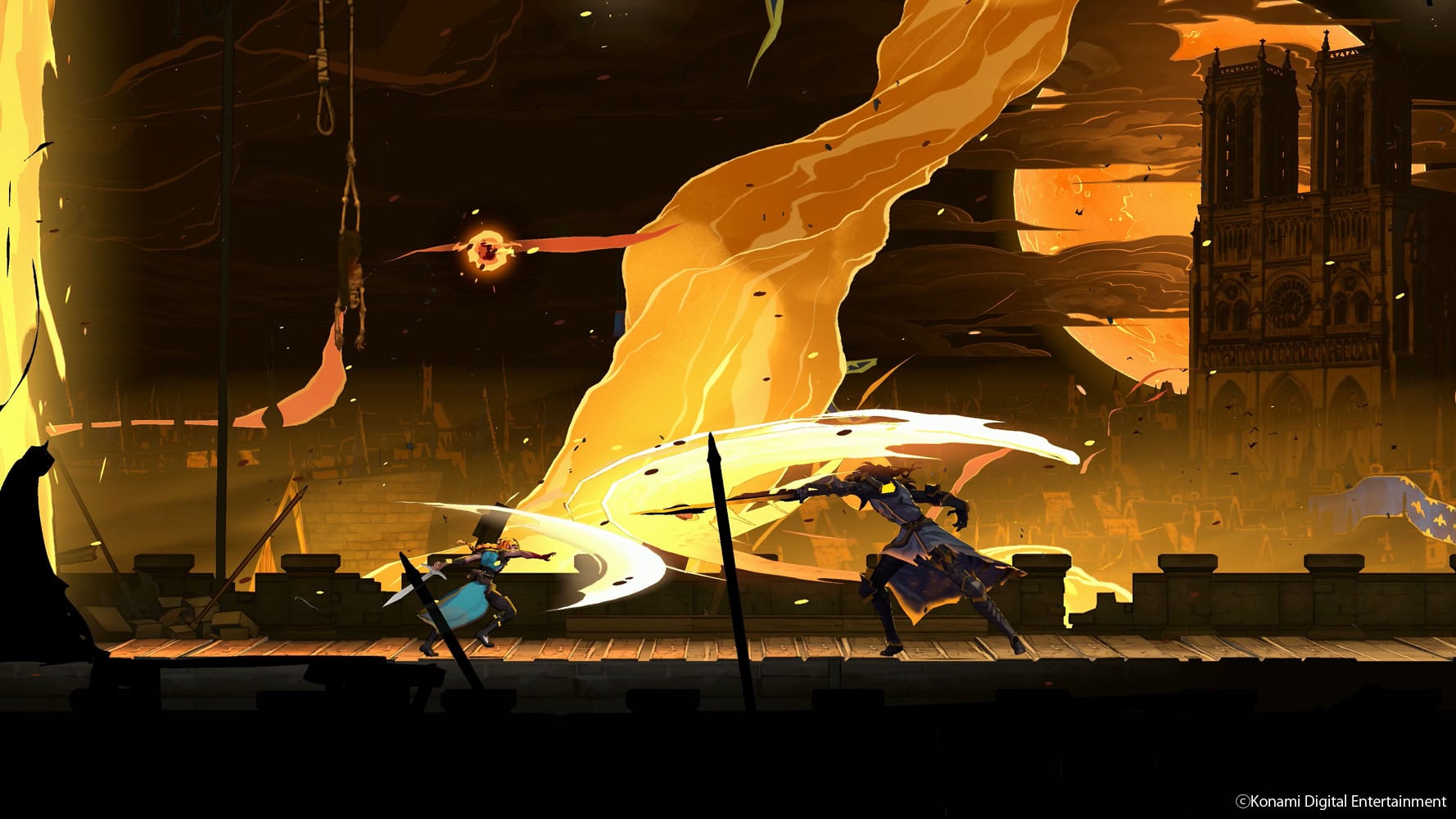
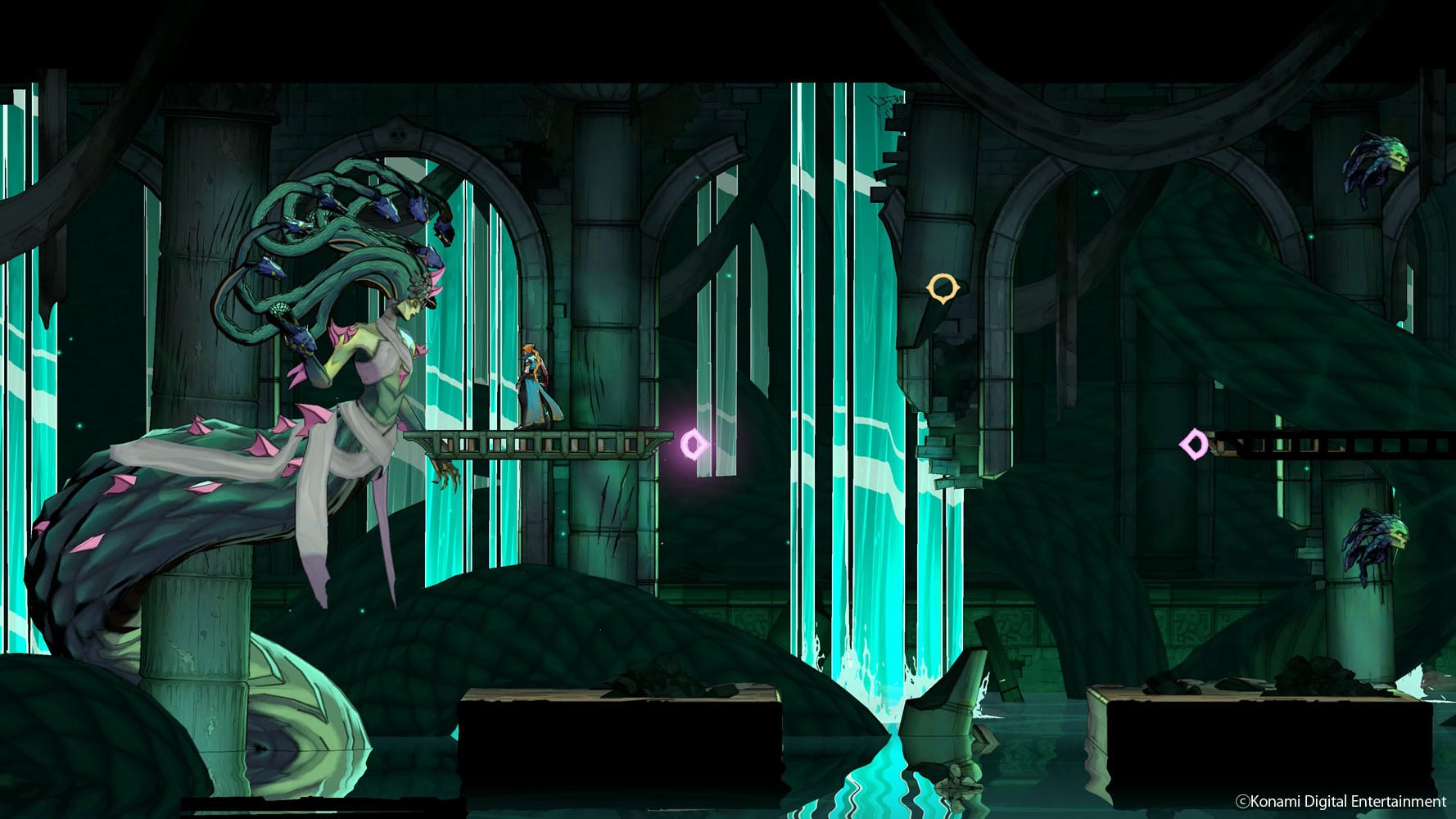
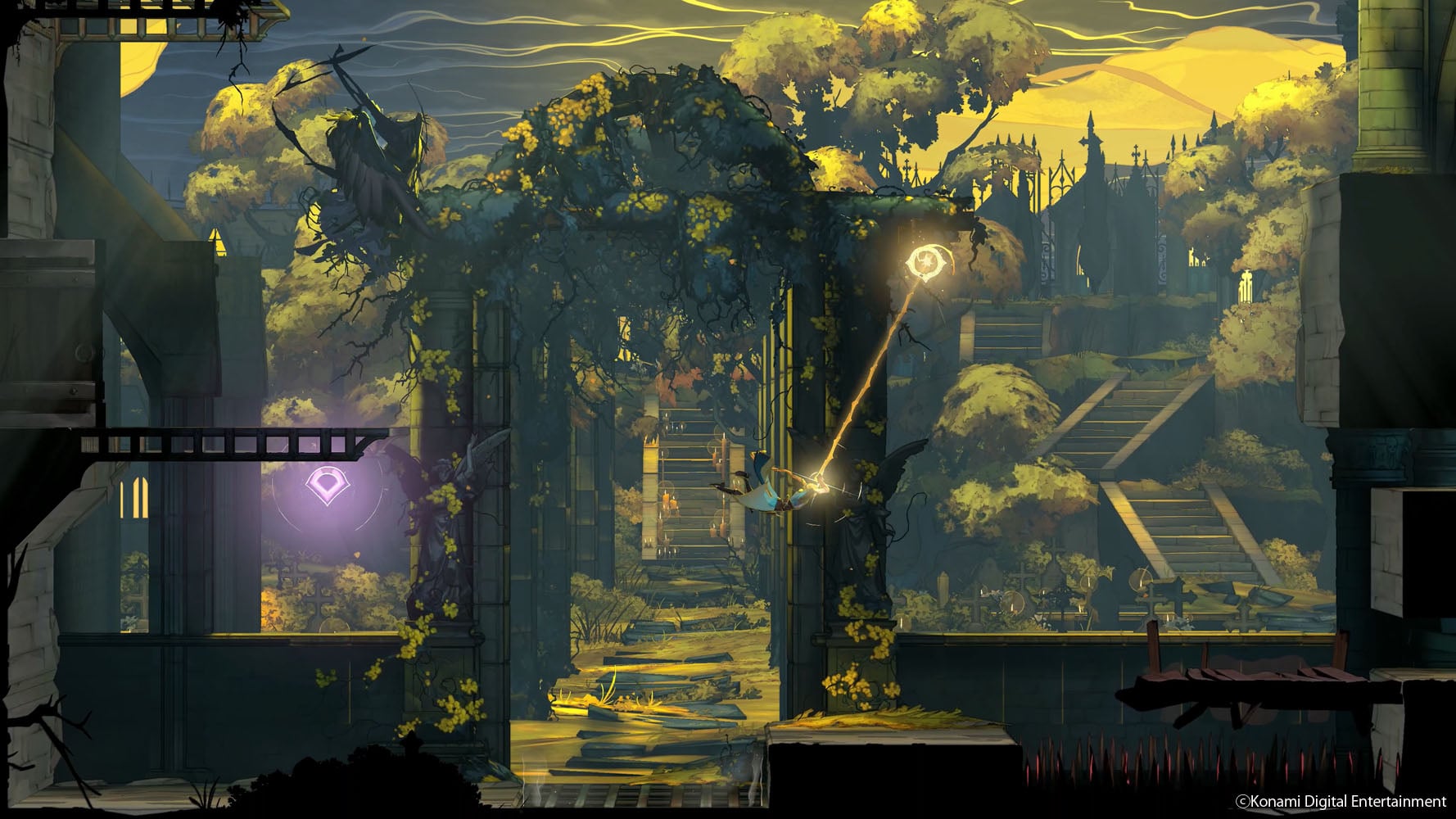
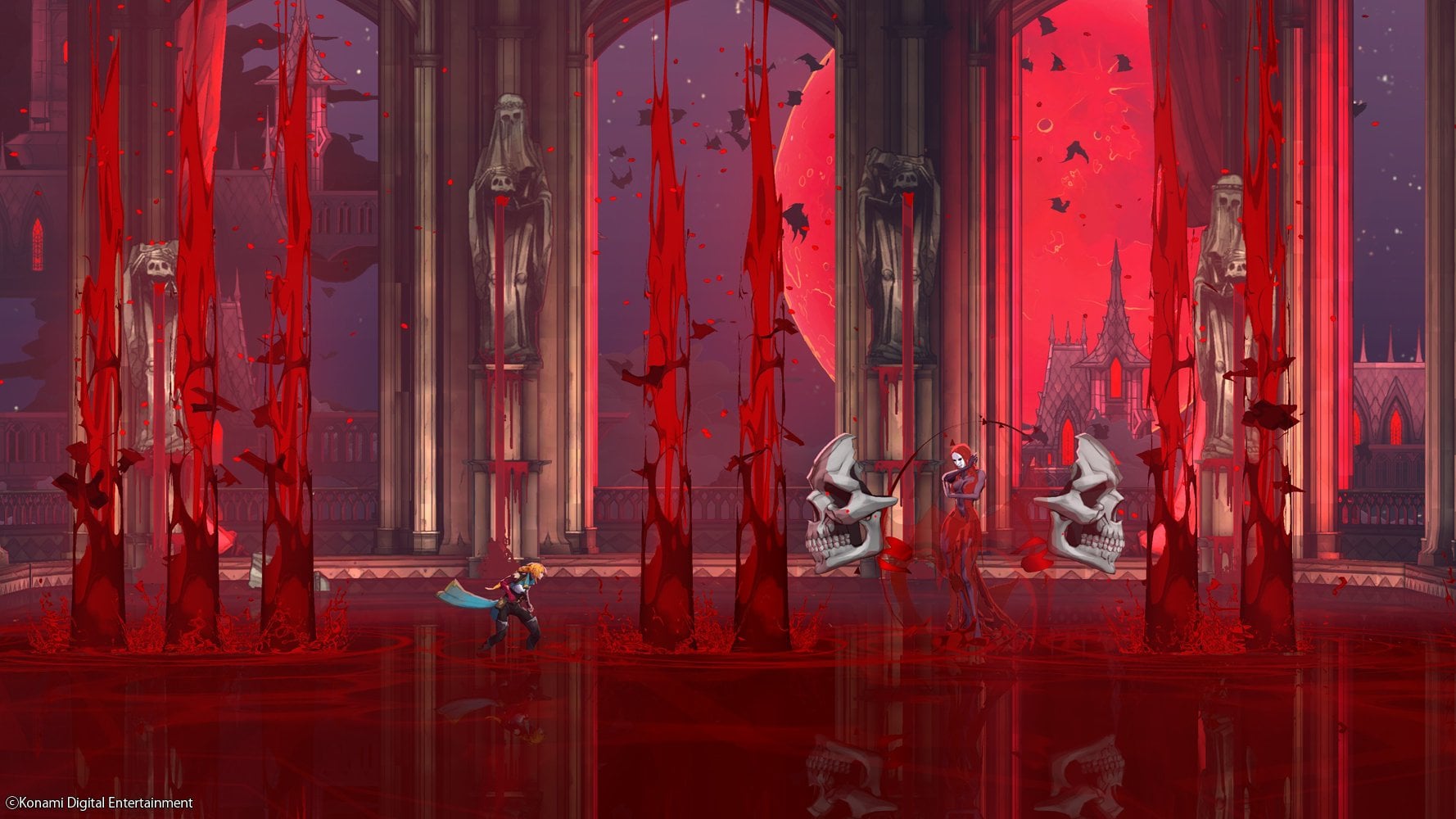
Combat is solid enough. You start off with a sword and can eventually unlock other types of weapon, such as a lance, dual swords, the series trademark whip and even just bits of hard leather to wrap around your fists. Each offers a different feel but, being completely honest, I spent most of the game using the standard sword (and the upgraded, more powerful versions that follow later), and never really felt the need to change much.
The same goes for the Arcanas, a series of magic spells you can collect by defeating notable enemies. There are around 15 of these to collect over time, but I found myself using the Holy Cross (the boomerang-like item from the original NES game) most of the time. That’s not to say that switching things up isn’t fun, it just never feels essential to survival.
Speaking of survival, expect to die a lot in this game (and not just because you’re too stubborn to change your weapons). The bosses have been tuned to hand your arse to you until you manage to figure out their patterns, and even then they often put up a hell of a challenge.
Frustratingly, each time they kill you (or any time you die elsewhere in the game), you respawn in the last Save Room you used – these are usually a number of rooms away, meaning you have to trek back to where you were, often forgetting the boss pattern along the way.
That’s not necessarily a huge criticism of the game, but it’s something you should be aware of. Castlevania games have never been a walk in the park but this one certainly feels like it’s been taking inspiration from the Soulslike genre when it should have been paying attention to other Metroidvanias instead.
“Castlevania games have never been a walk in the park but this one certainly feels like it’s been taking inspiration from the Soulslike genre when it should have been paying attention to other Metroidvanias instead.”
There are also a number of game modifiers you can mess around with in the Settings if you feel the game is too difficult. Some of these are subtle – you can increase the number of health potions you can carry, or make it so that when a boss kills you, you spawn at their door instead of the Save Room for a quicker rematch.
Others are down to your own personal taste. The amount of damage dealt, damage received and experience gained are all on sliders, allowing you to go as far as dealing 5x damage and gaining 3x experience, or bring that down if you want to be more subtle.
Finally, as if anticipating backlash to the difficulty, the game also has a ‘prevent death’ option, which basically makes you invincible and lets you churn your way through all enemies and bosses, focusing only on navigating through the map and its platforming puzzles. It’s nice to have, but perhaps a tad extreme.
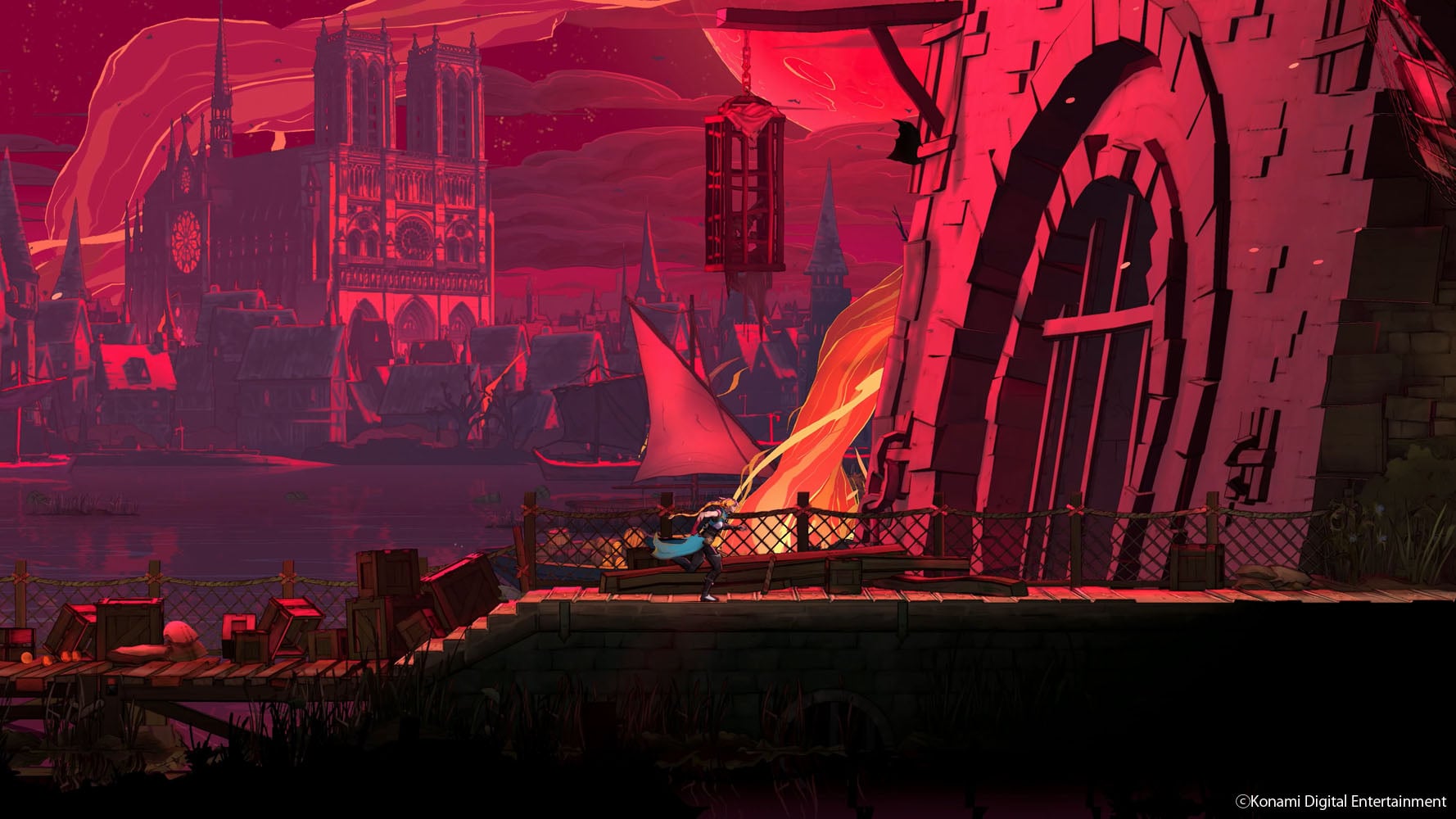
Difficulty aside, the map itself doesn’t feel hugely enticing. It has some well designed sections, and some fiendishly tricky bits – often involving a combination of your grapple whip and your unlockable ability to make certain blocks appear and disappear by holding a button – but exploring it rarely feels exhilarating, and most of the time you just feel like you’re trying to find the bits that haven’t been uncovered yet.
In all, Castlevania: Belmont’s Curse looks and sounds phenomenal at times, but its core mechanics do nothing to push the boat out and will be all-too familiar to Metroidvania fans who will have played numerous better examples of the genre in the past 13 years.
The fact that the Metroidvania landscape is now very different to what it was in 2013 means there’s never been a wider range of alternatives, meaning Belmont’s Curse had to up its game to compete. While it manages this in terms of visual and audio, the gameplay feels too well-trodden to recommend it over any of the titles mentioned at the top of this review.
Enthusiasts of the genre will absolutely still Belmont’s Curse, and Castlevania fans will get a kick out of the new lore (including some surprising nods to previous games). But its by-the-books gameplay makes it unlikely to trouble anyone’s list of the best Castlevania games ever, meaning it’ll have to settle for being considered a solid but safe entry in the series.
Castlevania: Belmont's Curse Review
It's great to see a new side-scrolling Castlevania game after all these years, but the genre has evolved and thrived in the series' absence, and Belmont's Curse finds itself in a world where there are a wealth of solid alternatives. While it looks and sounds excellent, the core gameplay hasn't evolved alongside it, making it feel rather outdated. That's not a terrible thing, it's still fun enough, but stands-out moments are few and far between as a result.
- Art style is outstanding
- A fantastic soundtrack, combining moody new tracks and returning favourites
- The are some nice platforming segments making use of unlocked abilities
- Lots of difficulty modifiers to tweak
- Gameplay doesn't feel original enough
- Default difficult may frustrate, especially the bosses
- Exploring the map feels like box-ticking