Xbox says Project Helix is a console that can play PC games, not a PC that can play console games
A focus on neural rendering is also intended to offset constantly increasing costs

Xbox has shared more information on its upcoming Project Helix, stressing that it sees the device as a console first and foremost.
In an interview in a special in-house magazine designed to celebrate 25 years of Xbox, Jason Ronald – Xbox’s vice president of next generation – was asked about the vision behind project Helix.
Ronald confirmed again that Helix would be able to play PC games, but stressed that it is designed to be a console with the ability to play PC games, rather than a PC which offers backwards compatibility to play old console games.
“We’re very clear on the design goal,” Ronald said. “Helix is designed to be a console that is also capable of playing games from your PC. It is not a PC that can also play console games.
“The goal is making it easy, intuitive, and instant to access my games. But if you’re a hardcore gamer or a power user who wants to have that deeper level of customizability across settings and performance options, you can absolutely go do it.”
He added: “When we think about Project Helix, it’s really designed to be the ultimate gaming machine – one that removes all the barriers of play that have historically existed.
“My entire library is accessible to me. I’m able to bring four generations of my Xbox library and progression with me and have it available instantly. And we remove the arbitrary constraints between console and PC games.”
Ronald explained that the console experience is one of the most important aspects of getting Helix right, saying: “When I think about what makes a console magical, it’s that it just makes my games instantly accessible and ready to play in an instant.
“I don’t have to worry about updating my operating system, updating drivers, configuring different settings – things like that. The hardware and the experience is entirely designed around playing games.”
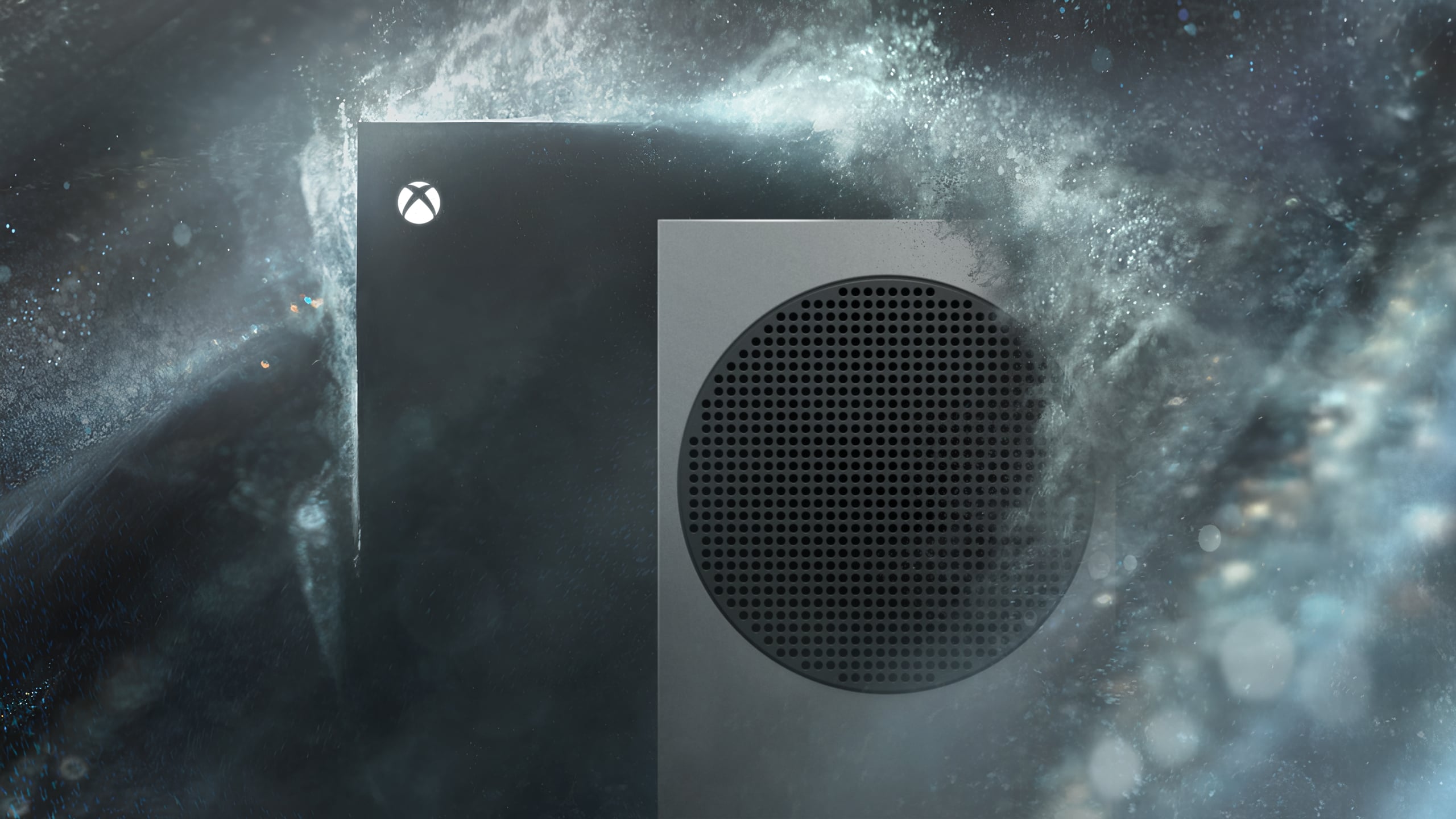
Elsewhere in the interview, Ronald addressed the ongoing component crisis, explaining that Xbox was looking to techniques like neural rendering to produce better performance while trying to keep costs as low as possible.
“It’s definitely a challenging time, but as a system and a platform designer, it’s also one of the most exciting times, because we have to invent entirely new technology to continue to advance the state-of-the-art while also continuing to make things accessible and affordable,” he explained.
“This is a big reason why we’re really focused on advancements like neural rendering, because it’s an entirely new way to generate a frame without requiring more computational horsepower, additional memory, and things like that. I think you’re going to see more innovation over the next three to five years than you’ve seen in the last 10 years.”
While the term ‘neural rendering’ has seen headlines in recent months due to the controversial feature introduced with Nvidia‘s DLSS 5 which changes the appearance of in-game characters, the term can also be used to cover other forms of post-processing such as upscaling, frame generation or ray tracing.