When digital becomes the default, what happens to consumer choice?
SPONSORED: The disc may be disappearing, but consumer choice shouldn’t disappear with it
This is a sponsored post in partnership with G2A.COM. For more information read our sponsored content policy.
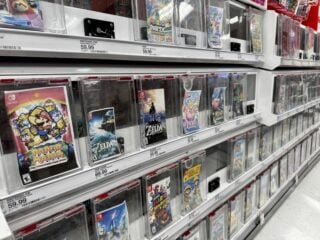
The games market is becoming increasingly digital. But the decline of discs does not necessarily mean the decline of consumer choice. Instead, that choice is moving somewhere else.
For years, the most visible decision when buying a game was whether to pick up a physical copy or download it. As physical releases become less common, that distinction is beginning to matter less. The more important question is what choice looks like once digital becomes the default: where people buy, which offer they choose, what they pay, how they pay and how they access their purchase.
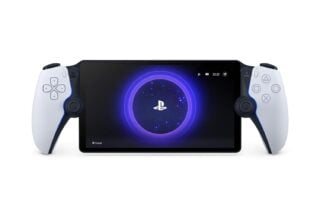
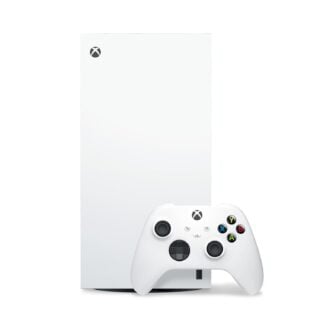
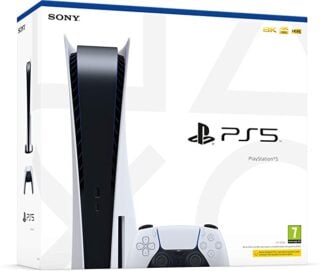
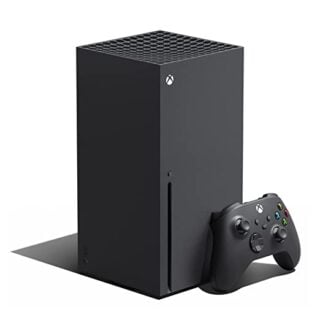
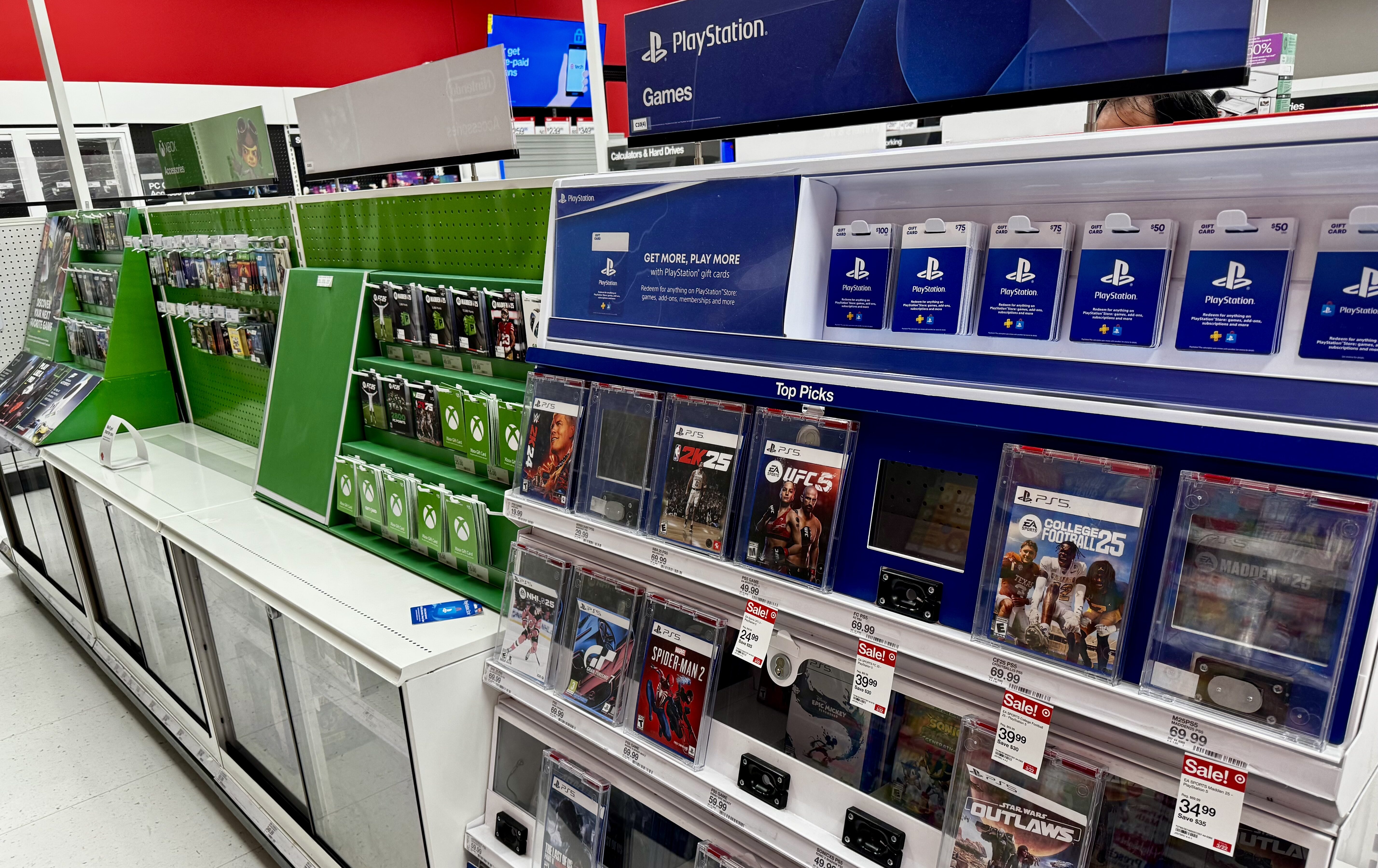
Most disc-based games are currently sold on PS5, while Microsoft has also been steadily moving away from physical media through disc-free hardware and digital-first initiatives. Major releases are increasingly reflecting the same direction. Grand Theft Auto VI, for example, will not be released on a traditional game disc. Its boxed retail edition instead contains a code for a digital download.
That might suggest a fairly straightforward future: physical declines, digital takes over, and players simply move with it.
But consumer preferences are not becoming equally one-sided. G2A.COM research among more than 2,000 marketplace users found that, when asked about their preferred format for major AAA releases such as GTA VI, 38% chose a digital download and 27% a physical disc. The remaining 35% either expressed no preference or said they did not plan to buy the title.
The research suggests that the transition to digital is not creating one type of consumer. Quite the opposite: as access becomes increasingly digital, expectations around how, where and on what terms people buy are becoming more diverse.
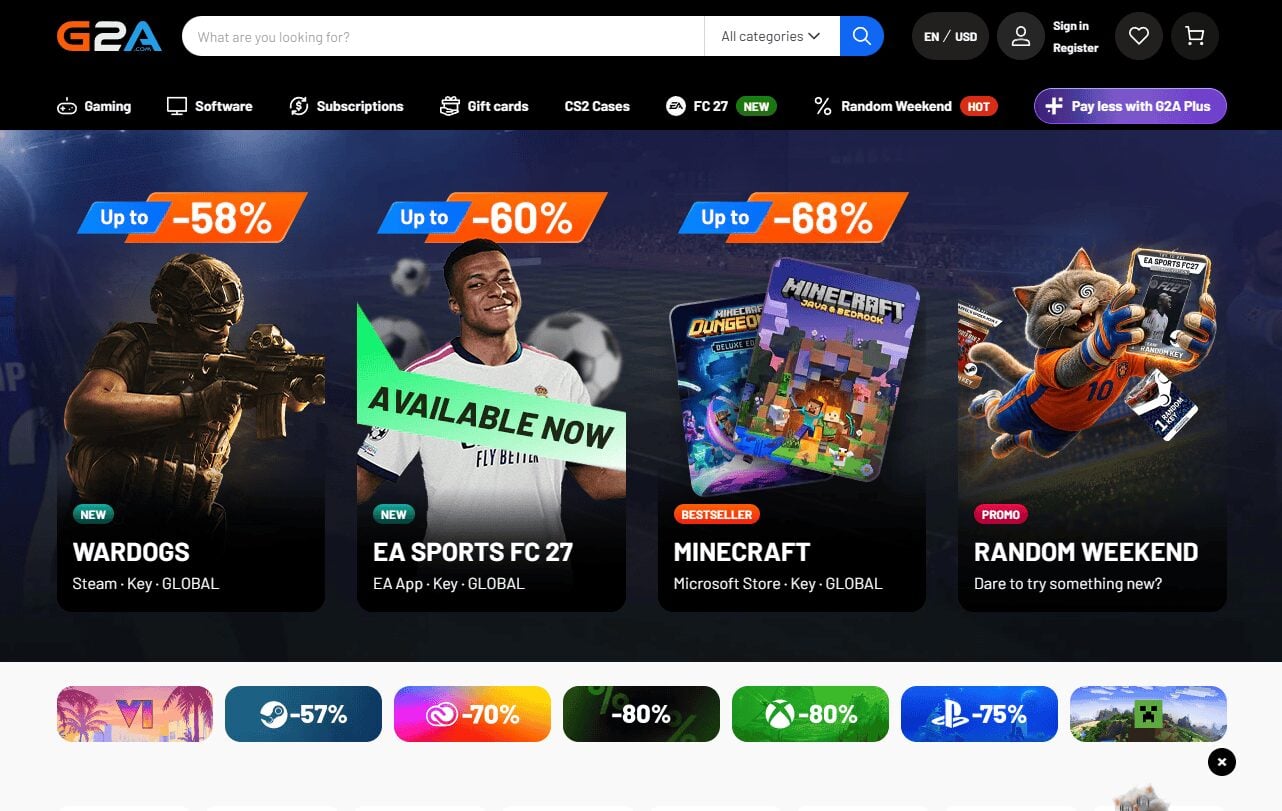
Consumers may broadly prefer digital access but still want flexibility around the offer, platform, price and payment method that works best for them.
Digital game libraries have obvious advantages. They’re neatly organized, there’s no need to fill your living space with cases, and you’ll get access to your purchased game within minutes, internet speed allowing. Even if you do have a physical copy of a game and the full game is on the disc, you’ll still have to install it to your console’s hard drive and probably download some game updates. Digital is an undeniably more direct, faster way to access games.
That convenience and immediacy help explain why digital has become the standard across so much of the games market. But as digital becomes more established, the question is increasingly less about whether consumers will use it and more about how much choice they still expect around the purchase itself.
PC gaming offers a useful indication of where the broader market may be heading. The PC market has been predominantly digital for years, yet the decline of physical media has not meant the disappearance of consumer choice.
Instead, that choice has moved elsewhere. Players can choose between different storefronts, marketplaces, offers, subscription models and payment options. Digitalization has not eliminated choice; it has changed its dimensions.
The key difference, if you will, is that PC games aren’t limited to one storefront. Larger publishers often have their own PC storefronts, while players can also choose from a wide range of digital storefronts and marketplaces. That variety is part of what makes the PC ecosystem so flexible. And that may be a useful indication of where the broader market is heading.
Digital marketplaces such as G2A.COM play an increasingly important role in this environment by giving consumers access to offers from multiple sellers in one place. The value of a marketplace is not simply digital access itself, but the ability to compare and choose between different offers, prices and payment options.
That becomes increasingly important in a mature digital market. As physical versus digital stops being the main dividing line, consumer choice shifts further into the digital ecosystem itself: which seller to buy from, which offer to choose, how to pay and what type of access works best for the individual player.
Trust is an important part of that equation too. G2A.COM is a global digital marketplace connecting buyers with verified business sellers. Every seller goes through a verification process before being allowed to sell on the platform. In an increasingly mature digital market, choice has to be accompanied by confidence in the environment in which that choice takes place.
The shift to digital does not mean physical elements no longer matter. In G2A.COM‘s survey, 59% of respondents said extras associated with physical editions, such as steelbooks or art books, could influence their purchasing decision. That does not necessarily point to a return to physical distribution. Instead, physical elements may increasingly complement digital access through collector’s editions, merchandise and other products that extend the experience beyond the game itself.
It is another reminder that consumers define value differently – and that even in a digital-first market, they still expect options.
Now, collectors of game merchandise who like to decorate their shelves, may increasingly turn to specialist publishers and limited-edition releases that offer unique physical media and collectibles to supplement the game experience, taking it out of the TV or monitor and into the real world.
GTA VI may be one of the clearest examples. It is shaping up to be one of the most anticipated gaming releases of the decade, but that level of hype does not make consumer behaviour any less nuanced. Even around a launch of this scale, players still weigh factors such as price, flexibility and the freedom to choose the option that works best for them. Excitement does not override practical considerations.
The future of gaming is increasingly digital. But the future of digital gaming should not be about funnelling every consumer into a single way of buying. It should be about giving people more ways to discover, compare and access digital entertainment on the terms that work for them.
The disc may be disappearing. Consumer choice shouldn’t disappear with it.