Tomodachi Life doesn’t support Switch 2’s ‘handheld mode boost’ because it runs at 1080p in handheld, Nintendo says
The Switch game will get a resolution boost on Switch 2 with the touchscreen still active
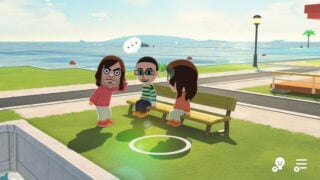
Nintendo says its recently added ‘Handheld Mode Boost’ mode for Switch 2 won’t be supported by Tomodachi Life: Living the Dream, because it includes the same benefits already.
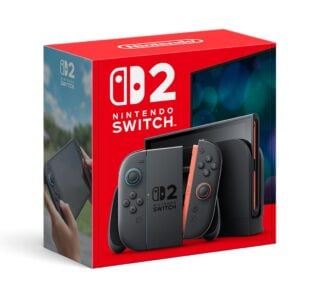
Last month Switch 2 received a system update which added a new Handheld Mode Boost feature, one of the most common requests among players.
When the original Switch plays games while docked to a TV, it runs them at 1080p, but when playing in handheld mode it drops this to 720 to match the Switch’s native display resolution and to save on battery life.
Because Switch 2 has a 1080p screen and is more powerful, since launch players have been asking for an option to run Switch games at ‘docked’ mode while playing on handheld in Switch 2.
This is exactly what the new Handheld Mode Boost does – by turning it on, players can essentially tell their Switch 2 to run Switch games in docked mode, even when played in handheld, ensuring the full 1080p output and processing power.
Because it’s running as if it’s a docked Switch, however, Handheld Mode Boost turns off the touch screen, meaning some games with touchscreen support require the player to turn off handheld boost for that particular title.
Now Nintendo has confirmed that Tomodachi Life: Living the Dream – its first release for the original Switch since Handheld Mode Boost was rolled out – will not support the new feature, because the game has a similar Switch 2 mode built-in.
“When playing Tomodachi Life: Living the Dream in handheld mode on the Nintendo Switch 2, you can play at a higher resolution (1080p) than using handheld mode on Nintendo Switch, regardless of whether Handheld Mode Boost is enabled or disabled,” Nintendo said. “For that reason, this game does not support Handheld Mode Boost.”
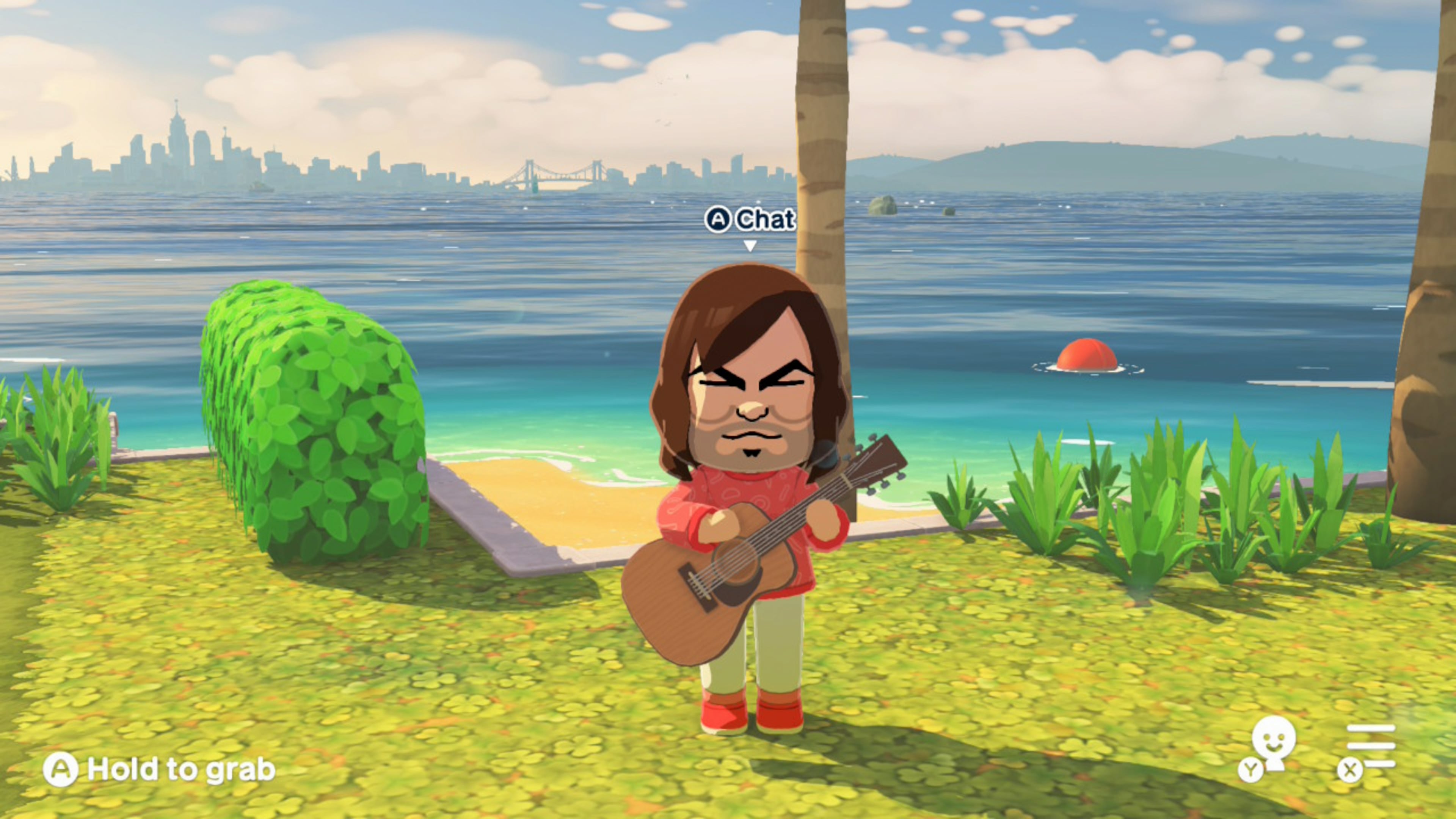
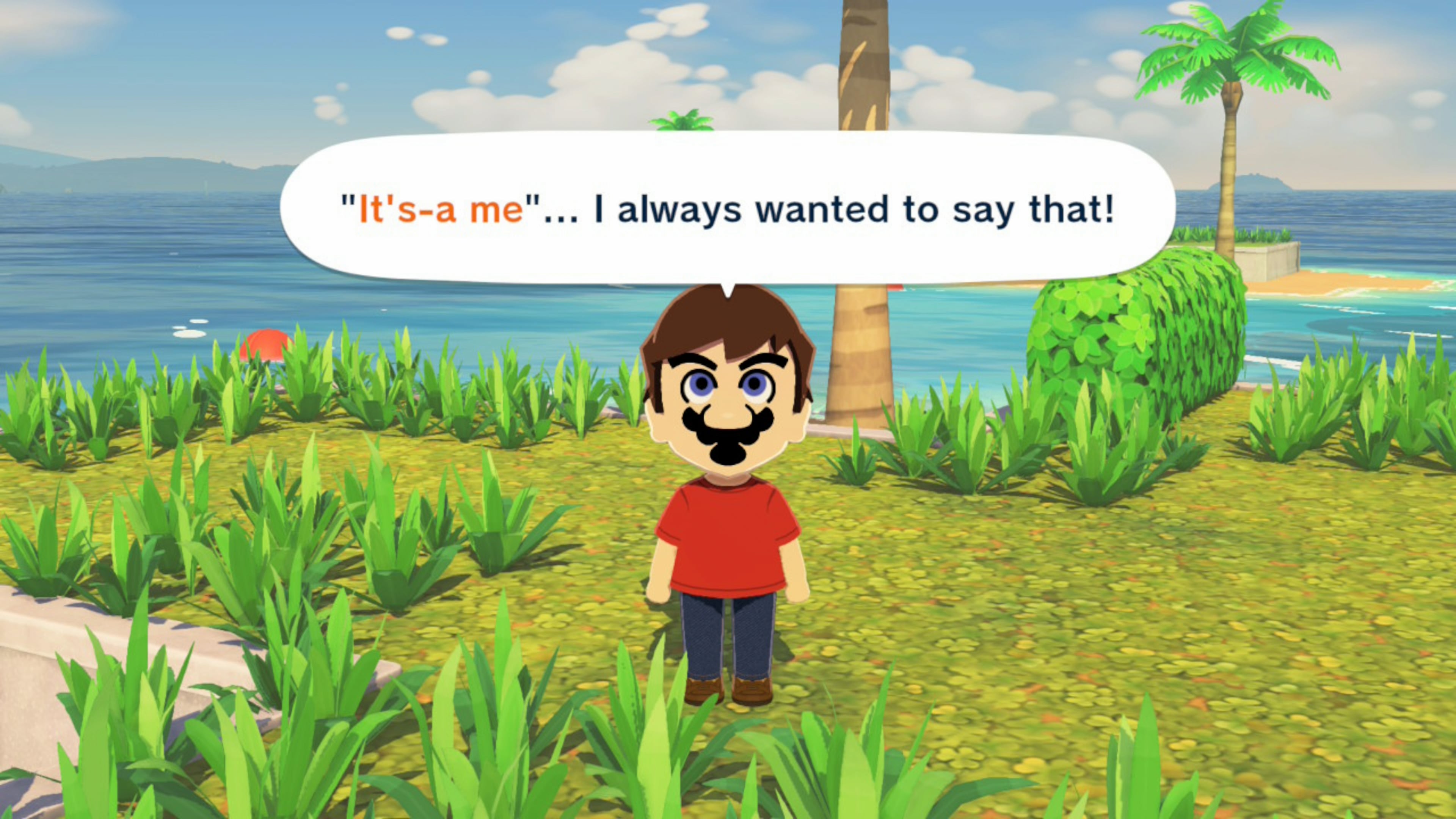
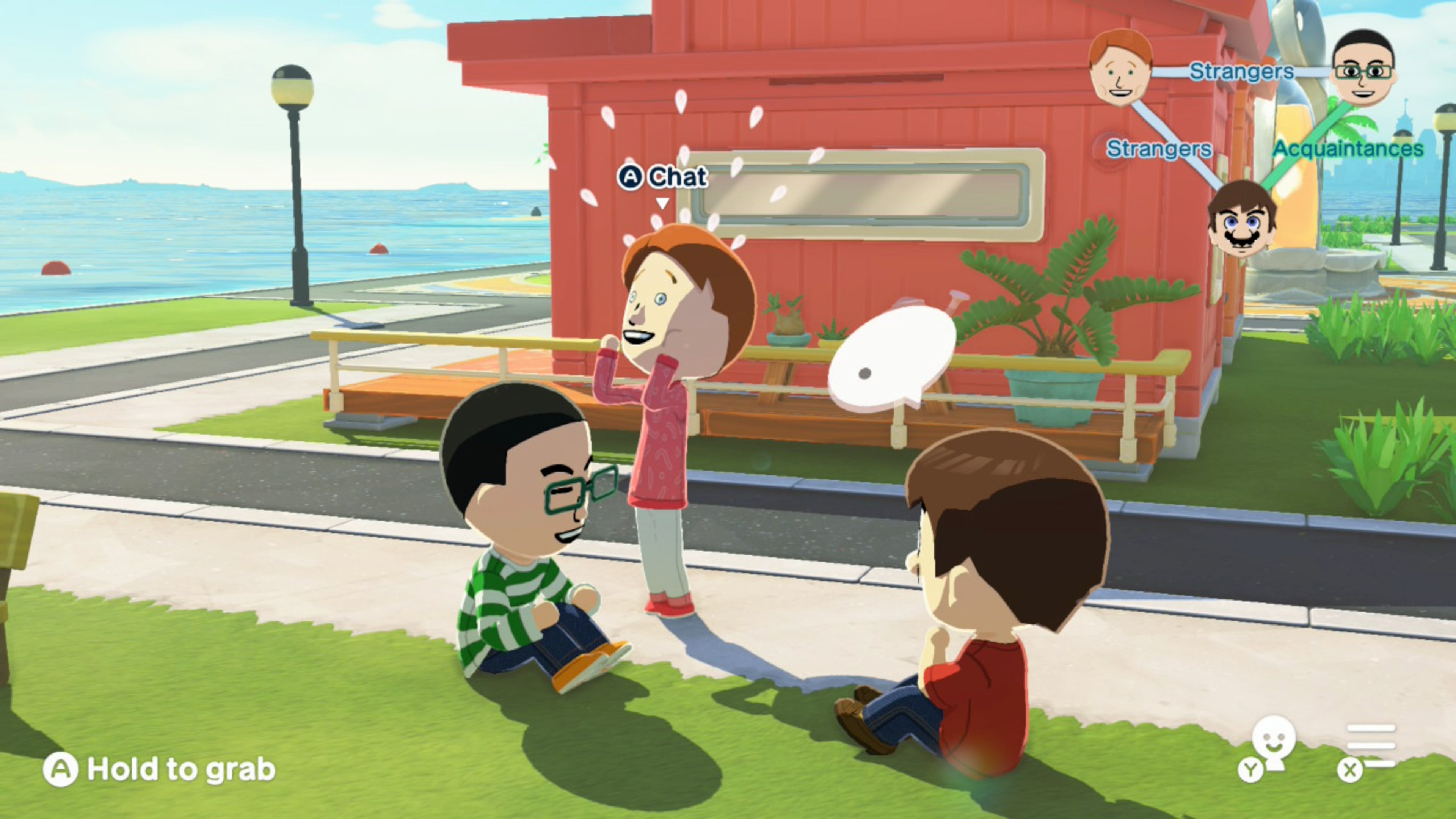
While it may initially appear that this is an arbitrary move since it’s essentially doing what Handheld Mode Boost would have done anyway, the main difference is that because the game applies it natively the touchscreen is still enabled, allowing players to use it for the game’s design features and Mii creation.
Nintendo notes that while the demo version of Tomodachi Life currently available does support Handheld Mode Boost, it’s not supposed to, and a patch is coming which will turn it off for that game.
“Handheld Mode Boost can be enabled while playing the Tomodachi Life: Living the Dream – Welcome Version demo, but you will not be able to use the touch screen,” it said.
“We recommend playing the demo version with Handheld Mode Boost disabled, as you will still be able to play at the higher resolution and use the touch screen. After the next system update, Handheld Mode Boost will no longer be applied to the demo version.”