‘They’re completely wrong’: Nvidia CEO responds to widespread criticism of DLSS 5
Jensen Huang claims the controversial DLSS update “doesn’t change the artistic control” of developers

Nvidia CEO Jensen Huang has deflected widespread criticism of DLSS 5, claiming that detractors of the AI technology are “completely wrong”.
On Monday, the technology giant launched the latest iteration of its machine learning tech. This time, instead of improving game resolution or frame rate, DLSS 5 uses an AI model to alter the visuals of supported games running on Nvidia graphics cards, adding what it calls “photoreal lighting and materials”.
However, the announcement was met with widespread criticism from players and games industry professionals, partly because DLSS 5 seemingly drastically alters the original art direction of its supported games.
At a press Q&A with Tom’s Hardware at GTC 2026, Nvidia CEO Jensen Huang has now downplayed criticism of DLSS 5 and claimed that developers will have full control over its implementation in their games.
“Well, first of all, they’re completely wrong,” the CEO said. “The reason for that is because, as I have explained very carefully, DLSS 5 fuses controllability of the of geometry and textures and everything about the game with generative AI.”
He added that developers can “fine-tune the generative AI” to make it match their game’s visual style, claiming that DLSS 5 adds generative capability to existing game geometry, but that it “doesn’t change the artistic control.”
“It’s not post-processing, it’s not post-processing at the frame level, it’s generative control at the geometry level,” he said.
“All of that is in the control — direct control — of the game developer,” he said. This is very different than generative AI; it’s content-control generative AI. That’s why we call it neural rendering.”
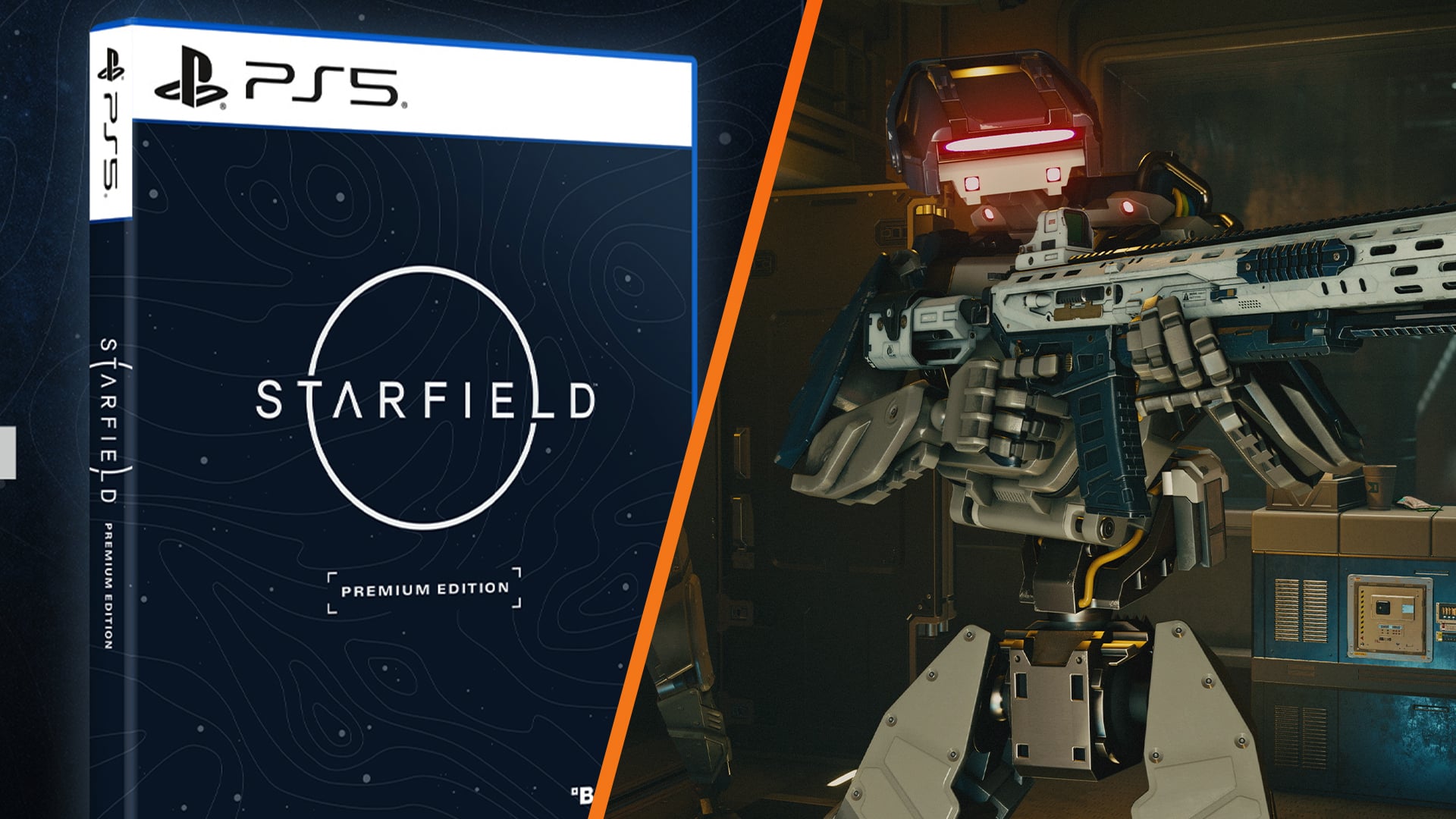
DLSS 5 will arrive this fall. In an announcement video, the tech is shown drastically altering the appearance of characters and environments in games such as Resident Evil Requiem, Starfield, and Assassin’s Creed Shadows.
Steve Karolewics, a rendering engineer at Respawn, was one of those who criticised DLSS 5’s announcement on social media. “DLSS 5 looks like an overbearing contrast, sharpness, and airbrush filter,” he wrote. “Remarkably different frames with the rationale of photo-real lighting? Nah, I think I’ll stick with the original artistic intent.”
Nvidia moved to address criticism from players in the comments section of its YouTube announcement video on Monday, writing: “Important to note with this technology advance – game developers have full, detailed artistic control over DLSS 5’s effects to ensure they maintain their game’s unique aesthetic.
“The SDK includes things like intensity, color grading and masking off places where the effect shouldn’t be applied. It’s not a filter – DLSS 5 inputs the game’s color and motion vectors for each frame into the model, anchoring the output in the source 3D content.”