The next Zelda game could be partly inspired by a recent spin-off, hints series boss Aonuma
The Legend of Zelda series will celebrate its 40th anniversary next year
The Legend of Zelda producer, Eiji Aonuma, has hinted that the next Zelda entry could be inspired by elements of Koei Tecmo’s action spin-off, Hyrule Warriors: Age of Imprisonment.
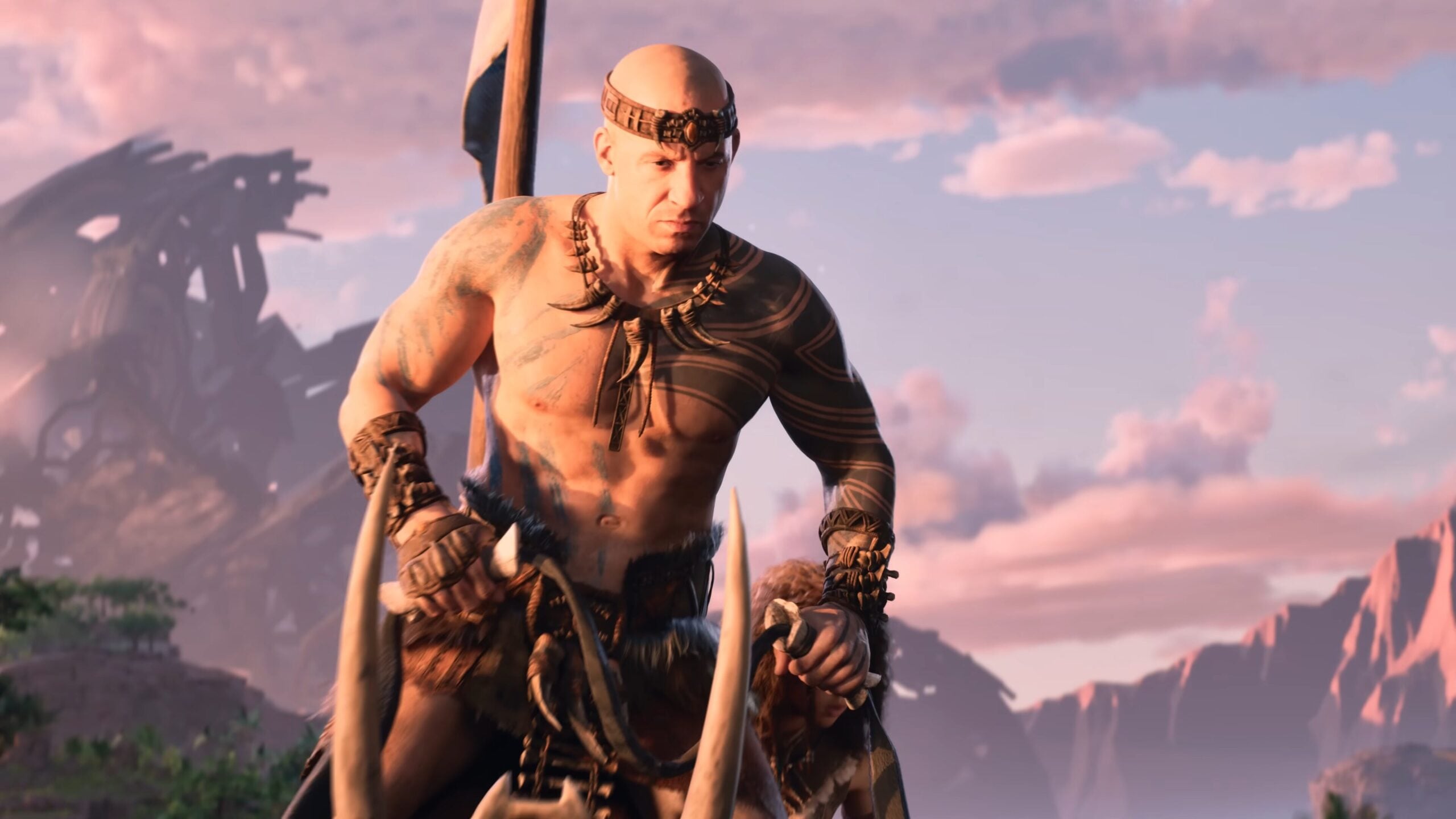
Released for Switch 2 last month, Age of Imprisonment is the third full entry in the Hyrule Warriors series, which combines the setting of The Legend of Zelda with the gameplay of Koei Tecmo’s Dynasty Warriors action games.
Age of Imprisonment retells historical events from the Zelda timeline, with fast-paced hack-and-slash combat, and the ability to switch between multiple characters.
In a new interview with Japanese site 4Gamer, Zelda boss Aonuma shared some hints on what players can expect from the next game in the series, and suggested it might be inspired by elements of Imprisonment.
“Hyrule Warriors: Age of Imprisonment is the first Zelda title on Nintendo Switch 2. To be honest, we wanted to be the ones to release the ‘first’ one ourselves (laughs),” he said.
“Still, the inspiration we’ve gained from collaborating with Koei Tecmo like this may be reflected in the next Zelda we create. As you play Hyrule Warriors: Age of Imprisonment, we hope you’ll imagine those possibilities and look forward to our Zelda.”

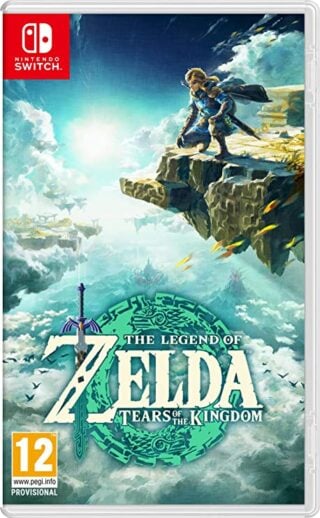
2026 will mark the 40th anniversary of the Zelda series. The last mainline Zelda entry, Tears of the Kingdom, was released in 2023, while the last 2D version came out just last year, so 2026 will likely be too soon for a new game in the traditional sense.
However, Nintendo has several Zelda projects in the works outside of video games, including the live-action movie (due for release in 2027) and a new Lego set.
VGC wrote in our Hyrule Warriors: Age of Imprisonment review: “Age of Imprisonment may be the most serious of the Hyrule Warriors games to date, but it’s also the one with the most engaging and rewarding combat.
“Fans of Tears of the Kingdom may be annoyed to see an essential retelling of part of its story, but the side-plots add more depth to make up for this to some extent.”