Splatoon Raiders was originally going to be a tower defence game but it ‘lost its Splatoon-ness’, devs say
“We couldn’t recreate that feeling”, says producer Seita Inoue
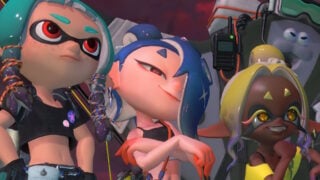
Splatoon Raiders was originally going to play very differently, until developers realised it had lost the essence of what made a Splatoon game.
As revealed in the latest Ask the Developer interview on the official Nintendo website, the game was originally designed to be a tower defence game, where players placed units on the map to attack enemies for them.
The aim was recreate the co-op Salmon Run stages from the main Splatoon games, but change them to make them playable solo, so the developers started off with the idea of dropping traps around the stage, to replace the missing co-op partners.
“Salmonids in Salmon Run are designed with four-player co-op in mind, so dealing with them alone would be extremely difficult,” director Yoshihiko Ito explained. “So the first thing we tried was building gameplay around placing traps. The idea was to place traps all over the place and fight alongside them.”
The interview showed early prototype footage of the game, in which the player is seen two small sentry gun devices on the ground, and watching as the guns kill a group of Salmonds approaching.
It quickly became clear to the development team, however, that the more hands-off approach of a tower defence game didn’t fit with the feel of Splatoon, which focused more on juggling attacks on enemies, strategic inking of the floor, and quick movement around the environment.
“We created a prototype where you place lots of traps and deal with waves of incoming Salmonids,” Ito recalled. “However, the more we explored, the more it felt like you were just building a fortress with lots of traps and then watching it play out. It didn’t really feel like a Splatoon game to us.”
When asked by the interviewer if the prototype had “lost its ‘Splatoon-ness'”, Ito replied: “That’s right. In Splatoon games, you perform loads of different actions within a short period of time – fighting enemies, inking the ground, changing in and out of squid form, jumping from one place to another, and so on.
“We think the intensity of the action is one of the game’s key strengths. But when the core gameplay shifts to building a fortress and fighting off enemies, it becomes difficult to make the most of that strength.”
“A turning point”
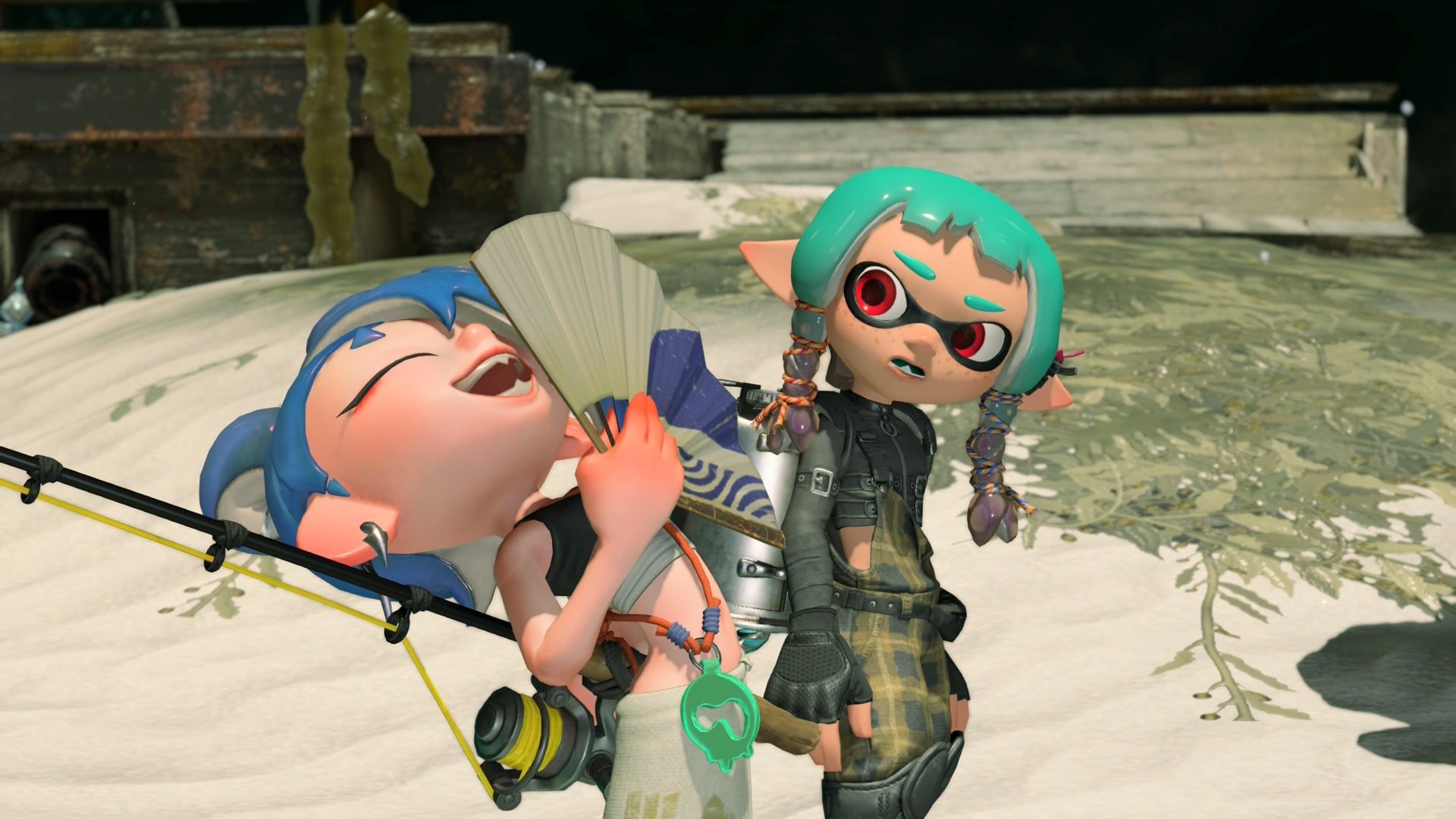
Producer Seita Inoue – who was art director on all three main Splatoon games – added: “When we look back at the early days of the series, at first, the fun came from the sense of unity between the player and the character through gyro controls on the Wii U GamePad, combined with the ink-shooting mechanics.
“Having now developed three titles in the series plus their DLCs, we’ve had both competitive and non-competitive gameplay, but no matter what, as long as there’s that strong sense of action and unity with the character and the ink, it always feels like you’re playing Splatoon. But with traps, we couldn’t recreate that feeling.”
Ito explained that the developers pivoted to a more hands-on action game, where the player took on all the enemies themselves, using a variety of gadgets to give them the edge.
“That realisation was a turning point for me,” he said. “From there, we made a major shift, away from gameplay centred on building a fortress to defend against enemies. We focused instead on expanding the range of actions available to the player to be more dynamic, so they can actively take down enemies themselves.
“As we organised ideas of how to expand players’ actions, the concept of ‘gadgets’ emerged. Players can equip gadgets to charge forward with power or leap high into the air, place gadgets that let you hover briefly above them, and so on. We designed it with the idea that players’ actions would differ depending on the gadget they use.”
Inoue added: “So we decided to build the gameplay around making use of multiple gadgets and weapons to take on large numbers of varied Salmonids, and it turned out to be the most hectic game screen I’ve ever seen.”
VGC’s Splatoon Raiders review calls it “a challenging, all-out action game”, adding that it “may be a one-trick pony, but it’s a thoroughbred”.
“Splatoon Raiders shows that Nintendo’s online multiplayer series works just as well in an offline solo setting,” we said. “It’s very much a game with a single, simple loop – shoot everything, die, upgrade, shoot everything again – but it delivers this loop with such engaging, enjoyable action that you don’t need to worry about repetition creeping in, you’ll happily open the front door and invite it in for dinner.”