RAM manufacturers have been sued for allegedly fixing prices and supply, leading to increased costs
The class action lawsuit claims Samsung, SK Hynix and Micron have been squeezing supply

The three largest RAM manufacturers in the world are being sued for allegedly fixing the supply and prices of memory.
The sharply rising cost of memory is widely attributed to demand for AI datacentres, with major vendors signing long-term deals with AI firms.
Now, as reported by Law360, a class action lawsuit – filed by a proposed class of individual and business consumers – accuses Samsung, SK Hynix and Micron of playing a large part in what’s being dubbed ‘RAMageddon’ by the media.
The complaint alleges that the three companies – which make almost all of the world’s supply of DRAM – have been working together to fix component prices while reducing supply.
It accuses the trio of reducing its supply of DDR3 and DDR4 RAM, leading to a sharp increase in price for consumers who use it, and focusing most of its production on HBM – a high-cost, high bandwidth form of 3D-stacked DRAM mainly used by AI datacentres instead of consumers.
“The DRAM oligopolists have simultaneously cut production, coordinated a pivot to HBM and exit from DDR3 and DDR4, and otherwise decreased and locked up conventional DRAM supply while prices charged up with mind-blowing scale and rapidity,” it claims.
It argues that as DRAM shortages led to prices rising, “still Samsung, SK Hynix and Micron continued to squeeze conventional DRAM supply, simultaneously and publicly directing their resources toward less-profitable-per-die HBM – or in some cases, simply junking conventional DRAM supply channels altogether”.
It also says the plan is working, as “consumer purchasers of conventional DRAM and devices incorporating it have paid supracompetitive prices and have otherwise suffered the impacts of a distorted market crippled by the behavior of DRAM oligopolists”.
It says that in a competitive market, “prices climbing at that rate pull supply toward them”, because at least one of the three should have seen the rising prices and decided to focus its output on that product, making its competitors either do the same or lose customers. “That did not happen,” it says.
The suit argues that the three companies have control over the DRAM supply and can’t be realistically challenged by anyone else, because the cost of building one DRAM fabrication plant can be tens of billions of dollars, and can take years to complete.
It also claims that even if a new company did try to challenge the trio, the process used to reliably manufacture chips “comprise decades of accumulated trade secrets”, and US export controls “bar the only other procedures, in China, from acquiring current-generation equipment”.
“The practical consequence is that when the three firms restrict supply, no outsider can expand output to undercut them,” it claims.
The lawsuit also notes that the companies were found guilty of price-fixing DRAM in the past. Back in 2005, Samsung agreed to plead guilty and pay a $300 million fine for participating in what the US Department of Justice referred to at the time as “an international conspiracy to fix prices in the DRAM market”.
Hynix also pleaded guilty at the time and was fined $185 million, while Micron reportedly avoided a fine by reporting the incident and working with prosecutors.
The suit notes that the three companies were also investigated by the Chinese government when prices spiked again between 2016 and 2018. “The conduct alleged here is the third such cycle in the same market, among the same firms,” it claims.
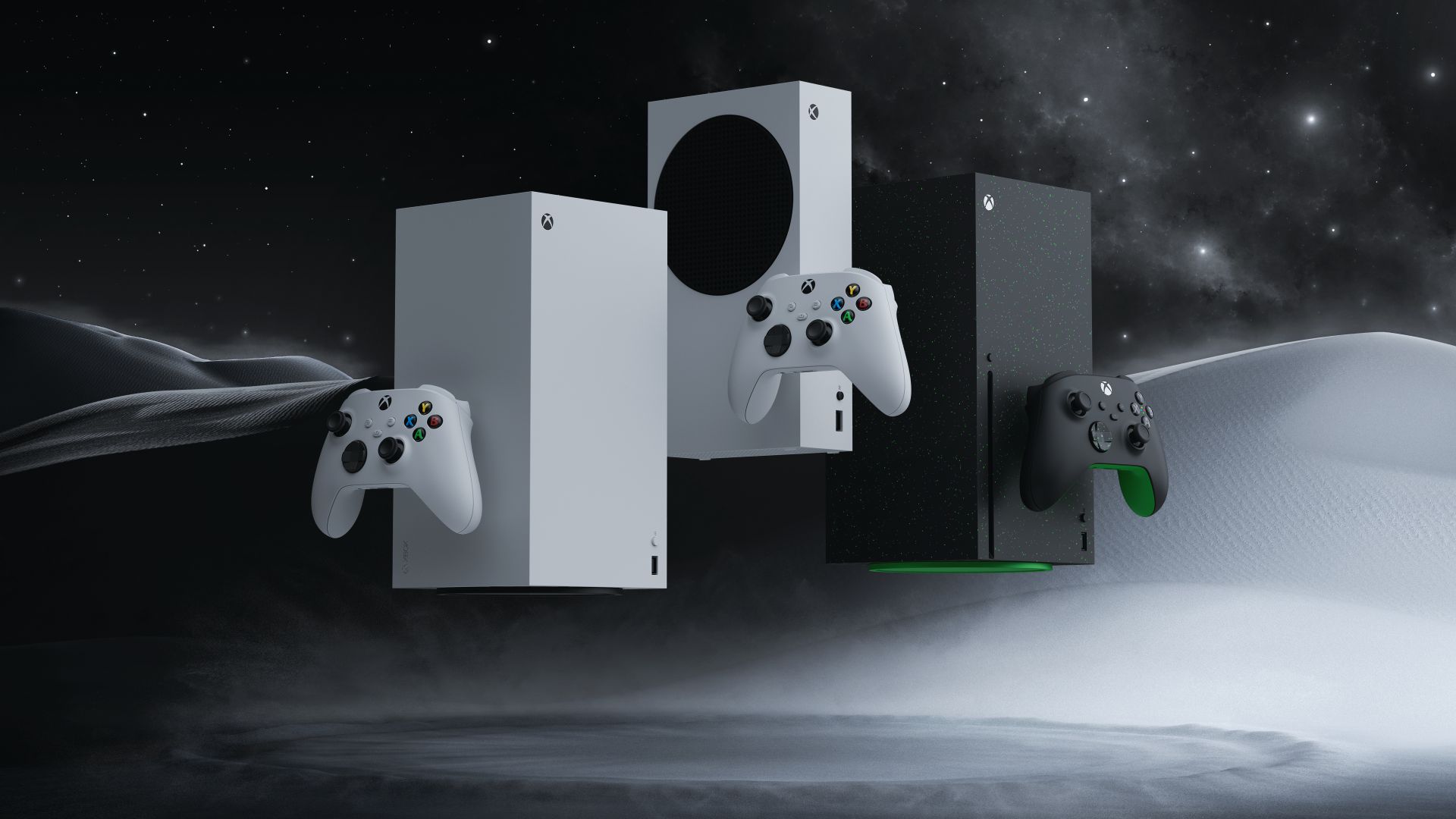
As the price of memory and storage continues to rise, practically every company using these components has been increasing the price of their products accordingly. Last week Microsoft raised the prices of its Xbox consoles by between $100 and $150, while Apple also raised prices across its hardware products on the same day.
Before that Valve confirmed its Steam Machine would retail for over $1,000, saying its “original goal for the price of Steam Machine is no longer viable”.
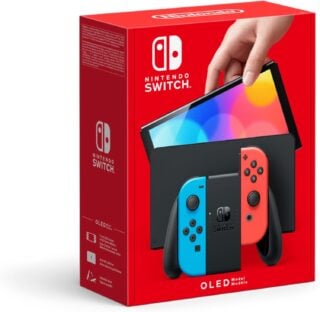
Sony and Nintendo have also increased the price of their hardware in recent months, and analysts suggest further increases could be on the horizon if the situation continues (as it appears it will).