Ocarina remake’s new art style was needed because something ‘expected’ would have had less impact, Aonuma says
The series producer says Zelda often switches from one art style to the next
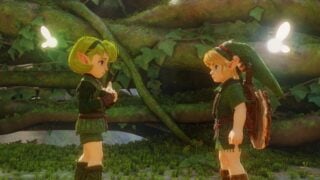
The Legend of Zelda series producer Eiji Aonuma has spoken about the decision to go with a new art style for the remake of Ocarina of Time.
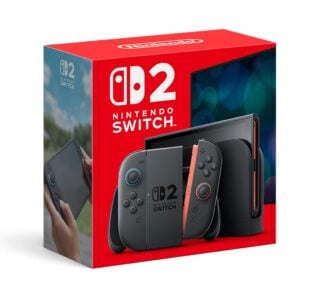
The Switch 2 exclusive, which is released today, has enjoyed universal critical acclaim, but when the gameplay was first revealed some fans were shocked by the art style, most notably the contrast between the detailed design of Link and the more simplistic appearance of NPCs (since confirmed to have been inspired by puppetry).
In an interview with Polygon, Aonuma was asked whether he felt the reaction to the Ocarina of Time remake had followed similar patterns with games such as The Wind Waker or Skyward Sword, which also had surprising art styles.
Aonuma replied that this was nothing new for the series, and that any time it makes sense to change the art style that opportunity should be taken, because it has a greater impact on the player than something ‘safer’ that they were expecting.
“I think something that’s kind of interesting about Zelda is you often have a very big graphical shift of art style from one title to the next,” Aonuma explained (via an interpreter).
“But for us, it’s all about finding the best fit, like what works well with the game and what we’re trying to do here. It’s not just change for change’s sake, of course.
“Now, you will have some similarities in games that are connected. So Breath of the Wild and Tears of the Kingdom have a connected story, so you would understand why they share a similar art style. But if you don’t have that connection, then it’s really about finding the expression that works best for what you’re trying to do there.
“And that art direction has to have its own unique feel. If it’s something that is expected, I think you’re losing a bit of an opportunity in terms of having an impact on the player.”
Nintendo gets surprised at its own art style changes too, Aonuma says
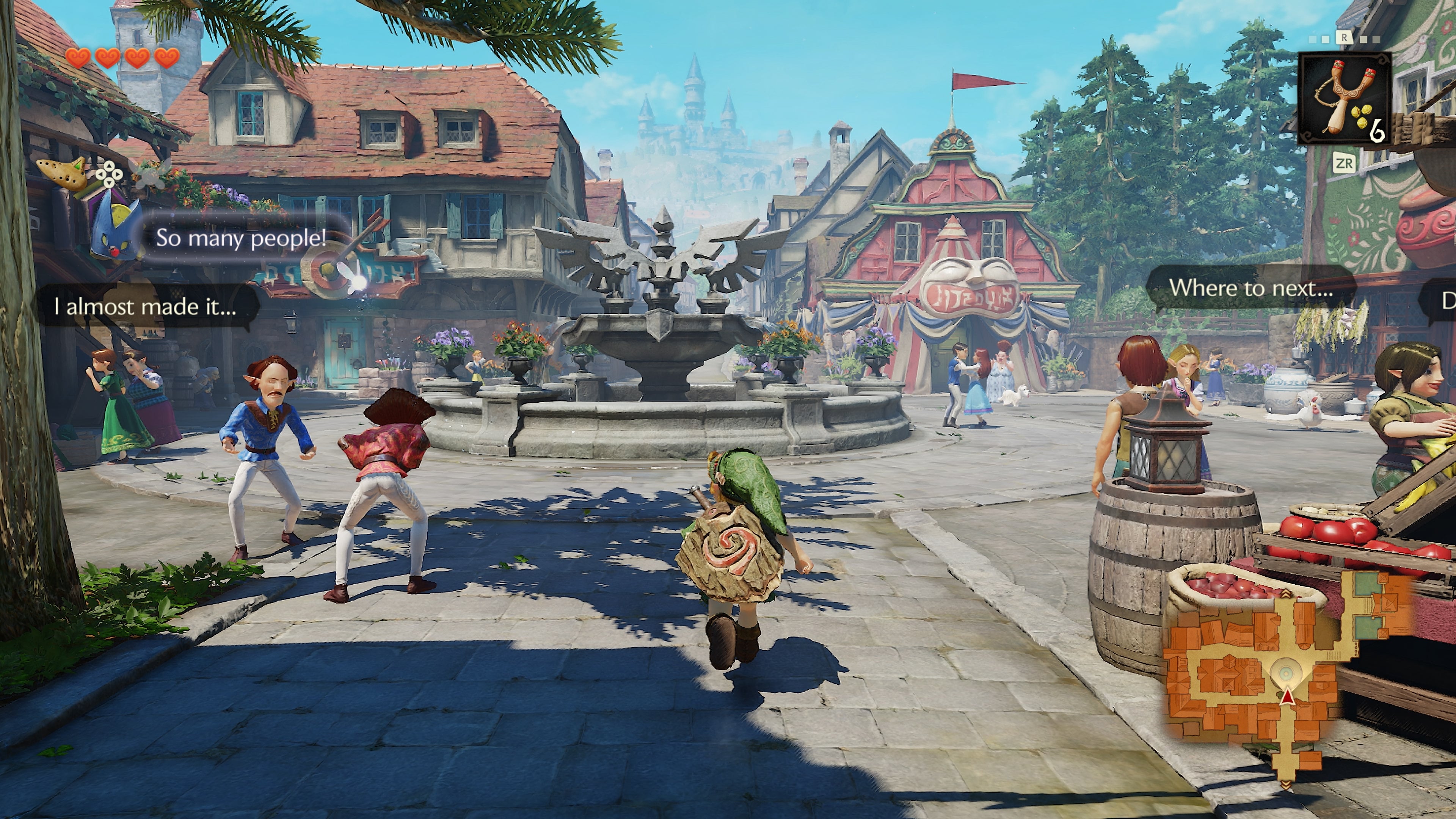
Aonuma added that the game’s own development team often react to new art styles with similar surprise, and go through the same process of getting used to it before realising it’s a good fit, so he understands it when players react the same way.
“For example, even ourselves, when we see a new art style for the very first time, sometimes we have that direct reaction of, like, ‘what!?'” he said. “And so we go through the same kind of cycle that you mentioned.
“First there’s a surprise moment, and then you get used to it. You really like it and you understand why it’s a good fit for this game’s unique qualities.
“So, if we can have other people experience that cycle as well, then I think surprise can be a good start for all of that. It’s all about finding the best fit and sometimes that’s a long road to finish that task.”
VGC’s Legend of Zelda: Ocarina of Time remake review gave the game five stars, praising Nintendo‘s decision to not completely overhaul the original but simply add “thoughtful modernizations” where relevant.
“The Legend of Zelda: Ocarina of Time’s Switch 2 remake is a remarkable restoration of one of gaming’s most beloved adventures,” we concluded. “Rather than reinventing a masterpiece, Nintendo has carefully refined what made it special, creating the definitive way for a new generation to discover it and returning players to fall in love all over again.”