Judge denies request from fired Rockstar employees to be paid while legal case is ongoing
The staff failed to show a “pretty good chance of success” in proving they were fired for starting a union, the judge said
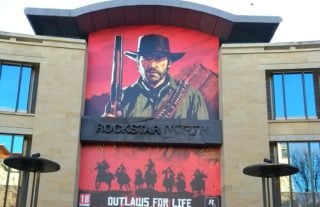
A UK judge has denied a request from a group of fired Rockstar employees to continue to be paid while their legal case is ongoing.
Late last year, the developer dismissed over 30 staff across its offices in the UK and Canada, stating only that they were let go due to “gross misconduct”.
The Independent Workers’ Union of Great Britain (IWGB) alleged that the employees were fired by the Take-Two company because they were part of an IWGB Game Workers Union channel on Discord and were either union members or attempting to organise a union at Rockstar.
Rockstar denied the claim, saying the staff were let go because they “discussed highly confidential information, including relating to game features from upcoming and unannounced titles, in an insecure and public social channel” which included “employees of competitor game developers, a video games industry journalist, as well as dozens of anonymous, unidentifiable members”.
A preliminary employment tribunal hearing started last week but the former workers and the IWGB have been delivered an early blow, with Judge Frances Eccles denying a request for interim relief (which would have put the fired staff back on Rockstar’s payroll until the case ends).
As reported by Bloomberg, Judge Eccles said the fired staff had to demonstrate a “pretty good chance of success” that they would persuade the court that they were dismissed for starting a union, and that they had not yet demonstrated this.
Despite this initial setback for the group, this doesn’t necessarily mean that the final hearing will go in Rockstar’s favour – it just means the case isn’t overwhelmingly likely to go in the IWGB’s favour.
In a statement provided to VGC, Rockstar said: “The Glasgow Employment Tribunal has rejected the union’s application for interim relief. We welcome the decision, which is consistent with Rockstar’s position throughout. We regret that we were put in a position where dismissals were necessary, but we stand by our course of action as supported by the outcome of this hearing.”
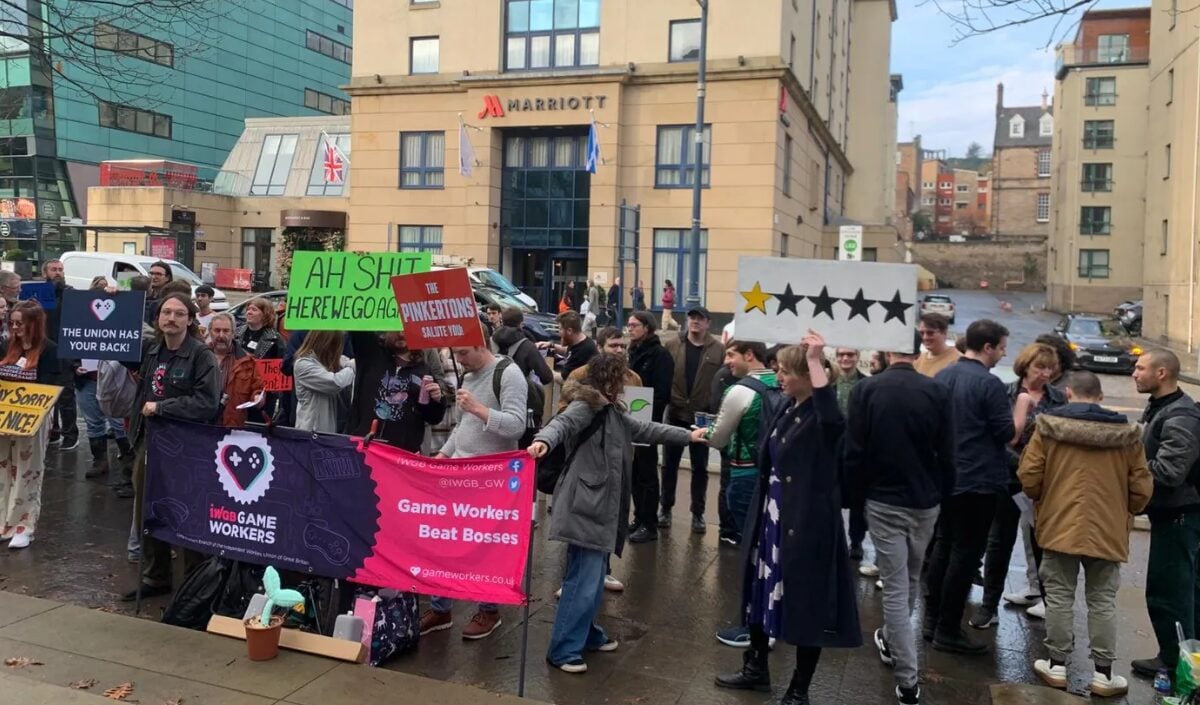
In their ruling, the judge noted that there valid points made on either side of the argument, and that some of the employees who had been fired had “posted very little on the Discord server”.
It also acknowledged, however, that each person dismissed had “made comments which the respondent asserts were in breach of their contract of employment”, and that there were some employees who showed support for the union but weren’t dismissed.
Rockstar claims this is because these employees didn’t leak any confidential information, while the IWGB claims it’s because the number of dismissals was capped to thwart the forming of a union but still keep enough staff for game development.
Rockstar alleges that each of the employees who were fired did so because they shared unannounced game details, progress and timelines, as well as company IT security protocols and other confidential information, and that the Discord server’s members included employees of competing developers and a games industry journalist.
IWGB maintains its belief that Rockstar’s actions “constitute trade union victimisation and blacklisting”, with president Alex Marshall alleging in November that the situation was “plain and simple union busting”.