Is $80 the new normal for video games?
With GTA 6 and Nintendo pricing games at $80, we explore whether rising costs are inevitable
This is a sponsored post. For more information read our sponsored content policy.
Video games don’t have to be this expensive.
Gamers have always understood that premium games come with a premium cost. For the longest time, that’s hovered around the $70/£60 mark. But in a year where hardware prices have gone crazy, are games going to become even more expensive too?
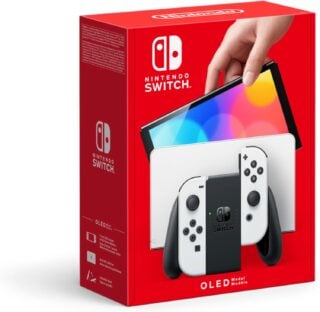
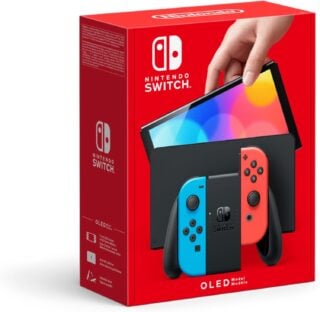
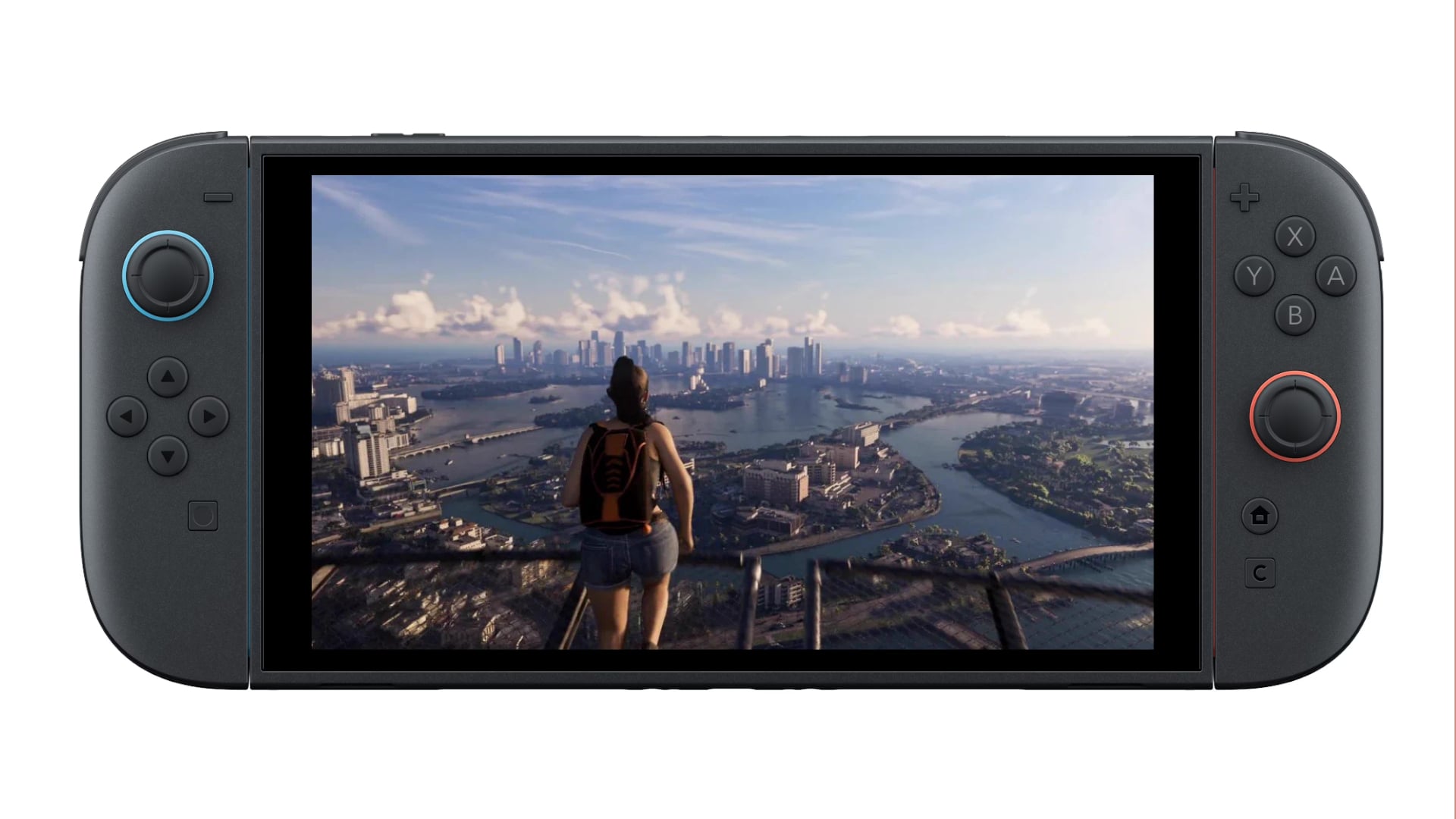
Nintendo is often the publisher to set new premium prices and was the first to take the blow in the US, pricing the Nintendo Switch 2 Editions of its most popular titles – like The Legend of Zelda: Tears of the Kingdom and Mario Kart World – at $79.99. Now, the upcoming Grand Theft Auto 6 has taken the plunge, also priced at $79.99 for console gamers in the US.
This leaves me with two questions: is this the new normal, and if so, will gamers accept it?
Unfortunately, I think that first question already has its answer. If the people want a game badly enough, they’ll pay nearly any price. In recent years paying a little extra to get “early access” to a premium game a few days in advance has become the norm. If you were excited about Forza Horizon 6, Halo: Campaign Evolved, or 007: First Light, you could pre-order the top-tier digital edition and play the game before anyone else.
FOMO is a powerful motivator too. GTA 6’s standard price is $80, but the Ultimate Edition is $100, and being pre-ordered at a higher rate than the cheaper version of the game. The Ultimate Edition packs in two weapons, five vehicles, several in-game businesses, in addition to missions and cosmetics that can only be obtained by parting ways with $100 instead of $80. Do you really want to feel left behind when you see friends and streamers with cooler gear than you? Of course not, and that’s exactly why FOMO is so powerful.

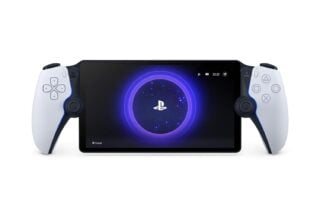
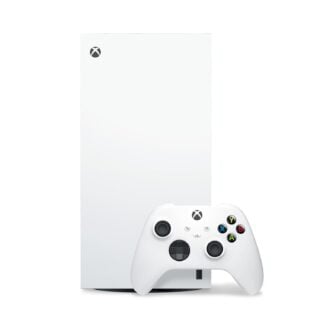
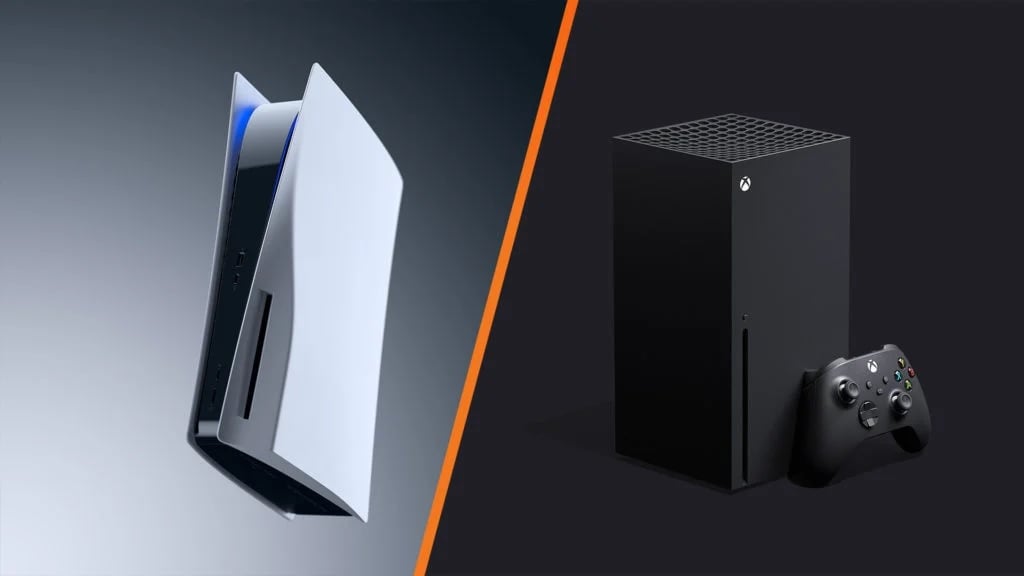
Even if game prices rise, people will still find a way to buy the games they want to play most. That’ll remain true as long as those people already have the hardware they need to play the game. RAM and other components have skyrocketed in price in the last year, leading the newly launched Steam Machine to retail for over $1,000, while both Sony and Microsoft have raised the prices of their PlayStation and Xbox line of systems in 2026.
Games prices have gone up, but the cost of the hardware needed to play them has gone up much faster. A small reprieve for the longest time has been the pre-owned games market, where physical copies of new releases often drop to half the price of less within a year. When digital console storefronts are so tightly controlled – and possibly even priced dynamically – the physical game market allows the community to set their own standards and prices for what they think a game’s value is.
That’s coming to an end too, of course. Sony announced that it would no longer produce physical game discs for PS5 games after January 2028, and that indicates that the PS6 will likely be a digital-only system. When physical copies aren’t available, gamers lose one of the ways they have traditionally been able to shop around, compare prices and decide what they think the game is worth.
“When digital console storefronts are so tightly controlled – and possibly even priced dynamically – the physical game market allows the community to set their own standards and prices for what they think a game’s value is.”
But moving towards digital distribution doesn’t necessarily have to mean losing that choice. On PC, players are already accustomed to looking beyond a single storefront, comparing offers across different retailers, price comparison sites and marketplaces to find the combination of the price, convenience and reliability that works for them.
Marketplaces like G2A.COM add another layer of choice, bringing together offers from multiple sellers and allowing users to compare their options in one place. This gives users more flexibility to find an offer that suits their budget, rather than relying on a single storefront or price.
Good prices and a reliable service is what keeps customers coming back, but trust is also important. This is why G2A.COM only allows verified business sellers on the platform, with a strict verification procedure that only 25% of sellers qualify for. When purchasing anything online, security is just as important as saving money.
These kinds of third-party marketplaces have become an important part of the retail mix, as they also allow publishers to run deals and promotions outside of the constraints of the stores owned by the platform holders. Players may be willing to pay premium prices for the titles they value most, but that doesn’t mean they want to give up the ability to compare offers and decide for themselves what represents good value. In a digital-only future, more users may go to these sites as an alternative to the premium pricing for new launches on the PlayStation and Xbox stores.

As of right now, I think Nintendo’s modern approach is best. Not all Nintendo games are $80 releases like Tears of the Kingdom. Most of Nintendo’s premium line-up is priced at $69.99, like Pokémon Pokopia. Tomodachi Life and Yoshi and the Mysterious Book are even cheaper at $59.99, while Star Fox asks for $49.99 and the fantastic Rhythm Heaven: Groove is just $39.99.
Games being placed into premium and indie price brackets doesn’t make sense anymore, and Nintendo seems to be reacting to that with its variable pricing and cheaper digital options. Will players see the same discount when PlayStation games can only be purchased digitally? I’d hope so, but I wouldn’t bet on it.
So, will people accept $80 premium games as the new normal? I think they will, to a point. New games got cross-generation launches on PS4 years after the PS5 was readily available, and a big reason for that was the price of a new system. The games were still selling, but the global audience didn’t rush over to new hardware.
“As of right now, I think Nintendo’s modern approach is best. Not all Nintendo games are $80 releases like Tears of the Kingdom.”
When the PS6 finally becomes the dominant PlayStation system you need to play the latest games, not everyone is going to eagerly transition. People already hesitated to move to the PS5 from the PS4, and with the inevitably higher prices, even fewer will make the jump on day one, let alone year one.
And finally, is this the new normal? I don’t think it has to be. An $80 recommended price doesn’t necessarily have to mean an $80 purchase for every player. A competitive digital ecosystem where gamers can compare offers across retailers and marketplaces can preserve some of the flexibility that physical retail has traditionally provided. Nintendo is also demonstrating that a platform holder can set lower prices for certain games, rather than treating a single premium price as the default.
Video games don’t have to be this expensive, but gamers will pay premium prices if they think it’s justified, as we’ve seen with GTA 6’s record-breaking pre-orders. But the uproar over losing physical media and our ownership over digital licenses proves that gamers don’t like having fewer options. If we’re going to move into an all-digital future, consumer choice needs to be kept front and centre.