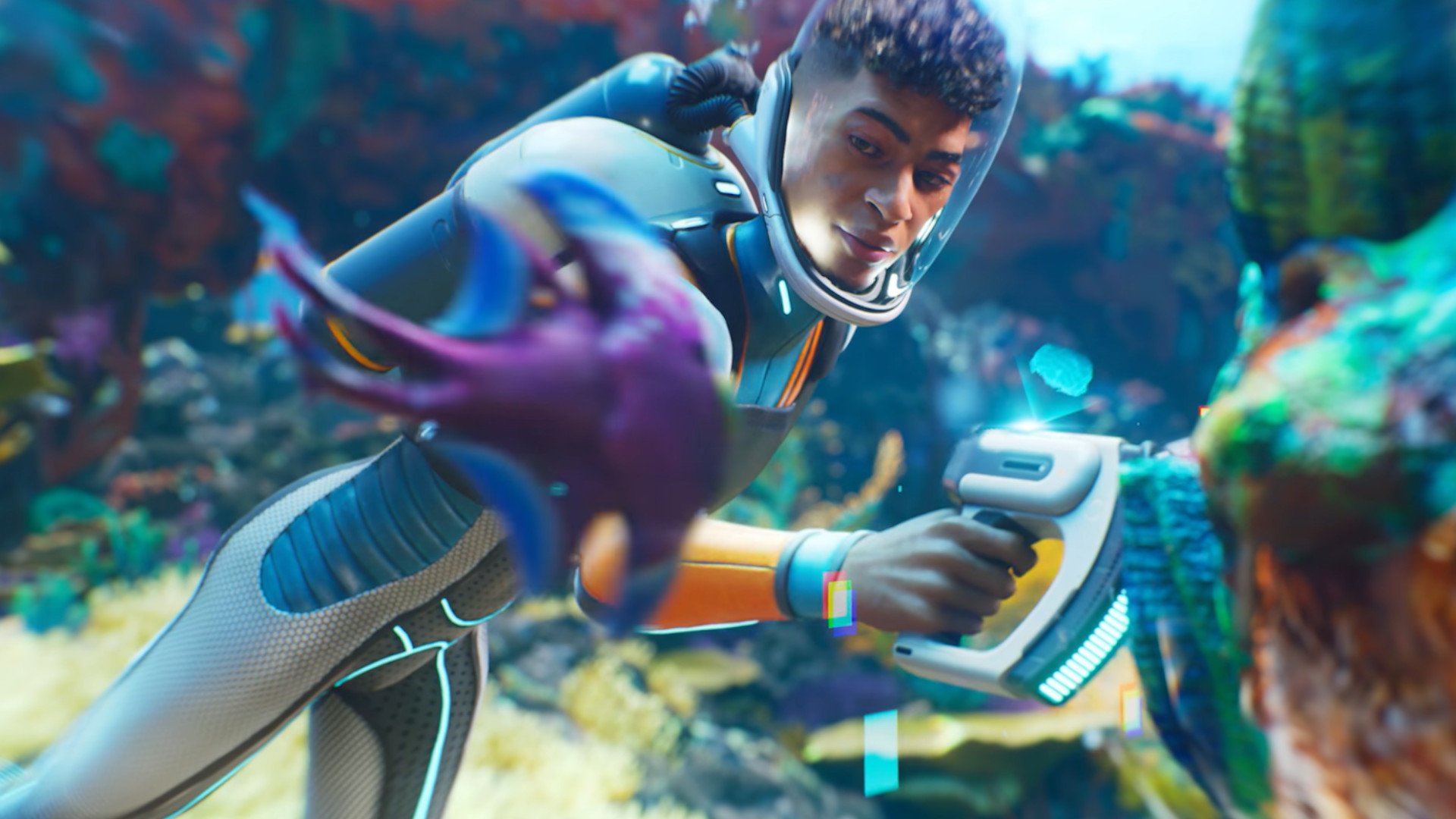
Neuralink-powered metaverses are closer than we think https://t.co/IzAhEcNbD1 pic.twitter.com/8KCnCI8Eg3
— 710 (@710_eth) January 30, 2026
Google rolls out prototype of Project Genie, an AI tool which generates playable worlds
Users have already started posting examples, often using copyrighted characters

Google has started rolling out access to a prototype version of Project Genie, an AI tool which lets users generate their own playable worlds.
According to Google, users can create worlds by either typing in prompts or uploading images. They then create their character in a similar way.
Users can also define certain other properties, such as how the character moves, or whether the world is explored in first-person or third-person.
As players explore the world, the tool generates it in real-time depending on the actions the player makes and where they move the camera.
Users can also ‘remix’ existing worlds by building on top of their prompts, changing the art style or characters. They can then download videos of their created worlds to share online.
Google warns that at this stage the prototype is limited in numerous ways. “Generated worlds might not look completely true-to-life or always adhere closely to prompts or images, or real-world physics,” it says, while control latency is also likely. Players can also only explore each world for 60 seconds.
The prototype is now available to Google AI Ultra subscribers in the US, who pay $250 a month to access it. Some users have already started sharing videos of their creations on social media, some of which include copyrighted characters.
Given the ongoing discourse surrounding the use of generative AI in video game development is currently mainly focused on still images and other workflow processes, it seems likely that the introduction of Project Genie will only make the debate fiercer.
Pro-AI enthusiasts have already started suggesting that should such a tool continue to evolve, it could reduce the need for game developers, without noting its significant current limitations.
Google isn’t the only company experimenting with using AI to make video games that play out in real-time. Last year Microsoft launched a version of Quake 2 powered entirely by generative AI, which was received negatively by many social media users.
Microsoft has launched the Quake 2 demo, which can still be played via a web browser on Microsoft’s website, to show off the capabilities of its video game generative model Muse, but insisted that it does “not intend for this to fully replicate the actual experience of playing the original Quake 2”.
While there was some acknowledgement of the technical achievement behind the demo, many social media users reacted negatively.
“We made a program that vaguely and inaccurately imagines what it might look like if you were playing Quake 2 right now,” one reply read. “It requires all the same equipment you could instead use to actually play Quake 2, but requires a billion times more electricity.”








Some external links on this page are affiliate links, if you click on our affiliate links and make a purchase we might receive a commission.