Former Eidos-Montréal manager says industry bosses are ‘much more Excel than passion-driven’ these days
“They don’t have the same DNA of the decision makers 15 years ago”

A veteran operations director and studio manager has criticised the current state of the games industry, suggesting that money is more important than passion these days.
Stephane D’Astous joined Ubisoft in 2003 as director of operations and PMO, before moving on to Eidos-Montréal, where he was general manager for nearly seven years.
D’Astous’s other roles have included general manager at Quantic Dream director of operations at Krafton‘s Montreal studio and most recently the VP and studio director of operations at iWOT Games Montreal.
Now, in an interview with Thunderpick, D’Astous has stated his concern about the “great consolidation” that has been taking place in the games industry, noting that in the past 15 years the growth of new industry players like Tencent, NetEase and the sovereign fund of Saudi Arabia have transformed the landscape.
“Things have changed in an abrupt way, and I’m not quite sure it’s for all the good reasons,” D’Astous said.
He suggested that, compared to his time at Eidos-Montréal – where he founded and built the team behind Deus Ex: Human Revolution – these days “the people with the money and the decision power are much fewer, and their pockets are much deeper”.
“Plus,” he added, “they don’t have the same DNA of the decision maker 15 years ago – it’s much more Excel than passion-driven.”
D’Astous said he also believes the rise in game investment during the Covid-19 lockdown damaged the games industry, because investors were eagerly spending millions on game development projects without considering the possibility that engagement could drop after lockdown.
“Thousands of projects were given money, green-lighted,” he explained. “When I saw some of those… I said ‘that idea was funded? Oh my god, this is bad news’, because it will take the bomb to explode at least three, if not four, five years from now. We’ll see the end results of that bad decision of this investment.”
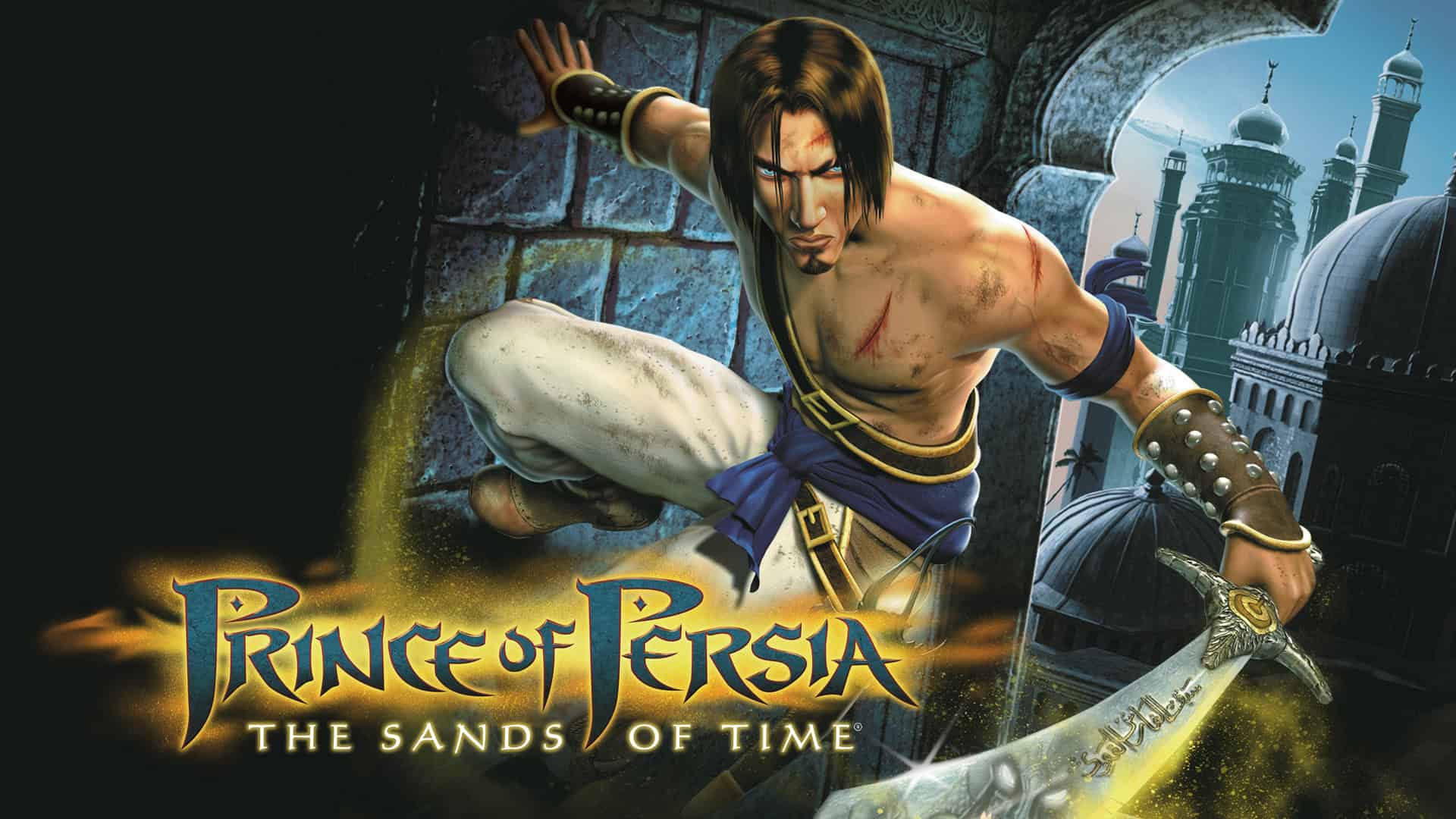
During D’Astous’s three years at Ubisoft Montreal, the studio released all three games in the Prince of Persia: The Sands of Time trilogy – The Sands of Time, Warrior Within and The Two Thrones.
In the interview, he says those days are gone now, because game executives have unrealistically large expectations about game development these days, and with nobody in place to fight back the result is lengthy, unsustainable development times.
“How many times have I been asked to do the Witcher 3-like game with a limited budget in less than four years with a new team? This doesn’t coincide with sustainability,” he explained.
“The teams were quite small back in 2005-06, and it gave birth to a bigger, ambitious game, which is a logical business creative process to follow. “Not having the discipline of saying ‘no’ to what we call ‘scope creep’. Somebody must say if it’s not reasonable, to say no. All this is also to have proper stage-gating, because this will avoid digging the hole deeper if it’s in a bad way.”