ESA clarifies views on private servers after saying Minecraft servers are ‘illegal’ and ‘considered piracy’
The US trade association says it was referring to private servers, not community servers

The Entertainment Software Association has given its detailed stance on the use of private servers in games, after stating community servers in games like Minecraft could be considered illegal.
The Protect Our Games Act – a US bill designed to stop paid games being terminated and being made unplayable in the future – recently failed to pass a Senate vote.
In a Reddit post summarising the decision, a campaigner for consumer movement Stop Killing Games claimed that the ESA “brought in a high-paid, DC-based lobbyist, Jennifer Gibbons [ESA vice president of State Government Affairs], who worked the offices with claims that ranged from misleading to flatly false”.
VGC has watched the full recording of Monday’s Senate committee discussion on the issue, during which California Assemblyman Chris Ward stated that some games give the option to launch community-hosted servers, suggesting they could be an option should a game’s main servers be shut down in the future.
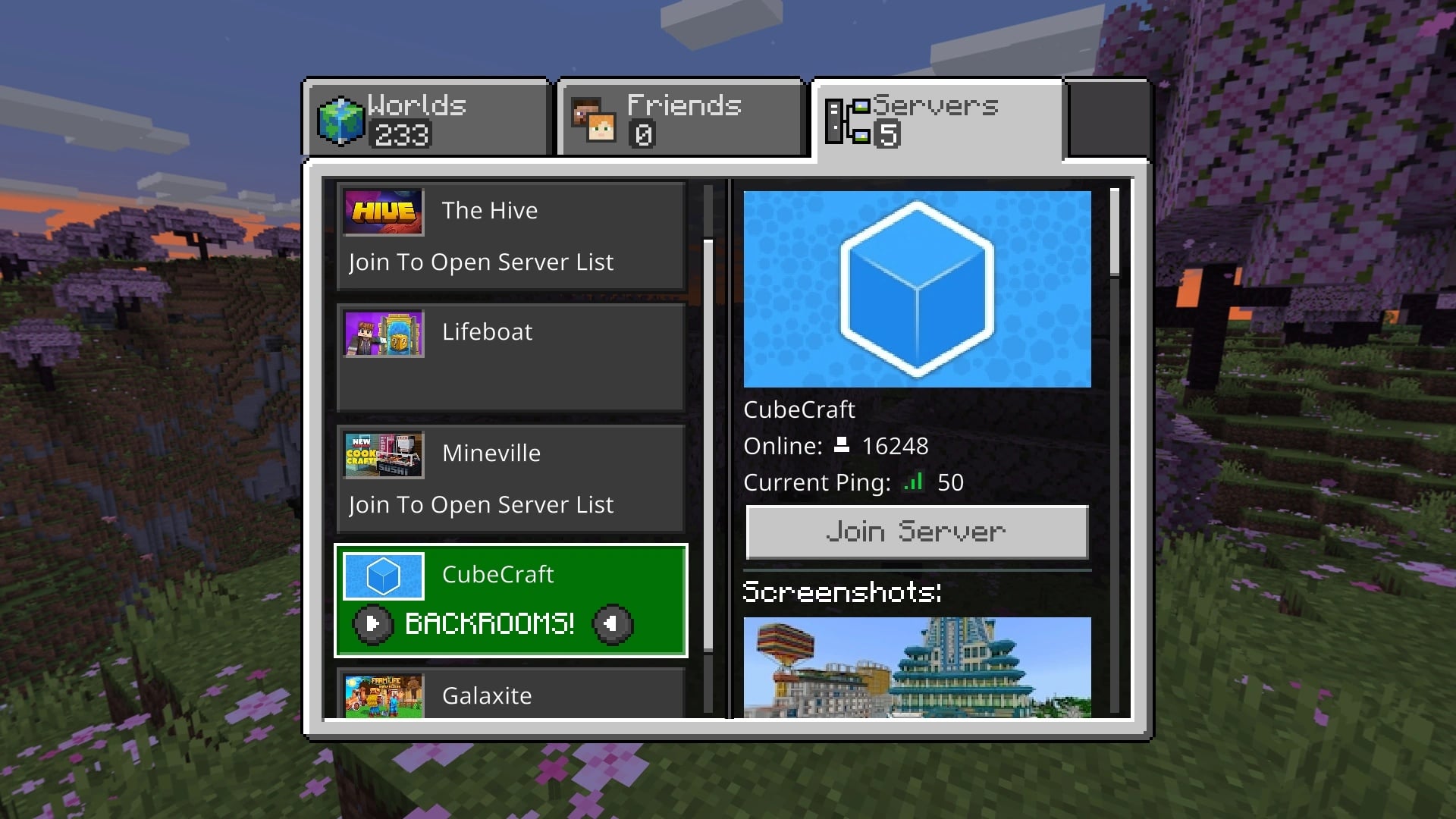
“Minecraft is currently hosted by community servers,” Ward said. ” Call of Duty [has] community servers, so it’s an option that is out there, in existence here today.”
“They’re illegal,” Gibbons responded, “and they are not in any way affiliated with Microsoft. Microsoft, for Minecraft, has gotten a lot of criticism because of those community servers not employing the same safety standards that Microsoft does on their Minecraft servers.”
“So is it like a black market of video games?” one committee member asked Gibbons.
“Yes,” Gibbons replied. “In fact, we consider it piracy, we have two pending lawsuits against private servers right now, and the United States trade representative in their Notorious Markets reports on counterfeiting and piracy has named some of these big private servers as a notorious market.”
An ESA representative has now sent VGC a statement regarding Gibbons’ comments, telling us that “the ESA representative was responding to a complicated, multi-part question in which the committee was using the terms ‘community server’ and ‘private server’ interchangeably”.
It added: “Private servers that host or distribute copyrighted game content without authorization infringe on the IP rights of game publishers. While publishers may take different approaches, all publishers reserve the right to exercise their rights against IP infringement.
“The provision in CA AB 1921 that proposed these servers as a legitimate alternative to keep games running raises concerns about a publisher’s ability to enforce their IP rights.
“In addition, private servers operate with no oversight from the publisher and do not uphold the same trust and safety standards. This could create an unsafe environment for players and be counter to the industry’s commitment to fostering safe and fun game play for all players.”