Epic Games VFX head says Pirates of the Caribbean artists would have loved using UE: ‘And I should know, I was one of them’
Epic’s VFX supervisor has challenged director Gore Verbinski’s claim that Unreal Engine makes movies look like video games

A visual effects developer at Epic Games has challenged director Gore Verbinski’s comments about Unreal Engine.
Earlier today VGC reported that the Pirates of the Caribbean director criticised the increasing use of Unreal Engine in film production, saying it’s led to “this sort of gaming aesthetic entering the world of cinema”.
“I just don’t think it takes light the same way,” Verbinksi said. “I don’t think it fundamentally reacts to subsurface, scattering, and how light hits skin and reflects in the same way. So that’s how you get this uncanny valley when you come to creature animation, a lot of in-betweening is done for speed instead of being done by hand.
“And then just what’s become acceptable from an executive standpoint, where they think no one will care that the ships in the ocean look like they’re not on the water. In the first Pirates movie, we were actually going out to sea and getting on a boat.”
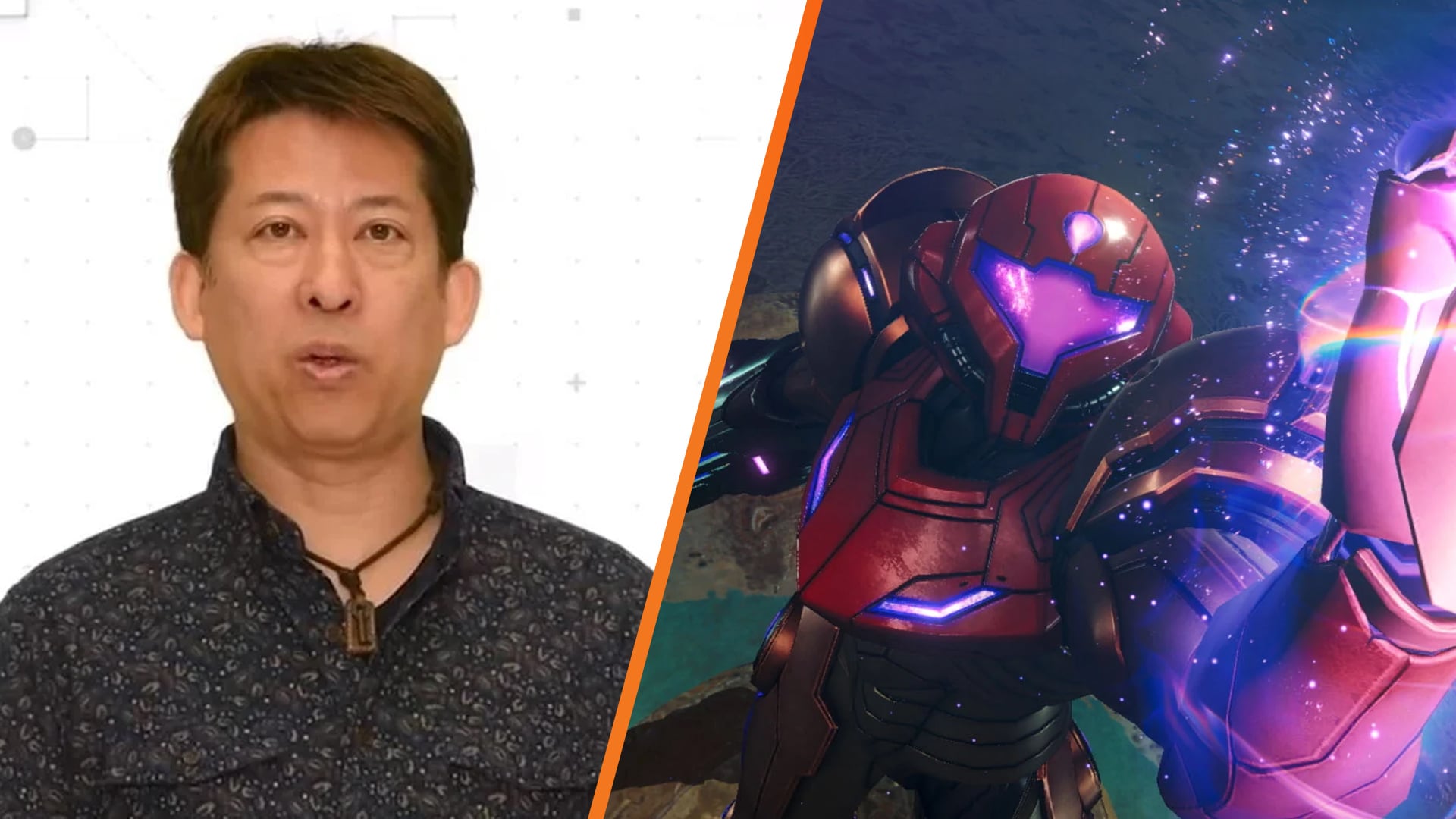
Now Epic Games VFX supervisor Pat Tubach has taken issue with Verbinski’s statement, revealing that he worked on the Pirates of the Caribbean movies and would have loved having access to a tool like Unreal Engine back then.
“It’s inaccurate for anyone in the industry to claim that one tool is to blame for some erroneously perceived issues with the state of VFX and CGI,” Tubach said in a statement provided to VGC.
“It’s true that there are a lot more people making computer graphics than ever before, and with that scale comes a range of successes and failures – but aesthetic and craft comes from artists, not software.
“Unreal Engine is primarily used for pre-visualization, virtual production, and in some cases final pixels. I can guarantee that the artists working on big blockbuster VFX films like Pirates of the Caribbean 10-15 years ago could only dream about having a tool as powerful as Unreal Engine on their desks to help them get the job done. And I should know – I was one of them.”
Tubach spent more than 20 years creating visual effects for film and television, having started at Industrial Light & Magic in 1999, where he worked his way up to the role of visual effects supervisor.
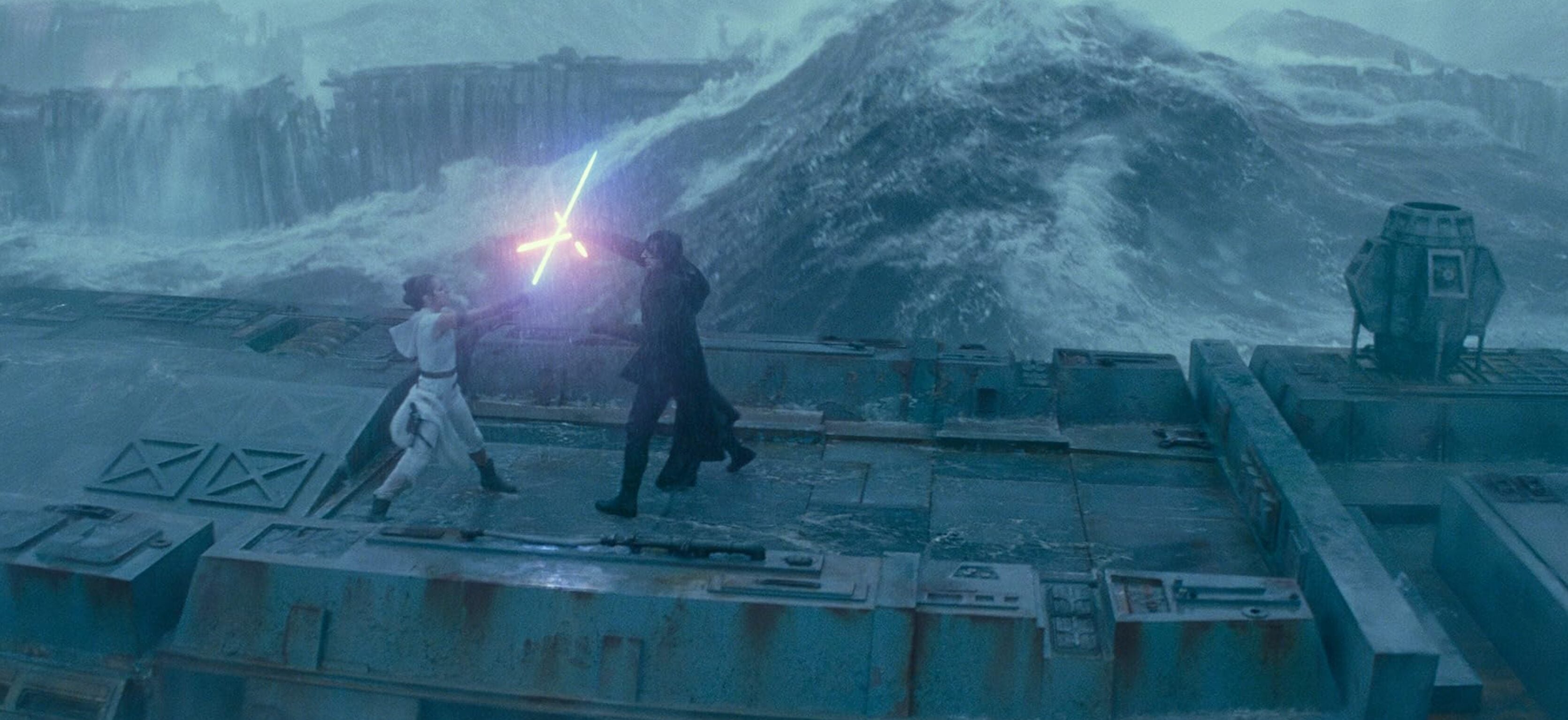
Tubach was nominated for four Academy Awards for his team’s visual effects work in Star Trek Into Darkness, Star Wars Episode VII: The Force Awakens, Star Wars Episode IX: The Rise of Skywalker and Solo: A Star Wars Story.