Witcher 3 Remastered: Should you use Enemy Upscaling?
Enemy Upscaling explained and whether you should turn it on in The Witcher 3: Wild Hunt Remastered
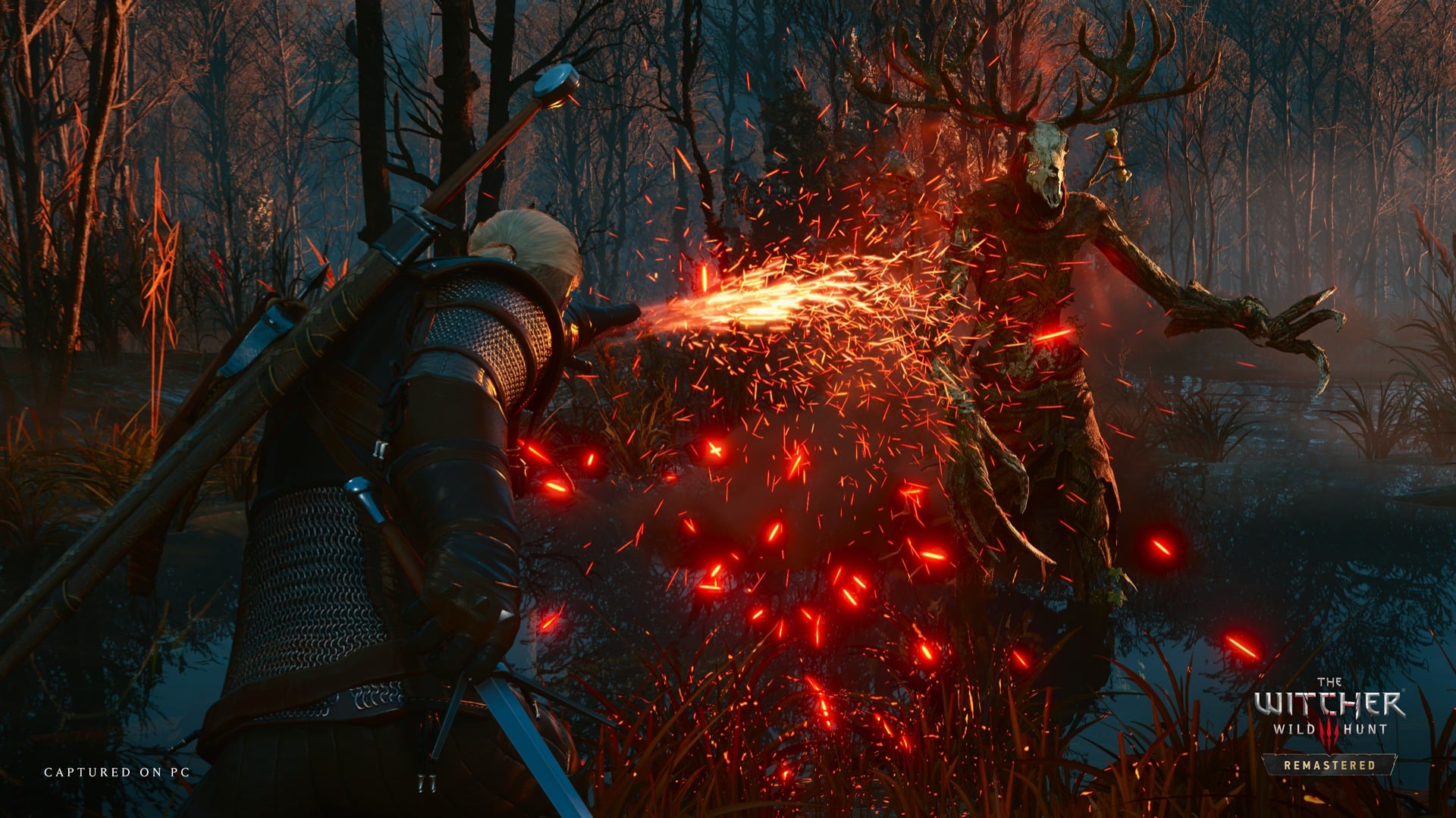
The Witcher 3: Wild Hunt Remastered has a few features the game doesn’t explain, and Enemy Upscaling is one of them.
This feature isn’t actually new to the remaster, but if you’re starting a new game and getting your desired settings in line, you should know what it does and whether it should be enabled or not.
In this guide, we’re breaking down Enemy Upscaling and whether you should use it in The Witcher 3: Wild Hunt Remastered.
If you’re starting a new game, you should also look up the new Loot Merge mechanic.
Enemy Upscaling explained – TW3 Remastered
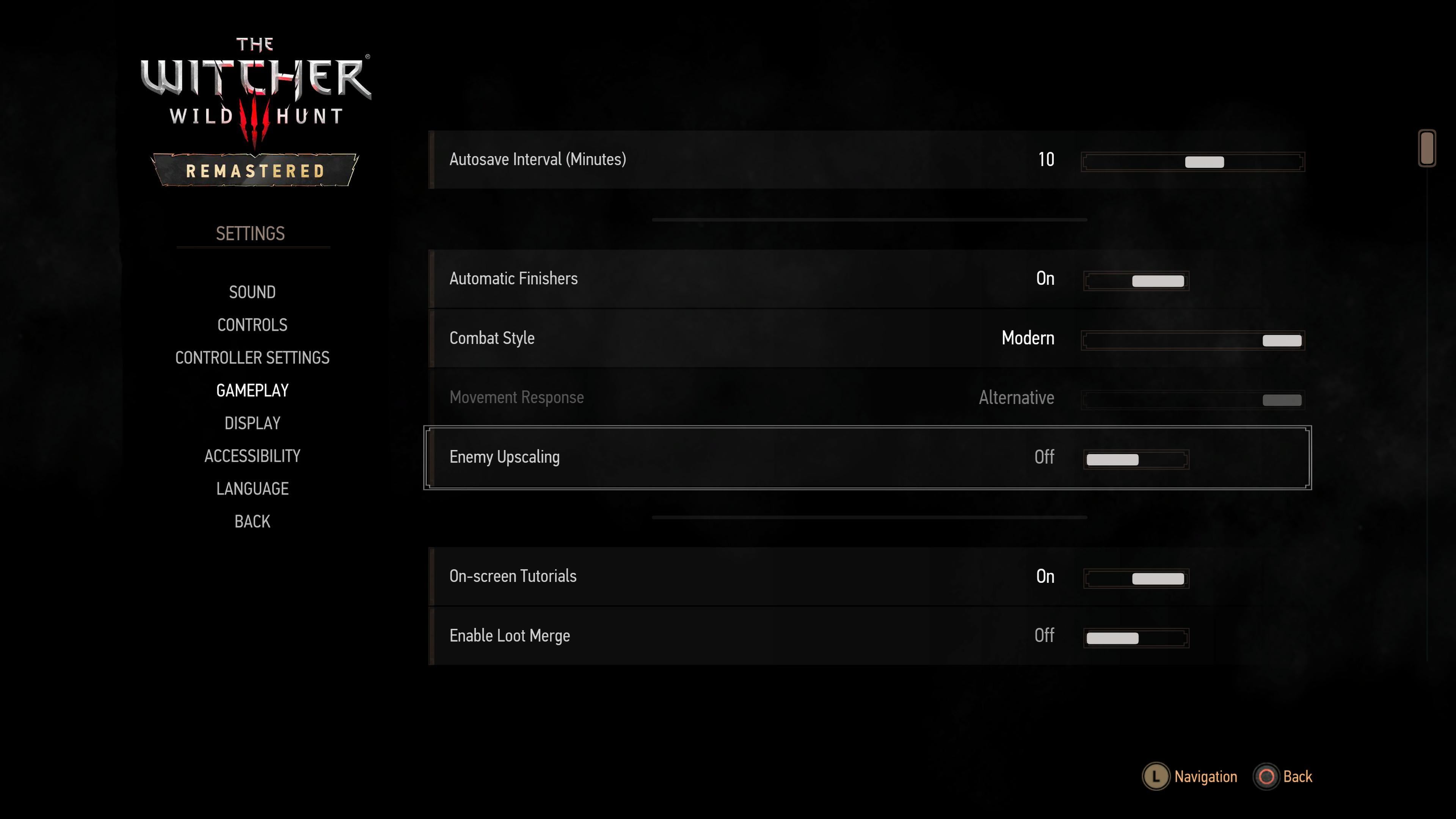
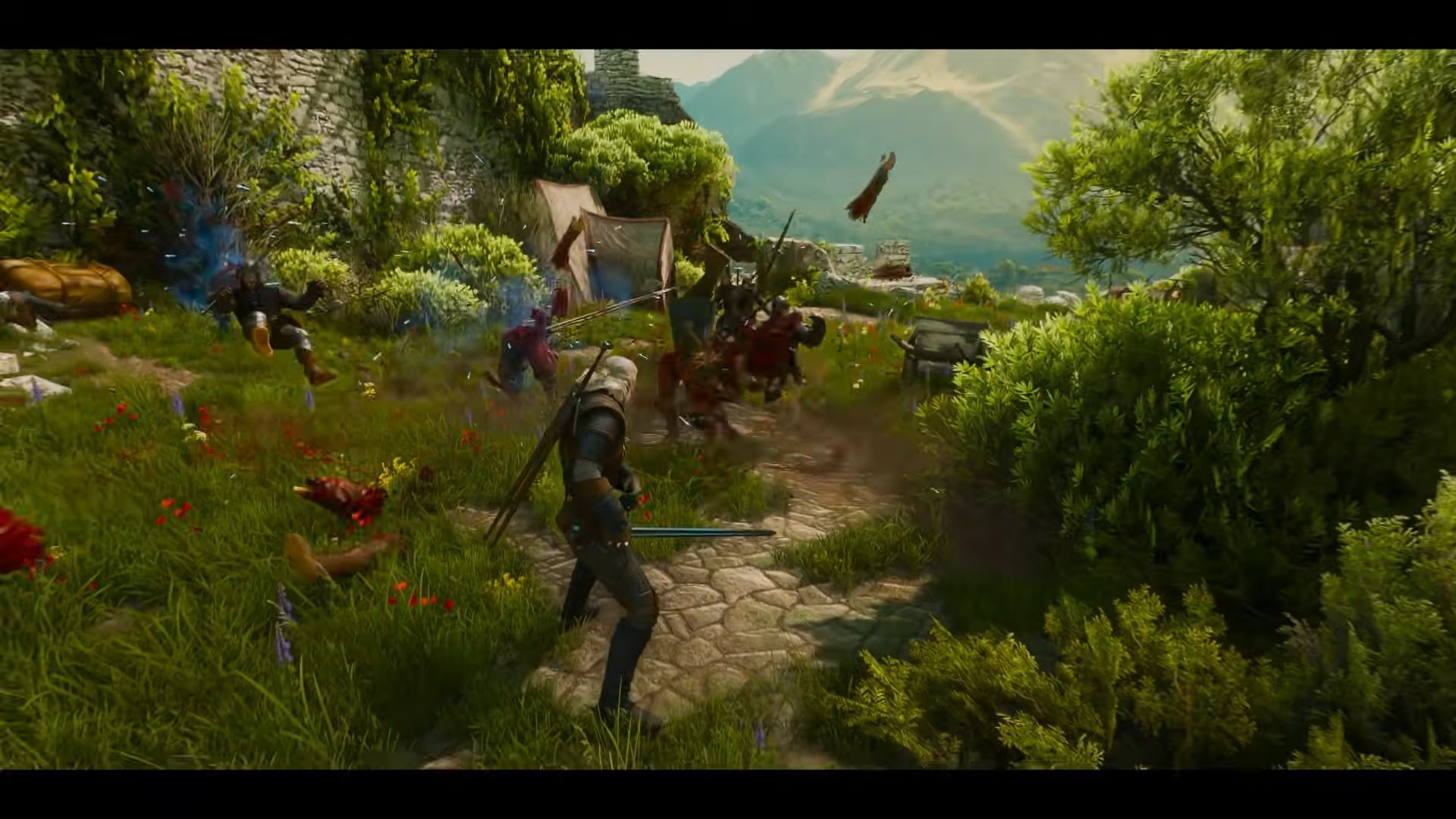
Enemy Upscaling essentially ensures that every encounter you come up against will provide some kind of challenge. Even if you get the best sword in the game and go back to the starting area to hit the first goblin nest you ever passed by, you still won’t be one-shotting these foes with Enemy Upscaling enabled.
On the one hand, it ensures that you won’t get bored when tackling lower-level quests, but it also means that you’ll spend more time fighting weaker foes. Ultimately, it’s up to you whether or not you wish for weaker foes to pose a challenge.
Should you use Enemy Upscaling? – TW3 Remastered
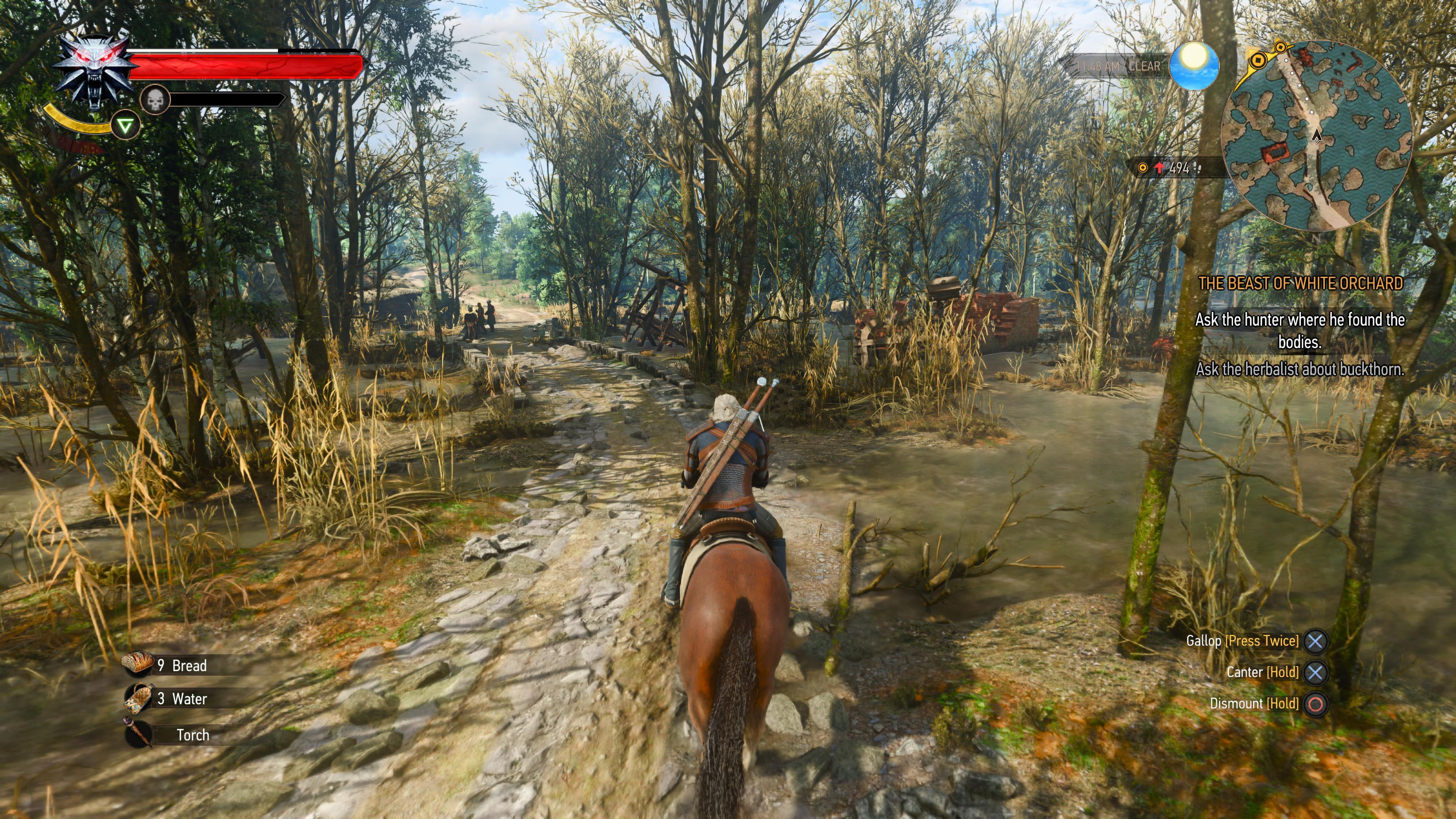
This is down to personal preference. If you want every encounter in The Witcher 3 Remastered to take multiple hits and have you dodging around foes, turn it on.
If you would prefer that weaker foes get cut down quickly as you get more powerful gear and abilities, then you should keep Enemy Upscaling turned off.