Monster Hunter Stories 3 tips I wish I knew before starting
The essential tips you need to know before starting Monster Hunter Stories 3: Twisted Reflection.

Monster Hunter Stories 3: Twisted Reflection is easily the subseries’ deepest RPG yet.
There are dozens of ways to raise and improve the strength of your party of monsties, and aside from story bosses, you often won’t even need to battle your way through the game if you don’t want to. The real meat of MHS3 is in egg poaching and habitat restoration, and we’re breaking down everything you need to know about it in this guide. These are ten tips and tricks I wish I knew before playing Monster Hunter Stories 3: Twisted Reflection.
Always egg poaching – MHS3
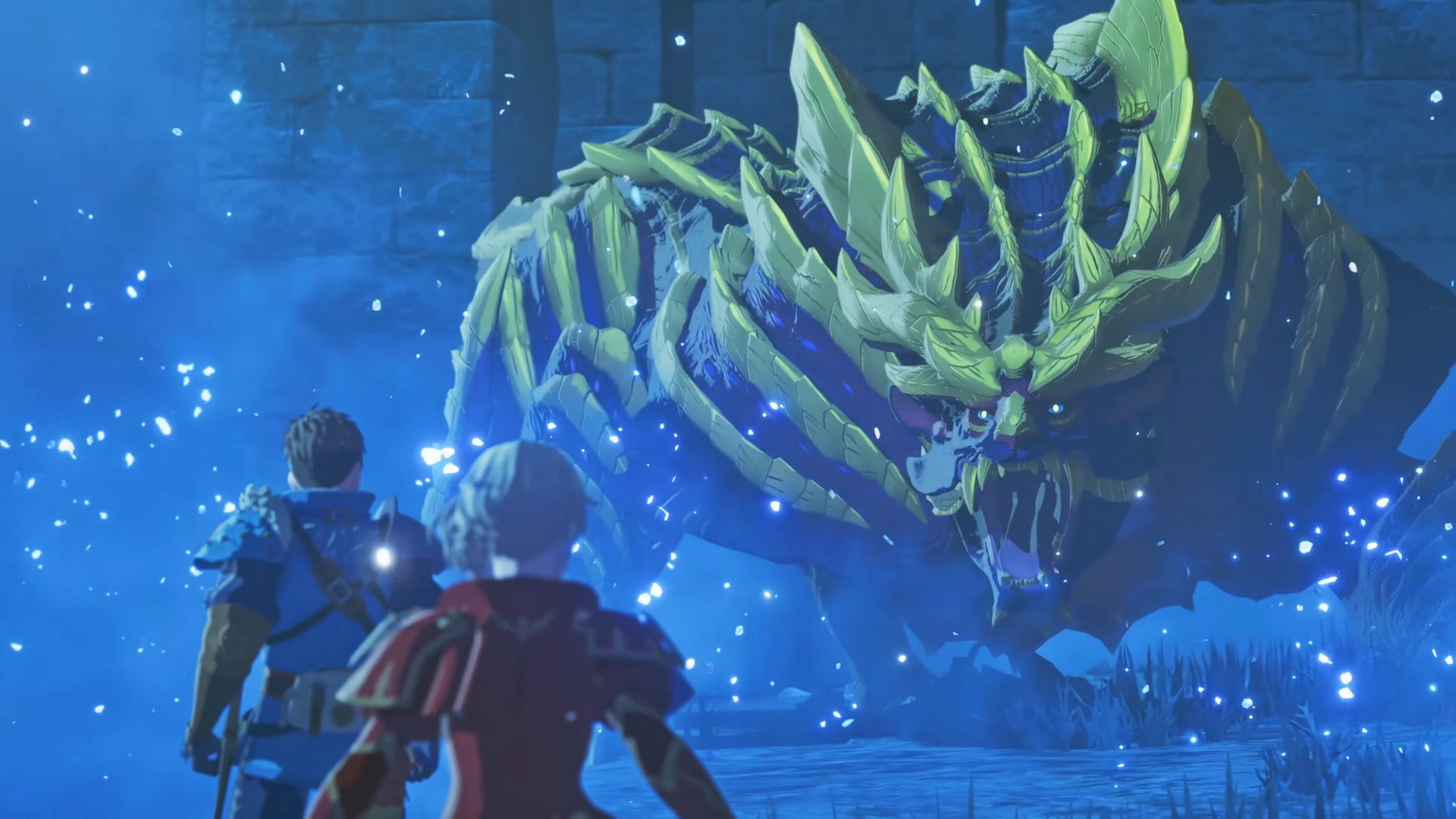
The most important thing you can do in Monster Hunter Stories 3 is collect eggs. Monster dens spawn across the world, and each den will have at least one egg to pick up. You can collect 12 at a time and hatch all of them instantly from a Stable in a town or at a camp.
You genuinely want as many eggs of as many different types as possible, and you’ll spend a lot of your time in this game dipping in and out of a variety of monster dens to grab and hatch eggs. Obviously, you can use these monsties in your party for battle, but that’s not the only thing they’re capable of.
Habitat Restoration – MHS3
In each open world area, there are several Feral monsters. When slain, you’ll be able to set up campsites where these Feral monsters were, and you’ll be able to rehabilitate the local monster habitat. You do this by collecting monsters and releasing them into each habitat. This will repopulate the area with monsters, and the more plentiful a monster is in a habitat, the more likely you are to get rare eggs for that monster, which offer new skills and more powerful beasts. But again, that’s not where it ends.
Mutated monsters – MHS3
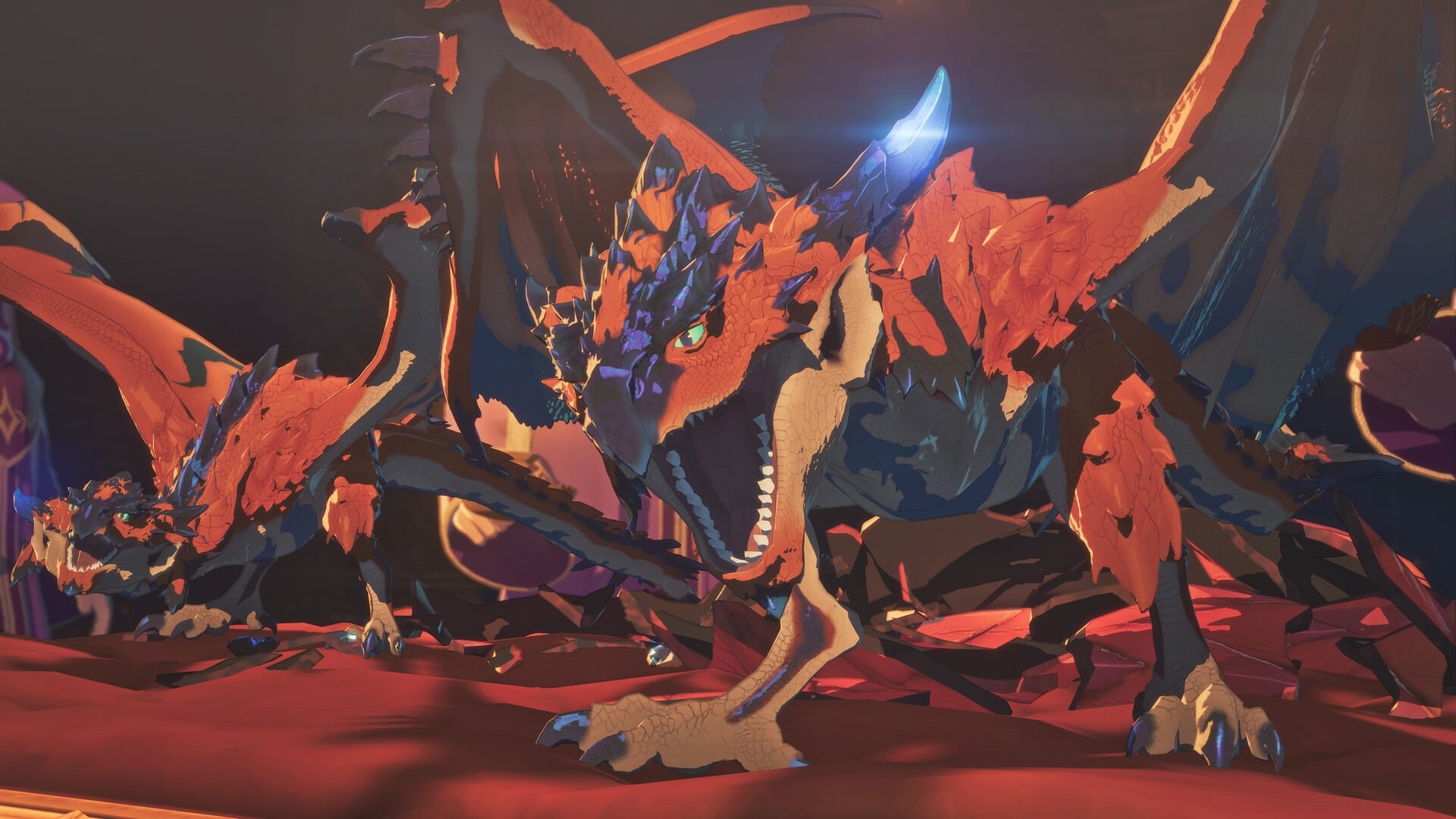
When you introduce multiple types of the same monster to an area, you have a high chance of finding mutated monsters. For example, the first area of Azuria features Rathian, and by repopulating the Rathian species, you’ll be able to find Pink Rathian and eventually Dreadqueen Rathian.
In addition to that, introducing monsters that are alien to a habitat can cause them to take on the element of that habitat. This allows you to find unique monster variations that help boost the stats of your party. The more you rehabilitate a habitat, the more powerful you’ll be able to make your party.
Gene harvesting – MHS3
Even if the monsters you find aren’t good for your party, their genes might be. Each monstie has nine gene slots, and these act like a Bingo board, where you can put coloured genes and genes of a set type in a row for small stat boosts. Unlike past MHS games, you can now remove genes from monsters without losing that monster, and you can swap the positions of your genes on the Bingo board at any time, allowing you to min-max the stats and skills of each monster in your party with no penalty. And yes, you can still release a monster into a habitat to rehabilitate it after taking all its genes for your party.
Hunter-gatherer – MHS3
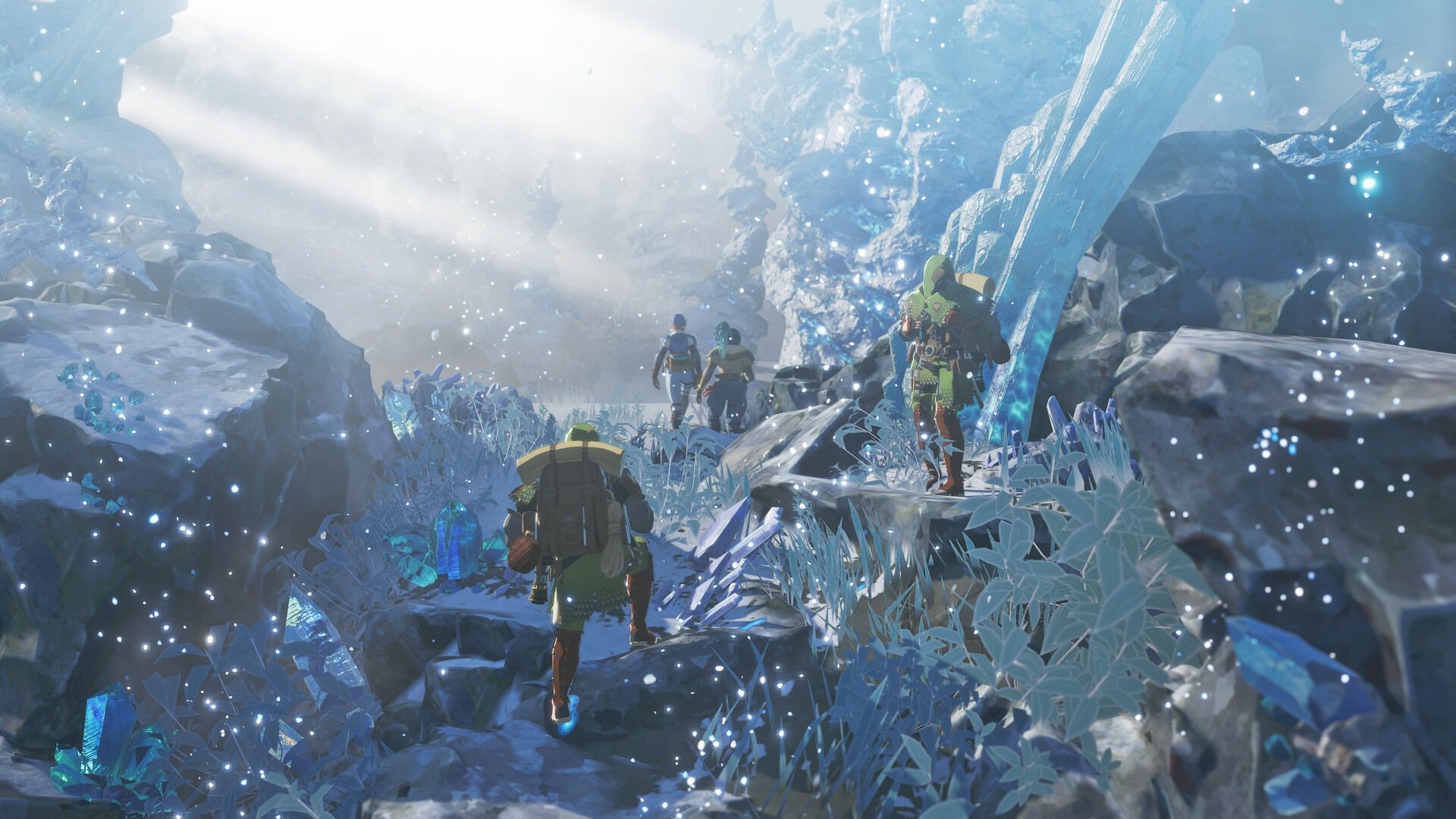
Each monster den you visit has eggs, obviously, but also a bunch of gathering points, and even a chance of encountering Barrel Felyne. Each gathering node you harvest gives you experience, in addition to the items you collect, and that experience is spread evenly across your entire party. Over the course of the whole game, this adds up to a huge amount of extra EXP, and even makes for a nice way to level up without any combat.
Easy levelling – MHS3
On that note, it’s easy to level new monsters. It’ll be common for you to find a monster that you want in your party, only for its level and stats to be low, but they won’t be for long. When you put a low-level monster in your party, the game actually shares EXP to try to even out the levels of the monsters in your party.
This means you can harvest eggs and gathering nodes from monster dens, or melee attack low-level monsters, and your weakest party members will level up very quickly. Don’t fear swapping your team member for a low-level monster, as they’ll catch up fast.
Material farming – MHS3
You shouldn’t ignore your melee attack in the field, as it’s incredible for material farming. We mentioned that you can melee attack low-level monsters, but we didn’t mention that it’ll defeat them instantly, rewarding you with monster materials and EXP. Tougher monsters won’t go down like this, but a melee attack in the field will still drastically lower their overall health.
Kora beats Barrel Felynes – MHS3
Barrel Felynes are like the Crystal Lizards or Metal Slimes of MHS3, and they’re a tough nut to crack. They only really respond to explosive damage, and if you don’t want to spend all of your Barrel Bombs, you should bring Kora into the fight. When Kora sees Barrel Felynes, she instantly launches a Barrel Bomb attack that hits all foes, and should take out all Barrel Felynes in a single move. These cats will reward you with rare items and loads of EXP, so make sure you don’t ignore them if you see them in the overworld or inside a monster den.
Don’t worry about Head-to-Heads – MHS3
The Rock, Paper, Scissors mechanics of the battle system are portrayed to be more important than they actually are. That’s not to say that you should ignore them – you should always adjust your attack strategy in accordance with your foe’s target and attack type – but if you lose a Head-to-Heads, it’s not a big deal.
Winning a HtH will ensure you don’t die on that turn, and give your attack a bit of a boost, but you’ll still take some damage regardless. The importance of HtHs is overstated — don’t ignore them, but don’t fret if you mess up either.
Broken parts and stagger – MHS3
Far more important than winning Head-to-Heads is breaking parts and staggering monsters. As you battle a monster, you’ll be able to target different parts of its body, like the head, wings, talons, etc. These parts vary from monster to monster, and some creatures will even spawn new parts to attack depending on their stance or transformation.
Breaking monster parts with the appropriate weapons and monster skills will make the enemy less likely to unleash their scariest attacks on you, and will allow you to deal more damage overall, so focus on working with your party to crush monster parts and fill the Kinship Gauge.
Kinship Skills – MHS3
Filling up the Kinship Gauge will allow you to ride your monster in battle, granting you a new health bar and some new skills. At any point, you can use a Kinship Skill, which is a unique attack for each monster, but if your partner is also riding, you can unleash a Duo Kinship Skill, which has an incredibly high likelihood of staggering your target. If your temporary health bar gets wiped out, then your monstie will have 1HP, and you’ll stop riding. You’ll want to use your Kinship Skill or Duo Kinship Skill before that happens, while also attempting to raise your Kinship Gauge to level three. Raising the gauge as high as possible should be your intent, but make sure to spend your Kinship Skills before your riding gets cut short.
Don’t ignore Decorations – MHS3
The weapons and armor you equip to your main character can all accommodate decorations, and you should fill all of your decoration slots. For weapons, decorations can provide new skills and abilities you can use in battle, while your armor can get passive buffs that can either help you deal more damage or stay alive for longer. Decorations will make a huge difference in how long you survive each encounter, so make sure to double-check what you have equipped each time you change your weapons or armor.