Why is The Legend of Zelda: Ocarina of Time important to so many people?
On the day the Switch 2 remake is released, we look at the impact the original had on those who played it, and video games as a whole
Nintendo’s Switch 2 remake of The Legend of Zelda: Ocarina of Time is out today, and in case you missed it, critics have been unanimously in love with it.
Those who grew up with the Nintendo 64 original already know why its return is such a momentous occasion, but there will be those who weren’t around at the time who may not necessarily know what the big deal is.
That’s partly because the game suffers a bit from what I call The Beatles Effect. Some of today’s young bucks will listen to The Beatles’ music and, while still enjoying it, wonder what the fuss was all about because it doesn’t sound massively different to some of the other music they’ve heard.
In the same way, there will be some today who look at the Nintendo 64 version of Ocarina of Time and wonder why, in a world of Elder Scrolls, Elden Ring and other games starting with Eld, people are so excited about the return of a 28-year-old game that looks like it could be any other 3D action adventure.
Just like The Beatles’ music, however, Ocarina of Time was such an important milestone in the medium, not just because of the quality of the product itself, but because of how magma-hot the trail it blazed was, providing an experience that not only wrote the rulebook, but made the pencils too.
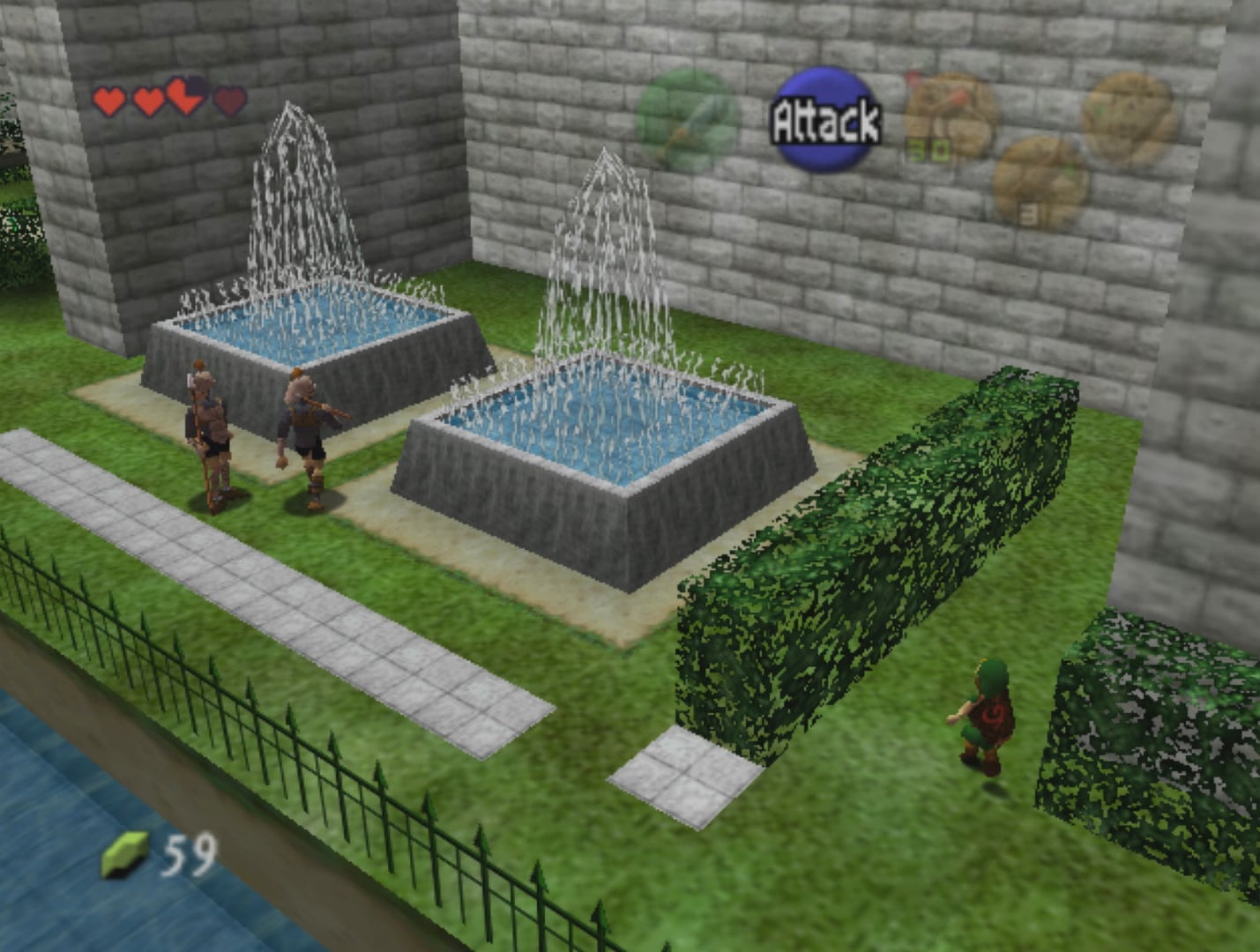
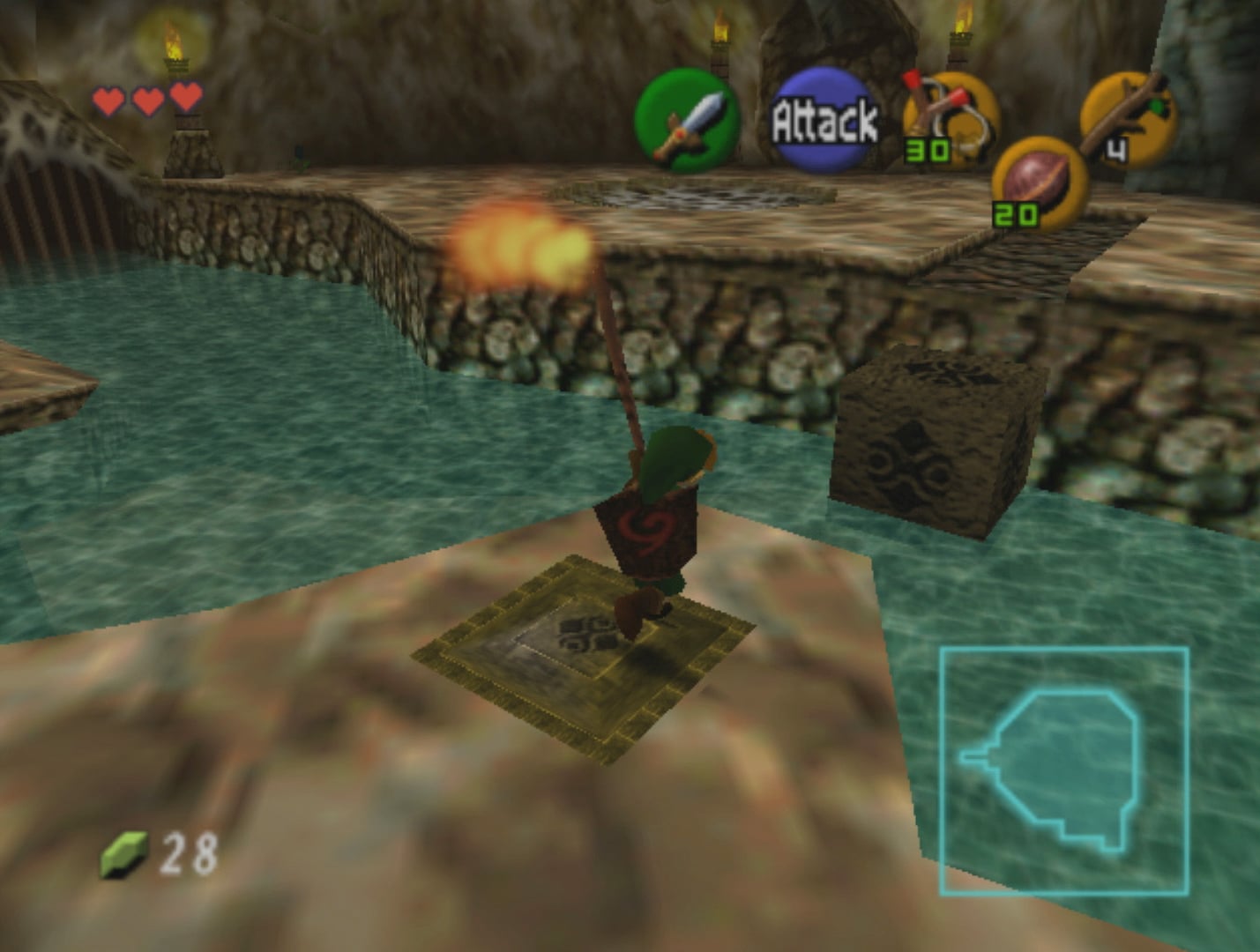
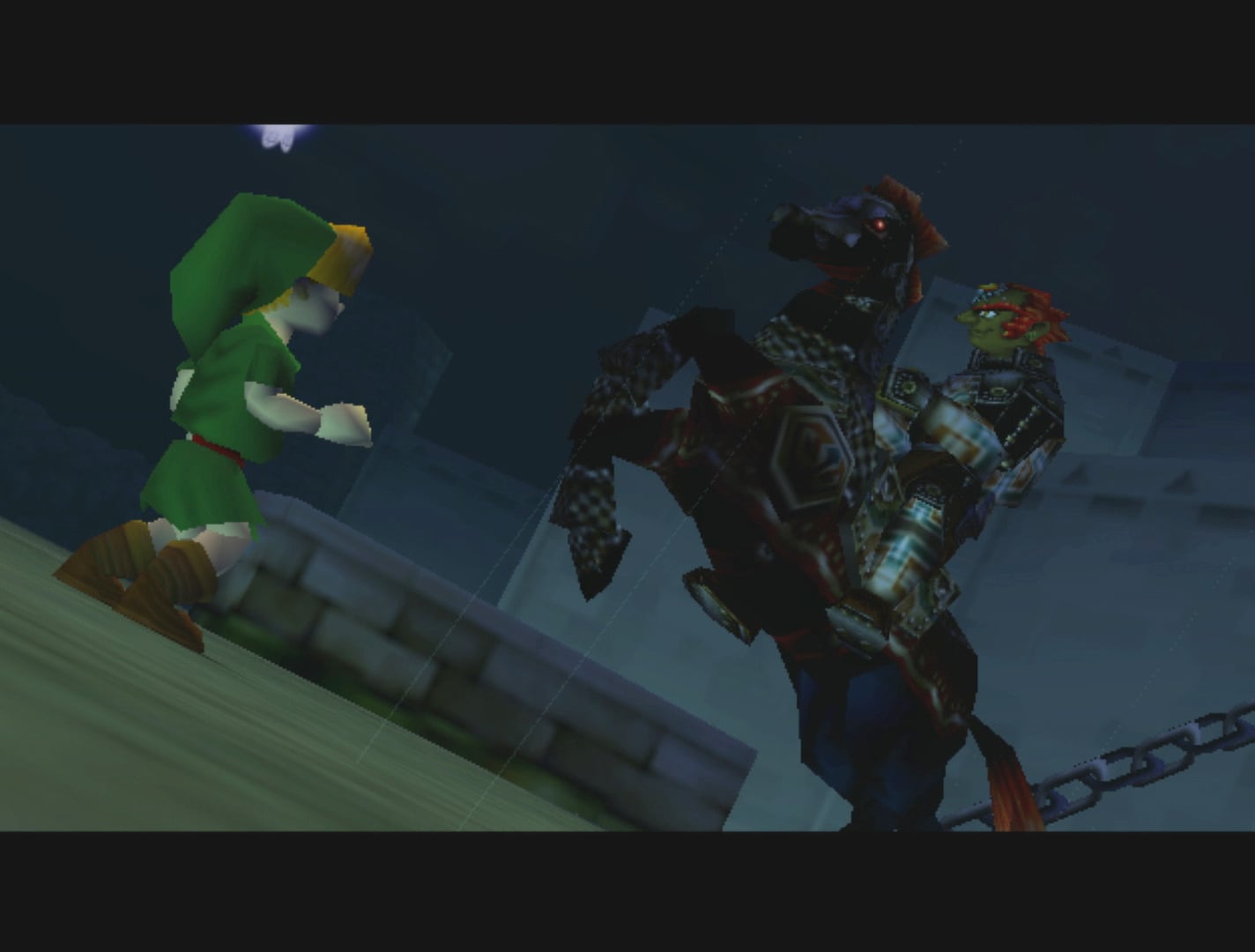
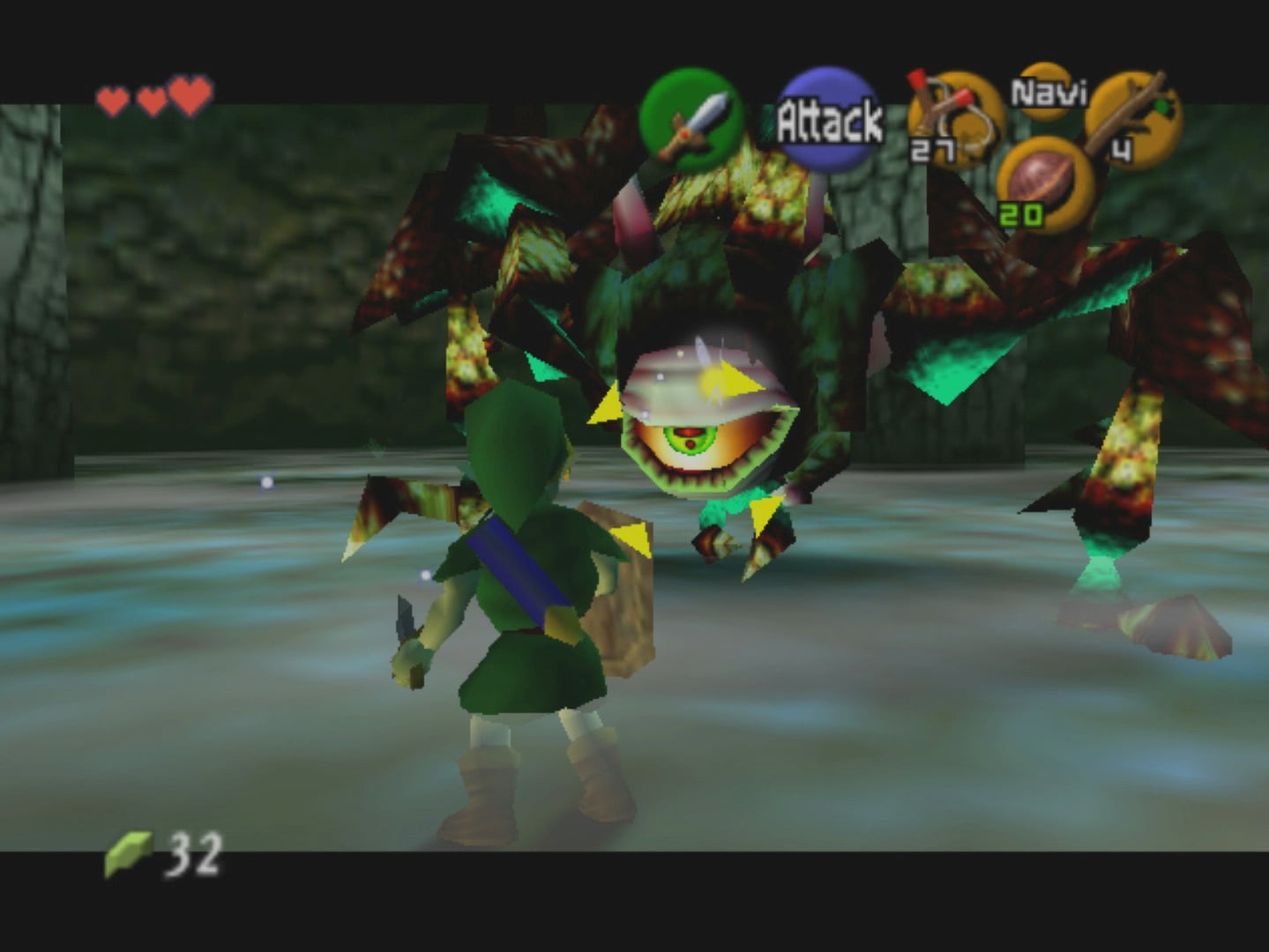
Firstly, for many players it was their first true 3D adventure. Super Mario 64 often gets praise for demonstrating how revolutionary it could be to take an established 2D series and bring it into the third dimension, but Ocarina of Time was arguably an even greater accomplishment because it dealt with a more complex genre that went beyond mainly running and jumping.
With only one analogue stick – this was long before the days when twin-stick controllers became commonplace – Nintendo had to figure out not only how to turn Hyrule into a polygonal environment, but also transition Link’s swordplay into 3D in a way that didn’t become a mess of spinning camera angles.
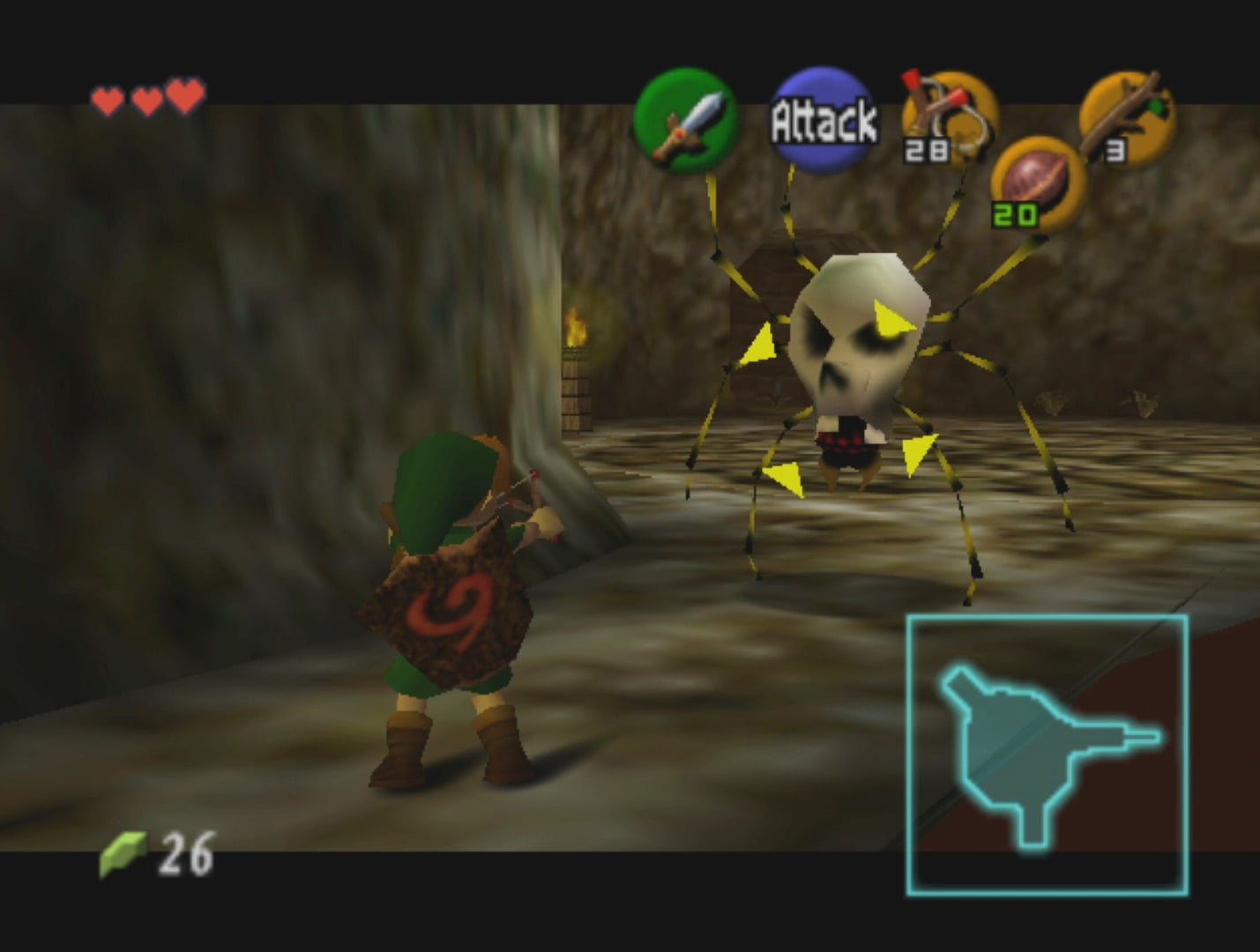
The solution was Z-targeting. By holding down the Z button when Link’s fairy chum Navi hovered over an enemy, Link would lock in on them and all movement would be based on that enemy’s position. Other games before it had attempted something similar but not identical – in the original Tomb Raider, Lara automatically pointed her gun at nearby enemies as they got close the camera didn’t change, meaning you often found yourself aiming at off-screen enemies.
By introducing Z-targeting, Nintendo instantly solved the issue of combat in 3D games before it really got a chance to become a major problem, and the number of new games to this day which offer some sort of enemy lock button speaks volumes about the importance of that invention.
“By introducing Z-targeting, Nintendo instantly solved the issue of combat in 3D games before it really got a chance to become a major problem, and the number of new games to this day which offer some sort of enemy lock button speaks volumes about the importance of that invention.”
Also important was the use of context-sensitive controls. The move from 2D to 3D didn’t just mean more detailed environments, it also meant a more complicated set of potential abilities.
A Link to the Past already gave Link a decent number of actions – swinging his sword, talking to people, reading signs, lifting objects, pushing blocks and the like, as well as a button for whatever was in his inventory – but Ocarina of Time added even more actions for Link to perform.
He had to be able to pull levers, climb ladders, pull himself up onto ledges, jump over gaps, mount his horse, dive underwater, and much more. Assigning a separate button to all of these actions would have made the game far too complex, so Nintendo basically assigned the A button to almost all of these actions, with a prompt at the top of the screen telling players what it did at that particular moment.
Like Z-targeting, it was another idea that would continue to be used for decades and still appears in games to this day, to the extent that we barely even notice it anymore when we approach a ladder in a modern game and a prompt appears saying “(X) Climb”.
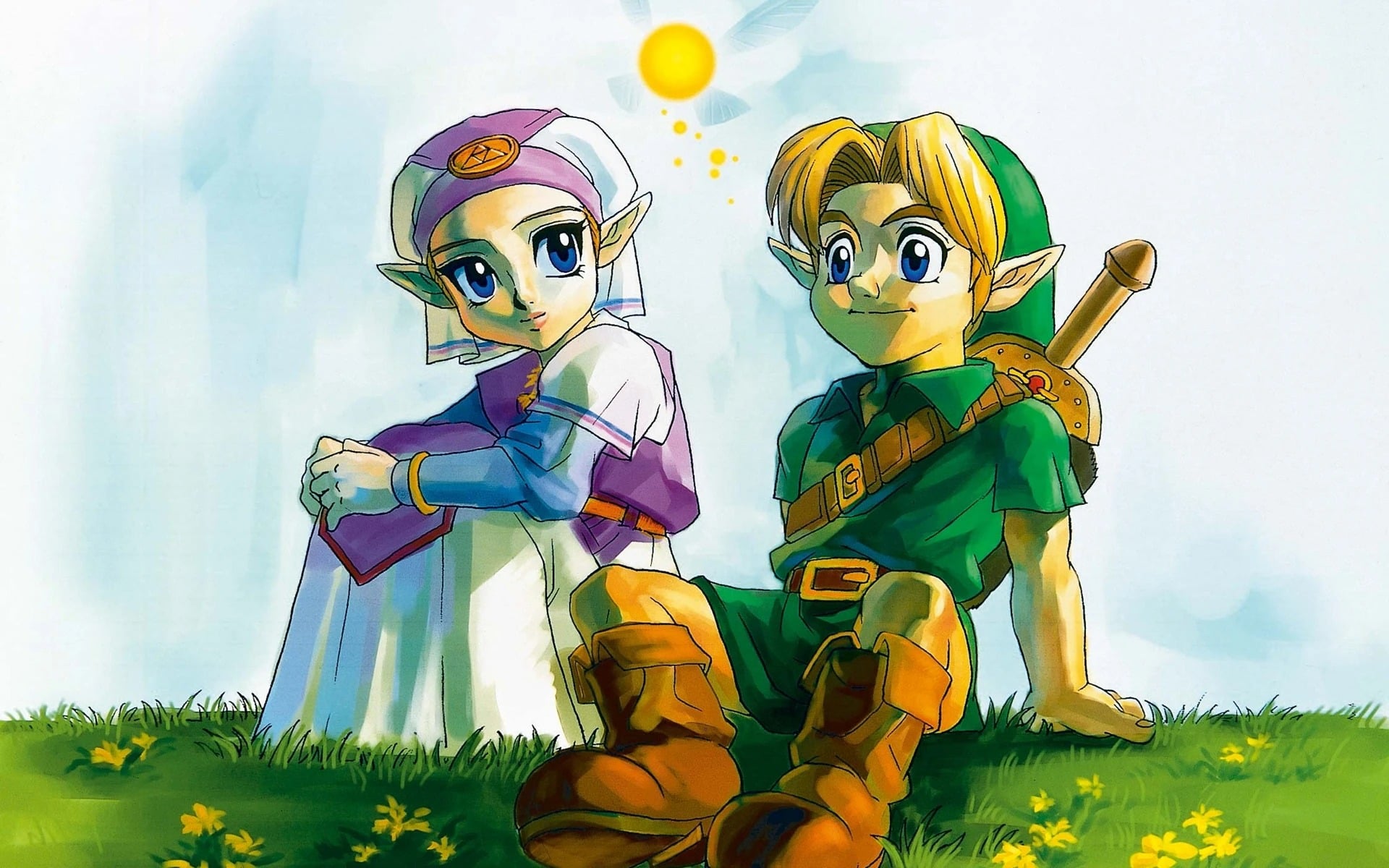
These are technical innovations, however, and while they undoubtedly had a huge impact on the role Ocarina of Time played in the history of video games, it was the world Nintendo created that had an even greater impact on the hearts of those who played it.
To this day the game’s often fiendishly designed dungeons remain locked in the memories of those who explored them nearly three decades ago. While Ocarina’s general ‘explore, dungeon, repeat’ structure would be replicated in games like Wind Waker, Twilight Princess and Skyward Sword, with the greatest of respect to those games, nobody brings up their dungeons in the same way the Water Temple, Forest Temple, Lord Jabu-Jabu’s Belly and even that initial Deku Tree dungeon are often cited to this day.
Add to that one of the greatest musical scores in the history of video games, with Koji Kondo’s iconic compositions offering such a steady stream of all-time classics that if you were to ever release an Ocarina of Time: Greatest Hits CD, it might as well just be the entire soundtrack from start to finish.

The music was so good that it was incorporated into the gameplay, with the tunes played on Link’s ocarina standing in for the magic spell mechanics seen in previous RPGs. The Switch 2 remake adds the option to hum the ocarina songs instead of entering them with the controller – for some players, that won’t be an issue, because the songbook has been embedded in their heart since childhood.
And it’s this which is ultimately one of the main reasons Ocarina of Time is loved so much. For all the talk about its revolutionary mechanics, its ground-breaking world design and its astounding soundtrack, the reality is that for many players of a certain vintage Ocarina of Time was the first game they ever played that offered an adventure than engrossed, consumed and enamoured them, nurturing their love for a hobby they continue to enjoy nearly three decades later.
“The Switch 2 remake adds the option to hum the ocarina songs instead of entering them with the controller – for some players, that won’t be an issue, because the songbook has been embedded in their heart since childhood.”
Don’t let anyone dismiss its impact as purely nostalgia, however. There will of course be people who will say that, as with the Pokémon series, the first Zelda you played as a child is the one you love the most (something I personally object to, having played the four Zelda titles before Ocarina and loving them all too, but enjoying Ocarina substantially more).
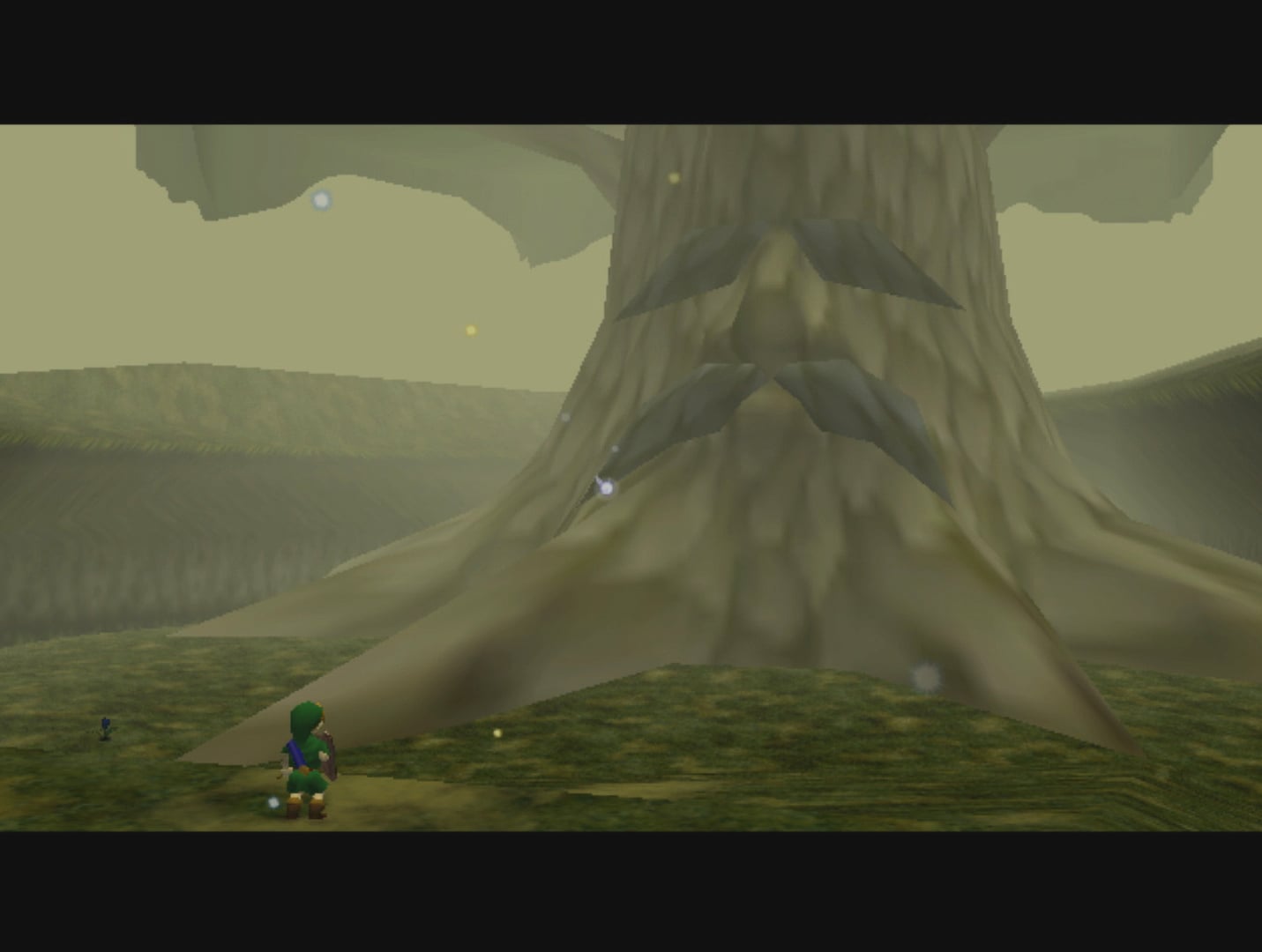
The Switch 2 remake released today, however, will hopefully put paid to claims that Ocarina of Time’s appeal lies mainly with those who look fondly back at it with nostalgia-tinted glasses. As you read this there will be new generations of players trying the game for the first time, finding the Kokiri Sword, meeting the Great Deku Tree, saying goodbye to Saria and entering Hyrule Field on what will be an entirely new adventure for them.
And they’re going to fall in love with it, like so many of us did all those years ago.