【ポケモン】『ポケパーク カントー』内「ポケモンフォレスト」撮り下ろし。木をかじるビッパや踊るキレイハナ、たくさんのピカチュウたち https://t.co/x6vcKH2mNg #ポケパーク pic.twitter.com/76uz0MTFzj
— GAME Watch (@game_watch) January 26, 2026
We visited Japan’s Pokémon theme park, PokéPark Kanto, and left full of nostalgic joy (and carrying merchandise)
PokéPark Kanto is a must-see, nostalgia-packed birthday present to celebrate 30 years of Pokémon
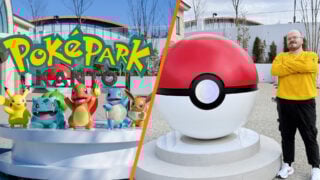
Last week, I had the chance to be one of the first people in the world to visit PokéPark Kanto, which will open in Japan’s Yomiuriland on February 5, 2026.
Filled with hundreds of Pokémon statues, a life-sized Pokémon Center, and a 300-seat Pokémon Gym theatre, PokéPark has turned Yomiuriland from a quaint attraction on the outskirts of Tokyo, to a must-visit Pokémon pilgrimage.
The expansion of the local park sits in stark contrast to the rest of the land – think attaching Star Wars land to Blackpool Pleasure Beach – but after exploring it a bit, this actually felt like a smart choice.
Just days after I visited, it was announced that Pokémon will finally expand into Universal Studios Japan with a fully-fledged attraction. While Pokémon has appeared in USJ as part of parades and other activations before, the long awaited Pokemon ride, or even Pokémon-themed world, is on the way.
PokéPark Kanto is not a Universal-style theme park, at least not what you’re picturing a Pokémon theme park to be. There are no high-octane rollercoasters themed after Rayquaza or log flumes alongside Wailord. It’s a much more peaceful, family-focused experience that sets itself apart from what Universal is planning.
I Will Travel Across The Land, Searching Far And Wide
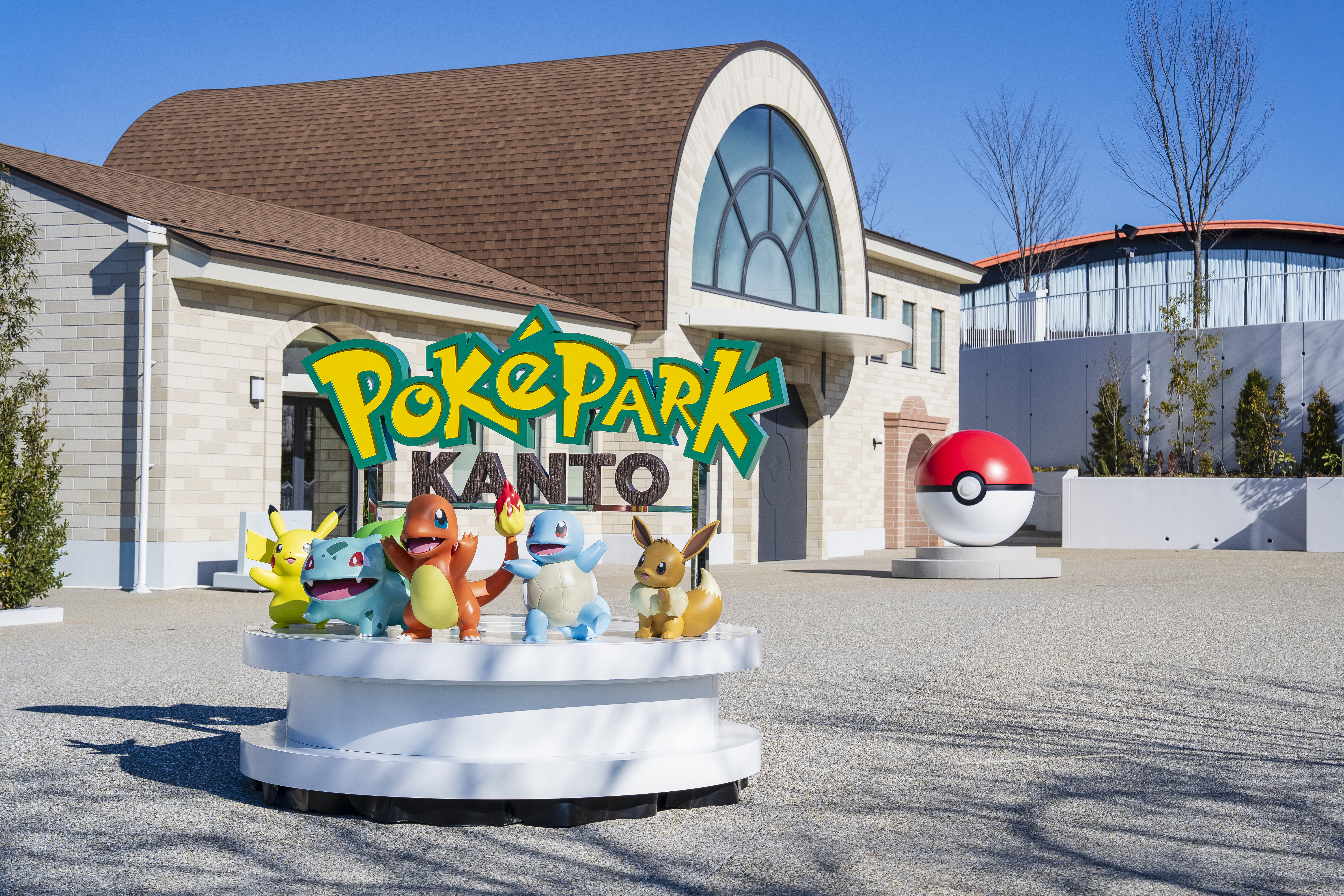
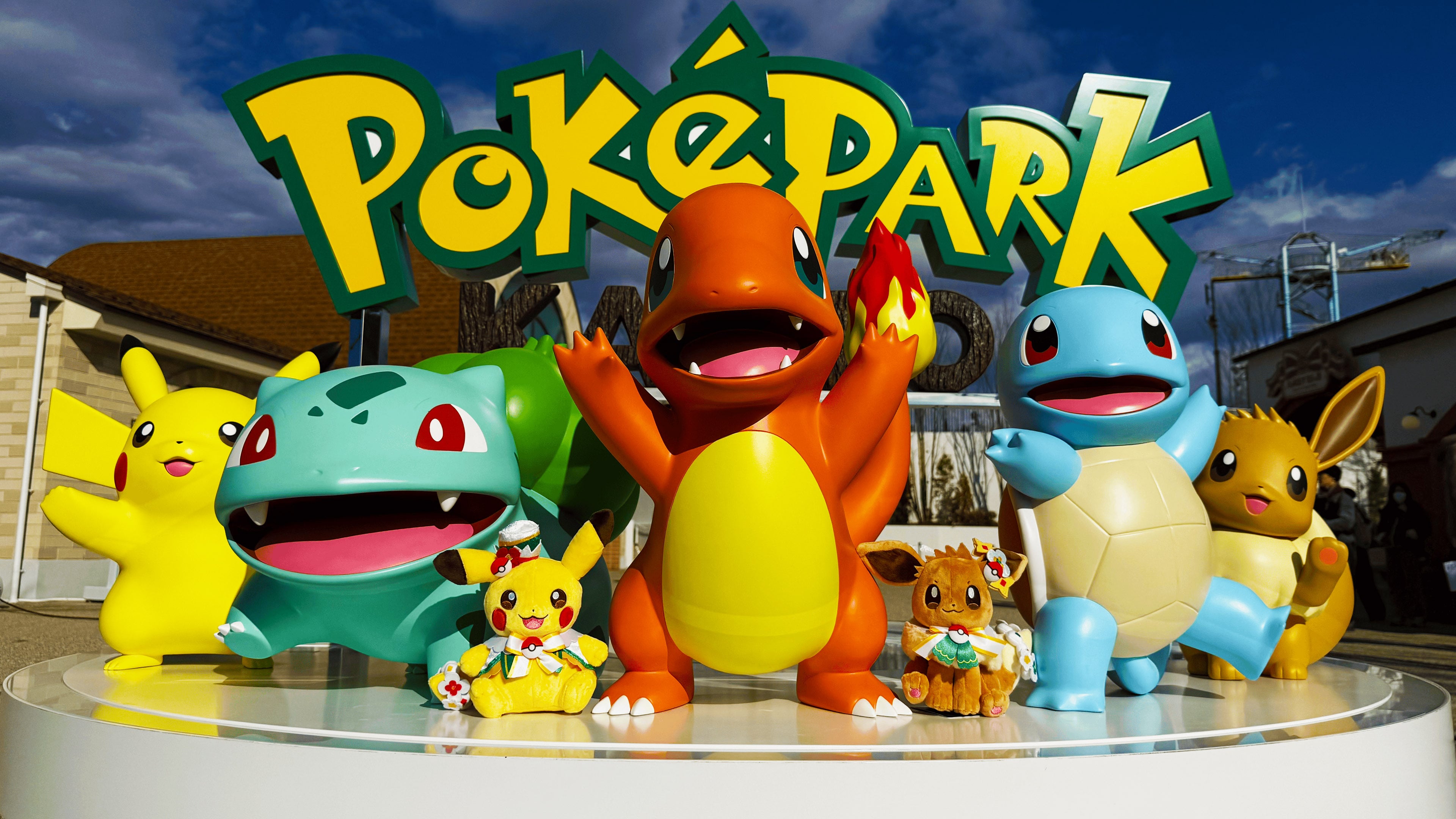
As our group arrived in PokéPark Kanto, we were greeted by statues of the land’s mascots, Pikachu, Eevee, Squirtle, Bulbasaur, and Charmander. Here, we got our first taste of the impressively high-quality models that are found throughout the park.
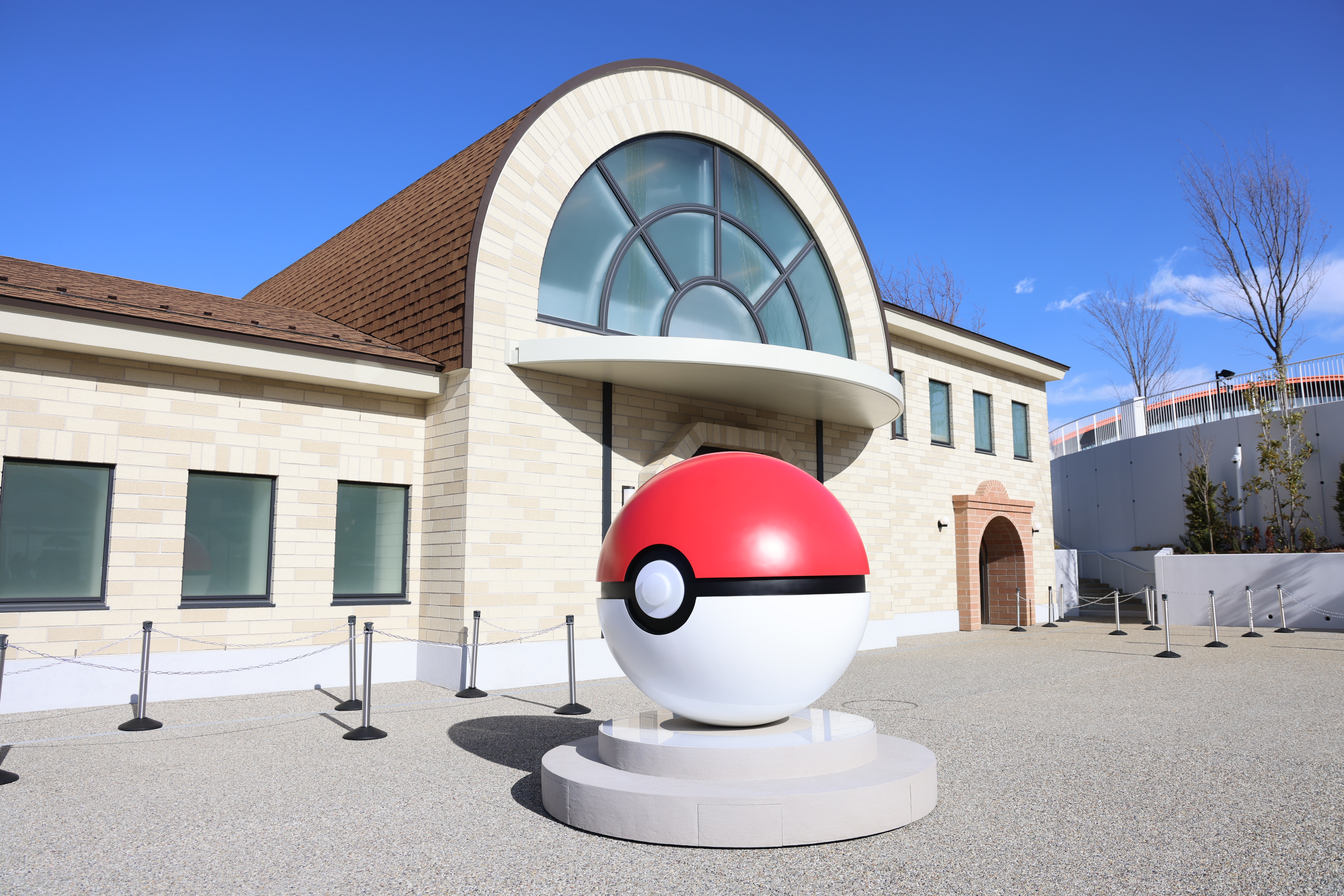
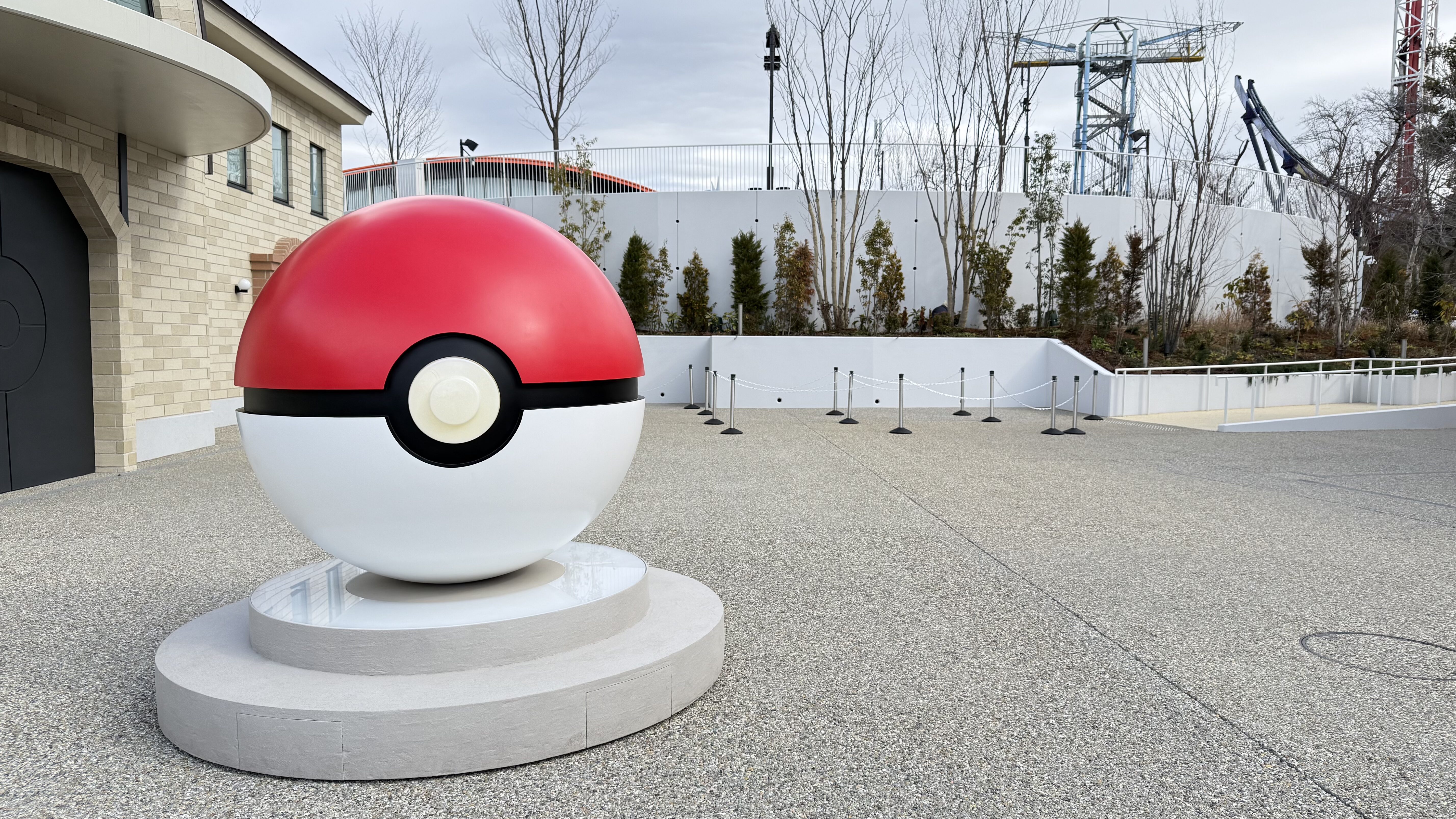
Behind that stands a 6-ft-tall Pokeball, which we were told will emit lights and sounds based on the 18 Pokémon types. In this small courtyard, where visitors will start and end their day, we were flanked by the gift shop (more on that later), and the professor’s research lab. This is where every PokéPark visitor’s day begins.
The professor’s research lab is the queue area to enter the Pokémon Forest, but it is also a visual attraction in itself. Modelled after Professor Oak’s lab, it contains life-size props of the machines and furniture found in the game. The professor’s research lab gives us the first taste of the design style that PokéPark Kanto is going for.
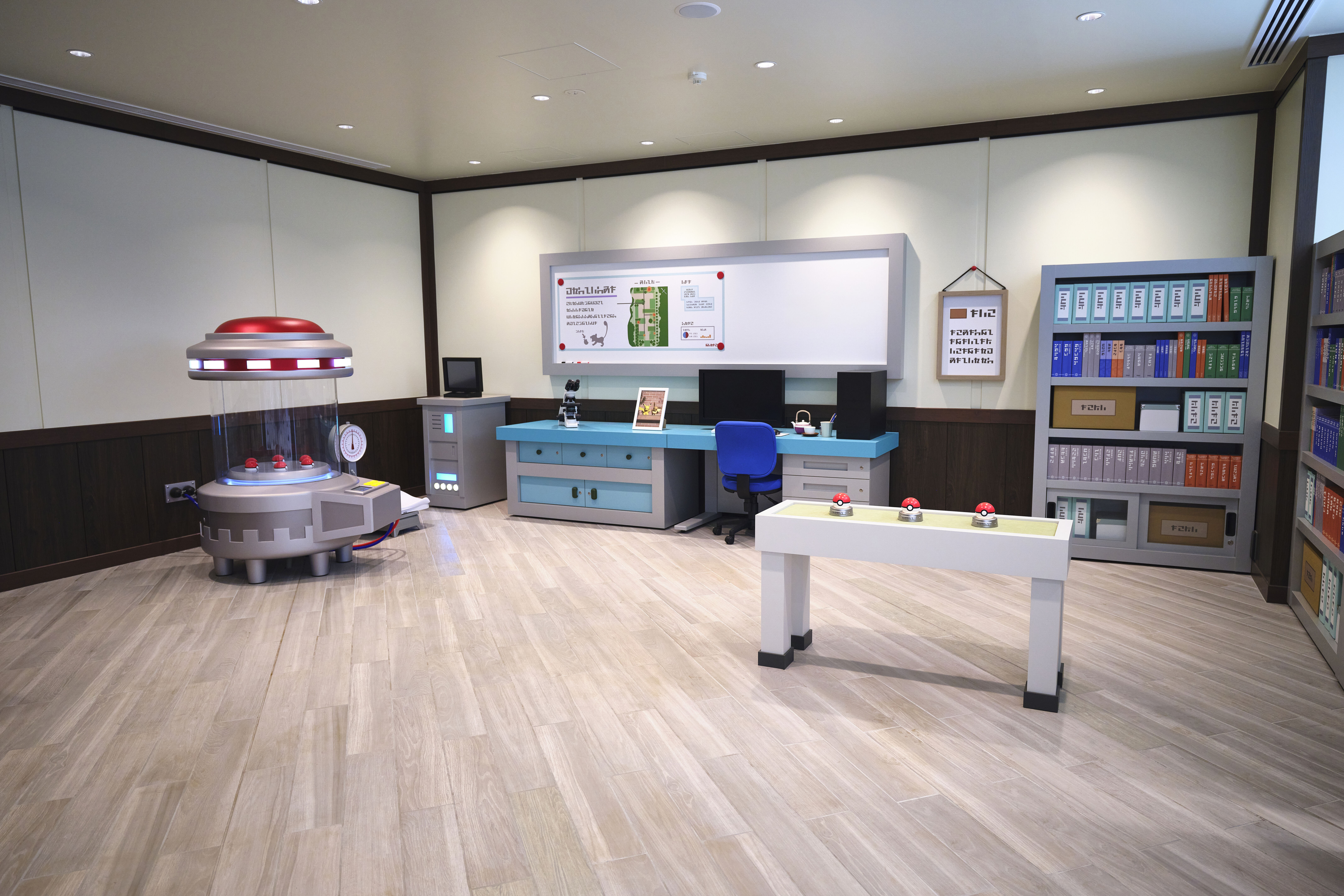
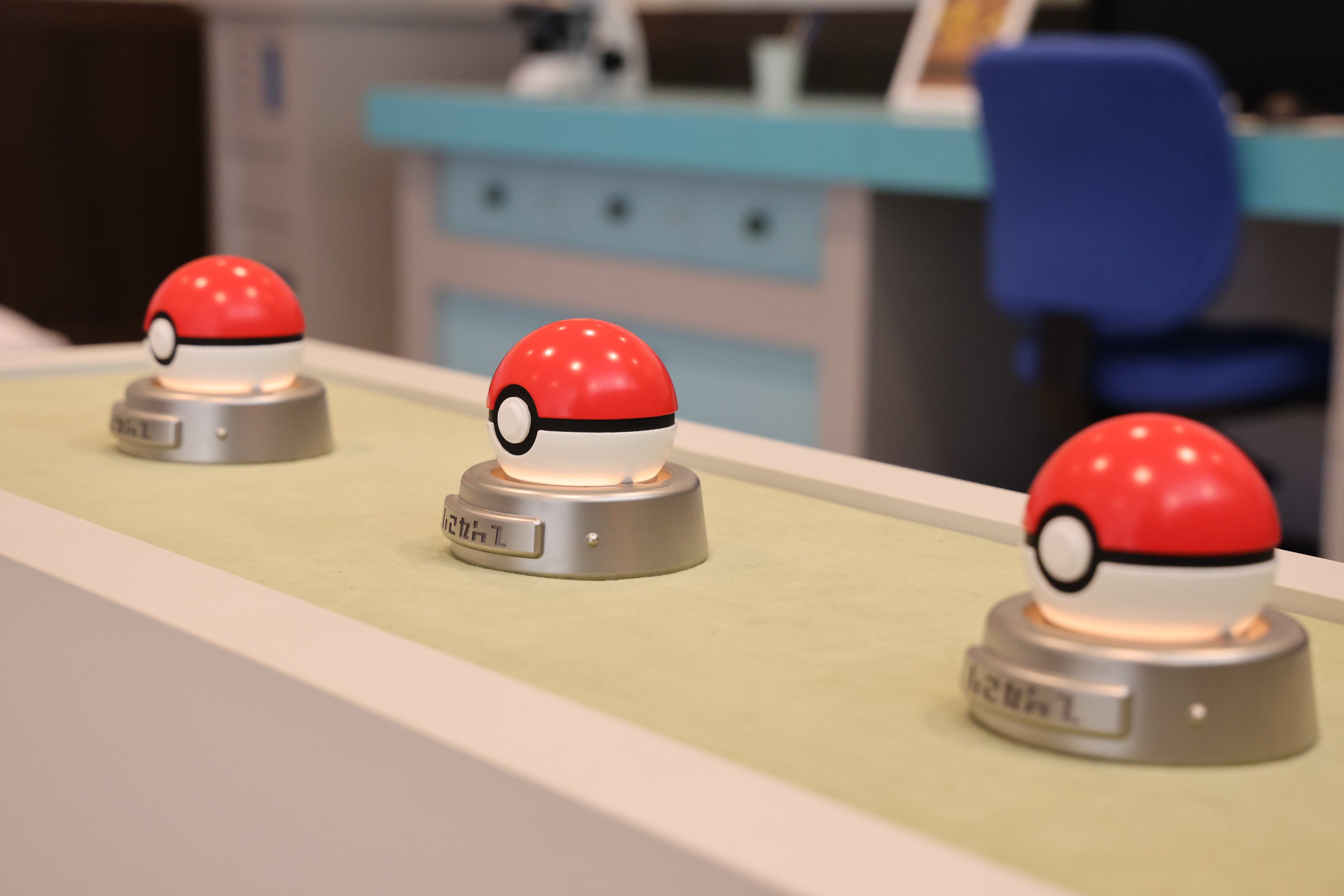
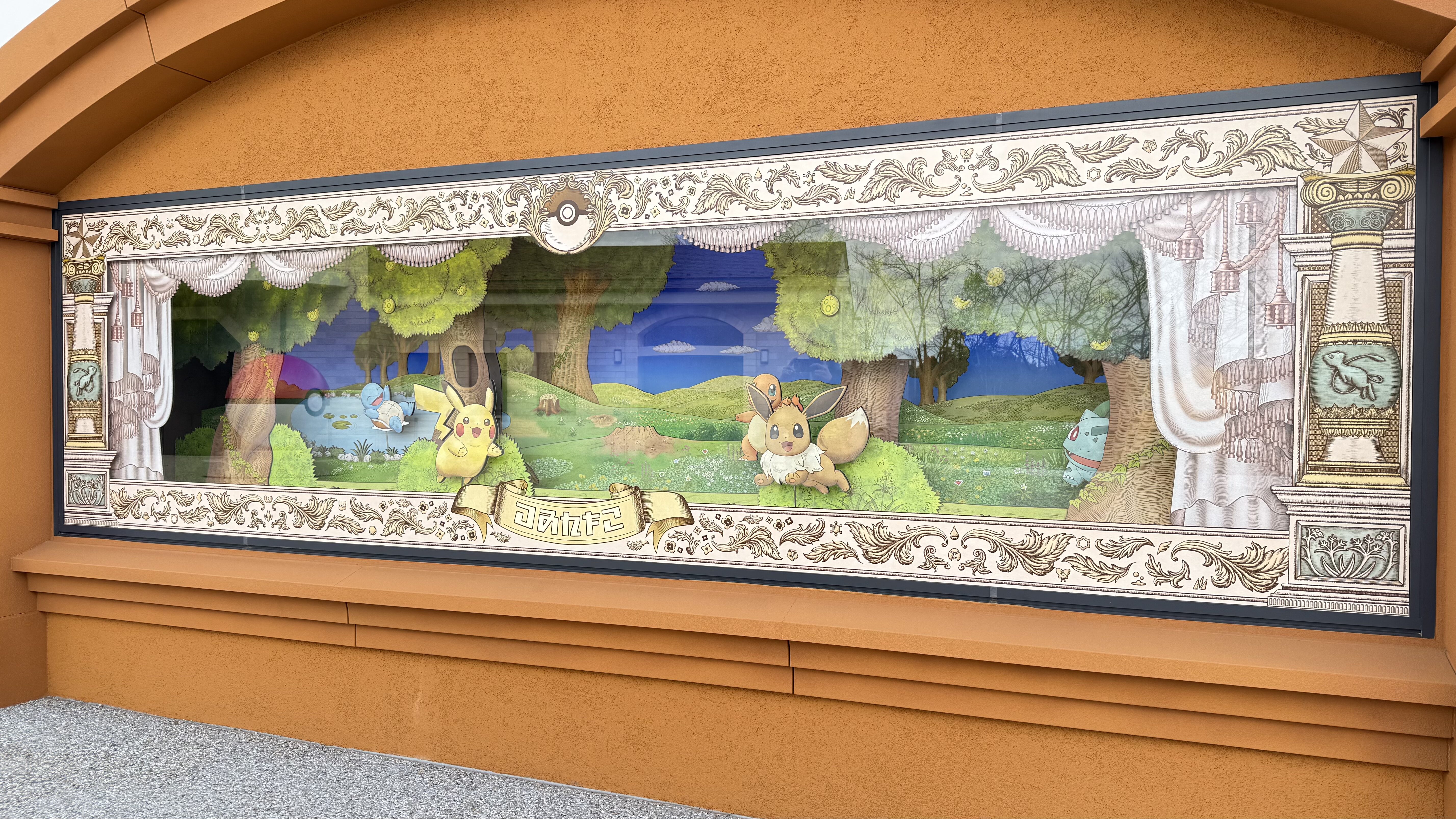
With immersive lands like those based on Harry Potter and Star Wars, it’s natural to shoot for photorealism. You want to feel like you’re actually on the set of one of those films, or, when the illusion is at its strongest, roleplaying like you’re actually there.
Conversely, with the likes of Super Nintendo World, Universal has taken the aesthetic of modern Mario games, meaning the whole park is designed to make you feel like you’ve stepped into the video game, rather than attempting to integrate Mario into a more toned-down visual style.
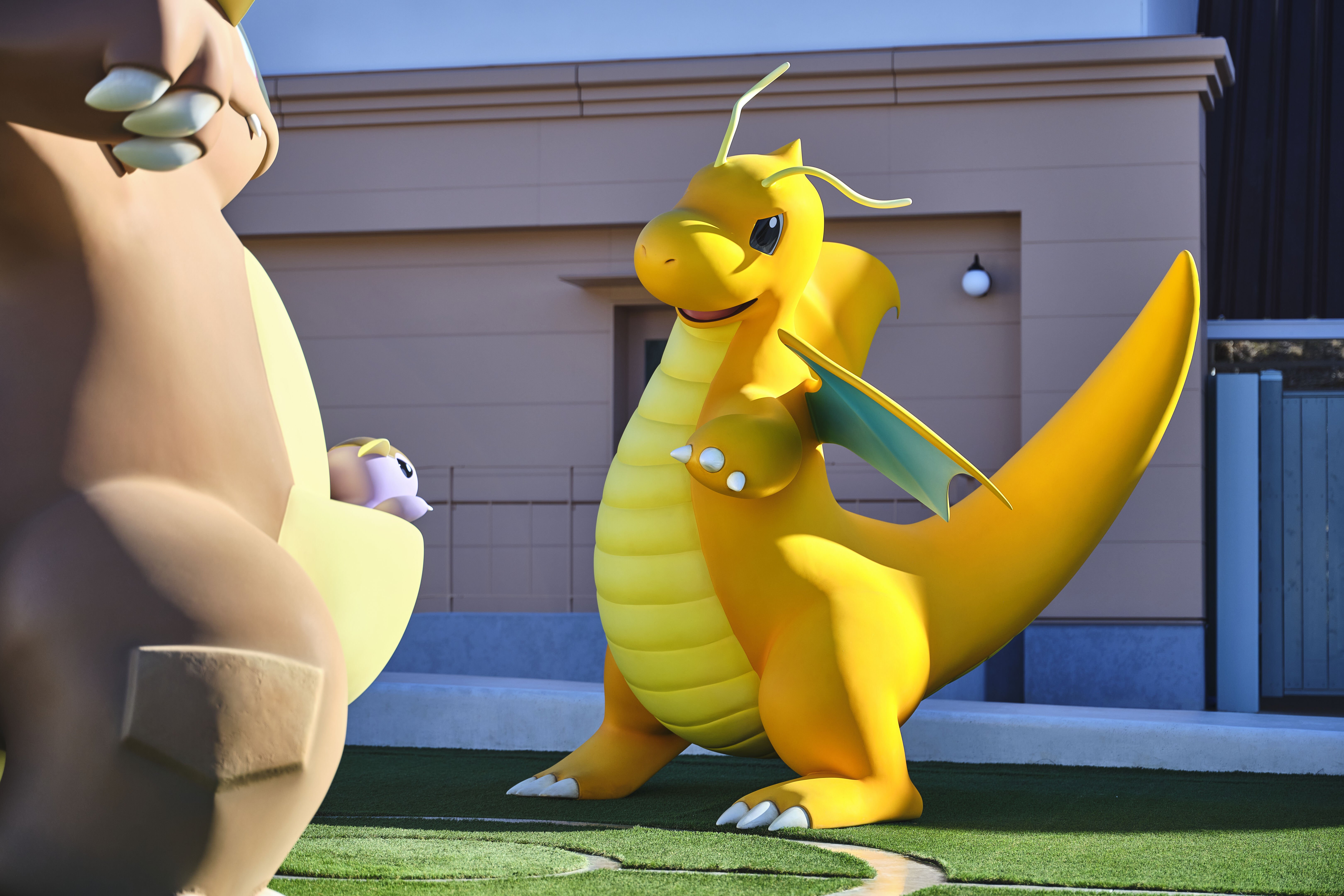
PokéPark takes the middle lane, blending the game aesthetic with real-life foliage and forestry, while maintaining the broad visual identity of the games in its buildings and decoration. The Pokémon aren’t supposed to look like Detective Pikachu, but PokéPark Kanto’s environment isn’t trying to make you believe you’re actually in the video game either. They’re high-quality models based on the current 3D renderings of the creatures, placed in the Pokémon Forest.
At the end of the Professor’s Research lab sits a large Pokeball-themed door which gates entry into the forest. The Professor’s Research Lab serves as a holding area before groups are allowed to depart into the Pokémon Forest. PokéPark Kanto will invite small groups to enter the forest at a time to avoid overcrowding, which, at this point, feels like an almost unsolvable issue.
It was then time to enter Kanto.
Across Every River, Behind Every Tree

The Pokémon Forest portion of PokéPark is a highly themed nature trail. Areas of the trail are broken up into biomes filled with statues of Pokémon, living in their natural habitat.
While the majority of the cast is from the Kanto region, there are plenty of cameos from across the series. It’s easy to understand why some may have believed that these sections would be quick, museum-like walkthroughs of some statues, but thankfully, the experience feels more compelling than that.
In practice, exploring the Forest is an evocative and exciting experience for fans. As a 30-year-old Pokémon diehard, you know what you’re looking at. But the level of care, not only in the quality of the models, but also in the direction of how they’re arranged in the park, is enough to remind you of the first time you ever met these old friends.
Quickly, our group descended into a game of Pokémon Snap, shouting with excitement as we noticed a new creature for the first time. Even after circling an area a few times, there were yet more Pokémon to find.
Unfortunately, because workers were still making final adjustments to PokéPark during our visit, we weren’t able to take our own photos of the Forest. However, Japanese media outlets, which visited a bit later, have published imagery that gives you a good idea of what to expect:
Far from being stuck on one trail, PokéPark Kanto wants visitors to explore. There are Pokémon hidden high in trees, and deep-cut references to be found for those who want to look extra hard through the trees. An area themed around Pikachu and Eevee gives way to a walkway surrounded by Drilbur and Excadrill.
The park is built to cycle out Pokémon models, and it’s easy to see where further expansion to the trail could be made, or seasonal events could freshen the cast. These areas are, of course, complemented by the soundtrack to the original games.
You aren’t supposed to speed through this section. It’s a leisurely stroll that rewards visitors for how long they spend looking. Later in the day, we swapped stories of Pokémon we found, or references we picked up on. It was like a bus full of real Pokémon trainers recounting their adventures while attempting to Catch-Em-All.
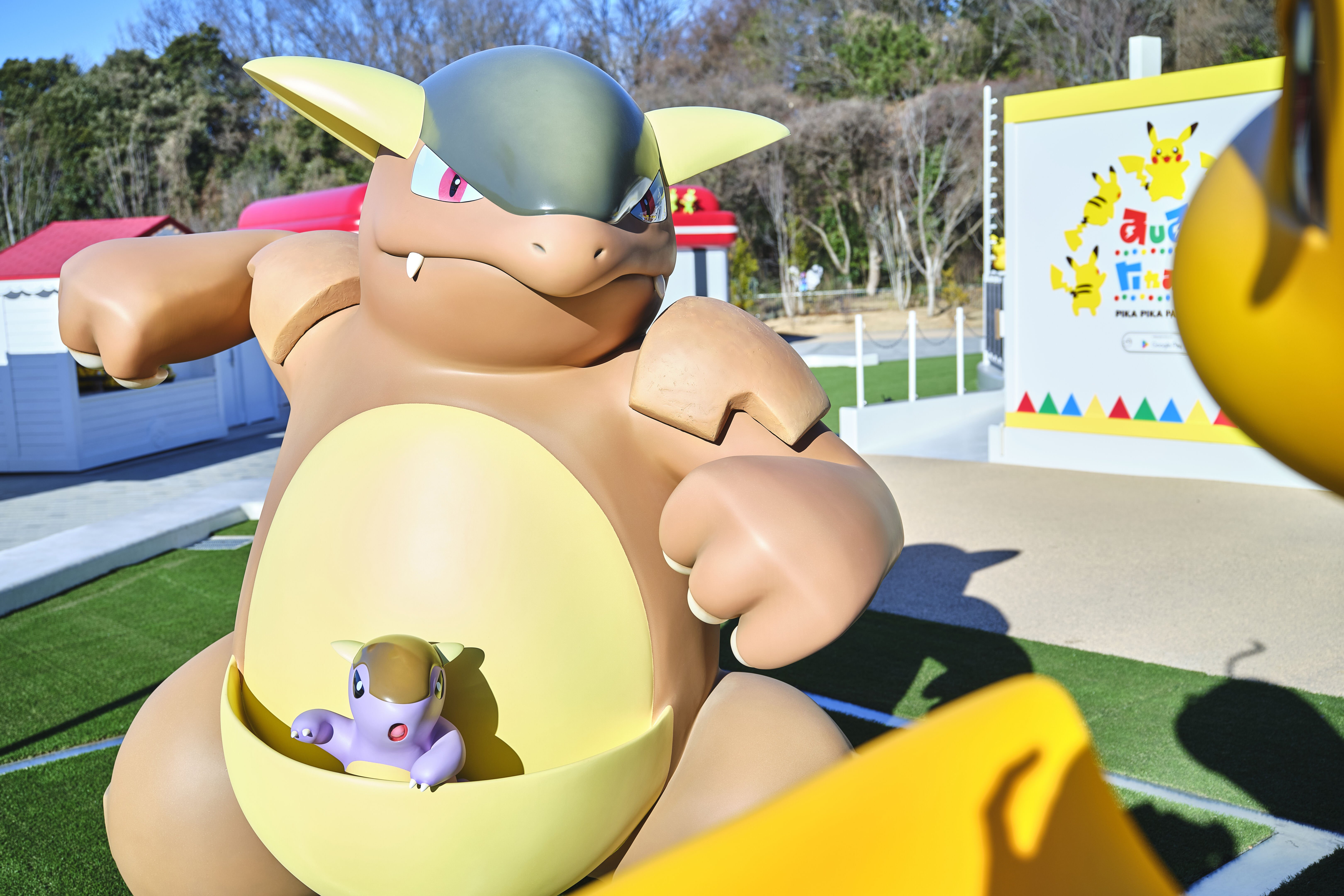
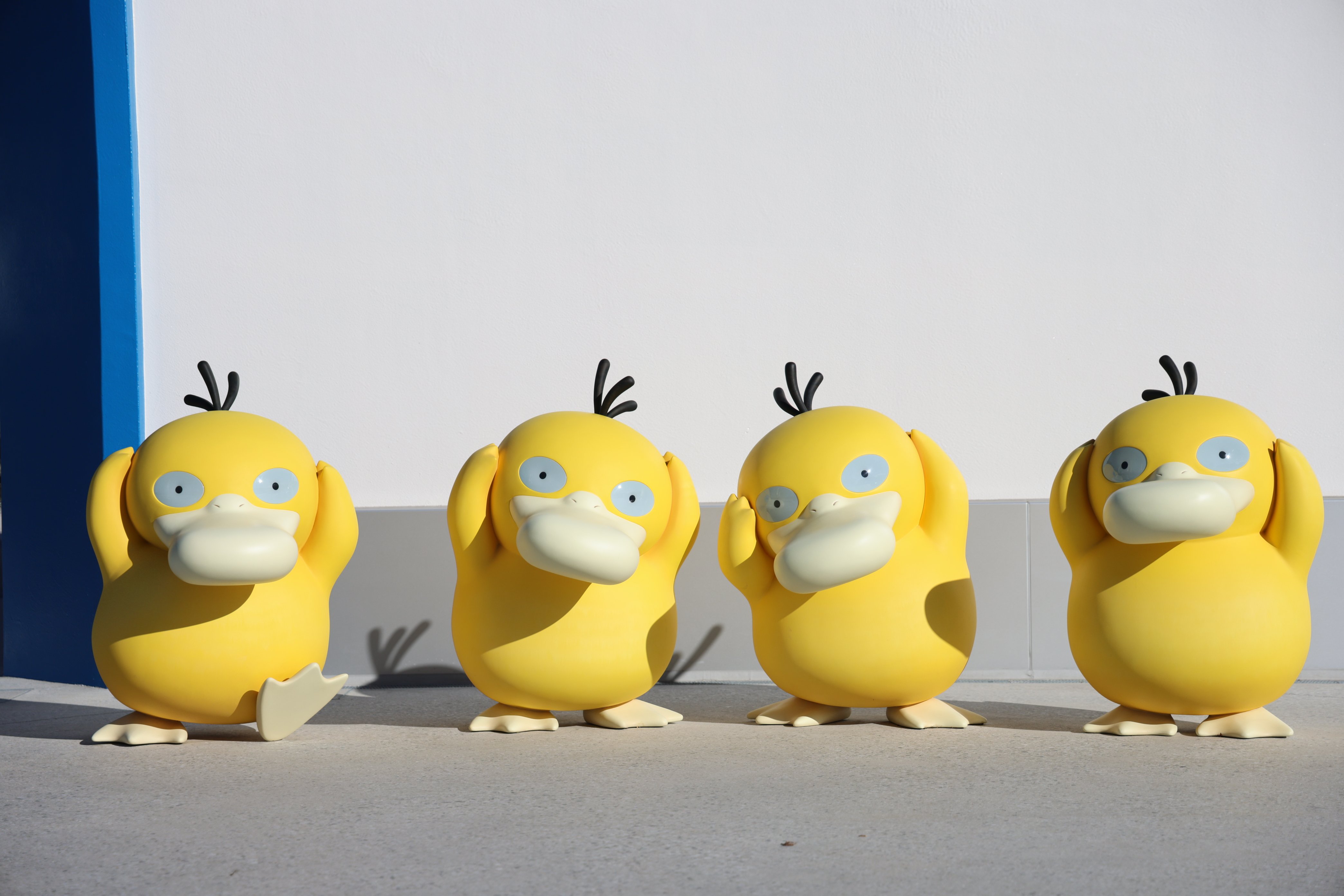
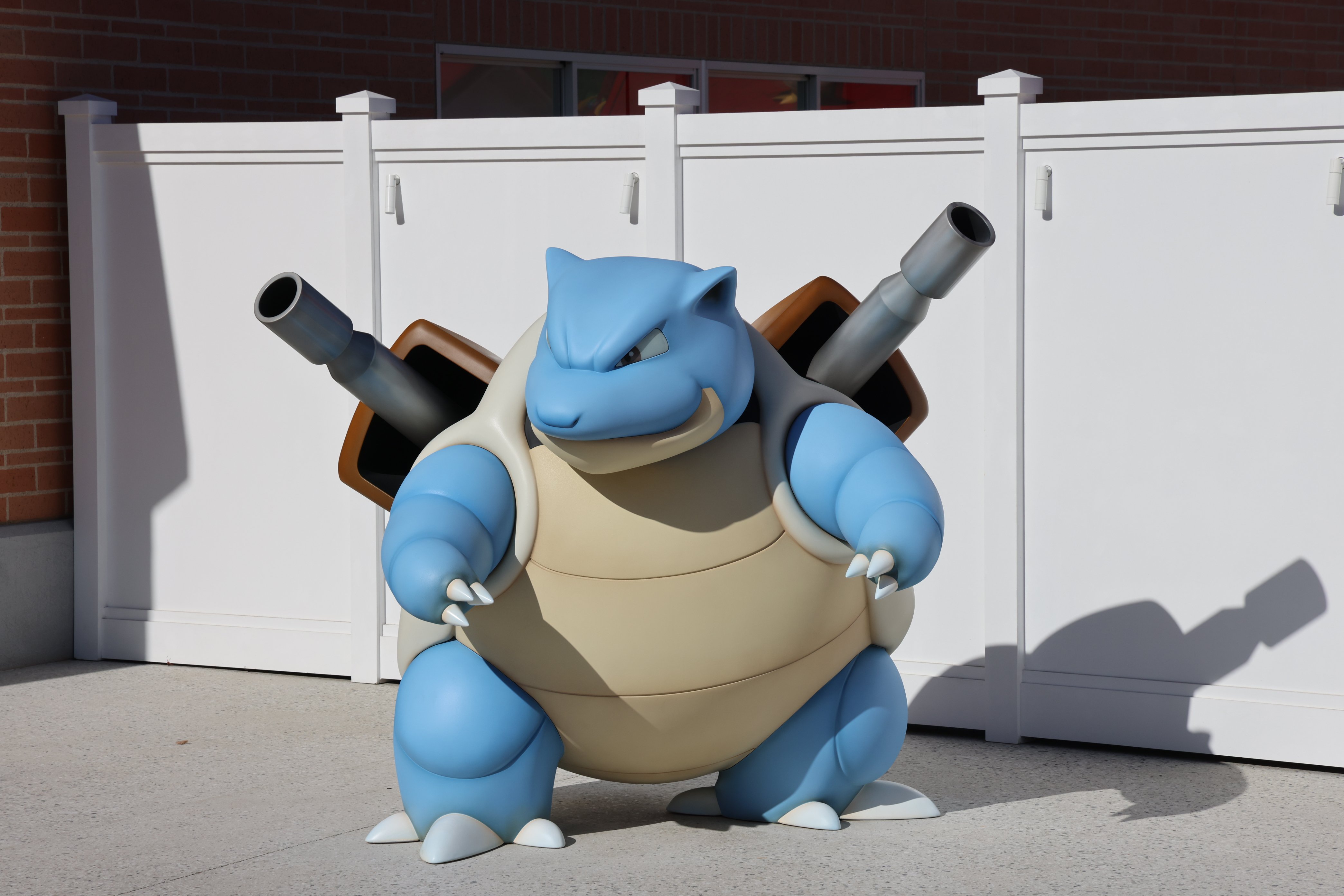
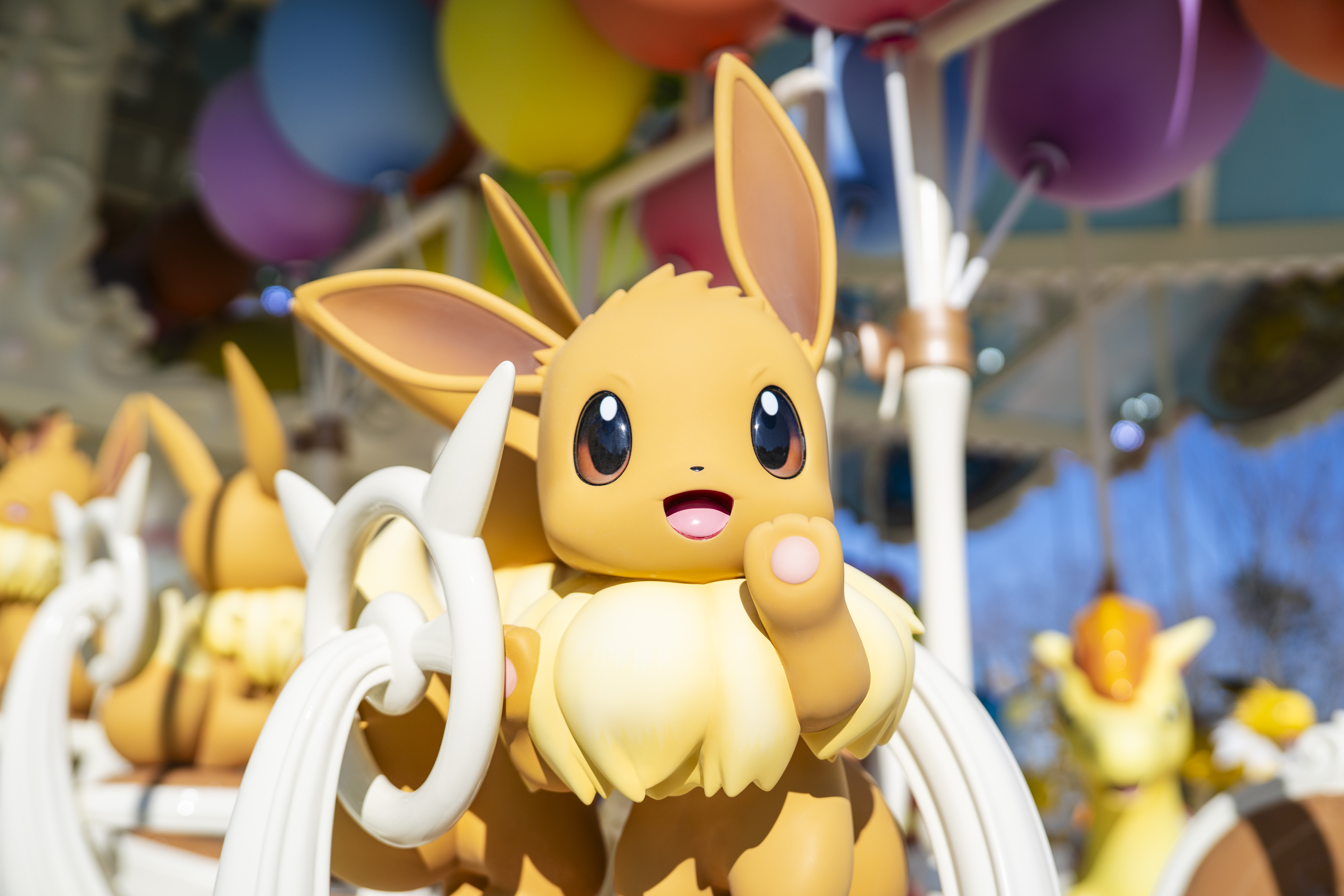
These aren’t flimsy models either. Guests can touch the Pokémon, and even ride them in some specific cases. Despite being statues, the Pokémon are posed in a way that’s emotive, and the whole trail is Meowth-nip for anyone looking to do a Pokémon-themed Instagram shoot.
PokéPark: How to get tickets
Three types of passes will be offered for PokePark Kanto via its website. The Ace Trainer Pass, the Trainer Pass, and the Town Pass. The Ace Trainer Pass will allow guests to visit the Pokémon Forest and Sedge Town at any time, and includes access to meet and greets and a reserved seat in the Pokémon Gym. Ace Trainer Pass holders will also be given priority access to the park’s attractions.
The Trainer Pass gives guests access to the Pokémon Forest at a set time, with no re-entry allowed, and unlimited access to Sedge Town. The Town Pass will let visitors access Sedge Town, and is intended for guests who are physically unable to visit the Pokémon Forest. Children under 3 can visit Sedge Town without a ticket.
The Town pass will become available in May. The Ace Trainer Pass will cost between ¥14,000 ($92) and ¥16,500 ($107), depending on the day. The Trainer Pass will cost between ¥7,900 ($51) and ¥9,400 ($62), and the Town Pass will cost between ¥4,700 ($30) and ¥5,500 ($35).
Guests in Japan can apply for tickets now via a lottery, and those from outside Japan wishing to visit the park can do so by booking tickets when they become available, typically 3 months before their intended visit.
There was previously some mild concern over warnings on the park’s site about the trail requiring a certain level of fitness.
The trail features one section with some fairly steep stairs, and a section where fans will need to duck under a 4ft-ish ledge. The Pokémon Forest section isn’t accessible to those who will find these sections difficult or not possible to navigate. Sedge Town is entirely accessible, and PokePark Kanto will offer cheaper tickets for those looking to skip the Pokémon Forest section.
As our group came to the end of the Pokémon Forest section, larger and larger Pokémon appeared. Pokémon I assumed would be too expensive to actually model rose from the ground and were genuinely surprising. As a fan, I thoroughly enjoyed exploring Pokémon Forest. The only thing that could be held against it is that, due to being part of an active themepark, occasional rollercoaster carts will fly overhead in the forest, but that feels like a small complaint.
Young fans will revel in being able to get up close and personal with so many of their favourites, and older fans will get a lot out of the models themselves, the references, and the general ambiance. I’d have happily walked through a trail that was five times as long, but after around 40 minutes, our group had arrived in town.
I’m On The Road to Sedge Town
Sedge Town is the main thoroughfare of PokéPark Kanto. You enter the town via the Forest and are greeted with a huge fountain surrounded by water-type Pokémon. On either side of the fountain, there’s a Pokémon Center and a PokeMart.
The Pokémon Center will feature a performer dressed as Nurse Joy, standing alongside her trusty Chansey. The PokéMart will offer food options, similar to those found in Tokyo’s Pokémon Cafe and Pikachu Sweets shop, but exclusive to the park.
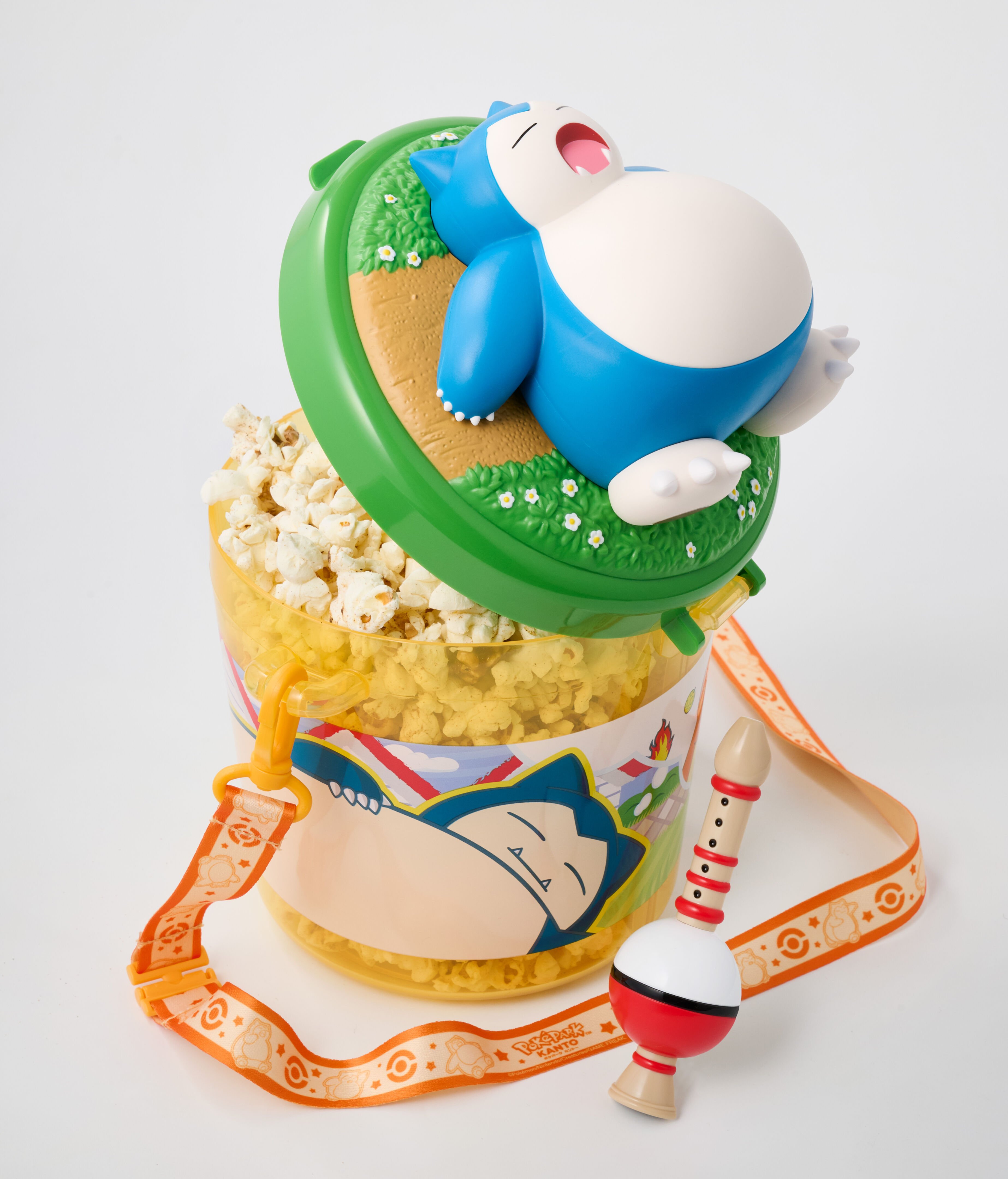
Sedge Town’s main street is lined with stalls that will sell food, some limited merchandise, and house carnival games. I played a Wiglett-themed ring toss and managed to go 0-3. While I wasn’t able to try any of the food due to being shown round the park so early, previously released images of the park’s food offerings include popcorn in a large Snorlax-themed tub, hot and cold offerings, and plenty of sweet treats.
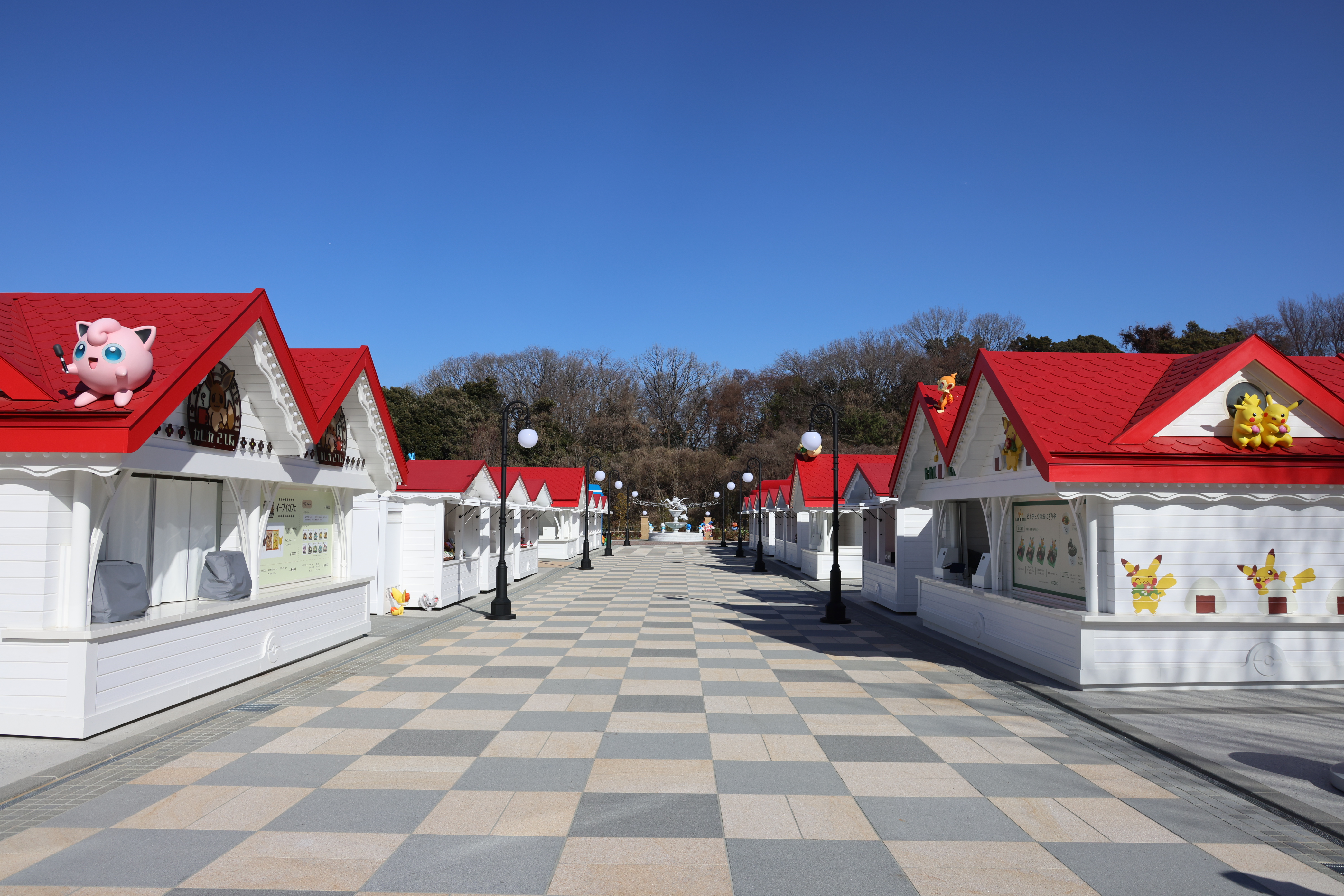
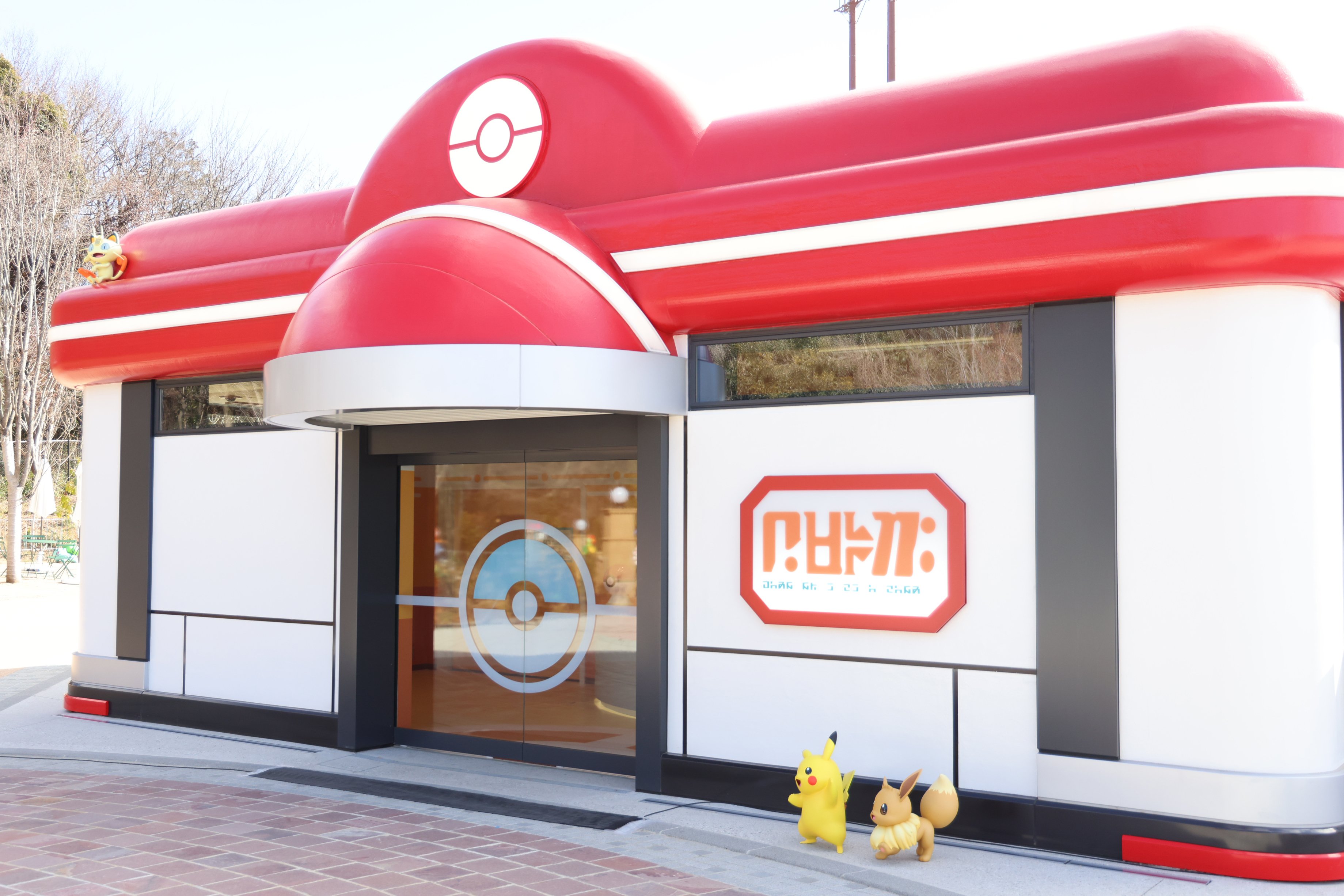
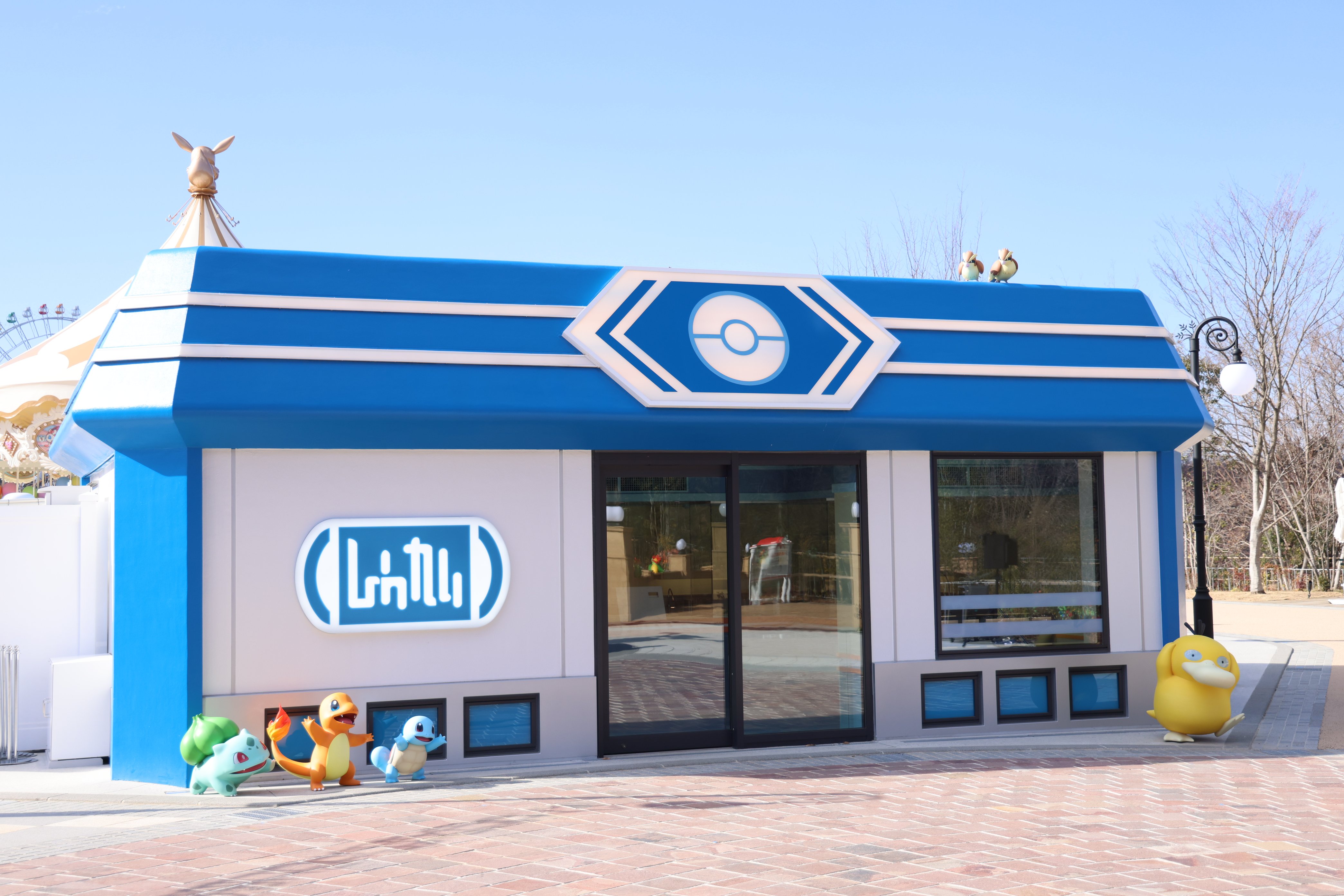
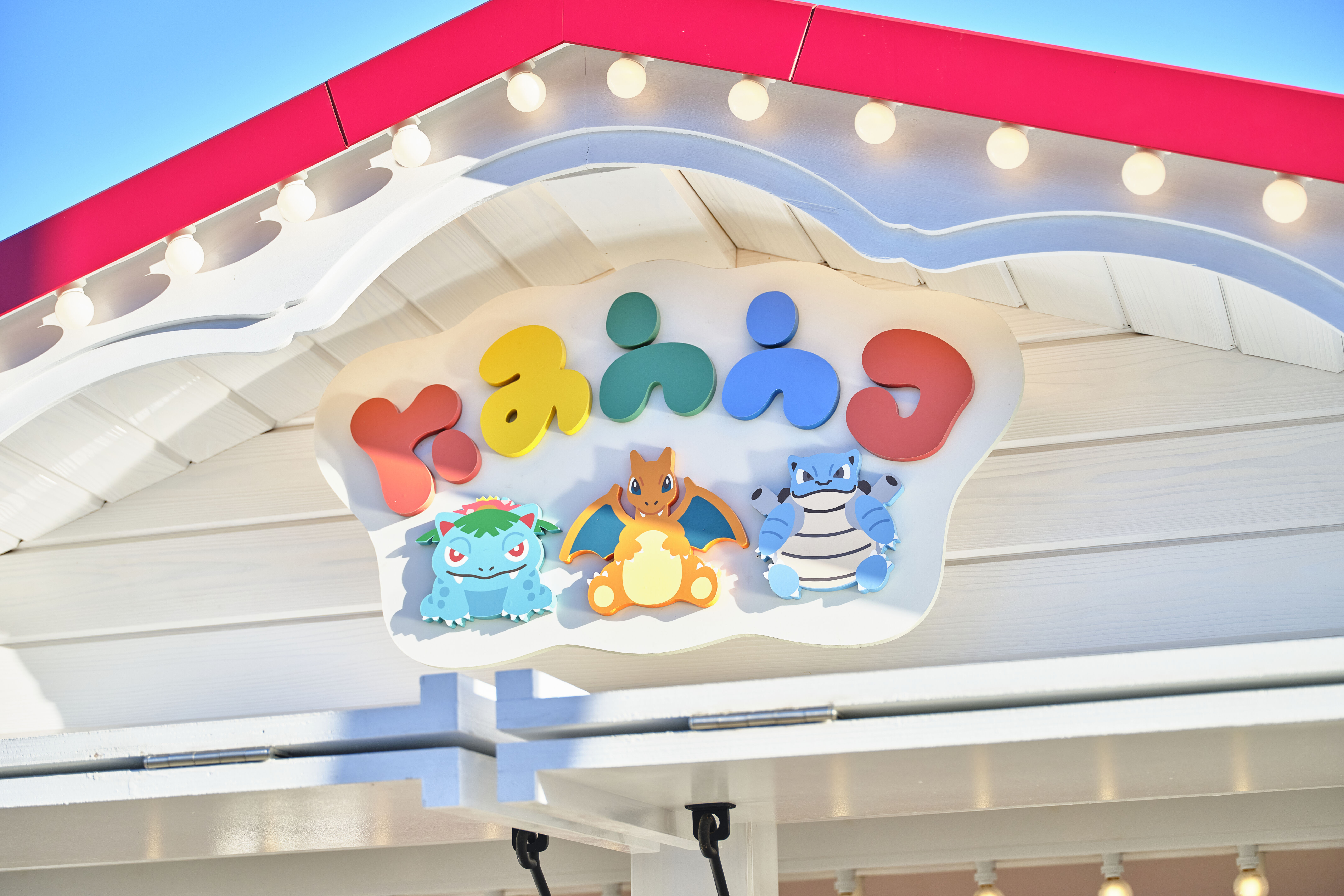
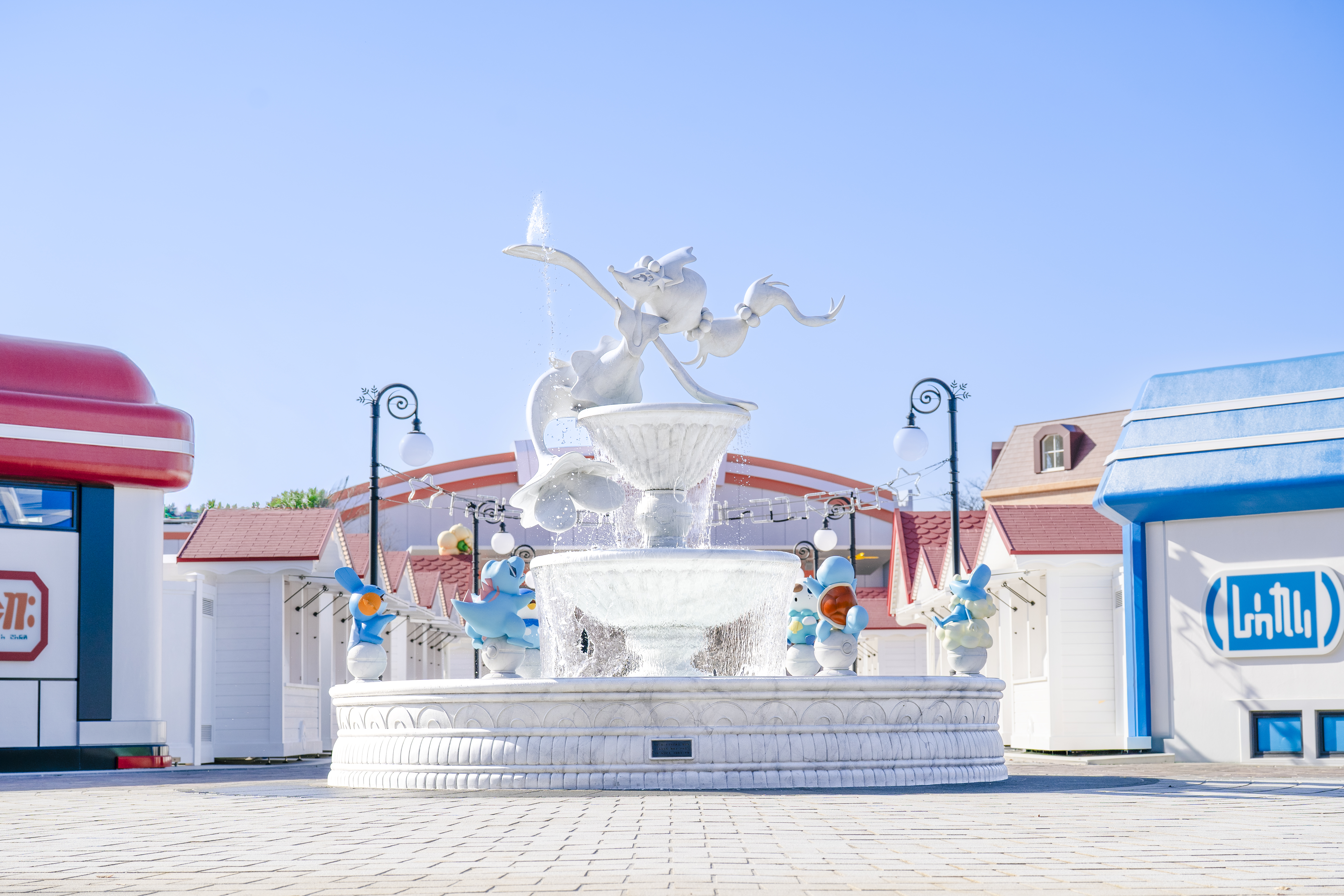
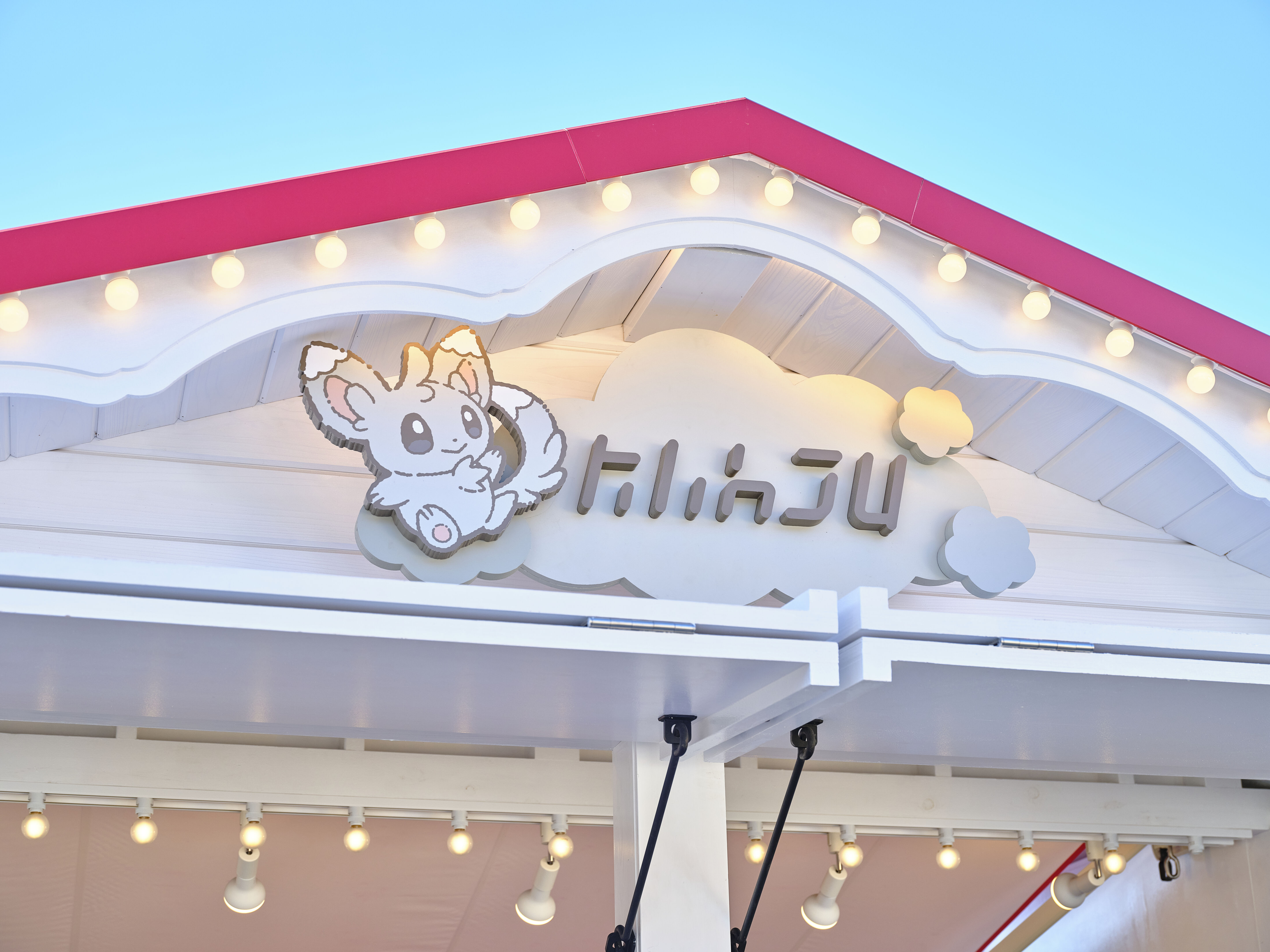
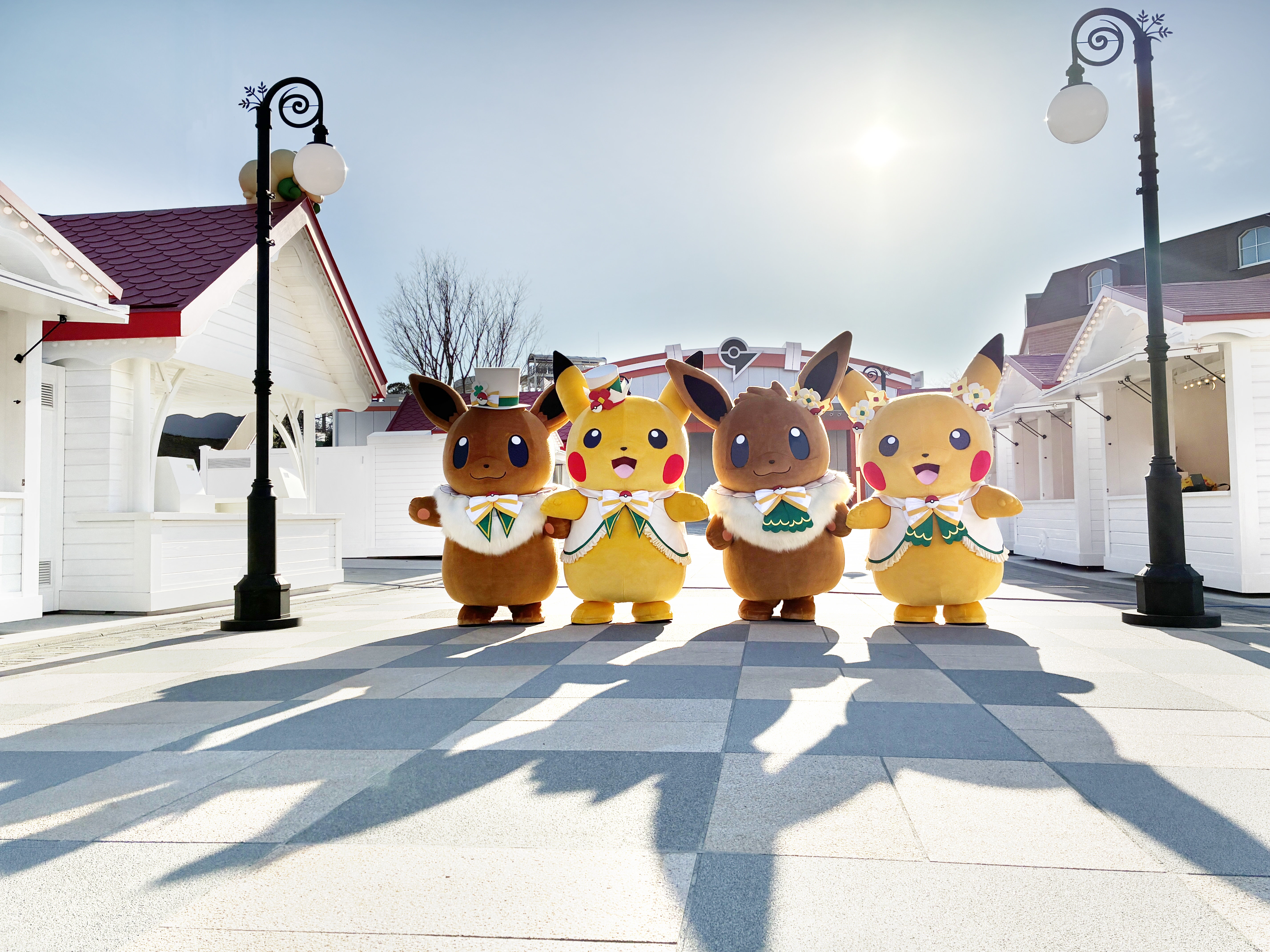
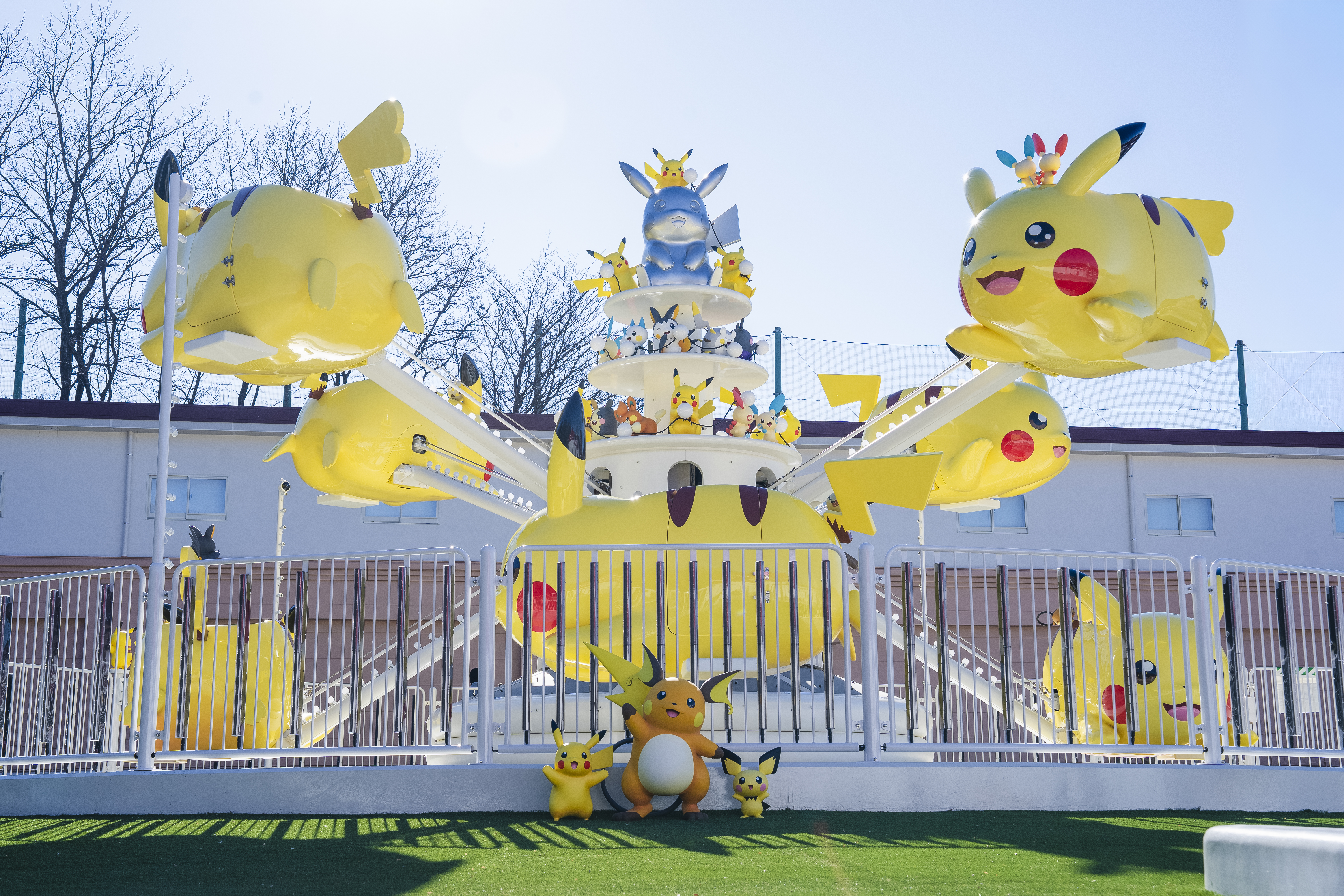
At the opposite end of Sedge Town from where guests will enter sits a massive statue of Moltres, Zapdos, and Articuno. Behind it, a towering Pokémon Gym. The Pokémon Gym is the PokéPark’s performance space. This 300-seat theatre will be home to shows like Pika Pika Sparks, which we’re told will feature dancing Pikachus, human performers, and cameos from other Pokémon favourites.
Sadly, there’s no indication that Pokémon Live!, the excellent Pokémon musical, will be revived for PokéPark Kanto, but I can dream. In a nice touch, each seat in the theatre features a silhouette of the corresponding Pokémon based on the Pokédex number.
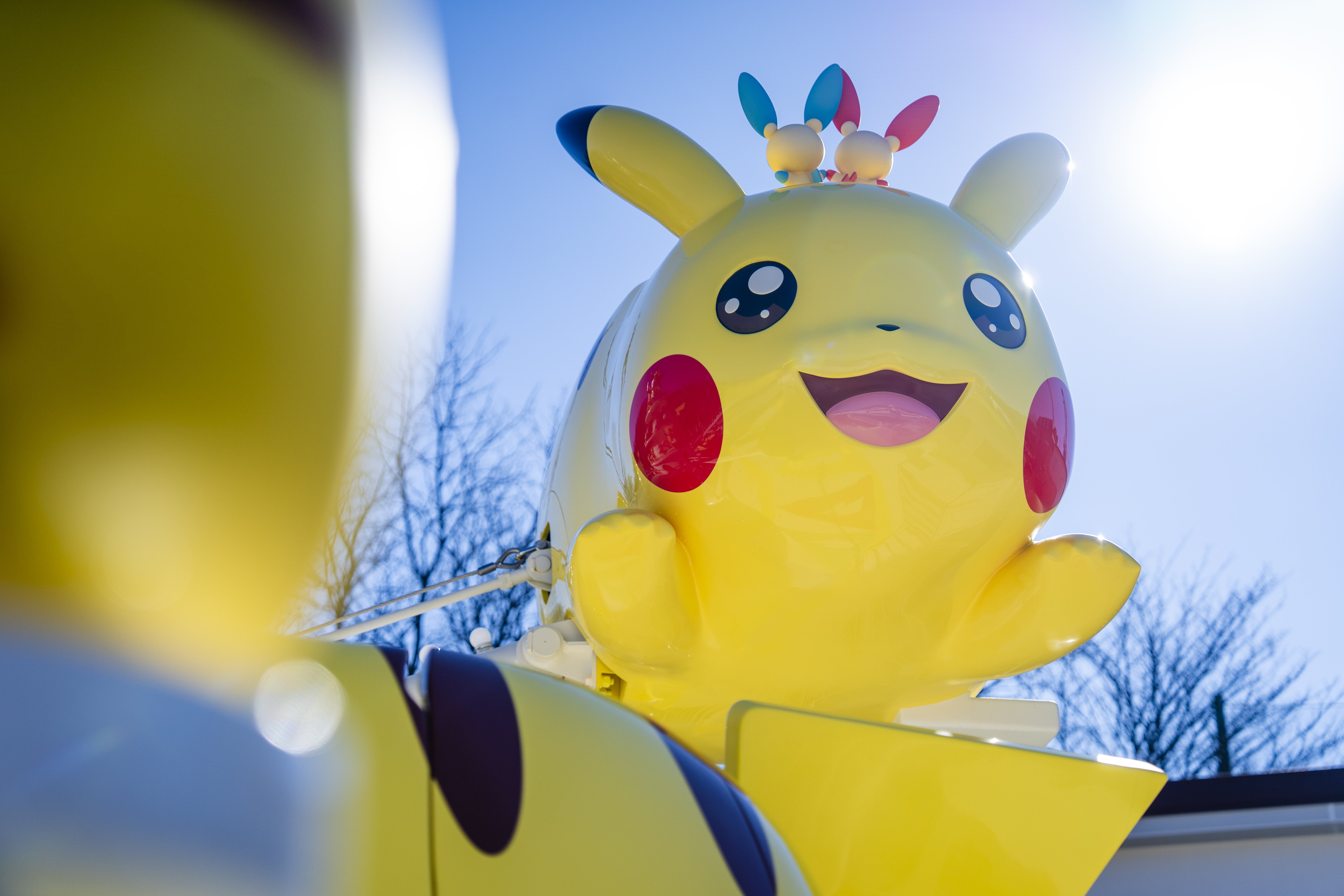
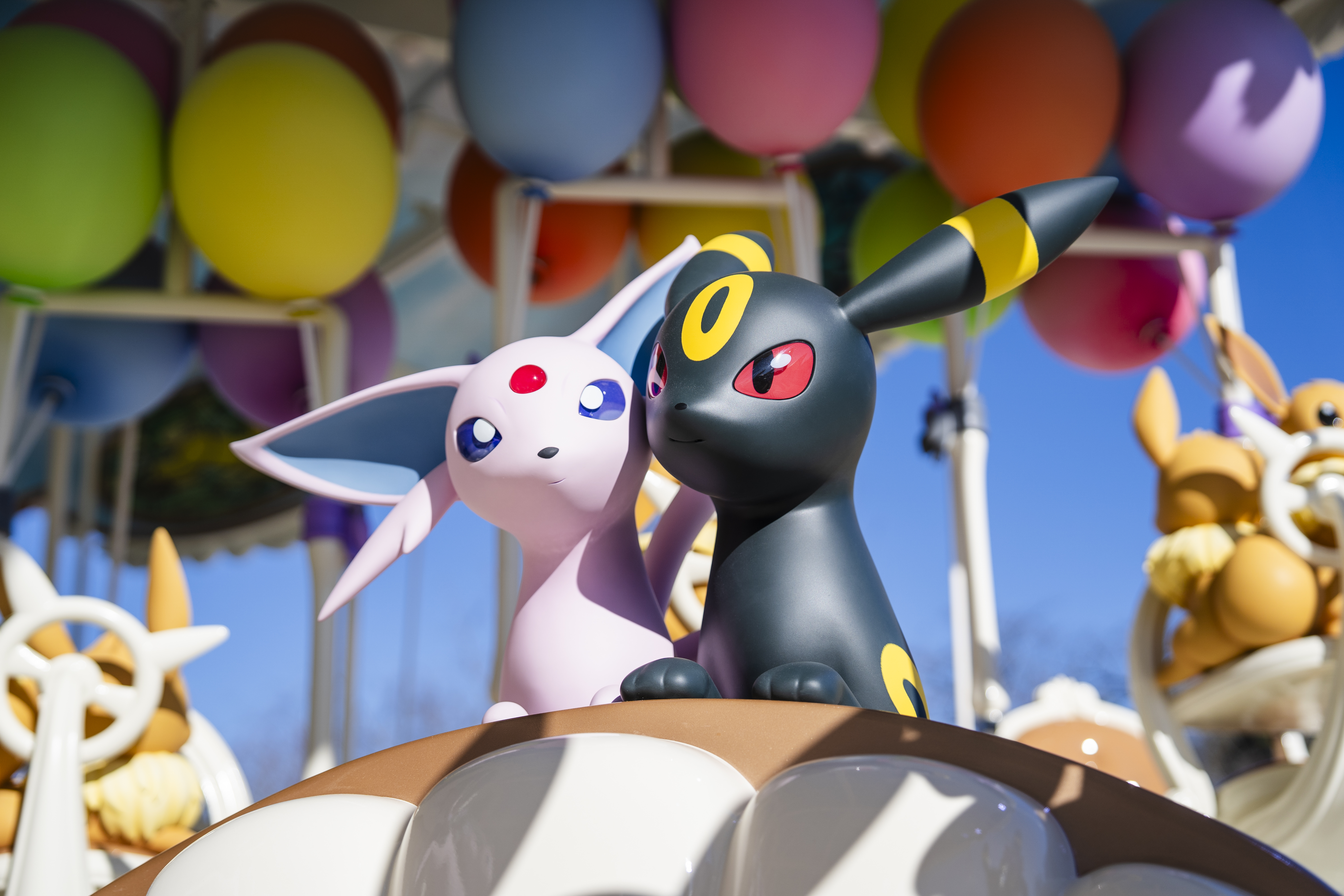
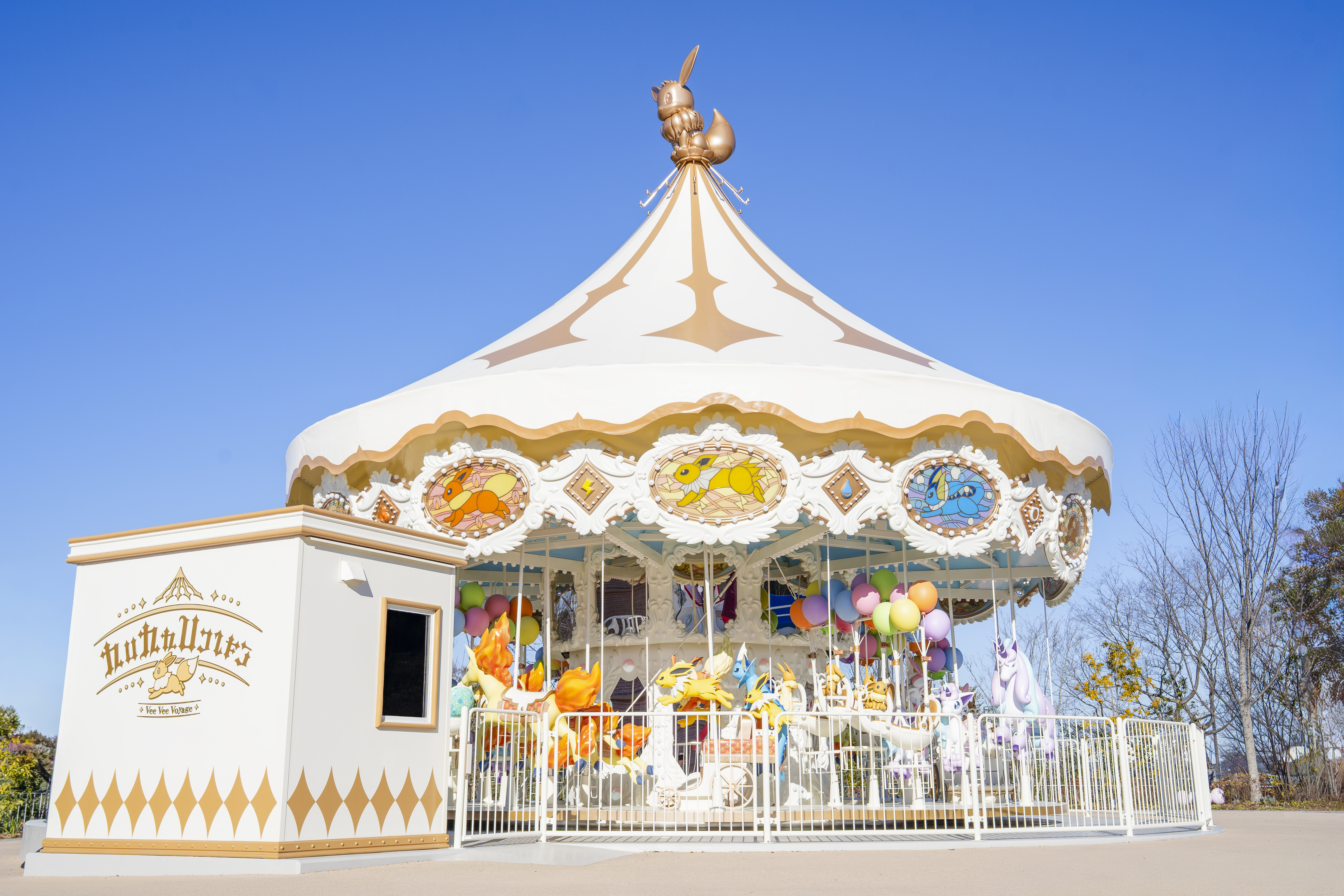
Sedge Town features two rides. The first, Eevee’s Voyage, is a vintage-style carousel featuring high-quality models of the Eeveelutions, and some other favourites. On the other side of town, Pika Pika Paradise is a Dumbo-style ride featuring Pikachu. As I mentioned at the start, this isn’t a park for thrill-seeking older fans. Sedge Town is full of more photo opportunities and will host performances. There are also areas where fans can relax among the Pokémon and take a break.
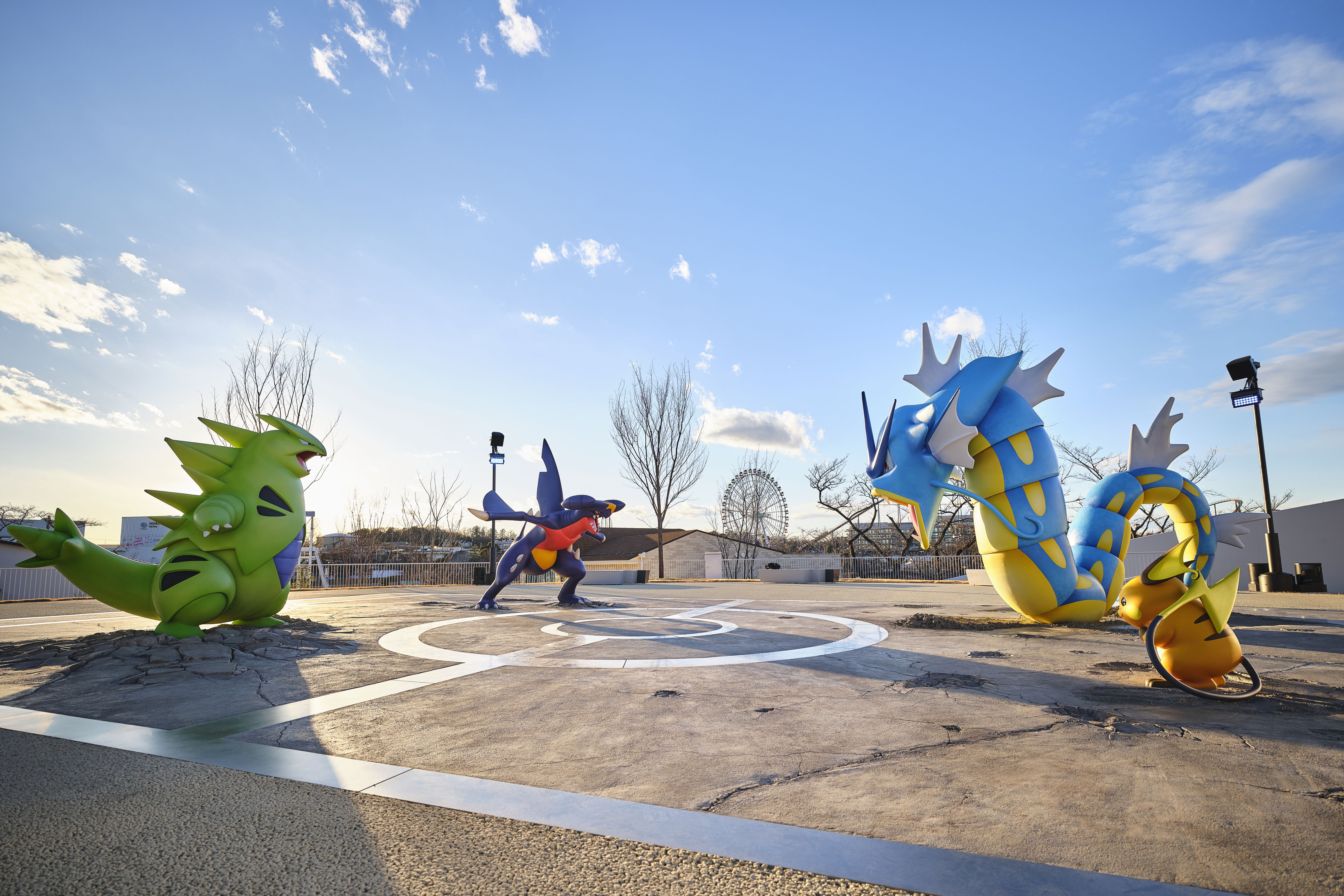
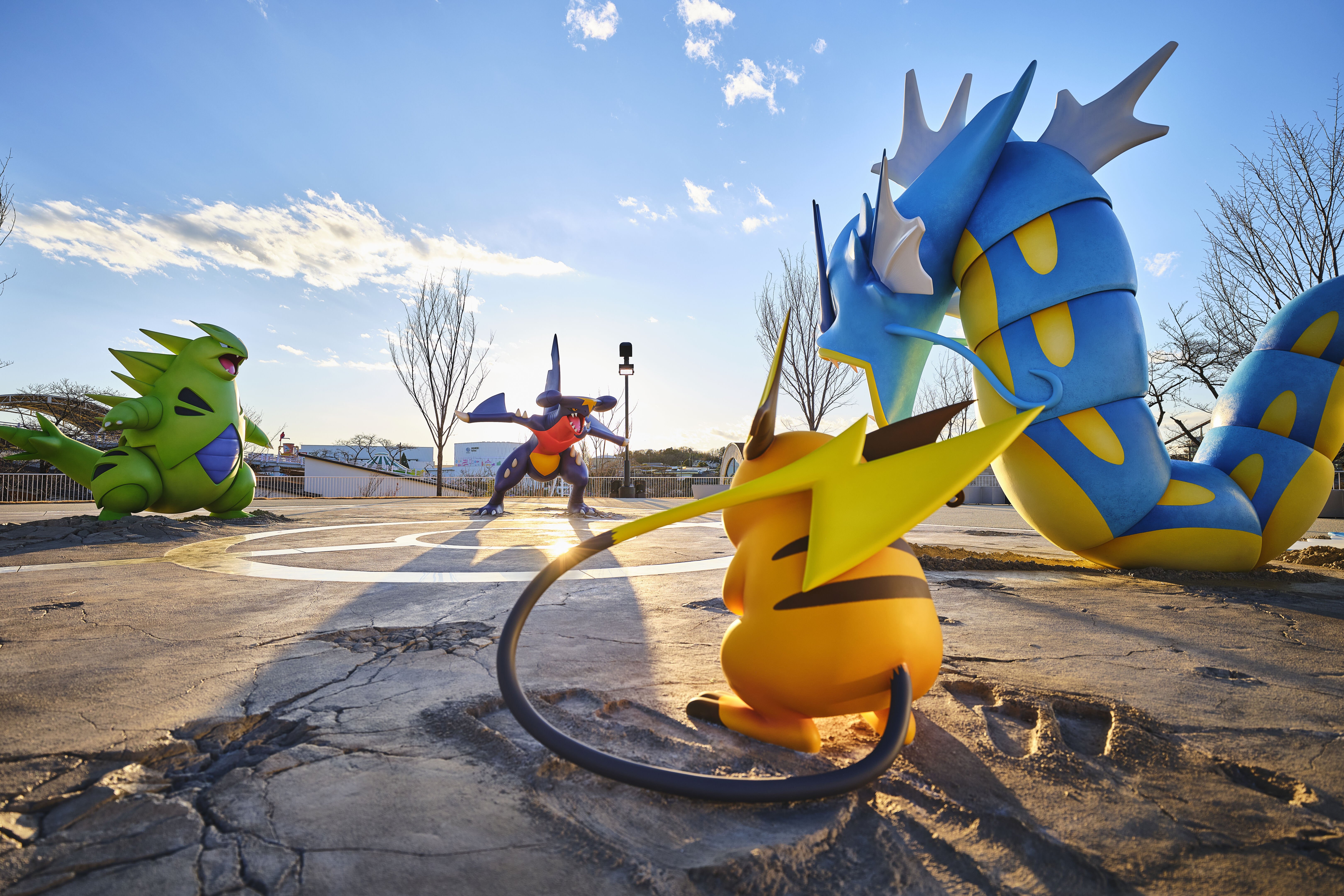
After exiting the Pokémon Gym, there’s a final photo opportunity, once again showing off the extremely high level of craftsmanship featured in the park. A 2vs2 battle between Gyarados, Raichu, Garchomp, and Tyranitar makes for one of the best visual showpieces in the park. The concrete beneath the Pokémon has been specially deformed to include footprints from the Pokémon themselves and battle damage from the ongoing fight.
Rare Candy and shiny surprises
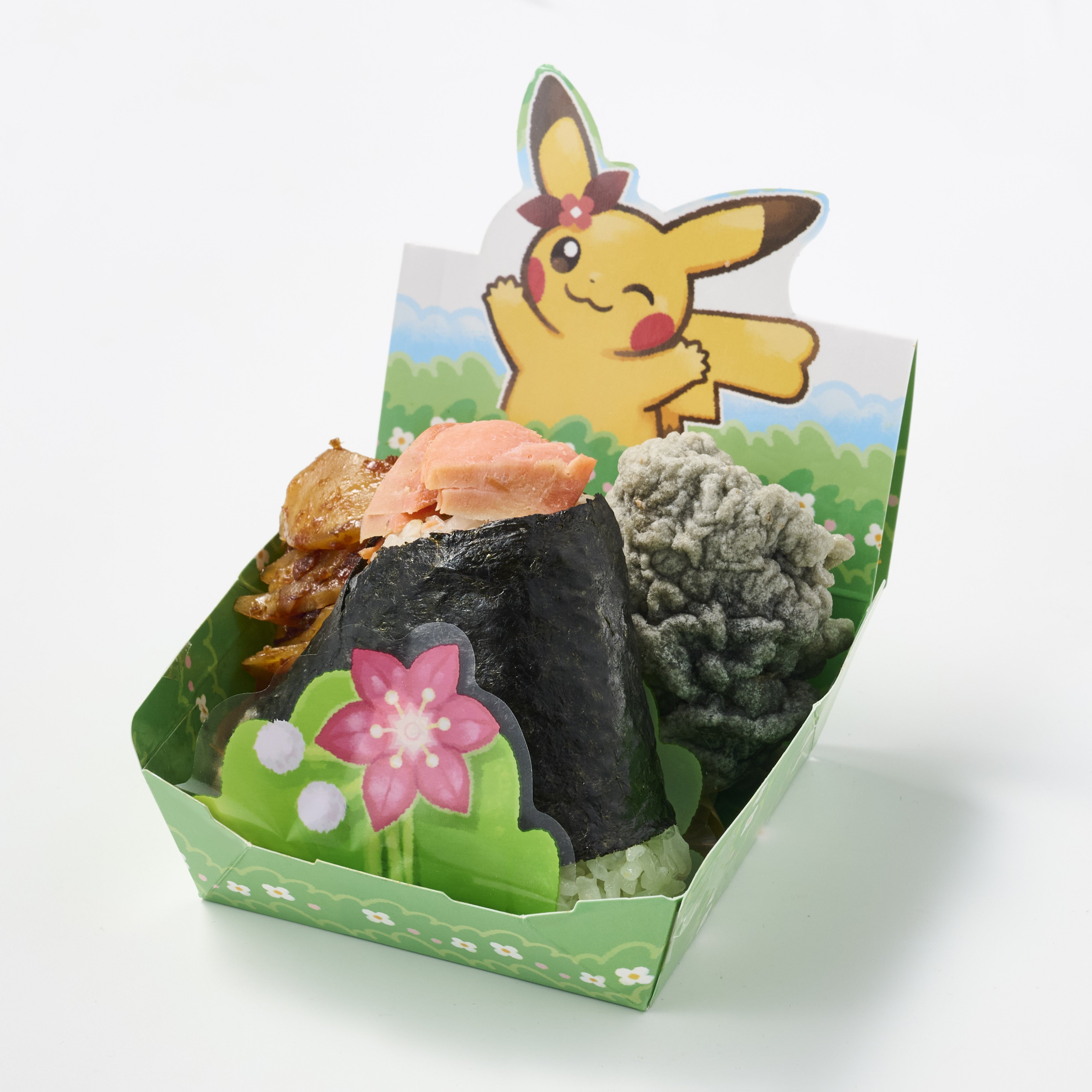


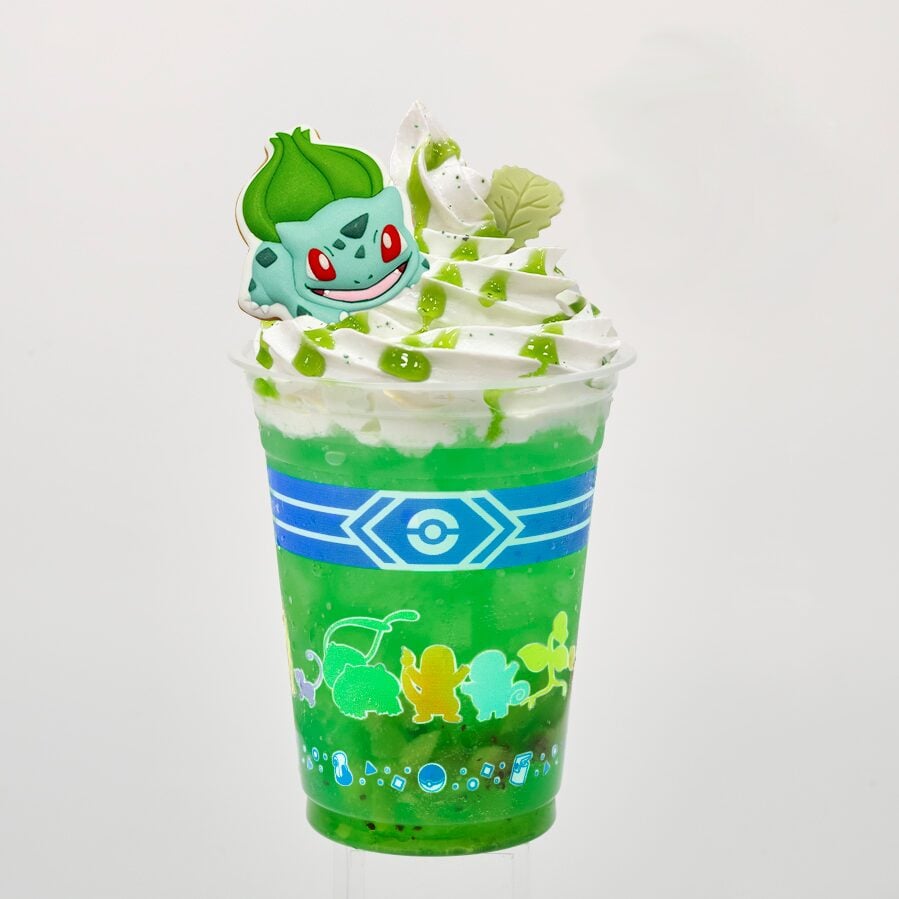
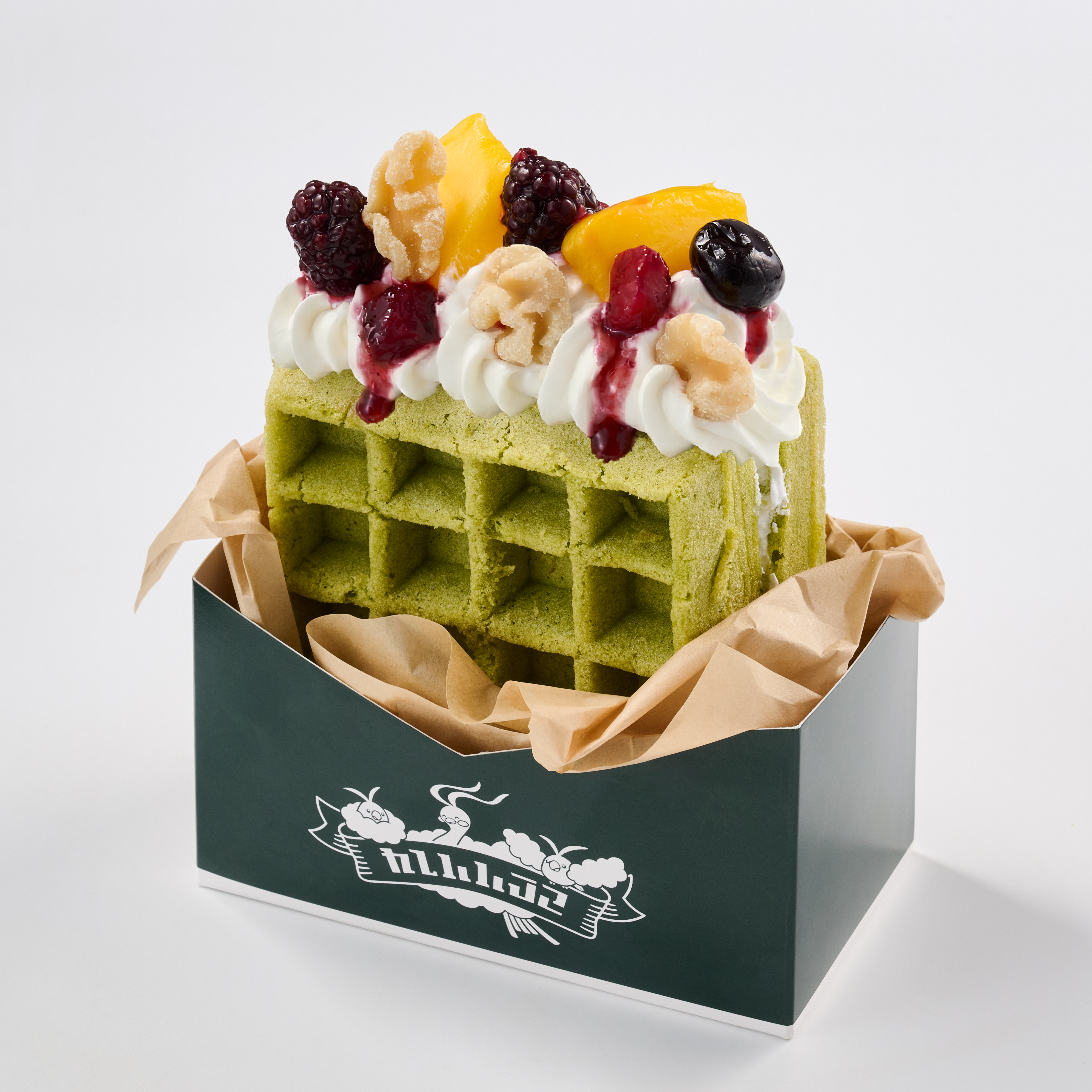


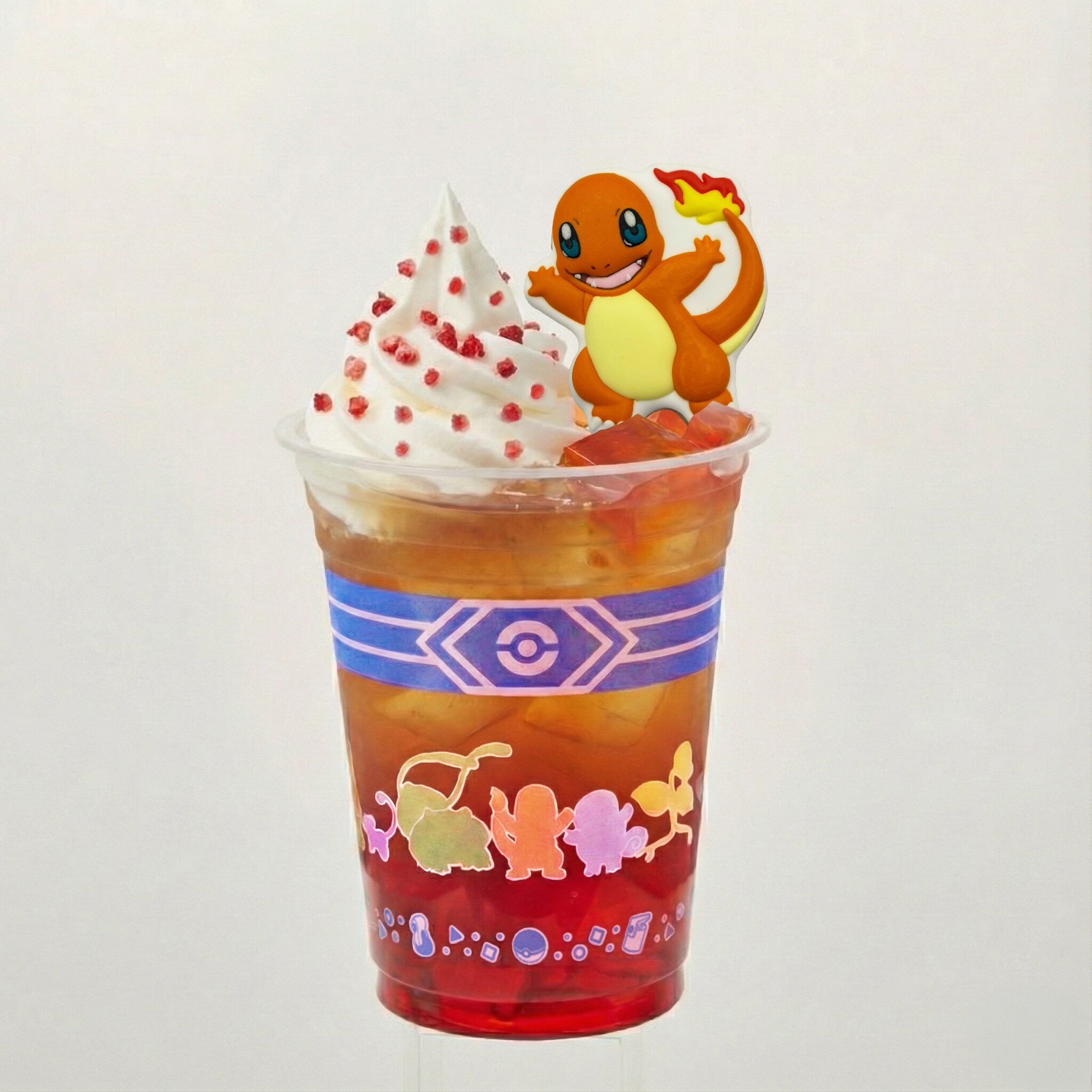
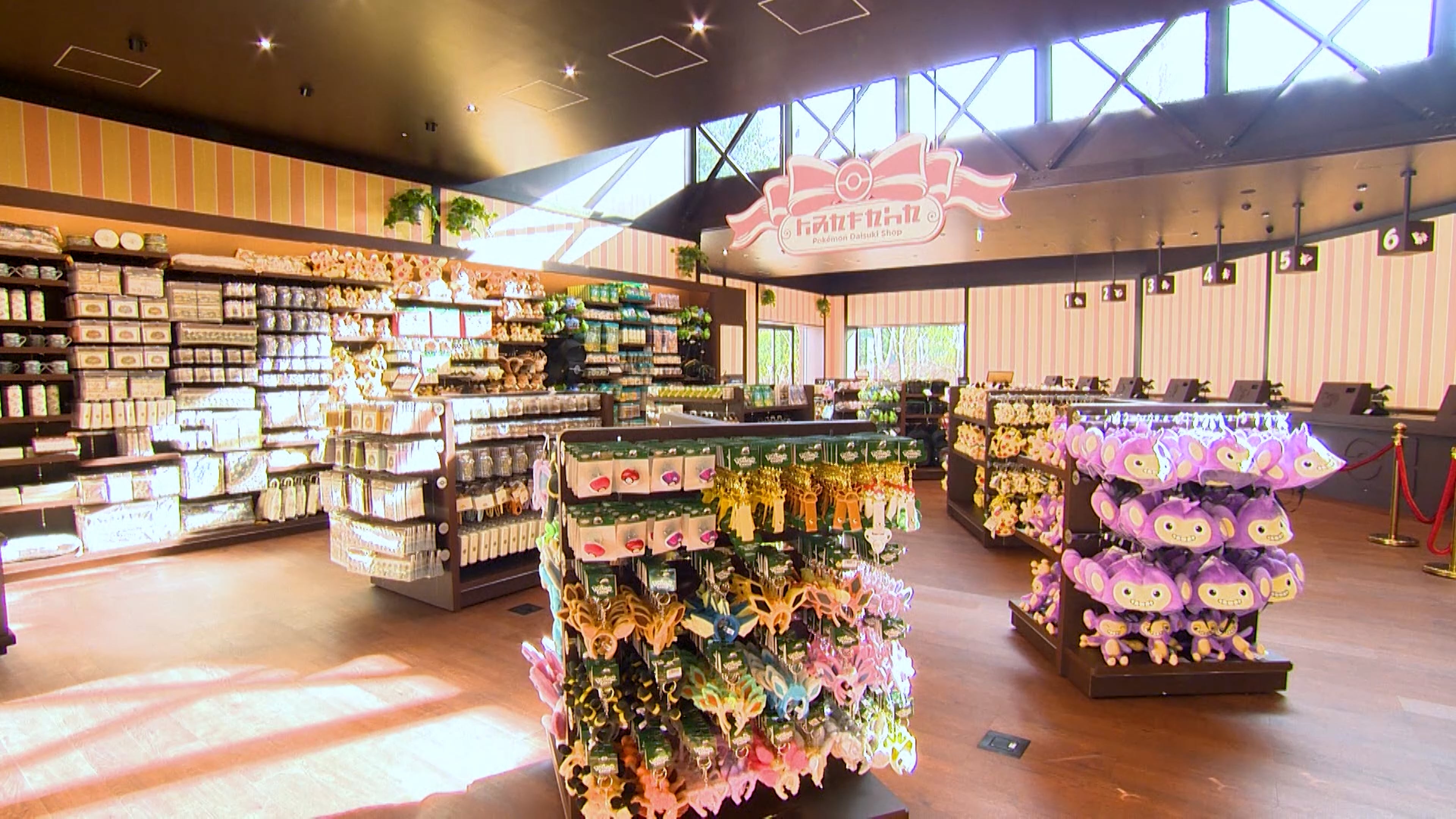
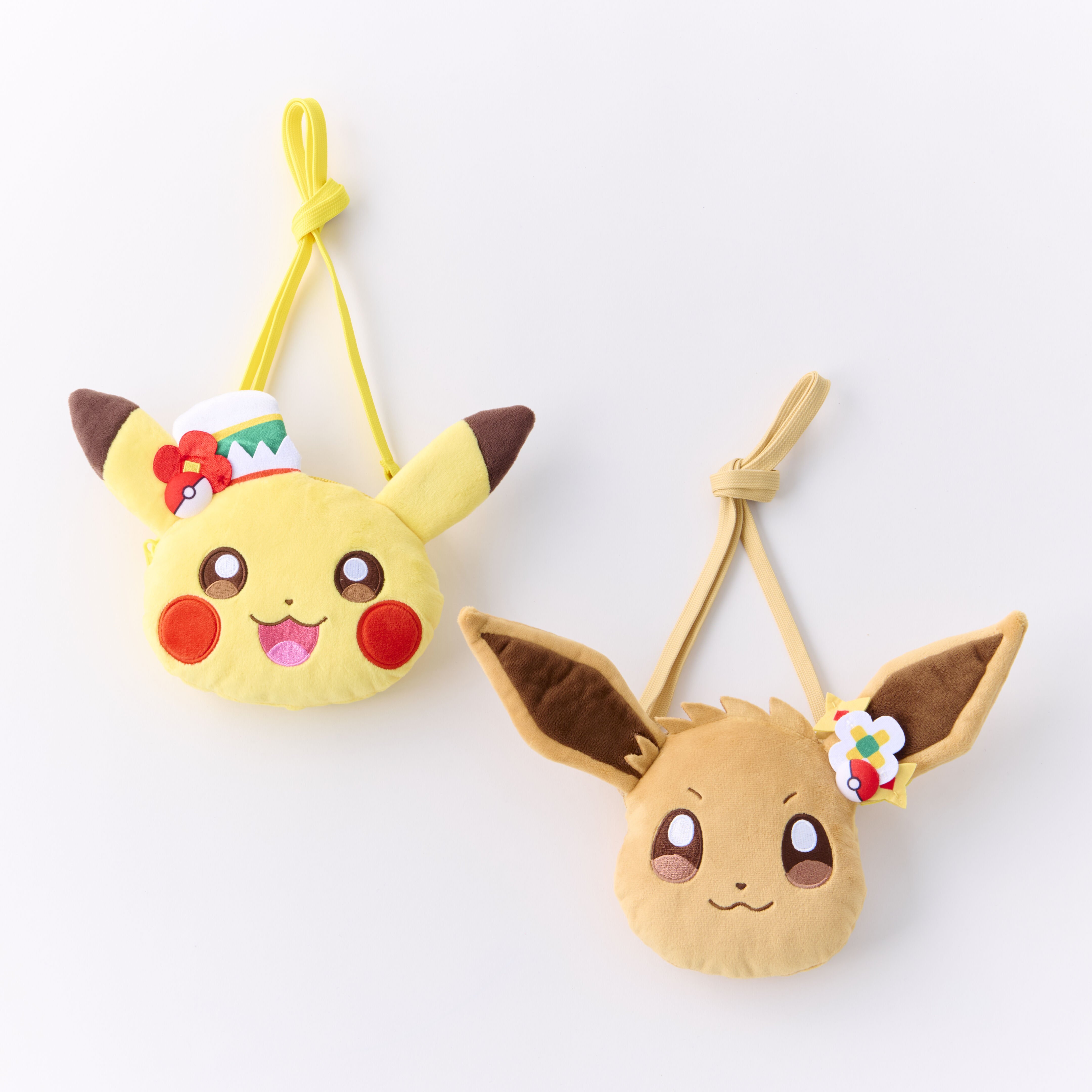
Theme park fans love merchandise. Pokémon fans love merchandise. We’re happy to report that the first wave of merchandise available at PokéPark Kanto will please both. The shop, which is large enough but honestly could be the size of the greater Tokyo area and still be busy, offers plush, t-shirts, candy, themed hats, wearable Pokémon ears, clear files, and more.
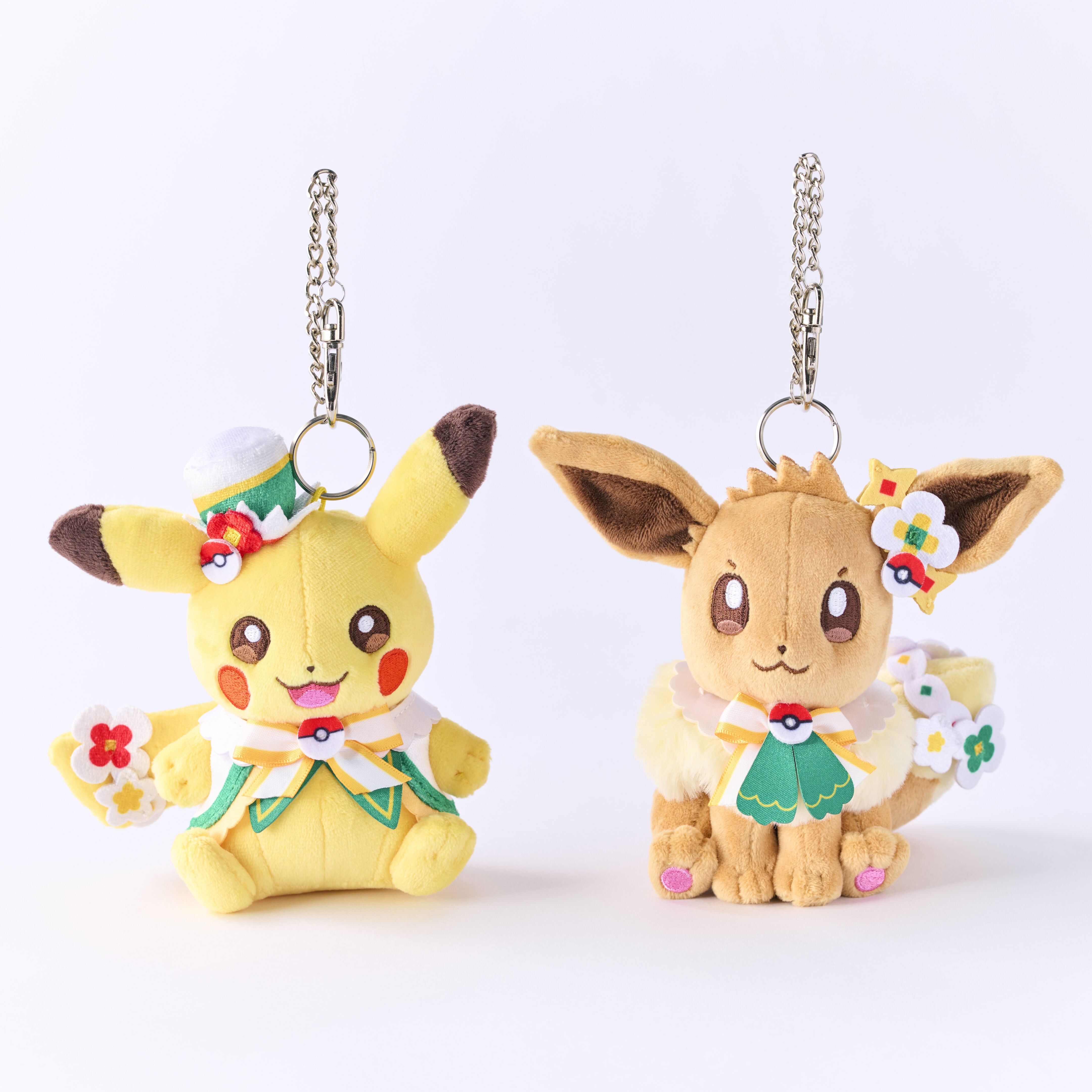
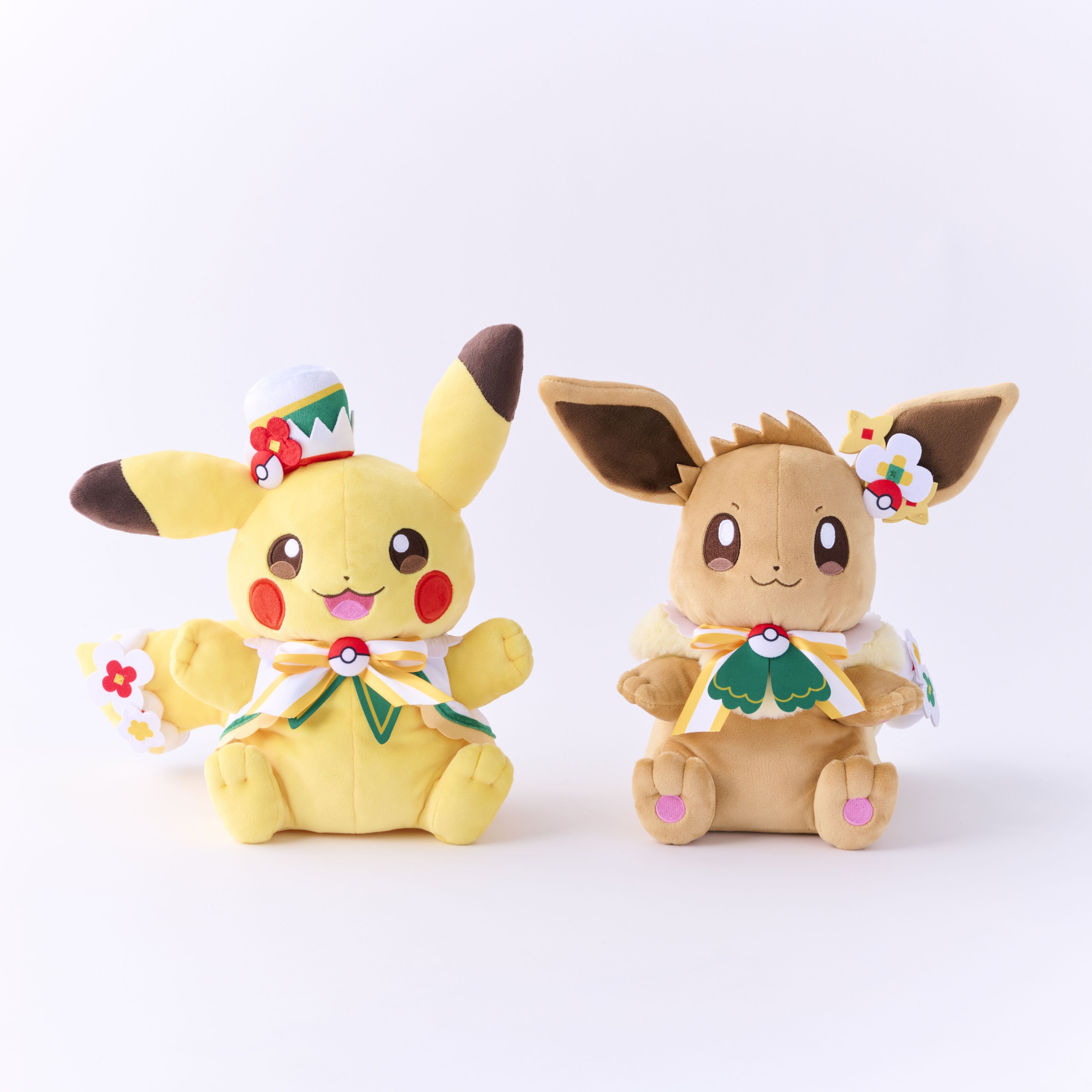
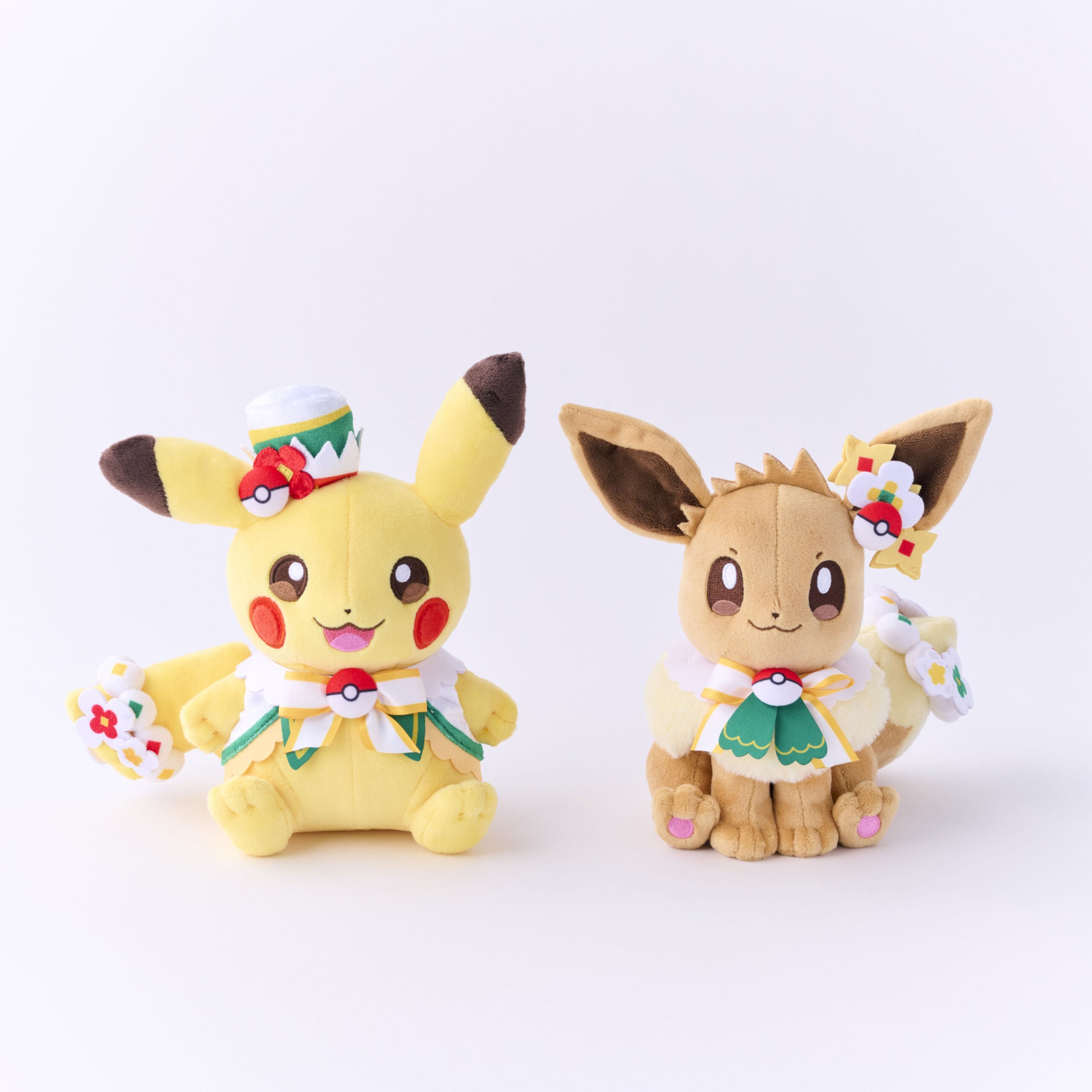
As usual, the premiere item is the exclusive Pikachu and Eevee plush. There are two versions of each Pokémon, and several sizes of these costumed creatures. Plush of the rest of the original 151 are also available, but these are from the Pokémon Fit range, which is available at every Pokémon Center in Japan, and in the UK as the Sitting Cuties range.
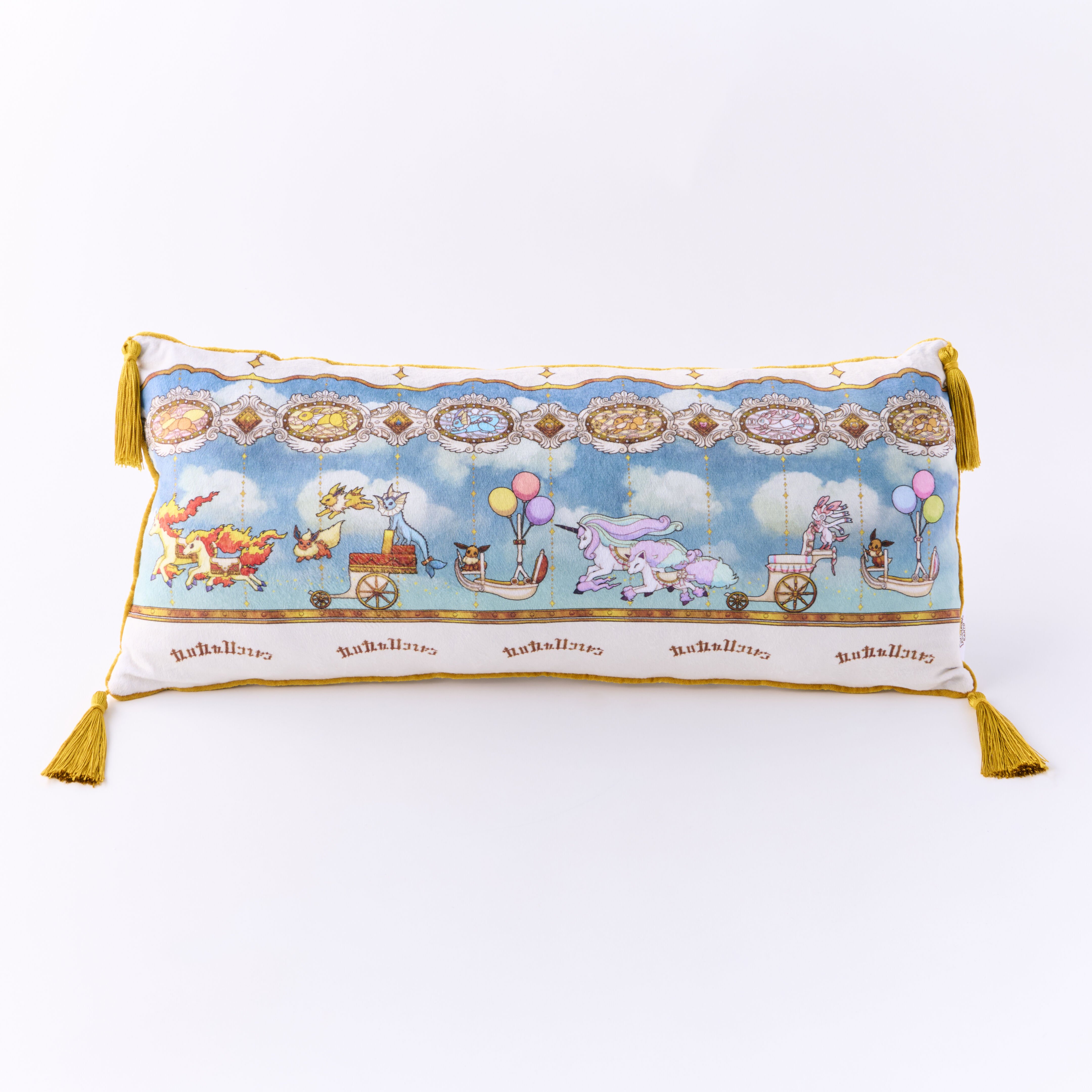
There’s a large range of merchandise themed after the Eevee’s Voyage ride, which features the vintage hand-painted art that’s found around the carousel itself. Keyrings, glassware, stationery, pillows, and more are all available featuring this art style.
On opening day, two t-shirts will be available depicting the PokéPark Kanto key art and the park’s logo. One features a red logo, and the other green, in an obvious nod. No word yet on whether a blue shirt will be released as a mail-order item in CoroCoro to celebrate one million t-shirts sold.




Further reading
Gallery: Here’s all the food and merchandise available at Japan’s PokéPark Kanto
Here's what you can buy and eat at PokéPark Kanto
The character-ears headband is a themepark staple, and it’s no surprise that PokéPark Kanto has gone hard on this specific item. You can get headbands featuring Eevee and the Eeveelutions, Pikachu, Vulpix, Clefairy, Gengar, Minum, Plusle, Mincino, Sprigatito, and Skitty. More will surely be added, and expect these headbands to be a staple of your visit to the PokéPark.
My personal favourite is the character hats depicting Psyduck, Mr Mime, Clefairy, Aipom, Bidoof, Shinx, Dedenne, Goomy, Skowet, and Fidough. Another piece of merchandise that will be a huge hit with collectors is the blind box Pokémon pins. Each of these Poké Balls contains a pin of one of the original 151, which will quickly become collector’s items.
We All Live In A Pokémon World
PokéPark Kanto feels like something I would have dreamt up when I was seven-years-old, and the closest physical attraction so far to the world of the Pokémon anime and video games.
This isn’t the Pokémon version of Super Nintendo World at Universal Studios; that’s on the way. Instead, this is a relaxing, nostalgic walk in the woods that will delight young fans and leave 30-year-olds wondering where all the time has gone.
While we didn’t see it in its absolute final form, Sedge Town seems like a tranquil area to spend an afternoon. That, of course, comes with the big caveat that I experienced it without the crowds that could come following its official opening.
Assuming they’re managed, however, if you’re going to Japan and you’re a big Pokémon fan, PokéPark Kanto is a must-visit trip down memory lane. The strong craftsmanship, nods to the franchise’s 30 years, and the attention to detail are a joy, and super fans might even find themselves getting a bit emotional in places.
While Universal’s effort will likely focus on thrills and spills, there’s much it should learn from PokéPark Kanto. What could’ve been simply a nice place to visit if you’re in the area, has been elevated to an essential trip to any big Pokémon fan. It’s also managed to do something legacy franchises have failed at in theme park form before: appeal to all age groups.
Pokémon’s 30th anniversary is off to a great start, and I can’t wait to return, and not only to avenge my loss on the Wiglett ring-toss.









Some external links on this page are affiliate links, if you click on our affiliate links and make a purchase we might receive a commission.