VGC’s Game of the Year 2025 is Death Stranding 2: On The Beach
2025 saw Hideo Kojima deliver an all-time great sequel, and one of the generation’s defining titles
A decade ago this week, Hideo Kojima started fresh.

After leaving Konami, a studio he’d called home for almost 20 years, in fractious circumstances, the Metal Gear designer was on his own. His Silent Hill game was cancelled, and though he’d just won multiple Game of the Year awards for The Phantom Pain, he was unable to accept them due to the growing animosity between himself and the Japanese publisher.
No longer tethered to Konami and Solid Snake, Kojima, for the first time since he was 23, had to decide what was next. On December 16, 2015, he announced that Kojima Productions would be reborn as an independent studio. For his first game with the new team, he’d return to the platform holder that made his Metal Gear Solid series a hit, Sony Computer Entertainment. Death Stranding was born.
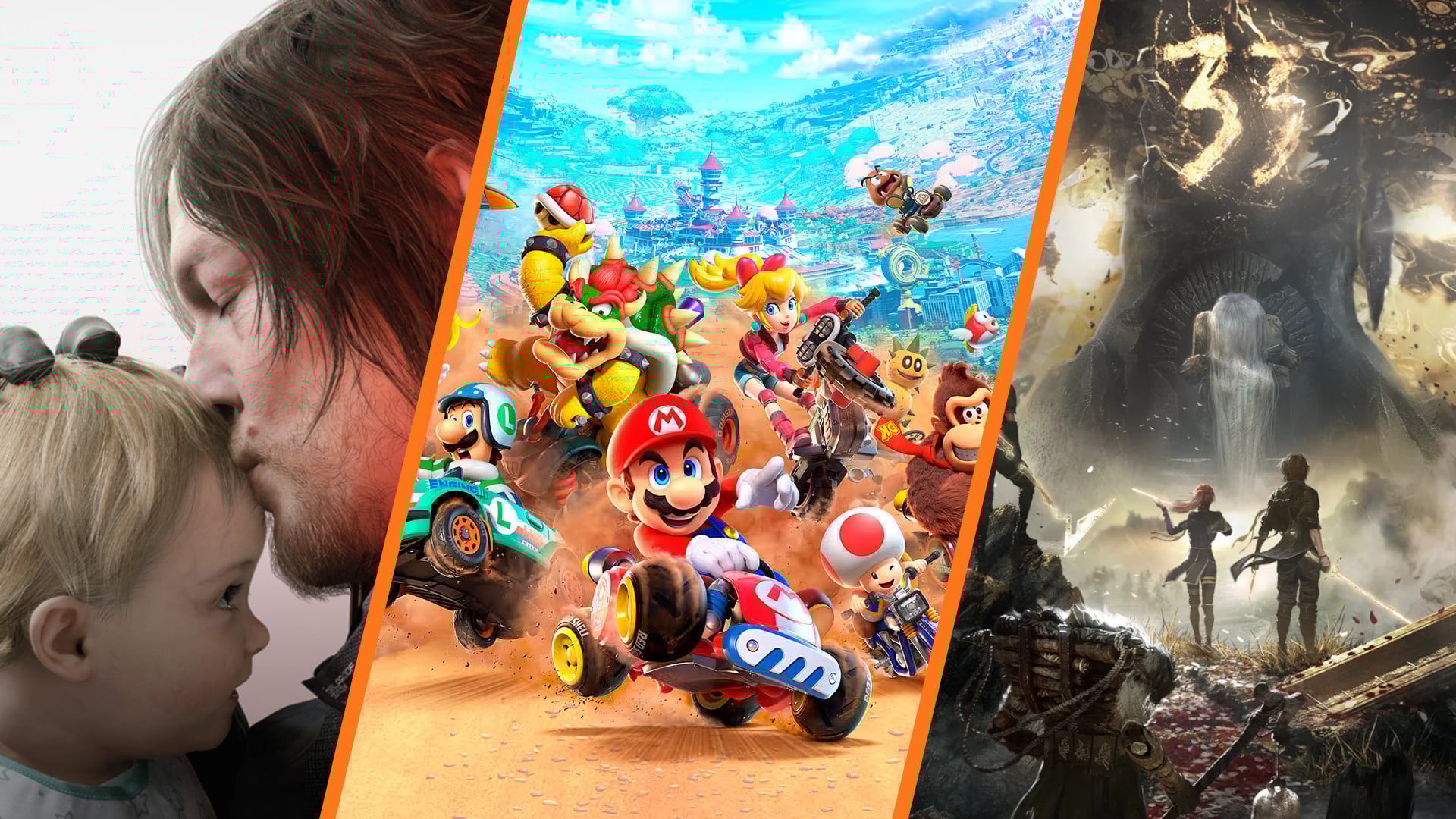
10 years later, Kojima’s latest, and one of his most imperious, Death Stranding 2: On The Beach, is VGC’s Game of the Year.
Death Stranding 2: On The Beach feels like a game made by a creator at peace. Where Death Stranding was a rebellious, unfriendly, at-times clunky expression of the frustration that Kojima had felt watching all of his creative fruits being taken away from him, Death Stranding 2 feels like the 62-year-old coming to terms with the events of the last decade.
In the years since he left Konami, the myth of Hideo Kojima has only grown. The enigmatic social media posts, the luxury streetwear, the coterie of celebrity friends he’s invited into his stark white room. Hideo Kojima was a big name to hardcore players in 2015. In 2025, he’s one of the last gaming auteurs.
It’s because of this status that Death Stranding 2 gets to exist. It’s a game that doesn’t get made by anyone else, at least not to this scale. The story of Sam Porter Bridges reconnecting Australia is a tale of grief, acceptance, and growing old, being told at a production level that’s virtually unmatched.
Further reading
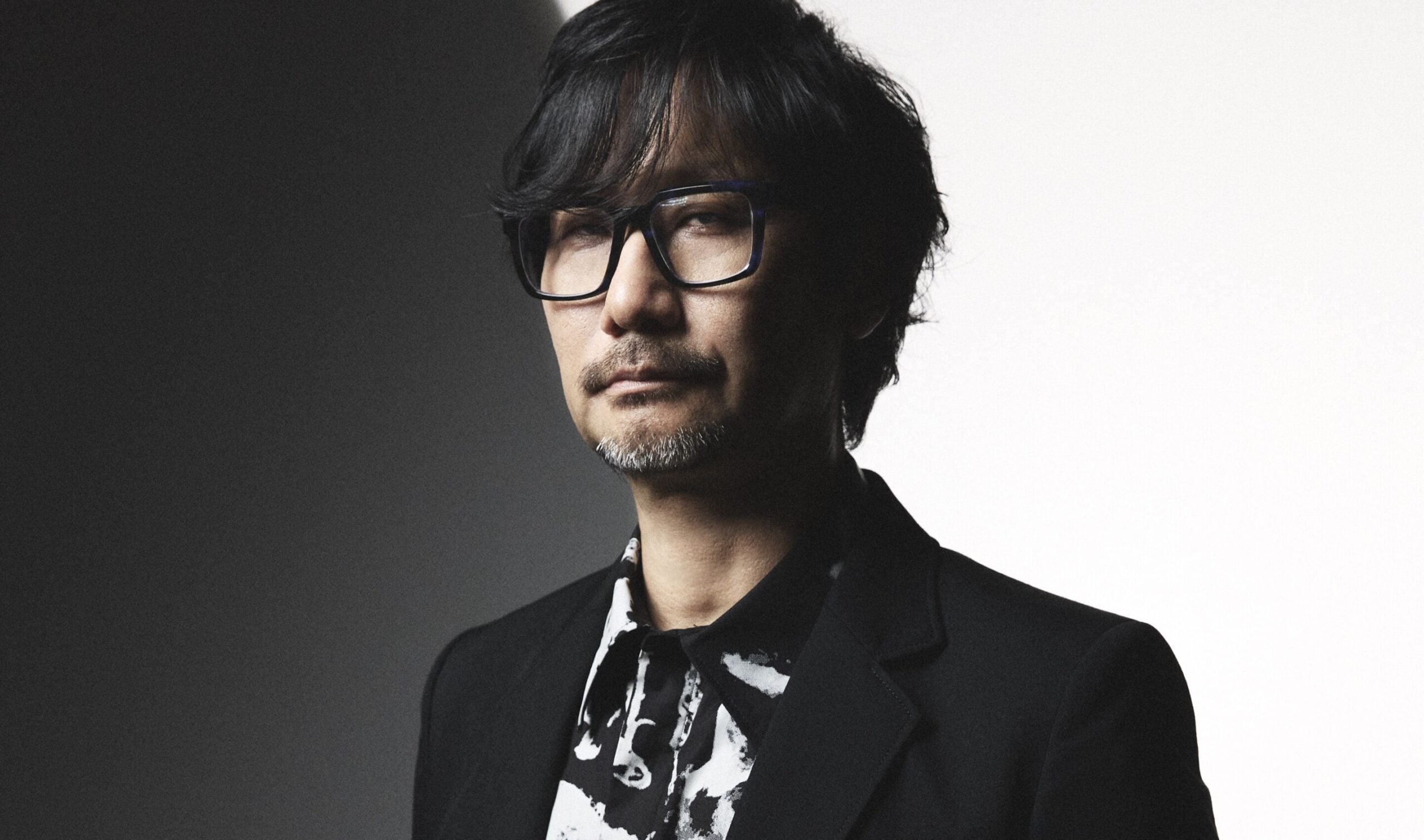
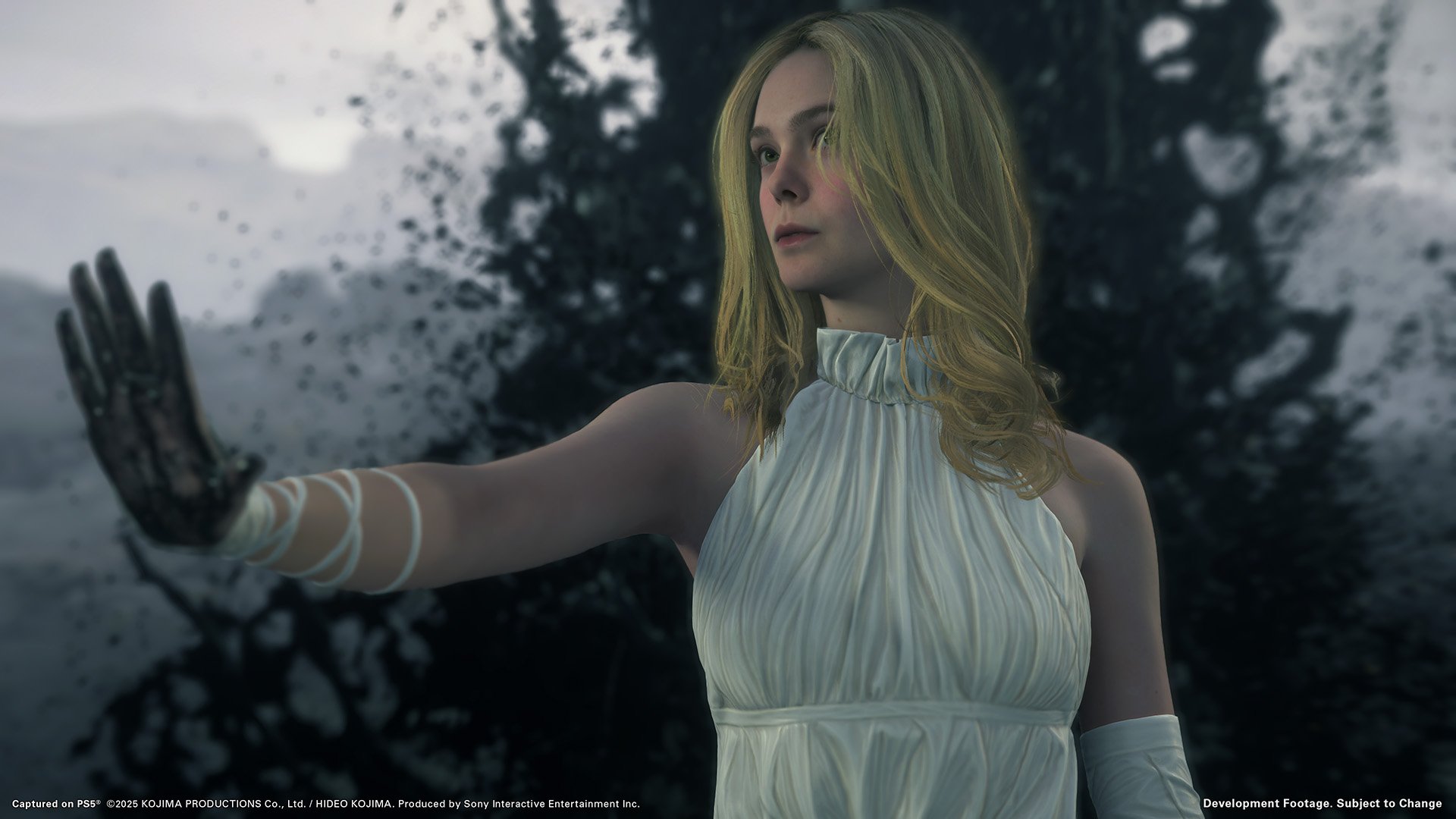
A game of this scale has never felt so personal. The game’s soundtrack feels as though Kojima has let you borrow his iPod for this jaunt through Australia. The game’s cast, filled with both Hollywood A-listers and veteran video game performers, delivers, too, with Troy Baker‘s all-time best performance.
As has always been the case, plenty of the dialogue in a Kojima game could fall totally flat if handed to the wrong performers, but you get the sense that they all absolutely bought in to what Kojima wanted, even if the game’s star Norman Reedus has since admitted that working on a Kojima game can often be as mistifying to him as some players.
Honourable Mentions
A couple of years ago, following our yearly interview with friend of the site Ben Starr, he mentioned that he was working on an upcoming RPG he couldn’t talk about much yet. What he did say, however, was that it was a game that people, especially JRPG fans, really needed to watch out for. He may have undersold it somewhat.
That game was Clair Obscur: Expedition 33. No other game has taken hold of the gaming zeitgeist like it in 2025, and it’s easy to see why. Exceptional performances and challenging writing are paired with a soundtrack that’s instantly iconic.
It’s a deep, rewarding JRPG that has courted fans of the genre, and newcomers alike. This game, which was born from director Guillaume Broche posting to Reddit looking for some voice actors, has grown into something that has turned heads across the games industry. A massive achievement.
Kingdom Come: Deliverance 2 is developer Warhorse’s Witcher 3 moment. A filthy brute on an RPG, it’s a game that refuses to hold your hand, and would rather take you by that hand and launch you into a pile of horse manure.
It’s a grimy peasant-em-up about bromance and staying alive in pre-soap Europe, and there’s nothing else quite like it this year. Kindom Come: Deliverance 2 won’t welcome you with open arms, but if you’re willing to meet the game on its own terms, it’s an RPG that’s well worth the dozens of hours you’ll take to see its outrageously detailed and gorgeous map.
Mucky, stubborn, and uncompromisingly itself, Kingdom Come: Deliverance 2 is a coming-out party for Warhorse.
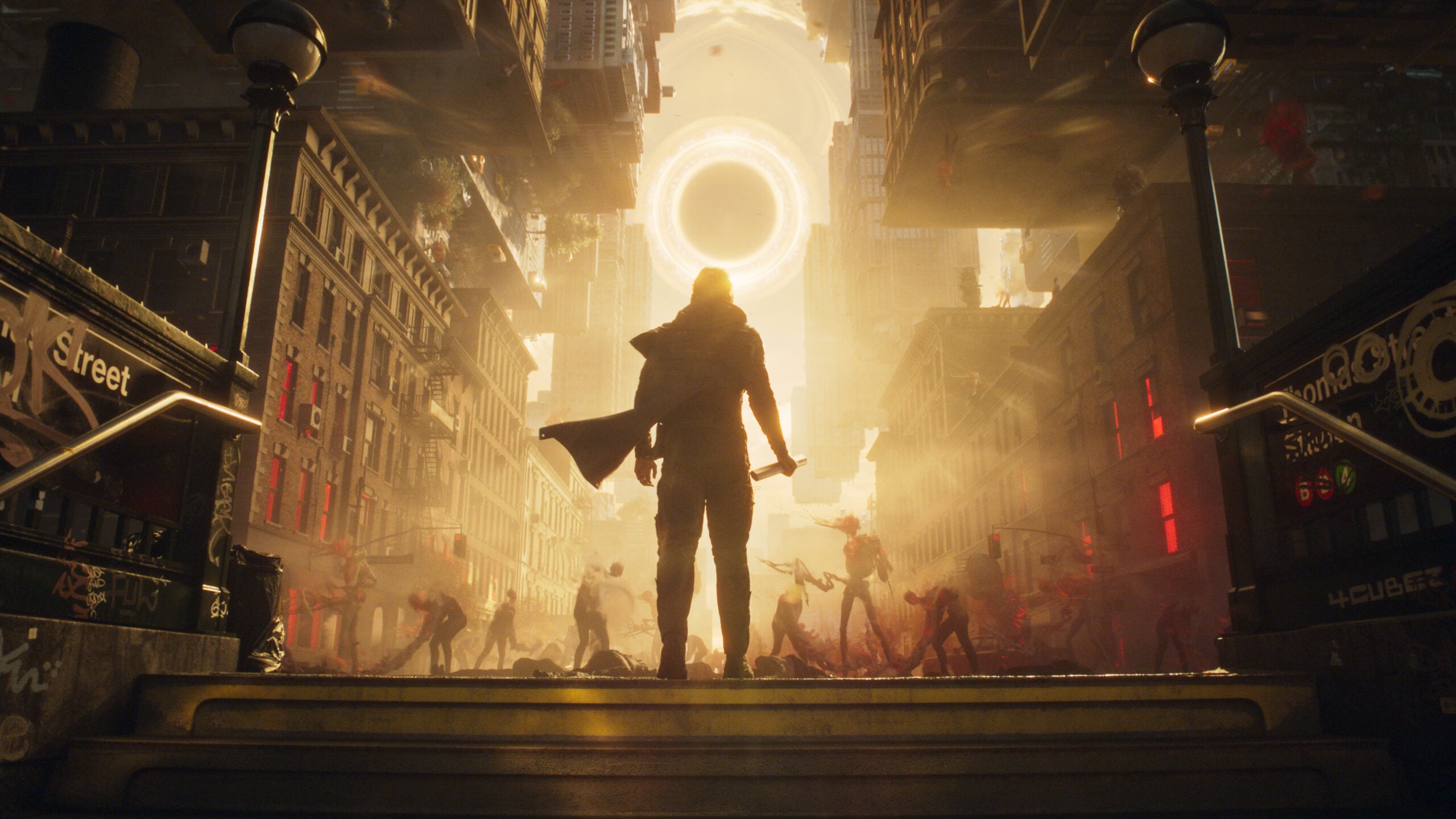
It’s also an experience that brings Kojima back to his action roots, and offers players a pseudo-sequel to The Phantom Pain all these years later. On the Beach’s stealth and combat sections are excellent and provide a wide variety in the way you approach the world.
Death Stranding 2, to our knowledge, is the only game that is both a walking simulator and allows you to surf a coffin down the side of a mountain. Once you’re finished with that, why don’t you take down a 100-ft tar monster with an electric guitar that shoots out lightning?
Of course, none of this would hit nearly as hard, or be as memorable, without the stunning character work and art direction provided by Yoji Shinkawa. Very much the Lennon to Kojima’s McCartney, Shinkawa’s work in Death Stranding 2 is some of his best, and that’s saying a lot for an artist who has given life to literal decades of some of gaming’s most memorable characters.
Hideo Kojima won’t make many more games like this. The Timefall comes for us all. Next year will mark 40 years since Hideo Kojima started making video games. While his celebrity status grows and his address book reads more like the Hollywood Walk of Fame, Death Stranding 2 proves that he can still deliver at what made him an icon of game development. Huge ideas, delivered with style.
It doesn’t look like Kojima is going to slow down. He’s working on the mysterious OD, then he’s going back to his roots with Physint, a stealth-action game with Sony. We wouldn’t be surprised if he wants to take a crack at a Death Stranding 3 before he’s done (though he insists that’s for somebody else).

Further reading
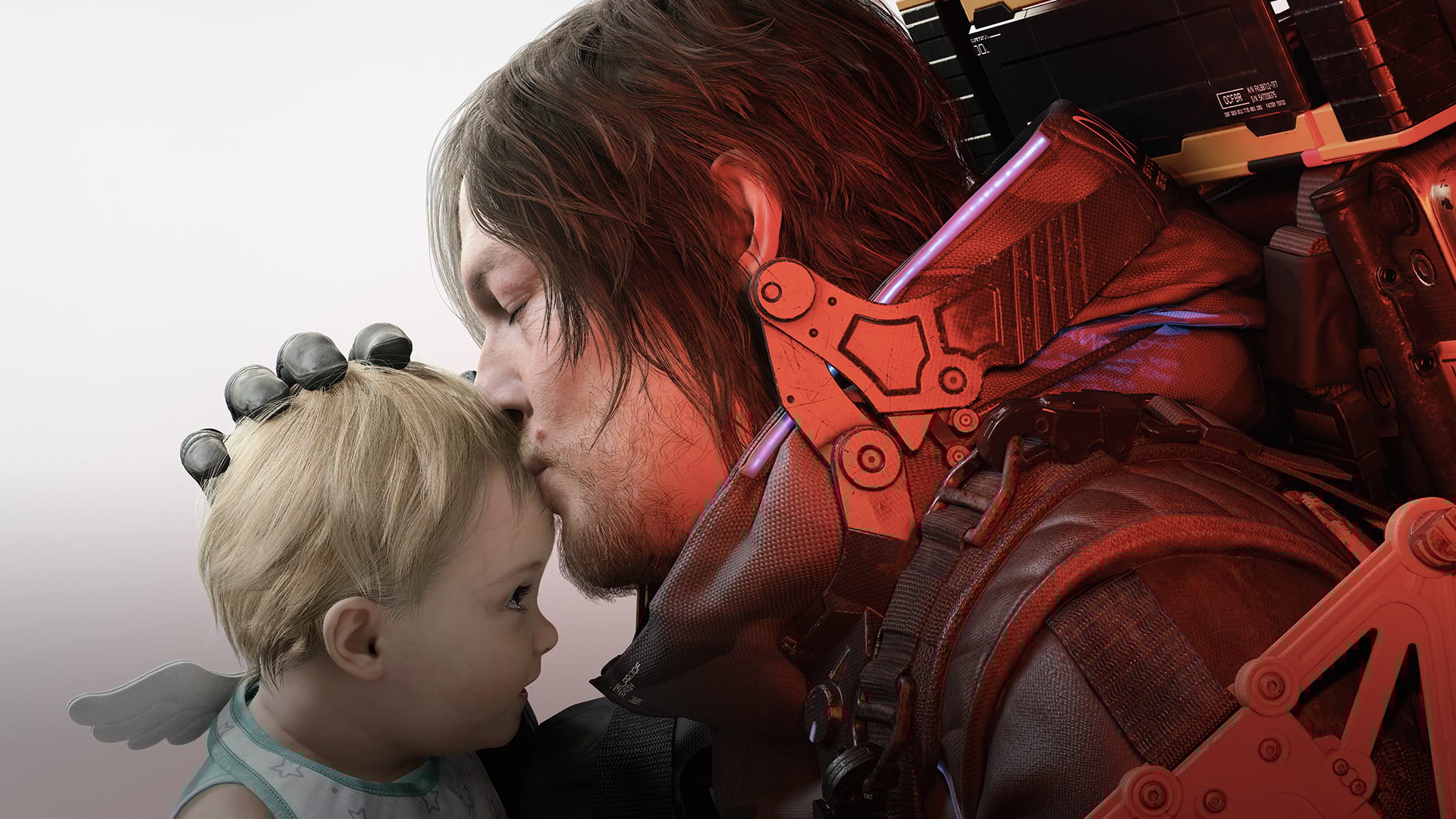
In recent years, he’s even spent more time talking about and sharing memories of Metal Gear Solid, something he was, understandably, hesitant to do following his split. It feels unlikely he’ll get to tell another Snake story, but it’s heartening for fans of both eras of Kojima that some of that bad feeling has seemingly been put to rest.
Death Stranding 2: On The Beach isn’t a cult classic; it’s just a classic. It offers a stronger narrative than the first game, a better realisation and flexibility of the original mechanics, and an all-time cast. It’s safer than the first, certainly, and some will prefer the attrition that Death Stranding lashes the player with, but for us, On the Beach feels like the game Hideo Kojima has wanted to make from the second he was forced to leave Konami.