Tomodachi Life: Living the Dream should be a hit, if my daughter’s reaction is anything to go by
The first few hands-on hours with Nintendo’s life sim sequel are a treat, but will it last when the initial impact wears off?

Despite not being one of the series people mention when listing Nintendo’s most popular IP, the Tomodachi games are big sellers for the company.
The first game, Tomodachi Collection, was a Japan-only DS title that managed to shift 3.2 million units despite only being released in a single region.
The sequel, 3DS game Tomodachi Life, got a Western release too and sold a total of 6.72 million copies worldwide. This made it the 11th best-selling 3DS game ever, ahead of the likes of Ocarina of Time 3D, The Legend of Zelda: A Link Between Worlds and Monster Hunter Generations.
While there’s still a reasonable number of players who aren’t necessarily familiar with the series, then, there can be no denying that the third entry, Tomodachi Life: Living the Dream, has the potential to become one of the last big sellers on the original Switch, as long as Nintendo delivers the goods. Having started playing it recently, the early signs are promising.
If you’re among those new to it, Tomodachi is a life simulation game but one where the emphasis is less on controlling the day-to-day minutiae of your little people (as in The Sims) and more on building your island, making sure all its residents are happy, fed and interacting with each other. In some ways it feels almost like a group of really advanced virtual pets – Tamagotchi Life, if you will.
Although Mii characters aren’t really used much these days, they’re the driving force behind Tomodachi Life, and their return here will make you remember why they were so fun in the first place. New features have been added to the Mii creation suite this time to give you more options, from the ability to add ears (finally) to the ability to split hairdos into front and back sections.
You can also give your Mii ‘facepaint’, which essentially means you can draw details over them. Gone are the days of trying to strategically place facial features on a Mii’s head in creative ways to recreate cartoon characters – if you want to make Charlie Brown but you don’t want to try to rotate, resize and reposition eyebrows to try to make them look like the curl in his hair, you can just draw the curl straight onto his forehead now.
Once your Mii is created, you move them into their own home. Whereas the 3DS Tomodachi Life had you putting Mii characters into apartments in a huge apartment block, this time they each get their own separate house, which you can place wherever you like in the island.
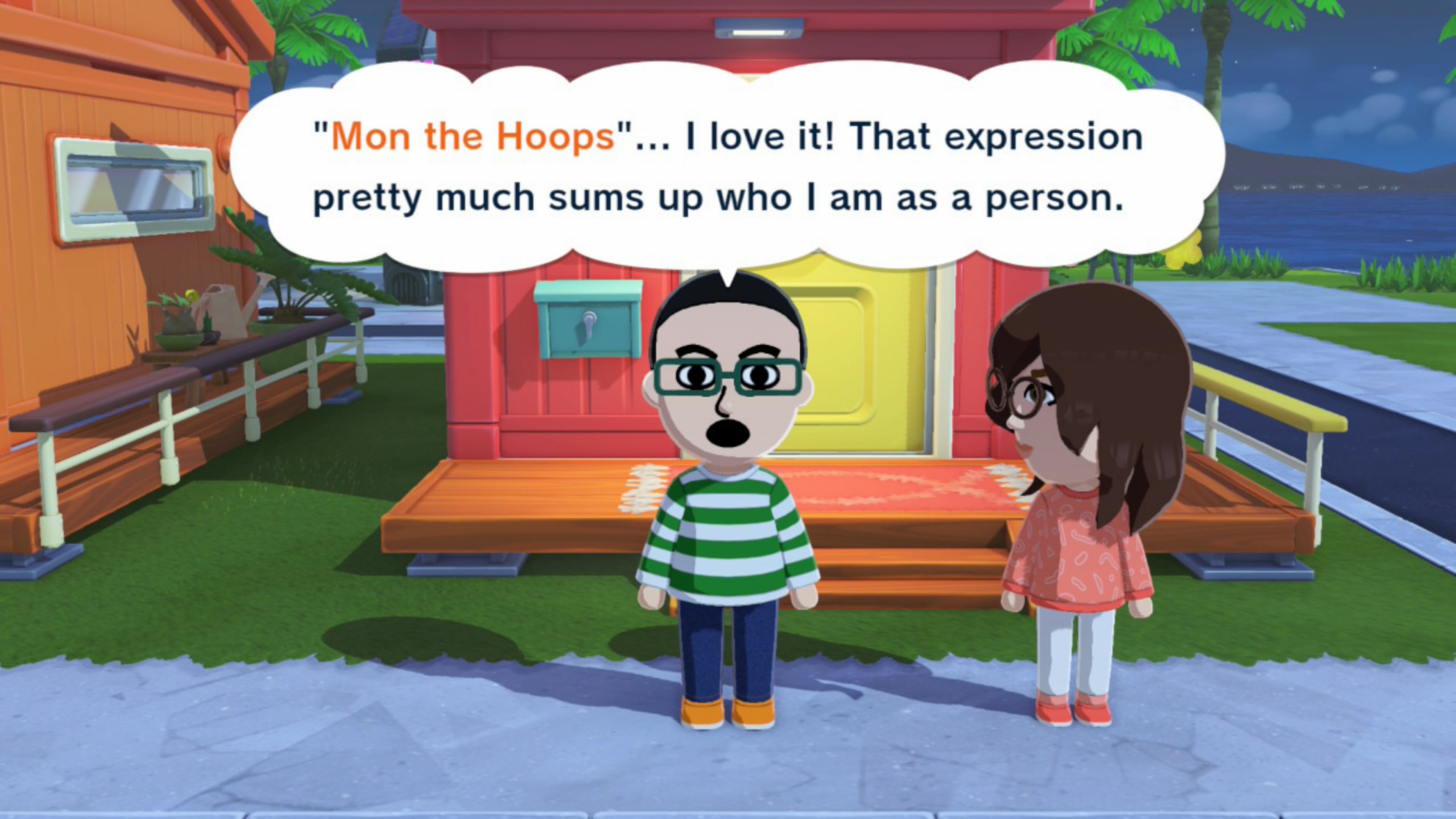
This is just the start of the new level of freedom Living the Dream gives you over previous versions. As entertaining as the 3DS version was, at times it felt a bit like it didn’t give the player a lot of control – building relationships was a case of hoping two specific Miis interacted with each other, and moving between locations (the Concert Hall, the Beach, the Cafe and so on) was a case of simply tapping between icons on a menu.
This new Switch sequel no longer feels like a series of separate rooms you jump between – now the island is a fully living environment and your Mii characters can wander around it, sitting on benches, buying drinks from vending machines and generally interacting freely with each other. If you want to start a friendship going between two Miis you can now literally pick one up, drag them across the island and dump them in front of them to trigger a chat.
There’s also a lot more freedom in how you customise your character’s personality and other traits. The big story so far has been how the game handles gender and sexual orientation, and it not only makes the game more inclusive but also avoids other awkward situations.
This time, when you make a Mii, you can choose whether they’re male, female or non-binary. You can then choose whether their “dating preferences” are male, female, non-binary, any combination of the three or none at all. It’s a refreshingly modern way of handling things for Nintendo.
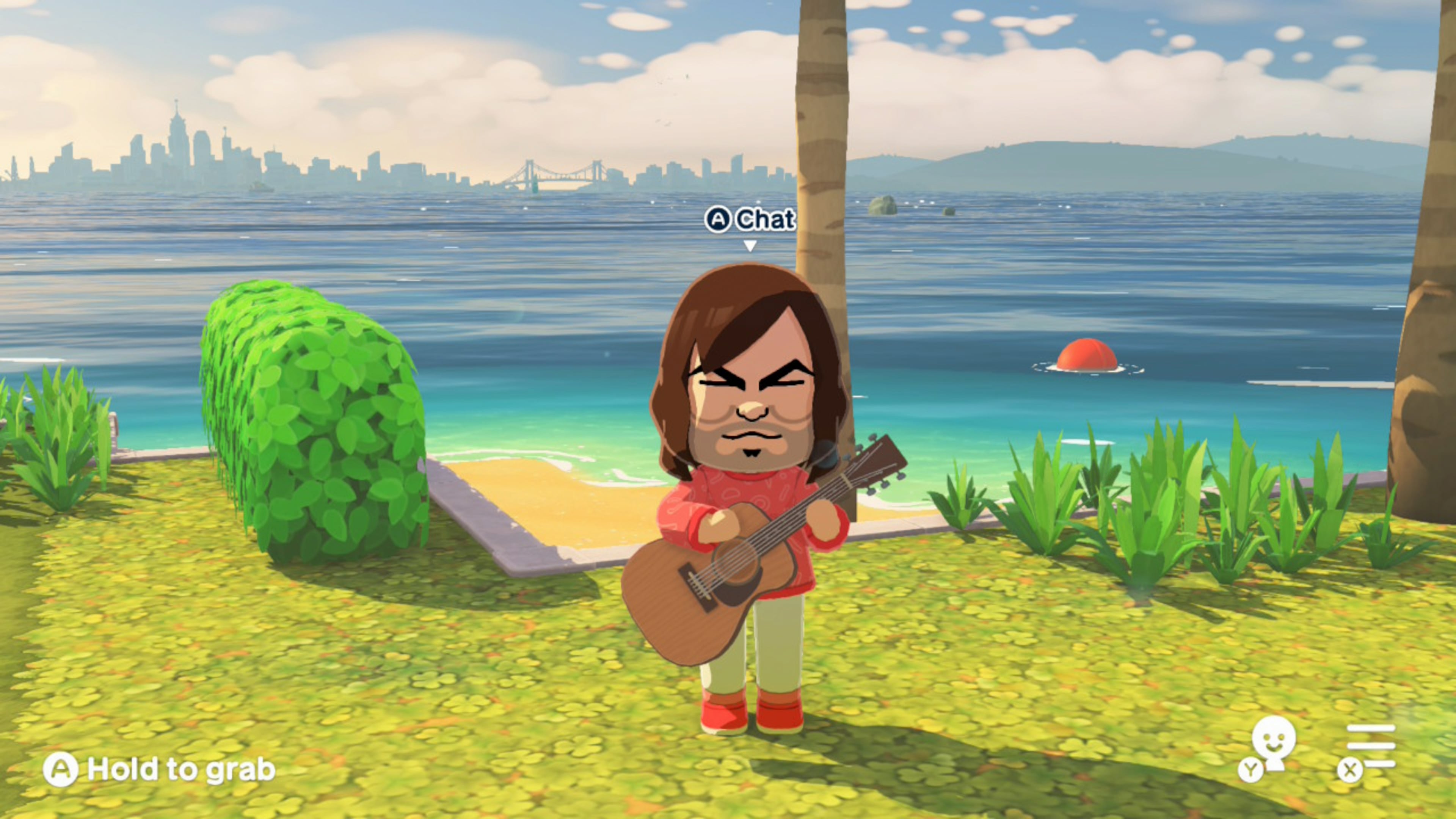
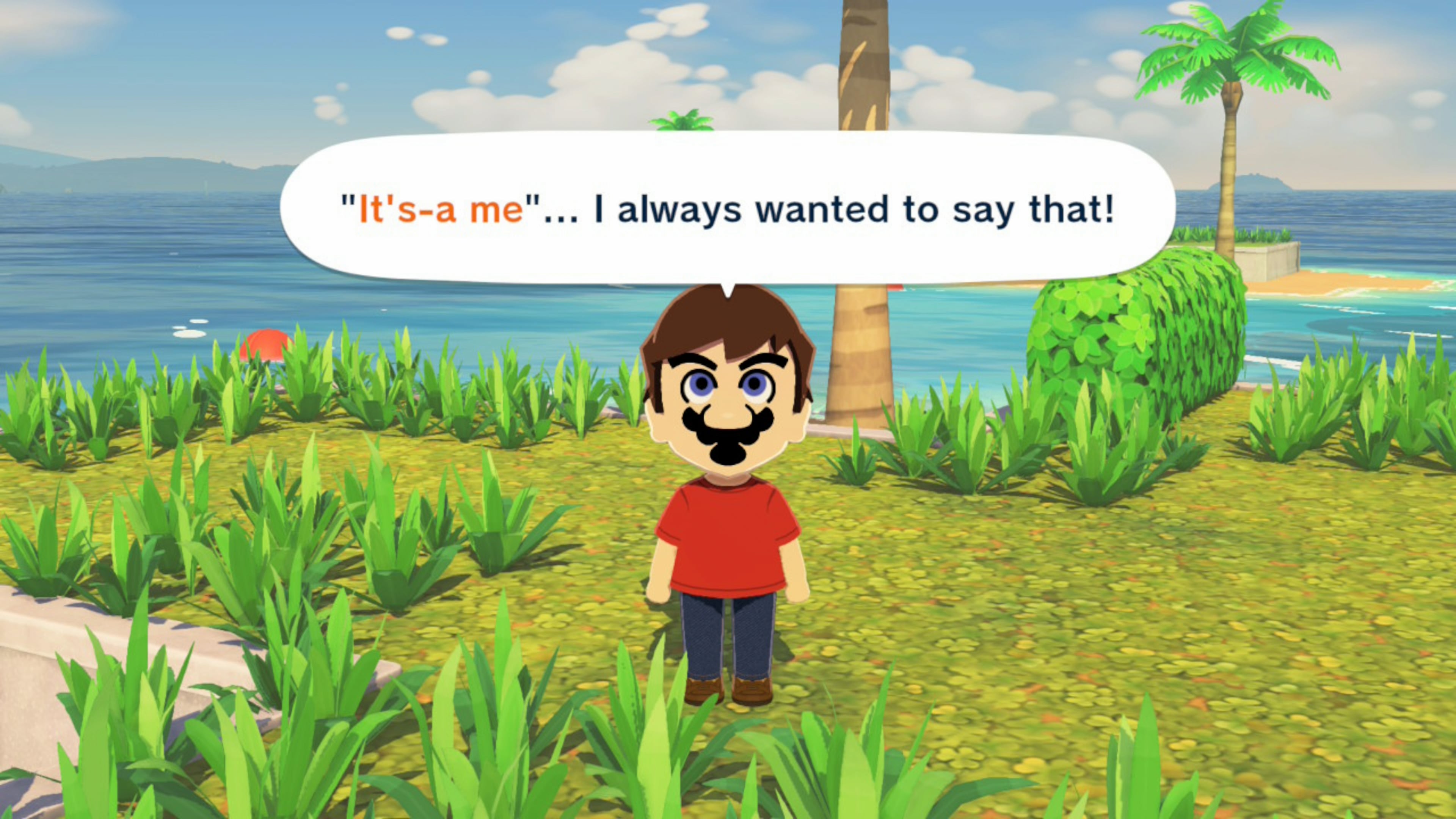
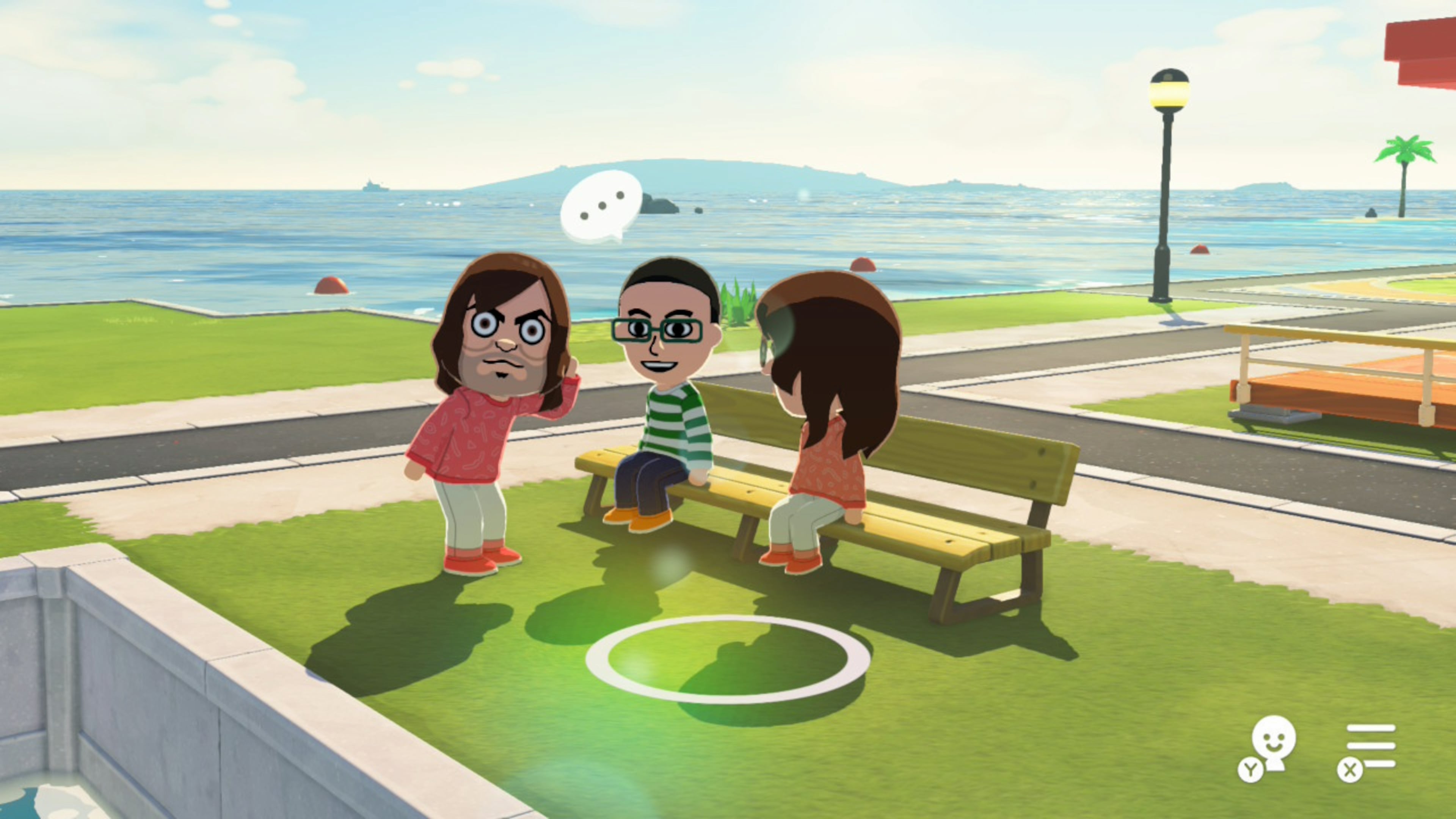
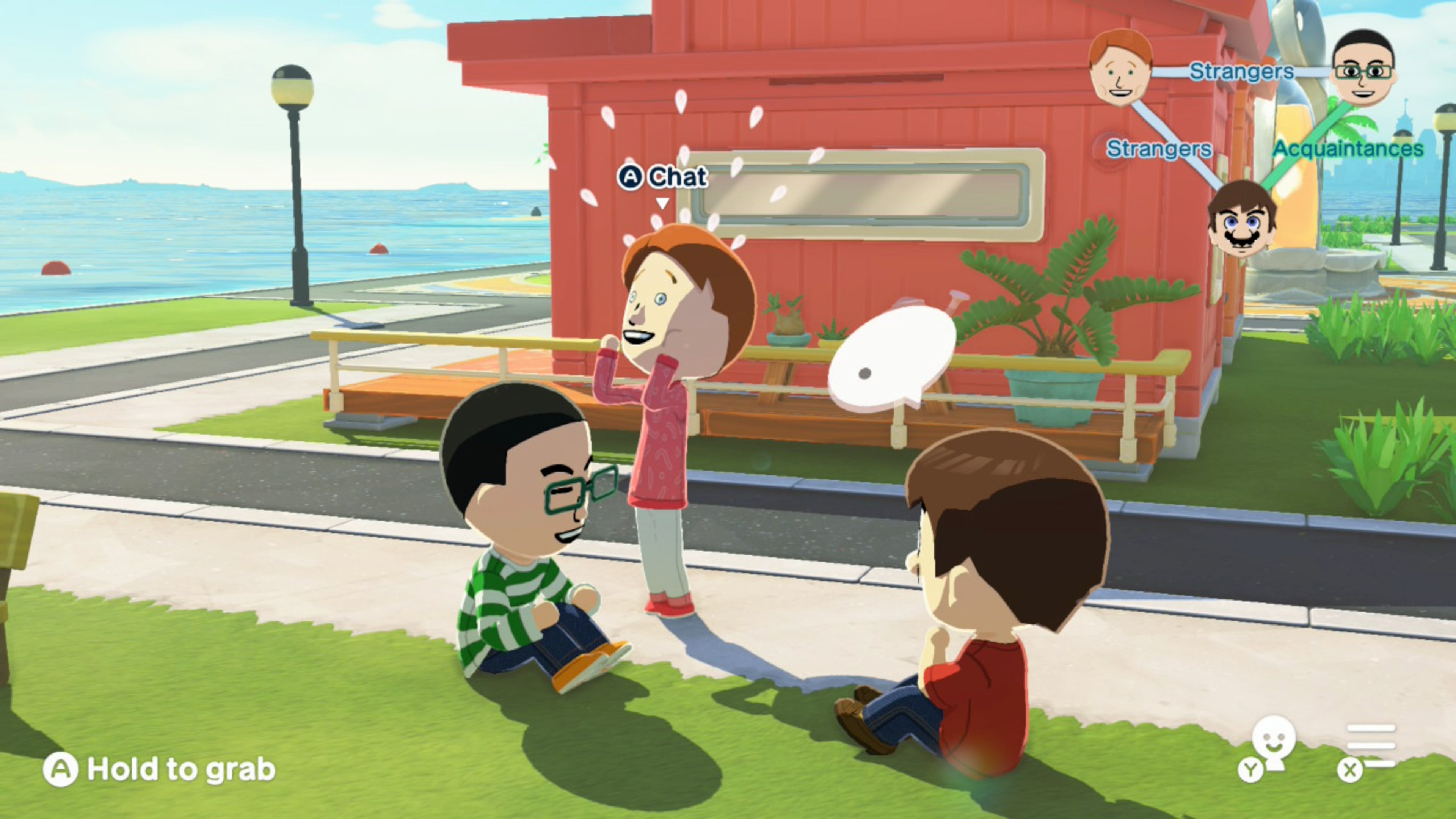
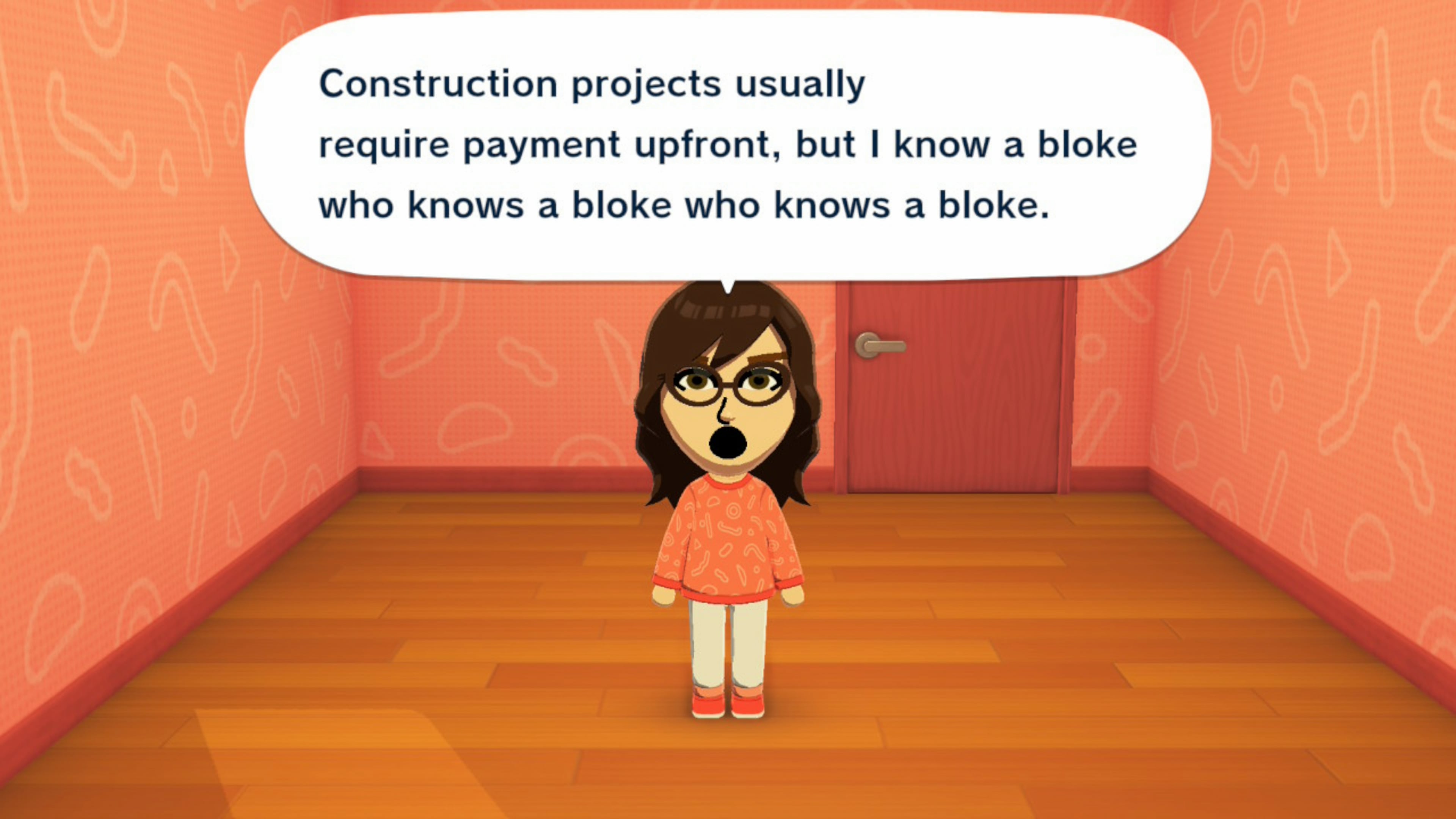
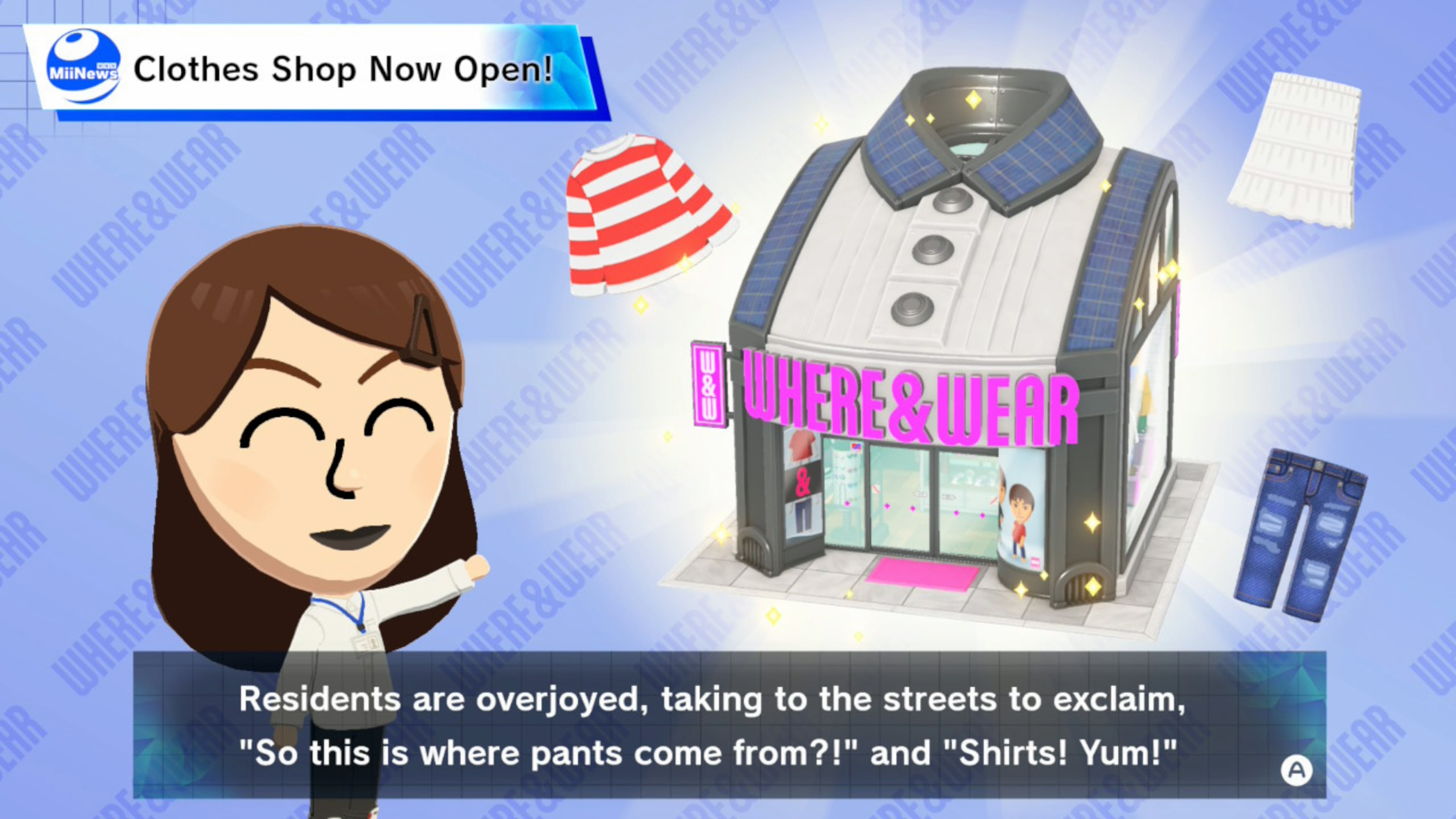
It’s also helpful when, like me, you’re a parent whose child also wants to be in the game. After my daughter Serena saw me adding myself to the game she was extremely excited to put herself in there too. As with the 3DS game, you can thankfully set different real-life relationships between your Mii characters, so the game asked me if the Chris Mii and the Serena Mii are related in real life.
When I confirmed that yes, we’re father and daughter, the game confirmed that it would lock off any romantic pathways for those characters. My kid is already excited for the game’s embargo to lift so she can create her own island with all her schoolfriends, and the game does let child Miis fall in love with other child Miis, but the new ‘dating preferences’ screen means you can turn that off for every kid in the game and just let them be friends, avoiding any awkwardness.
It’s this enjoyment my 7-year-old has had playing the game with me that makes me think Tomodachi Life: Living the Dream could be an even bigger hit than the 3DS game if Nintendo markets it properly.
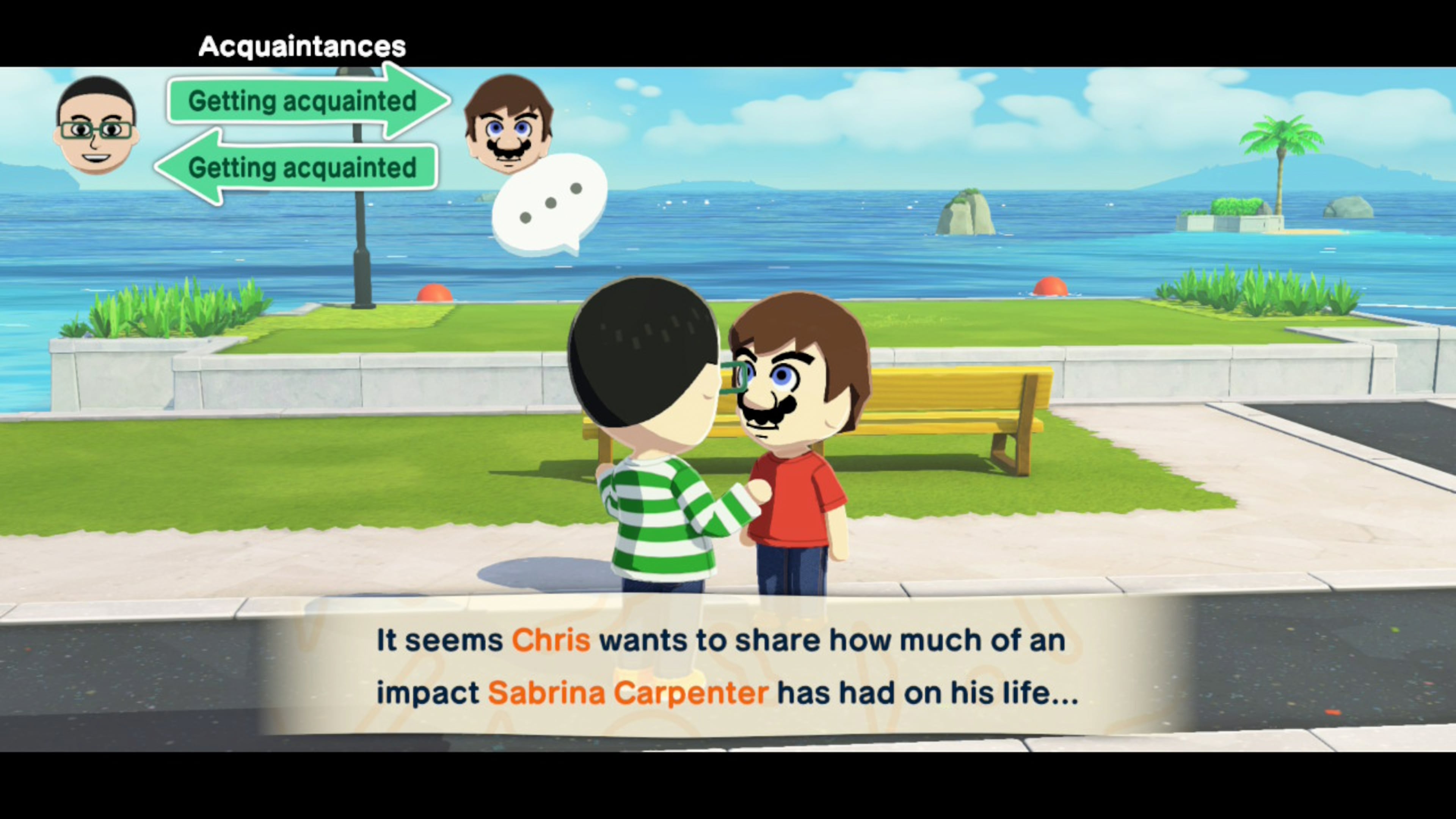
This is the most she’s been excited about any game we’ve had in the house so far – she sits in eager anticipation every time she gives a Mii a new food to see if they like it, she bursts out laughing every time a weird cutscene plays out, and she loves picking clothes for each character.
What remains to be seen at this stage is whether Living the Dream has the legs to remain enjoyable beyond that initial impact. The first couple of hours have been a treat, but what will happen when the island fills with Mii characters, we’ve seen all the funny animations and cutscenes and we’ve unlocked all the buildings?
It’s a case of ‘so far, so good’ for now, then, but time will tell whether we’re looking at a must-have swan song for the Switch, or a fun diversion that gets repetitive after a week or so. Let’s keep everything crossed that it’s not the latter.