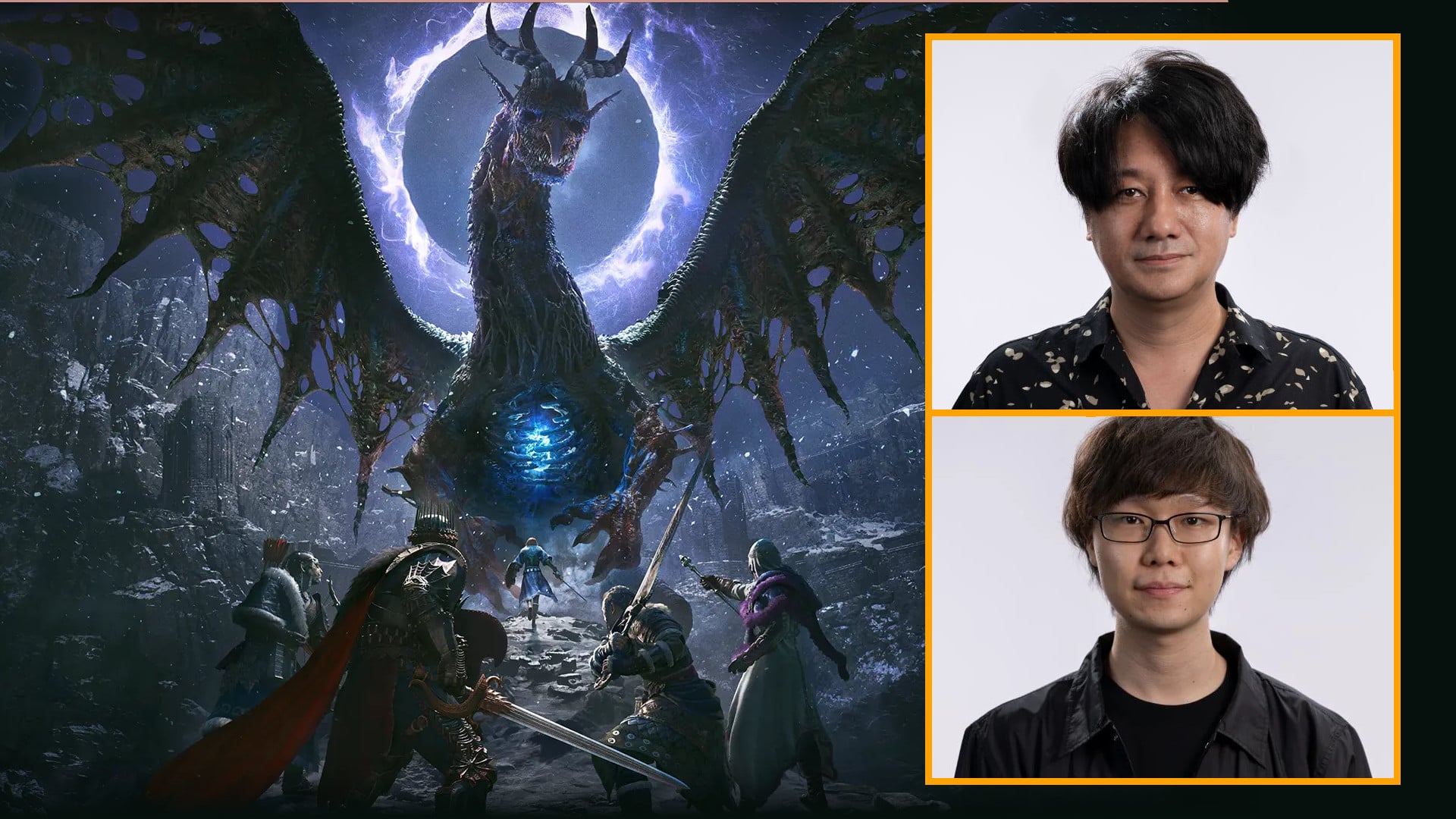
There are a lot of things to like about Stranger Than Heaven, but its multi-person combat isn’t one
HANDS-ON: The Like A Dragon studio’s new epic delivers style, but also some frustration

There is so much to like about Stranger Than Heaven.
After spending a day wandering through the various eras of RGG’s latest Japanese crime story, I felt incredibly conflicted. If I were offered another few hours to roam the streets, play minigames, meet new characters, and build my nightlife empire, I’d have taken your hands off for it; I’d happily never fight more than one enemy at a time in the game again.
The game follows Makoto Daito from a young man running from the cops to laying the foundations of the Tojo Clan. Stranger Than Heaven isn’t a new Like A Dragon game in name, but the echoes of that series are felt throughout. The game is broken up into multiple different eras and cities across the early 20th century.
Where the Yakuza series has become a virtual tourism tool for those who dream of vacationing in Japan, Stranger Than Heaven trades the gachapon machines and giant crabs of Dotonbori for an examination of Japan on the rise.

When I first played the game in June, I highlighted the QWOP-adjacent combat system that sees your limbs mapped to the various buttons on the controller, encouraging players to alternate L1 and R1 to smash foes with their left or their right. Having now spent more time with this system, I think it has the potential to be incredibly rewarding to master. However, in my demo, it suffered a fatal flaw.
One-on-one fights are exciting challenges that feel like duels. While you can mindlessly whack your opponent with a weapon, or brute-force some heavy hits, timing your parries and dodges is very satisfying and takes down even the toughest enemies quickly.

The issue is, when you’re fighting multiple enemies at once, the timing, at least in my demo, totally breaks down. Deftly timed dodges and blocks are made irrelevant by the It’s A Knockout-style melee that’s going on around you. While these kinds of scraps made sense in Like A Dragon, where combat is far more forgiving, in Stranger Than Heaven, it’s way too easy to get essentially stun-locked by a few enemies with no recourse. It’s staggering how much better the combat experience is when you’re fighting one tough enemy, rather than multiple drones.
Check out brand-new footage of Stranger Than Heaven’s Osaka region
During our demo, we got a taste of the game’s era-spanning narrative. The game seems to follow an almost TV-like episodic setup, with major arcs confined to a certain era. By default, characters will speak in their native tongue, with subtitles. This is supposed to mirror Makoto Daito’s feeling of isolation. During the game, he’ll face intense prejudice when he returns to Japan, due to being of part-American descent.
Snoop Dogg is in the game. So is Tupac. If you’ve seen anything about Stranger Than Heaven, it’s probably this. We didn’t see Tupac, but Snoop serves as an early mentor. You know that feeling you get whenever Snoop Dogg pops up in anything? That chuckle to yourself when you see him, knowing that no matter how good a performance he delivers, that’s still Snoop Dogg? That’s essentially how I felt about him in Stranger Than Heaven. He’s totally fine, his delivery is funny… but that’s Snoop Dogg. It’s distracting, but perhaps not as distracting as the virtual resurrection of Tupac waiting in the final game.
Check out brand-new footage of Stranger Than Heaven’s Fukuoka region
I mentioned earlier that one of the things you spend your time doing is building a nightlife empire, and it’s here that the best of Stranger The Heaven comes to the fore. You can find inspiration for songs out in the world, be that from the environment or during fights. You then bring it back to your composer, who puts together a new arrangement based on the inspiration you have provided.
This song can then be taken to a venue and used in a full musical performance, which you then have to sell tickets for and promote around the town. I very quickly went from “why is this so deep?” to methodically timing my lighting cues and other effects. I love the sheer amount of things to do in Stranger Than Heaven.
It’s hard to ignore the feeling that these elements of the game are where the heart of it lies. The main missions I played were fine and flashy, but the previously mentioned combat issues meant they didn’t blow me away. However, the prospect of spending much more time, as I want to explore every corner of these Japanese towns across the decade, is compelling.