‘The game’s in a very good spot’: Pokémon TCG Legend Tord Reklev talks EUIC 2026 and the upcoming rotation
The Norwegian veteran chats to VGC about Pokémon’s biggest ever tournament

When Tord Reklev talks, Pokémon Trading Card Game players listen.
Tord Reklev is widely accepted as being one of the best Pokémon TCG players ever. He’s a 5-time International champion, with 14 top-8 finishes to his name, and 18 top-8 finishes at the Regional tier of competition.
His name has dominated the last 15 years of competitive Pokémon, and he’s influencing the future, too. This year’s winning deck, played by Dutch player Edwyn Mesman, was described by the commentators as “from the mind of Tord Reklev.”
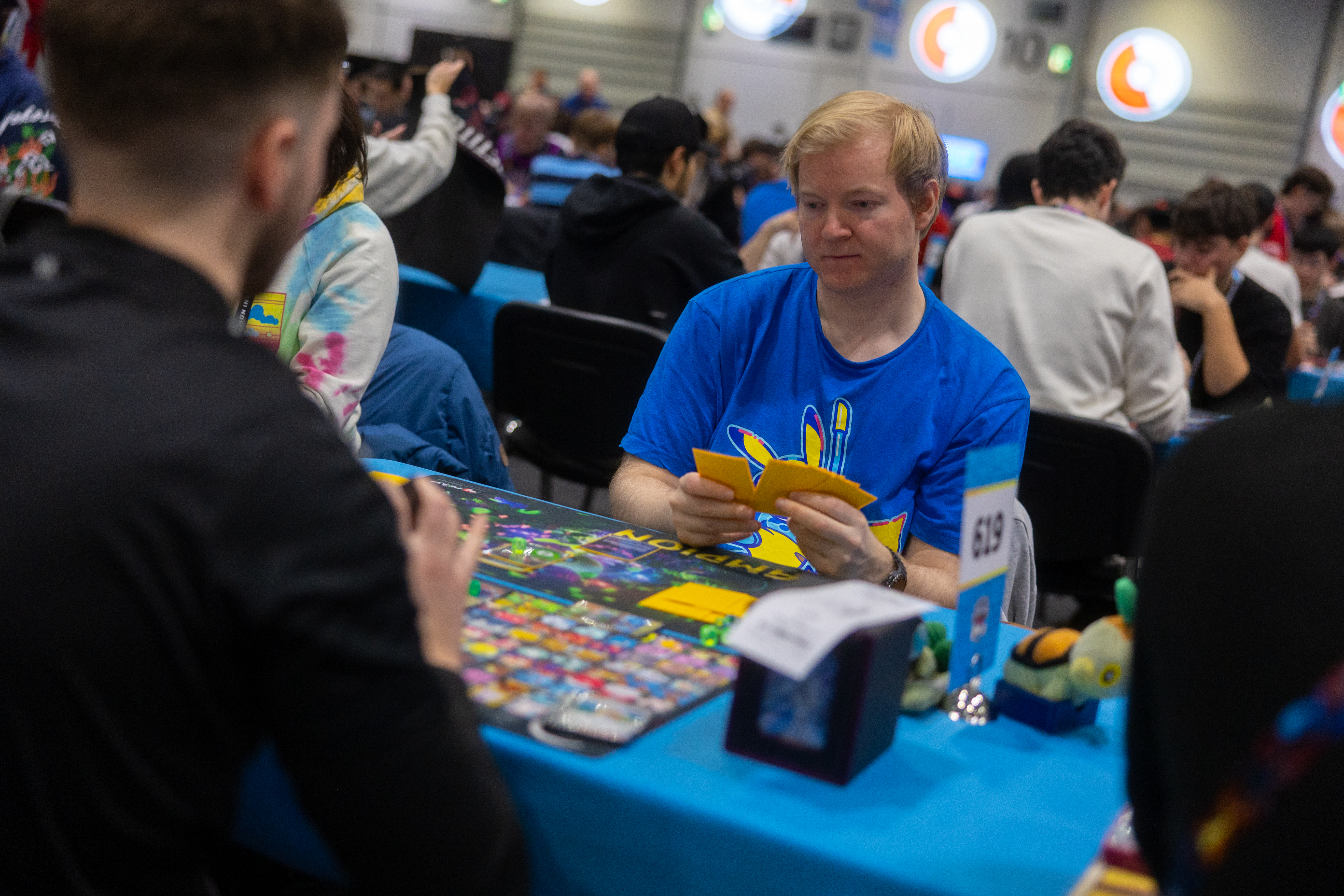
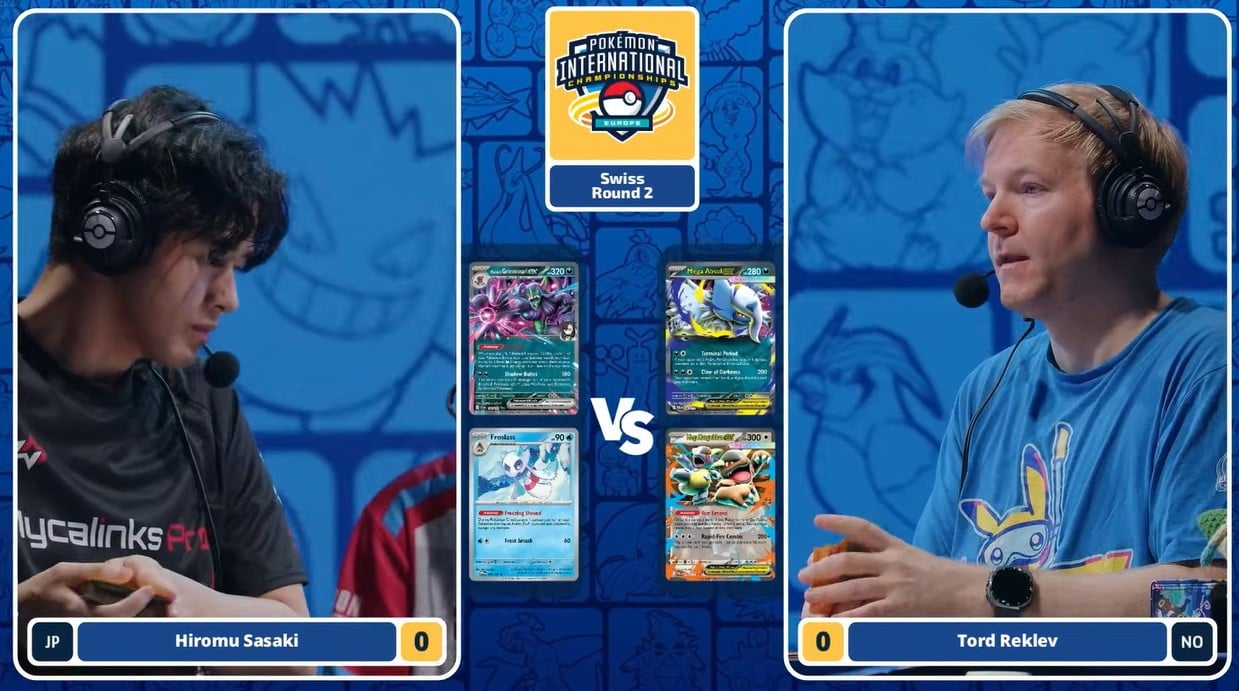
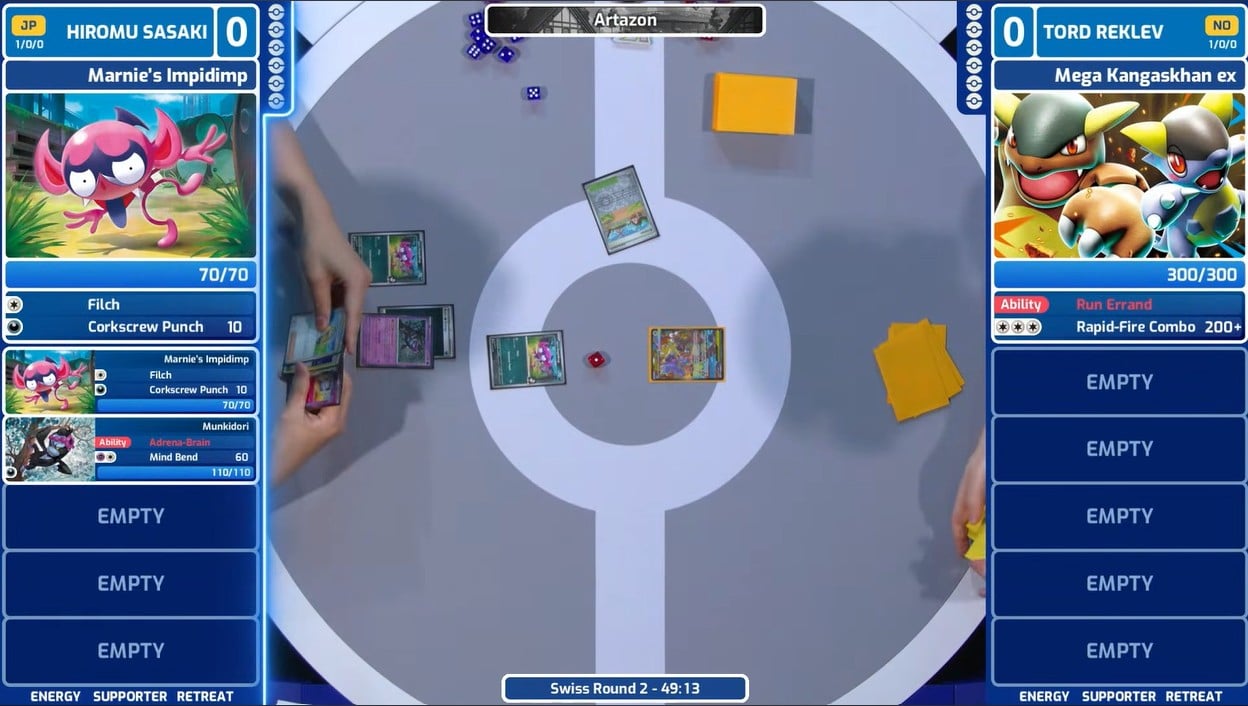
Last weekend, during Pokémon’s biggest tournament of all time, VGC spoke to Reklev after he’d finished playing for the weekend. The Norwegian veteran finished 13th, using the extremely popular Mega Absol Box deck, the same archetype that took Mesman to victory.
“I’m pretty happy with it. I think it was a respectable finish. You know, I would love to go all the way, but I’m very happy with the way things turned out,” Reklev said.
“With so many players, it’s pretty unreasonable to expect to always make it to the very end, so I think I’m happy.”
But now that EUIC is done for another year, TCG players face a new challenge. The rotation. For those unfamiliar, this is when The Pokémon Company changes which cards can be legally used in a tournament. This means that popular decks fall out of legality, and new cards come into play.
For a competitive scene that can see huge prize pools on the line, shakeups of this nature can be tense for players, as their winning decks are suddenly taken out of contention.
“I have mixed feelings,” Reklev said. “On the one hand, we’ve been in the same format for a long time now, and I feel we desperately need some sort of shakeup. We need new decks, new matchups and new cards. The rotation is usually a good way to shake things up.
“But, this rotation here is a little bit painful, because we have some really good, skill-expressive cards in the format right now. There are good counter cards like Iono and Counter Catcher, and we’re losing both of those.
“That means next format it will be a lot less punishing to just rush ahead in [Prize Cards] and be very aggressive toward the opponent.”
In the Pokémon Trading Card game, the goal is to knock out your opponent’s Pokémon, which earns you a number of prize cards, depending on the Pokémon that was knocked out. Claim all 6 of your prize cards, and you win the game.
“It’s really easy to punish that now, which I think is a good thing, because now you have to think a lot more about the timing of your knockouts and everything. So I think there will be a downside, but I am excited for the new cards and new play archetypes and new strategies to play around with.”
Having played through so many rotations in his time, and being known for his ability to craft championship-winning decks for himself and other players, we asked if Reklev preferred to play when the format was fresh, or after he has had time to study it.
“My favourite formats are always when something new is happening. I always thrive a lot better when we all need to adapt and figure out what is going on. I think like there’s a lot of skill expression there, and that’s usually when I have my best tournament results as well.”
A unique wrinkle to the Pokémon Trading Card Game is the role that the Japanese cards play in the international versions of the game. Typically, Japan will get new cards a few months before the rest of the world.
Japan’s sets are also much smaller than English sets, with multiple Japanese sets often being combined to form just one English expansion. In the internet age, this has meant that players outside of Japan have studied up on new cards coming to the English scene long before they hit store shelves.
“I always try to be one of the front-runners,” Reklev said. “I like to put the work in myself. That’s the hardest part if you try to be in front, right? You have to figure out everything yourself again. There’s a lot more work than letting someone else do it, and then latching onto that and trying to innovate from that point.”
Despite this, Reklev tells us that he doesn’t spend too much time obsessing over English translations of Japanese cards. “I don’t want new cards to cloud my vision for what’s going on right now,” he chuckles.
The next Japanese set, Ninja Spinner, will be released in March and feature 124 new cards. On the English side, Mega Evolution – Perfect Order, will be released on March 27.
“For example, as soon as I heard that Ascended Heroes wasn’t legal, I just completely blocked it out of my mind.”
Ahead of EUIC 2026, it was expected that the latest special set, Ascended Heroes, would be tournament-legal for the event.
However, due to Ascended Heroes receiving a staggered release across 2026, this would mean that only one product featuring the cards – the Tech Sticker collection, which includes 2 packs – would be on sale before the EUIC, making it difficult for players to compile decks in time.
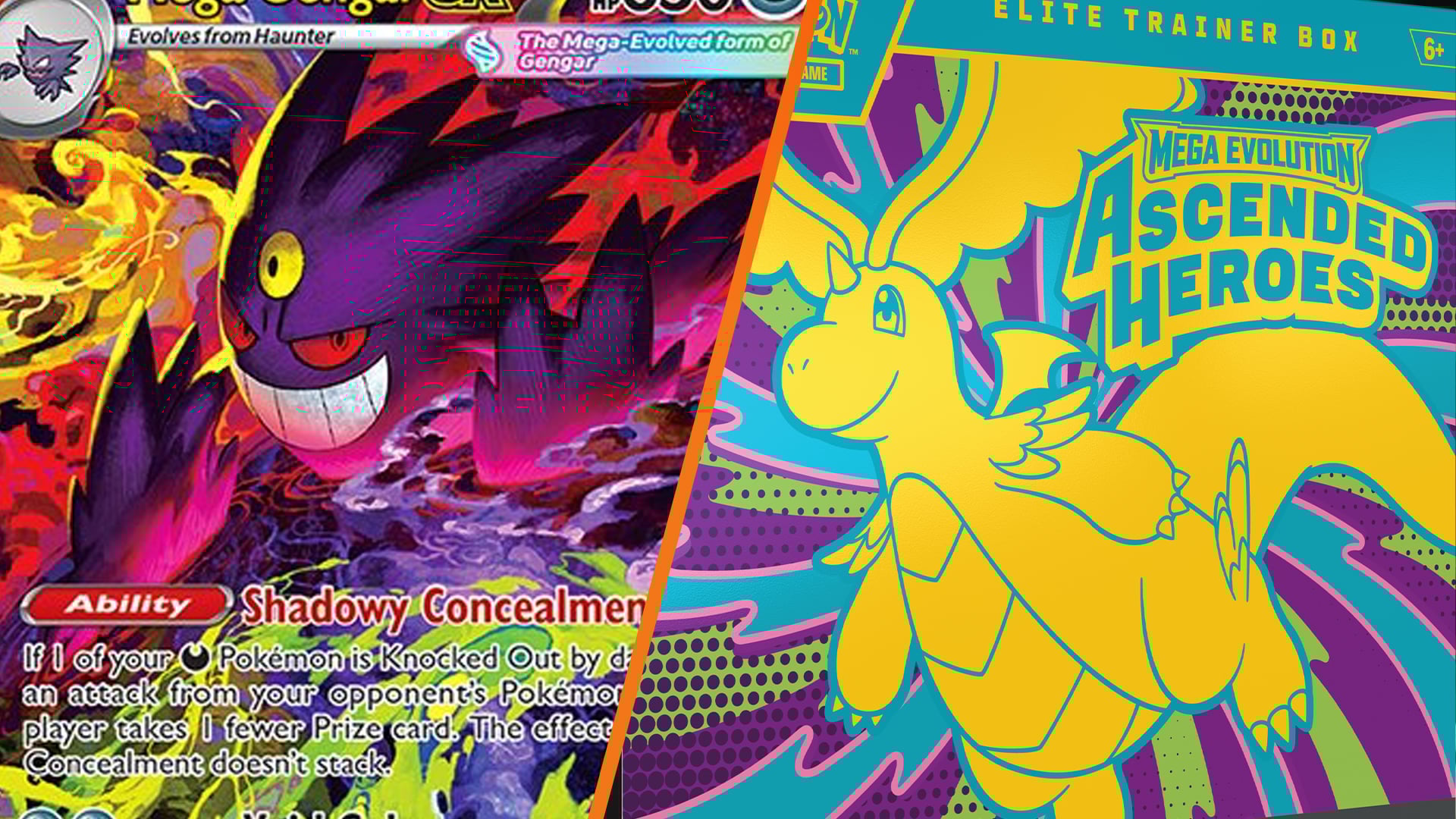
The Pokémon Company International eventually made a rule change, which meant that Ascended Heroes, and all future special sets, will only become legal two weeks after the set’s Elite Trainer Box is released.
Tord Reklev isn’t slowing down. As we’re speaking and EUIC is coming to a close, he’s already thinking about what’s next.
“I’m going to Japan to play next weekend in the Fukuoka Champions League, so then I get a little head start on post rotation and the new cards.”
The Pokémon Trading Card game has exploded in popularity over the last few years. Since 2020, the number of Pokémon cards being printed has never been higher, and now The Pokémon Company has several warehouses running 24/7 in an attempt to meet demand.
“We have extreme growth in the community, and many more people are joining. I think it’s true what you said, there are a lot of collectors, and the market has definitely exploded. It’s bringing a lot more people to the game.”
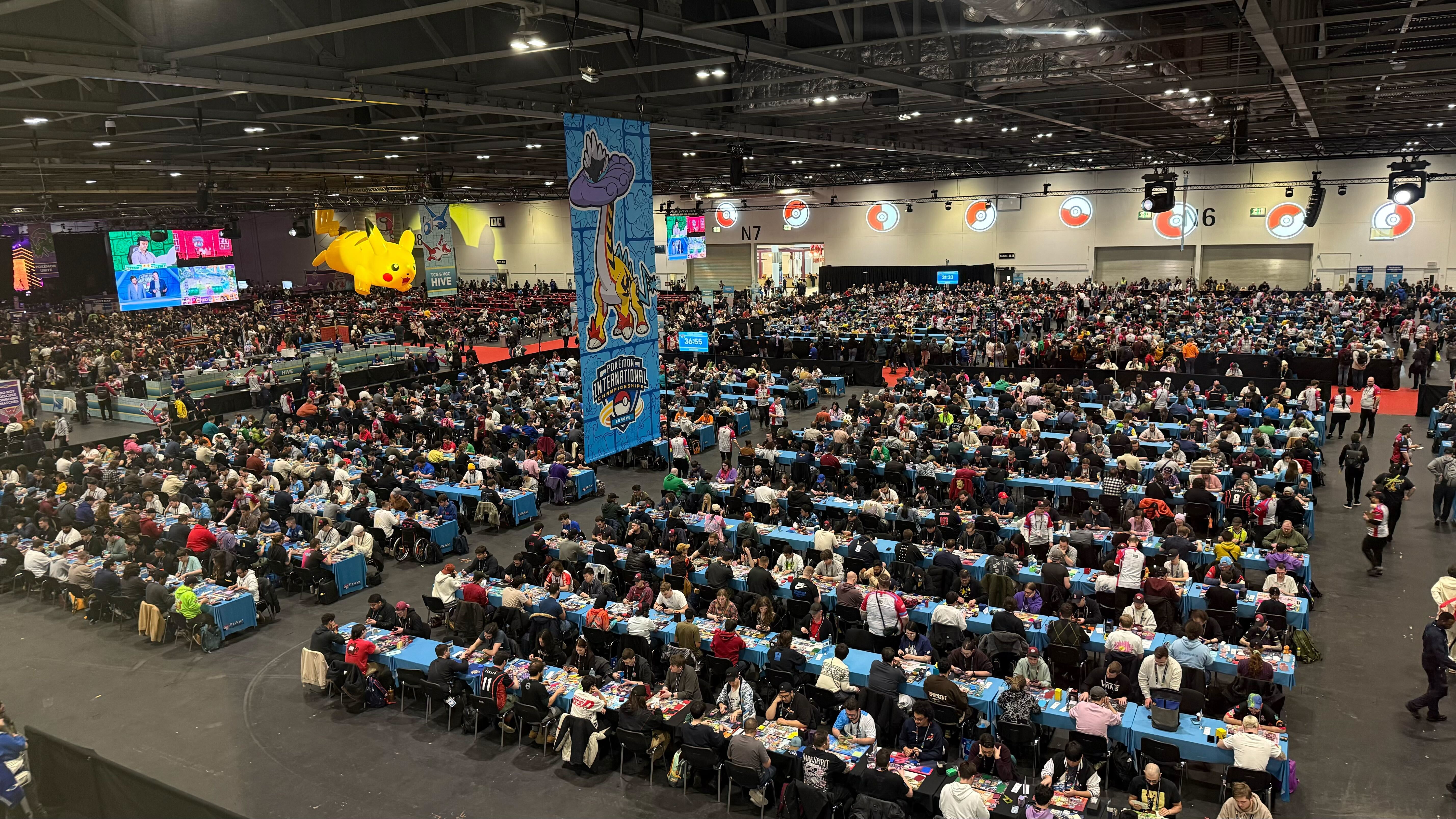
The halls of Excel London are packed, not only with players trying to book their way to the Pokémon World Championships in San Francisco, California, but also with collectors.
The event’s vendor section, which includes a selection of pre-approved trading card retailers, is constantly busy.
EUIC was also packed with players of all ages. Families decked out in matching custom football shirts featuring the name of a player and his sponsors.
Reklev tells us that on the competitive scene, the next generation is rising up the ranks faster than he’s ever seen it.
“The overall skill level across all divisions is a lot higher, but especially in junior and seniors. It’s skyrocketed because of the resources we have available, and there’s a whole coaching culture now as well,” he said.
The Junior Division is made up of players born in or after 2013, the Seniors Division is made up of players born between 2009 and 2012, and the Masters Division is for anyone born before 2008.
“I coach a ton of juniors and seniors myself, to try and help them improve and get better, so I think that’s definitely a big part of it. Back in the day, when that culture wasn’t common, people were left to themselves so it took a lot longer to improve.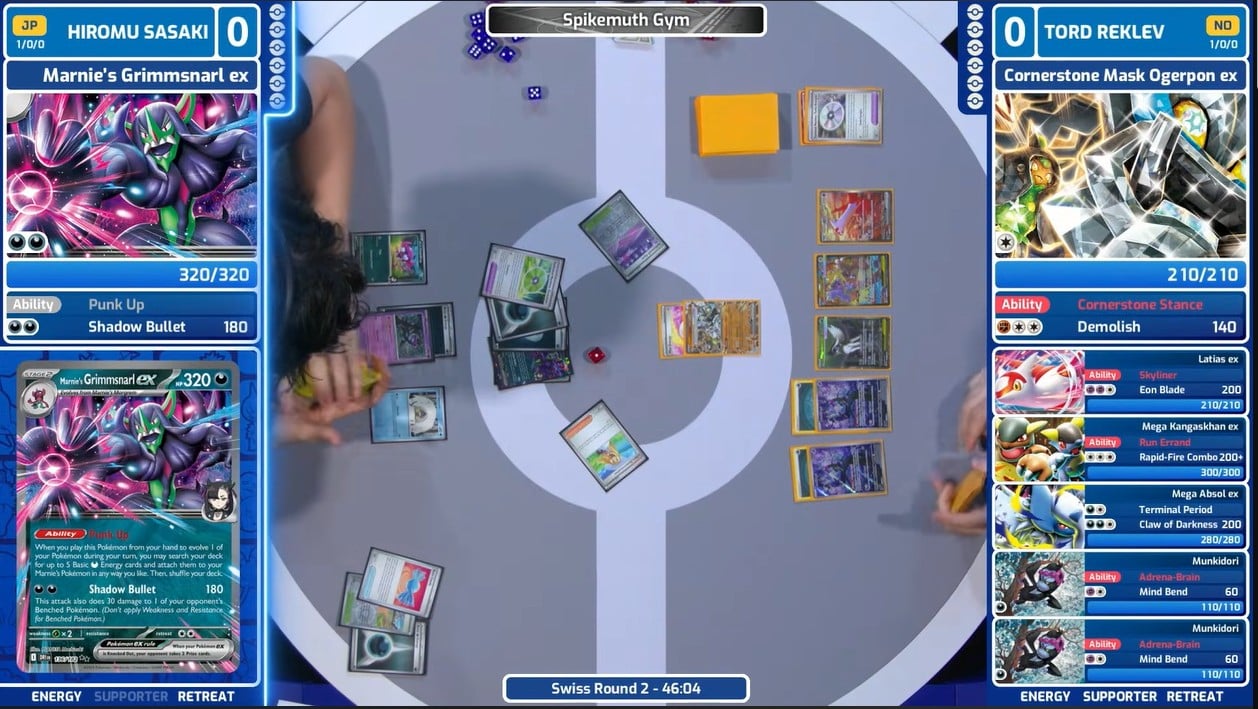
“You see it already with the people that are the very top of seniors now, when they age up into Masters, they’re immediately better than almost all the regular Masters players, and they’re competing for the top spots right away,” he said.
As we head into the next rotation, we asked Reklev his thoughts on the game overall, as he looks back on 15 years of playing the Pokémon TCG competitively.
“The game is in a very good spot. I think this is a natural consequence of how long the game has been around, and it’s always being pushed to its limits, right?
“In a few years, we’ll probably look back at where we are right now and say, ‘It was a lot easier back then, right?'” Reklev says with a chuckle.
Tord Reklev’s importance to the Pokémon TCG can’t be understated. Few can claim to be as influential to multiple different eras of play as Tord, and he has no intentions of slowing down.
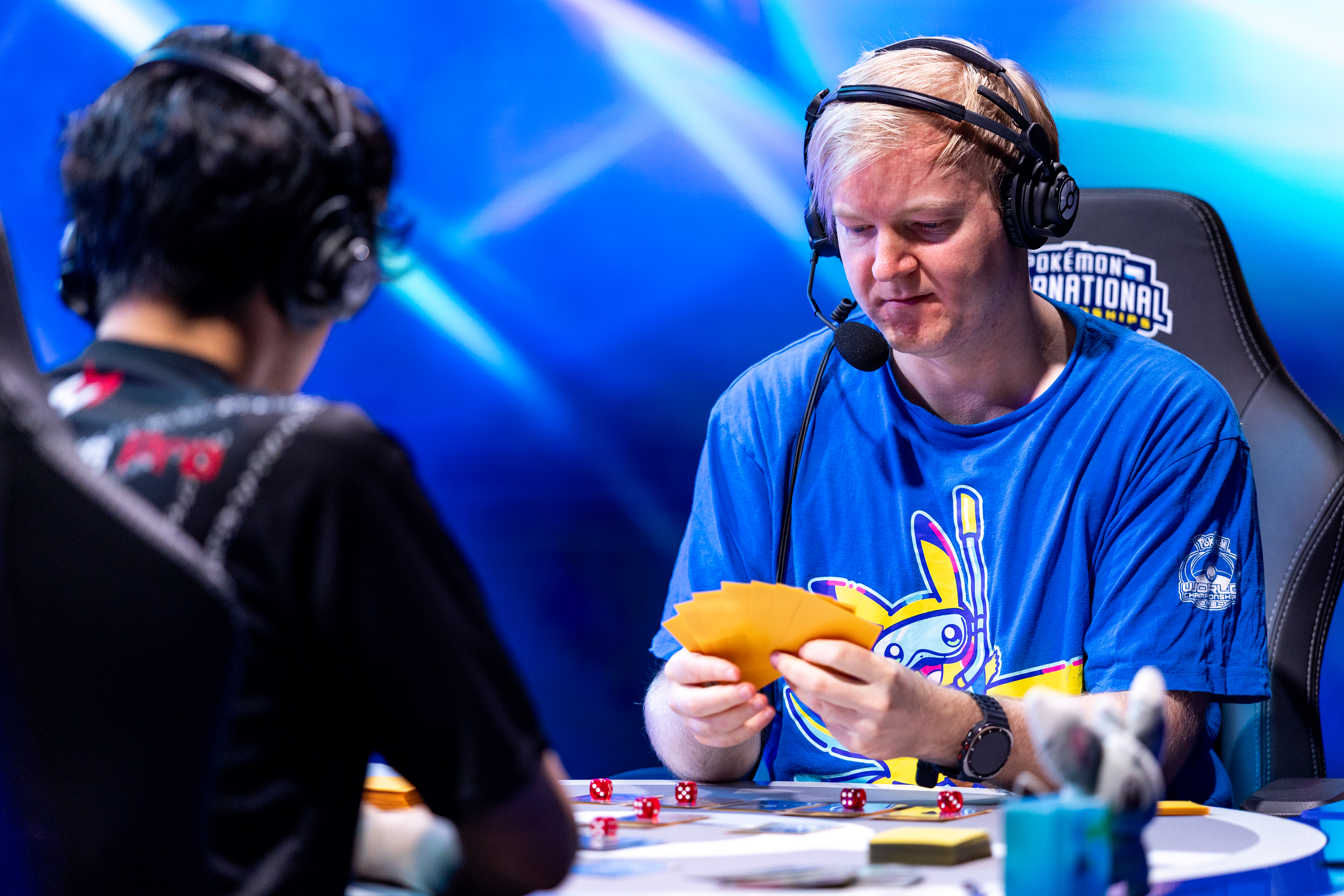
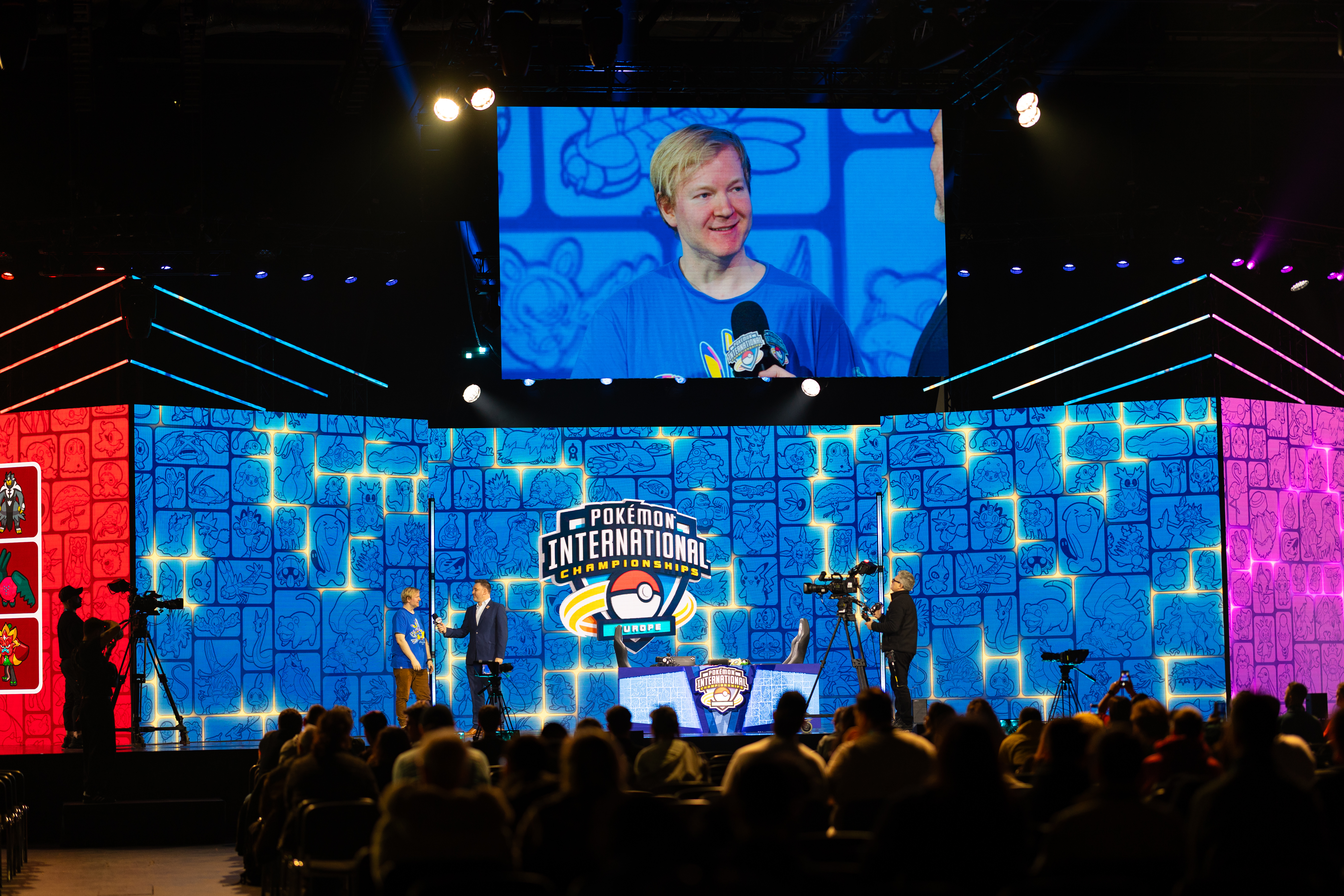
As we concluded our discussion, we asked what he thought of the event scene in 2026, which can now shut down one of London’s largest venues for a weekend, whereas 20 years ago, the majority of events took place in hotel conference halls.
“There’s a whole different experience attending an event these days than it was when I started,” Reklev recalls. “For better, and for worse. The production value is amazing now, compared to what it was before, right? Where there was close to none, or a single camera pointed at a table,” he laughs.
“Now all of these are huge spectacles, right? It’s almost more like attending a show than a tournament with so many things going on around it. So that’s really cool.
“I would say that some of the charm has maybe been lost over the years because of the scale of everything now. It’s a little bit less personal. There will always be pros and cons to explosive growth like this. I would say overall, it’s definitely a net positive, but there’s certainly some nostalgic things that I miss sometimes.”
Pokémon’s next major tournament, the North American International Championships, takes place from June 12 to June 14 at the Ernest N. Morial Convention Center in New Orleans, Louisiana.