Project ZETA’s main aim is to take the ‘running away’ part out of Capture the Flag
Hands-on: This South Korean online battle game makes it impossible for the player to avoid combat

For a match type that features in a lot of online shooters, a fairly large part of Capture the Flag is about avoiding conflict.
Sure, it takes courage to infiltrate your opponent’s area and steal their flag, but after that it becomes a matter of – to put it bluntly – running away as fast as possible.
It’s this part of the game that South Korean developer Nirvanana hopes to tackle with Project ZETA, its ‘multi-team tactical arena’ game which has been running a community beta this weekend.
I spoke to some of the Nirvanana team, including CEO Namseok Kim, at Gamescom ahead of the beta’s launch, to find out more about their plans for Project ZETA, which is coming to PC and PS5 at some point in the future.
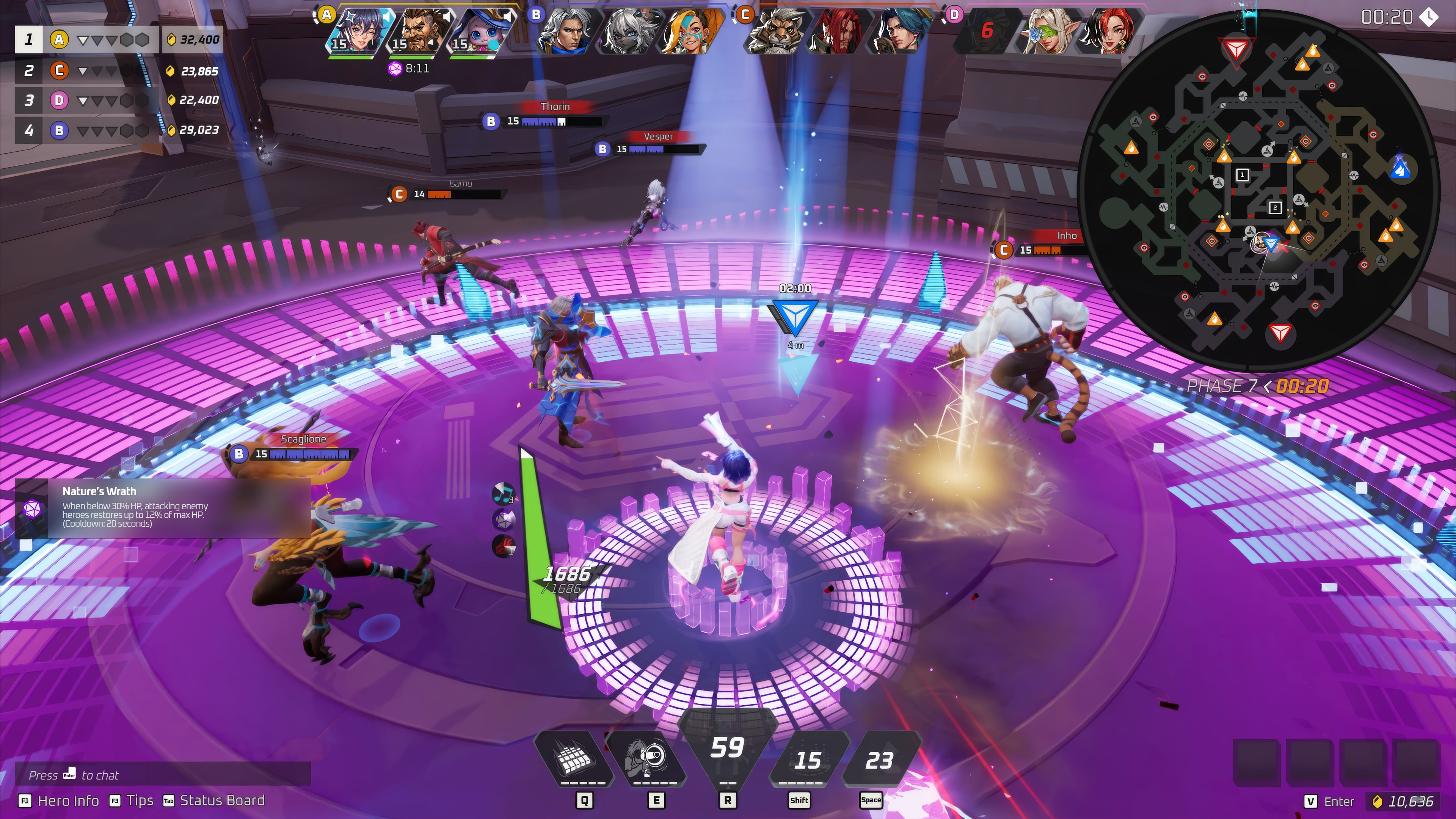
For now at least – and at launch, whenever that ends up being – the game will revolve around a single 12-player gameplay mode, featuring four teams of three players.
At its core, the aim is to collect Prisms, take them to a large hole in the ground, wait there for a set time to secure the area then deposit the Prism in the hole, scoring a point. The first team to score five points, or the team with the most points after the 24-minute timer ends, wins the game.
What makes Project ZETA somewhat different from similar games is that Nirvanana has put numerous measures in place to ensure the player is frequently put into battle situations. Often an ideal scenario in a Capture the Flag game is sneaking in and sneaking out again without engaging in conflict, but that can’t happen here.
Project Zeta gameplay
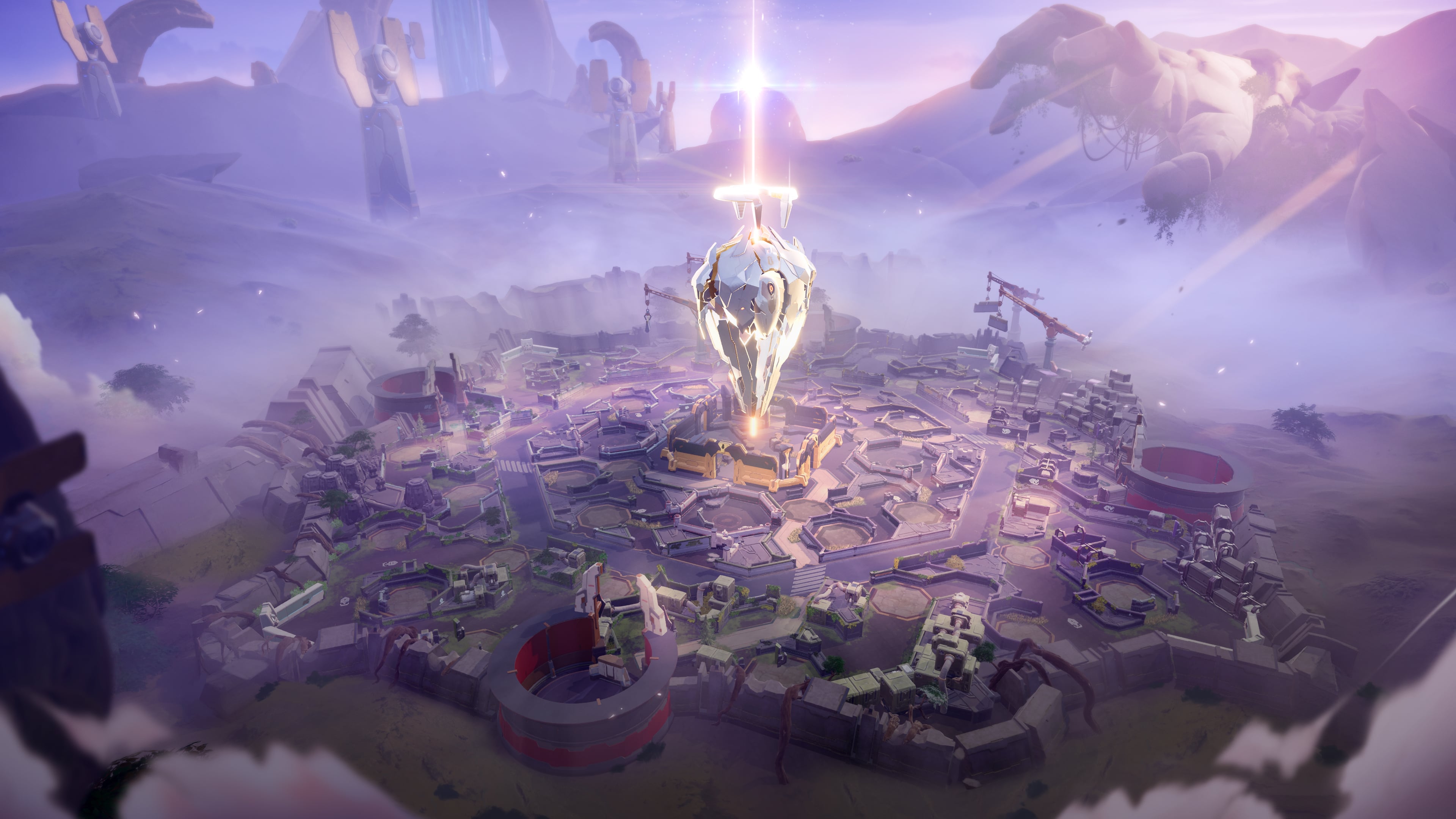
For starters, the large map is filled with clusters of enemies, who can be defeated to level up your abilities and earn currency which can be spent on perks in the shop. While these enemies can generally be ignored, you do so at your peril – near the end of the match, teams who took the time to build their power will have a clear advantage.
Despite this, it was also stressed to me that there’s no real ‘laning phase’ in Project ZETA (the term used in games like League of Legends for the early part of the game where players stay in their respective ‘lanes’ and try to build strength before regrouping and properly heading out). Because matches only last 24 minutes, it’s all go from the start.
After just one minute, the locations of the first couple of Prism Bosses will appear on the map. These are the large AI-controlled bosses which have to be defeated to gain a Prism, so you can’t get one without fighting. What’s more, because there are often fewer bosses than teams, there’s a good chance of multiple teams turning up to fight the same Prism Boss and getting into a scrap themselves too.
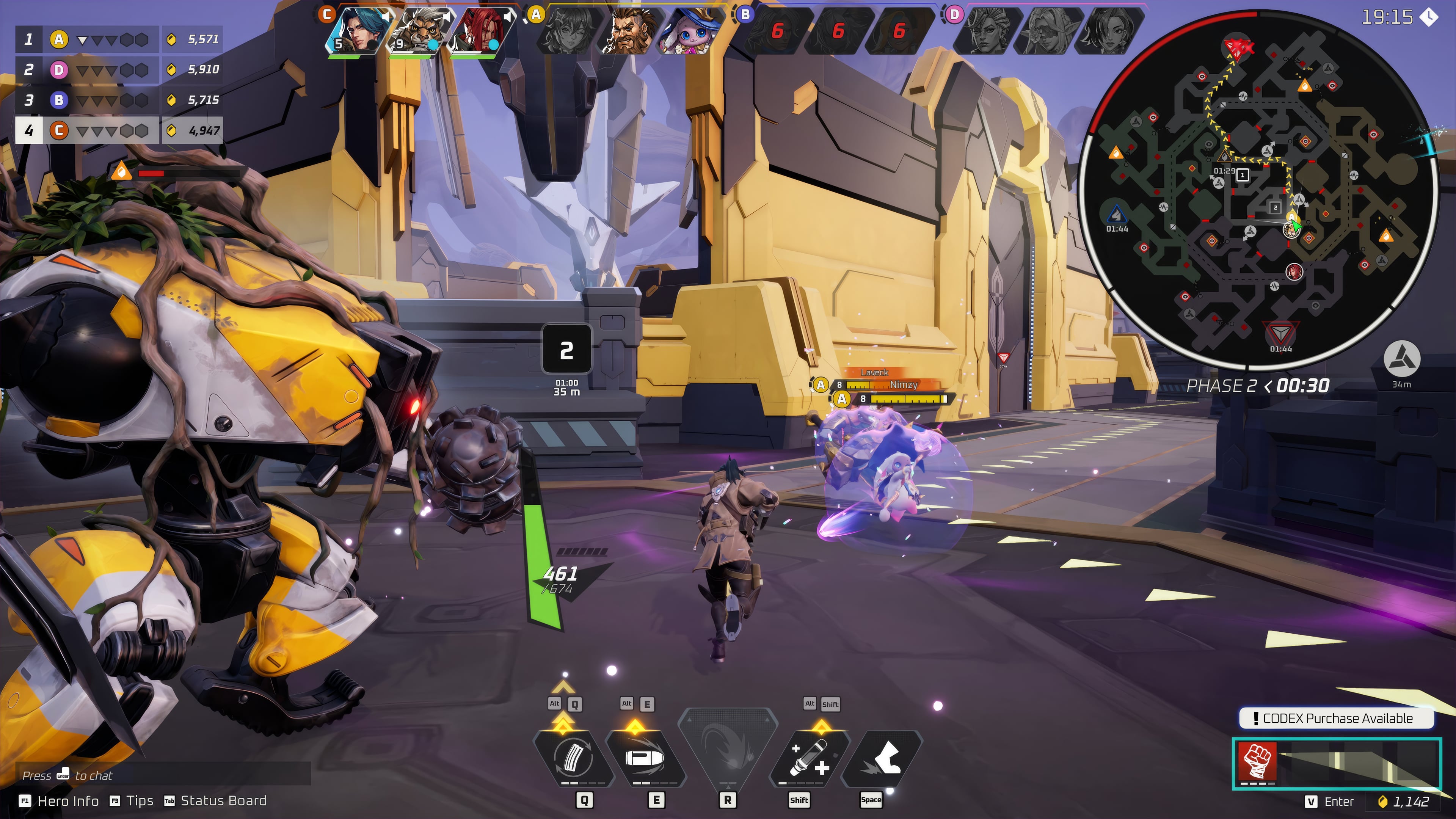
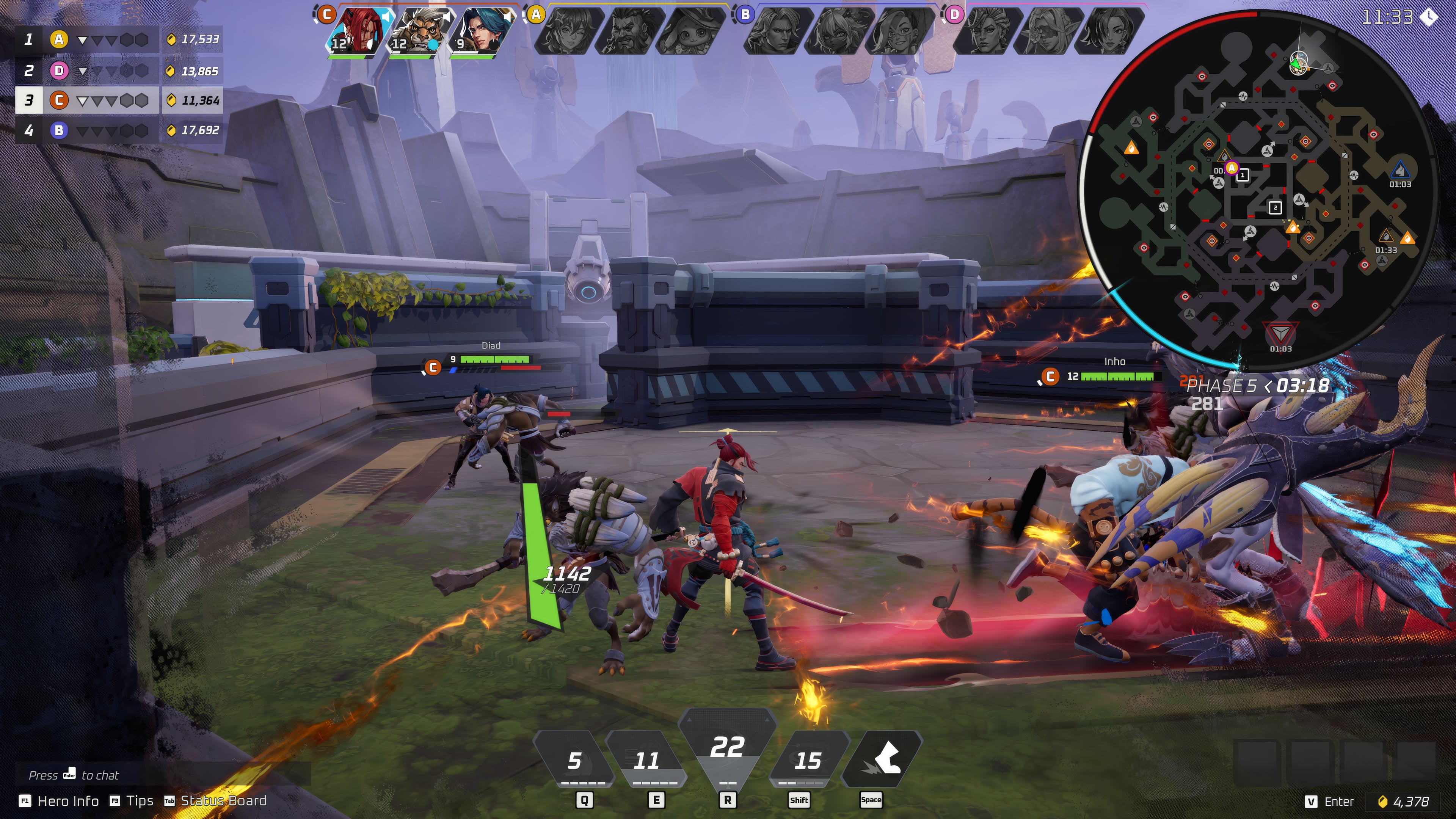
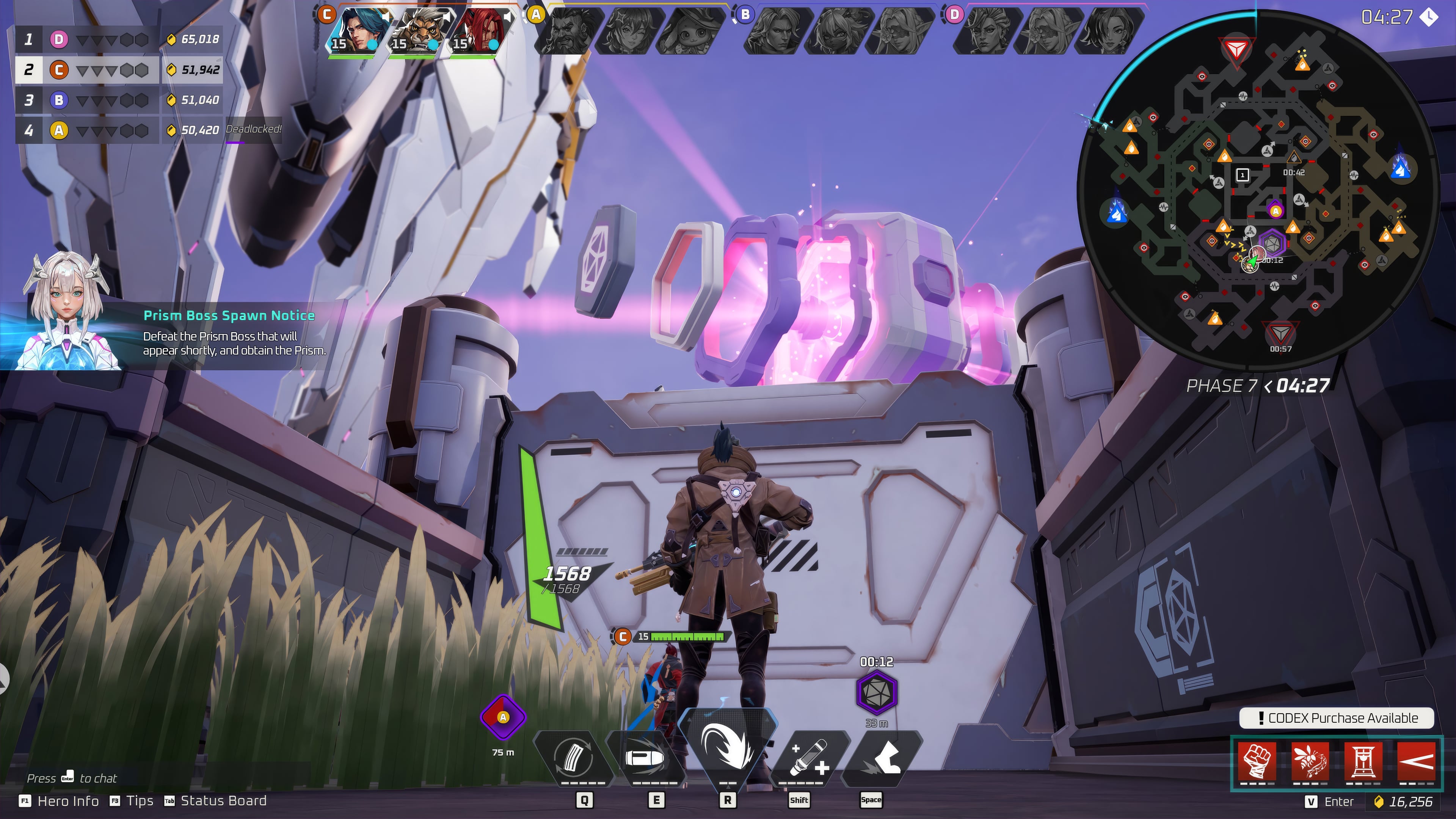
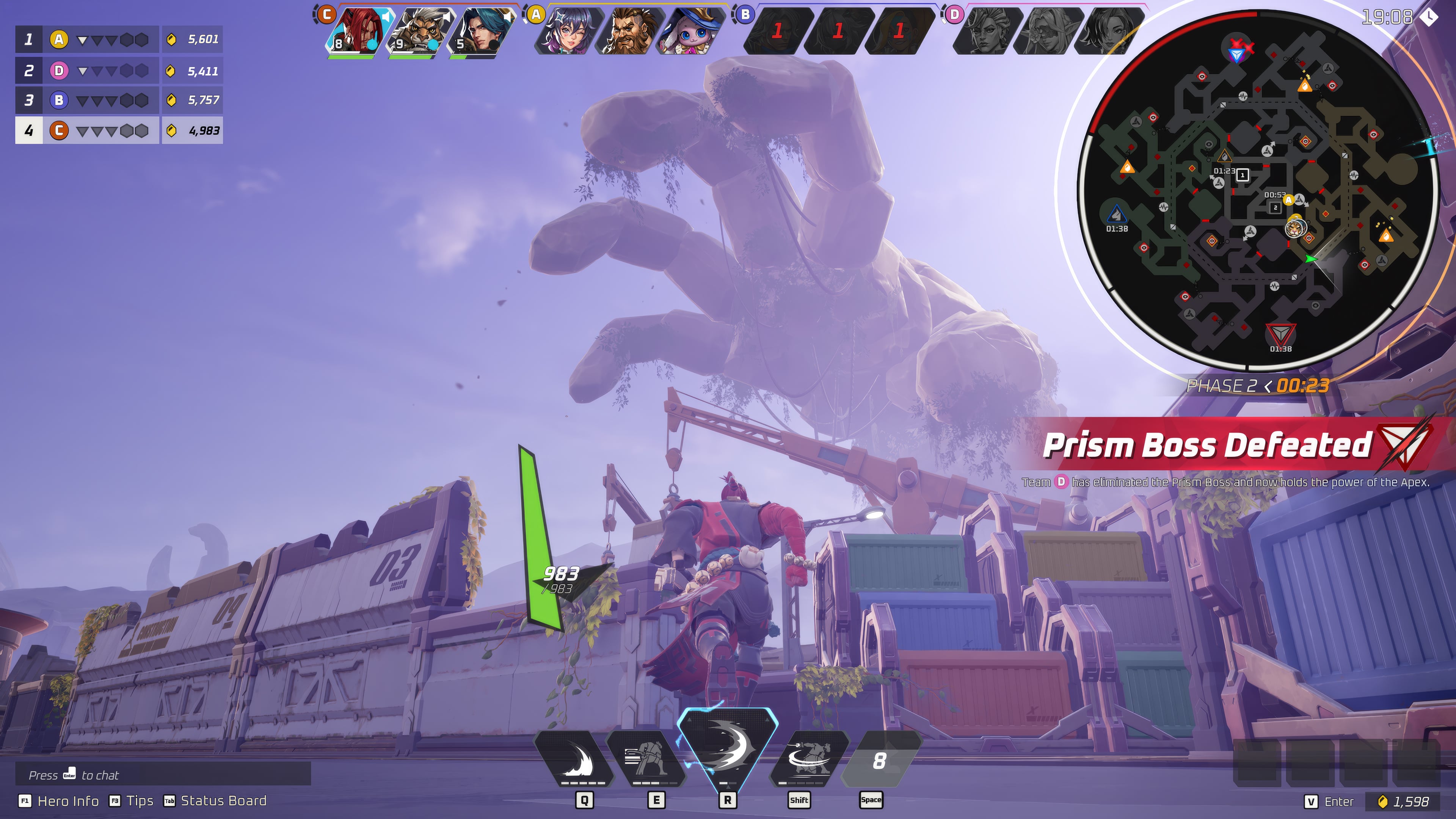
Once you get your first Prism, it does become more of a straightforward Capture the Flag affair, as you try to take it back to the base and deposit it without being killed along the way. The process doesn’t stay like this for the entire game, however.
As previously mentioned, you need to score five points (i.e. get five Prisms) to win the game, but only the first two are standard Prisms. The last three have to be S-Prisms, and these can only be acquired through combat.
Basically, you defeat the Prism Boss as normal and get a Prism. You can’t deposit it until you turn it into an S-Prism though, and to do this you have to go actively searching for a fight. If you can wipe out an enemy team, or get three separate kills or assists, the Prism turns pink and becomes an S-Prism, and only then can it be deposited at your base.
I was told this is the main way Nirvanana wantsto ensure that Project ZETA contains action right until the end, and doesn’t slide into a dull affair where one player stealths their way from flag to base while their teammates get into battles on their behalf. The player with the Prism has to turn it into an S-Prism, so that means they have to fight.
“This is the main way Nirvanana wants to ensure that Project ZETA contains action right until the end, and doesn’t slide into a dull affair where one player stealths their way from flag to base while their teammates get into battles on their behalf.”
It’s a compelling argument, and from what I’ve played of it during the community beta it’s certainly got its fair share of combat as a result. What remains to be seen is how Nirvanana can make it stand out among a sea of other online multiplayer games.
One of the ways it plans to do this is with its cast of characters, which is certainly diverse and seems tailor-made to ensure every taste is met. Split into Fighter, Assassin, Marksman and Mage types, there will be 15 ZETA Heroes at launch, ranging from fantasy to sci-fi to – let’s face it – furry types.
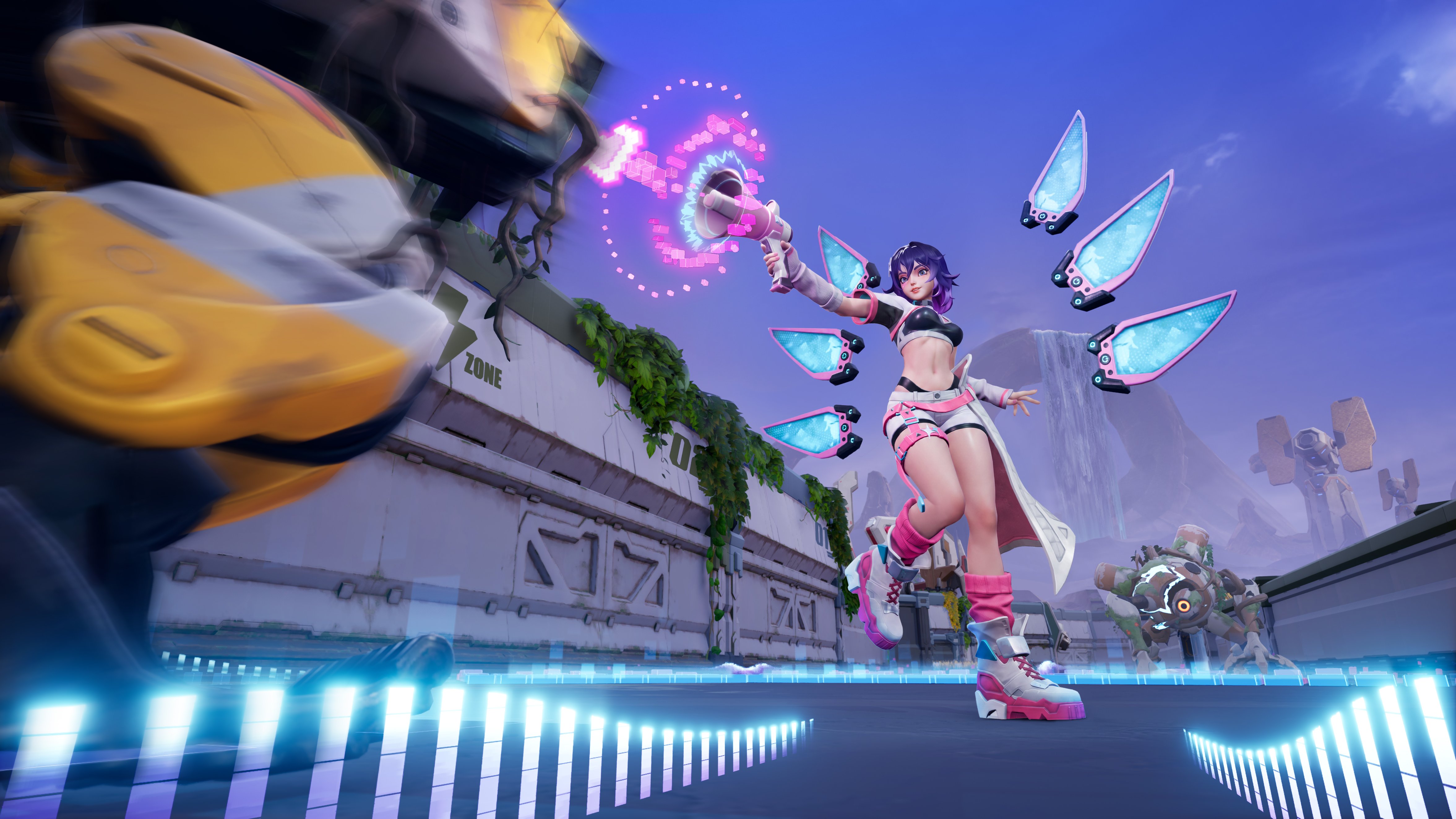
A selection of tropes are catered for here, from ‘large Viking’ to ‘knight with big sword’ to ‘lone Ronin’ to ‘super hero in mech’ to ‘tribeswoman who doesn’t wear a lot of armour’. Then on the more kawaii-friendly scale you’ve got a little sheep-like mage called Nimzy, a furry cat lady called Vesper and a virtual pop idol called Mika Mist (who’s blatantly Hatsune Miku).
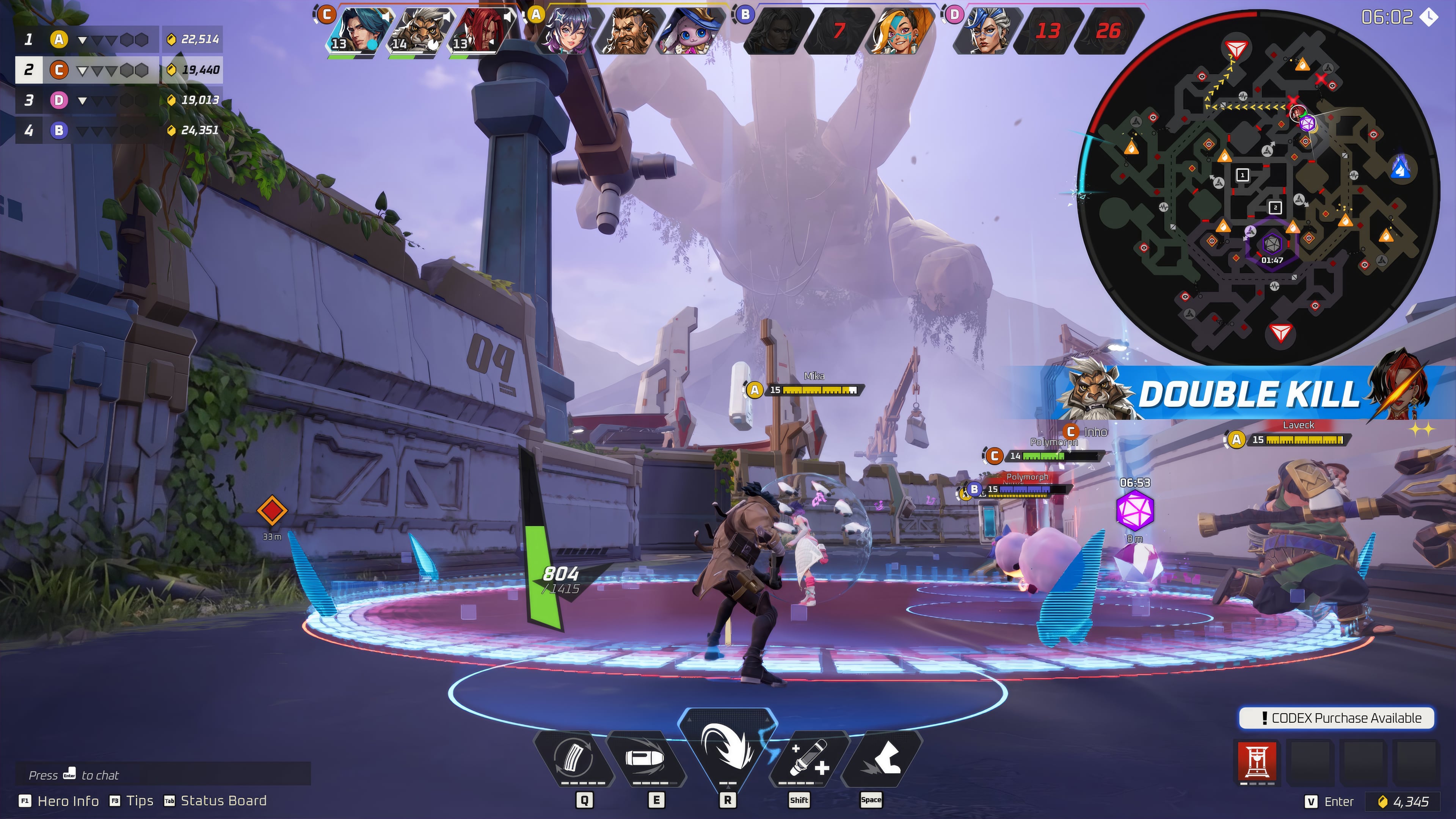
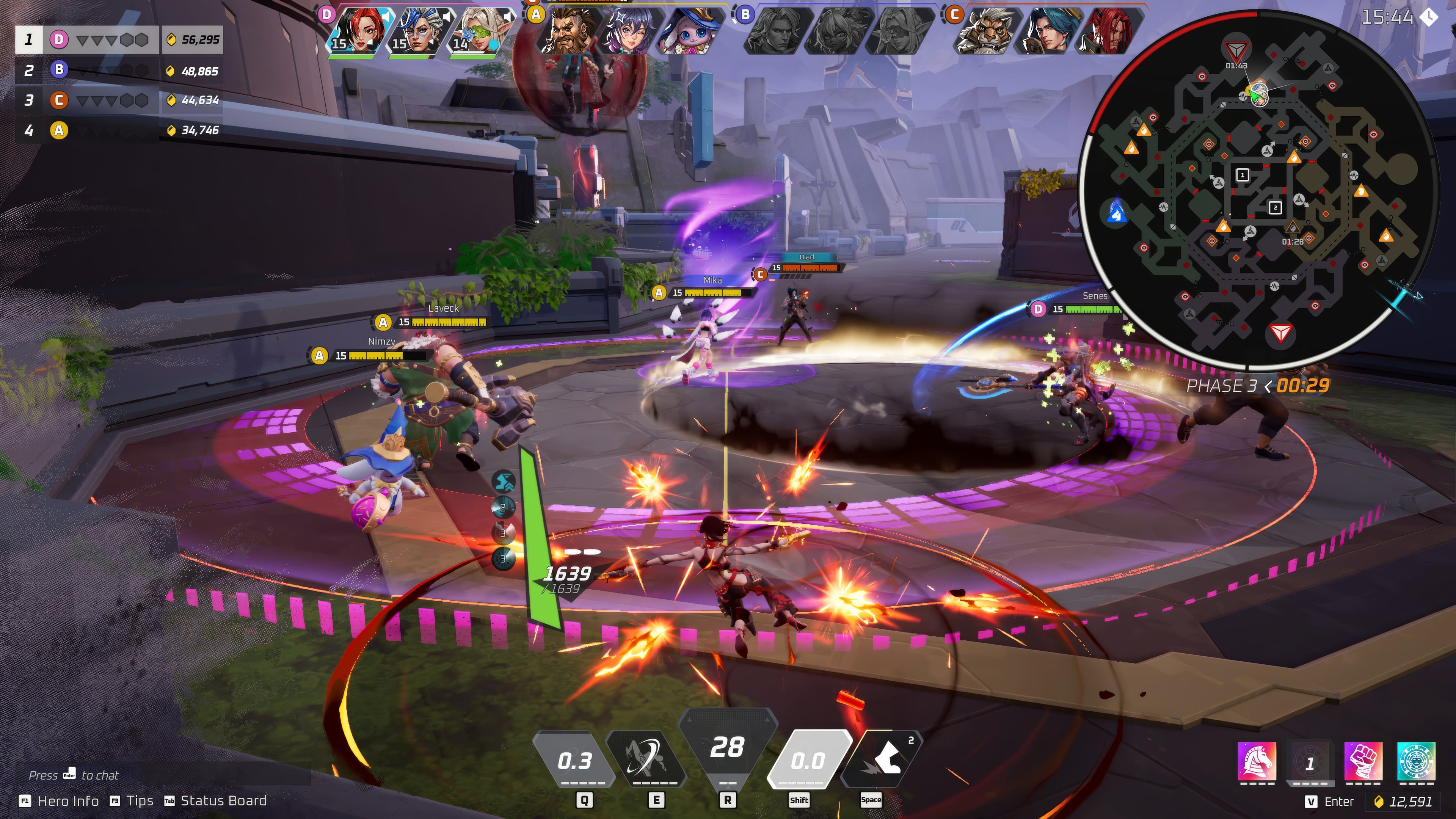
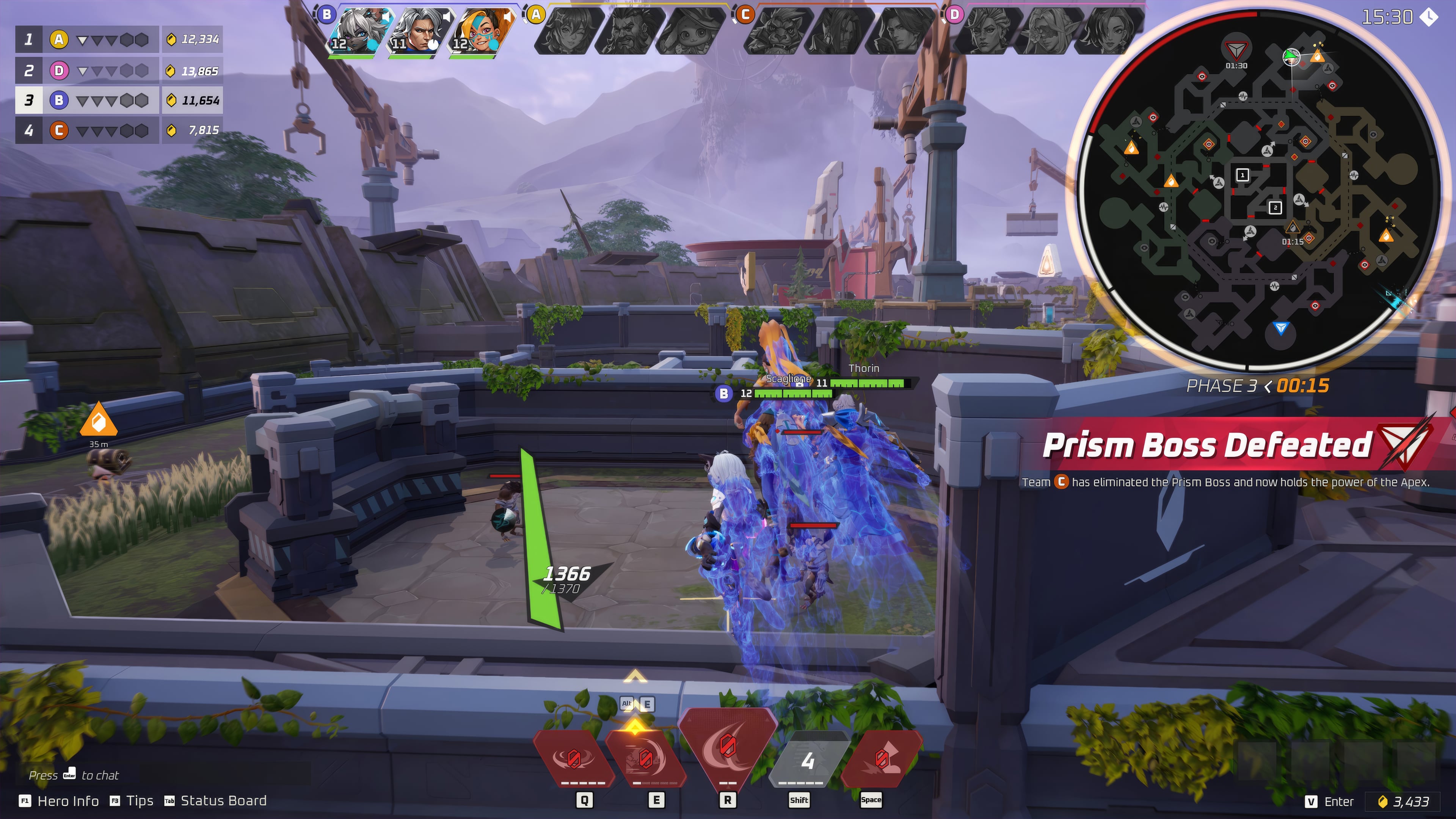
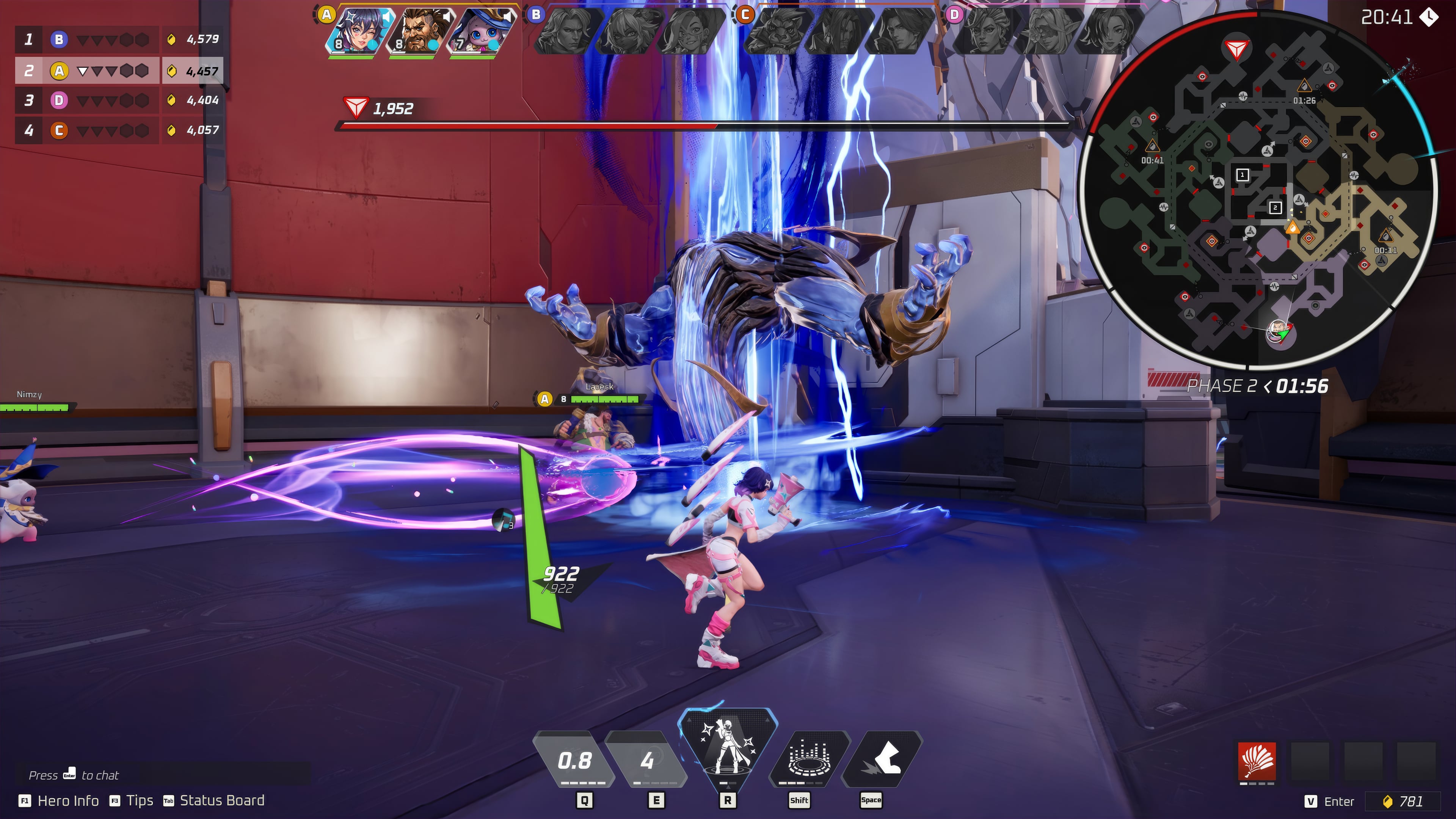
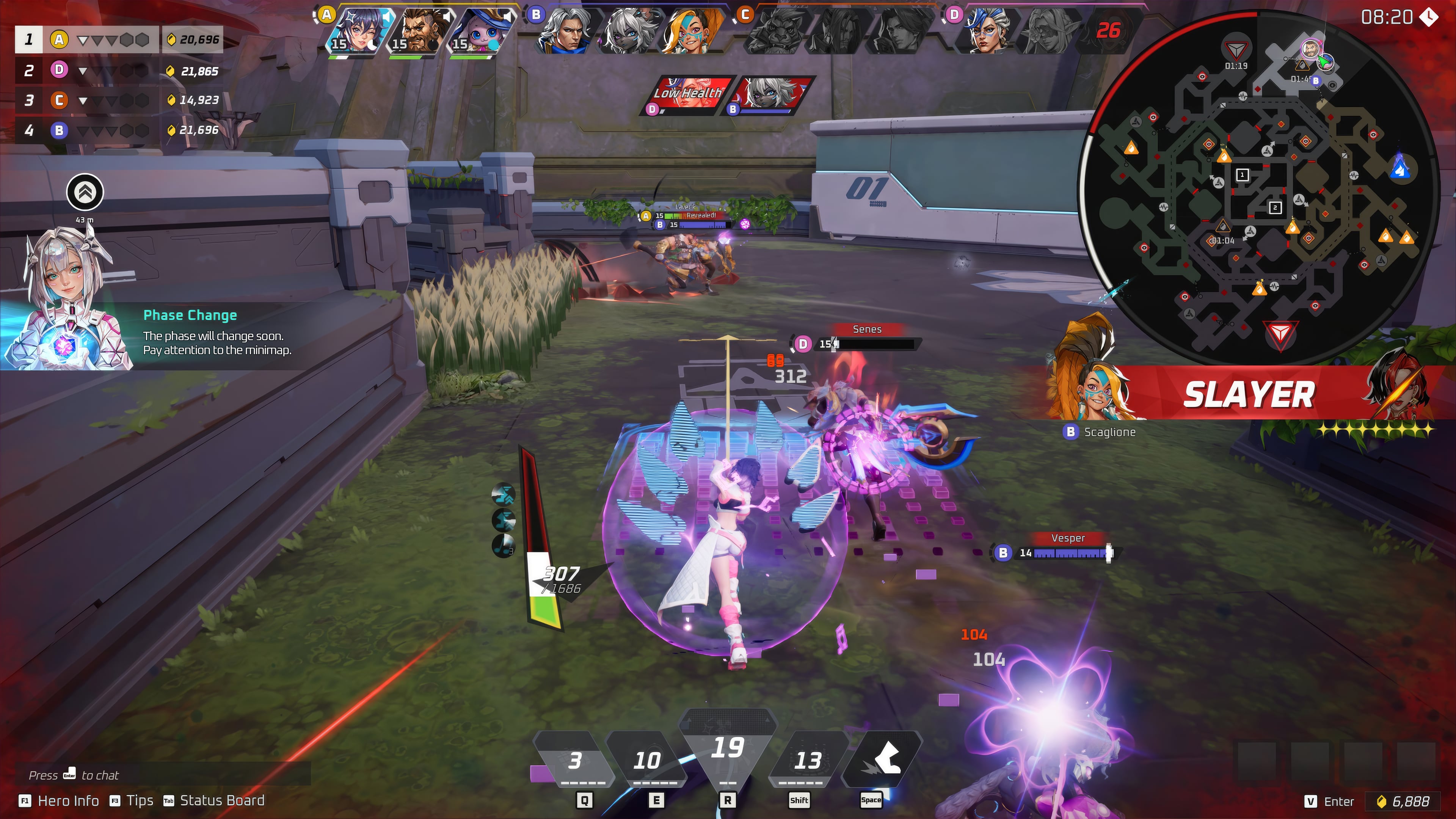
I was told there are plans for far more characters than this, each of whom will be introduced to the game on a gradual basis to make sure it doesn’t mess with the meta too much.
I asked whether the plan was also to add more modes to Project ZETA, but I was told that the developers wanted to focus solely on this 3v3v3v3 Prism-collecting gameplay for now and make it their trademark mode, in the same way that PUBG is mainly known for battle royale.
There’s no set release date for Project ZETA yet, and the team will be taking feedback and data from the community beta (along with previous betas) to continue working on the game until it’s just right. You only get one chance to make a first impression, after all, and in a landscape as currently crowded as this one is, Nirvanana will be doing everything it can to launch with a bang.