Pokopia: Game Freak on how Ruby and Sapphire inspired Pokémon’s biggest ever spin-off
Game Freak & Koei Tecmo discuss the promising Nintendo Switch 2 Pokémon sim that left us thoroughly impressed
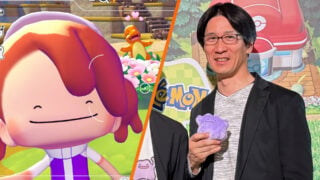
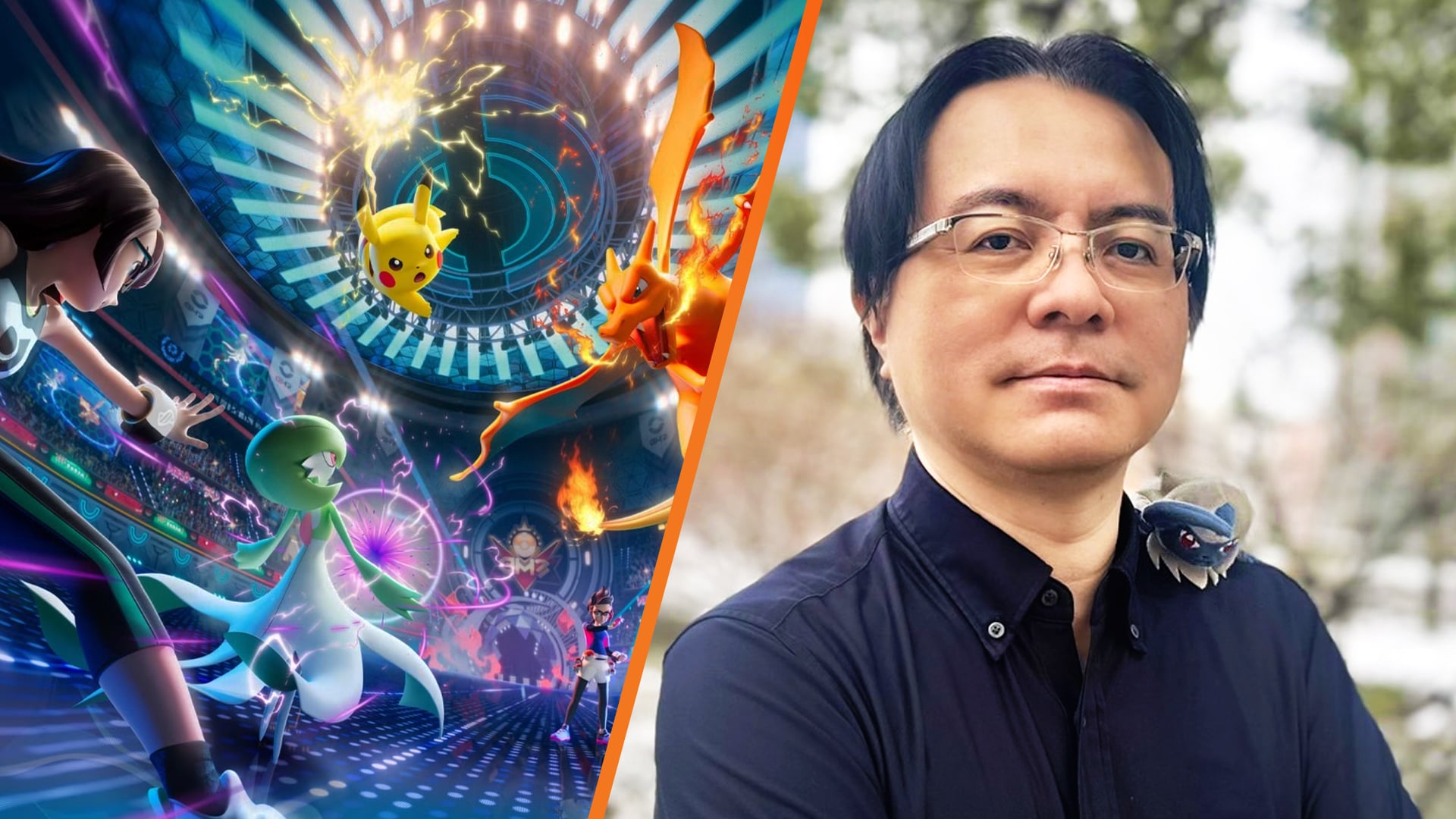
Shigeru Ohmori, The Pokémon Company’s most senior game director, fondly recalls his first role in the early 2000s, designing maps for the Game Boy Advance titles Ruby and Sapphire.
“When I was creating the map, which was 2D at the time, I was putting grass onto it where Pokémon would appear,” he told VGC in a Tokyo conference room, in a gleaming silver tower, which also serves as Pokémon’s de facto headquarters. “That feeling of Pokémon appearing when I was creating the habitat was very interesting to me, and that feeling is something I cherish.”
Ohmori is one of the most experienced figures at Game Freak. The only man to have directed more Pokémon titles than Ohmori is his mentor, co-founder Junichi Masuda. That initial sense of nurture is what the designer is looking to recapture – this time for players, rather than box-dragging map planners – in the promising simulation spin-off, Pokémon Pokopia.
Across 30 years, few franchises have had as many spinoff games as Pokémon. However, after playing and speaking with the development team behind Pokopia, it’s not hyperbole to say that this is one of the most promising game releases and original Pokémon concepts in a very long time.
Plucking ideas from some of the best nonviolent game franchises of the modern era, from a short hands-on session, it’s clear Pokopia has both the scope and personality to appeal to a broad range of players. If it can land a successful mix and deliver the depth players expect, there’s little reason to doubt that this won’t be one of the biggest new releases of 2026.
Viva Rattata
“When I was working on Pokémon Scarlet and Violet, I was continuously looking for new possibilities for Pokémon,” Ohmori told VGC. “It brought me back to when I started on Ruby and Sapphire, creating those habitats and meeting the Pokémon for the first time. That led me to create the prototype for this game.”
For production, Ohmori turned to Koei Tecmo and its experienced Omega Force team, recently known for Wild Hearts and Dragon Quest Builders 2. Together, Omega Force and Game Freak brainstormed what a Pokémon simulation game could look like, and the result is an experience that’s a lot like Animal Crossing, a bit like Minecraft, and a lot like Rare’s Xbox 360 classic, Viva Piñata.
In Pokopia, you play as a humanoid Ditto, stumbling around in the ruins of a once-thriving Pokémon World. But this is no random region created for Pokopia. It quickly transpires that you’re actually in the ruins of Kanto, the setting of Pokémon’s original adventure.
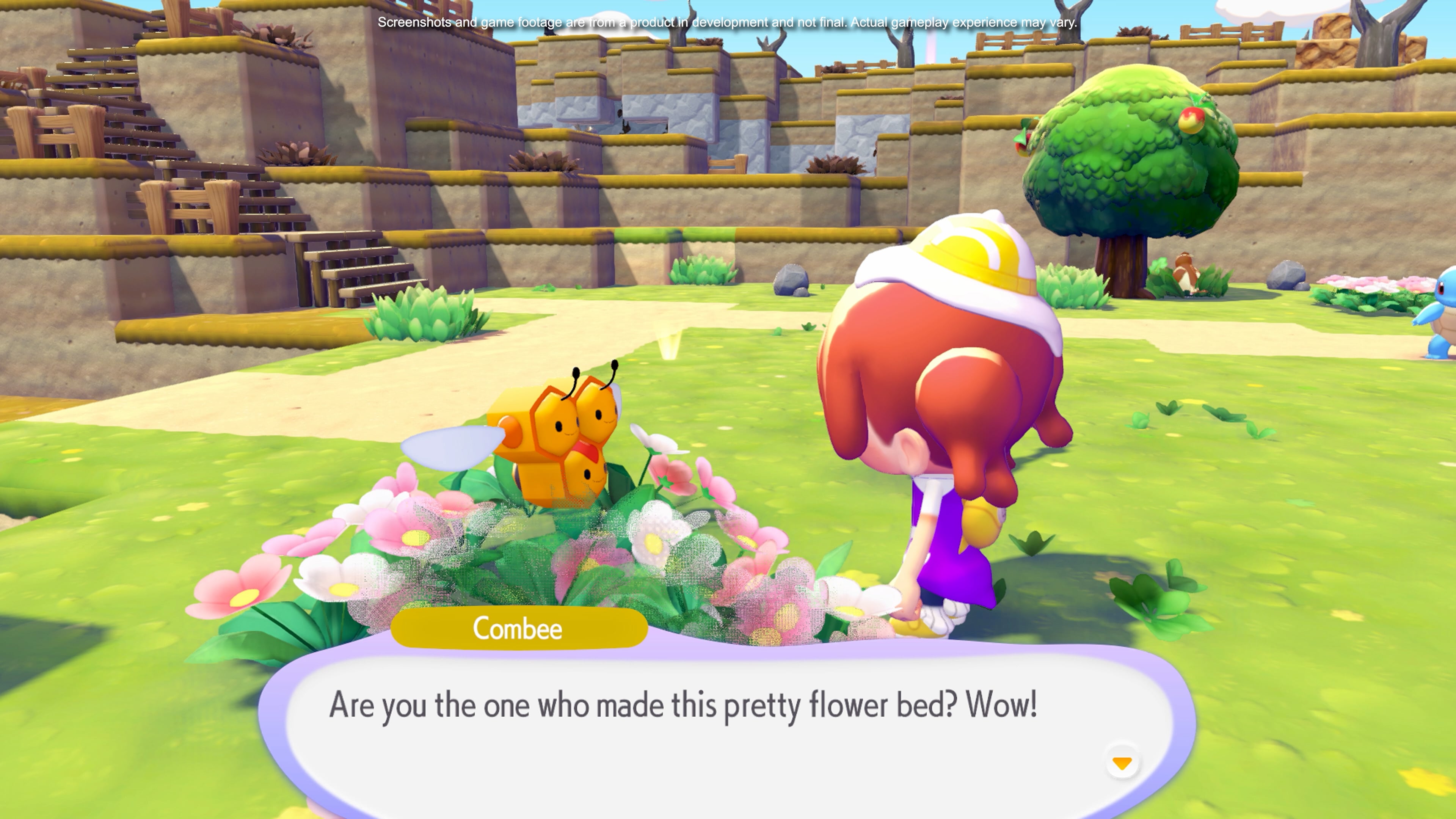
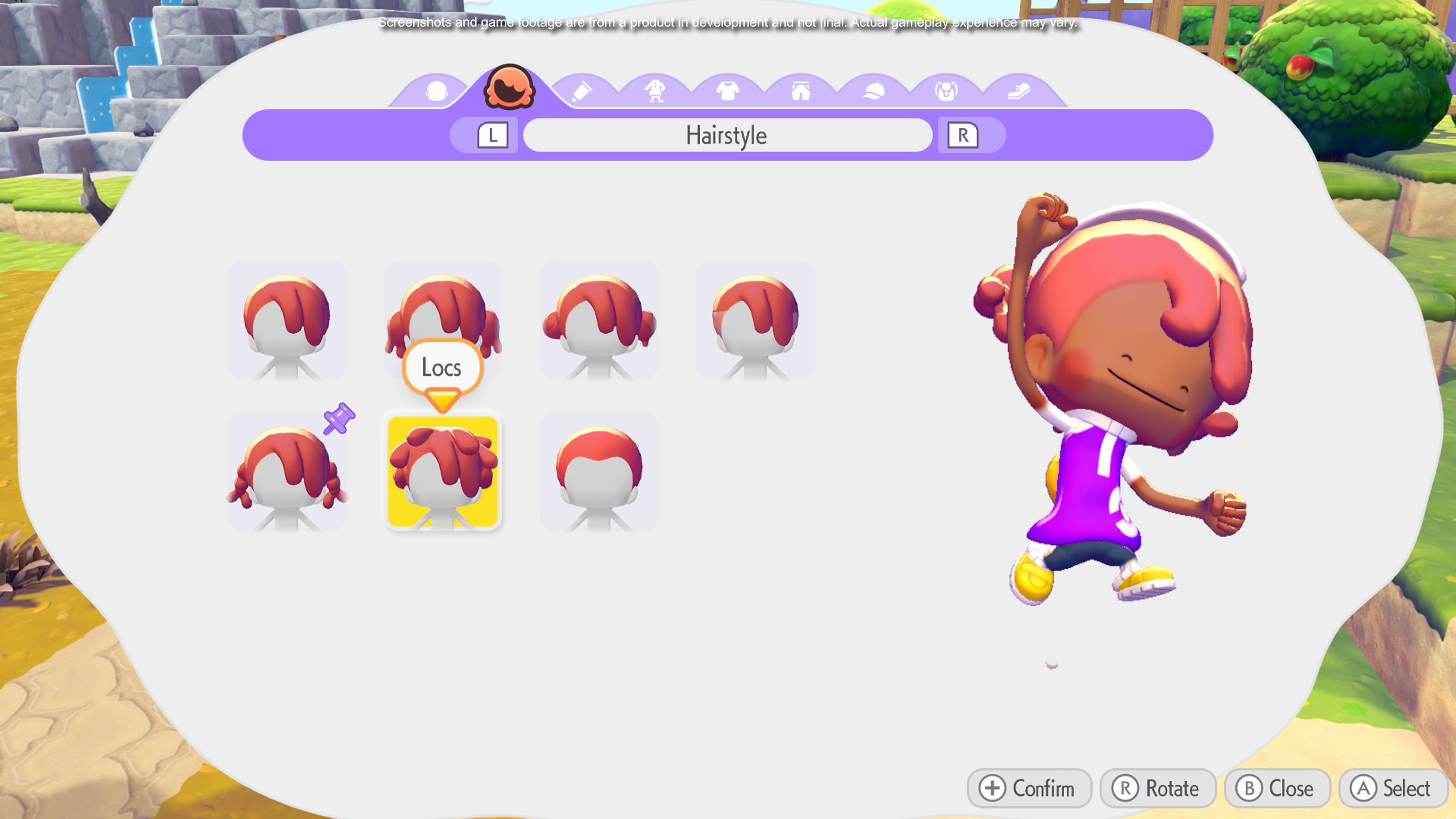
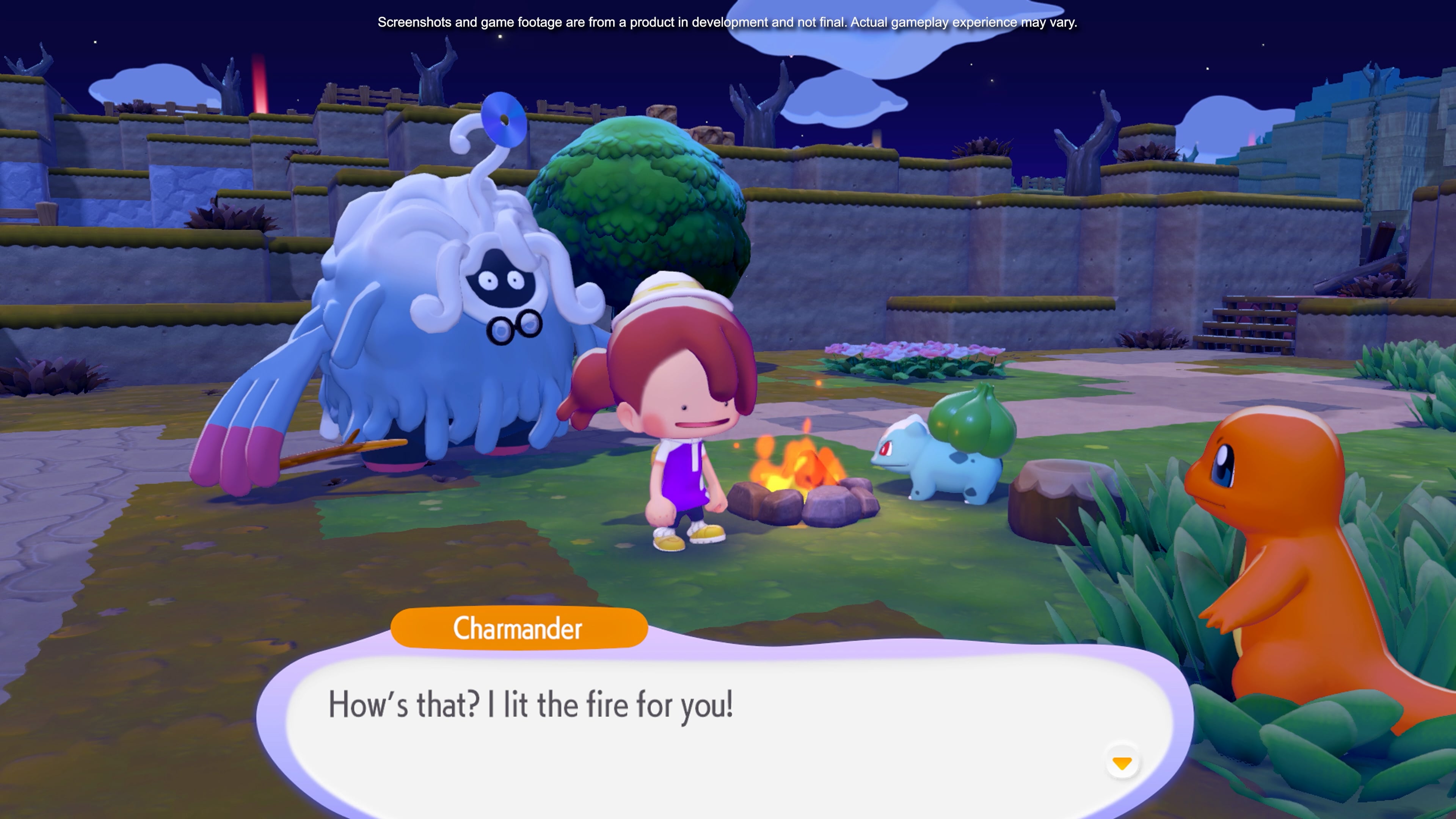
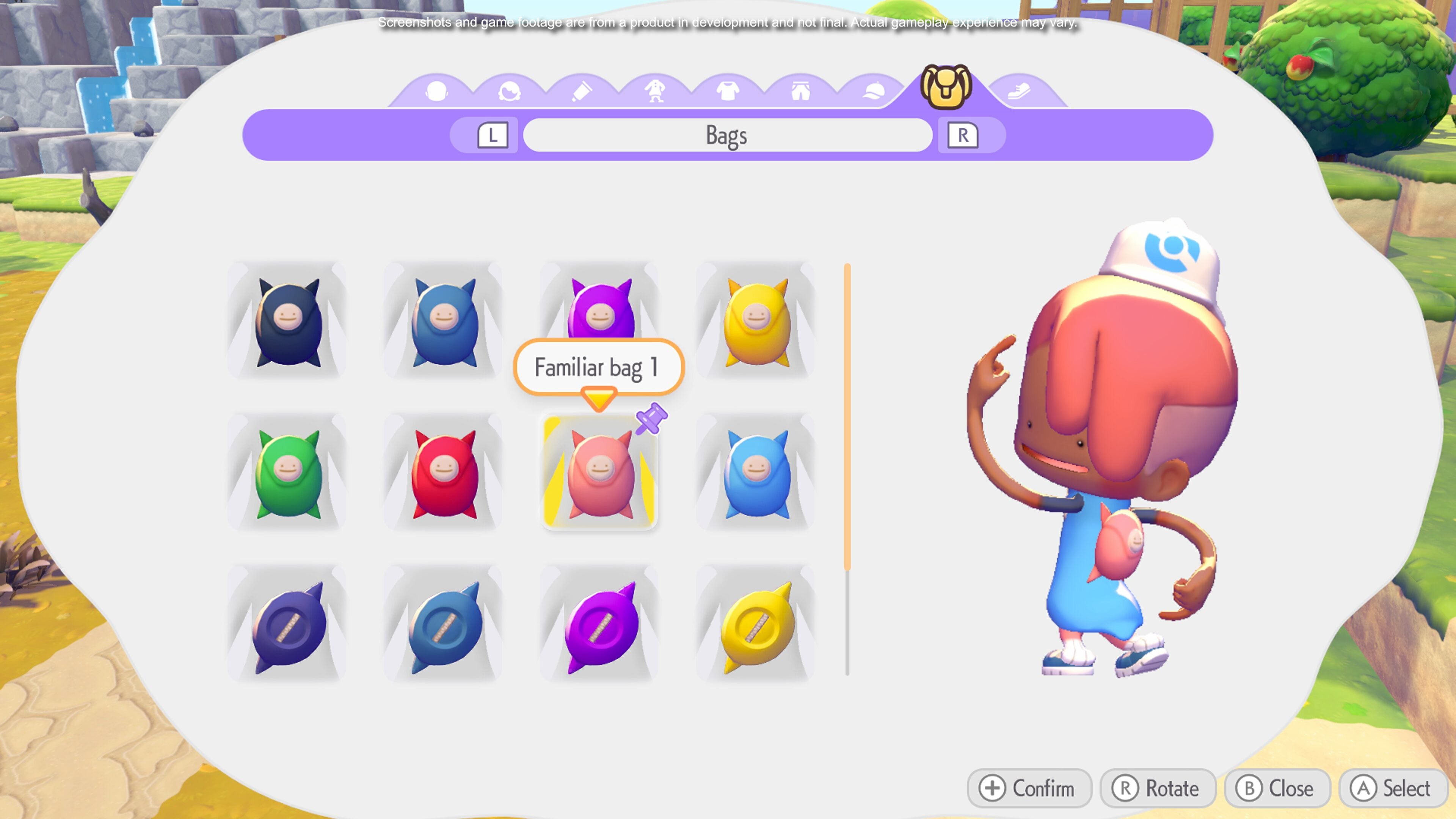
Guides: Visit our Pokémon Pokopia guide hub for step-by-step walkthroughs of all of the game’s Important Requests, complete Pokopia Pokedex, all habitats, and more.
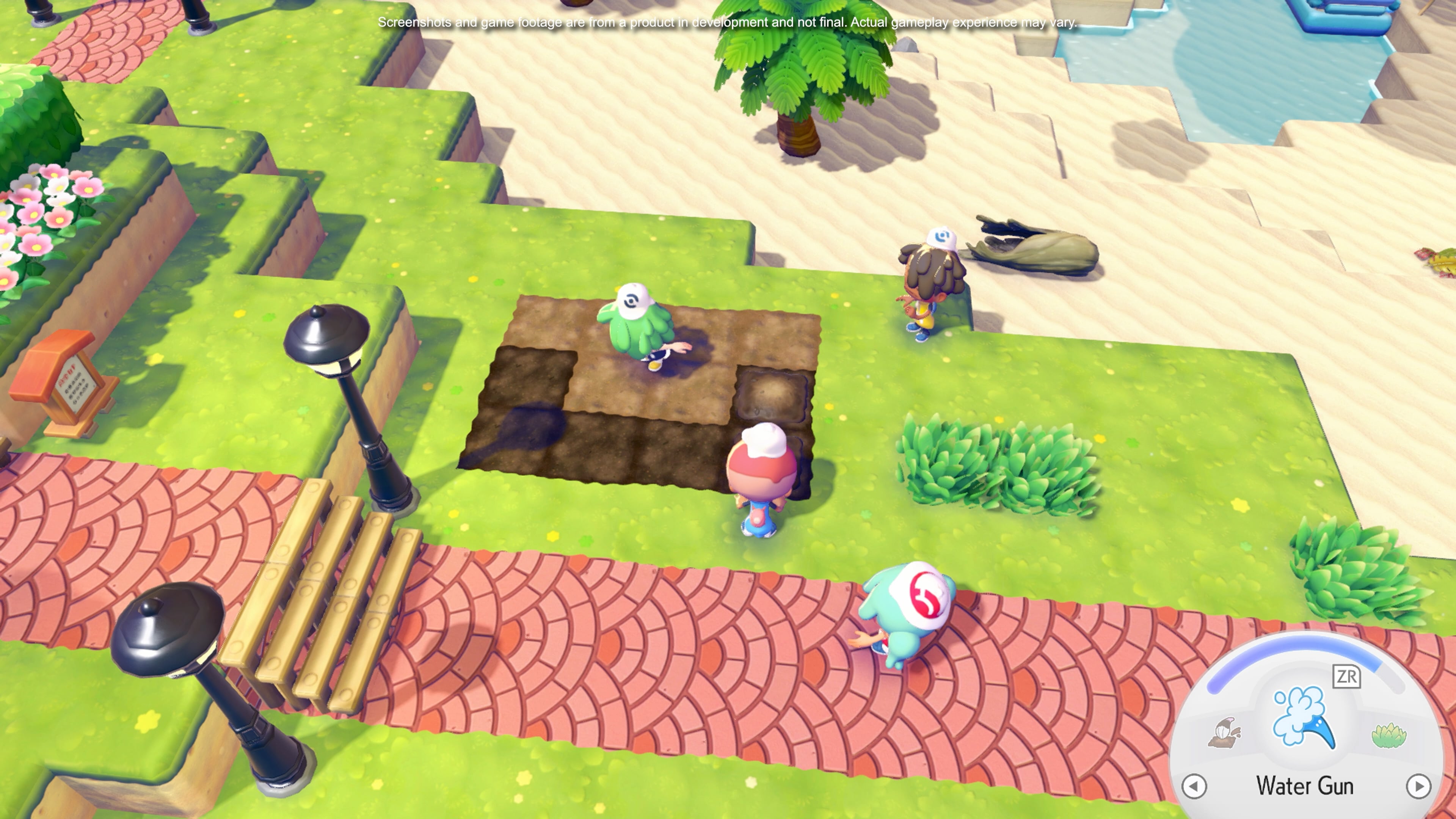
Your goal is to attract Pokémon back to Kanto by creating habitats that they would like to live in. An early example, after learning the Water Gun ability from a loan Squirtle, sees you watering dead grass and trees to attract a Bulbasaur. Our Ditto protagonist then learns the Leafage move, which allows you to pull up long grass and create a habitat preferred by a Charmander.
Not every Pokémon you meet will teach you a core move, but each has an assigned class that’s helpful or necessary for certain tasks. Machop, for example, is a builder, meaning that when a builder-class Pokémon is needed to finish a quest, you’ll have to befriend one.
Each Pokémon can also help you out in various ways. Once a Pokémon has appeared and befriended you, you can increase your level of friendship with that Pokémon by delivering them certain items, improving their habitat, or completing missions. The Charmander from earlier, for example, could be told to follow me, and when we approached an unlit campfire, he flamed it alight.
“It brought me back to when I started on Ruby and Sapphire, creating those habitats and meeting the Pokémon for the first time. That led me to create the prototype for this game.”
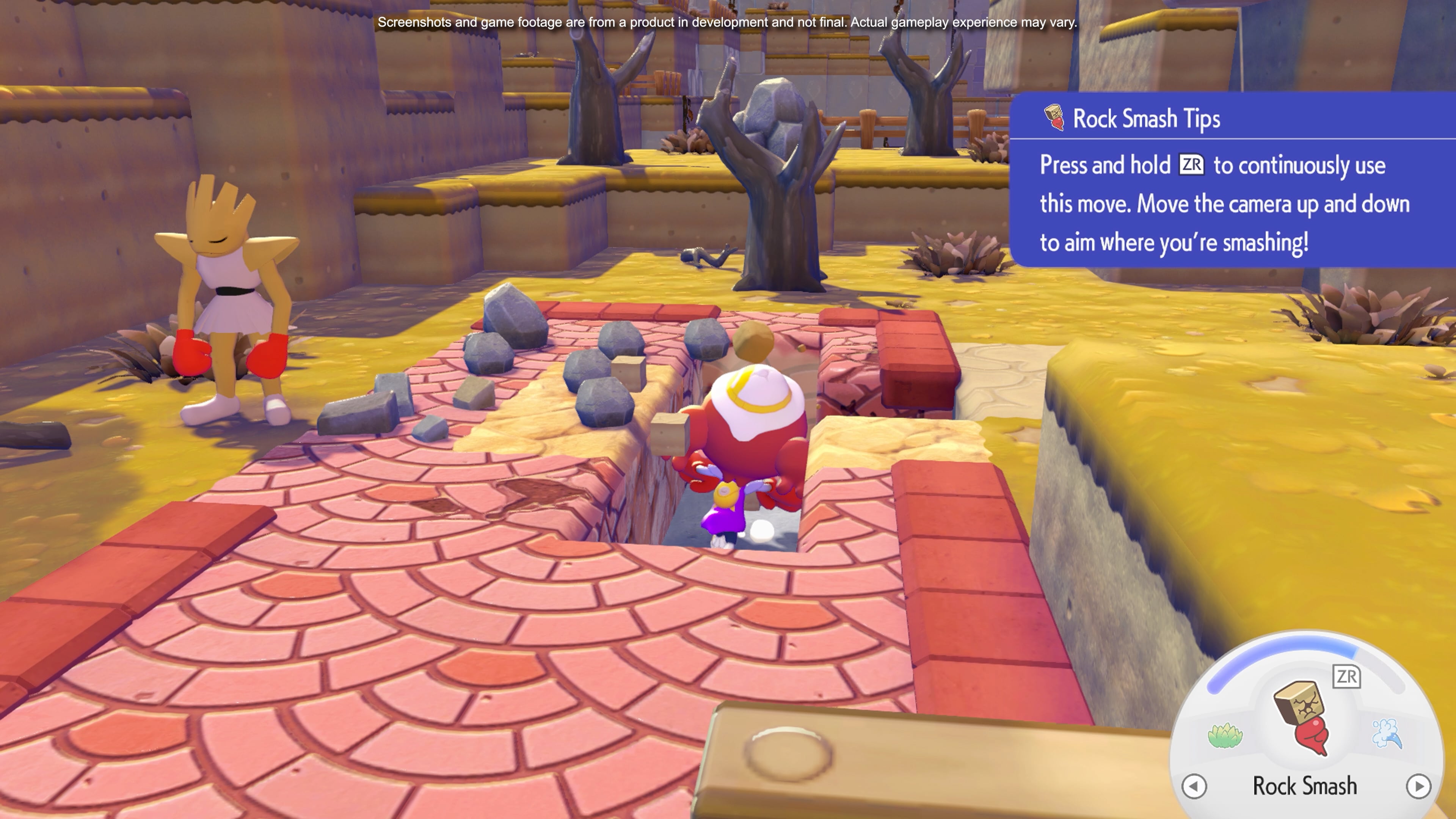
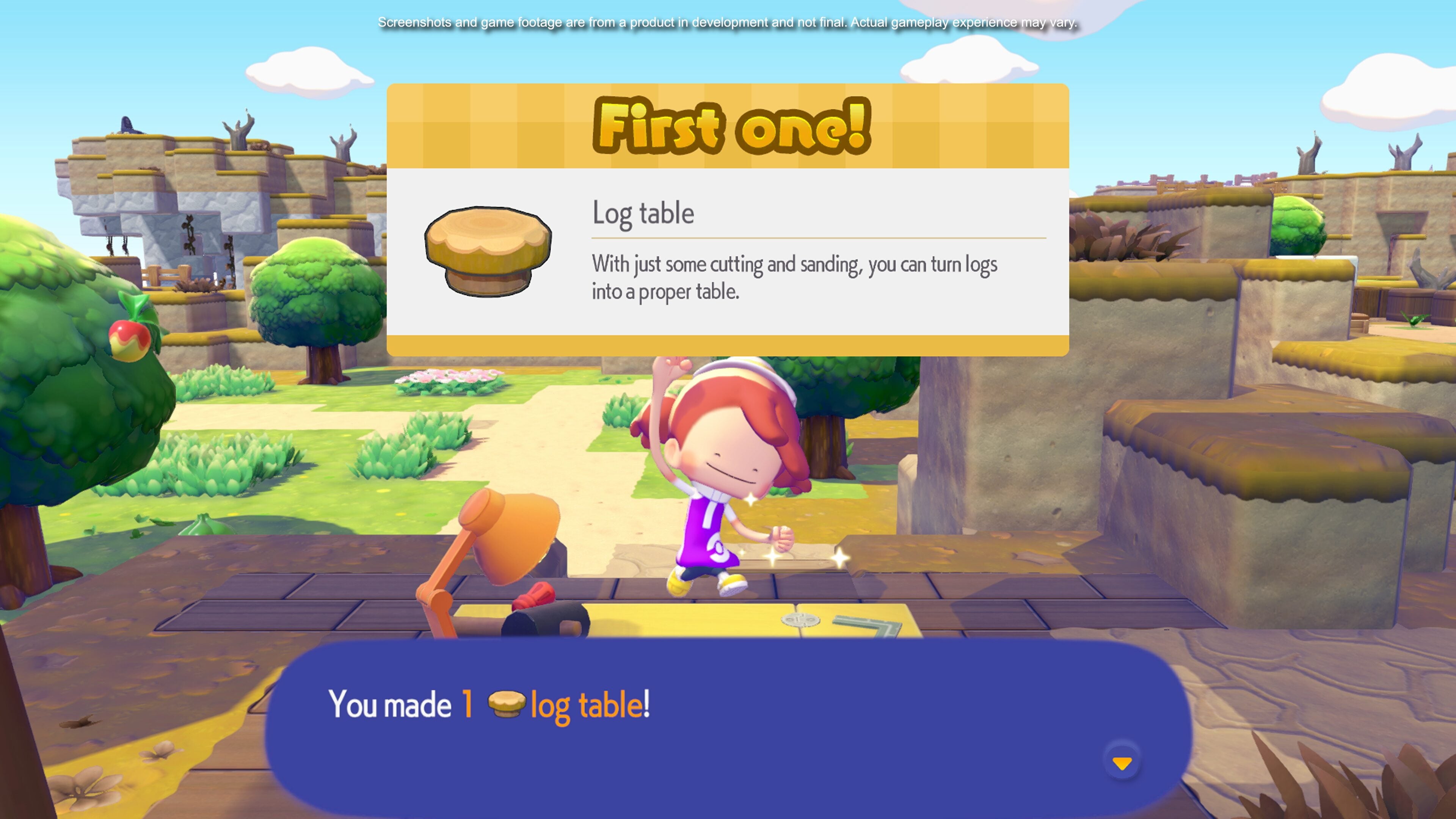
Some habitats can attract several Pokémon, ranked by rarity. These environments can be improved by adding decorations like beds, chairs, tables, plates, workout equipment, and more, which are crafted by gathering items like stones and wood, and then using a workbench. Some habitat items obviously correspond to a Pokémon, like an early quest that sees you renovate a habitat with a punching bag and a bench to befriend Hitmonchan. Others are more esoteric.
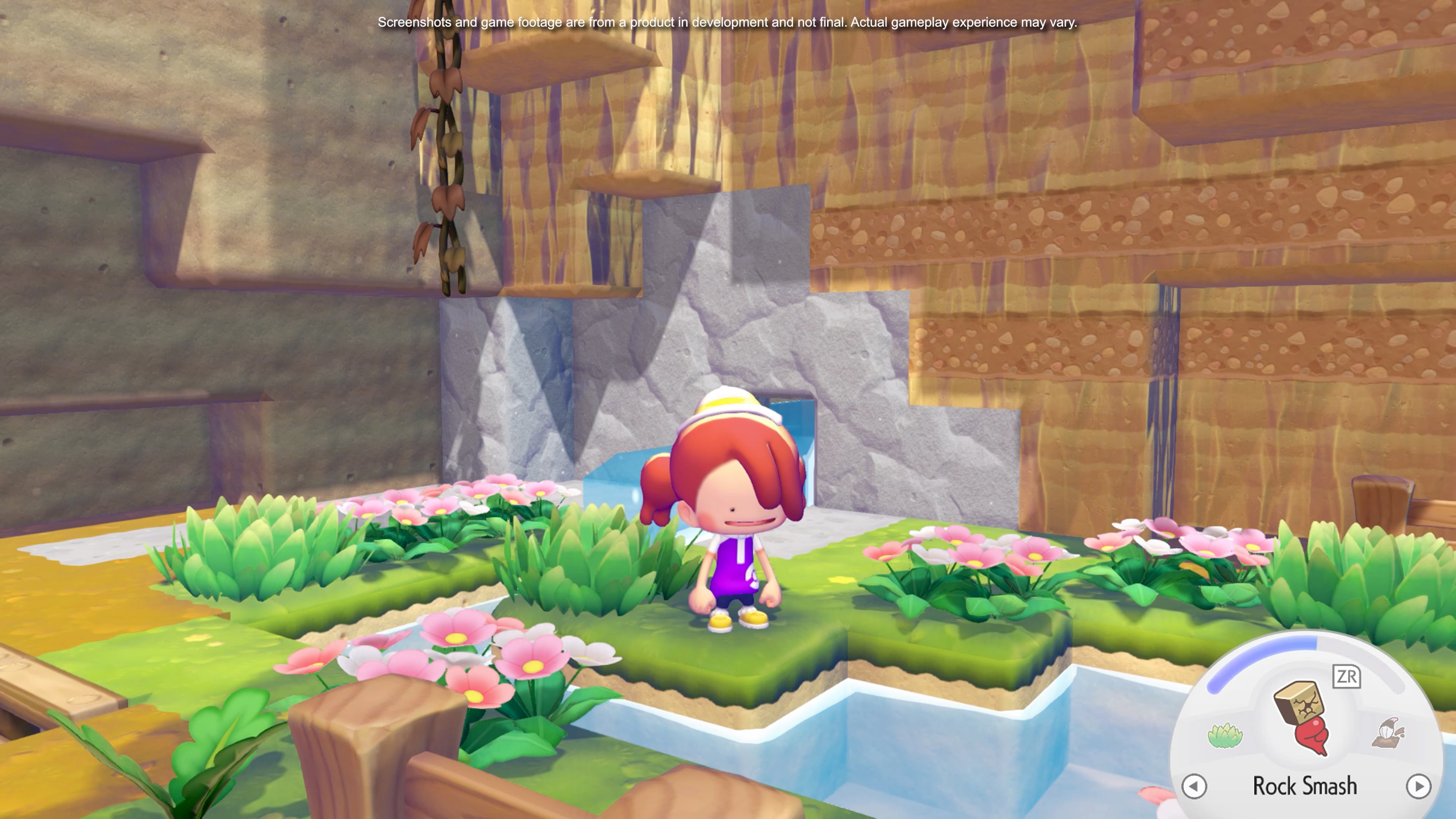
As your world continues to grow, and you meet more Pokémon, you unlock more terraforming abilities that let you access new areas, build new items, and grow your Pokedex. Helping a Scyther will allow you to cut down trees and bushes in one fell swoop, opening up new routes. Hitmonchan teaches you Rock Punch, further expanding your ability to clear debris and shape the environment.
As is typical for the builder genre, everything players destroy or harvest can then be used in another context. Blocks can be used for your Minecraft-like mega builds. Food can be used to attract other Pokémon. All of the game’s mechanics are cleverly linked, guiding the player from moment to moment.
Look who’s talking
In a continuation from the comedic incidental NPC dialogue from Pokémon Legends Z-A that was widely shared across the internet following the game’s release, Pokopia keeps up the witty writing.
“For Pokopia, as you saw, there are no trainers,” Ohmori told VGC. “I thought a lot about how Pokémon communicate with each other. What are they thinking? How are they feeling? This is something we don’t get to see in the mainline titles because in those games, there are trainers.”
While exploring Kanto, you’ll sometimes find habitat hints that will tell the player which items to combine to attract a nearby Pokémon. One such hint asked us to find a plate, a table, and some food. Combining these things caused Gulpin to appear.
Another wanted a set of candles and an offering by a grave in order to attract Litwick. These hints are often tied to preestablished Pokémon lore, such as Pokedex descriptions, or even nods to the Pokémon anime. In the time we played, we noticed countless winks to the series’ history that will probably fly over the heads of young fans, but are rewarding for those who’ve been a fan for a long time.

These habitat hints also serve a narrative purpose as they shine light on the personality of each Pokémon, something that’s been a goal of the game since it started development.
“It is one of my favourite features,” Pokopia’s chief director, Koei Tecmo’s Takuto Edagawa, told VGC. “Putting any item or piece of furniture in the world, the Pokémon will somehow react to the furniture. This is very intentional, and I really like how it came out. Anything that the Pokémon does was carefully curated on the lore that already existed, to ensure we didn’t break any of the past Pokémon canon.”
Art director Marina Ayano added, “I’ve been working with Game Freak and Koei Tecmo on ‘How to Pokémon actually think’, so for example, Alakazam has a little more cleverness, so they might think differently from other Pokémon, like a small Pokémon who may be very simple-minded. So I learned a lot from Game Freak about the Pokémon world they created, and a lot about the Pokémon World… It’s a team effort!”
Discovering new habitats and attracting Pokémon to them is also how you fill out the game’s Pokedex. Elements like filling the Pokedex are one way Pokopia retains the feel of a traditional Pokémon game, but in a new context. Finding new contexts, genres, and situations that would work with the Pokémon franchise is something that Ohmori tells us he’s been thinking about for a long time.
“As you know, across the series, there are lots of possibilities on how you acquire Pokémon,” Ohmori explained. “But there are also lots of different ways to enjoy Pokémon, not just by battling. I personally think that, and the fans do too.”
The Blast(oise) of Us
Despite being set in Kanto, Pokopia features Pokémon from across every Pokémon generation. We didn’t get a sense of how many Pokémon will appear in the game, but the game’s original trailer showed several stage 1 or stage 2 evolved Pokémon, meaning players will likely encounter, or evolve, the majority of the fan favourites.
As our demo continued, Professor Tangrowth, who the player is helping build Kanto, brought us to the ruins of a Pokémon Centre in the middle of a town. However, it’s not just any town. In a further nod to the game rewarding long-term fans who pay attention, it’s slowly revealed (or quickly if you’re eagle-eyed enough), that the game begins in Fuschia City.
The Pokémon Centre provides us with the first look at Pokopia’s larger challenges and rewards. These provide long-term goals and advance the story. Some are simple, like collecting a certain number of logs or speaking to a certain number of Pokémon; others are more in-depth. Like other life-simulation games, Pokopia offers ways to play in short bursts, or in longer play sessions, and the game’s director said this was a deliberate design choice.
“I thought a lot about how Pokémon communicate with each other. What are they thinking? How are they feeling? This is something we don’t get to see in the mainline titles”
“So for this game, I have been speaking to Mr Ohmori to discuss how we want fans to enjoy it, and how they can play it in their own way,” Edagawa told us. “As a baseline, casual players can enjoy however they want, maybe little by little, but whoever wants to do a deep dive can continue to play as much as they want. The game doesn’t force you to wait, there’s no “wait a whole day to continue to play.”
While some building objectives will require the player to return after a short period of time, Pokopia seems to largely avoid the time-gated mechanics that have frustrated players, such as those found in the Animal Crossing franchise.
Pokopia’s loop quickly becomes befriending new Pokémon to fill up your Pokedex and help build new habitats. This completes objectives back at the Pokémon Centre, which gives the player more currency to spend on new items for habitats or habitat hints. Concurrently, players can move, redesign, or expand habitats to design the new Kanto in any way they’d like.

In the short time we were able to play, this combination of gameplay loops felt genuinely engaging. An hour with the game disappeared in a flash. The rhythm of meeting a new Pokémon, which would allow you to access a new part of the map, which would then let you complete a challenge, which would then let you meet a new Pokémon, became hypnotic.
The exploration element also felt rewarding. We found new costumes for Ditto that reference classic characters in the series. There are new materials and biomes to explore, as well as areas gated by large doors. These seem to be progress gates that are locked by completing story missions, but our demo didn’t get that far.
Despite this, you’re hardly locked in place. As soon as you have a few movement abilities, you can start smashing your way through the terrain and explore as you please. We found a complex cave system hidden at the top of the city, and after carefully placing blocks, we crossed a hilltop into a totally different biome, likely teeming with Pokémon to meet.
You teach me, and I’ll teach you
As you’d expect, Pokopia’s art style is warm and friendly. Somewhere between the Let’s Go Pikachu and Eevee games and the storybook style of Pokémon Sleep, the colours are bright, soft, and inviting. Pokémon characters look great and emotive, but crucially, the world feels cohesive, despite the gameplay needing to clearly project the functions of each element of the world.
There’s almost a toy-box-like quality to the way the game is presented. It’s not unlike spilling all your Tomy Pokémon figures out on your childhood bedroom floor and creating little stories for them. It fits perfectly for the genre.
“When we first created the prototype, I already had an image of what kind of art style I wanted, and when I was working on the prototype, I also created a video of the art style I was looking for, so, for example, Ditto transforming into a human,” Ohmori said.
“As you saw in Nintendo Direct, the first reveal trailer is exactly what I created, and then we started developing the game, we showed the video to Koei Tecmo, and they added some originality, more personality, and made this amazing result.”

The game’s art director, Marina Ayano, a lifelong fan, spoke passionately about the origins of Pokopia’s visual direction.
“I received the video from Game Freak, and I also received a lookdev to see what kind of game they were looking for,” she said. “Once I had that, I started thinking about all the different mechanics. As part of the process, Game Freak has an art director and a sound director, and they work on keywords to create the game. The keywords for Pokopia were ‘chill’ and ‘pop’.
“So obviously chill is slow and cozy, and pop is the universal cuteness, which I found very easy to associate with Pokémon.”
Chill is right. Pokopia is a game that you could just as easily spend an hour cutting down trees or rearranging tiles as you could fulfilling requests and completing your Pokedex. “For example, Ditto, the protagonist, has a very big head (chuckles), so it’s a little bit deformed, but it has the softness of the character,” Ayano told us.
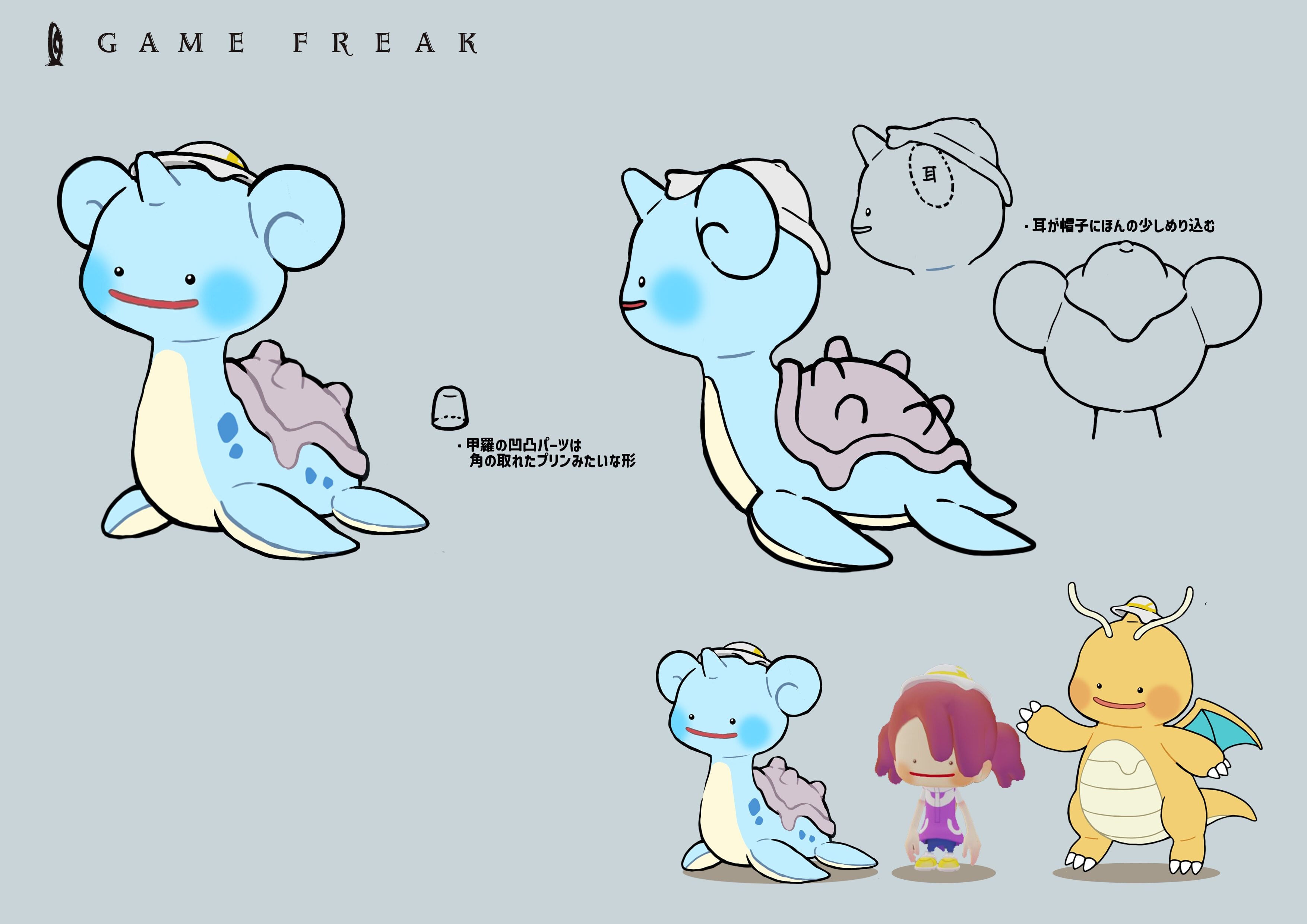

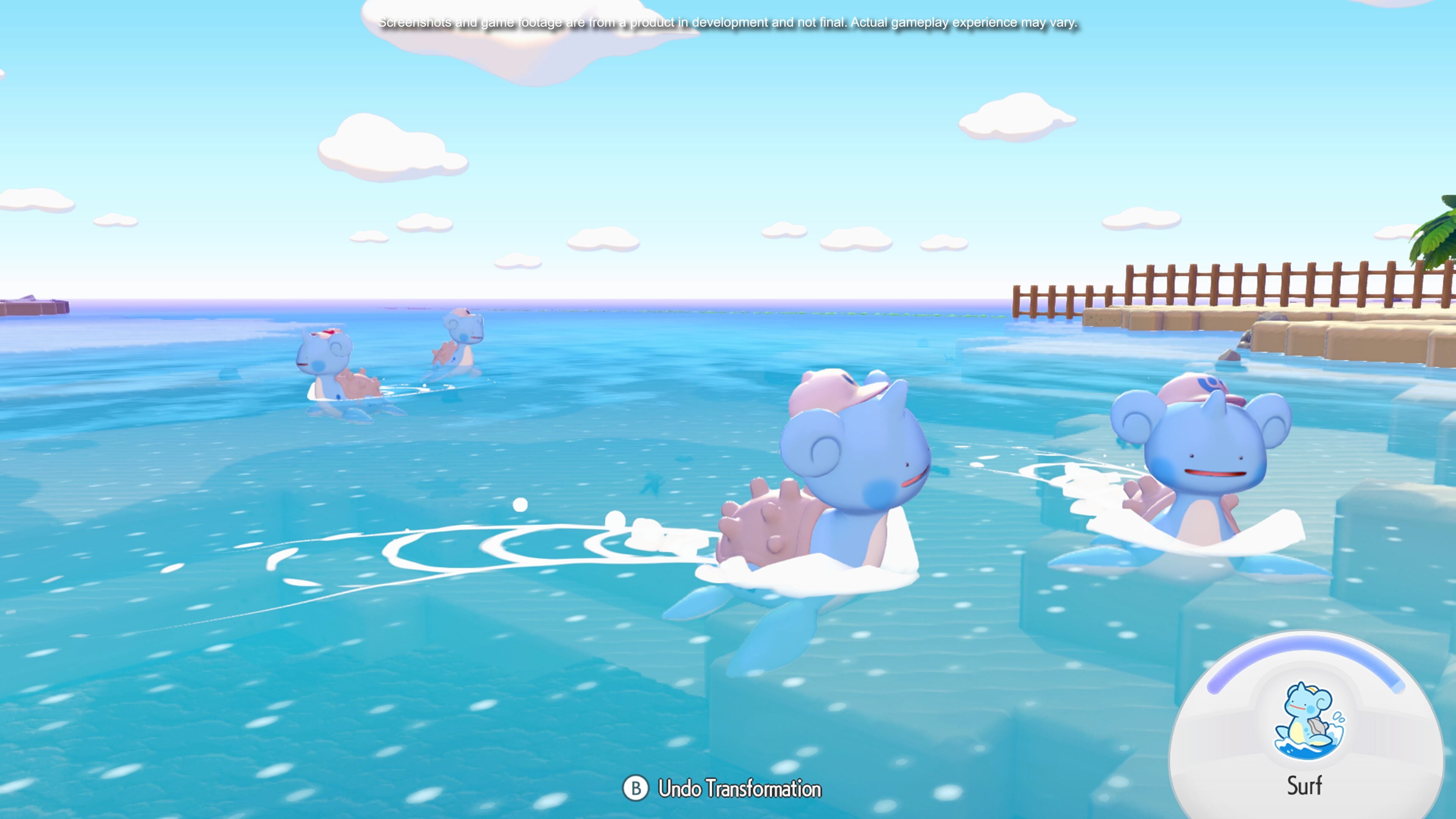
Ditto transforms into a humanoid form but also into several fan-favourite Pokémon. Later in the game, players will be able to learn how to surf by transforming into a Lapras or fly by transforming into a Dragonite. Each Ditto-fied version of an iconic Pokémon includes Ditto’s trademark thousand-yard stare and happy smile.
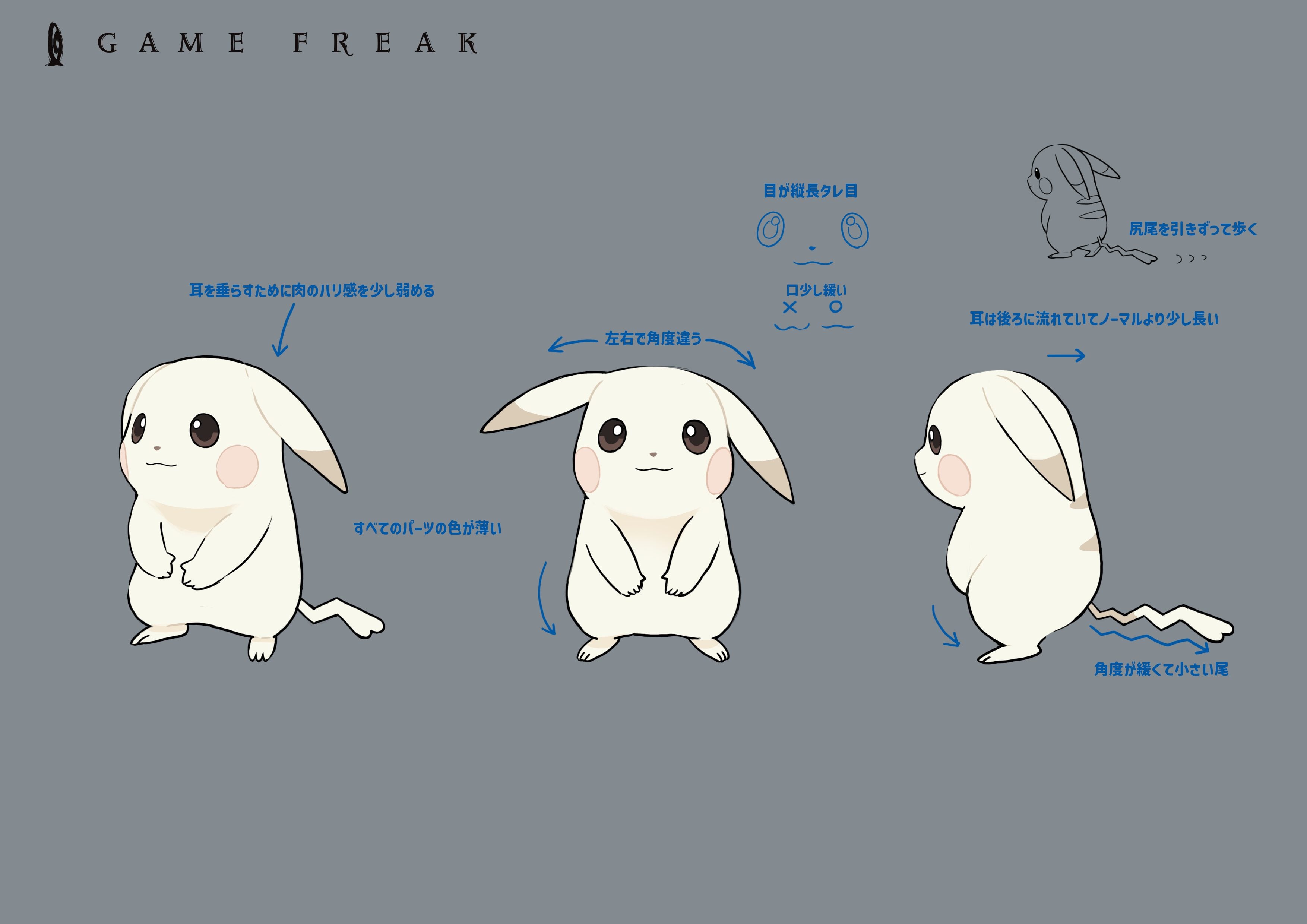
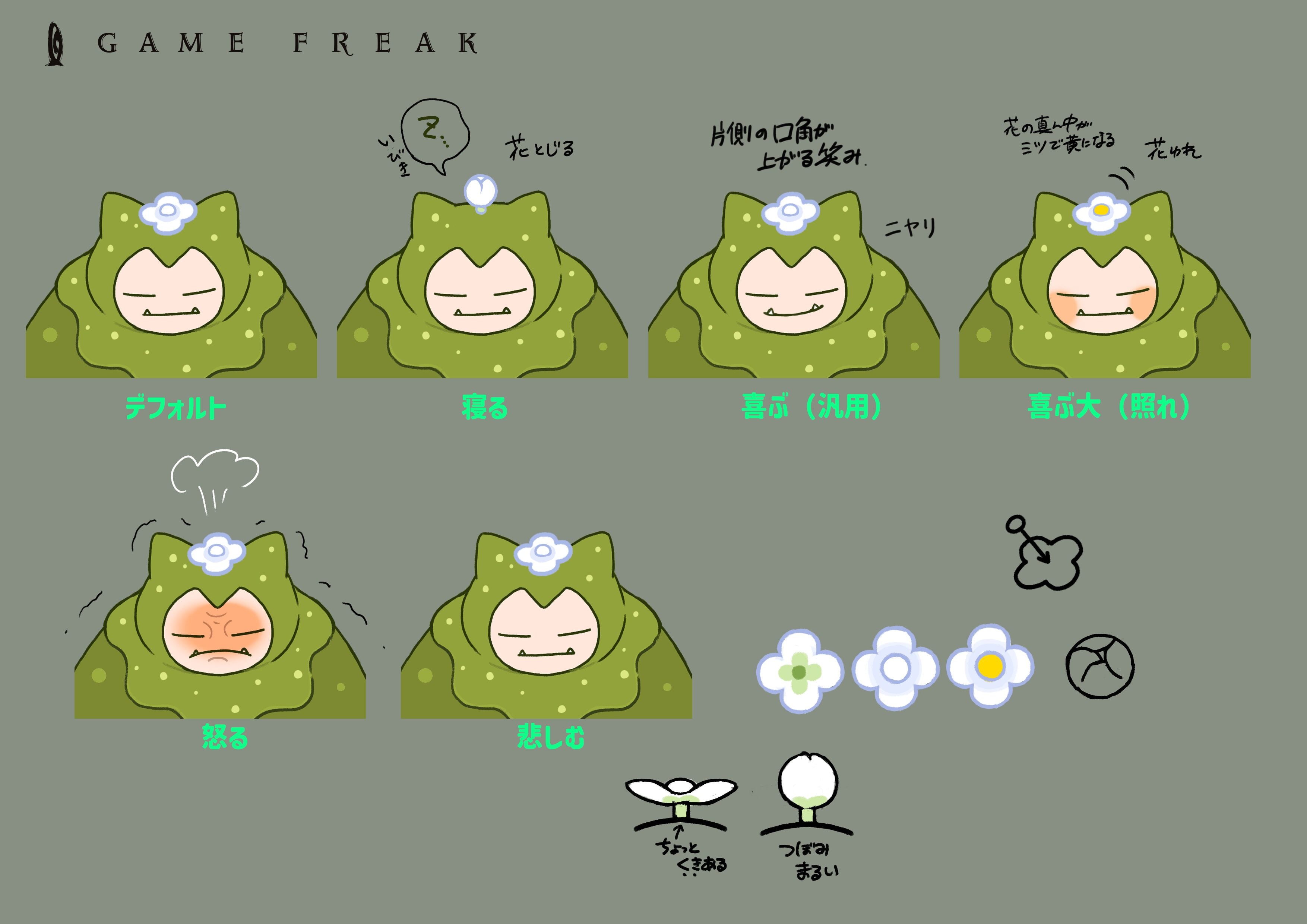
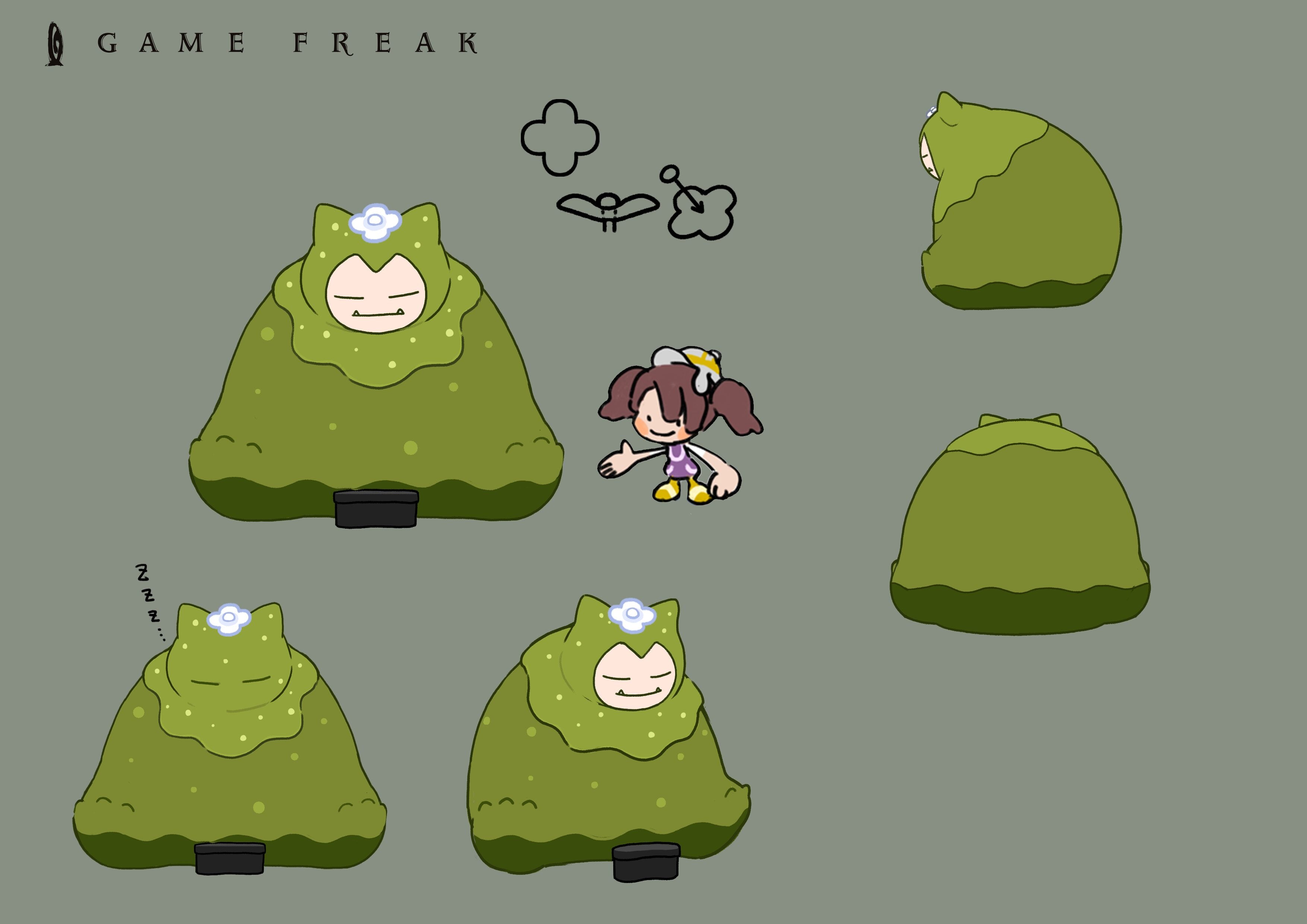
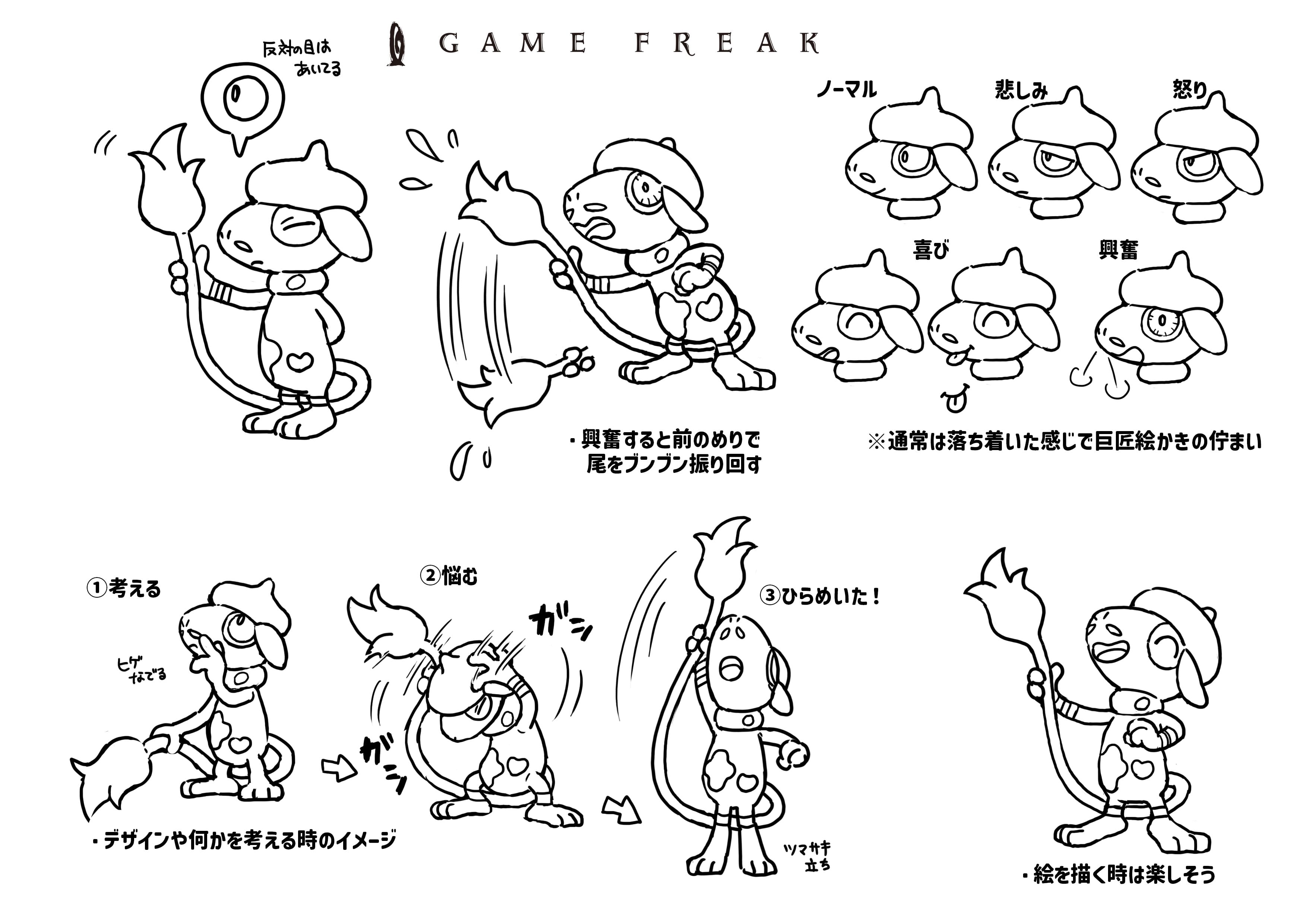
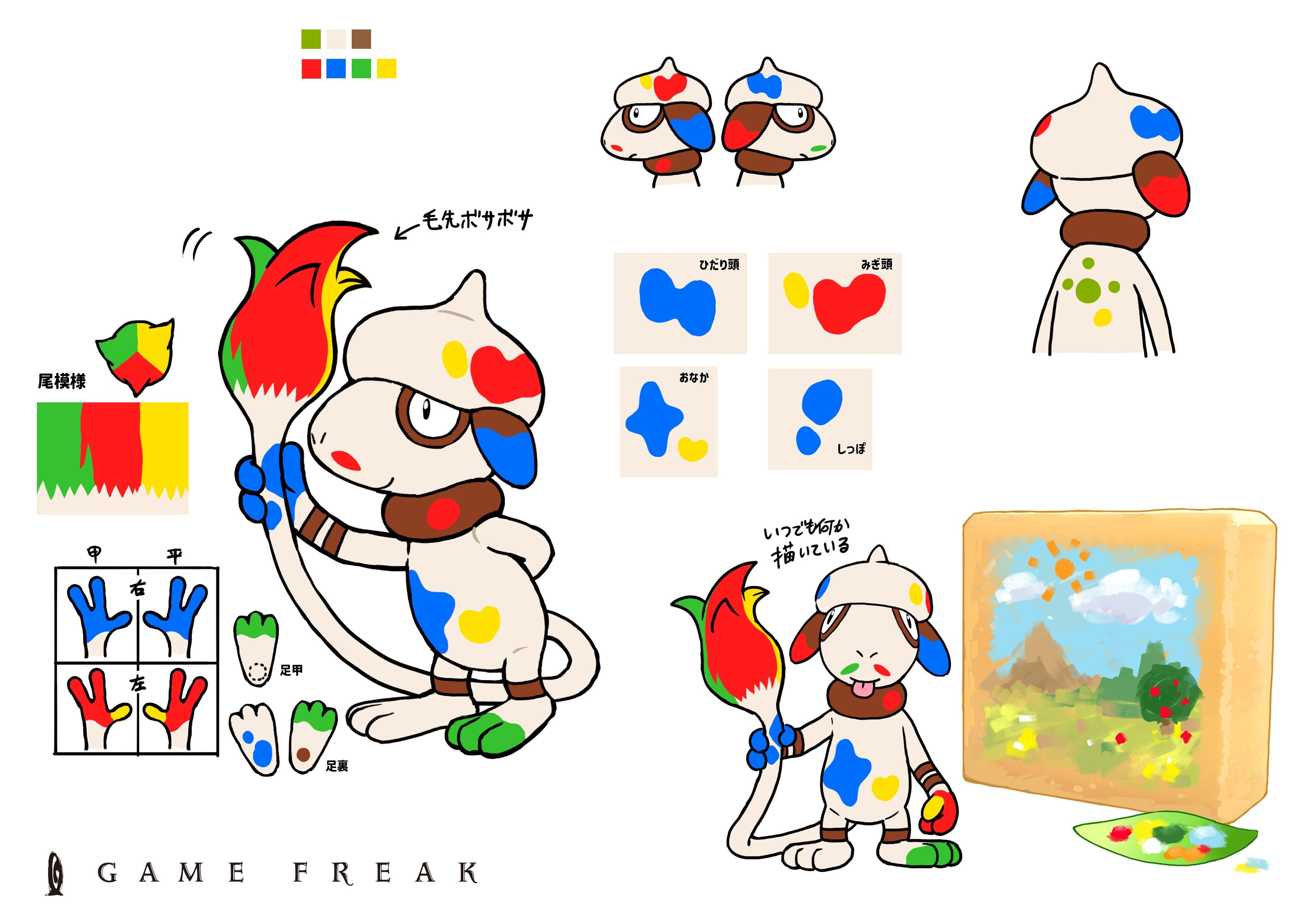
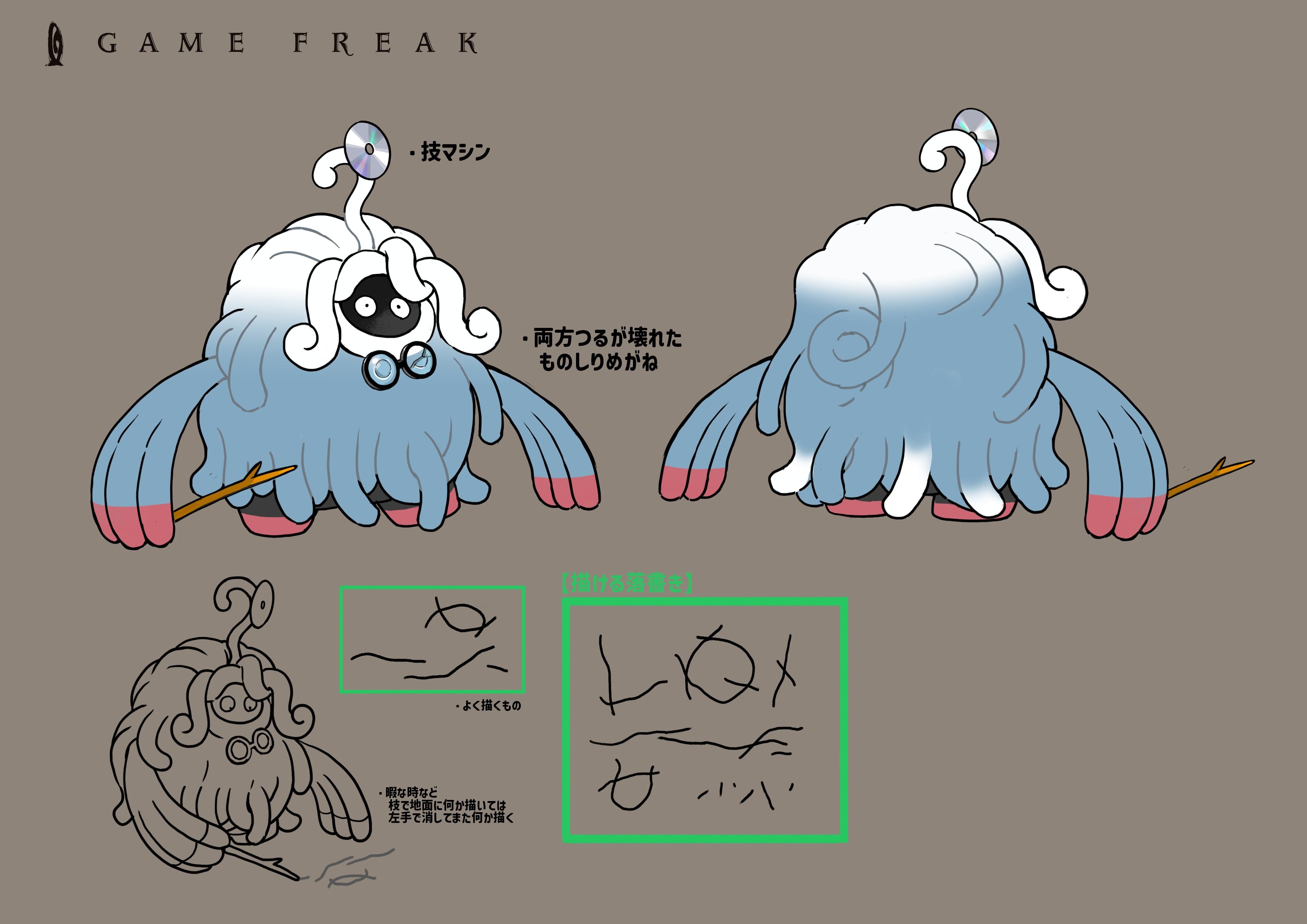
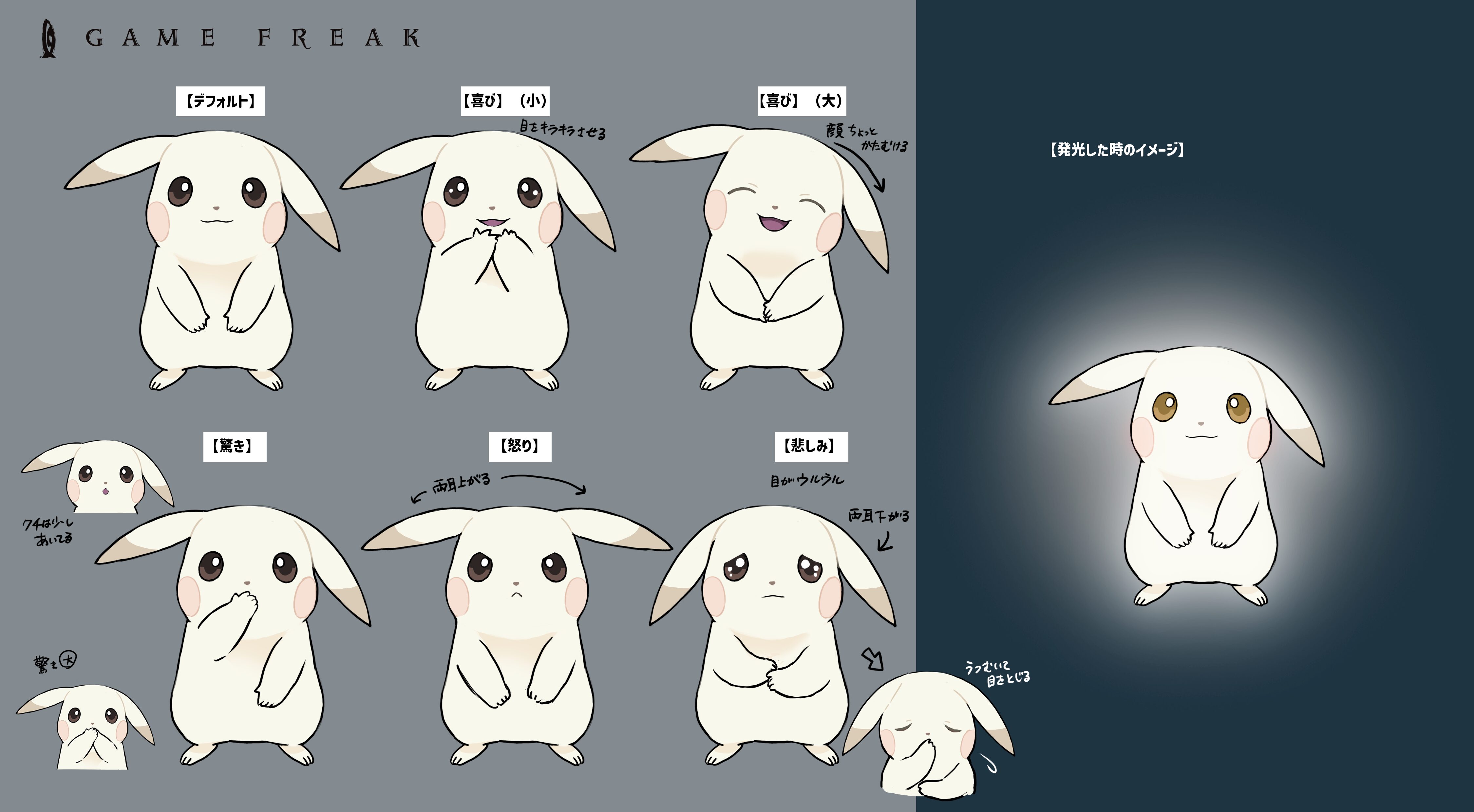
While we didn’t encounter them in our demo, previous trailers for Pokopia have also revealed that several variations of Pokémon will debut in the game. So far, we’ve seen Peakychu, which appears to be a ghost-type variant of the franchise mascot, Mosslax, a Snorlax that’s been asleep for so long that moss has covered its body, and Smearguru, a variation of Smeargle whose body is covered in paint.
How they’ll factor into the game and whether they’ll ever appear in other Pokémon titles are unknown, but the inclusion of brand-new variants, especially one as significant as Peakychu, suggests that Game Freak has a lot of confidence in Pokopeia and its development partner.
We’ve built a team, and we’ve been training all day long
In this sense, Pokopia is an almost unique Pokémon spinoff due to the volume of involvement from Game Freak, something that isn’t common for the non-mainline games.
Hands-On with multiplayer
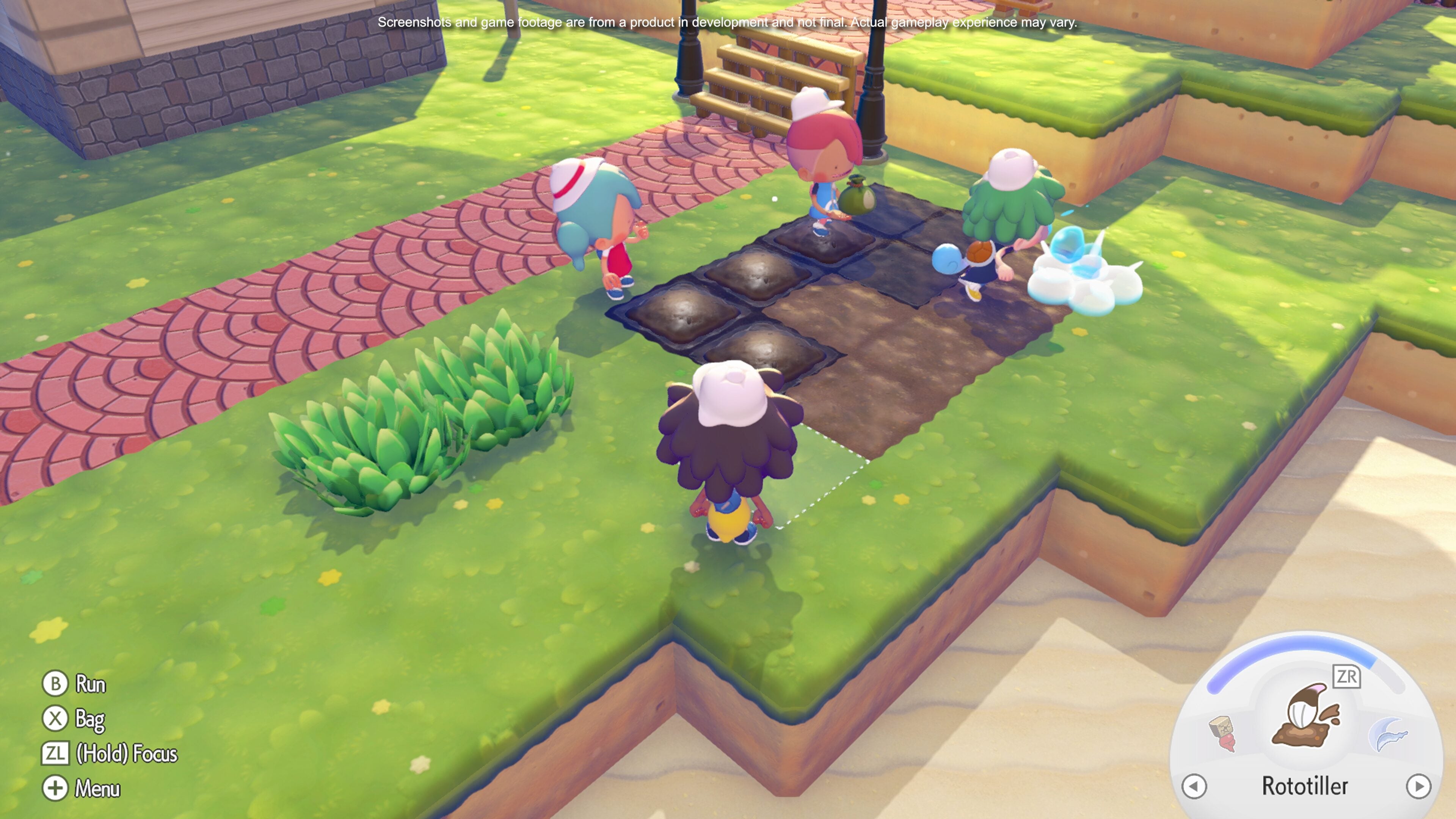
VGC also had a chance to try Pokopia’s multiplayer component. In this demo, players worked together to rebuild a Pokémon Centre. To do this, we had to collect the correct items, and then befriend certain Pokémon to do the heavy lifting.
The task called for a builder-class Pokémon, which any of the group could befriend, and then set them on the task of rebuilding the Pokémon Centre.
The multiplayer portion feels like it will be a big hit with younger fans, especially when it comes to the building aspects, common to games like Minecraft. It’s easy to picture fans spending their time curating their own Pokémon island with their friends, though it doesn’t seem like there’s a massive challenge for older players.
Pokopia appears to support large-scale multiplayer worlds, with many Pokémon thriving in them alongside the players, so expect huge creations to pop up across the internet once fans get their hands on the final game.
Kanako Murata, a veteran producer from The Pokémon Company who’s worked across several film, TV, and video game projects, told VGC that the main difference for this spin-off is that, “The Pokémon Company, Game Freak, and Koei Tecmo are co-developing [the game].” She added, “Because we got to work together with Koei Tecmo and use their experience on other life simulation games, everything came together.”
Before Pokopia, Koei Tecmo worked with Square Enix on Dragon Quest Builders 2, another co-developed life simulation title. Takuto Edagawa served as a director on that title, as well as the director of 2023’s Wild Hearts.
Ohmori said that the game presented a “different opportunity” for the studio, however, despite its experience. “For Game Freak, they had not created something directly for the spin-offs. We wanted to create a different type of game that’s not an RPG. That whole thought of not making an RPG was a challenge. Even if it is a spinoff, because Game Freak is going to be in the co-development team, it was their responsibility to show off the uniqueness of Pokémon.”
Both representatives from Koei Tecmo said working on the Pokémon franchise was a dream come true, but that they also felt confident they could introduce unique ideas to the series.
Edagawa told us he’s been playing the games from the beginning. “The unique thing we are bringing to Pokémon is that in other games, you don’t get to create your own world and fill it with Pokémon that you get to live with.”

Ayano concurred. “I played it since Red and Green. Since I started my career, it was a dream to work on something with Pokémon, so this was a dream come true,” she said.
If successful, could Pokopia mark the beginning of Game Freak working on more titles in collaboration with other studios? We asked Ohmori about how the collaboration with Koei Tecmo came about.
“So when I was thinking about creating this game as a prototype, I didn’t think of any partnerships at the beginning. I didn’t even think about a life simulation game, or know it was going to be a life simulation game. I was trying to think about ways I could show a different side of Pokémon. I wanted to show the unique personalities of the Pokémon and their different traits. As I was thinking about it and working on it, it naturally led to becoming a life simulation game.
“When I was working on the prototype, I presented it to The Pokémon Company, and I figured it might be hard to work on it only with The Pokémon Company and Game Freak. The Pokémon Company then suggested ‘Why don’t we work with Koei Tecmo?” I was delighted. I thought this was a great company we could work with.”
It’s a whole new world we live in
Pokopia is being released during Pokémon’s most important year since 1996. Amidst celebrations and collaborations from across pop culture, video games, sport, and more, Pokémon is going to be everywhere this year.
For the most hardcore fans, however, thoughts always turn to the franchise’s future. What will happen with the forthcoming 10th generation of the series? How will the move to games made entirely for the Nintendo Switch 2 impact common recent complaints from fans? Will we ever see the classic RPGs released for modern hardware?
Until we have those answers, Pokopia feels like an exciting evolution for the franchise. Its charm and friendliness appear to disguise a depth that will likely only reveal itself after dozens of hours, and its commitment to shining a light on the personalities of Pokémon could turn a few underappreciated creatures into a trainer’s new favourite.
“I was trying to think about ways I could show a different side of Pokémon. I wanted to show the unique personalities of the Pokémon and their different traits.”
Towards the end of our time with Ohmori, he reflected on that focus on the personality of Pokémon in Pokopia, as well as the shift away from battling. We asked if that’s something he’s thinking about as Pokémon enters its third decade.
“When I’ve worked previously on a Pokémon project, yes, battles have been the focus,” Ohmori said. “But there’s also been other side content like the Secret Bases (Ruby and Sapphire) and The Grand Underground (Diamond and Pearl). I believe a lot of the fans enjoy these things as well. So, I would like to scale the Pokémon games in general, aside from battling. I will seek new possibilities to scale them.”
It’s fitting that Ohmori should mention the Secret Base mechanic, which debuted in his very first Pokémon title. That was the first time Game Freak had experimented with letting players design their own little corner of the Pokémon world, just as Ohmori was taking his first steps into it.
Over 20 years later, Ohmori is giving fans an entire region to play with.
Pokémon Pokopia will be released on March 5 for Nintendo Switch 2.