Nintendo Sixty-Four pic.twitter.com/Zdp87fh5RE
— Nintendo Memories (@NintendoMemo) June 25, 2024
How the Nintendo 64 revolutionized gaming 30 years ago today
Nintendo’s medium-redefining third console – and seminal launch game Super Mario 64 – turns 30: here’s why it was so special
On June 23, 1996, the Nintendo 64 was released in Japan.
Originally teased as the Ultra 64, Nintendo‘s third major home console saw it fully stepping into the world of polygonal 3D games, resulting in a number of truly medium-transforming games that continue to be held up to this day as among the greatest titles ever made.
It also, however, marked the first time Nintendo’s position as a global leader would be challenged. While the Sega Mega Drive was a worthy rival to the SNES in Europe, it wasn’t until the arrival of the Sony PlayStation that Nintendo suddenly found itself losing market share in all major territories.
The content below is an excerpt from The N64 Encyclopedia: Every Game Released for the Nintendo 64, which was written by VGC’s Chris Scullion and can be bought from Pen & Sword (UK), Casemate (US), Amazon (UK), Amazon (US), and all other major booksellers.
Super Mario 64, GoldenEye, and the legacy of the N64
Andy Robinson
Long before Nintendo’s Wii project coined the term, Nintendo 64 was a revolution.
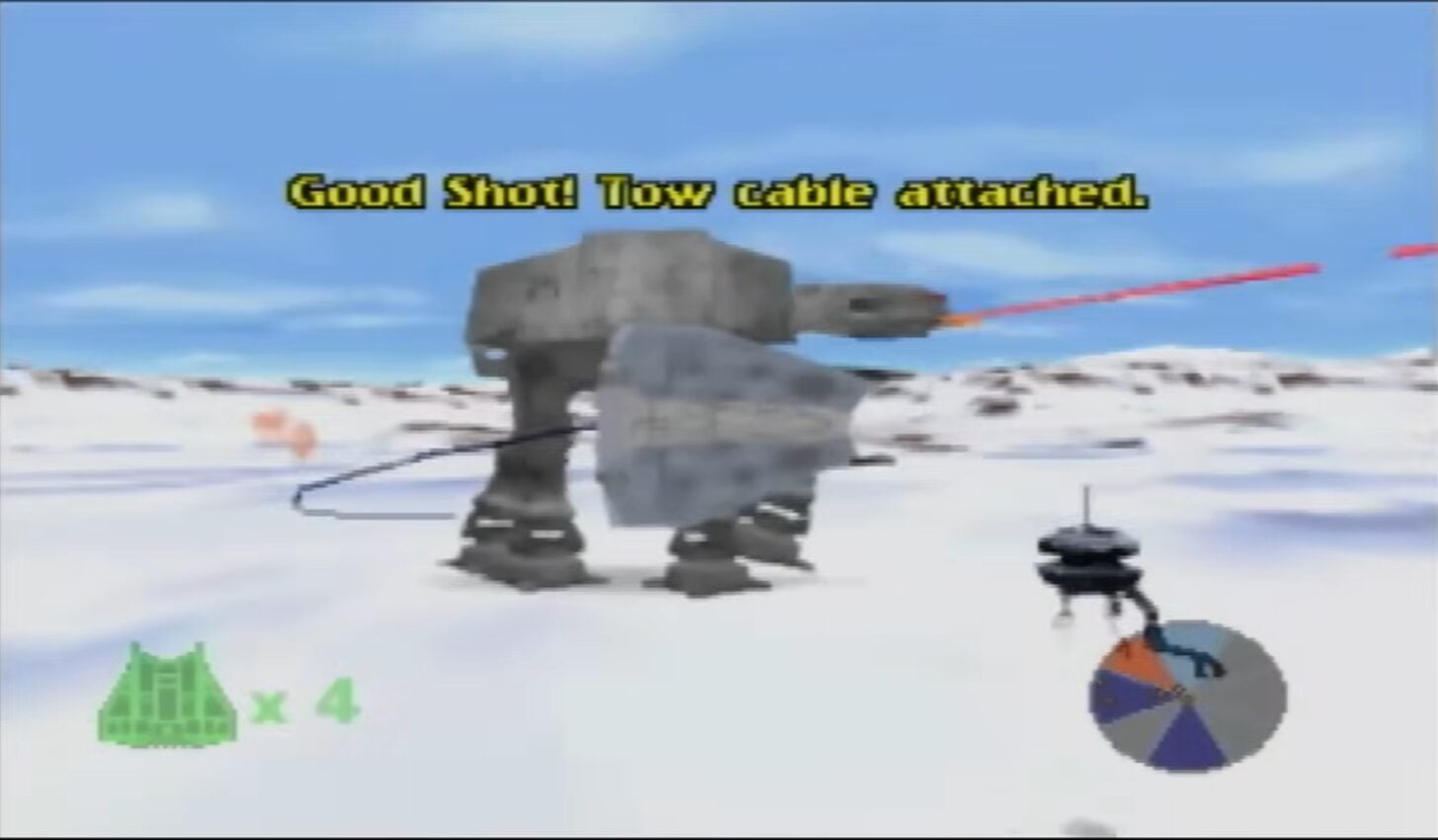
It’s difficult to describe to those who weren’t there just how mind-blowing it was to go from the comparatively limited 2D games of the time, to freely pirouetting around Peach’s 3D castle grounds, swooping between a mighty AT-AT’s legs behind the controls of a Snowspeeder, and dancing on the majestic waves as dusk set across Sunset Bay.
3D had been done before on PC and the likes of Sega Saturn, of course, but not like this, not with this level of freedom, finesse, and conviction. While other early 3D developers seemingly couldn’t imagine beyond on-rails shooters and isometric platformers, Nintendo’s peerless EAD utterly revolutionized three-dimensional movement and camera control with Super Mario 64, legitimately resetting expectations for what games could be and setting standards for decades to come.

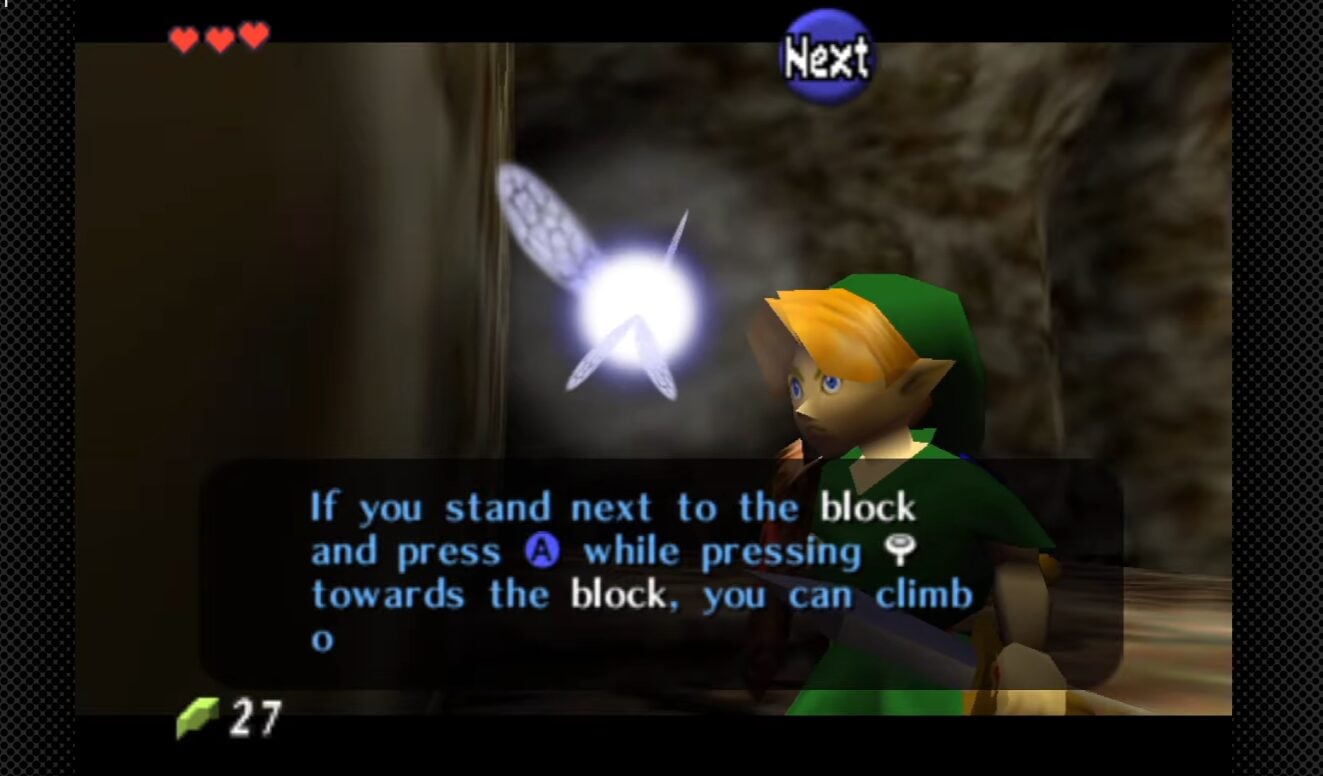
Mario’s stunning analog stick precision, the revelation of four-player GoldenEye 007, Star Fox’s visceral controller-shaking explosions, the unforgettable dynamic soundtrack of Banjo-Kazooie and discovering that vast Hyrule Field vista in Ocarina of Time are treasured memories that will remain etched in the minds of N64 fans forever.
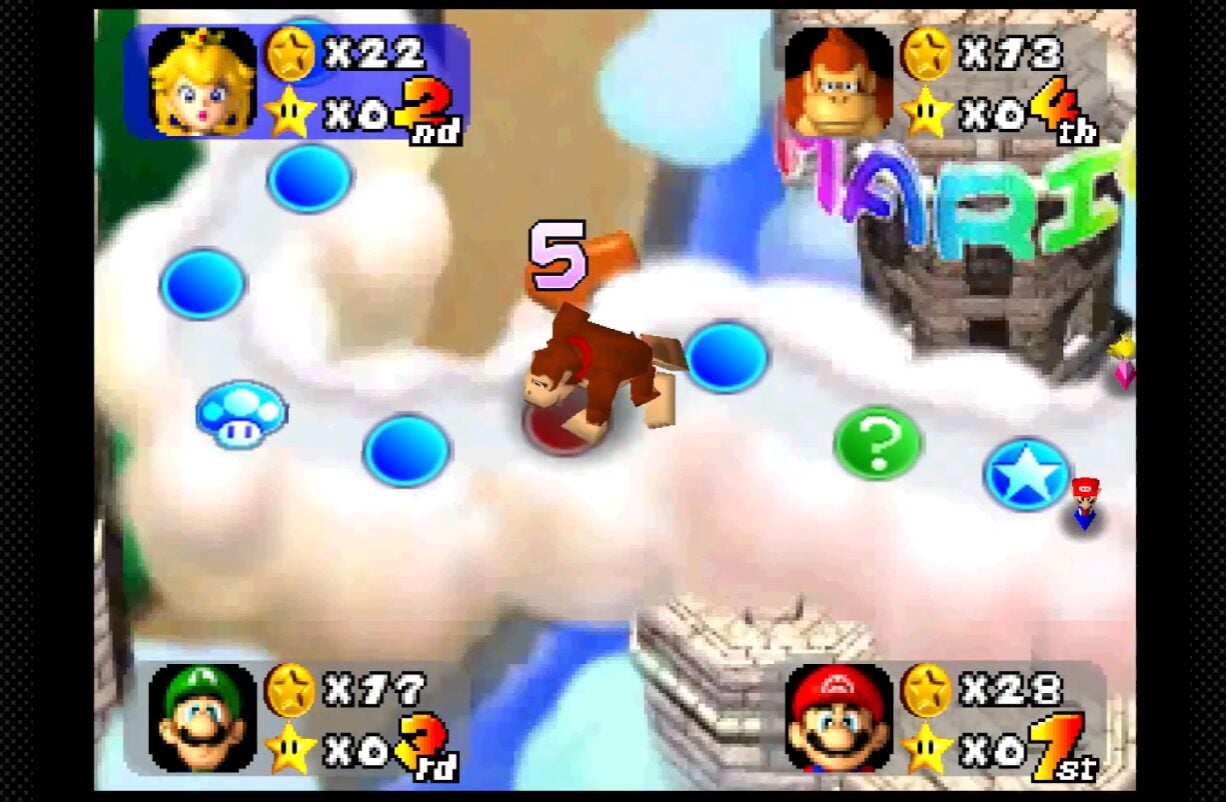
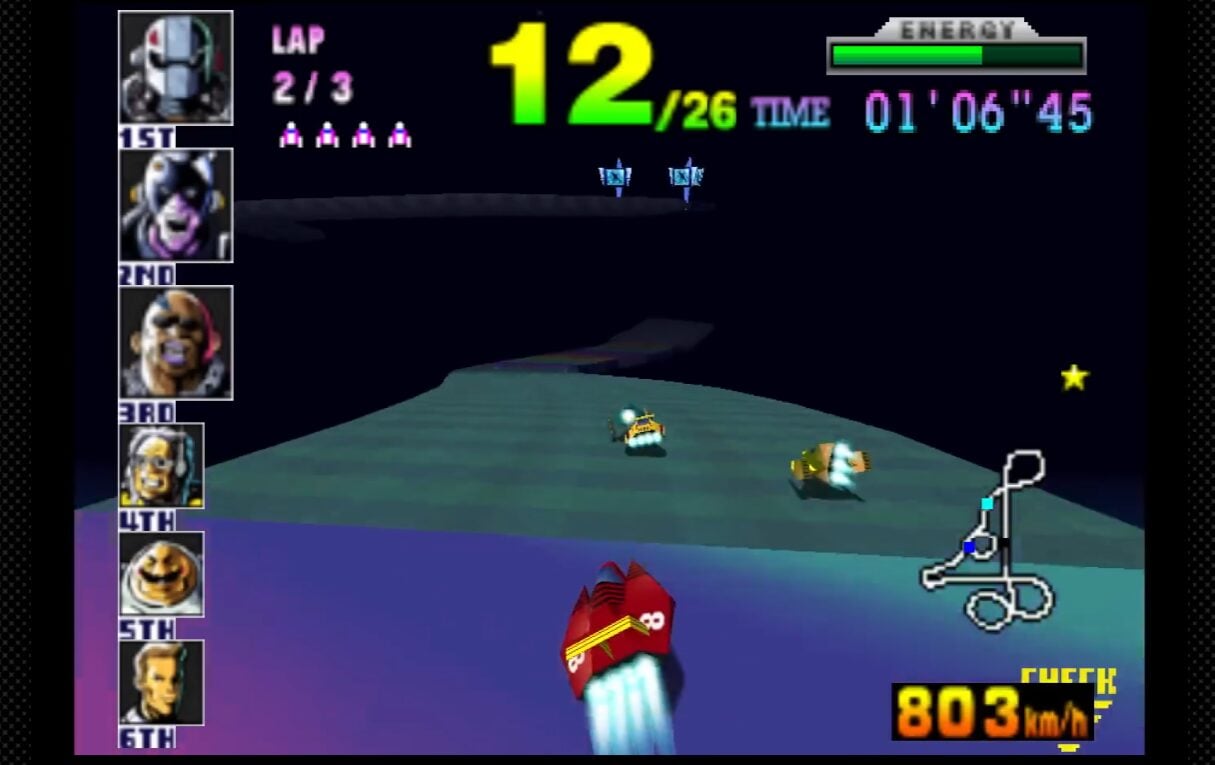
And that’s without touching on the rich legacies created by little-known debuts such as Super Smash Bros., Animal Crossing (Japan-only), Mario Party and Paper Mario, alongside the stone-cold classics F-Zero X, Conkey’s Bad Fur Day, Pilotwings 64, Majora’s Mask and Perfect Dark.
It was a golden era for beloved developer Rare, with the second-party studio turning out hit-after-hit with the likes of Jet Force Gemini, Blast Corps, Diddy Kong Racing, Banjo-Kazooie/Tooie and Donkey Kong 64 supporting Nintendo’s own brilliant output – and that’s without mentioning GoldenEye 007, Perfect Dark, Conker’s Bad Fur Day, and more. Has there ever been a more prolific output from any developer during a console generation?
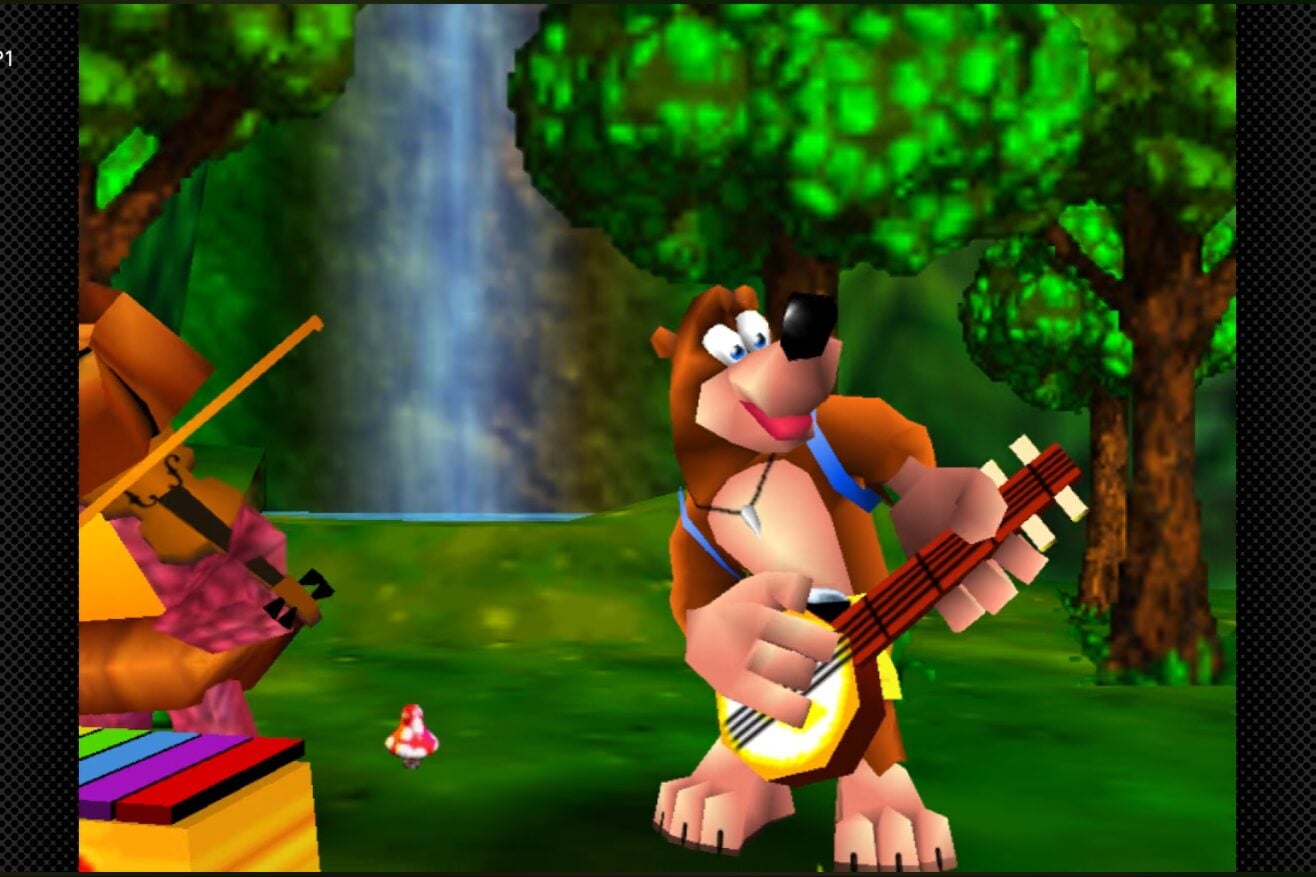
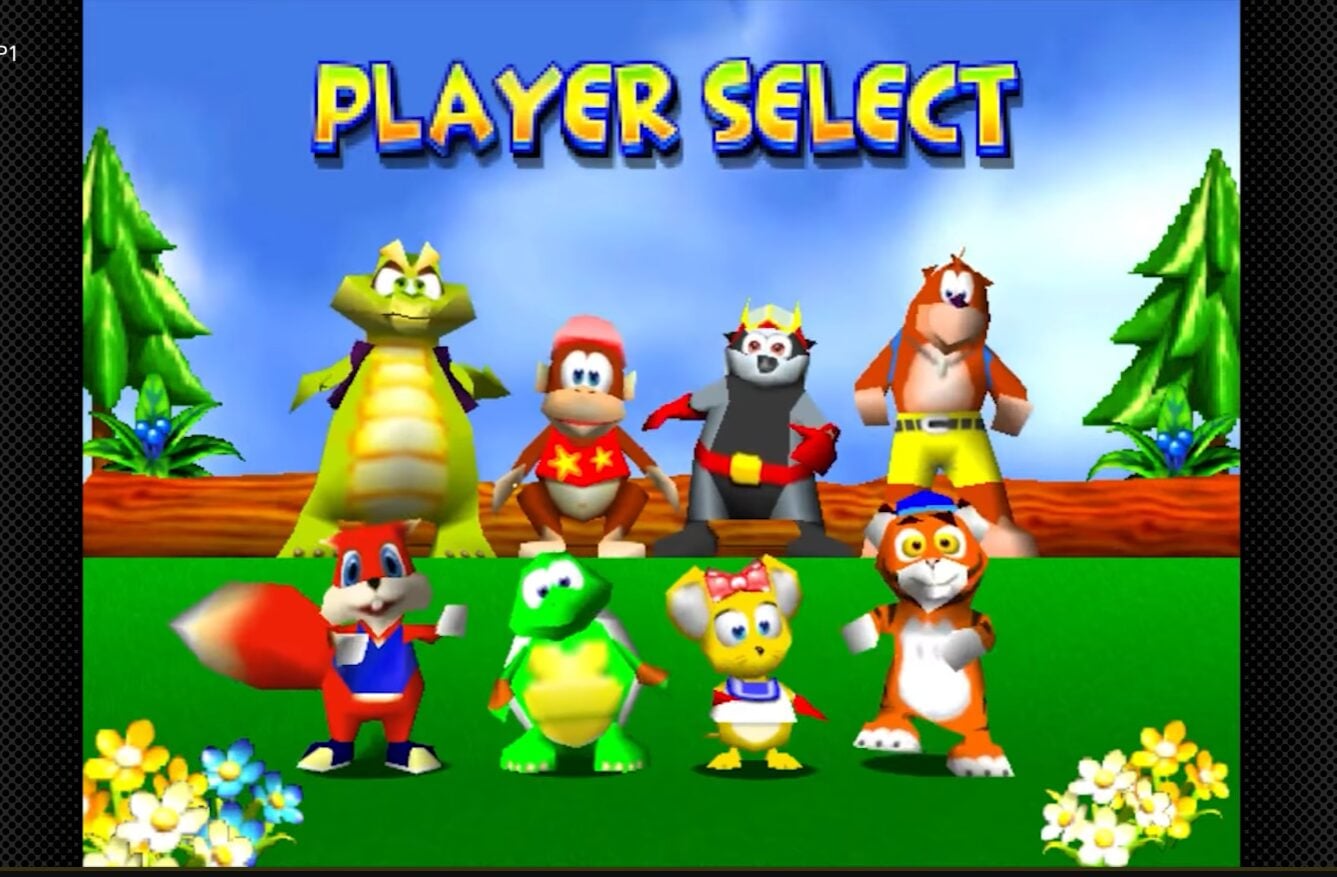
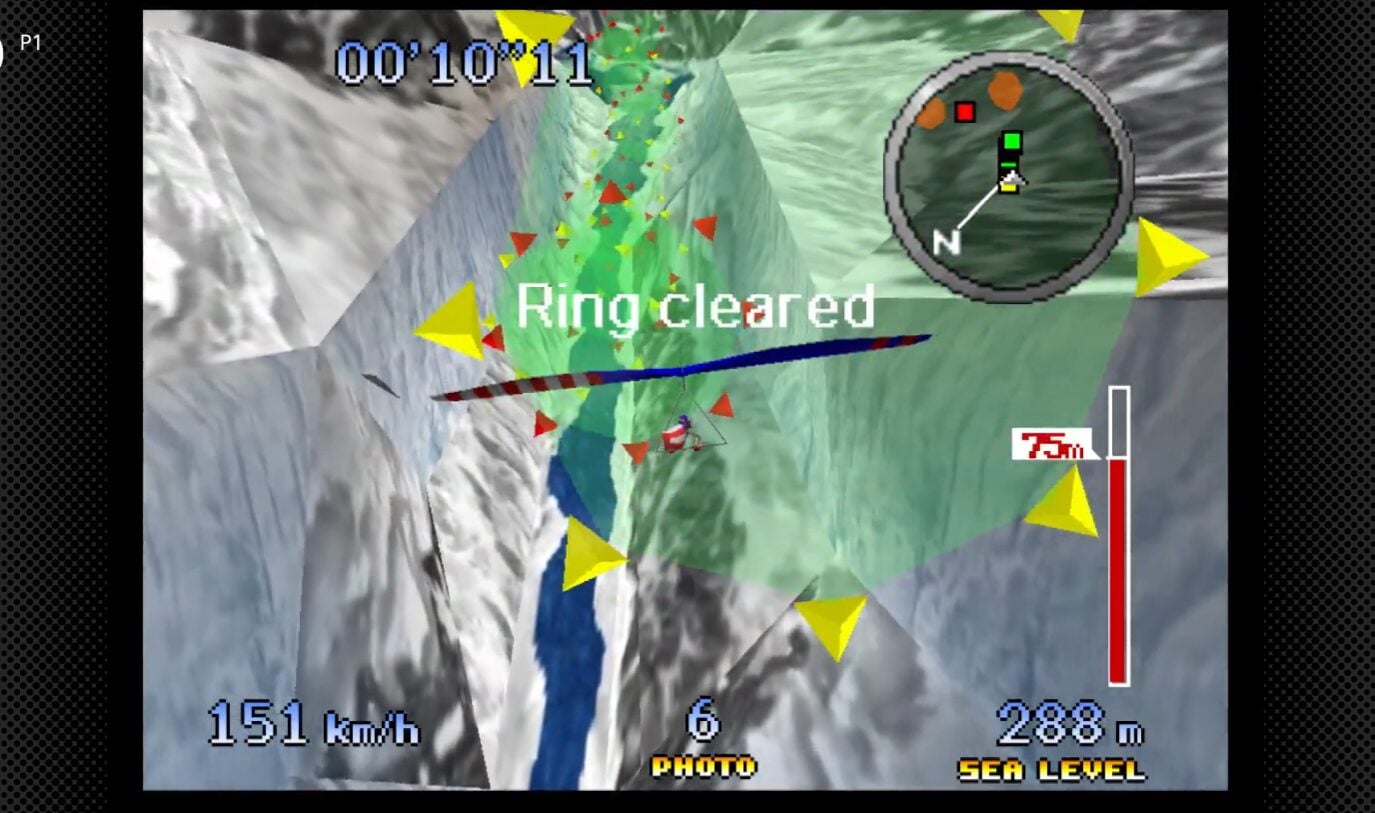
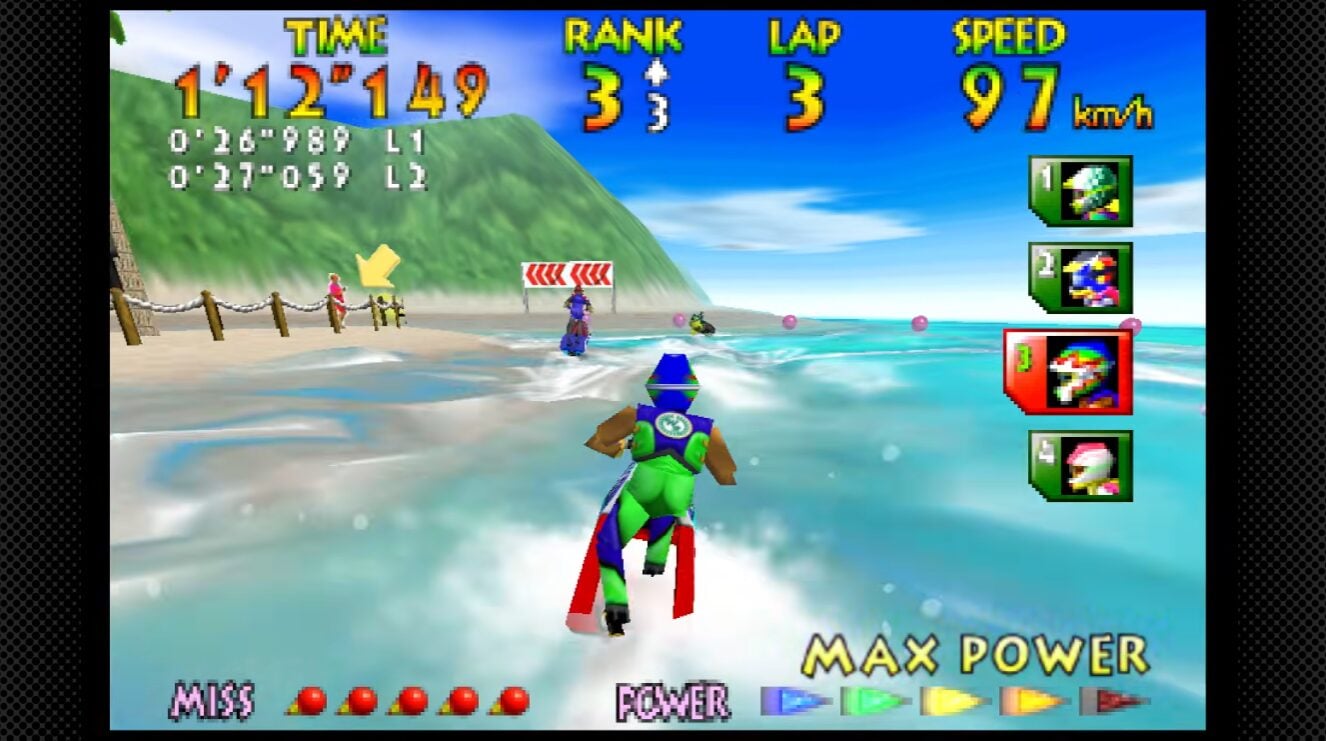
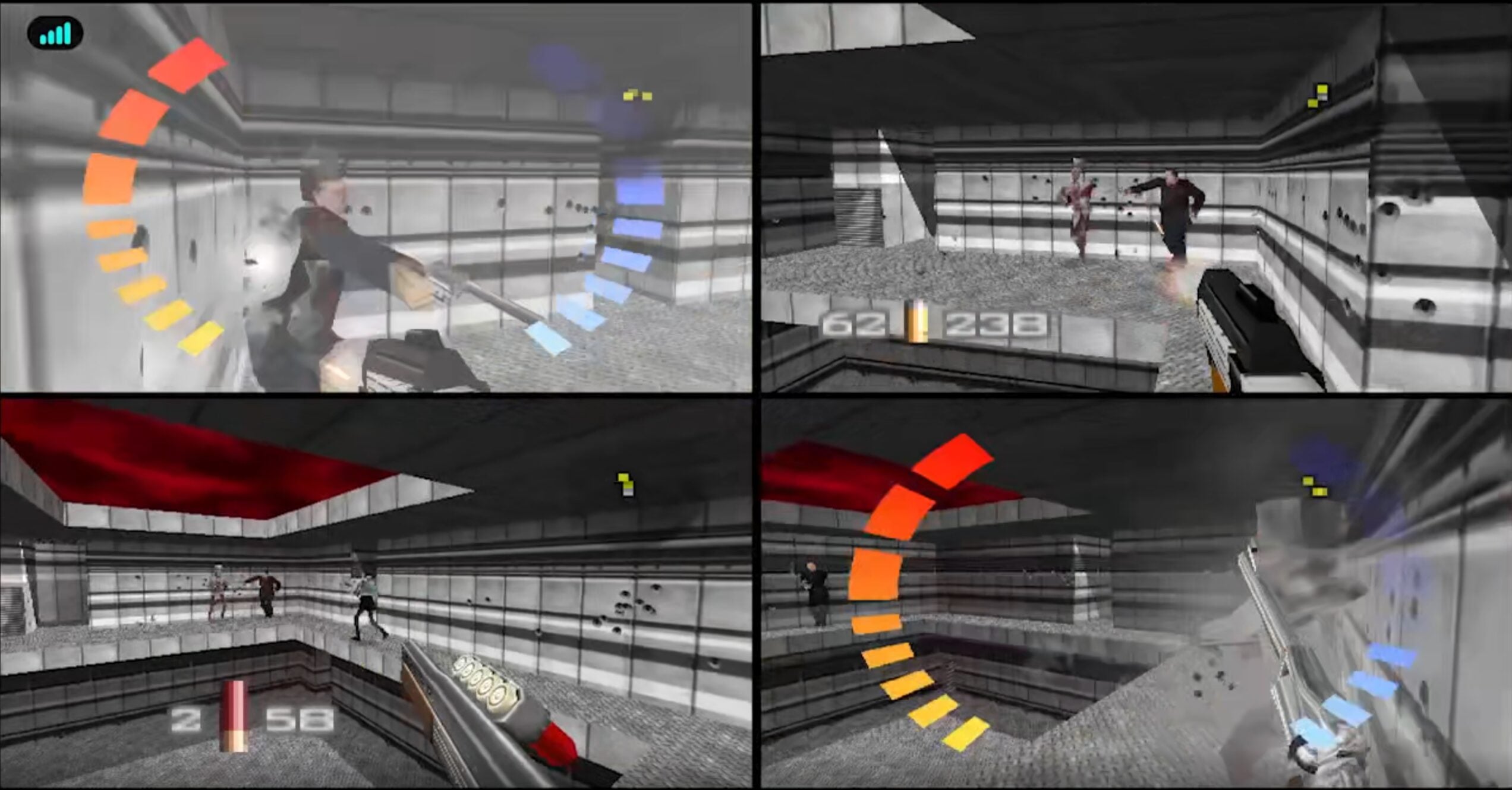
For me, Nintendo 64 offered a glimpse of what video games could be. Beyond its captivating worlds, it pushed the social side of gaming more than any platform before. With an unprecedented four controller ports, N64 was the ultimate party console and some of the best multiplayer games ever were born within its cartridges.
The likes of Mario Kart 64, Super Smash Bros., WWF No Mercy, Mario Party, Diddy Kong Racing, Mario Tennis and of course, GoldenEye 007, brought four friends together in split-screen utopia that, given the boom of online gaming in the generation that followed, has never truly been matched since in terms of local multiplayer. Instant, global networking is convenient, but it can’t quite replicate the feeling of snatching victory within breathing distance of your sobbing rival.
Nintendo 64 is probably not Nintendo’s greatest console – third-party developers in particular really didn’t show up to the party, ending the company’s market dominance up until then – but it arguably pushed the medium forward more than any other system, with a legacy that can still be seen in video games today. And for that reason, it remains my – and many other players’ – favourite games console ever. Viva la revolución.
Ultra 64: The history of Nintendo 64
Chris Scullion
Nintendo had been enjoying huge success in the home video game market in the early ‘90s, but it was also aware that it was going to have to start planning ahead if it was going to remain the top dog.
Its NES console may have been the most dominant 8-bit console worldwide by a considerable distance, but its 16-bit successor, the SNES, wasn’t having a similarly easy ride thanks to the huge strides being made by Sega. Its 16-bit Mega Drive / Genesis console was so well-received thanks to games like Sonic the Hedgehog that it served as legitimate competition to the SNES and even outsold it in some regions.
What’s more, following a rather public backtrack that saw Nintendo bowing out of a partnership deal announced with Sony, Nintendo was aware that Sony was going ahead with the ‘PlayStation’ project it had previously planned to create with it, meaning even more competition than just Sega would be on the way soon. The SNES may have still had some life left in it, but a successor to the SNES would need to enter development.
On 23 August 1993, at its Shoshinkai trade show, Nintendo’s president Hiroshi Yamauchi announced Project Reality. This was a massive strategic partnership with Silicon Graphics, the company whose obscenely detailed computer graphics workstations were used in such groundbreaking special effects movies as Jurassic Park and Terminator 2: Judgment Day.
While Nintendo’s new console obviously wasn’t going to pull off movie-quality CGI visuals, its partnership with such a tech powerhouse was still making its intent clear – the next Nintendo system would have jaw-dropping graphics capabilities. What’s more, it was going to be available by the end of 1995 for $250.
In June 1994, Nintendo announced that its upcoming console was going to be called Ultra 64, and that it already had a ‘dream team’ of developers working on games for it, including the likes of Rare, Acclaim, DMA Design, Ocean and flight sim experts Paradigm Entertainment.
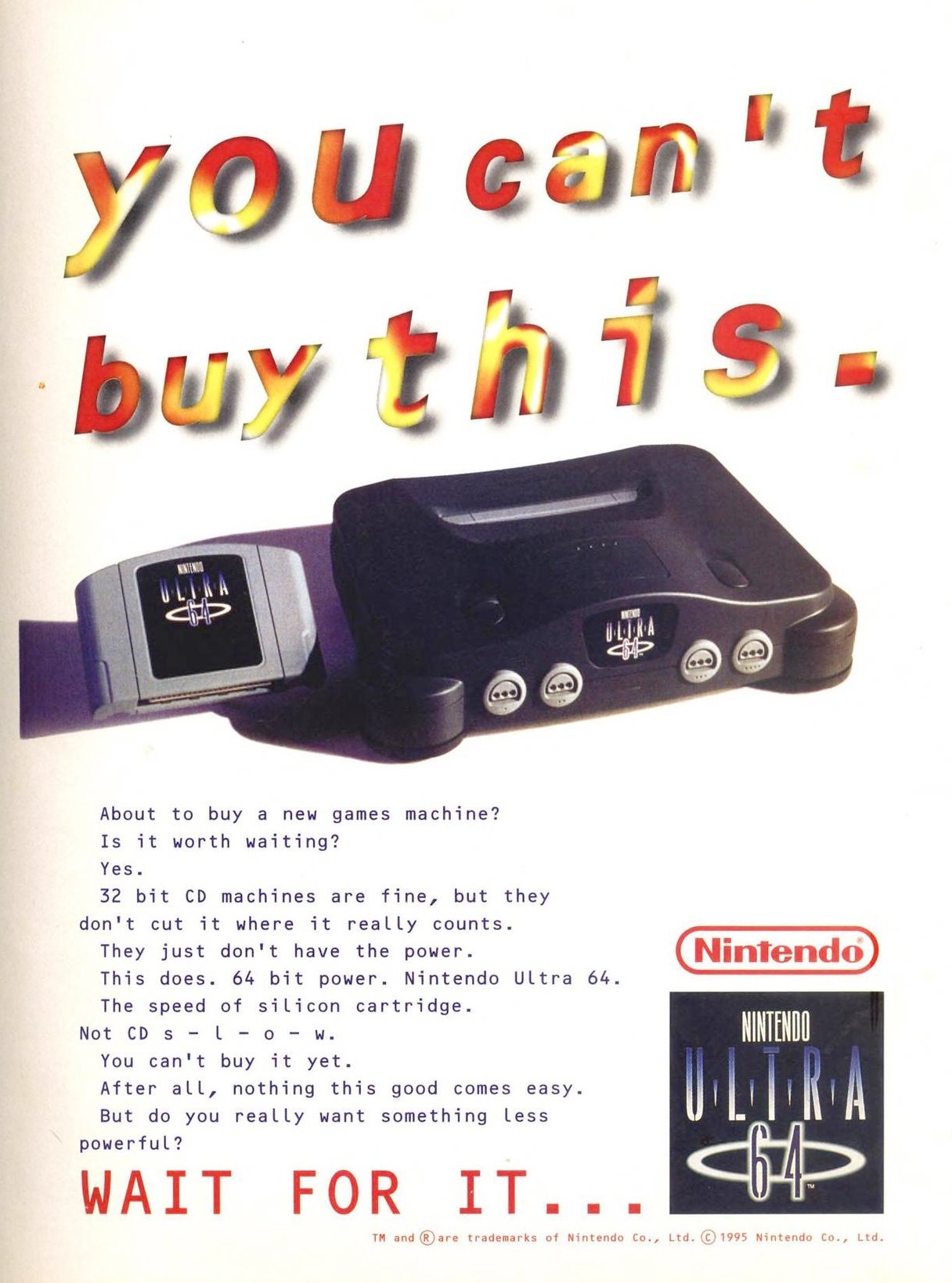
It also signed a licensing deal with Midway to produce arcade games with Ultra 64 branding, to suggest that they were running on Ultra 64 technology. Even though the tech wasn’t really similar, the arcade releases of Killer Instinct and Cruis’n USA continued to build hype for this mythical Ultra 64 console. Then, in November 1995, at another of its Shoshinkai shows, Nintendo revealed the final design for the console, along with a new name – Nintendo 64.
By the time the Nintendo 64 name was announced, Nintendo had already conceded that its new system wasn’t going to be ready by the end of 1995 after all, so it was scheduled for an April 1996 launch instead. It was then delayed again to June 1996, and wouldn’t be releasing worldwide as Nintendo had originally planned – while these steps were necessary, they also marked the first of the N64’s stumbles.
Sony’s much-hyped PlayStation and Sega’s Saturn had already been released in Japan at the end of 1994, and now Nintendo fans were expected to wait until mid-1996 in Japan, and even longer in the west, to get their hands on what Nintendo considered the next generation of gaming. It promised it would be worth the wait, however.
For many, it was. The Nintendo 64 finally launched in Japan on 23 June 1996, then came to North America on 29 September 1996 (infuriatingly for Europeans, their region wouldn’t get it until 1 March 1997). The launch titles differed for each region, but one constant was Super Mario 64, one of the most groundbreaking, genre-defining games ever released.
With Super Mario 64 alone, Nintendo had make its mark on the next generation of video games – Sony and Sega may have made polygonal games the ‘new normal’ by the time the N64 had arrived, but Super Mario 64 showed exactly how the jump from 2D to 3D could truly revolutionise the way games were played.
The games themselves were only part of Nintendo’s attempts to put its personal stamp on how polygonal gaming should progress, however. The Nintendo 64’s real secret weapon – and something Nintendo offered at launch that neither Sega nor Sony initially did – was its unique new controller, which included an analogue stick (or a Control Stick, as Nintendo preferred to call it).

Although analogue control methods had existed in home consoles ever since the days of the Atari 2600, the Nintendo 64 was the first major system to include analogue controls as standard at launch, meaning every player was able to navigate the polygonal 3D worlds of its games using a control method accurate enough to cater for the extra level of depth this new dimension provided.
Such was the impact of the Control Stick that it’s practically impossible to imagine having to direct Mario around Bob-Omb Battlefield or subtly tweak your Pilotwings 64 aircraft’s flight direction with a conventional D-Pad. The Nintendo 64’s polygon-pushing power may have been its main selling point on paper, but it was the controller that was revolutionising the way we played games.
It wasn’t just the controller itself that was a hugely important part of the Nintendo 64, the number of controllers the console supported was also a key decision. The N64 included four controller ports as standard, instead of forcing players to buy separate multi-taps for games involving more than two players. This was transformative for many households and student dorms as marathon four-player sessions of GoldenEye 007, Mario Kart 64, Super Smash Bros and the like became commonplace worldwide.

The Nintendo 64 was also a console designed with the future in mind. The controllers contained small expansion slots on the back which players could use to plug in peripherals. At launch this was limited to Controller Paks, small memory cards which stored a modest 256KB of save game data for some third-party games.
But before long this also included the Rumble Pak – which brought battery-powered force feedback to the masses – and the Transfer Pak, which enabled data from some Game Boy cartridges to be passed over to certain N64 games. The flexibility of the slot meant that particularly inventive developers could make use of it in their own ways, with the likes of microphones and even heart rate sensors.
Meanwhile, another port on the top of the console eventually allowed players to plug in an Expansion Pak, which doubled the N64’s RAM from 4MB to 8MB, meaning some developers could activate high-res graphics modes or include new features that the stock N64 was incapable of handling. There was even an expansion slot on the bottom of the system for the Nintendo 64DD add-on, but the West never got the benefit of this (such as it was).

Ultimately, the Nintendo 64 has gone down as one of the most iconic consoles ever created. Although its sales figures never really came close to those of the NES and SNES, and it finished a distant second place behind the juggernaut that was the Sony PlayStation, those who did own the console fondly remember it as one that provided them with of some of the most thoroughly entertaining gaming experiences of their entire lives.
Many long-term players still have their Nintendo 64 at home because they can’t bear to part with it, and even though these days its games may not hold up as well visually as those of other systems (even those of its era), there are still a host of legitimate gems that continue to be hugely enjoyable to play to this day.





Some external links on this page are affiliate links, if you click on our affiliate links and make a purchase we might receive a commission.