Monster Hunter Wilds Ascendance devs discuss Switch 2, Wilds feedback, and the expansion’s time skip
Capcom’s Monster Hunter Wilds leaders discuss the expansion
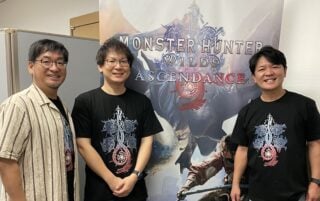
Monster Hunter Wilds’ ‘massive’ expansion, Ascendance, is in full promotion mode, and at Tokyo Game Show VGC was able to catch up with the game’s development team.
Set for release in 2017, Ascendance expands on the world and gameplay of Wilds with new areas and monsters, new hunter actions, and the introduction of Master Rank quests.
Notably, the expansion will also release for Nintendo Switch 2 after the base game debuts on the platform this December.
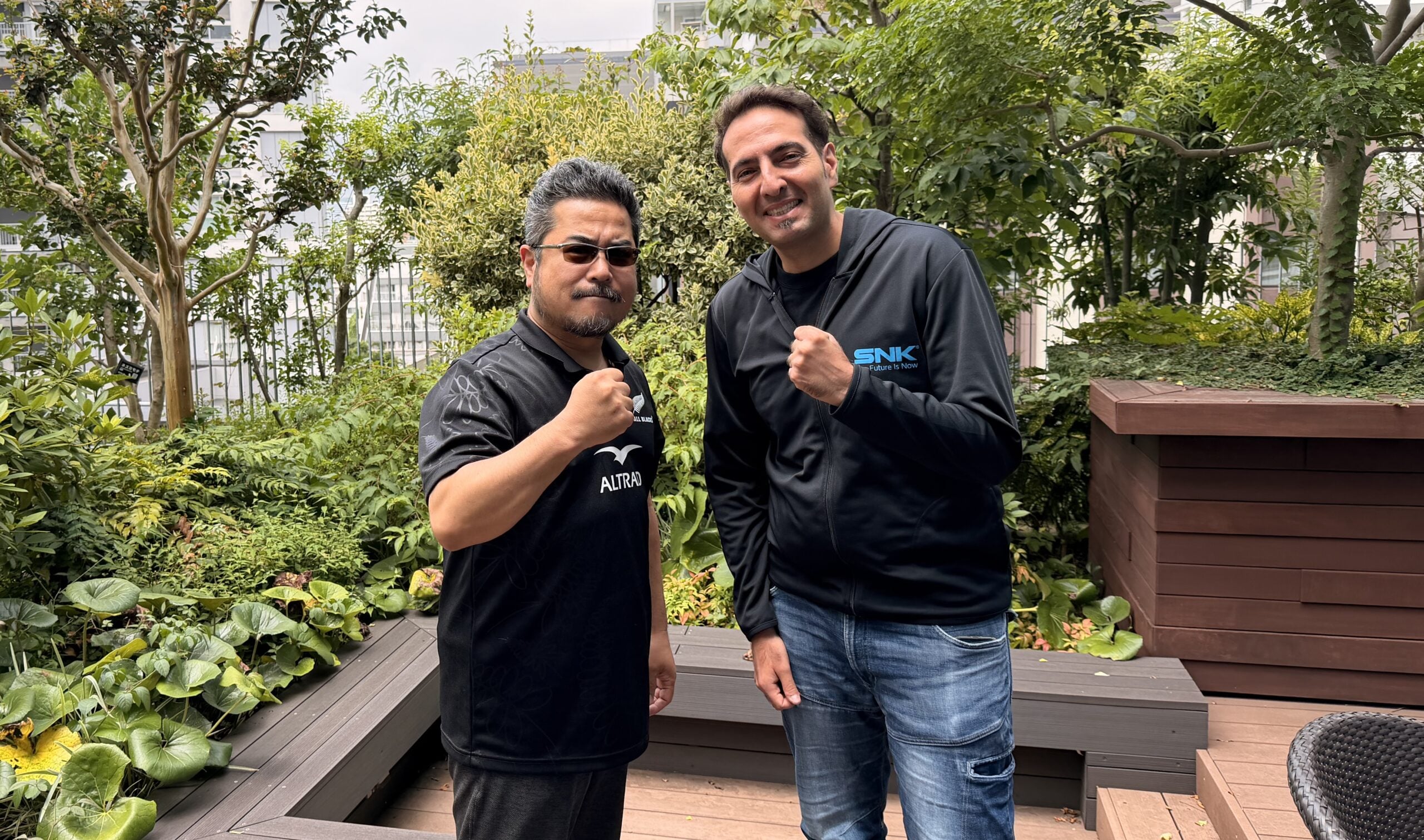
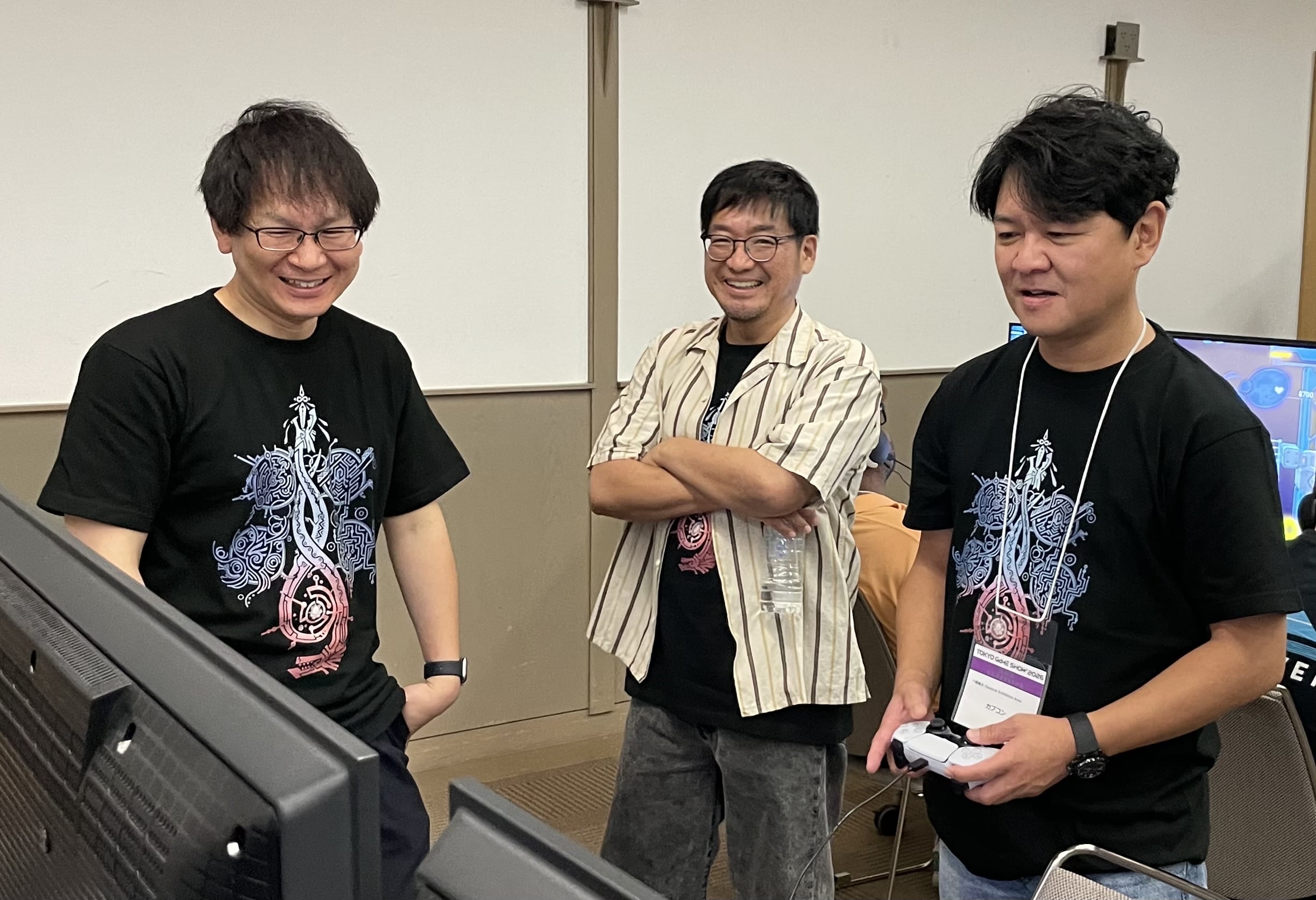
At TGS, we spoke to series producer Ryozo Tsujimoto, Takuro Hiraoka, director, and executive director Kaname Fujioka to learn about the Switch 2 additions, Wilds feedback, the expansion’s time skip, and more.
How important is Switch 2 as a platform for you, considering its historical popularity on Nintendo platforms and the console’s Japanese install base?
Tsujimoto: Yeah, there was definitely a big culture in Japan for getting together to hunt back in the PSP days, and also then on the 3DS. Of course, that existed in other countries as well, but I think there’ll be a lot of players in Japan and around the world who’d be happy to have that experience again on Nintendo Switch 2, where you can actually gather together around the same table or in the same area, and have a local wireless hunt.
So it’s important to us that we’ve been able to bring that because Switch 2 is ultimately, although you can also dock it, it is a handheld machine that you can bring anywhere. Another interesting aspect that it allows us to do through Crossplay is kind of mixing the online and local experience. If you have a PlayStation 5 in your house, you probably haven’t got a second one for someone else who’s in the same household to play Monster Hunter Wilds with you. You would need to both be in separate places, connecting online.
I think a lot of people have both a PlayStation 5 and a Switch 2, for instance, and that means that if you’re in the same living room, you could just connect online using the Crossplay backend, and you’re having essentially a virtual local wireless experience, even though the two consoles aren’t directly connecting. So I’m excited to see that new possibility emerging of cross-platform local.
Will Ascendance release on Switch 2 simultaneously with other platforms?
Tsujimoto: We’re still in development and haven’t announced a release date at all. So, at the moment, there’s nothing we can really discuss about release dates.
What lessons did you learn from the original Wilds launch that you’re putting into Ascendance?
Tsujimoto: Yeah, there was a lot of feedback since launch, and we try to keep an eye on as much of it as possible and see what the player base is giving us feedback on. We’ve been working on improving even in advance of the DLC launch with multiple free title updates that hopefully have built on the launch experience and tackled some of the issues players were experiencing, and got the game into a better place than ever.
And now, on the eve of launching Ascendance, as we bring it to events like Tokyo Game Show, we’re also keen to hear what players who’ve been able to experience the event version have to say about the game and keep that feedback in mind as we finalize development. So it’s really important to us to understand what it is players think about the game, and as you say, to bring those lessons or learnings forward as much as possible.
And how much of Ascendance’s gameplay additions were shaped by feedback from Wilds players? Was there a particular piece of feedback that shaped the expansion?
Fujioka: I think the action gameplay itself was one of the best received aspects of the base game. So, building on that and adding in the Boost Bracer mechanic has just been our way to make the action gameplay even more dynamic, and it adds an opportunity for players to create more windows of opportunity to do big damage as they use up the boost gauge on special powerful actions.
On a more zoomed-out level, UI and UX improvements are something that we were able to do based on feedback from the original game and helped the game’s menus and systems get more out of the player’s way and let them get into the action. We’ve done a lot of work on making the UI hopefully more accessible and letting that, combined with the new upgraded action, create a totally improved experience.
“We’ve been working on improving even in advance of the DLC launch with multiple free title updates”
Spinning off of that, how do you balance making the game more accessible while maintaining the strategy and restrictions of planning hunts?
Tsujimoto: When we add more convenient features like the Seikret or its ability to move automatically and go straight to the monster, we’re trying not to think of it in terms of making the game easier, but rather making it easier for the player to focus on what matters to them. So if finding the monster is what matters to them, then they can have the Seikret take care of the traversal for them. And if they don’t, and they want to traverse by themselves, they just don’t get on it or don’t use the auto mode.
It’s giving you options in the sense of that aspect of the game, and giving you ways to strategize, in addition to the existing ones that we offer. We do offer options when it comes to which weapon you’re going to use, what gear you’re going to wear, which items you’ll bring with you, and when you’ll use them. So just in addition to that, it’s like, which of them are you going to choose to interact with to focus on the things that matter to you in the game, and which of them do you not need?
I don’t want to add something that people are forced to use, and even with things like the new Boost Bracer mechanism, it isn’t put right in your face, and you have to use it all the time in order to beat the monster. It’s another tool in your box, and the strategy of when, and how, or if to use it is really up to the player. Fine-tuning the interaction between all those elements is one of our major tasks, and we do a lot of playtesting and refining and fine-tuning, and we ultimately try and make sure that those different options and different aspects of the gameplay hopefully mesh together well into a cohesive experience.
Performance, particularly on PC, wasn’t where you would’ve liked it to be at launch. How are you ensuring there’s no chance of similar issues this time?
Tsujimoto: We’ve been working hard on bringing the lessons learned from the launch of Monster Hunter Wilds to bear on Ascendance, and it just takes a lot of time and research to examine what it is you need to achieve on PC to make the game perform well on a variety of hardware. It’s just a matter of experience really, so I’m hoping that we can bring those lessons forward into Ascendance.
The Ascendance story skips ahead several years, with some younger characters now much older. Why did you decide to go that route?
Fujioka: What I wanted to do was show the effect on the culture of the peoples of The Forbidden Lands that the arrival of a hunter has. We’ve seen some of that in the main game story, where the hunters group is kind of an outside presence to the people who live in The Forbidden Lands. And after they’ve started to work together to repel the threat in the Base Camp and start to live together, if we don’t put some time between those events and the present day, we can’t really examine that long-term effect that the events of Monster Hunter Wilds would have had on them and their lifestyles.
So, by adding a time skip, I think it lets us see the characters we knew, such as Nata, who were children or teenagers whenever we met them in the first game. Now we can see them grown up and see how they’ve developed as people and personalities as well. And that won’t happen over the course of a year or two or whatever since the base game, so we needed to have that in order to achieve our storytelling goals.
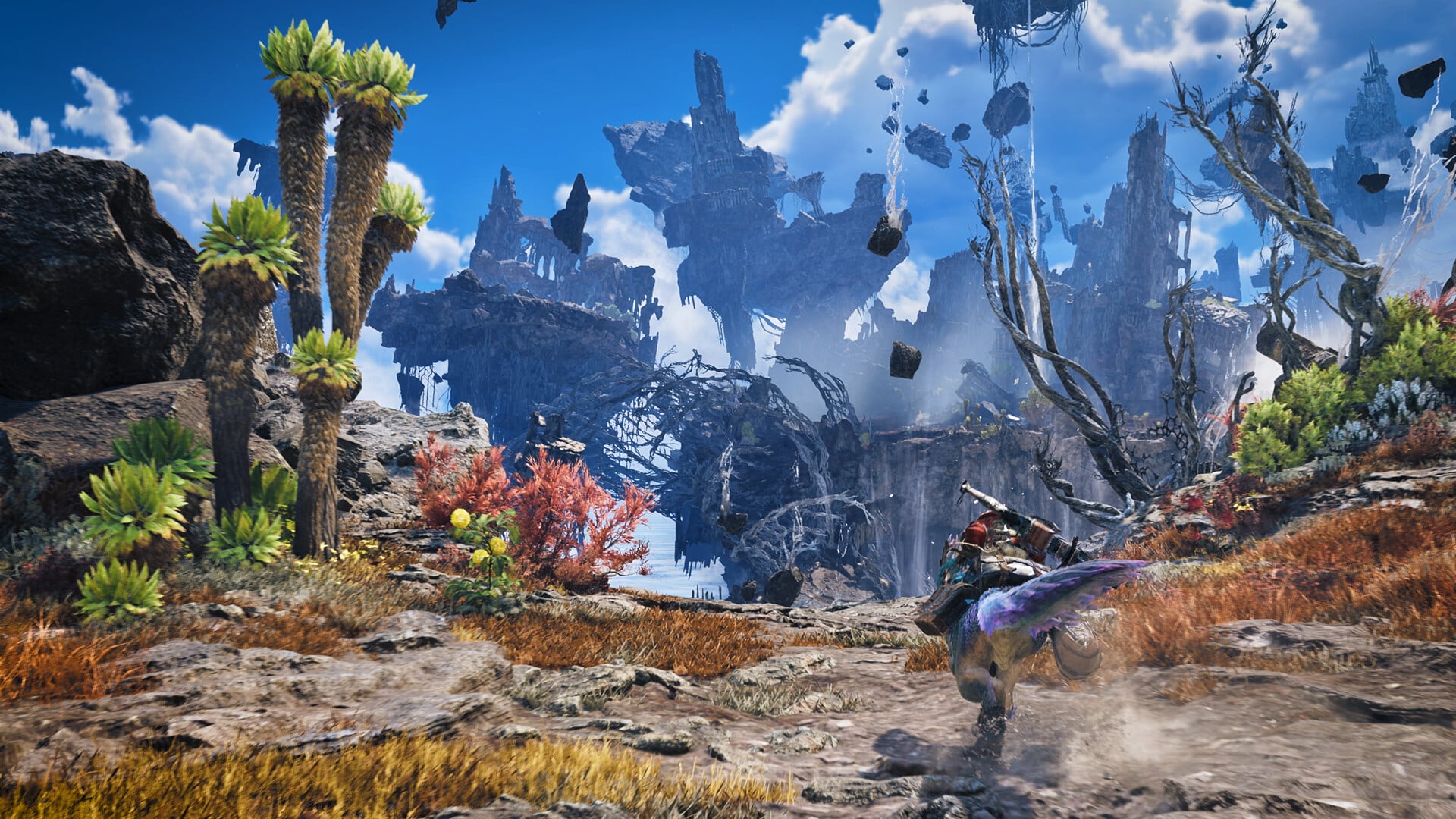
Ascendance’s new locale, Skybound Eyrie, introduces a much more vertical approach to exploration. Did you come up with the idea for the location first, or did you have a different kind of gameplay in mind?
Fujioka: It sort of started from the perspective that we gave players this Seikret mount in Master Hunter Wilds, and it’s got this high degree of movement to it. It lets you run around the place, and in certain areas in the base game you could glide off higher areas. But as the second half of the game proceeded, I think the areas did become a little bit more restricted. You’re going into more cave-type areas and things like that.
So revisiting that feature, we felt that the new map should really put the Seikret to its full advantage, and it’s got those wings, so being able to do things like ride up on air currents or glide down from high areas, we thought would just make for a fresh new experience for the expansion. And then, based on that, we designed.
It’s not so much that each individual part of the map necessarily is fully vertical with huge drops, but the interaction between the areas on the map is has got a lot of verticality in it, and the Seikret is now something where you’ll be able to traverse those vertical climbs and falls very easily.
With Master Rank returning, how did you approach making monsters more challenging without simply making them faster, stronger, or giving them more health?
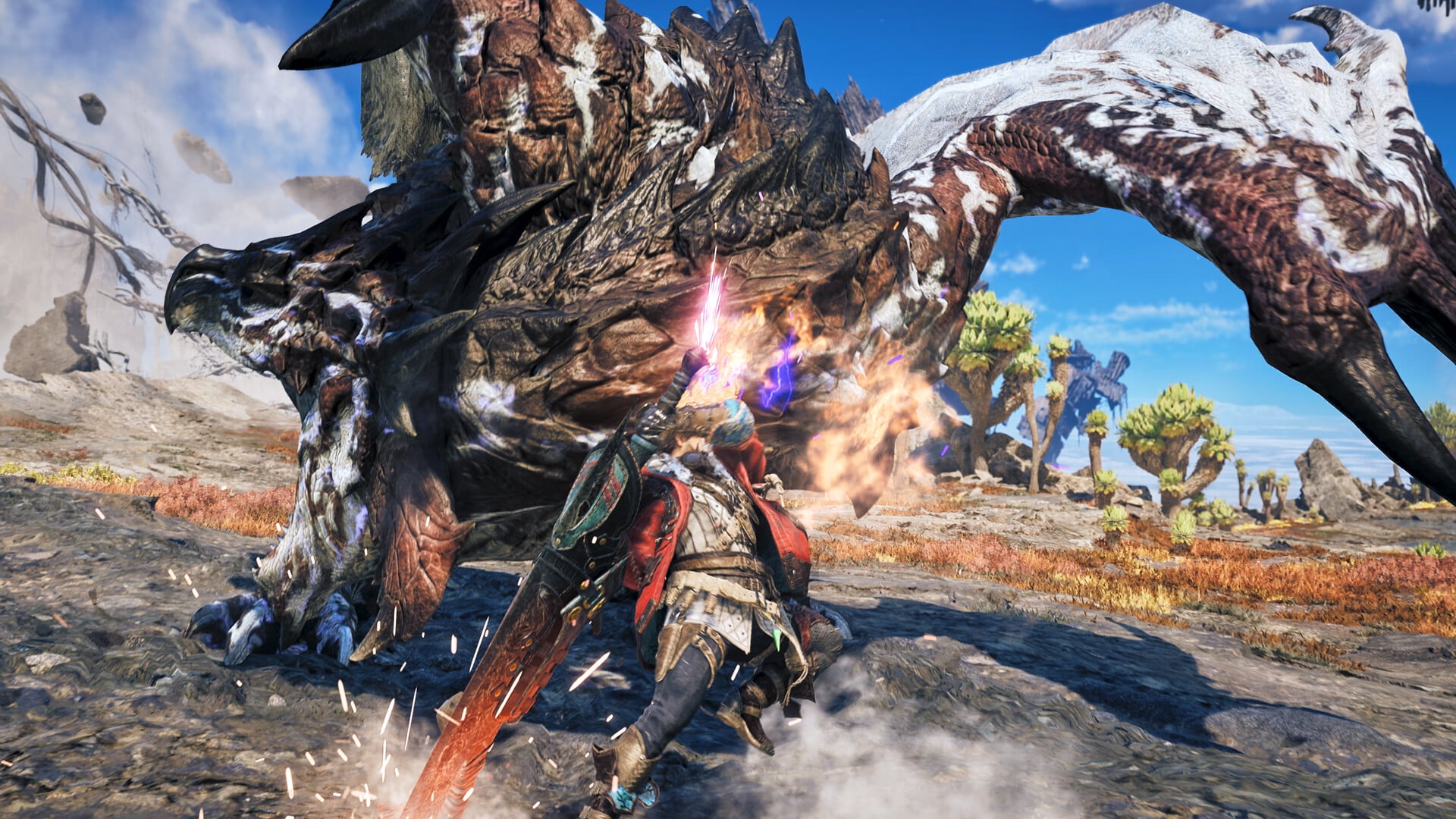
Hiraoka: It’s true that for, say, existing monsters who have not got master rank versions, there will be parameter increases behind the scenes. But as you said, that’s not the way you just make a higher difficulty challenge.
Every monster, including the existing ones in the base game, will have new moves and new behaviors, and we want the player to have to revisit and rethink their strategies for the monsters, not just do the old strategy harder. You actually have to rethink what this fight actually means and how you’re going to have to approach it.
That also applies to the Boost Bracer in particular. It’s not the new mechanic that we gave you, and this is what you have to use to beat the new master rank. It’s just another tool we’re giving you. It’s in your toolset. Strategizing if, when, and how to use it is really up to the player. And it’s adding it alongside all 14 weapons is a start way of saying, ‘here’s another thing you can use to create opportunities during a hunt’, and the rest we leave up to you.
After nearly two decades of producing Monster Hunter, how has your philosophy evolved around what’s most important to building a Monster Hunter game?
Tsujimoto: Firstly, Fujioka’s been around on the series longer than me, but I’ll take the question anyway. Over the time I’ve been working on the series, each title has had different directors and different teams who put a lot of effort into making their own vision of the Monster Hunter formula, and they will make evolutions and adjustments to the specific gameplay minutiae and the general theme of each title.
“That concept has remained rock solid throughout the series, and so as each game comes out, I think that we’ve been one of the most consistent series out there”
The core concept is the idea of going out to hunt a monster, and it’s not just a boss with an HP bar: it’s a living thing that you have to interact with, and hunting is a back-and-forth conversation between the hunter and the monster. You have to read its behavior and its tells, and it’s very engaging because of that. Because it isn’t just looking at the screen and the UI and seeing what the UI is telling you about what’s happening.
That concept has remained rock solid throughout the series, and so as each game comes out, I think that we’ve been one of the most consistent series out there, and also the number of titles we’ve released over the 20 years is pretty high compared to a lot of game series, where we’ve got one of the most consistent release cadences too. I feel like respecting that core DNA of what makes a Monster Hunter game, whilst giving each team the freedom to explore that in their own way, is probably what’s kept the series so vital for so long.
Fujioka: I think that what we think is fun for any given game and what kind of experience we want to provide is, of course, important. But at any given moment in time, we’re responding to the current generation of players’ relationship with the current generation of hardware, and that’s something that is not determined by us, and we have to react to it.
And as the industry evolves over time, the needs of the player base and what they value is going to evolve and change and go in different directions. And the game that we bring to that particular hardware at that particular time to a particular audience needs to be responsive to those needs and not just be our vision in a vacuum.
You know, understanding the audience is also very key. I work with the team over the years on the series on the basis that that’s key to making a game that’s going to be popular with the player base.