Monster Hunter Stories 3 devs reveal cut content and ponder what ‘Resident Evil Stories’ could be
Post mortem interview: Capcom’s MHS3 team reflect on development, JRPG player demographics, player reactions, and more
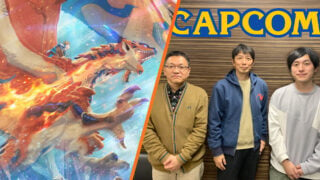
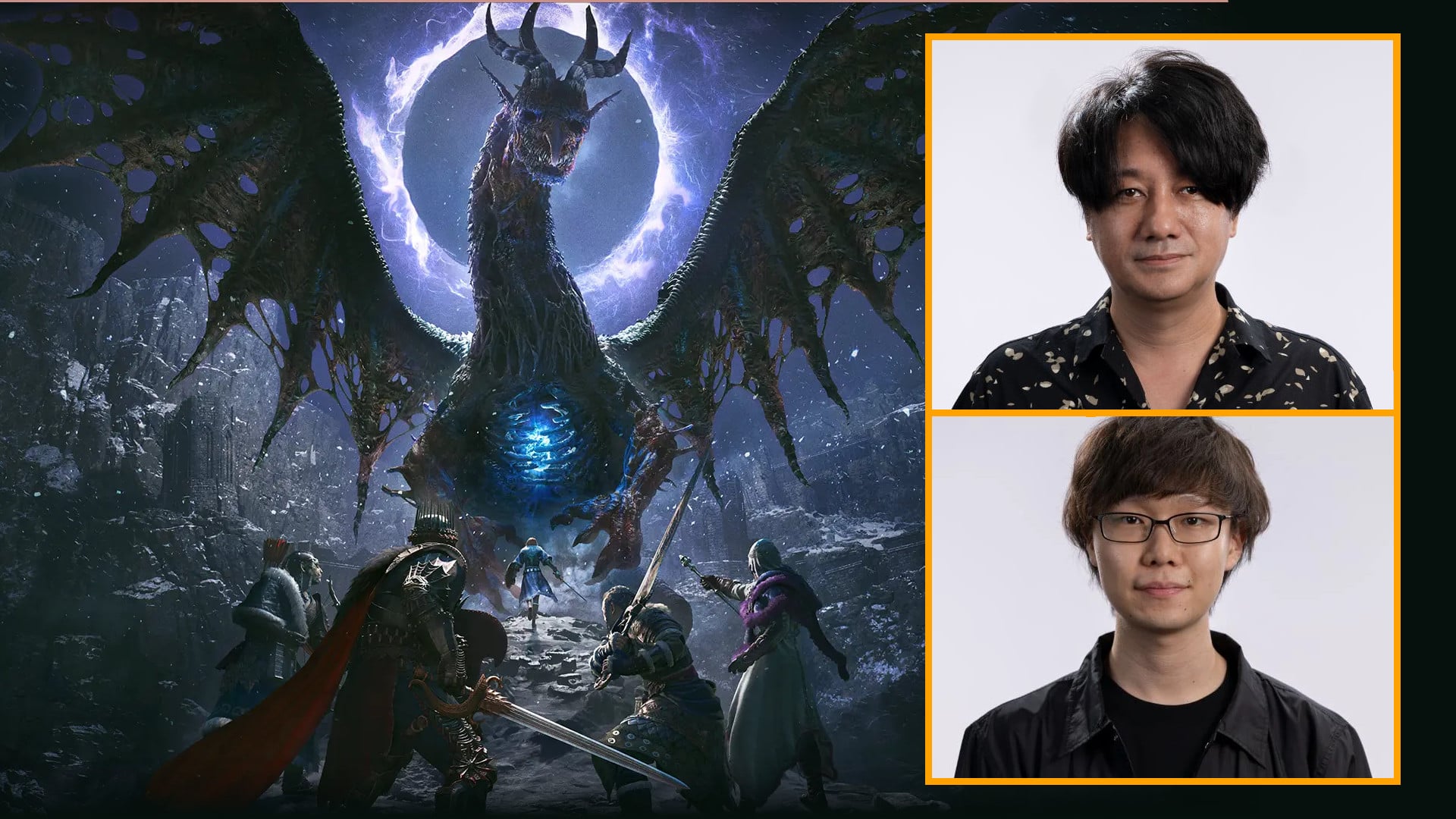
Capcom director Kenji Oguro and art director Takahiro Kawano have collaborated on video games for more than 25 years.
They first met on the development team for 2001’s PS2 title Onimusha Warlords as a planner and character designer, before eventually leading their first project with 2006’s sci-fi shooter, Lost Planet: Extreme Condition.
The pair have worked together ever since and now steward Capcom‘s Monster Hunter Stories series, right up to its latest instalment, this year’s Monster Hunter Stories 3: Twisted Reflection.
“We’ve got a good working relationship, as you might expect, and I think we just understand and trust each other completely,” Oguro told VGC in a recent interview. “You must think this is obvious, but if you imagine game development, there’s a time before the game isn’t ready to be seen on screen, when you’re working off your imagination.
“It’s actually often quite difficult for two members of the team to be working off the same hymn sheet [at this stage]. You’re both imagining the game because it isn’t ready yet, but it often turns out that you’re both imagining something different.
“That happens a lot with various people, but with Kawano, actually, we’re pretty much always on the same page. And whenever we talk about the game before it’s even ready to be shown on the screen, I’m confident that we’re imagining the same thing before we even get to that stage.”
He continued: “That means that we can talk on the same basis and we can work on the sort of game design together based on our imagination at that early phase of the game. And that’s something that gives me the confidence to really work well with him at those early stages. And I think that that’s one of the things you only get by having such a long relationship.”
Speaking to me via video call, director Orgura, art director Kawano, and lead game designer Daisuke Wakahara shared insight on how Monster Hunter Stories 3 was developed, their biggest challenges and cut content, plus a fun brainstorm on what a Resident Evil Stories could look like.
Capcom made the third game by itself
For Monster Hunter Stories 3, however, Oguro couldn’t rely only on the old guard. Previously, the series’ development team had worked alongside Rune Factory developer Marvelous to build the first two games, but for the third, it decided to use the knowledge it gained to keep development entirely within Capcom.
This meant that, while the team leaders remained the same as those who helmed the first two Monster Hunter Stories games, Twisted Reflection required a lot of new, younger team members to join the series for the first time.
“Monster Hunter Stories 3 was a fully internal Capcom development team, so that was a big difference in our approach to the first two games,” he explained. “So that did mean that a lot of the development team members were new to the series, but actually that didn’t really cause any issues because a lot of them were already fans.”
He added: “And [because] we are an action-focused company in general at Capcom, and we’ve made a ton of action games and not that many RPGs, maybe for that reason, a lot of the people who were joining the team had a similar feeling to me, which was that they were excited to finally get to approach a JRPG game design rather than an action one.
“Monster Hunter Stories 3 was a fully internal Capcom development team, so that was a big difference in our approach to the first two games”
“And because those new team members were coming in under team leaders who, as I said, were experienced on the first two games, I think we had a good mutual understanding between team members and we didn’t have any sort of communication difficulties, even though some of them were technically new to the series.”
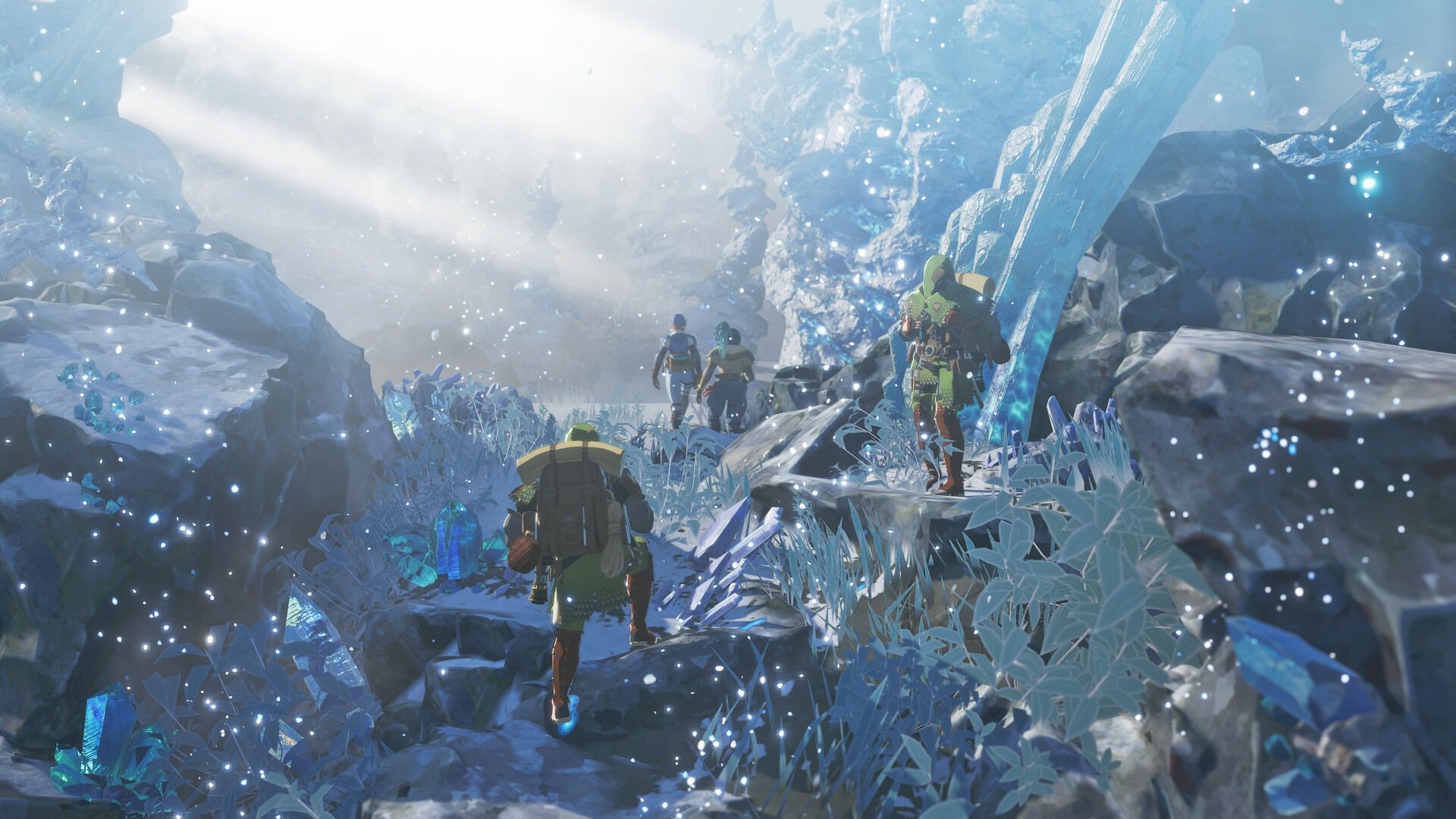
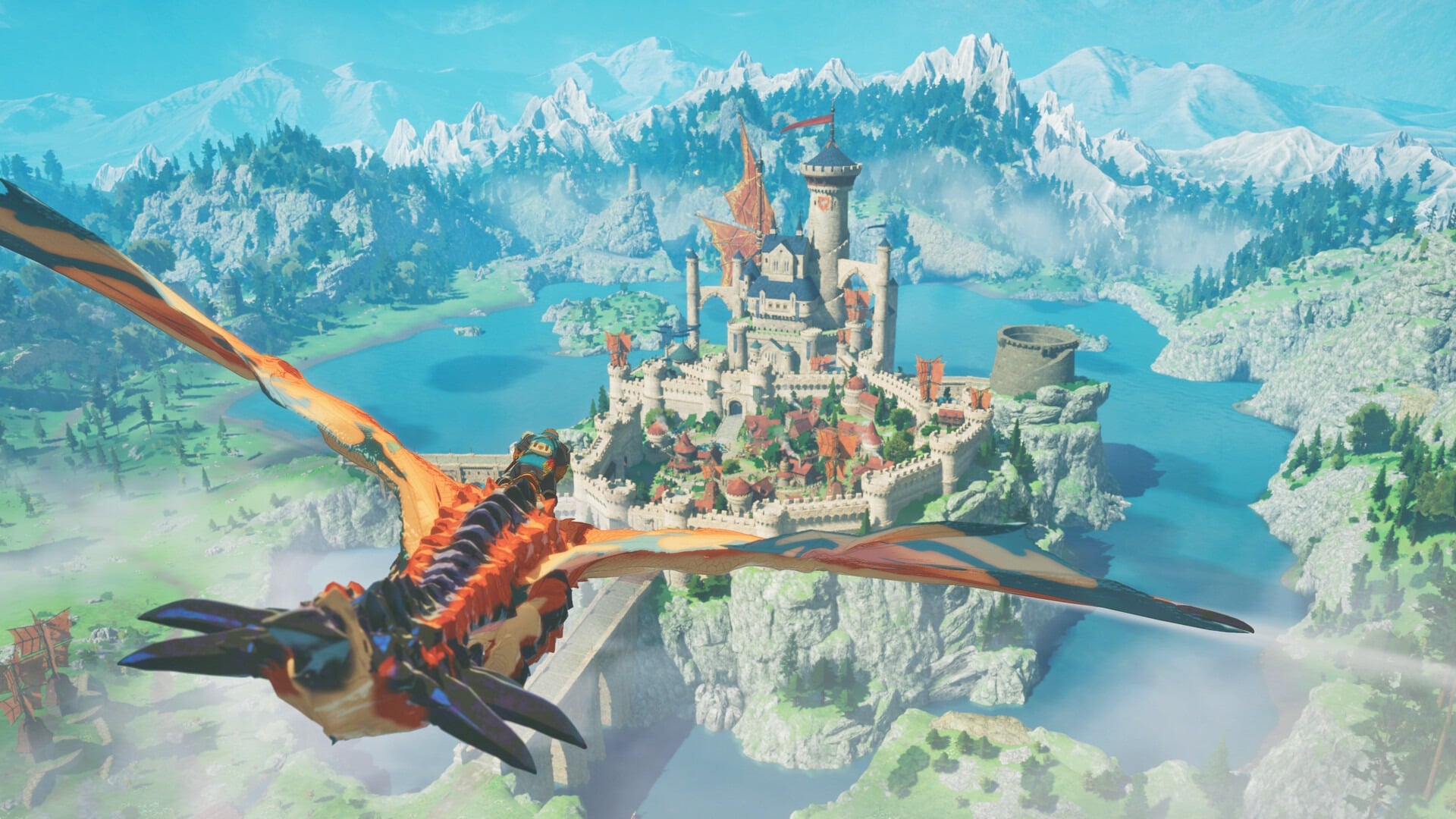
The aim for the third MHS, according to the director, was to create “the JRPG the team always wanted to make”, rather than a Monster Hunter game that happens to have JRPG elements. The result was an instalment that feels quite different from the first entries, with a greater focus on narrative, a darker tone, and deeper combat system.
“If you look back at the first Monster Hunter stories, the idea was, ‘what if there was a Monster Hunter game that was a JRPG?’ But after building the first two games, we really developed our confidence and our abilities to make a JRPG. So, with the third game we flipped the script on that and [decided], ‘let’s make the JRPG that this team always wanted to make, and it happens to be set in the world of Monster Hunter’.
“So we brought our design goals and creativity to the forefront in this one in a way that we couldn’t yet do with one and two while we were still sort of learning on the job how to make a JRPG.”

A more grownup Stories
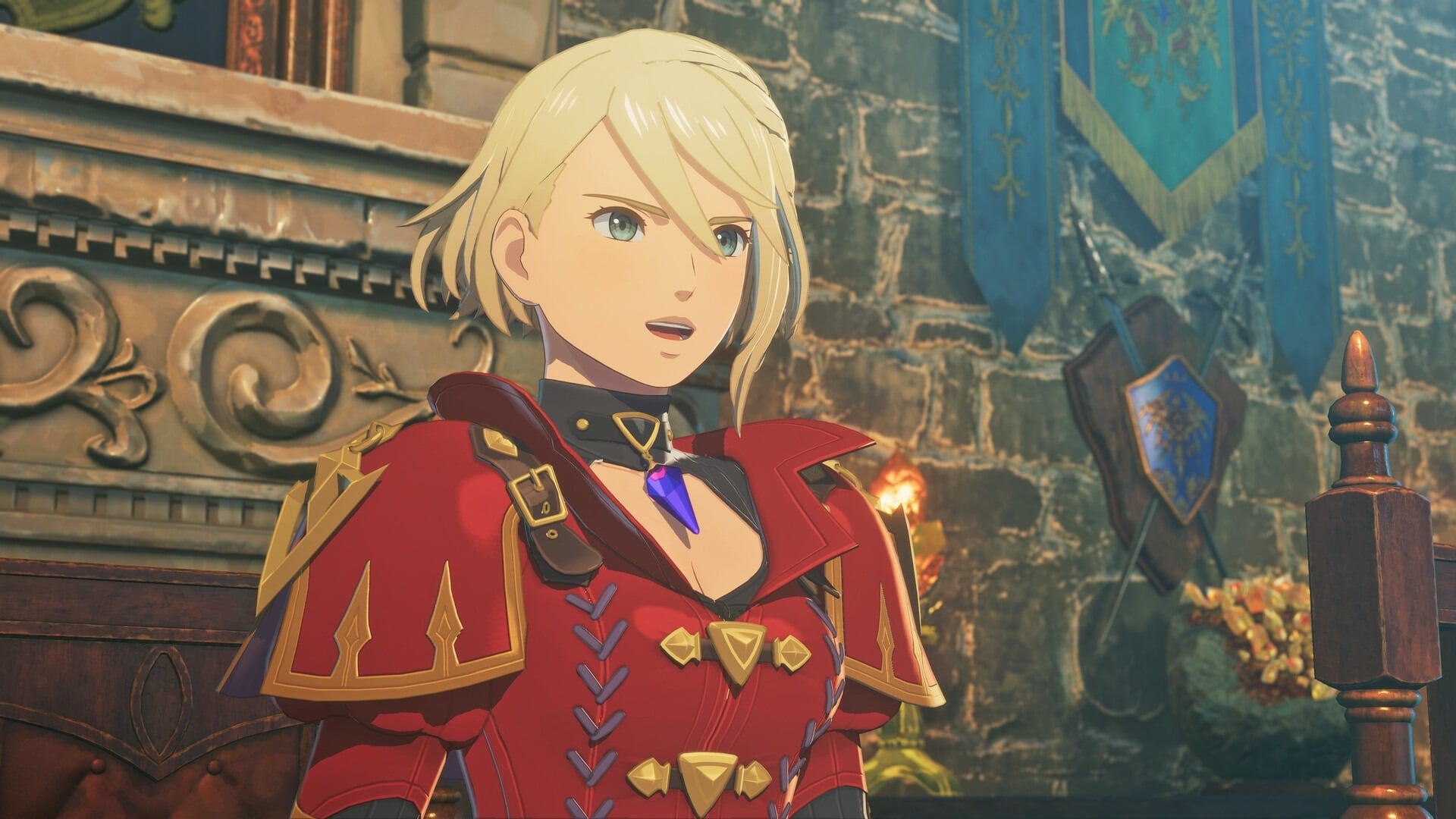
For MHS3, Oguro knew he wanted a darker tone than in previous games. The result was a political story involving two warring kingdoms and a greater mystery around an environmental catastrophe that threatened both. The development team also decided to introduce voiced protagonists for the first time, adding to the cinematic presentation.
As other JPRG series like Final Fantasy attempt to age down their audience (a recent study suggested that the average FF player was aged 42), it’s fun to see the Stories team seemingly doing the opposite (Capcom says MHS players skew “a decade or so younger”). Asked about the comparison, Oguro said that the relatively young age of the Stories series is what allowed them to make big changes for Twisted Reflections.
“You mentioned the relatively high age of the average Final Fantasy user in their 40s. I think that with these legacy JRPG series, you tend to have a player base who grew up with these games, maybe from the 80s and 90s, and now they’re middle-aged and probably quite sort of stubborn and obstinate in what it is they want from these games, and they’ve become this potentially inflexible user base that you have to try and serve the needs of if you’ve got such a long legacy.”
“With these legacy JRPG series, you tend to have a player base who grew up with these games… and now they’re middle-aged and probably quite sort of stubborn and obstinate in what it is they want”
He added: “But for Monster Hunter Stories, it’s a JRPG, but it’s also a relatively young series. And I think that we didn’t worry too much about the idea that, ‘this is the kind of person who you might want to be pleasing’.
“Instead, we focused on a combination of, ‘this is the age of people who played Stories 1 and 2, this is maybe the broader Monster Hunter demographic where we see people in their teens and 20s who tend to like the Monster Hunter action games… How can we make a follow-up that will continue to bring along the existing Stories 1 and 2 players while hopefully broadening the audience to include potentially more Monster Hunter fans who might get interested in the series at this entry point?”

Why the two series are separate
With the mainline Monster Hunter series also taking a greater focus on narrative in recent years, the line between those games and the spin-off RPG series are blurring in some ways. However, Stories’ creators still see the two franchise lines as clearly separate.
Firstly, explained lead game designer Daisuke Wakahara, even though Stories 3 introduces a darker narrative, the team made sure it didn’t totally abandon those younger players.
“We didn’t really have too many hard lines, but I think that talking with the director, it was clear that we wanted to be more serious and mature, but not go full adult and gory,” he said.
“The concepts behind the warring kingdoms and the political aspects could be more grown up than in the past games, which are more like fun, Shōnen manga style adventures, but it wasn’t going to cross a line into something that wasn’t appropriate for younger players anymore.
“We didn’t really have too many hard lines, but I think that talking with the director, it was clear that we wanted to be more serious and mature, but not go full adult and gory”
“They would need to be able to stay with the series and if perhaps they’re growing up with it, they could appreciate that extra depth and maturity, but it wouldn’t be alienating to the younger audience either.”
Beyond the narrative, Oguro said there were practical game design reasons why Monster Hunter Wilds and Monster Hunter Stories 3 don’t directly connect together.
“Both series are set in the same universe broadly,” he said. “Like if you imagine a planet, these events are supposed to be happening in the same world, but speaking as the director of these games, I see them as quite fundamentally separate, and I wouldn’t foresee crossing them over because I don’t think that that would necessarily benefit either series.”
Oguro’s fear, he said, would be that if the two series were ever to combine in the future, then they would lose what makes each of them appealing in the first place.
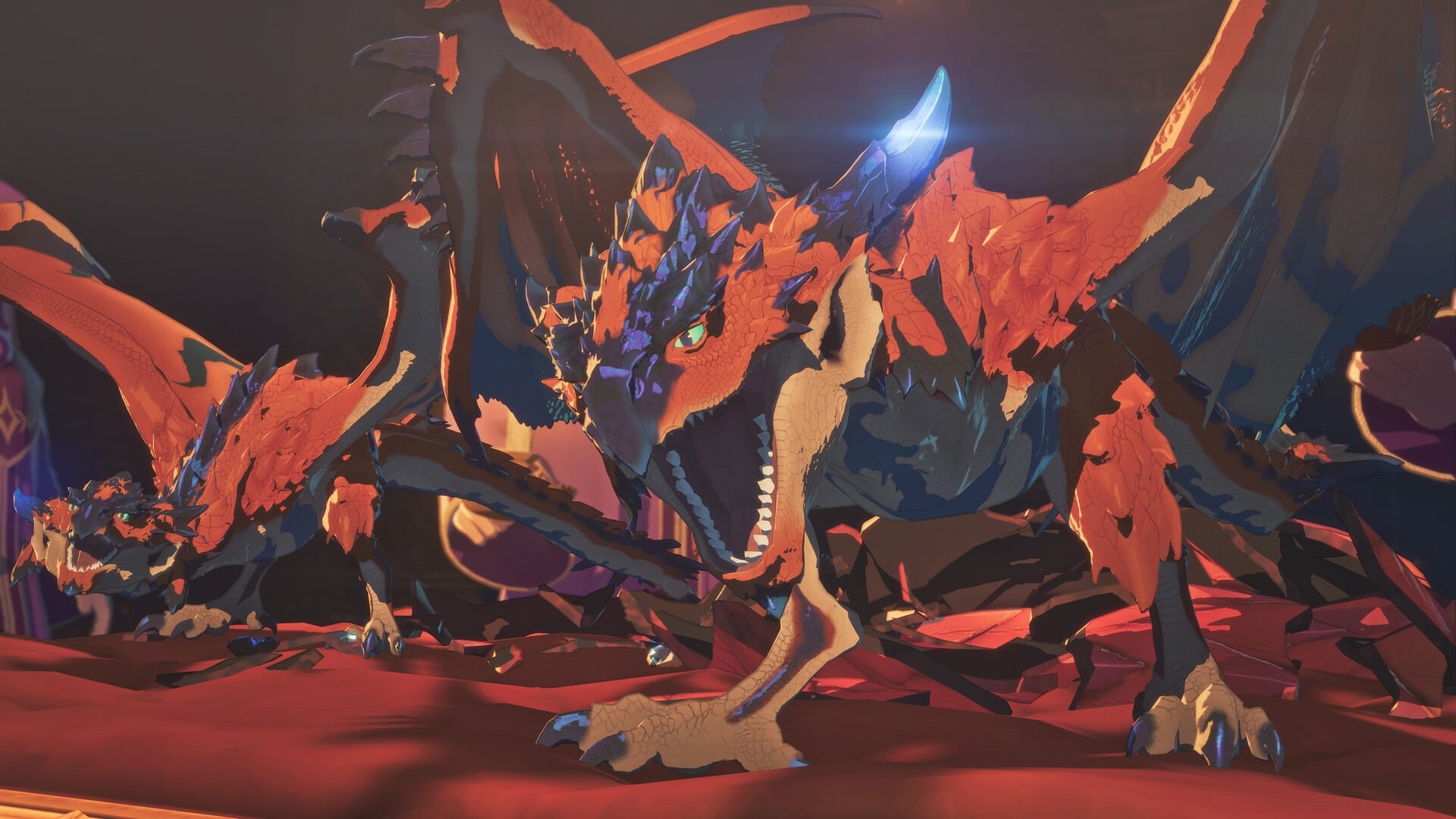
“The game design goals would end up conflicting with each other,” he explained. “When it comes to monster design, [they’re] based on what the actual game is about. If you take something like Monster Hunter Wilds, there are all kinds of fantastical monster designs in that game that aren’t just the classic, you know, four-legged creatures.

“And that’s because they’re designed to be battled and to be fought against. Whereas in Stories, we treat the Monsties, the versions of the monsters that we have in this game, as you’re able to ride around on them, and they’re sort of more like companion-like. So the designs of the monsters that we include and the ones we create are more focused on that rider-based interaction with the monsters.
“Combining those two, you’d have to, you know, something would have to give. If we imagine a game where both riders and hunters existed, then would the classic Monster Hunter design team have to compromise their monster designs to make them all rideable? Or if they gave up on the riding aspect, then what would be the meaning of having their riders out of that world? You know, I think that they would.”
Resident Evil Stories
A fun way to articulate how Capcom views what a ‘Stories’ game is would be to hear how it would tackle some of its other famous franchises under the same sub-brand. So, what would Resident Evil Stories look like? According to Oguro, it’s about flipping the established formula.
“Off the top of my head, I think Stories took the fundamental concept of the monster as a creature you’re going to battle and slay, and then flipped it on its head and said, the monster is now a creature you’re going to befriend and develop a kinship bond with.
“I think Stories took the fundamental concept of the monster as a creature you’re going to battle and slay, and then flipped it on its head”
“If that’s the fundamental approach of a Stories game, to flip the script on the basic interaction with the enemy, then I think that a Resident Evil Stories game would probably be about… I don’t think you’re ever going to be befriending zombies as such, but you know, perhaps you’d be taking the approach that, ‘I want to find a way to cure these zombies, so these people who’ve been turned into these monsters and get them back to being human’.
He continued: “I mean, you almost might end up going in more of a Dead Rising direction in that sense, but you’d be trying to take them and get them back to normal or figure out a way in real time to develop a cure for them.
“But what sort of game would that be, and whether it would work or not, I don’t know. It’s just as a response to your prompt, that’s how I would see Stories working, is taking a completely different angle on the same universe and developing the gameplay based on that.”

Invasive Maneuvers
For Kawano, the biggest challenge during the development of Monster Hunter Stories 3 was deciding how its story would develop. According to the art director, many of the game’s plot points remained undecided even mid-development.
“From my perspective, I think deciding on how the game was going to end was quite difficult,” he said. “We were proceeding with development without having a full ending locked in necessarily, and we were still deciding what the last developments would be in terms of storyline while we were developing the game. So as development progressed, that became more and more of a challenge.”
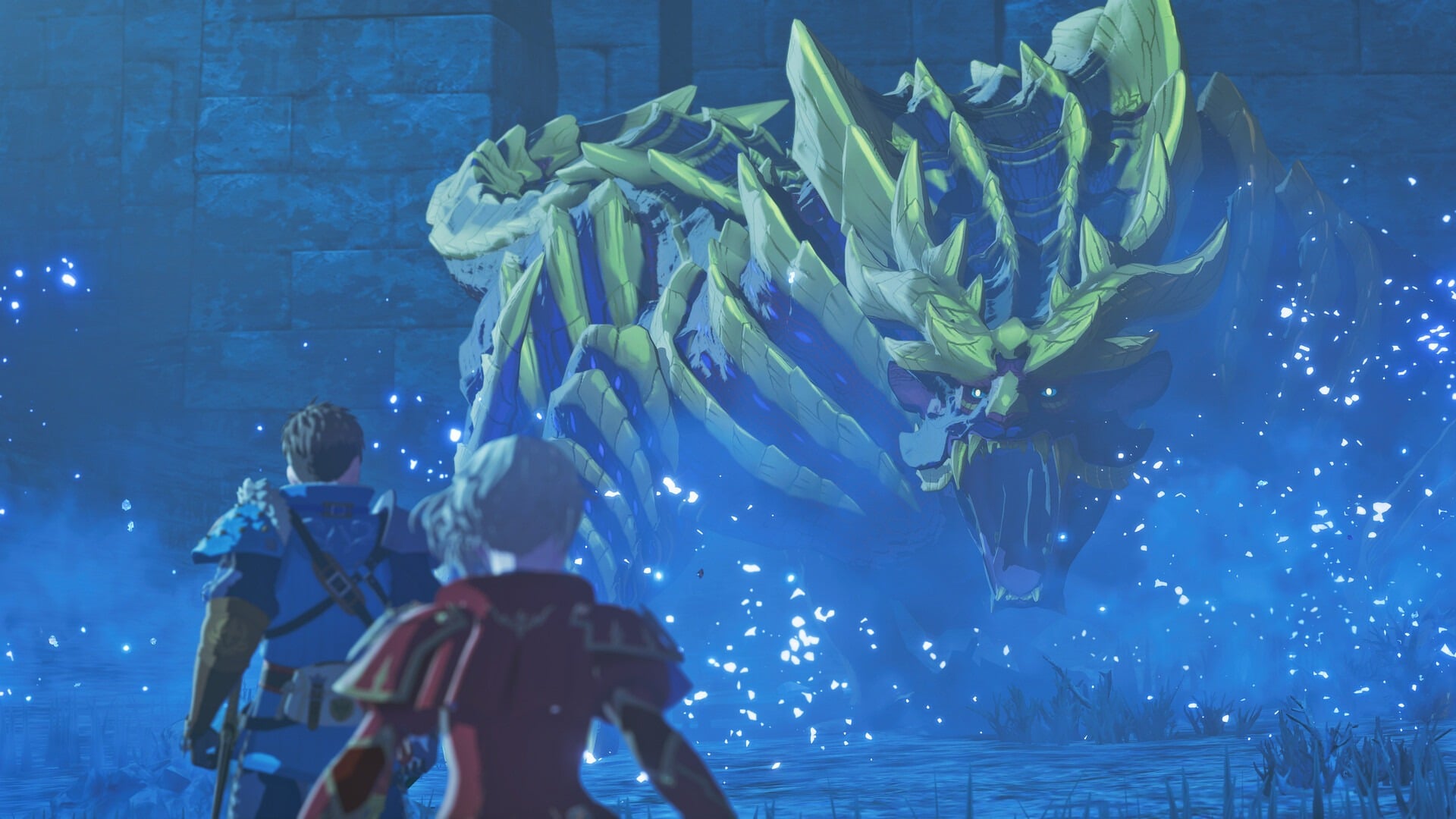
Lead designer Wakahara found his own sticking point in the game’s invasive monsters. In the final game, these puzzle bosses require players to figure out unique solutions to defeat them, regardless of their actual damage output or strength. However, the initial plan was for players to avoid them entirely.
“From my perspective, I think deciding on how the game was going to end was quite difficult… as development progressed, that became more and more of a challenge.”
“There was one big feature that was cut or radically changed, and that was related to the invasive monsters,” Wakahara told VGC. “In the final game, they took the approach of their, you know, very strong monsters that appear under certain conditions and in certain areas, and you can’t actually defeat them through ordinary battle damage.
“They kind of have a puzzle mechanic where you need to figure out how an invasive monster can be defeated. And only if you do that will they actually retreat and you’ll get access to their sort of egg or den. That was the final spec of what ended up in the game, but it was actually very different earlier on in development.”
He explained: “The original concept was completely different. It was almost like a horror approach where these invasive monsters were pursuing creatures that were going to chase you down. You’d be exploring like a dungeon-type area, and it would be like a game of tag where they’re trying to catch you and you have to avoid them.

“And if you managed to do that successfully and in a certain way, then you would count as having sort of survived the encounter with the invasive monster and that was how you’d get access to the egg or the den.”
Ultimately, the original idea for the Invasive Monsters was deemed too resource-intensive to put into practice. “It was really fun and I was really on board with it, but the director just ultimately said, ‘ Look, the resources to make this are going to go way out of control’,” Wakahara said.
“He saw from an early stage that, as fun as it was, there needed to be a bit of a hard decision made in terms of the realistic development schedule and cost, and we had to cut it. And, you know, I’m still very happy with how this how the feature ended up, but it was totally different before that decision.”
Simon says
All three developers we spoke to expressed relief at the positive reception Monster Hunter Stories 3 has received since its March release, considering the changes they decided to make with the third instalment. Currently the game has a Metacritic score of 86, which makes it one of the best-reviewed games of the year so far, and the highest in the series.
“As the lead game designer, I was again hoping for a positive response to the various changes and improvements we made, going from Stories 2 to Stories 3,” said Wakahara. “The battle system in particular was changed a lot and we had new features such as the habitat restoration.
“And again, while I was confident that we’d done the best job we could with them. You know, you’re never quite sure until the game is released exactly how the players will respond to such things. So, it was a relief and a pleasure to see so many positive responses to those improvements and those new features.”
Kawano said he had similar anxiety about how the game’s new art style would be received by players. “I was really happy that I didn’t really see many negative comments at all on social media, for instance, about the art direction of the game. It was a slightly updated style for this one, but it looks like it went down well with the player base broadly. So again, I was really happy about that.”

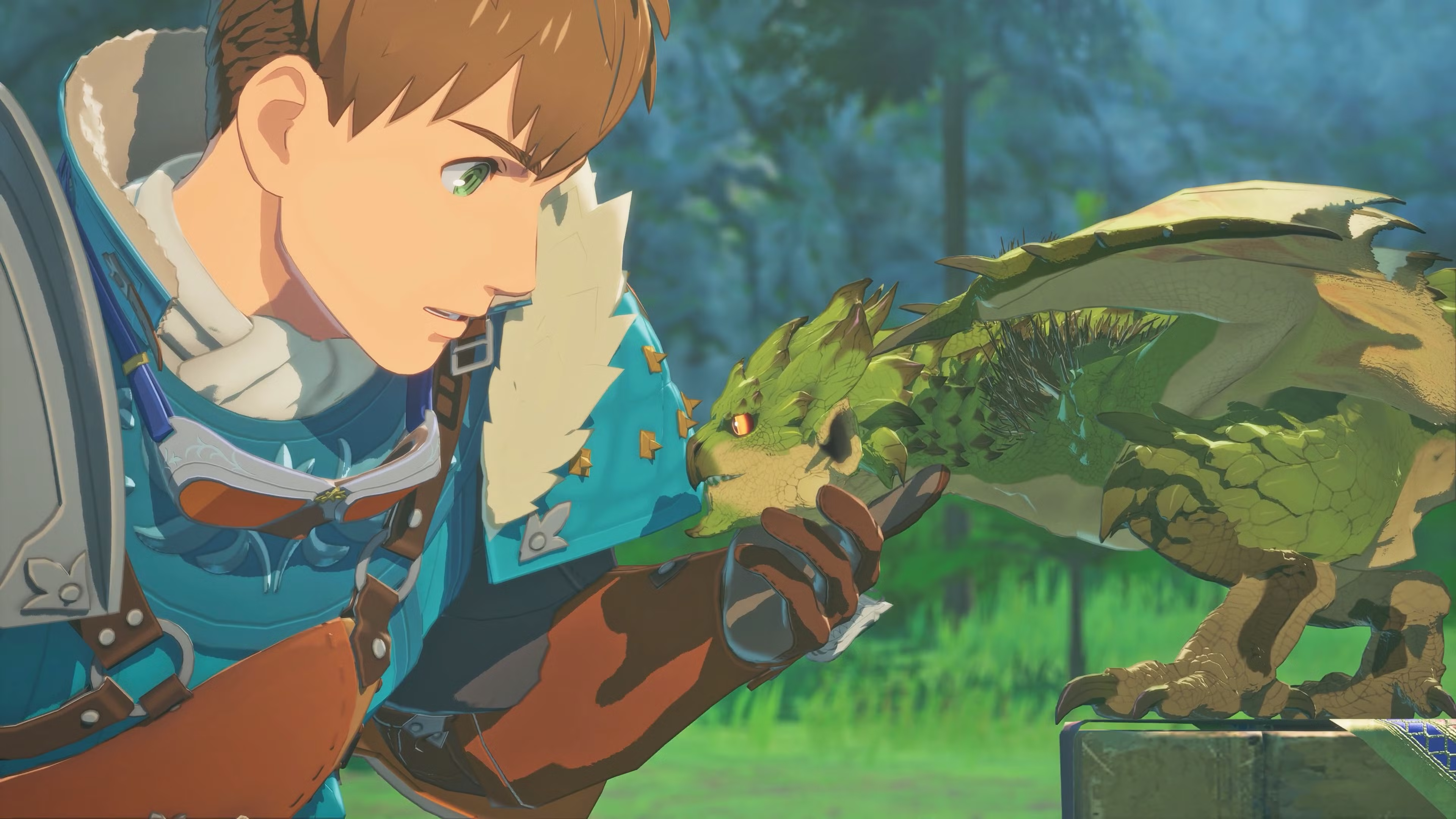
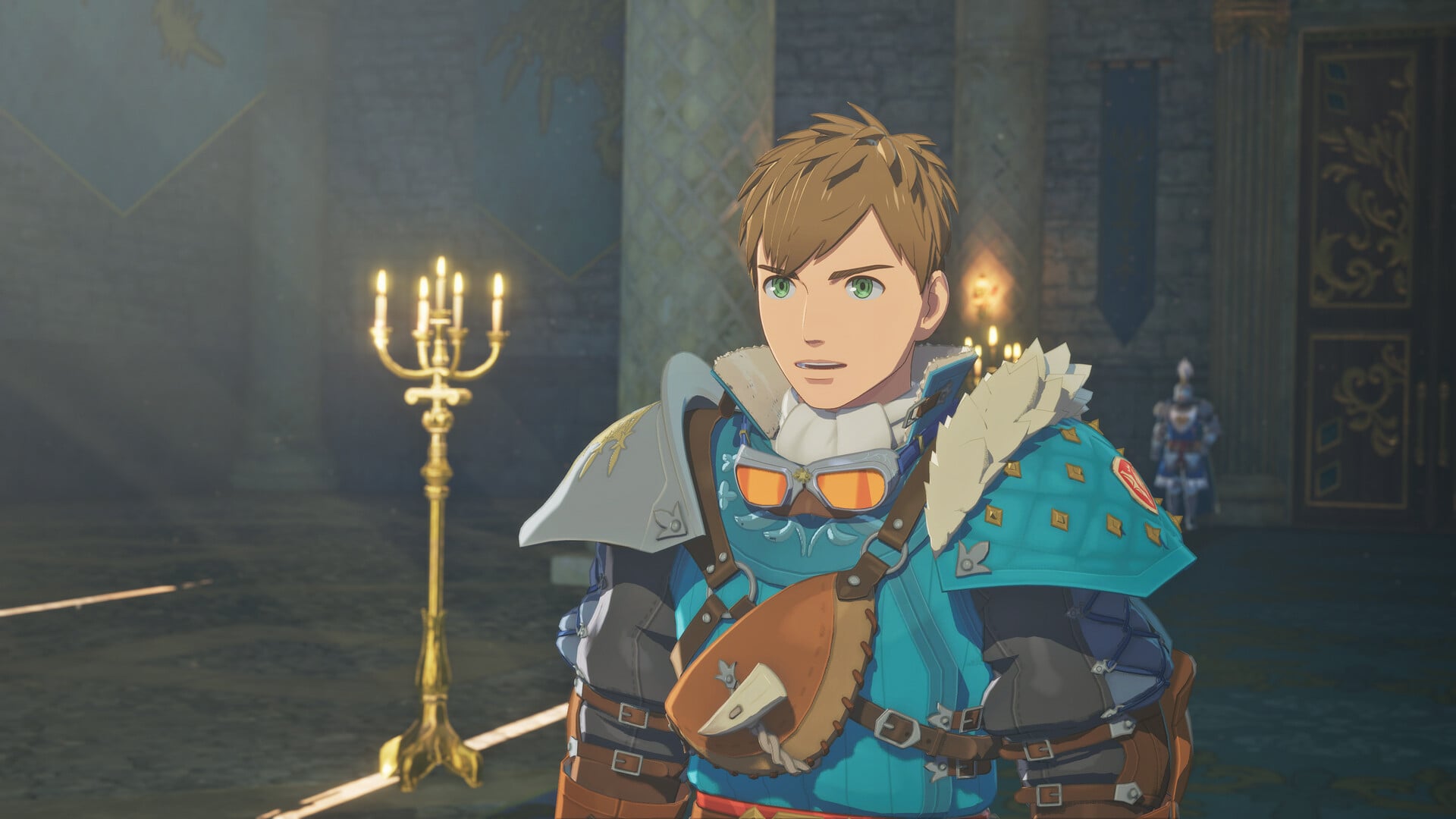
Wakahara said he was particularly surprised by the reaction from players to Simon, who is a key character in the game’s narrative. “The huge reaction to him was really surprising. He was very popular. I was looking mostly on Japanese social media, but there were tons of fan art and positivity around him. So, in a good way, I was really surprised at this character, apparently went down so well with players.”
For Oguro, as director, his biggest takeaway from Monster Hunter Stories 3’s development is, perhaps unsurprisingly, delight that he got production to the finish line in a smooth fashion – especially considering this was the first entry developed entirely in-house.
“I was really pleased as director with what we were able to achieve,” he said. “I’m not just the director of this game, but also sort of a department head at Capcom. And my approach to team building and teamwork is always that I want the team to be able to work hard, but also have a lot of fun in developing games. And I don’t want them to get excessively stressed.
“I think that we were able to achieve that with this. You know that the team will definitely work hard on a game, but I think we all enjoyed it too. And I think that passion and enjoyment really shows through in the game itself. And that’s what players have responded to.”