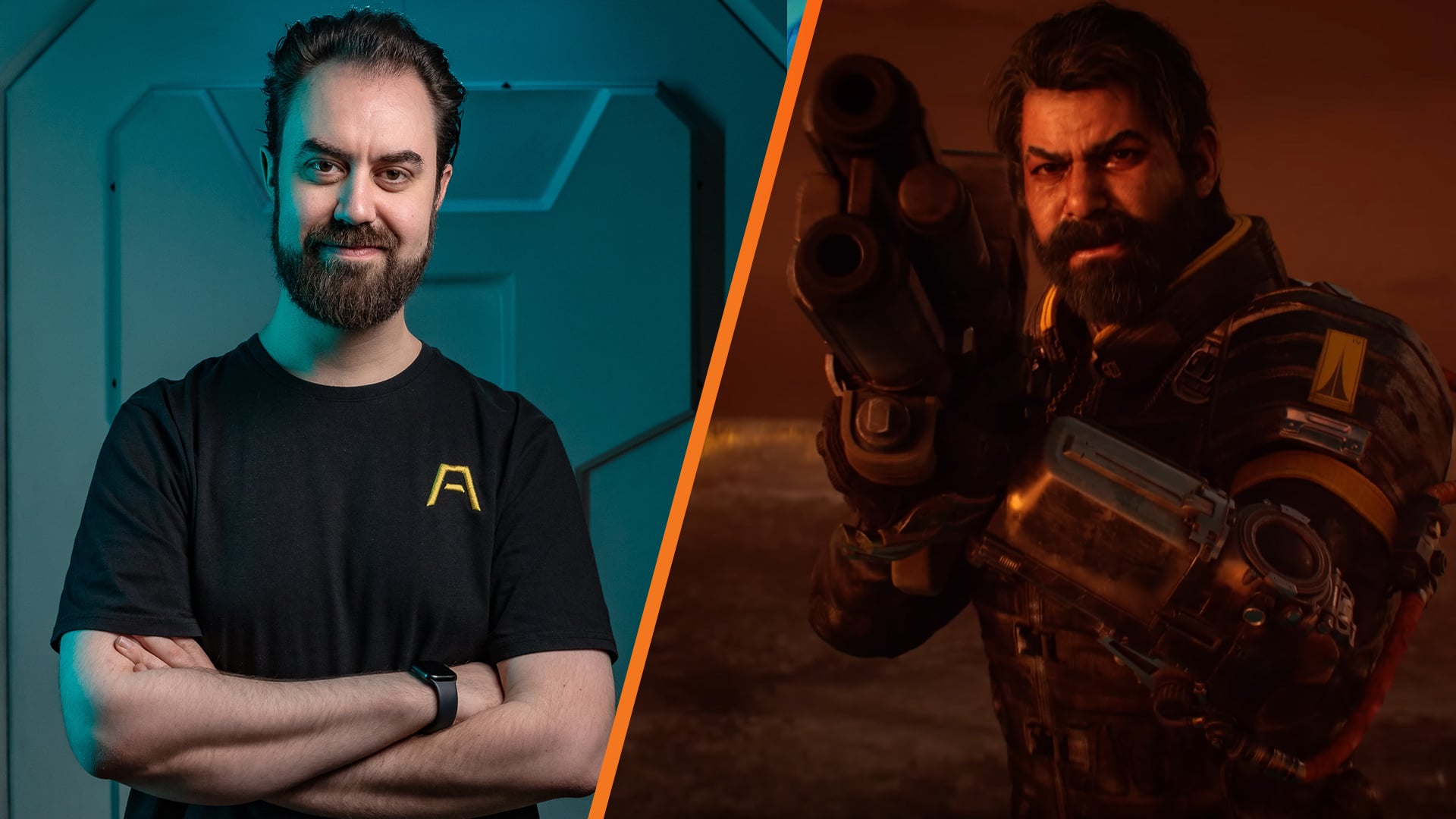
‘It’s a different kind of anxiety’: Suda51 tells us why Romeo is a Dead Man is crucial for Grasshopper
The studio CEO also chats about his wrestling game mentor, and where tourists should visit in Japan
It’s only been a short while since I last spoke to Goichi Suda (best known by his alias Suda51).
It was only back in December when the endearing founder and CEO of Grasshopper Manufacture reached out to VGC for a chat about the studio’s decision to step into the world of self-publishing for the first time, with its action adventure game Romeo is a Dead Man.
As a result of this self-publishing journey, Suda has been travelling the West on a promotional tour to spread the word about Romeo is a Dead Man, in the hope to drum up more attention to the release of the game.
It’s little wonder, to be fair. Romeo is a Dead Man is an extremely important game for the studio, because its success could determine how it publishes its games in the future – or indeed, whether it will actually be able to publish any at all.
When Suda visited the UK last week as part of his tour (along with Grasshopper community manager and translator James Mountain), I caught up with him again – this time to discuss the content of the game itself, which I’ve been playing for review, as well as his former mentor and his recommendation on where tourists should visit in Japan.
We’re only a couple of weeks away from Romeo is a Dead Man’s release. Now that you’re pretty much ready to go, how did development go this time, compared to other Grasshopper projects in the past?
We’ve done a lot of games in the past, obviously. We’ve had a lot of projects that were just generally really tough all the way through. Every project has its ups and downs. Romeo, just like anything else, has had its ups and downs too. Some things were pretty rough. Some things went relatively smoothly.
Even with projects that ended up being pretty rough the whole way through, they always end up becoming good memories, something I’m able to look back on fondly.
Again, with Romeo – just developing a game at all, it’s rough, it’s hard work – but with Romeo, while we did have some rough patches and some things were a bit tough to work out, or things we weren’t able to do, things we weren’t able to get working for a long time, I’m really confident at this point that it’s definitely going to be one of those games that I’m able to look back at and be like “yeah, that was good, I’m glad I did that”.
You get a lot of third-person action adventure games where after a couple of levels you have a rough idea of how the rest of the game is going to play out, but Romeo keeps throwing new ideas at the player throughout. How do you plan a game like that? Is it a group setting where everyone just gets together and throws ideas at the wall? Do a lot of ideas get thrown out? How do you bring all these disparate ideas together and manage to form it into one solid piece?
We’ve made different types of games, different styles of games, but when we make a ‘real’ Grasshopper game, there’s a lot of stuff that generally tends to be similar throughout each game.
For example, they’ve got a lot of blood, they’ve got some kind of purposely stupid stuff in it, you know. And a lot of the people in the studio have been working there for a long time.
So especially the veterans and the guys who are leading their own departments when we’re making a – I guess you could call it more like a ‘standard’ game – everyone has their own part, they know what to do.
These guys will be working on this side mission, these guys will be working on, say, effects, backgrounds, whatever. And then every few days, every week or so, we’ll have a meeting and they report and say “okay, here’s what we’ve been doing, here’s how it’s turning out” and I’ll check it and go “okay, that’s cool, keep doing that”.
And we just kind of go around like that, you know, and everyone has an idea of what’s expected. They have an idea of what they need to do, how to make it a Grasshopper game and how to make it the game that we’re trying to make.
This time though, it was a lot different. About two years ago we realised “okay, we’re going to have to rethink this entire project”. We sat down and did the math and everything.
And both myself and Ren Yamazaki, we looked at everything over and realised “oh shit, like this is going to go way over budget. It’s going to go way over schedule.”
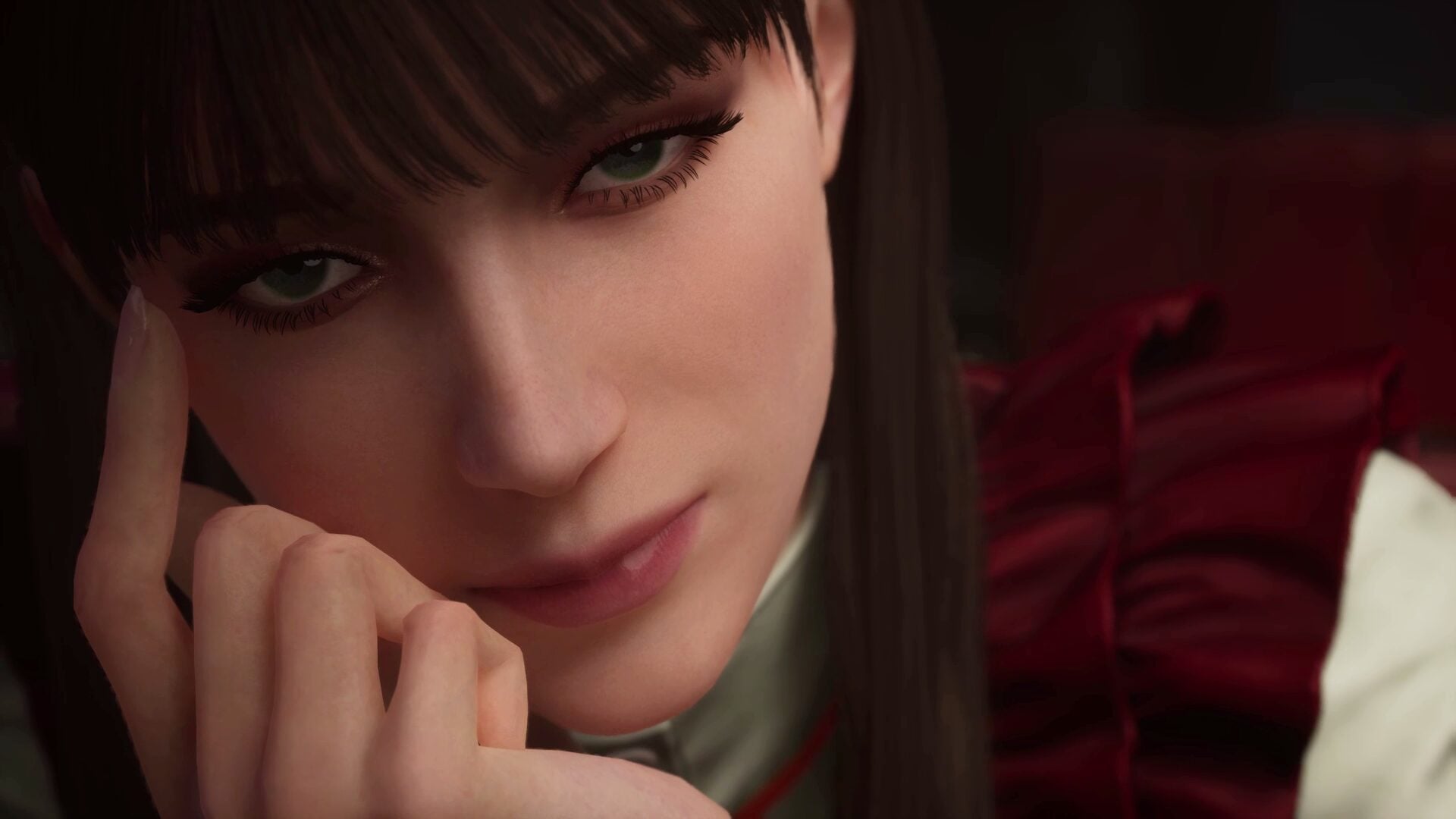
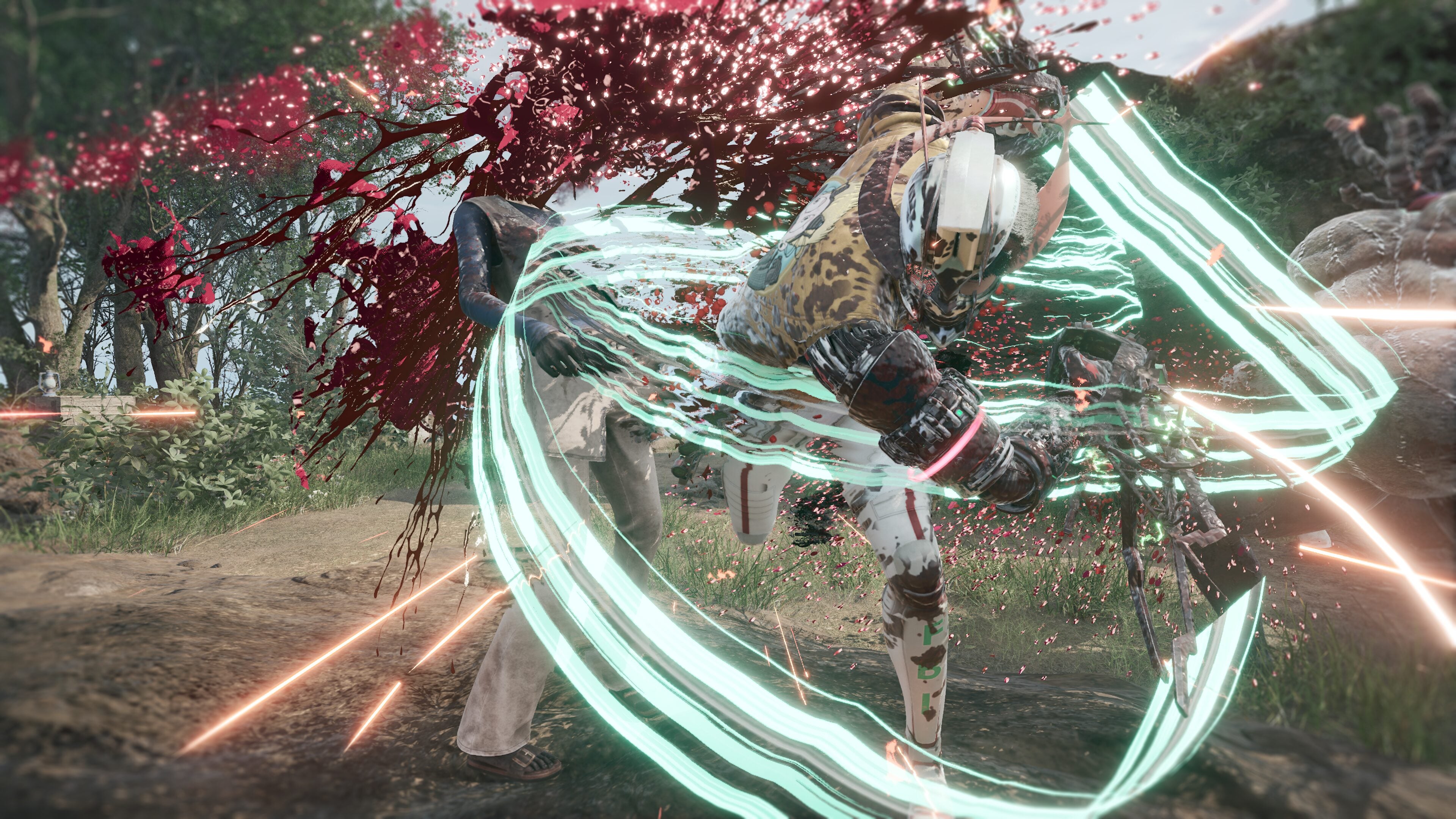
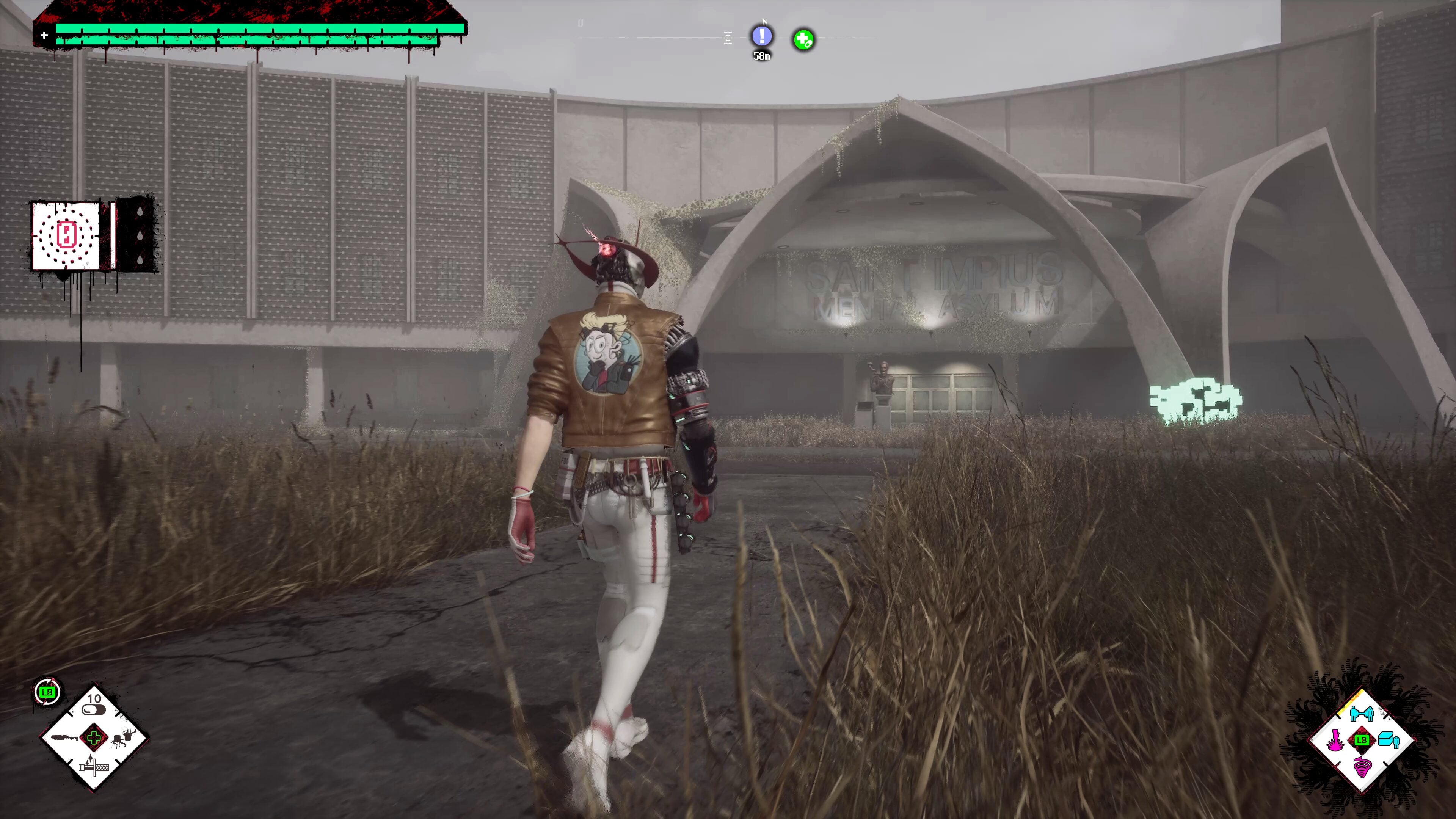
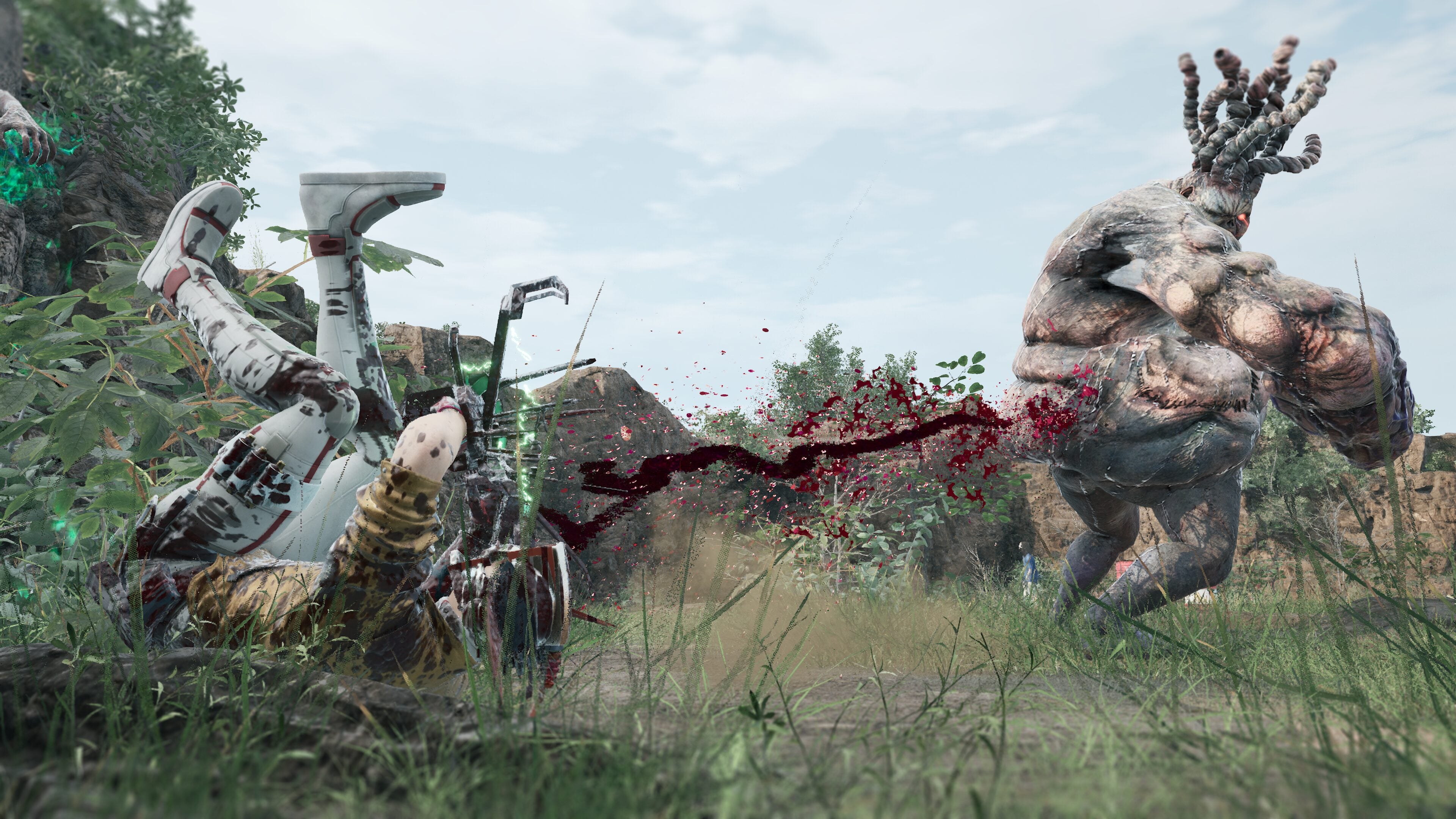
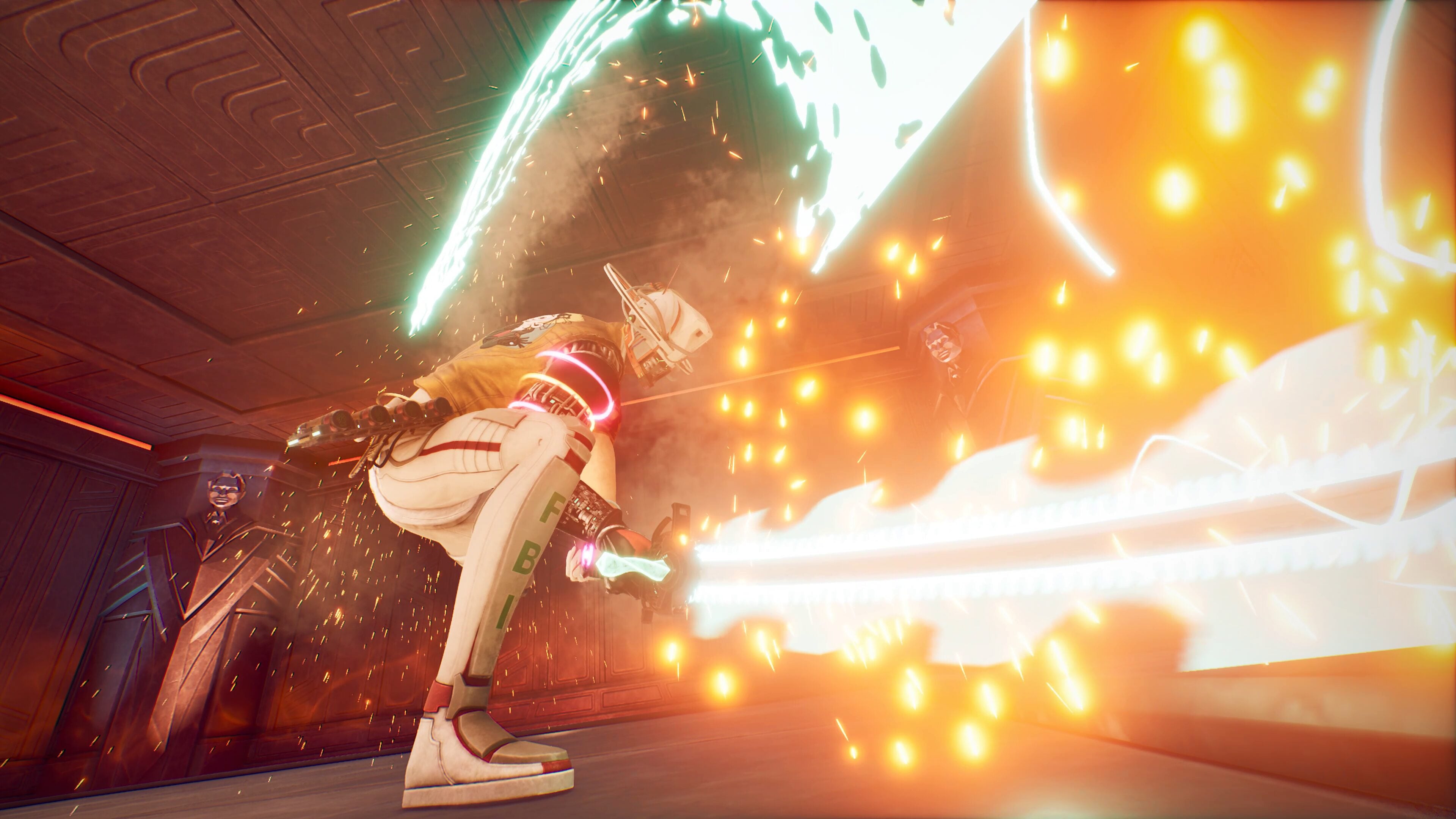
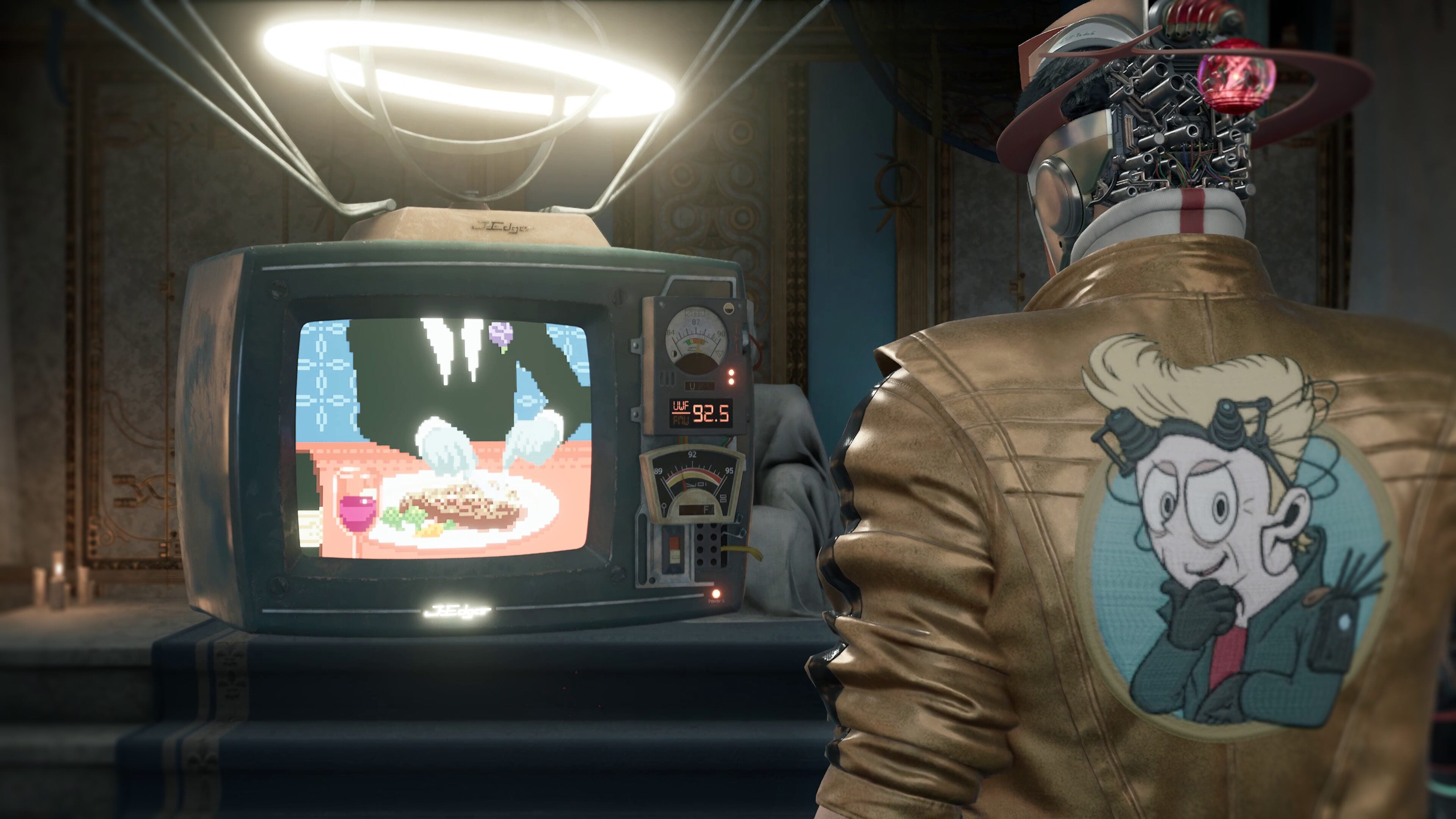
We realised that if we made the game that we were trying to make, the exact way we were trying to make it, it was going to go at least a year over schedule, and it was going to go several dozens of millions of yen over budget. And we were like, “okay, this is not going to work out, so we’re going to do something about this.”
And we decided: “We don’t want to just completely throw it away and strip everything away and start over again. We want to keep the core elements and everything that we have, the core ideas and everything. What can we do to make it not the game we started out to make, but a different iteration of that and still make it cool, and also make it within our lifetimes, with a reasonable amount of money?”
So, I came up with a lot of ideas myself. Ren Yamazaki came up with a lot of stuff. We talked to the different people in the studio about what kind of ideas they have, what they can and can’t do. I threw a bunch of stuff out and some things were like “yeah, let’s do that”, some things were like “no, we can’t do that” or “no, but we’re going to try anyway”, you know?
So a lot of these different ideas – the different art styles, play styles, themes and everything – partly came out of necessity, because we had to drastically change the entire schedule and how it was being made. And some of it came out of, kind of like you said, just sitting around having a meeting and being like “hey, how about this,” “how about this,” and seeing what sticks to the wall.
Not to sound super narcissistic or anything, but as a director, I feel this time I really nailed it as far as getting everything together and making all these different elements work, and making sure that it was within schedule and budget and everything.
To put it in medical terms, I feel like I took on the most complicated brain surgery in the world and I’m like “yeah, that brain’s perfect, I nailed that brain surgery there”.
“To put it in medical terms, I feel like I took on the most complicated brain surgery in the world and I’m like ‘yeah, that brain’s perfect, I nailed that brain surgery there’.”
In terms of your own ideas being implemented in the game, your love of the Smiths is in there again. The first boss is called Every Day is Like Monday, and the hub ship is called Last Night, which I’m assuming is a reference to Last Night I Dreamt Somebody Loved Me. Does anyone else on the team actually like the Smiths, or by this point is it a case of “look, just deal with it, it’s happening?”
[laughs] Actually, yeah, there’s one guy in the studio who’s actually working on the game who’s into the Smiths. Sometimes he wears Smiths t-shirts to try and look cool in front of me and stuff. I don’t think anybody else in the studio knows or cares about them, so it’s just the couple of us and everyone else is like “okay, whatever, sure”.
So everybody in the studio is probably thinking, “why the hell is this boss called Every Day is Like Monday? What the fuck is that?” but then it’s like “okay, sure, whatever, we’re going with that, I guess.”
Chris-san, you haven’t cleared the game yet, have you?
Not yet. Nearly!
In that case, look forward to the name of the final boss. I think it’s an awesome name. It’s a perfect name for the boss.
Is it just ‘Morrissey’?
[laughs]
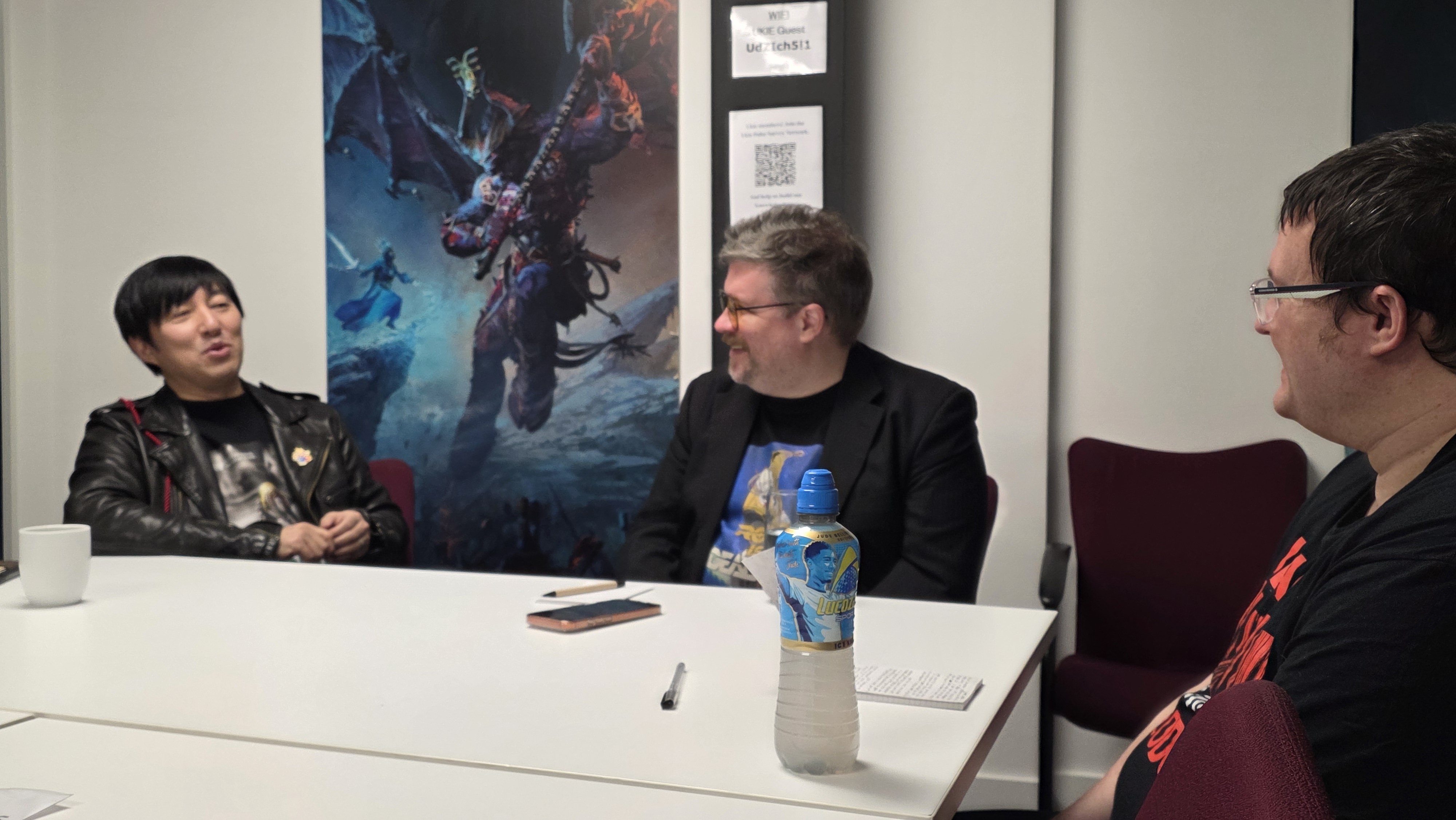
The last time we spoke was about a month and a half ago, when you were announcing that Romeo is a Dead Man was going to be self-published. Obviously every release is important but it feels like there’s a lot more riding on this one. Is that the case? Is there even more anxiety than normal going into the release of this game, and is it even more important than usual that it does well?
Yeah, some of it is exactly that, having a bit more anxiety than usual. Up until now, we’ve always had, at the very least, some sort of support from publishers, parent companies, whatever.
For example, when we did Shadows of the Damned, we had NetEase, and they were the publishers. So, they took care of all the publishing stuff. Stuff that we’d done back in the day, like the No More Heroes games and stuff, it would be us and Marvelous, we’d even have Nintendo helping out with stuff.
It was always different levels depending on the title and who we were working with and everything, but there was always at least some sort of support and some sort of backing and some stuff that we didn’t really have to worry about because “okay, they’ve got that taken care of”.
But this time, we really are doing everything completely on our own, all the publishing and everything. So it’s a completely different kind of anxiety and a different kind of workload than the games that we’ve done up until now.
There’s a lot of stuff about publishing that we didn’t know shit about until we actually started doing this ourselves. So, instead of saying “okay, we want to get this up on Steam” and telling somebody from the publisher or the parent company and they’re like “okay, we got that,” then a few weeks later, getting some documents to sign, now we’ve got to figure out “how do we get a game up on Steam”, “who do we talk to at Xbox”, “who do we talk to at Sony”, you know?
“There’s a lot of stuff about publishing that we didn’t know shit about until we actually started doing this ourselves.”
So, we’re doing stuff like “oh actually, I know this guy who’s put a bunch of stuff up on Steam and he’s helped people get stuff on Steam”, or “he knows some guys at PlayStation and stuff”, and having people introduce us to people, and have people we know who have experience with this aspect of publishing walk us through the process.
We’re really learning as we’re going along, so that’s made it significantly tougher than not having to deal with all that shit, you know?
But, at the same time, since we’re self-publishing, we’re learning a lot, and that’s a good thing. We’ve become a lot better at finding our way, navigating our way through all this publishing-related stuff. And there’s good things about self-publishing and doing all this stuff on your own, too. For example, if the game sells really well, then we make more money off it. It’s more thanks to us as opposed to thanks to these other guys who sold it for us or something.
This time with the promotional tour we’re doing, we’re trying to make sure to get the word out there as much as we can. And, yeah, we’re really hoping for a bunch of reasons that the game sells well and people actually go out there and play it and like it. Because it’s definitely a completely different beast than just straight-up development – even if you do all the development all by yourself, having any sort of publishing support and not having any at all is completely different.
You can tell by playing the game that the team has poured absolutely everything into it. When you add the extra anxiety of self-publishing on top of that, when the game comes out are the team going to have a rest for a while? Will you allow yourselves at least a week to breathe, or does the nature of development mean you’re already on the next game?
Well, Japanese labour laws are pretty strict, and we have to follow those these days, technically, so once the game is out there will be people taking breaks. Even before it comes out there have been people whose part is completely done, people who have been putting everything into this, once in a while it’ll be like “okay, apparently this dude’s out for the next two weeks” or “this guy’s taking a week off”, and that’s totally understandable.
As for me personally, I’m not going to be taking an extended break or anything, I’m just going to be working and working. As far as the studio itself goes, yeah, we’re pretty much jumping right into the next stuff. Individually, yeah, there are going to be people who are like “okay, I just need to lie down for a couple of weeks now”.
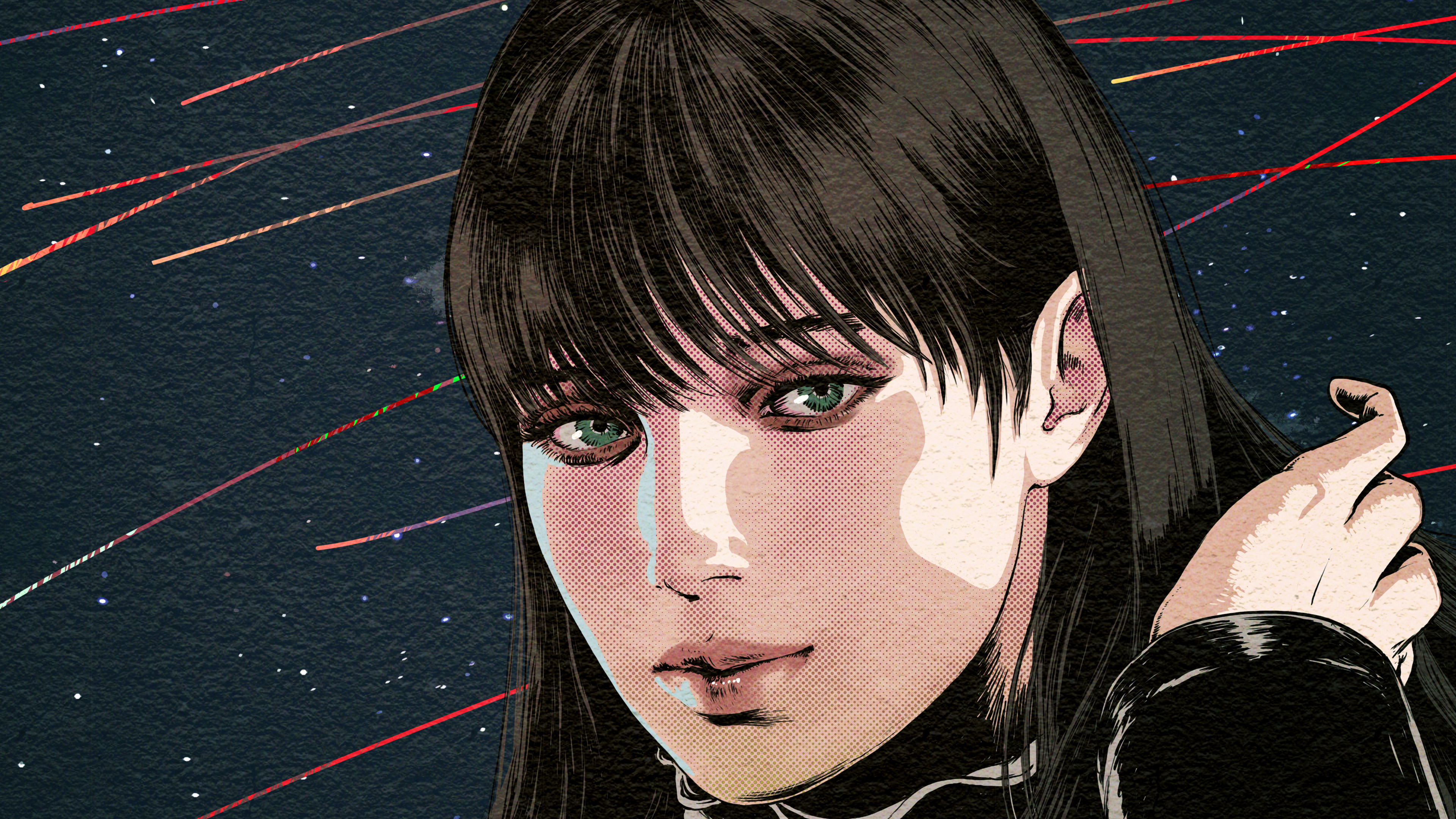
Not to make either of us feel very old, but it’s coming up to 20 years since our first interview together (for No More Heroes). If you could travel back in time – like Romeo does in the game – and meet mid-2000s Suda51, but instead of assassinating him you gave him advice for the next 20 years, what would you tell him to do, and what would you suggest he avoid?
If I were to go back 20 years and give myself some advice, the first thing I can think of is there’s a couple of things that over the years I’ve done to piss off my wife. I would be like, “hey, knock that shit off, don’t do that”. That would be the first thing.
The second thing is – this is kind of a hard one – there have been times when Grasshopper was sort of in the shit. You know, it’s like “okay, we’re in a real pinch now, what do we do?” And now that we’ve been through that, that’s in the past, we’ve experienced it, and I know how it turns out and everything, I could go back and give myself the advice: “Okay, so when this happens, this is what you need to do, or this is what you need to not do.”
But at the same time, I don’t know if that would be a good thing because if I did that, that might, like, alter the timeline or whatever, you know? It could change the future or our present. So, I don’t know if that would be a good thing, if that would make things better, if that would make things worse.
SUDA’S TRANSLATOR: “Hey man, you never know, you could be, like, the CEO of Nintendo.”
What the fuck are you talking about?
Going back to your habit of referencing other things in your games, the upgrade material in Romeo is a Dead Man is called Emerald Flowsion, which I’m assuming is based on the wrestling move. I know you started your career working on the Fire Pro Wrestling series, and you’ve had references to wrestling in previous games – do you still keep up with pro wrestling these days, or is that more a nod to the past?
I do still watch a lot of pro wrestling, but I don’t really follow current pro wrestling at all. I mainly watch really old-school matches and stuff. If you go through Twitter, there’s so many old matches and clips that you can find. I’ve been watching a lot of stuff like Antonio Inoki before he was in New Japan Pro Wrestling – when he was in the NWA and stuff like that, before it was really a thing in Japan. Stuff mainly from the ‘70s, ‘80s, maybe up to the early ‘90s or so.
For me, time has just stopped as far as pro wrestling goes. It’s just that era. I watched lots of stuff from back then, but as far as the current stuff goes, I don’t really know what’s going on anymore.
I have a follow-up to that, and if you don’t want to answer because it’s too personal, that’s fine. Back in 2014, Masato Masuda passed away at the age of 48 – it was actually thanks to your tweet at the time that I found out about it. Because he was mainly known as the creator of the critically acclaimed Fire Pro Wrestling games, and because the vast majority of those weren’t released in the West, there’s not a lot of English-language information about him. As a big wrestling game fan myself, I’d love to know more about him, especially from someone who worked with him.
It’s really kind of a shame that he’s not really that well known in the West, and there’s not a lot of information or interviews available outside of Japan. He’s basically the guy who is responsible for wrestling video games being a thing.
The company that I started out working at in the games industry, Human Entertainment, you know they did the Fire Pro Wrestling series, those were all basically his brainchild, and those were pretty much what started pro wrestling video games being a ‘thing’ in Japan.
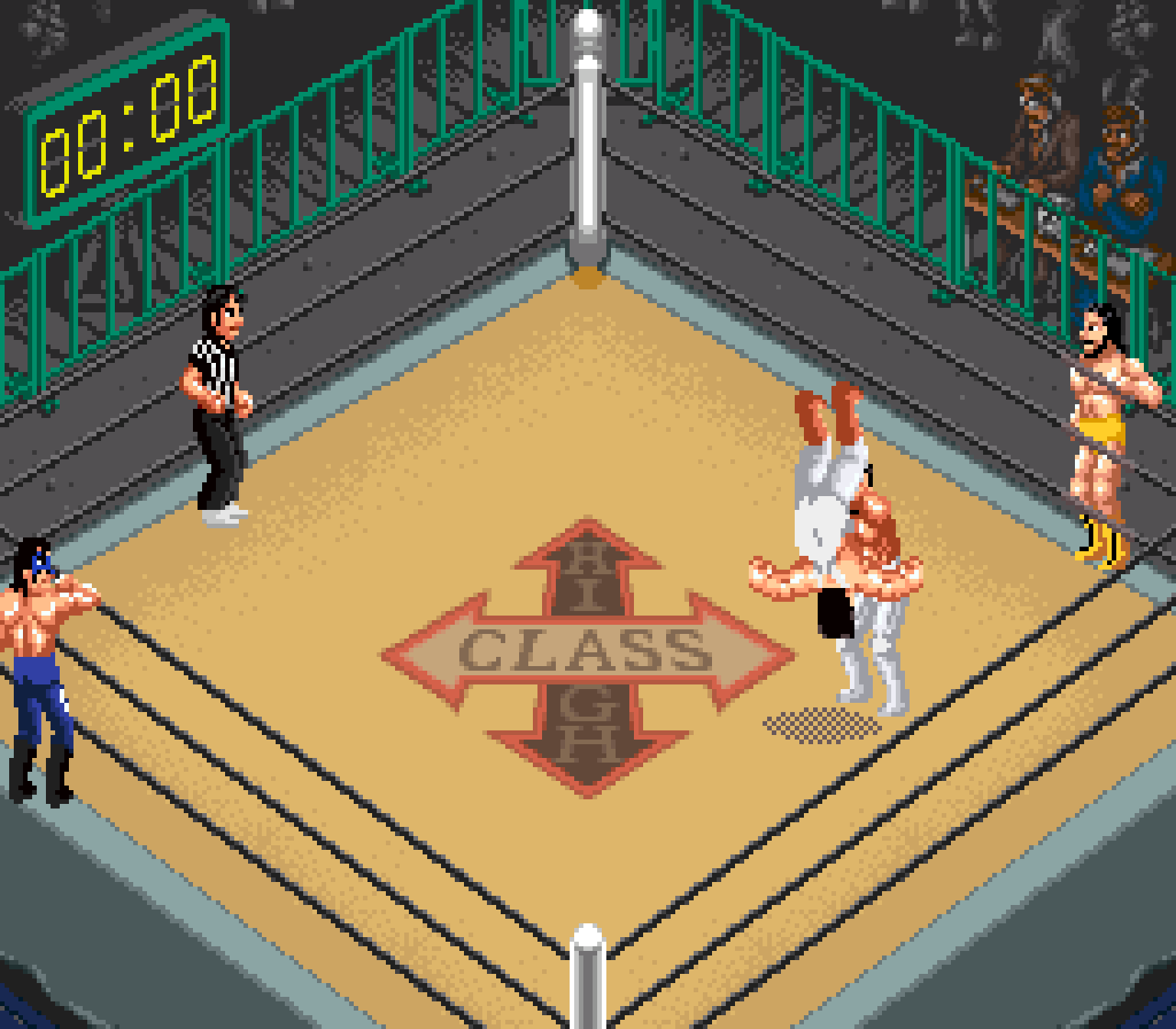
He was really like a mentor to me. Within Human itself, it was kind of complicated – Human actually started the first video game school in the world. And in that school, there were like three types of people there. There were people who were just starting out their career, they just got out of high school or college and were joining up to learn how to make games and enter the company later.
There were people like myself who joined sort of part-way through to brush up my skills and stuff. And there were people who had already been working in the industry for a while and joined up to, again, further brush up their skills, learn some new stuff, whatever.
Then on top of that, you had Human itself making the games, and at the top of that were these really high-level guys, one of them being Masato Masuda. And for most of the high-level guys, especially when I was attending school there, there wasn’t really the feeling that you could just go up and say “hi” to these guys or ask them how their day was, or ask them for advice, you know.
There was just a sort of distance and it was kind of “okay, these guys are too high up for me, they’re not going to deign to talk to me or anything”.
But Masuda was completely different. He’d actually come up to me, and he’d talk to me, and he’d give me advice and I could approach him. And he’d come to me and be like “oh, hey, Suda, by the way, we’re going to have you leading the next Fire Pro game”, and he was super helpful.
The first game that I worked on and the second game that I did for them – which were Super Fire Pro Wrestling 3 Final Bout and then Super Fire Pro Wrestling Special – those games were able to exist in the first place, and I was personally able to work on those, thanks to Masuda himself. On top of the whole “he basically started the pro wrestling genre” thing, of course.
Obviously I have a lot of respect for him, but I feel like ‘respect’ is not exactly the right word, because that kind of feels like somebody who’s a bit distant from you, or someone who’s a bit higher up, or whatever. But when I think of Masuda, I just get this feeling of warmth.
Instead of him being this guy all the way up on this pedestal, and thinking “I could never be friends with him, I could never attain that level”, he really was a really close mentor who taught me all kinds of stuff, and took care of me, and guided me along, and made sure that the stuff I was trying to do was able to get done. He’s the one who set me on the path to where I’m at today.
“Instead of [Masuda] being this guy all the way up on this pedestal, and thinking ‘I could never be friends with him, I could never attain that level’, he really was a really close mentor who taught me all kinds of stuff, and took care of me, and guided me along, and made sure that the stuff I was trying to do was able to get done. He’s the one who set me on the path to where I’m at today.”
So, again, yeah, it’s a shame that there’s not a whole lot out there about him, and he’s not very well-known outside of Japan. But he’s definitely somebody who deserves a lot more credit and – what’s the word? Not familiarity, but I guess recognition from game players, especially people who are into pro wrestling games.
But, if you ever get the chance, by all means, maybe do a feature on the guy or something.
Well maybe in the future, we could get in touch again and have a proper chat about him because, like I say, it’s a struggle to find English-language information on him. I was a big fan of Super Fire Pro Wrestling X Premium back in the day.
If you were going to do something like that, like an interview with me or a feature on Masuda, you should probably do that sooner rather than later. People get old and die, and you never know when I’m going to die all of a sudden.
Let’s try and raise the mood, then! I like how the sections on the Last Night ship in Romeo is a Dead Man play like a 16-bit game, and as I was writing my notes on it I wrote that it had a ‘retro’ theme. That then reminded me that when I interviewed Hideki Kamiya a couple of years back, when he was still at Platinum Games, he scolded me for saying ‘retro’ because he said it suggested a ‘fad’ from the past, and said I should call them ‘classic games’ instead. I wonder if you agree, or if you’re a bit more laid-back about it?
Yeah, I can’t really speak for Kamiya but personally I don’t see why the word ‘retro’ would be thought of in a bad way, or why it would have any negative nuances to it. The way I view the word ‘retro’ is I feel it makes something sound cool. Even in the Japanese language, the way people use the word, and the way it’s understood culturally, it’s usually something like ‘from back in the day’, and ‘good’.
I don’t know if there technically is a difference, but I don’t even really get why anyone would really care about the difference between the terms ‘retro’ and ‘classic’. But yeah, I don’t really have a problem with using the term ‘retro’.
That’s good. Every time I interview a Japanese developer I worry that I’m insulting them by saying ‘retro’, so I feel better now.
Don’t worry about it, I’ve never thought that in my life.
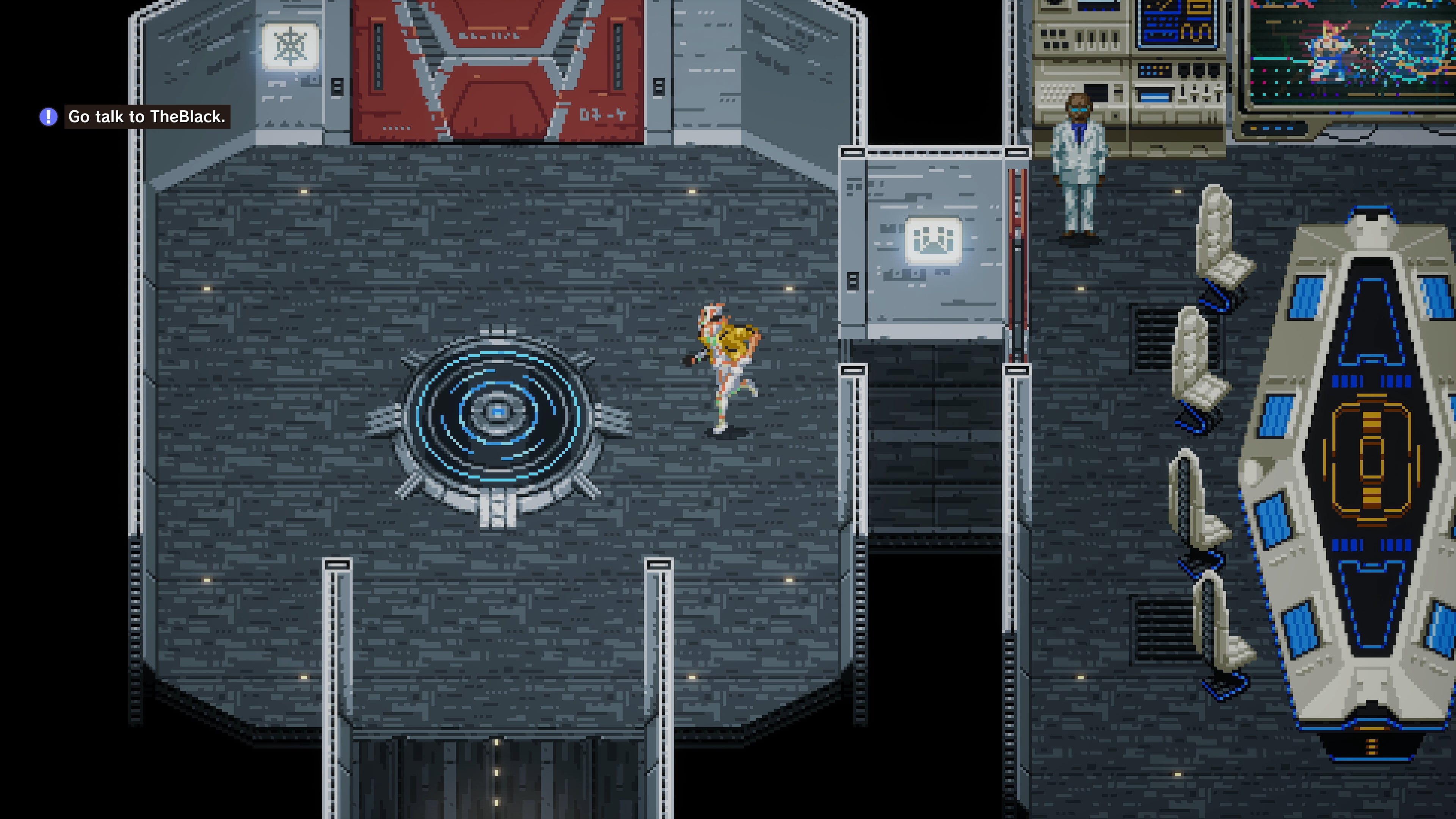
What’s next for Romeo? When we spoke last month you said that at one point the original idea was to make it a trilogy. Do you wait and see how the first game does before deciding on that?
At this point, as far as I’m concerned with Romeo is a Dead Man, Romeo’s adventure has ended, and this is Romeo’s story.
But now that he’s going to be out there, he’s part of the Grasshopperverse, which means there’s definitely a chance that he’ll be popping up at some point again. It might be his own game, it might be a different Grasshopper game in a different form, but once the character becomes part of that Grasshopperverse, there’s always a high chance that you’re going to them somewhere in some form.
It could be, again, just a complete offshoot from what we have now, the same exact dude just doing something different, but who knows?
Because members of the VGC editorial team visit Japan regularly, and a lot of our readers, especially our Patreon members, have been making plans to visit too, and often ask about where to go and where to avoid. As someone who lives there has Akihabara lost its magic like some people say? Have tourists ruined it, and are there better alternatives out there now?
Honestly, I never really went to Akihabara all that much, so I can’t really say “oh yeah, it’s totally different than before,” or “yeah, it sucks now, but it used to be great”, or the opposite. But if you’re coming to Japan and you’re looking for the kind of experience and the kind of stuff that I assume you’re talking about, one place that you should definitely check out is called Nakano Broadway. It’s right in front of Nakano Station on the JR.
Basically, that’s where you’ll find all the stuff that a lot of people are probably imagining when they think of Akihabara from back in the day. So if that’s your thing then definitely check out Nakano Broadway.
There’s a really big building in Akihabara called UDX. It has a bunch of shops and restaurants and stuff. Just the other day, I saw the news that apparently all the shops are leaving that building, and so maybe not as many people have been coming recently.
Again, I don’t really go anyway, but maybe not as many people have been coming, maybe they’re not making as much money as they used to be. I’m not really sure what’s going on with it.
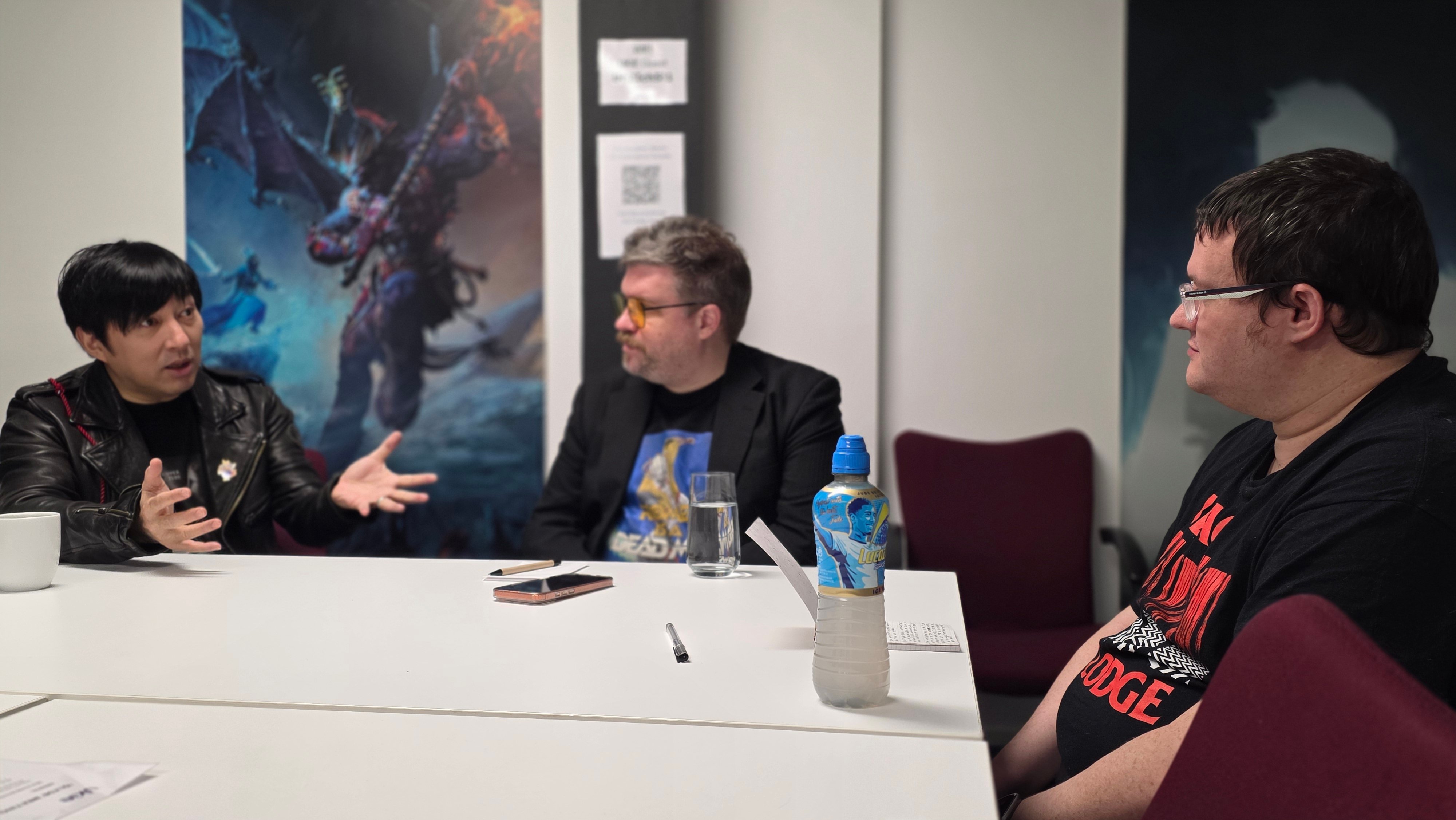
How about you, James [Mountain, Grasshopper community manager and Suda’s translator]? You’re a Westerner living in Japan now, what do you feel about Akihabara?
JAMES MOUNTAIN: “My answer would be – and this is from a completely different perspective, I’ve been around since the late 90s – I can’t stand the current Akihabara. I don’t think the kind of thing that people – when they think of Akihabara and the stuff that they want, the kind of experience they want to have when they go there – I don’t think they realize what it really was like back in the day.
“It was skanky and dirty and dank and dark. And you’d have a bunch of weird stalls lined up. And you’d have one that specifically only sold hideable video cameras that you stuck in toilets and stuff, and you’d find dudes selling all these pirated tapes of shows or anime or naughty movies and stuff, and then you’d also have these really big manga shops and anime shops and figurines and stuff like that.
“But nowadays, yeah, for the past 20 years or so, it’s become a lot more colorful and cleaned up and a lot more touristy. I went there, I think it was about 15 years ago or so. I went for the first time since probably like 2000 or so, and I couldn’t believe what I saw. I was like ‘this is completely different, “it’s clean and it’s safe’.
“And you know, if you’re into anime and games and manga and figures and stuff like that, yeah, you’re definitely still going to find all that stuff there. But again, it was more for… I think it was not just for that, but it was also more for people who were into different kinds of tech and computers and stuff, before computers were an everyday thing – you know, back when it was like “wow, you have an email address? Oh, my God”.
“So, yeah, that’s my perspective on that. But he’s also right about the Nakano Broadway thing, which also for me, is a much different experience now than it used to be. I used to live really close, I used to go there every day and play the original Beatmania in the underground arcade, and buy cool knives from the definitely-no- legal shop up on the fourth floor, and shit like that.
“But yeah, that’s definitely taken over as the place where people who are really into manga and anime and figures and all that kind of stuff, you can find all that stuff there, they’ve got a huge Mandarake there which is several floors big. It’s also gotten a lot more cleaned up than it was back in the day but yeah, they’ve also got a lot of other stuff, too. It’s all packed into one big building so you can go and you can eat, you can buy clothes, you can look for various stuff related to your hobbies. I’d say Nakano Broadway would be your best bet.”
I’ve got a final question, and it’s something I’ve started asking veteran developers. How are you in general? It’s a stressful time, it’s a stressful industry. I asked the same thing to Naoki Yoshida and he asked me how he looked. I said he looked fine, so he basically said not to worry about it then.
[laughs] The answer Yoshida gave is pretty interesting. I’m kind of thinking about that too. How do I look?
You look exactly the same as you did nearly 20 years ago when we spoke about No More Heroes.
Thanks! I’m sure part of me wants to feel like I haven’t changed over the years – “I’m exactly the same, I look exactly the same,” and so on.
Honestly, I feel like people in general, usually they’re the ones who know themselves the least, especially how they look. When you’re living life, it’s basically an FPS-style thing. You can’t see yourself and see how you’re looking and what you look like when you’re doing stuff.
But I try to be, and I hope to be, able to continue to just be the same dude that I have been. And just trying to stay in good spirits, I guess. And try not to change too much.
Romeo is a Dead Man is released on February 11, on PS5, Xbox Series X/S and PC. Expect VGC’s full review before then (but we won’t spoil the final boss’s name).