俺が作ると、引退したレオンが田舎で釣りしたり山菜採りしたりパン焼いたり犬の散歩したり家庭菜園したり50キロ離れた雑貨屋に車で買い出しに行ったり昔の仲間を呼んでバーベキューしたり隣のおばあさんに頼まれてオーブン修理したり地元の祭りで自作のレモネード売ったりするゲームになるけどいい…? https://t.co/bjraaoUcoS
— 神谷英樹🍀 Hideki Kamiya🍀 (@HidekiKamiya_X) June 28, 2026
Hideki Kamiya’s Clovers on the end of discs, Capcom’s trust on Okami 2, and Scalebound hopes
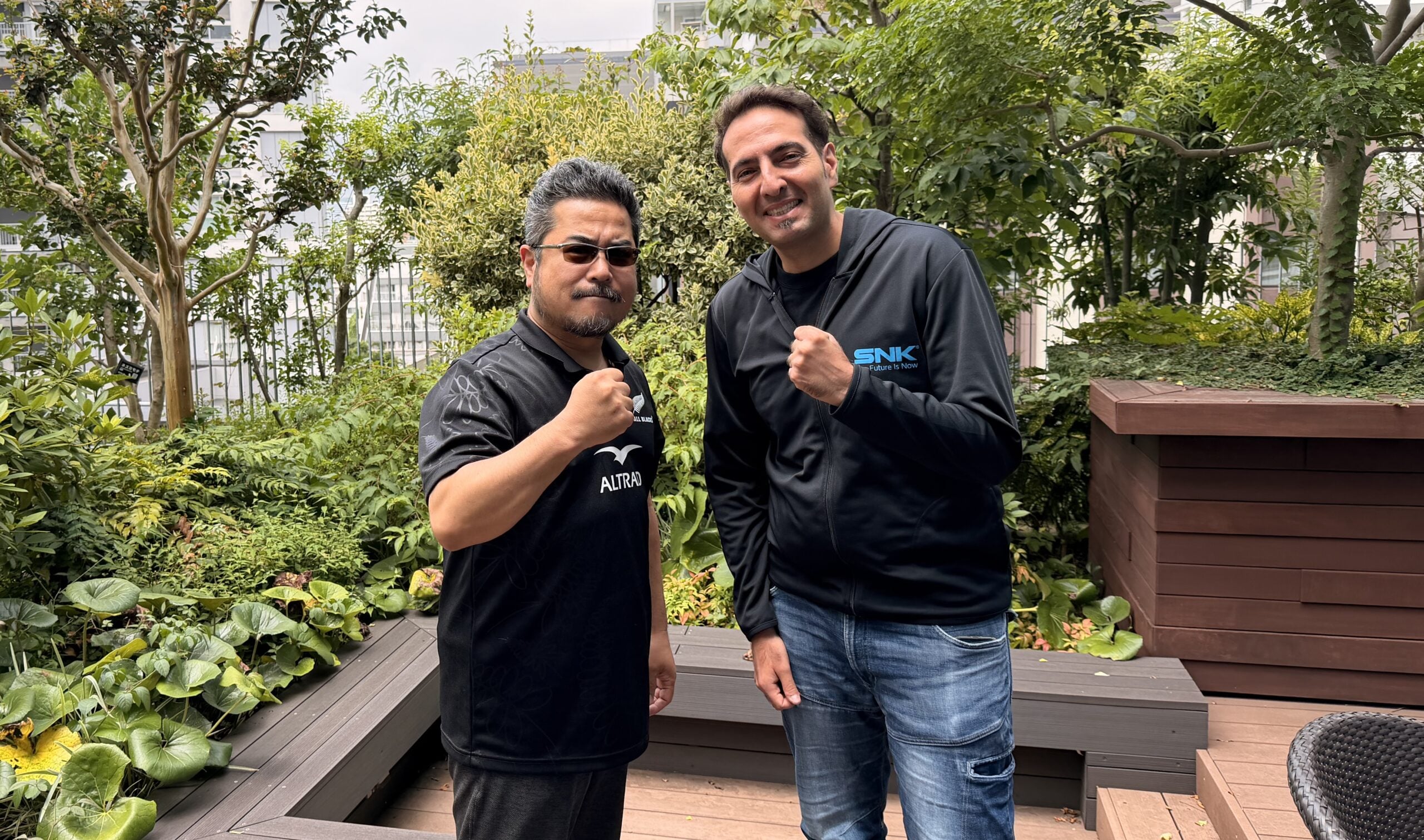
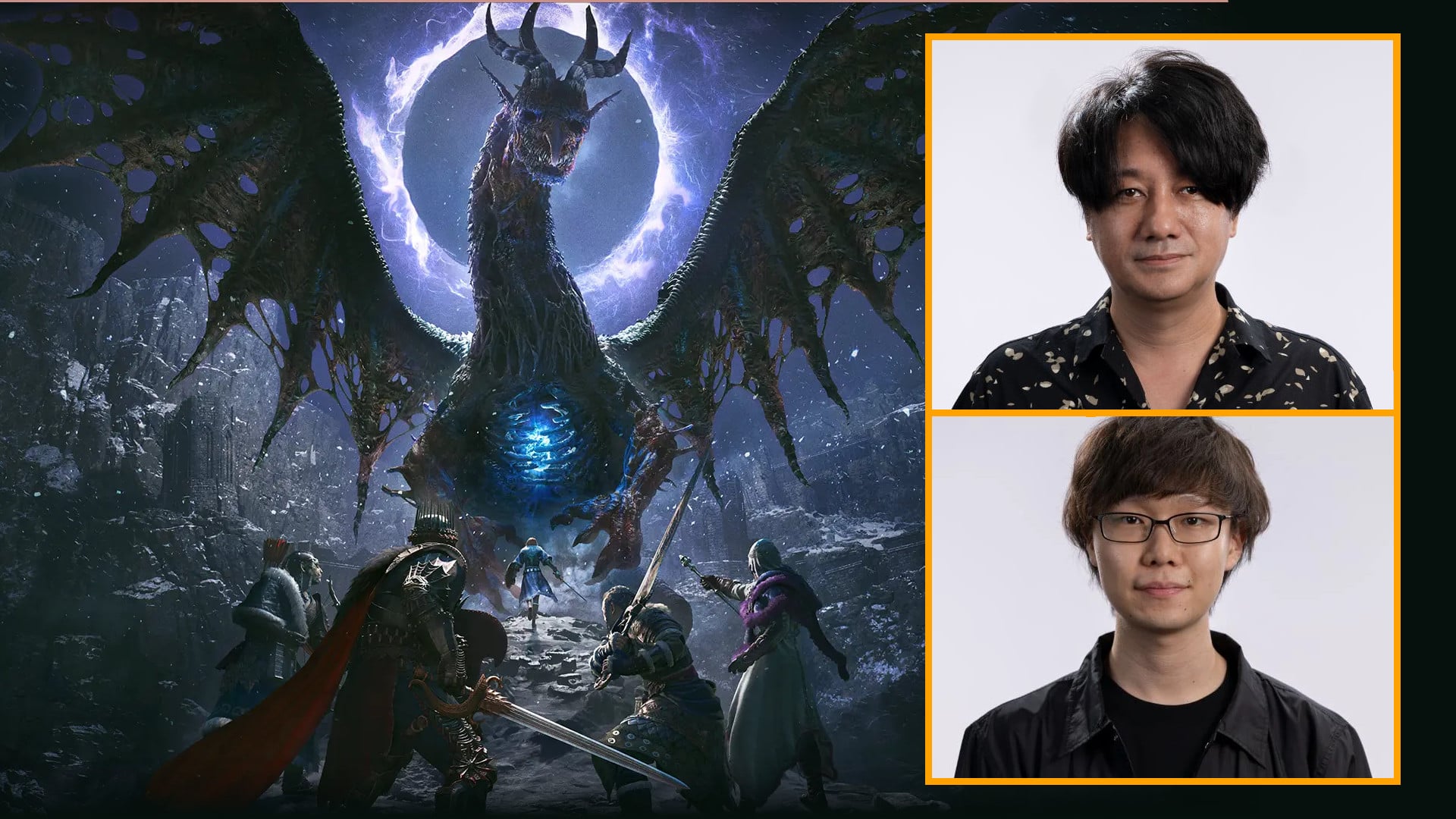
Hideki Kamiya and Kento Koyama discuss CLOVERS’ growth
You notice different things when you only see a place once a year.
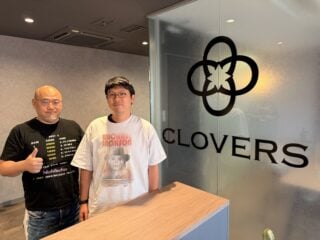
Since my last visit to CLOVERS’ Osaka headquarters last summer, the studio has grown considerably. What was once little more than a meeting room with a small annex for developers now occupies much of an entire floor. The entrance has had a makeover too, replacing its previously nondescript appearance with a brick façade and a large CLOVERS logo.
It’s a tangible reminder of how much the company has grown since its announcement at The Game Awards 2024, alongside its debut project, the Capcom-published Okami 2.
“We’ve now surpassed 70 staff, so in that sense the environment has become somewhat more company-like,” says CLOVERS president Kento Koyama.
Studio head Hideki Kamiya adds: “We often speak about, like, ‘wow, we’re actually a proper company now,’ and just the other day, we were reminiscing back to the early days when our Osaka and Tokyo offices were basically one room, and we had four or five people in each.
“Now we have this big office in Osaka, another nice office in Tokyo, and we’ve brought on more and more people. Back then, it felt like a hobbyist game design club, but now we really feel like a fully-fledged company.”
But while CLOVERS may increasingly look like a conventional company from the outside, Kamiya says maintaining its original spirit is crucial – and that starts with its people. The studio has been deliberate about its hiring, recently bringing an entire audio team on board, most of whom have worked with Kamiya on multiple projects before.
“Even though the honeymoon phase might have been over, pretty much everybody in the company was dating each other for a very, very long time before getting married, and so in that sense it doesn’t feel like anything has really changed,” Kamiya says.
“I mean, even with myself and Koyama, obviously we worked together for a long time back at PlatinumGames, and we often discussed how we loved the atmosphere that we had on the team we were working on together, and we founded this company in some ways as an extension of that, in order to try and continue to cultivate and sustain that.”
Read on for VGC’s full interview with CLOVERS Studio Head/Chief Game Designer Hideki Kamiya and President & CEO Kento Koyama.
Hideki Kamiya will be appearing at Lucca Comics & Games in Lucca, Italy, on October 29 and 30.
What can you tell me about how the studio has grown since we spoke last in summer 2025?
Kamiya: There’s nothing we can say about the actual development of the title itself, but what I can say is that for our part, we continue to have a lot of fun working on this project, and especially in terms of staff, we’ve continued to staff up since we last spoke, and we’ve gotten some really incredible talent that’s joined the team over the past year which just makes every single day of working on this title an absolute joy. I’d say that we’re having even more fun than we were a year ago.
Actually, one thing I can say is that we recently finally filled out our sound team. Ever since we founded the company, we didn’t have a single member who was a sound designer or composer on the team, and then just this past April in one fell swoop, we had five members who just joined the team all at once: three composers and two sound designers – extremely talented staff that I’ve worked with from way back who I trust implicitly, and they really helped fill out our roster in that discipline.

One example is Misaki Shindo, who has worked with me [as a sound designer] for a long time on Bayonetta 1, 2, 3, Origins, The Wonderful 101… so we have a long history. Conversely, [sound designer] Hiroki Niwa is someone with whom my working relationship is relatively new, but Shindo trusts him very, very much, and she’s kind of like his mentor figure, basically.
Our newly joined composers are Hiroshi Yamaguchi, who worked with me way back on the original Okami, the Bayonetta series, and The Wonderful 101 – he’s an incredibly gifted and talented composer. Next we have Hitomi Kurokawa, who worked with me on Bayonetta Origins and especially and The Wonderful 101, which we worked very closely together on. She makes incredibly powerful tracks and I really love her work.
Last but not least, we have Aoba Nakanishi, who was actually the lead composer of Bayonetta Origins. She worked on that title from the start and helped really flesh out the sound of the young Bayonetta’s world.
So what you can take away from this is that these are some of the top composers and sound designers in the entire industry, and they all just joined our team all at once. So we’re now much stronger and more confident for having them with us.
In addition to the sound team, we’ve also added a number of other people from all sorts of disciplines, such as programming and art, both here in Osaka as well as in Tokyo, and I believe we just recently surpassed the 70-employee mark.
Now with the sound staff and composers, I believe we have all disciplines represented within the company. But that’s not to say we want to stop here. We’re still definitely very much interested in continuing to staff up and finding like-minded new colleagues that will join us. So we hope that people will take a look at our website and hopefully if what they see there resonates with them they’ll be inspired to join us.
Was there a particular reason you hired the audio team all at once? Did you hold off, for example, or did they all become available at once?
Koyama: It was actually by total circumstance. We were definitely hiring for those positions before, and they just happened to become available.
Kamiya: I will say one complicating factor on why we didn’t find anyone before that, though, was because it was tough for us to sort of judge them. We did receive applications from people in those disciplines, but it was kind of difficult to judge whether they would be a good fit or not just based on their resume, their CV, or by listening to some samples of things they’ve composed in the past. Without experts internally, it was difficult to judge.
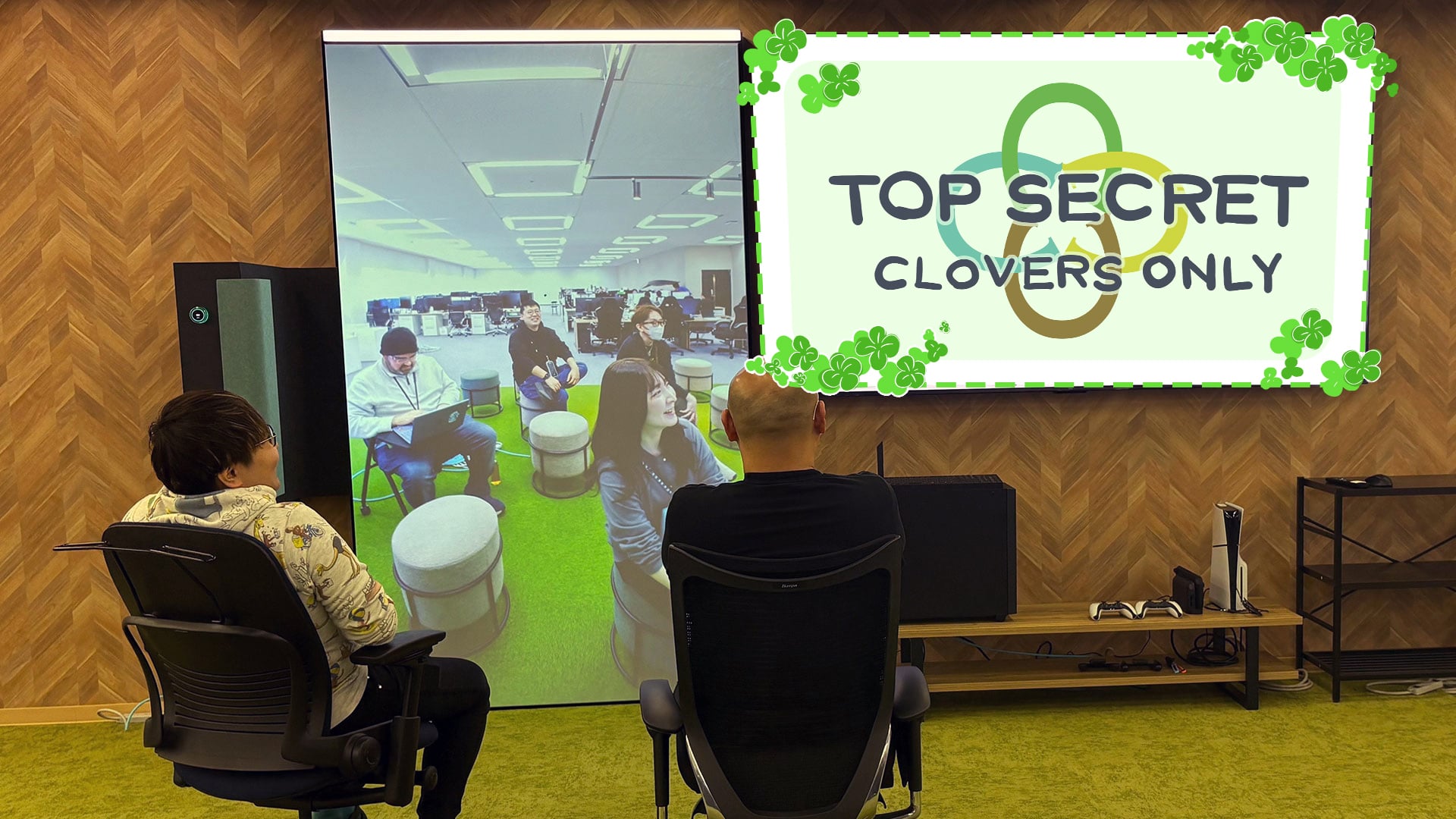
Looking at their CVs, I imagine we can be confident that your future games will sound like Kamiya games. Is that something that you’re particular about?
Kamiya: I do consider myself quite particular when it comes to that, but you mentioned this idea of the ‘Kamiya sound’, and what I would say to very lightly push back on that is I don’t necessarily have a definitive idea in my head of what I want the sound or the music to be like as a very concrete vision.
What I would say is that I approach every game with some idea in my head of what I might want the new sound for that to sound like, and then I’ll discuss that with my very talented staff, and they sort of pick up the ball and run with it, and they’ll come back to me with all kinds of ideas, and say, ‘well, what do you think of this?’
And through that kind of back and forth, and that collaborative process, and that dialogue, we eventually arrive at the sound that we wanted to achieve, and we eventually end up delivering the players, but I definitely say that without the help and cooperation and the collaboration from very talented staff, we’d never achieve that level of sound quality.
It’s been nearly two years since CLOVERS was announced, and presumably the honeymoon period is over. Now that the team’s mostly in place, has it started to feel like a real challenge yet?
Koyama: As I mentioned earlier, we’ve now surpassed 70 staff, so in that sense the environment has become somewhat more company-like. There are some challenges that come with that, so I won’t say it’s been 100% challenge-free, but to be honest, what’s continued to surprise me is that on the whole, I would say it has been relatively smooth sailing so far, even now.
I attribute that largely to just the fact that all of the staff that we bring on really share that same mindset that we tend to focus on. It certainly makes my job as President & CEO quite a bit easier because I don’t have to spend too much time worrying about how to solve challenges on that side of things.
“We’ve now surpassed 70 staff, so in that sense the environment has become somewhat more company-like. There are some challenges that come with that, so I won’t say it’s been 100% challenge-free”
Kamiya: I fully agree with Koyama. We often speak about, like, ‘wow, we’re actually a proper company now’ and just the other day, we were reminiscing back to the early days when our Osaka and Tokyo offices were basically one room and we had four or five people in each. Now we have this big office in Osaka, another nice office in Tokyo, and we’ve brought on more and more people. Back then, it felt like a hobbyist game design club, but now we really feel like a fully-fledged company.
One thing that’s very important to me as we continue to staff up is we never want to feel like this massive corporation in any shape or form. We still really treasure those same ideas that we had when we founded the company, and having as little distance as possible between everybody in the company.
Actually, one fairly unique initiative that Koyama does is every single week he’ll carve out a few hours to do what he calls ‘The CEO Room’, which is where anybody in the company can book a slot and get some one-on-one face time with him.
Even I don’t know what people talk to him about in there, but my understanding is it’s basically anything that they want, from recent work to feedback about the company. I think that’s just one of several ways that we continue to prize that closeness between everybody and this free and open atmosphere where everybody can freely exchange ideas.
As partners as well, you’re now having to work together in the thick end of game development. Have there been times when you’ve clashed yet?
Kamiya: Not much, to be honest. To continue with the marriage metaphor, I mean, even though the honeymoon phase might have been over, pretty much everybody in the company was dating each other for a very, very long time before getting married, and so in that sense it doesn’t feel like anything has really changed.
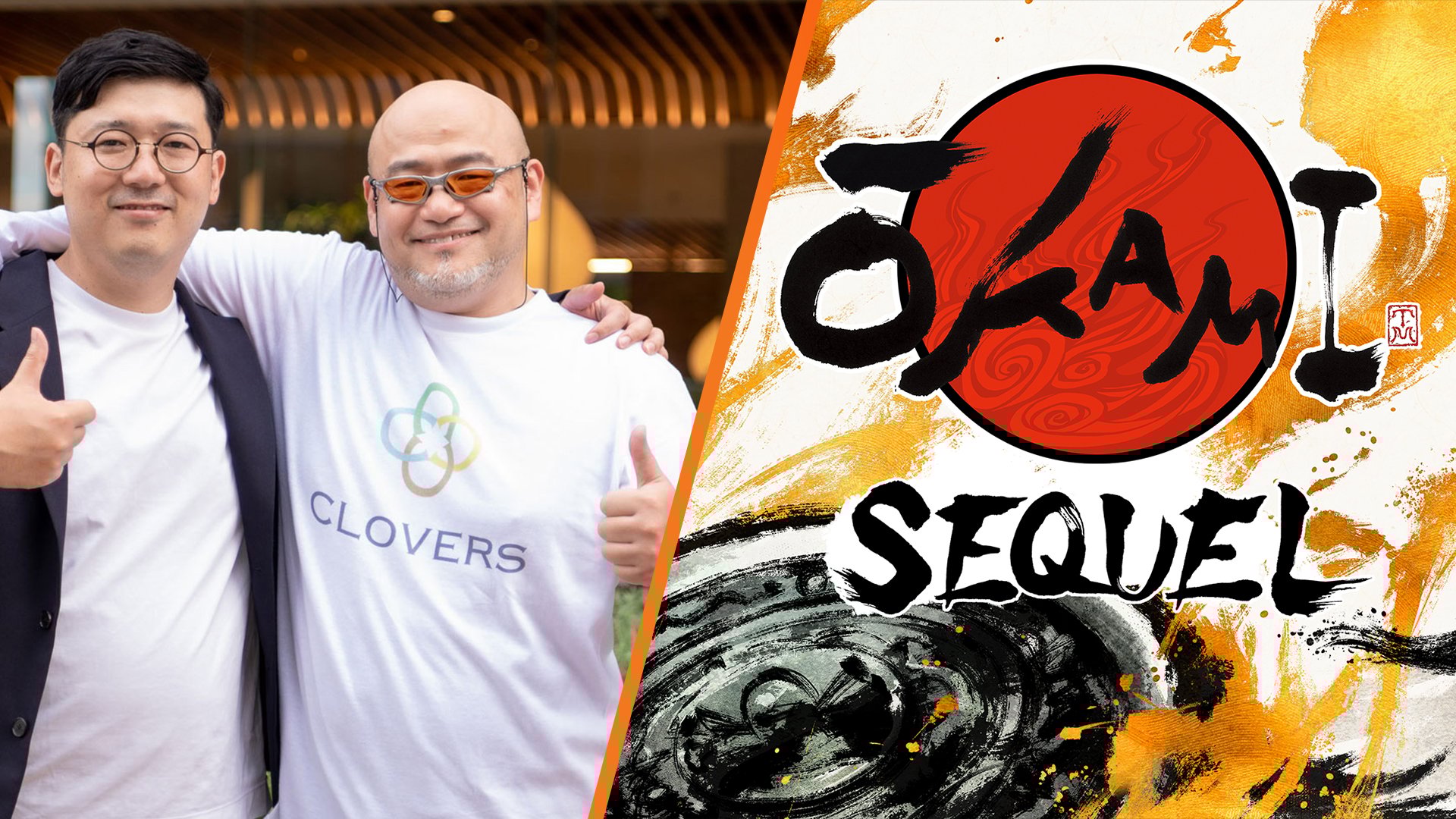
And I’m sure if two people meet, and they very suddenly decide to get married, and they move in together for the first time, I could see there being some discord that might arise, but it really hasn’t felt like that for us.
I mean, even with myself and Koyama, obviously we worked together for a long time back at PlatinumGames, and we often discussed how we loved the atmosphere that we had on the team we were working on together, and we founded this company in some ways as an extension of that, in order to try and continue to cultivate and sustain that.
What misconceptions do people have about why game studios fail or succeed?
Koyama: With the assumption that I believe our company is in fact succeeding at the moment, I would say one of the factors behind that is, I think one thing you often see when people found a new studio or a new company is they’ll come out of the gate swinging with these very lofty, high-minded, like, ‘here’s our purpose and our values’, and they make sure to hammer those home to every single employee, every chance they get.
I don’t think that is necessarily a mistake or anything, but our approach is a little different than that. Rather than bringing somebody on, and then hoping to instill those ideals into them afterwards, basically from the interview phase, anybody that we bring into the company are people that we see as already embodying those traits that we’re really looking for as a company.
So I don’t think I’ve ever once stood in front of the team and said, ‘everybody, don’t forget about the four Cs! We love creativity, craftsmanship, and challenge here at CLOVERS!’ I’ve never once had to do that, and I think the fact that it’s just something that our people naturally aspire to and embody has been a key factor behind our success thus far.
Kamiya: One thing I will add in terms of our situation right now is that we are very fortunate to have an amazing relationship with Capcom. They are very aware of what our philosophy is when it comes to creating games and they’re very much in support of that approach and very understanding.
“Even though the honeymoon phase might have been over, pretty much everybody in the company was dating each other for a very, very long time before getting married, and so in that sense it doesn’t feel like anything has really changed.”
I think both CLOVERS and Capcom are very well aligned when it comes to making Okami the greatest game that it can possibly be. All games consist of both a creative side and a commercial side, but I think that both of our companies are very much aligned in terms of the correct balance between those two aspects for this particular game and making Okami the best game it can be.
And so because we have that mutual relationship of trust, I’m able to sit back and just enjoy my time actually creating and developing the game, knowing that Capcom is supporting us every step of the way.
Obviously CLOVERS is fully independent, but you have a significant partner in Capcom. How hands-on has Capcom been day-to-day, and how keen have you been to learn the secrets of its recent successes?
Koyama: I will say that because Capcom trusts us a great deal, we have a lot of autonomy and freedom on the day-to-day development of the title. But as you know, they, of course, have a lot of knowledge at their disposal that we can freely approach them about and ask them for support, and they’re always happy to support us. I would say overall, we feel like we have freedom and also a great deal of support.
Kamiya: One thing that I feel very strongly as the director working on development from day to day is that Capcom really trusts us a lot. If we say, ‘Hey, there’s a new feature that we’re thinking about’, or, ‘we want to do this kind of thing’, they just sort of implicitly trust us and let us cook, and they’ll wait for us to show them when we think it’s in a ready state.
So rather than trying to second-guess every single decision, or trying to kind of rush us along and expect these frequent updates along the way, it’s very much the case that when we say, ‘Hey, we’d like to do this’, they say, ‘Okay, great… Show it to us when you think it’s ready to be shown’. And so I feel like there’s a lot of not only trust, but also respect.

Capcom president Haruhiro Tsujimoto recently attributed the company’s modern success to a switch in focus away from auteur-led to team-led development. Kamiya-san, I think a lot of your fans would describe you as an auteur, so how do you fit within Capcom’s thinking?
Kamiya: That’s actually something that’s been on my mind recently as well. Of course, with the caveat that I’m not privy to Capcom’s strategic planning in any way, shape, or form, and that this is just my kind of personal read on the situation. I also saw those comments, and I understood them to be indicative of Capcom’s strategy and direction going forward. However, I think that when it comes to specifically our collaboration with them, CLOVERS is seen in a different type of positioning, and we’ve been assigned somewhat of a different role within that strategic framework.
What I mean by that is that Capcom is a company that is constantly experimenting with new initiatives and new undertaking new types of challenges, and I believe that they see this collaboration with CLOVERS as an opportunity to bring something new into the world, and they trust us as a company who can actually see that through and make that happen.
With that in mind, my focus is now on creating a game in a way that only CLOVERS is able to make, and by making that game a success and delivering something that we can be proud of to players, we can continue to build on that trust relationship that we have with Capcom.
There’s a lot of uncertainty today around AAA games, with a lot more high-profile flops than we’re used to and uncertainty around what the path to success is. Kamiya-san, you’re more active on social media than most game creators. So what’s the most common request you receive from fans online that contradicts what you actually see players want from sales or feedback to your games?
Kamiya: Once again, I can only speak for myself on this one, but even though I am quite active on social media and I’m often commenting and reading comments by others and sharing my opinions, I don’t think I’ve ever once thought, ‘Hey, a lot of people on social media are saying they would love to see this kind of game, with this kind of protagonist, so let’s go out and make that’.
“One thing that I feel very strongly as the director working on development from day to day is that Capcom really trusts us a lot… They just sort of implicitly trust us and let us cook”
I’ve never had that thought even once, and for me it’s always strictly me talking with my team and us bouncing ideas off each other, and once we land on something that we think is going to be interesting and sounds great, that’s what we go for. It never occurred to me that people might be looking at user sentiment or opinions that people are sharing on social media like that and actually making creative decisions based on them.
Of course, there’s always going to be hits, there’s always going to be flops, but the way that I see it, every single one of those projects is a unique story in and of itself. I think every developer approaches their titles a different way, every publisher approaches their title a different way, and sometimes those developers and publishers, each of them will have their own unique relationships on any given project.
So I resist the temptation to try and boil everything down to a simple formula of ‘when this happens, the project succeeds, and when that happens, the project flops’. I’ve had, of course, my failed projects in the past, and I’ve never thought to blame the client or the publisher. I’ve collaborated with many different publishers over the years, and each of them have their own different environments.
Whatever company I was with at the time, those projects all had their own unique and different environments. We had our stance, the publisher had their stance, and then those relationships went several different ways. I do think there are environments under which it’s easier to develop and maybe ones where it’s harder to develop, but I don’t think you can ever boil it down to just one sort of all consuming factor.
One thing I will say, however, with that said, is that I do think that if the developers feel like they’re working in a very great creative environment, and the team is having fun with whatever they’re making, and the publisher sees that, and they encourage and foster that environment, it does tend to lead to success, but not in all cases.
What’s your take as business owners, game creators, and fans on the end of PlayStation physical discs? Obviously, there’s a lot of data to support the business decision, but there’s also strong sentiment from players who value physical media and preservation.
Koyama: From a business perspective, it’s certainly a rational decision. Speaking for myself, I’ve been buying a higher proportion of games digitally lately. But at the same time, whenever I feel like there’s a really special game that I want to hold onto for the long haul, I always make sure to buy a physical copy of it.
In my house, I have my own dedicated game room with just about all of my past consoles, like the original Xbox, Dreamcast, and so on, as well as shelves stacked with games. Sometimes even just walking into that room and browsing through the labels on the side of the games just brings that little flutter to my heart, and I think there is something sad about the idea that that might be going away.
Kamiya: I agree completely. I don’t buy a single physical game these days – every single game I buy is 100% digital, so I look at that decision and think, “Yeah, I guess this is where things were heading.”
With that said, I’m somebody who, as a player, has very particular preferences when it comes to my games. As you know, I am a very big lover of classic games. I have a lot of my favorites from back in the day, like Gradius, Darius, and TwinBee, in my beloved collection of arcade system boards.
I probably have more than two hundred of these arcade boards at this point in my personal collection, and I always say that if you want to play the games in their original form as intended, nothing beats pulling out the arcade cabinet and playing it that way if you can.
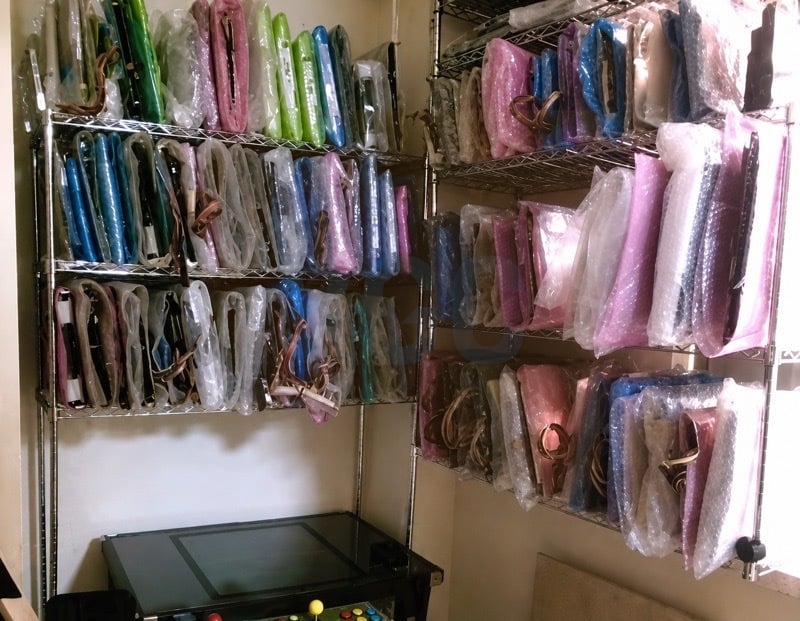
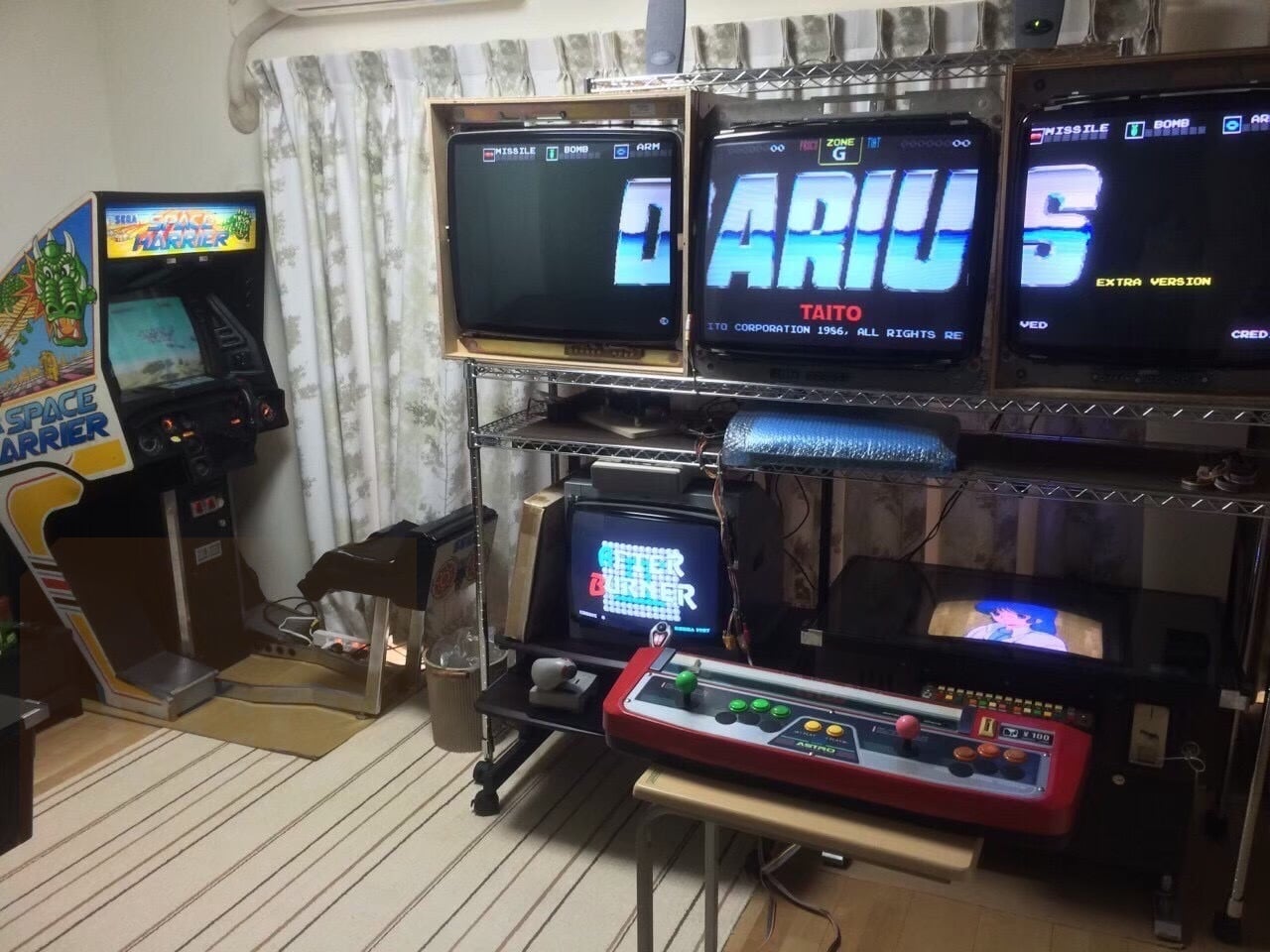
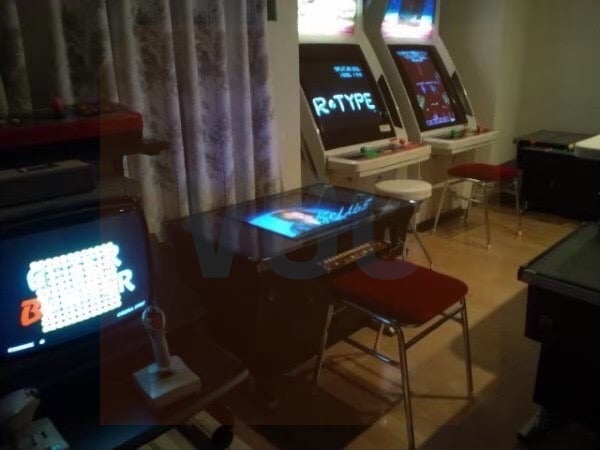
But one thing that is great is there’s this company now, Hamster Corporation, and its Arcade Archives series where they’ve been porting a lot of these old classic arcade games to modern hardware. And so anytime I want to boot one of those up without going through the entire hassle of taking out the board, plugging everything in, and dusting off the joysticks, I can play the games right away on current hardware, and it’s the easiest thing in the world.
That’s the big thing for me: whether or not the IP holders are going to take responsibility for ensuring that all of these games will continue to be available to future generations in order for them to be played. Whether that’s physically or digitally is less important to me, just so long as these games will be available to people in the future.
Because, as you know, there are already so many of these older classic games that are not playable on modern hardware at all, and I hope that the IP holders will recognize that and continue to make those games available to future people not just from a gameplay perspective, but also from a game culture perspective, and to continue to foster and grow that culture of gaming.
So to me it’s less important whether the games are made available physically or digitally, but that they’re made available at all.
It’s a personal anecdote, but a few years ago, you kindly signed my collection of your games, and I remember a moment when you spread them across the table and took a moment to pause and reflect on all the memories. I wonder now whether younger creators will be able to have the same experience with a code in a box.
Kamiya: That’s a great point.
I’m sure you remember the Iwata Asks series, where former Nintendo president Satoru Iwata used to interview developers. I was able to appear one time and I actually brought my collection of all the past NES titles that he worked on back when he was just a programmer.
I think it was Pinball, Golf, F1 Race, and a few others… something like seven games in total. I brought them, and I asked him to sign all those games for me, and I still proudly display those to this day. So it’s a good point that maybe in the future people won’t be able to have that kind of experience anymore.
This is something we talk about a lot in our interviews, but now Xbox has a new CEO and a new plan. Have you asked Asha Sharma yet if they’re up for reviving Scalebound?
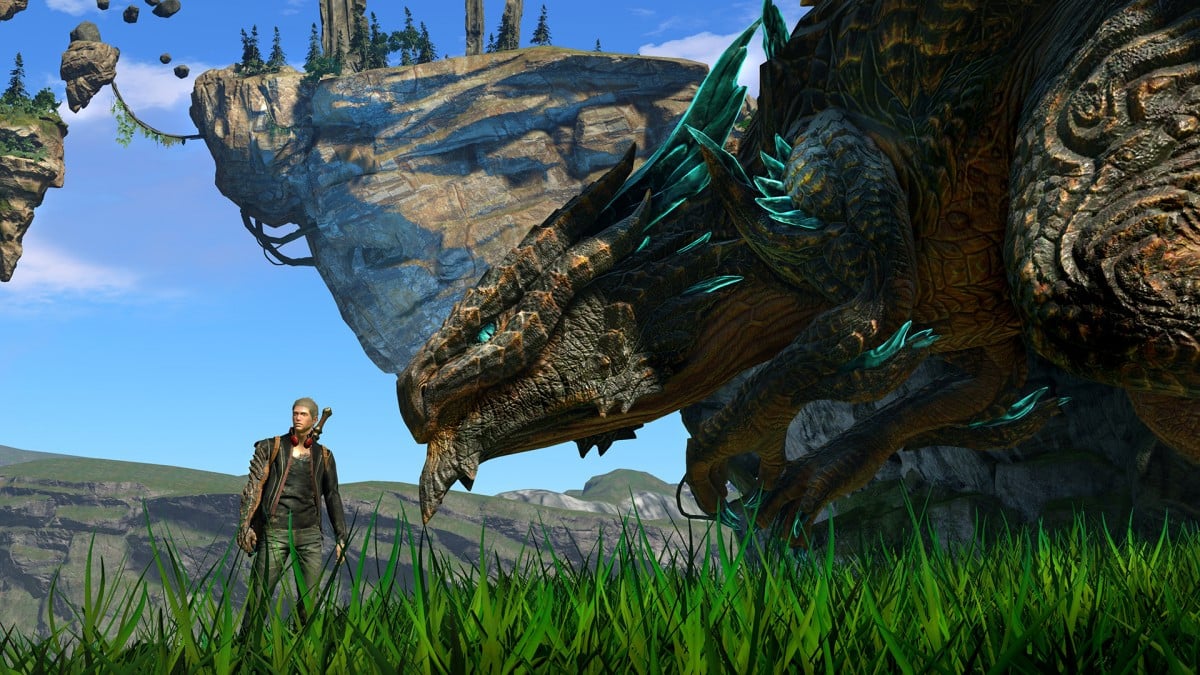
Kamiya: Well, no, but now’s my opportunity to once again say that if they want to do it, let’s make it happen! Koyama is on board too. If you could include some footage [of Scalebound] in your article for Asha, that would be useful.
You actually mentioned on social media recently that you had dinner with many of the former Scalebound staff. What’s it like meeting up as a team? What’s the mood like? You must have so many memories together, but perhaps still that regret that you weren’t able to finish the game.
Kamiya: Well, I want to clarify that for the majority of people who I had dinner with that day, it actually hadn’t been that long since we last met up. Two of them are at CLOVERS as we speak and a lot of them I run into at game shows and industry events and things like that.
I mean, for the ones that are now at Capcom, their offices are right across the street, and you can actually see their building from here. So sometimes when we’re going out for lunch, we’ll run into them on the street, and say, “Hey, what’s up, how have you been?” The majority of us are still pretty close, so we didn’t spend the entire time talking about Scalebound or anything, just drinking and chatting about whatever.
But of course, it did come up a few times, and we all remembered how fun it was to work on Scalebound. Obviously, there were some tough times as well, but the fact that people still look back on that time with a lot of fun is something that I find very gratifying as the director of the project.
Of course, it’s very unfortunate that the project was unable to see the light of day ultimately, and that is something that even now I still very strongly desire to be able to see through if it’s all possible, and I’m being one hundred percent serious when I say that.
I mean, obviously we might not be in a position to do that right this second, but I strongly believe that if you want something strongly enough, you eventually find a way to make it happen. That’s the case with Okami right now, where even after all these years, the opportunity once again presented itself, and I hope that will be the case with Scalebound in the future as well.
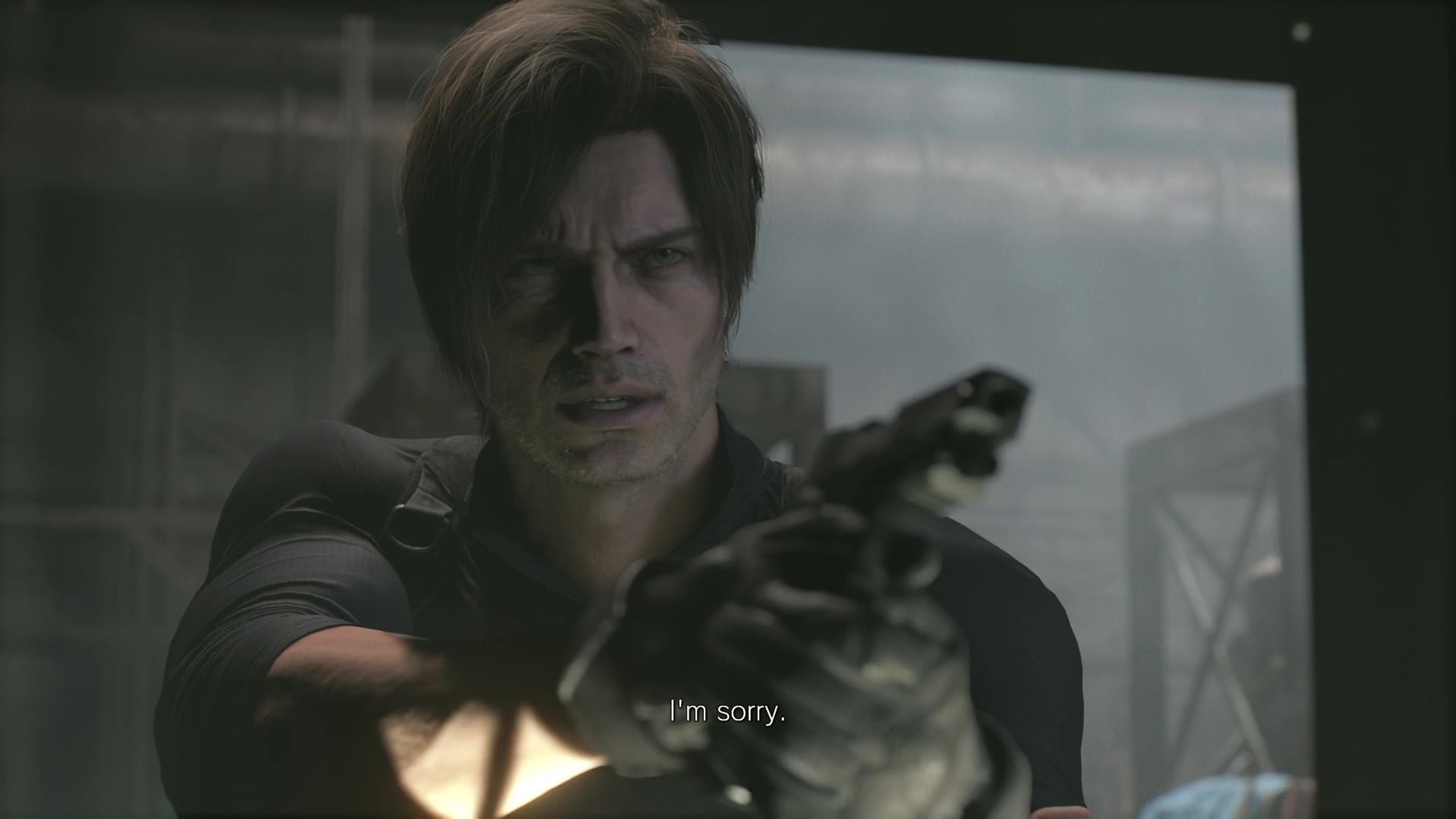
Kamiya-san, you recently joked that you’d like to make a cozy Resident Evil game with Leon Kennedy walking the dog and cooking a barbecue. It was a joke, but the reception that I got from fans was actually quite strong, and as I get older, the idea of a slower-paced Resi spin-off sounds quite appealing. I wondered, do you think you’ll make different types of games as you grow older, and do you think the older generation of players are being catered to enough by AAA games?
Kamiya: Obviously, as you get older, and as you accumulate experience, of course, just naturally that’ll influence the kinds of things you create, and the kinds of things you’re interested in. But just speaking about that tweet the other day, specifically, I’ve never been a fan of horror. I mean, even from the time I was young, I could never handle it. I don’t like horror, and I don’t like scary things. I’m not able to make it through scary movies, and that was even the case back in the day.
But nowadays, with how photorealistic and high-fidelity video games have gotten, the amount of crazy, horrifying things that people are able to put on the screen is absolutely insane, and I think anybody who’s on the Resident Evil teams at Capcom, at this point, they must all be completely numb to how scary the thing they’re making is.
This is not a joke; I’m being one hundred percent serious when I say that I wish they would make it so that their games can also be enjoyed by people like me, who can’t handle scary games at all.
I mean, just recently this year we had Resident Evil Requiem and the big return of Leon Kennedy, and he went back to Raccoon City, and he’s reliving all of those memories and all of those experiences. As somebody who directed that original game, Resident Evil 2, I was curious to know how that panned out for him. I wanted to experience that myself as a player, but the game was way too scary, and I couldn’t.
And so it’s not a joke. I legitimately wished it would include some kind of non-horror mode for people like me, because I talk to folks who are on the Resident Evil teams at Capcom just privately, and I tell them that their games are way too scary, and they’re like, ‘what, come on, they’re not that scary’. They seriously seem to have no awareness of how scary the things they make actually are, so I really hope they address that at some point.
Just look at Bayonetta as an example. That’s obviously a game that, at its core, is an extremely technical action game targeting the most advanced action game players, but I also wanted anybody to be able to pick up the game and enjoy it, which is why we included the Very Easy Automatic mode.
Also with Bayonetta 3, we upped the exposure or nudity factor when she does her attacks, and her clothes come off, but we know that some people might object to that, so we also included in the Naïve Angel Mode where we toned down a lot of that exposure.
I don’t see any reason why Resident Evil can’t do the same thing with just turning down the horror dials a little bit. I mean, it doesn’t even have to be anything super elaborate. You could just make it so that the zombies’ faces aren’t so scary. Why not have a mode that just puts, like, brown paper bags on all of their heads, or instead of having these dark dingy rooms everywhere, they could have really pleasant mood lighting.
I think even just making a few tweaks like those, it would make it so that somebody like me could make it all the way through the games. Oh, and no blood!
It’s interesting that as somebody who hates horror games, you’ve directed one of the best ever horror games. Does that prove you don’t necessarily need to be a genre fan to understand how to make something great?
Kamiya: As you know, [Resident Evil creator] Shinji Mikami was my mentor, and I worked under him as just a normal developer on Resident Evil 1, and I got to work under him and learn so much, and that game’s theme was all about making a horror experience.
We set out to make Resident Evil 2 with the same horror theme, and I was put in charge of it, but I think objectively speaking, I would say that Resident Evil 1 is a much scarier game than 2. I think that comes down to the fact that Mikami-san was such a horror aficionado. You could really feel he had more of an understanding and appreciation for that genre, and I think that comes through.
So while I’m very gratified that people love Resident Evil 2 so much, I think if it had been directed by somebody who was more of a fan of horror, it would have ended up as a much scarier game.
Were you ever scared of playing your own game?
Kamiya: No, and that’s for the very simple reason that for both Resident Evil 1 and 2, I worked so closely on them that I knew every single detail like the back of my hand, from the level design, to the enemy placement, to where all of the ammo and weapons were. Because I knew that so intimately, the games lost their ability to scare me.
Which is precisely why I don’t think the teams at Capcom fully understand how scary the games that they’re making actually are! I told [series producer] Takeuchi-san to his face, ‘your games are too scary!’ And he was like, ‘what? Seriously?!’
I get codes for every new Resident Evil when it comes out, and it always comes with an email saying, ‘hey, we hope you enjoy the game!’ And I’ll send back an email thanking them for the code, and say, ‘well, I’d love to play the game, but unfortunately it’s too scary for me, so I’m not going to be able to. ’ They come back with, ‘Oh, come on, it’s not that scary, you can do it!’
A lot of creators from your era speak a lot about being mindful of how long games take to make and that they only have so many left to make. Is that something that you think about?
Kamiya: That’s something I hear discussed a lot. The simple answer is that I try not to think about that. I never do the thing where you say, ‘okay, well, if each of my games are going to take two to three years to make, and my life expectancy is going to be X more years, then if I divide that, I’ll be able to create this many games before I die’. I just never really think about the future in that kind of way.
Actually, one thing that concerns me more than how many more games I’ll be able to make is that I buy a lot of Gunpla models. [Holds up phone] These are all of the models that I bought just this year, and I worry about whether I’ll actually be able to assemble them all before I die. That’s what really keeps me up at night.
Actually, I have this dream of starting a ‘Kamiya Gallery’ in my hometown of Matsumoto in Nagano, where I display all of the figures that I bought over the years and all of my Gunpla models. I don’t know how many I’ll be able to assemble when all is said and done, but I think it would be cool if I could just have a gallery where all of those are on display for the world.
What’s the best combat move you’ve ever implemented in a game, and why is it your favorite?
Kamiya: Limiting this to just action games that I’ve made, it’s not so much a specific move, but in Bayonetta, there’s this mechanic called the Dodge Offset, where you’ll have your combos, and you’ll have attack one, then two, then three, then four, and if you weave in a dodge in the middle of that combo, you’re actually able to continue the combo without it resetting.
Out of all the different action games and action systems that I’ve made, even though it’s such a small feature in the grand scheme of things, I think it adds a disproportionate amount of fun to the overall experience of actually playing the game, and that’s why that was very special to me.
Actually, one thing that was extremely gratifying to me recently was that Famitsu Magazine published a feature as part of its 40th anniversary, where it asked its writers to select their number one game system or mechanic that was most surprising and enjoyable to them in all video game history, and Dodge Offset was selected as one of those.
That was a great honor. Even better is that it ended up on the same page as the upgrade system from Gradius. So I was humbled and honored by the fact that it ended up on the same page as that system that I love so much from Gradius. It was extremely gratifying.