Dragon’s Dogma 2: Dark Arisen devs explain why they’re not abandoning the ‘friction’ that makes it special
Dragon’s Dogma 2: Dark Arisen’s director and producer discuss design friction, player feedback, and Switch 2 optimization
When Capcom released the original Dragon’s Dogma 2, the RPG’s unconventional open-world design and commitment to gameplay ‘friction’ seemed to divide players as much as it won them over.
Now, the publisher is back with a major expansion, which it says has been built with close attention to what players were saying about the original game.
However, according to director Kento Kinoshita and producer Naoto Oyama, Dark Arisen is an opportunity to refine the Dragon’s Dogma 2 experience without sanding away the rough edges that, for the many players who love it, define the series.
“In the Dragon’s Dogma experience, friction is an essential part of it, and it’s those elements that make people enjoy the realism of the adventure,” Kinoshita told VGC. “So while part of my mission was to introduce a certain level of quality-of-life updates and maybe smooth off some rough edges as much as possible, I don’t want it to become too smooth. And so it’s about finding a balance.”
VGC spoke to Kinoshita and Oyama about the origins of Dark Arisen, how player feedback has shaped the expansion and its quality-of-life improvements, and the technical challenges of bringing the game to Nintendo Switch 2.
Was Dark Arisen conceived before Dragon’s Dogma 2 shipped, or did the expansion emerge partly from player feedback after launch?
Oyama: The decision to follow up with an expansion was taken about six months after launch. In that time, we updated the base game a few times, and we were reviewing player feedback, and that was when we felt that it was the right way to go, to consider adding further DLC.
Why was it important to call this expansion Dark Arisen? Are you consciously trying to make this expansion play the same role that the original Dark Arisen played for the first game?
Kinoshita: We hadn’t decided the name at all during the development phase. It was rather later when the concept started coming together. It was a combination of, after the players played the base game, they were saying they loved it, but they wanted more.
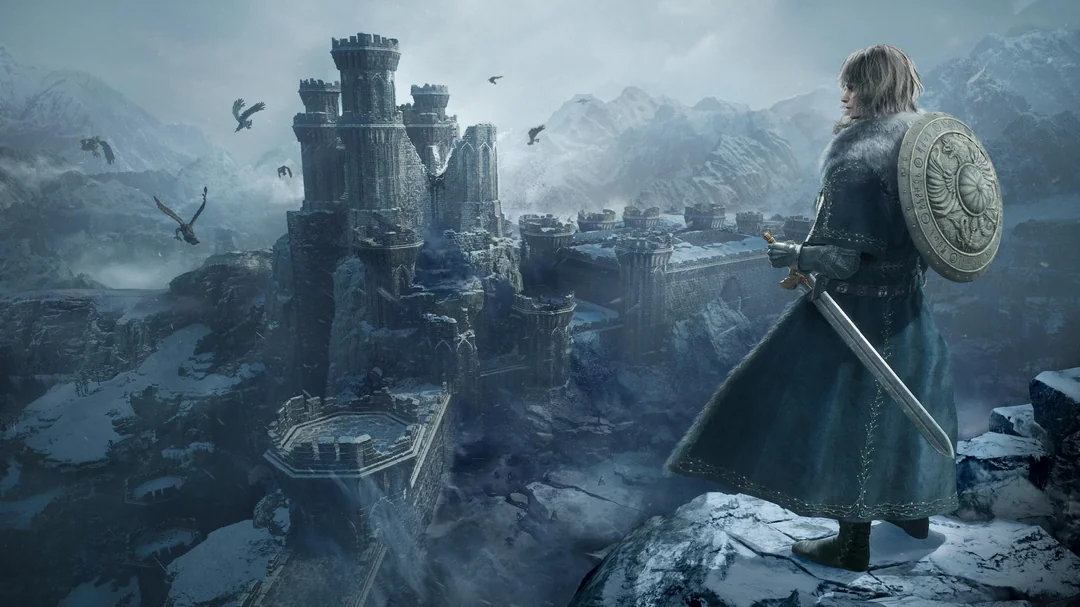
They wanted to have more adventures in this world, and we put together a concept for a new storyline that would have a certain dark edge to it as the story progressed, and gameplay that would change things up from the base game, and if anything, would be more like the original Dark Arisen DLC in that it’s a loot-based cycle, what we’re calling the Relic Expedition cycle.
So when those two concepts started to become clear, I just felt that the Dark Arisen name fit the content both in terms of gameplay and storyline, and it would almost be a certain message to players who loved the original Dark Arisen expansion, and it just gives you an idea of what to expect in terms of themes and in terms of gameplay as well.
Do you see Dark Arisen as an opportunity to correct things that didn’t work in Dragon’s Dogma 2, or is it primarily about taking the existing formula somewhere new?
Kinoshita: We wanted to make sure that we were doing both, that people who played and owned Dragon’s Dogma 2 would have a brand new adventure and new combat action to discover, but people who either didn’t play DD2, or maybe started it and bounced off of it due to the game design or quality-of-life issues [would find something too].
Then, by updating the base game through free title updates, which you can get whether or not you purchase the DLC alone, and addressing as many issues as we can in terms of player feedback, both in terms of usability and quality of life, by putting both of those in before the launch of the DLC, then we have you covered, regardless of your history with the game.
“I felt that the Dark Arisen name fit the content both in terms of gameplay and storyline, and it would almost be a certain message to players who loved the original Dark Arisen expansion”
The director of the base game, Hideaki Itsuno, told me last year that he wasn’t surprised by the divisive reaction to Dragon’s Dogma 2, because he had deliberately designed the game according to his own vision. Do you share that philosophy of prioritizing a creative vision, even when you know it may divide players?
Kinoshita: Absolutely. I have nothing but respect for the vision of the director of the original Dragon’s Dogma 2, Itsuno-san. My job as the director of the DLC expansion is to use that concept as a starting point for the experience I want to give players with this DLC. I want to bring my vision to you as purely as possible, whilst also building on the work that’s been done in the base game.
I think one of the things we have in common is that, in the Dragon’s Dogma experience, friction is an essential part of it, and it’s those elements that make people enjoy the realism of the adventure. So while part of my mission was to introduce a certain level of quality-of-life updates and maybe smooth off some rough edges as much as possible, I don’t want it to become too smooth. And so it’s about finding a balance.
How do you find that balance? Dragon’s Dogma has always felt like it sits in an unusual position in that it deliberately doesn’t follow many of the conventions of mainstream open-world RPGs.
Kinoshita: I think that with so many different types of games out there, there’s no one right answer for game design, but in the case of Dragon’s Dogma, as you said, fiction and emergent gameplay are really fundamental to the experience.
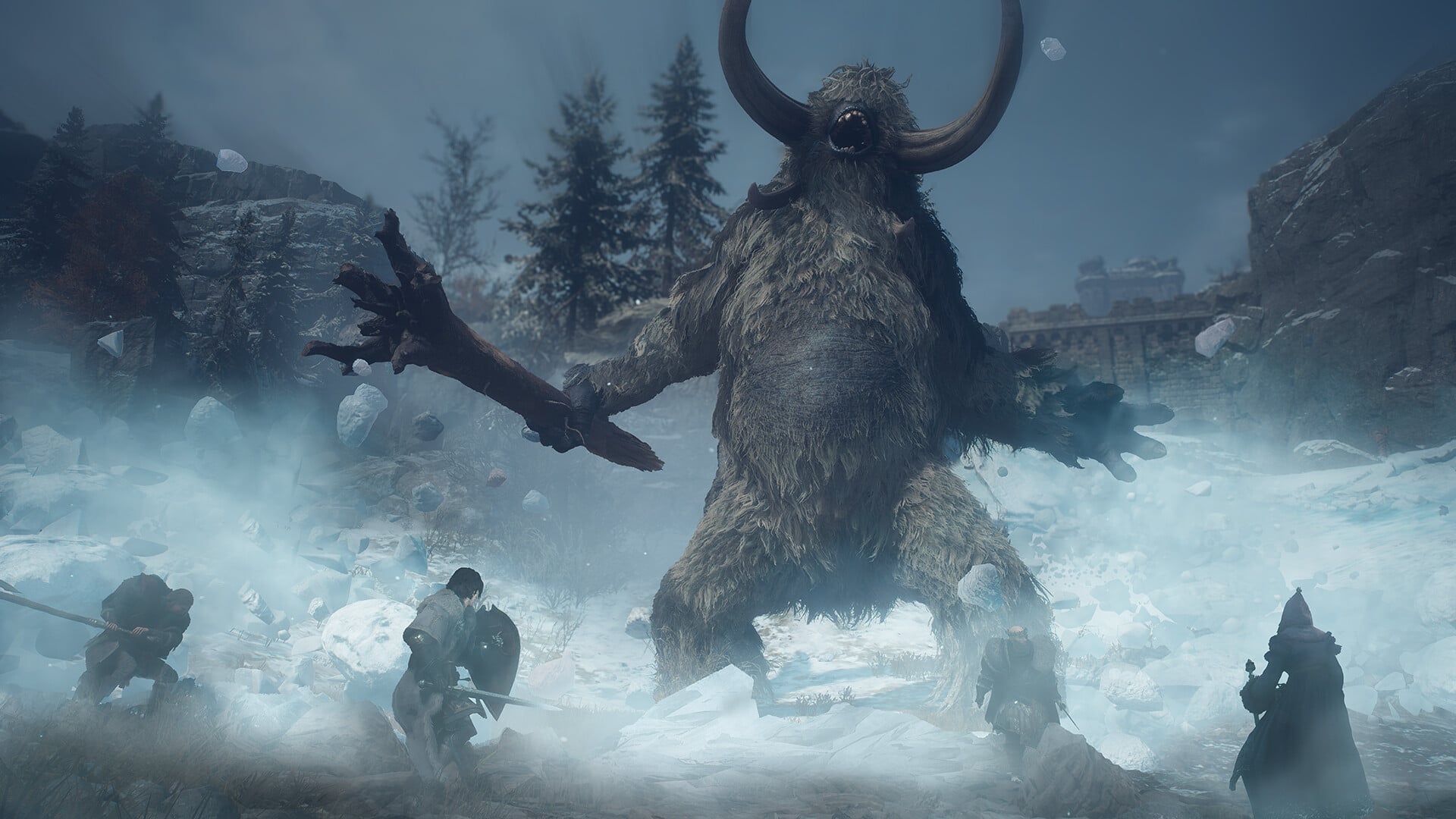
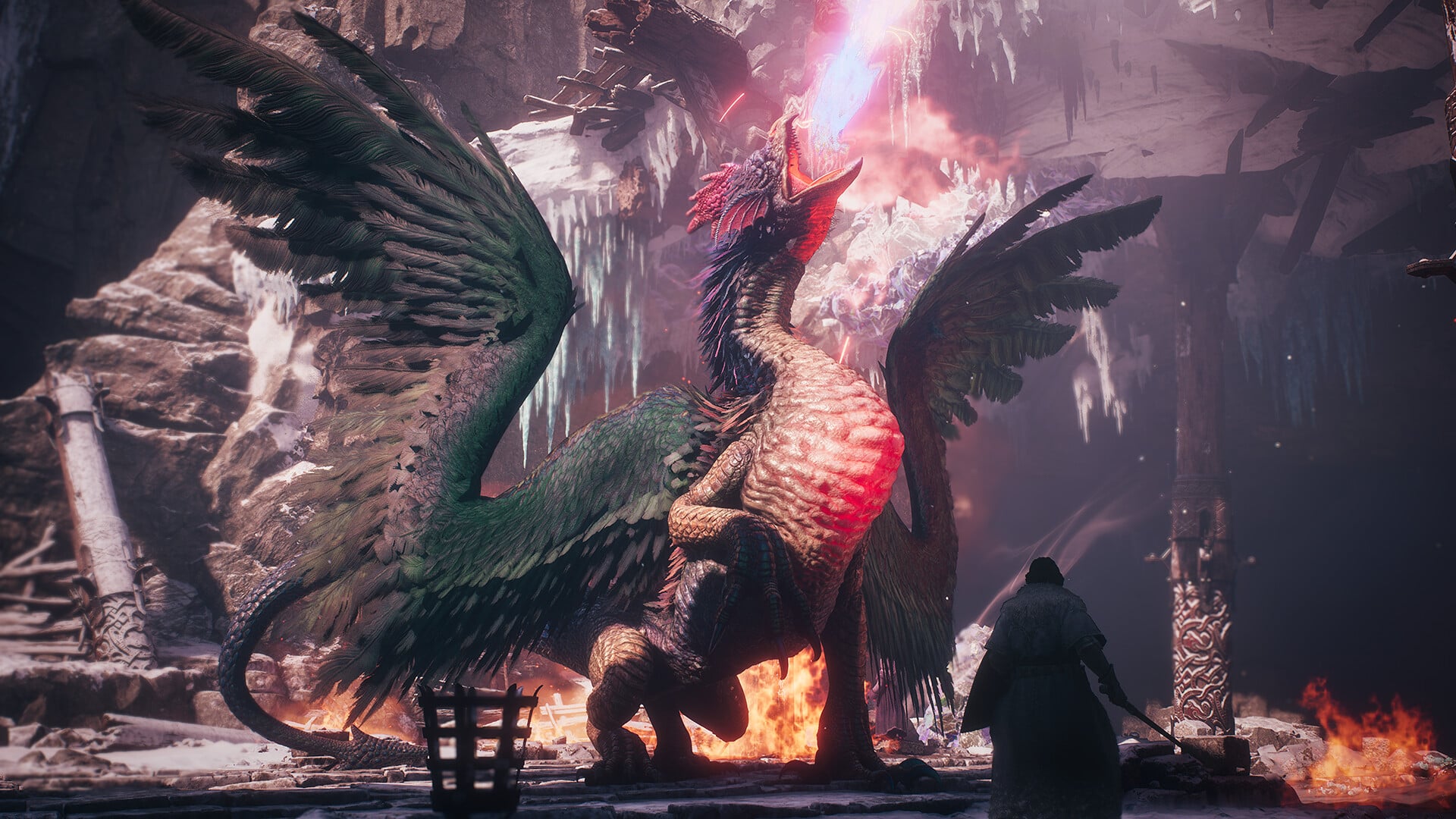
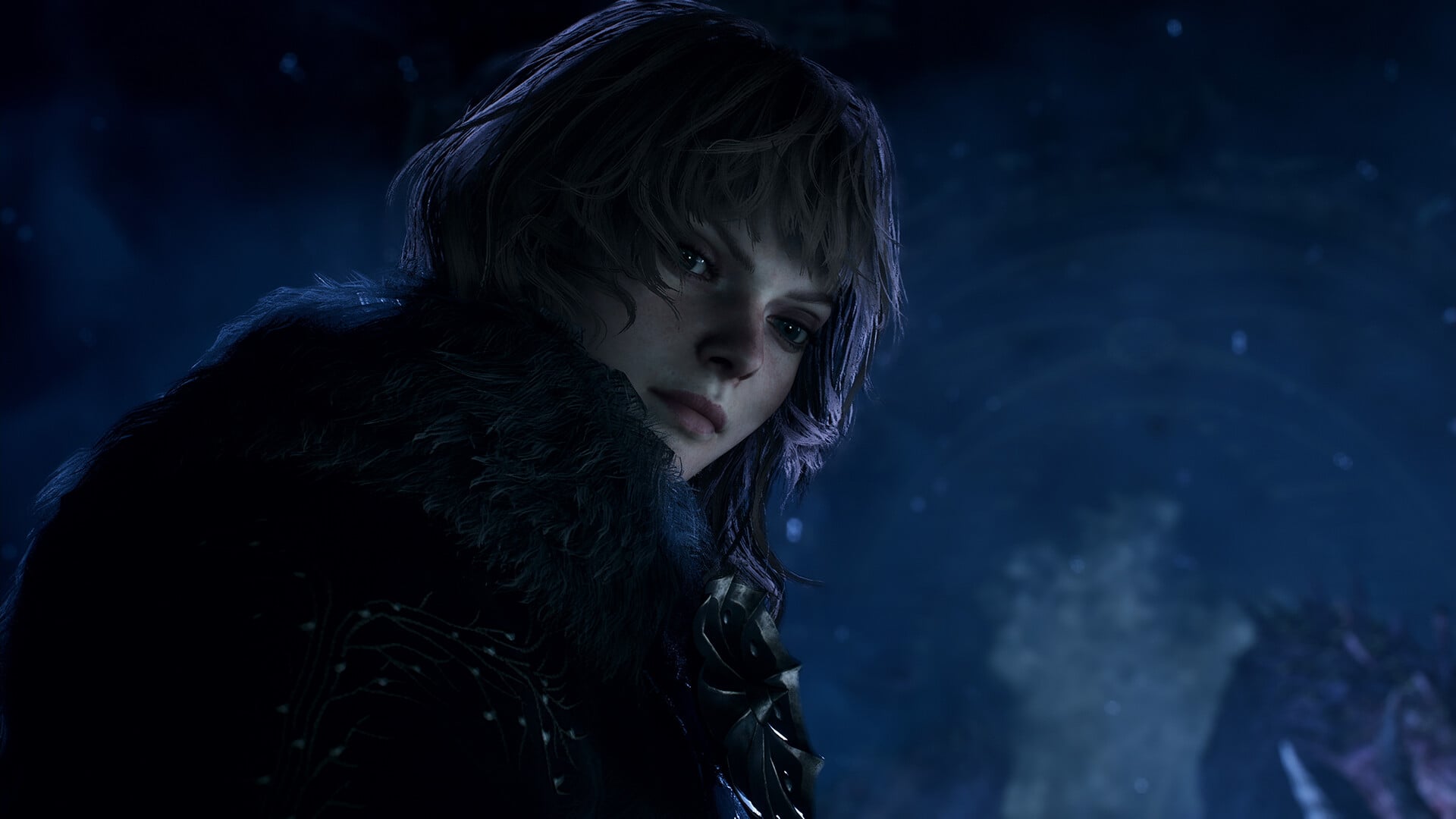
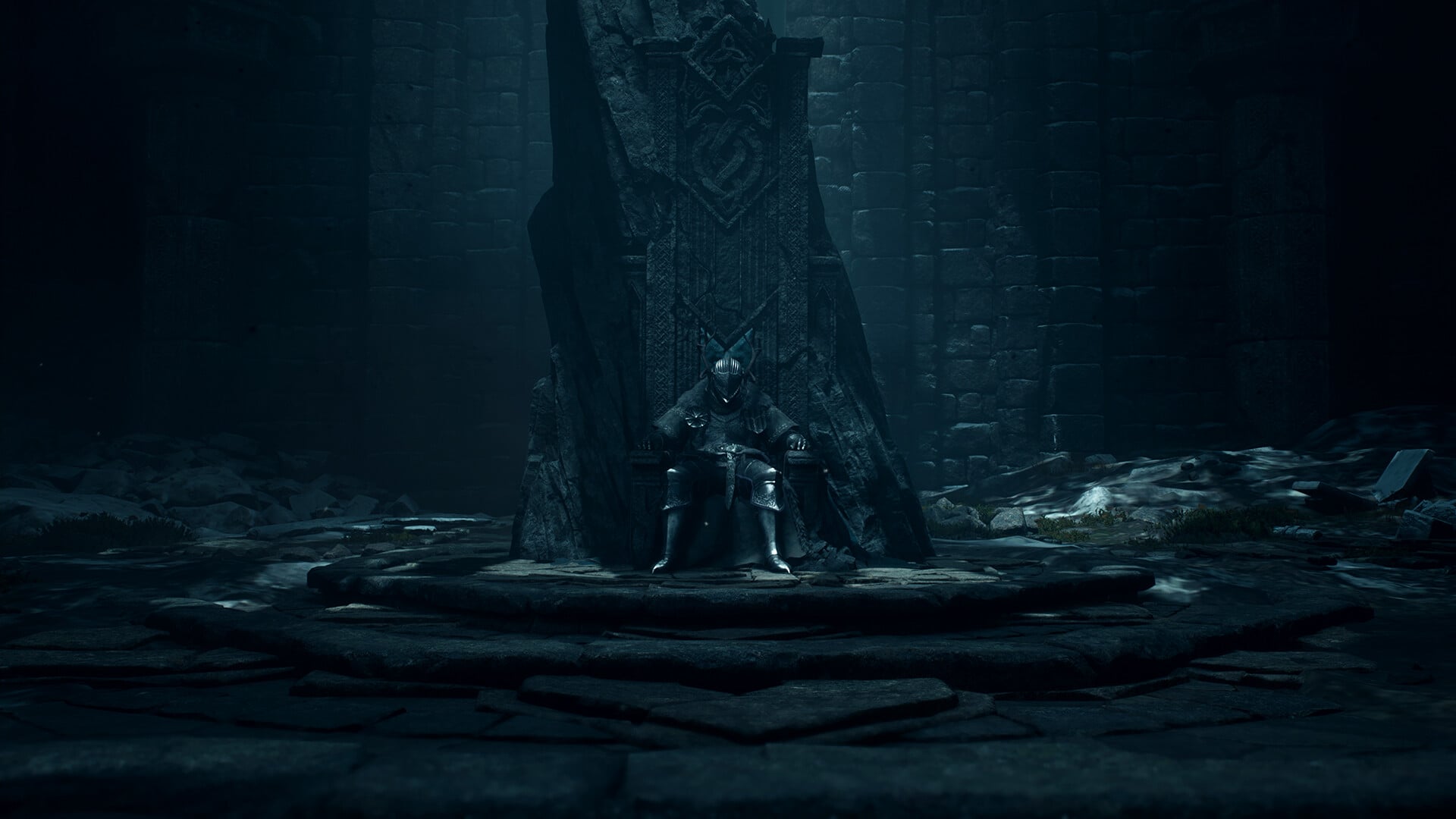
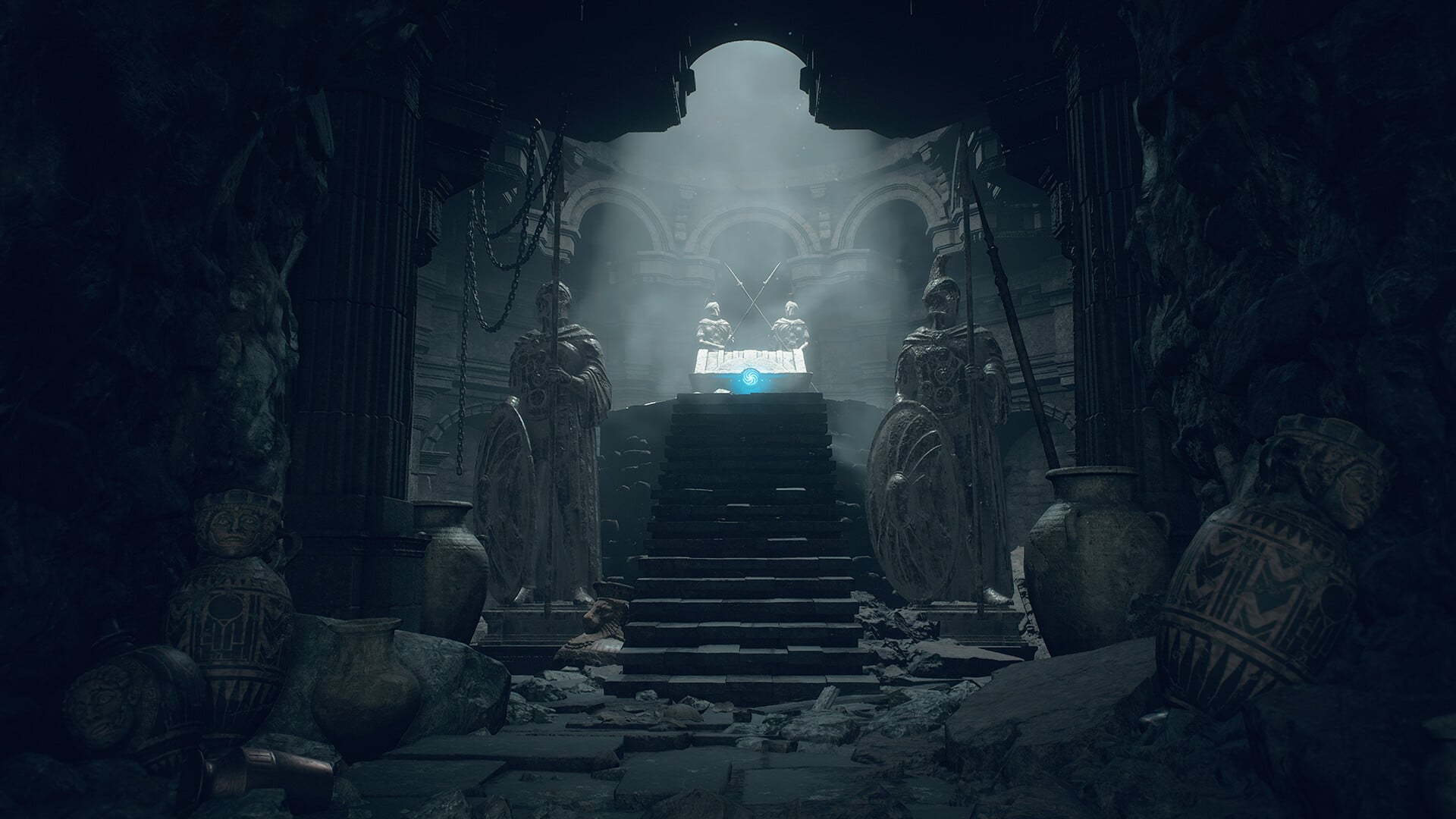
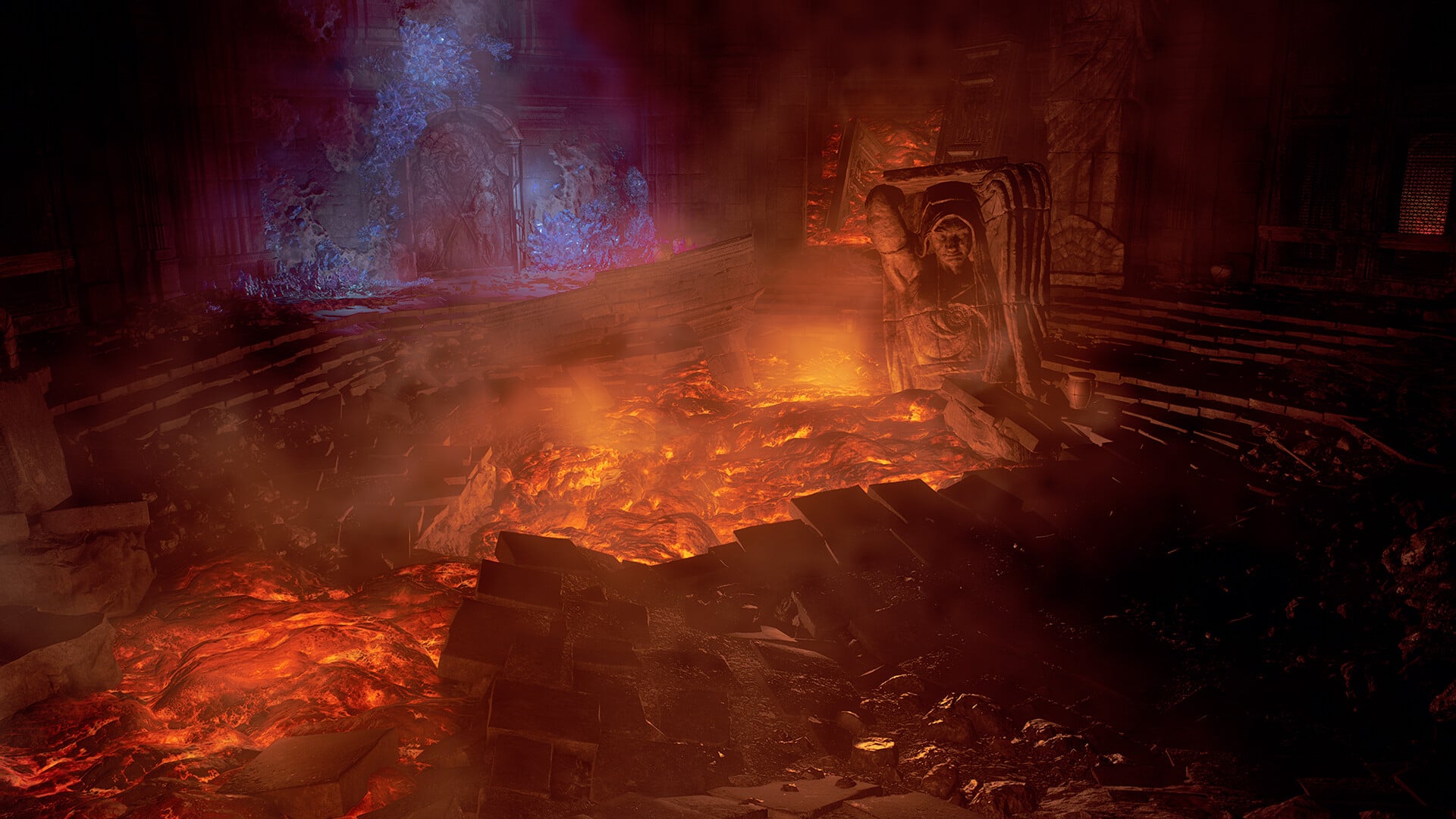
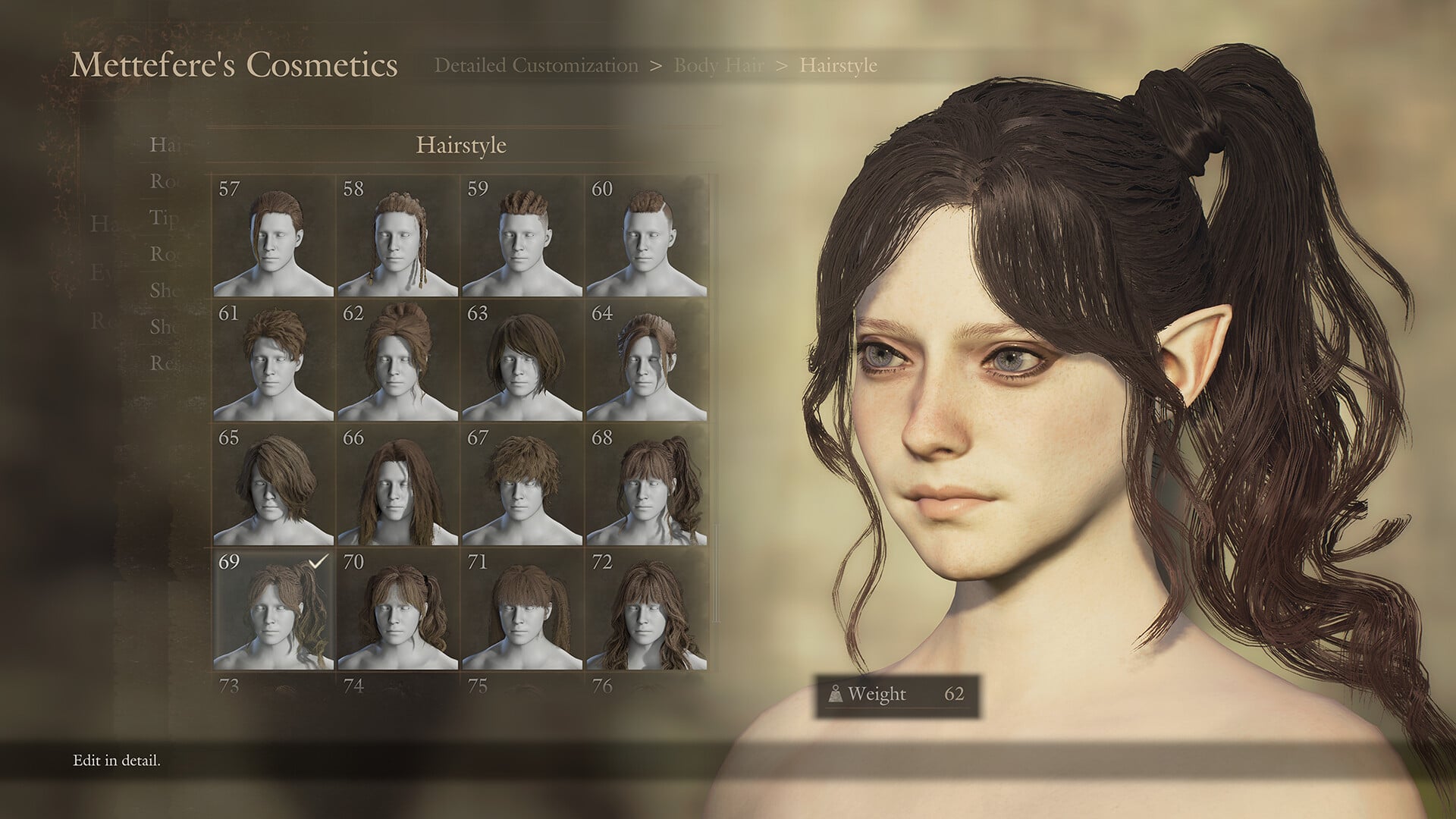
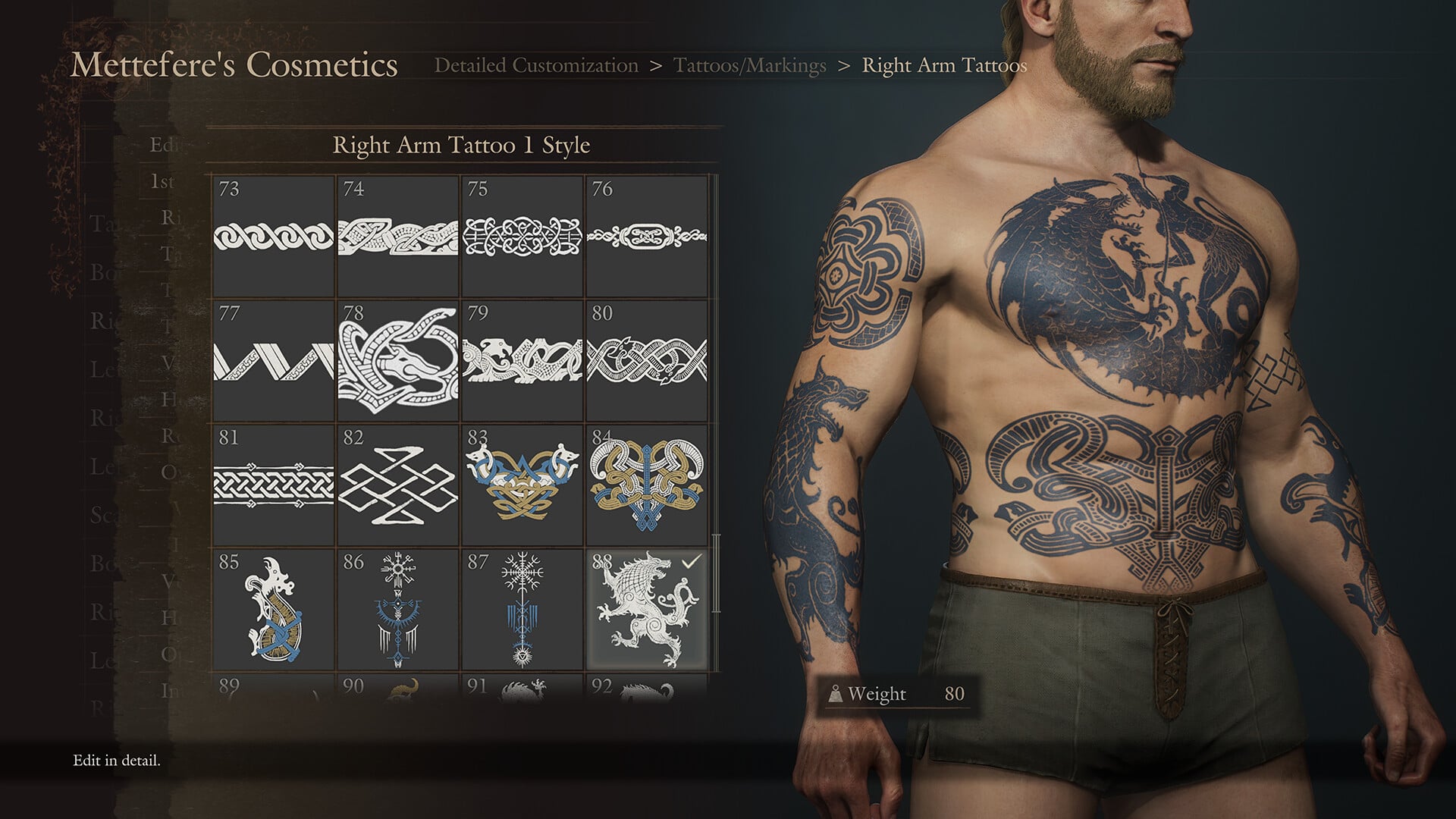
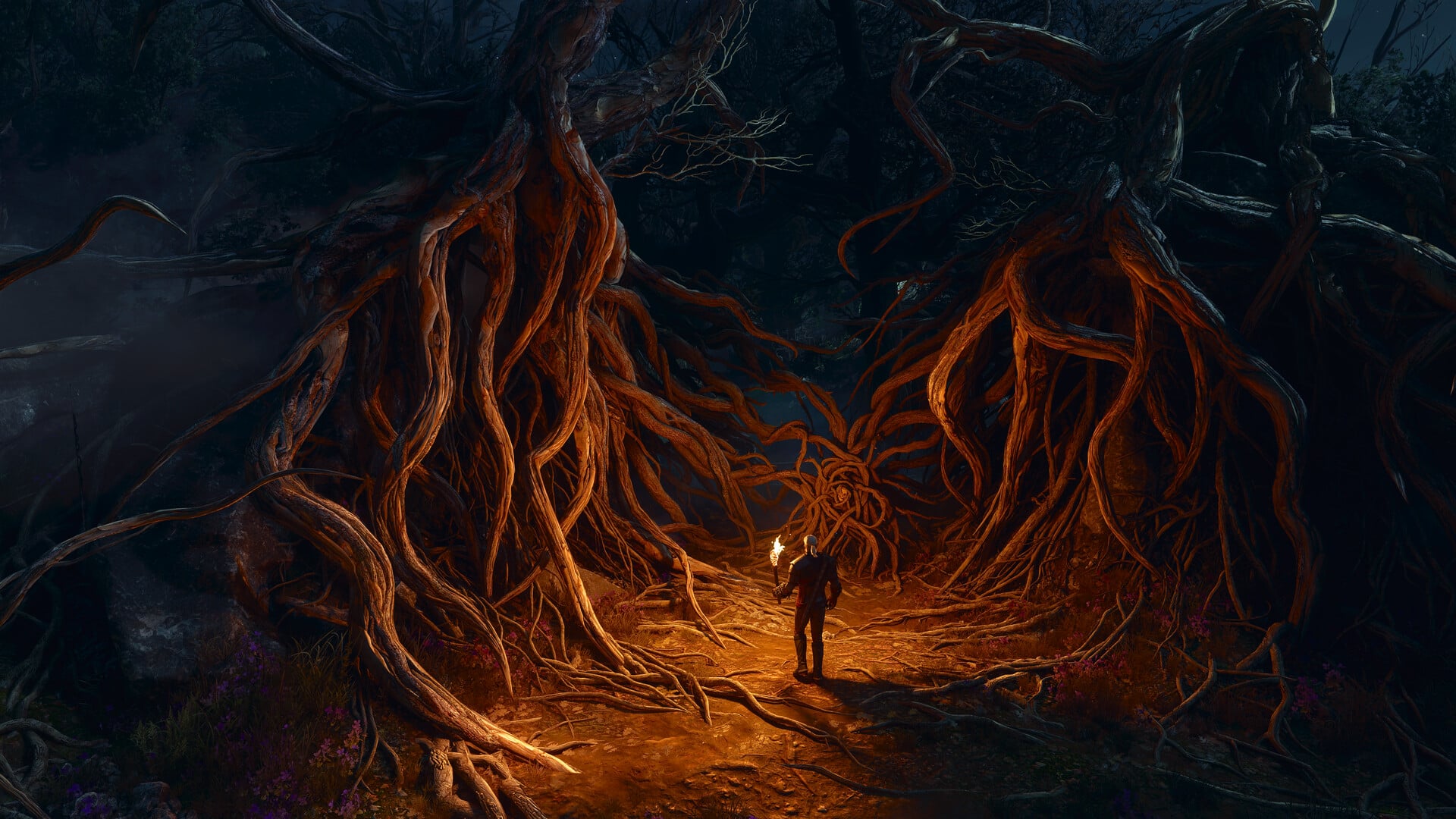
We want to design the game in a way that you’re sort of never quite sure what’s going to happen during a given session, and it never feels on rails, even if you’re going through a particular quest or you have to go from A to B in the storyline or on the map.
You almost feel like anything can happen, but when it does, it’s up to the player to consider the tools you’ve given them and to figure out in real time how to strategize to get through that. And I think that combining those different aspects is what makes Dragon’s Dogma feel, like you said, not quite like any other large-scale RPG.
When balancing the quality of life improvements, were there any times during development when you realized you’d ‘smoothed an edge’ too much and undid it?
Kinoshita: It’s been a balancing act for sure. My philosophy is that if friction becomes frustration, you’ve gone too far in that direction, and that’s something we want to avoid. So, if those sorts of rough edges start becoming enjoyable and you’re feeling like something is a challenge that you’re taking on, then we think that’s a good reason for why it happens. Whatever the feature is, if you make it too hard and it just becomes unplayable, then it doesn’t really benefit the players either.
Oyama: For me, as producer, user choice is paramount. It’s one thing to say that, okay, in Dragon’s Dogma you can’t fast travel infinitely, so you have to make decisions about when to use it and when to travel on foot. But some players just don’t have time to do that. So we want to give them a choice by adding in the Eternal Ferrystones. You can decide on any given play session, ‘Do I need to walk from A to B today, or do I just want to get there?’ That’s really up to you.
“It’s been a balancing act for sure. My philosophy is that if friction becomes frustration, you’ve gone too far in that direction, and that’s something we want to avoid.”
We’re never going to remove the option to do it the hard way, we just give the player the choice and say, if you want to use the Eternal Ferrystone to travel quickly, it’s there. If you don’t want to use it, just don’t use it. But it means you get to play the game your way and decide how much friction is right for you.
In the initial marketing for Dark Arisen, you’ve talked a lot about taking on player feedback. But how do you figure out what fan feedback is worth paying attention to, and what isn’t? Some fans with little play time could say the game is too hard, for example, whereas veterans might think it’s too easy.
Kinoshita: As you said with that example, not only do different players’ feedback or opinions differ greatly, but the same person’s opinion can evolve and grow, and they can come to hold an opposite opinion over time, whether that’s for better or for worse. For me, empathy is how I judge it. If someone says something, and I can say, ‘I get where you’re coming from, I imagine that could be the case’, then I can consider it feedback worth considering.

The Switch 2 version has been widely praised for how well it runs and looks. Has Capcom’s engine technology reached a point where optimization for less powerful hardware is almost routine, or is getting a game like Dragon’s Dogma 2 running on Switch 2 still a major technical challenge?
Kinoshita: It’s not quite become just a day-to-day routine yet. There are still challenges. Since RE Engine is an internal engine, each game that each team develops can clear the path for us in different ways, depending on what challenges they face. But at the same time, for example, building on Resident Evil Requiem and Pragmata, they both achieve certain solutions, but because Dragon’s Dogma 2 is doing something different from them, we have our own challenges to face. But that know-how will only benefit future teams’ work.
So it’s not quite up to the point where we can do it all before breakfast, so to speak. But we’ve definitely benefited from the know-how and learning shared between teams. It’s all about each team paying it forward to the next. So now that we’ve worked hard on optimizing this open-world RPG experience on Switch 2, some future title may benefit from that.
But we’re not done yet. So, as pleased as we are to hear positive feedback on the Switch 2 footage already, we’re still optimizing right up to the finish line. I’m going to keep working to get that frame rate higher, and I’m hopeful that by the time the DLC is ready for release, we’ll be even happier with the Switch 2 performance.