FF7 Revelation’s director on ending the trilogy, and why fan feedback can lead to a bland game
Final Fantasy 7 Remake series director Naoki Hamaguchi discusses the big Summer Game Fest reveal

Final Fantasy 7 remake series director, Naoki Hamaguchi, has been absolutely everywhere over the past week.
Since premiering the third and final instalment in the remake trilogy, Final Fantasy 7 Revelation, which was the final big announcement at Summer Game Fest, the experienced designer and programmer met with more than 30 media outlets, influencers, and streamers over a single weekend, including lengthy appearances on live streams like Giant Bomb.
So, cut to Square Enix’s Los Angeles headquarters on Monday afternoon, when I meet him brandishing my suitcase, ready to fly home, what was left to say?
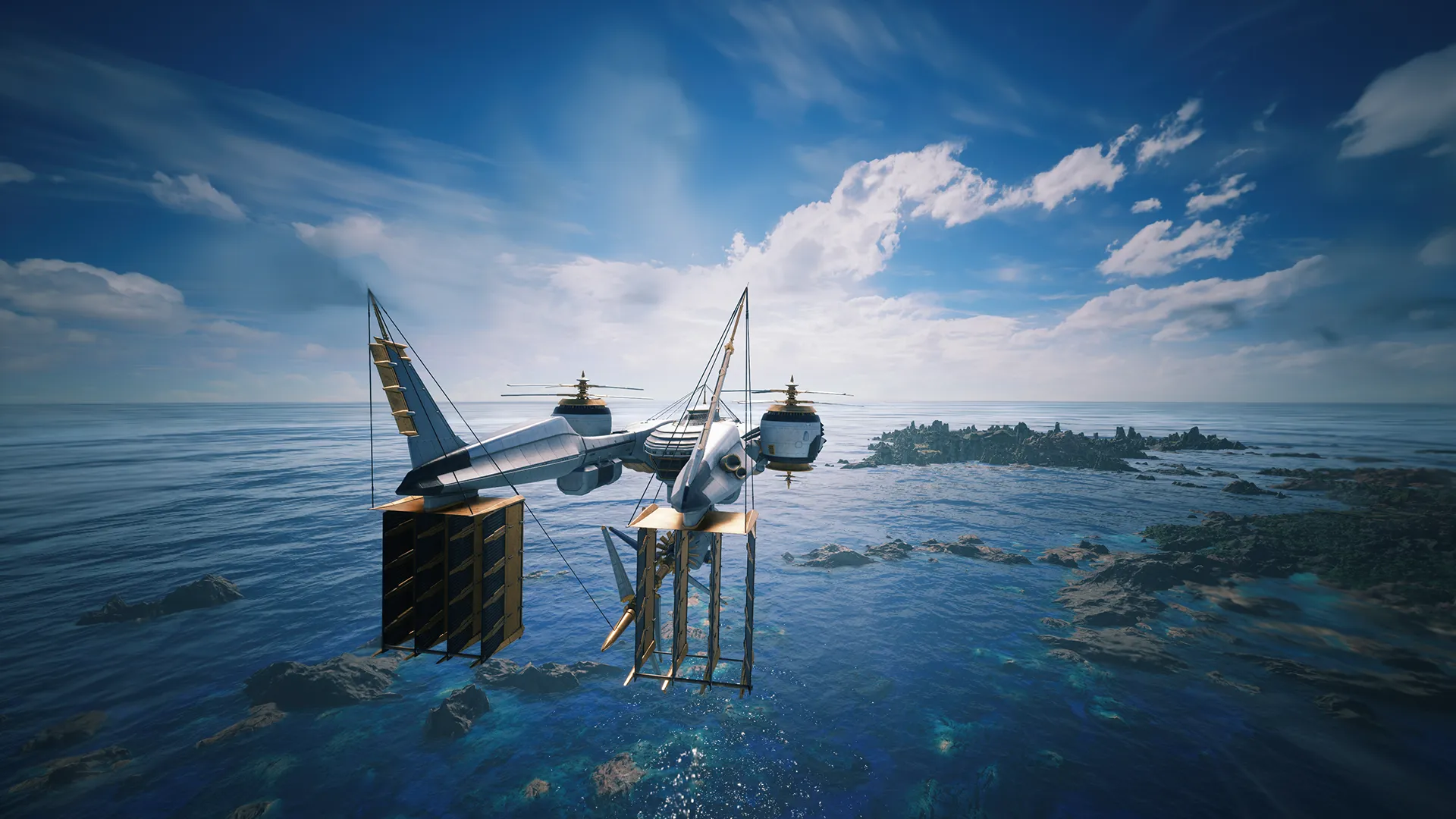
“There is one thing,” Hamaguchi says, when I ask him to spill a new Revelation for VGC. “What I’m about to talk about right now, I don’t think I’ve discussed too much with the media before. A lot of people have asked me when players will be able to access the Highwind ship in the game, and each time I was asked, I would either say four-to-five hours or five-to-six hours into the game because it kind of depends on the player.
“And when I say that, I think a lot of fans are probably wondering if it’s truly possible to fit all the story segments from [after] the ending of Rebirth. Because if you apply that to your original storyline, where the party goes to the Icicle Area and then the Northern Cave, some might be a bit skeptical if it’s possible to fit that within a four-to-five-hour range.
“So, this part, I don’t think I’ve talked about it too much before, but the way that the introduction of Final Fantasy 7 Revelation plays out, I think we were able to come up with a pretty interesting story beat. The entire story sequence where the party gains access to the Highwind, I think the way it plays out is going to be pretty fun for the fans, and might be pretty dramatic, so I hope they look forward to that aspect of the game.”
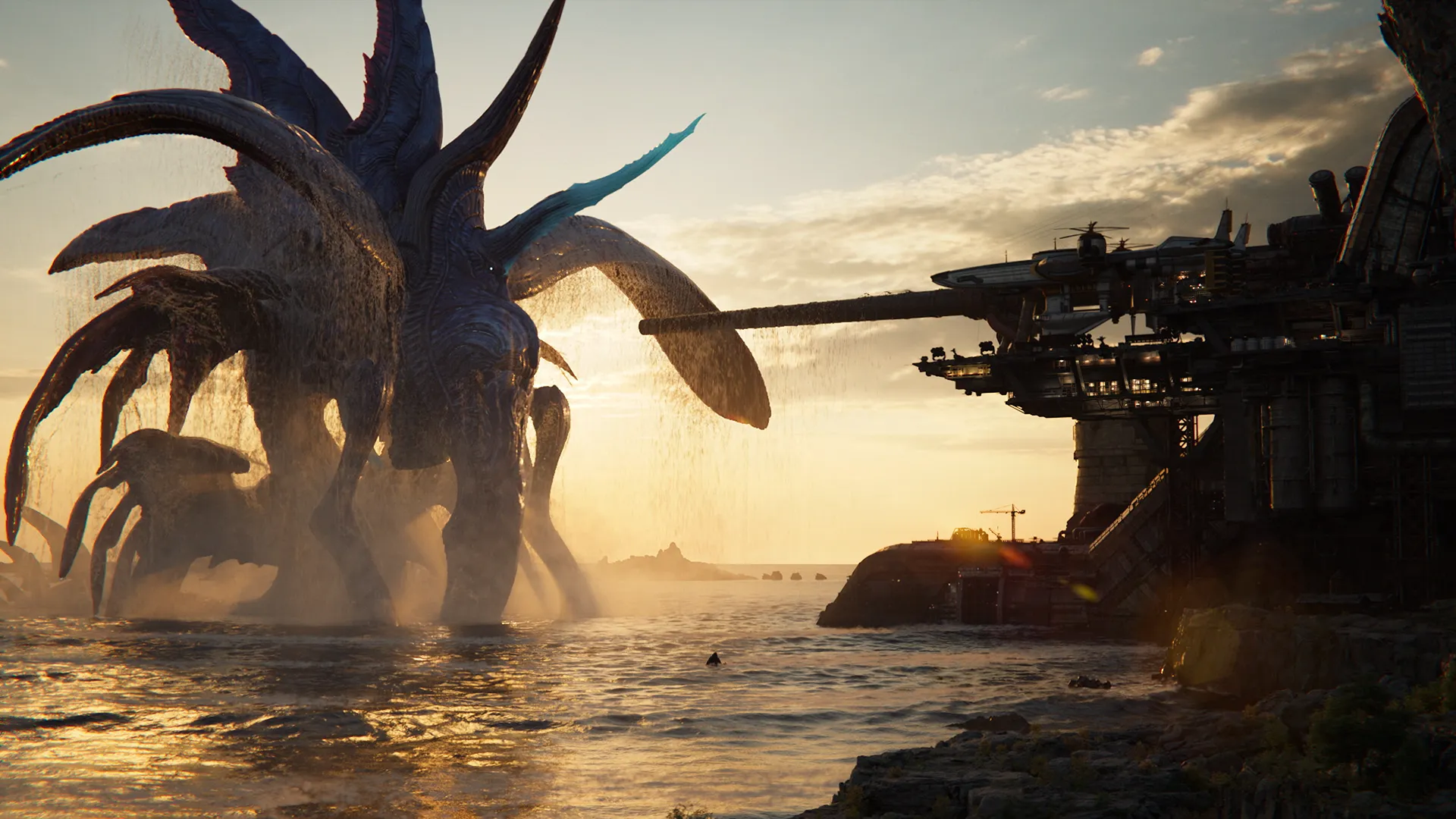
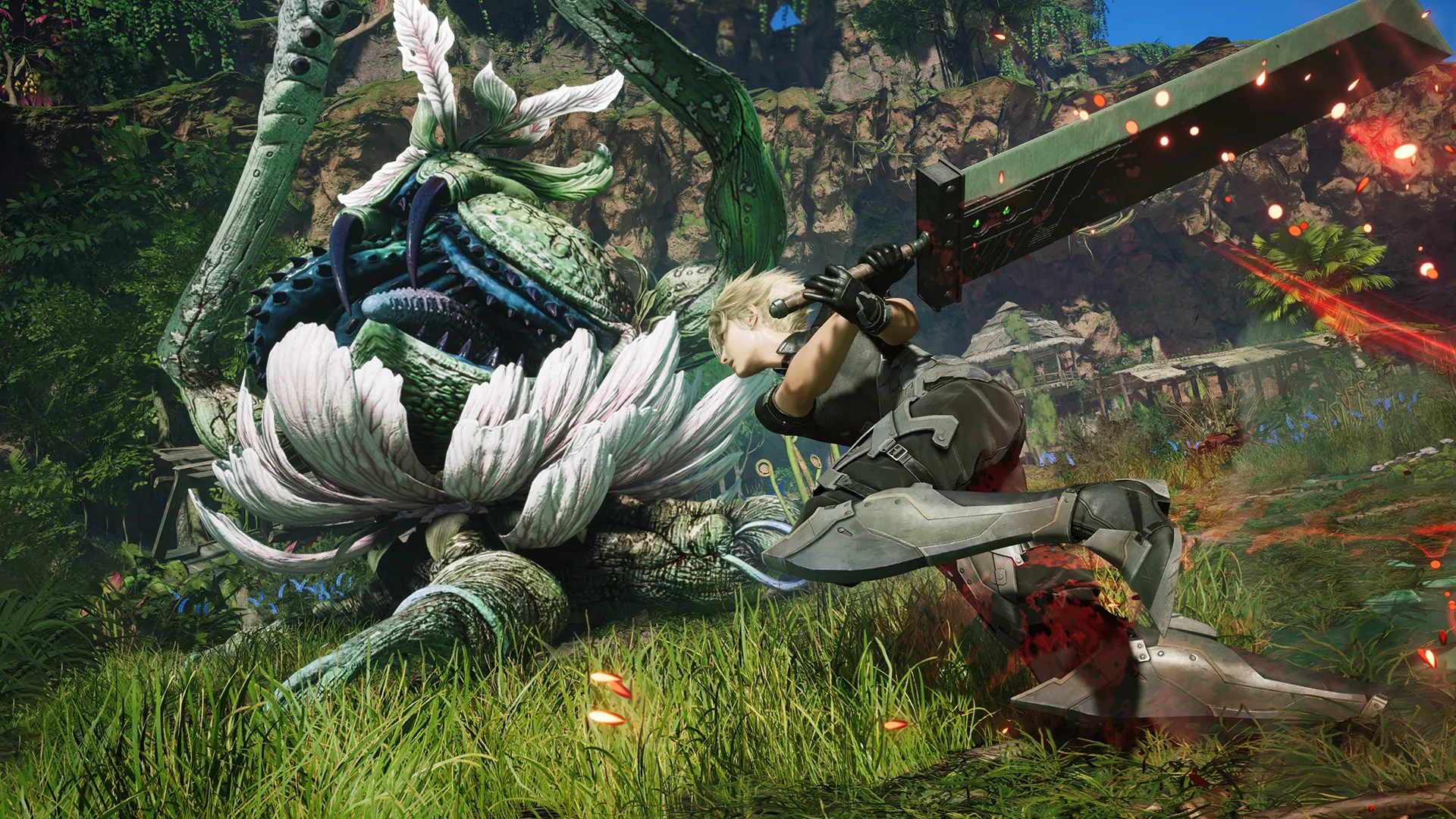
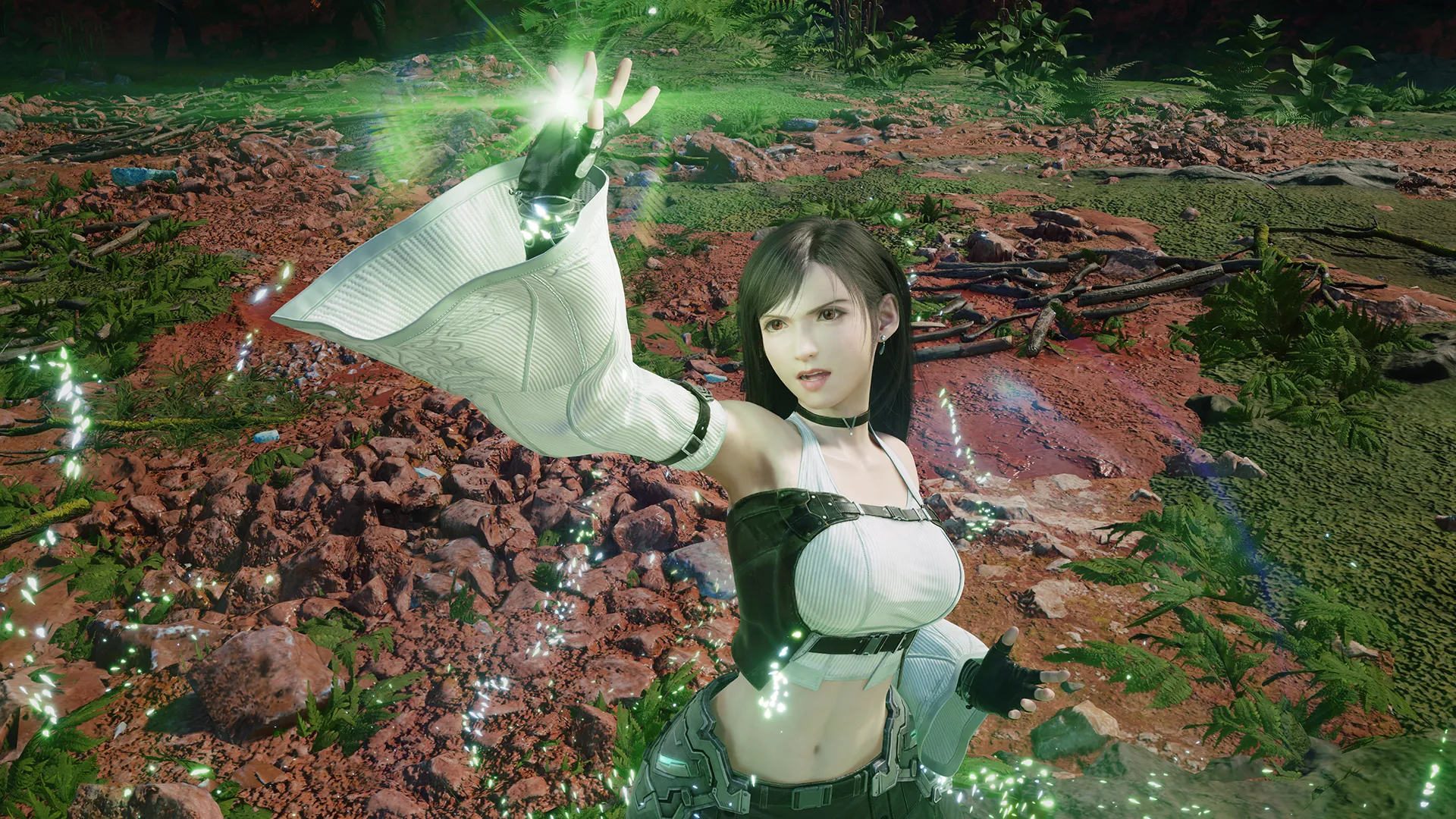
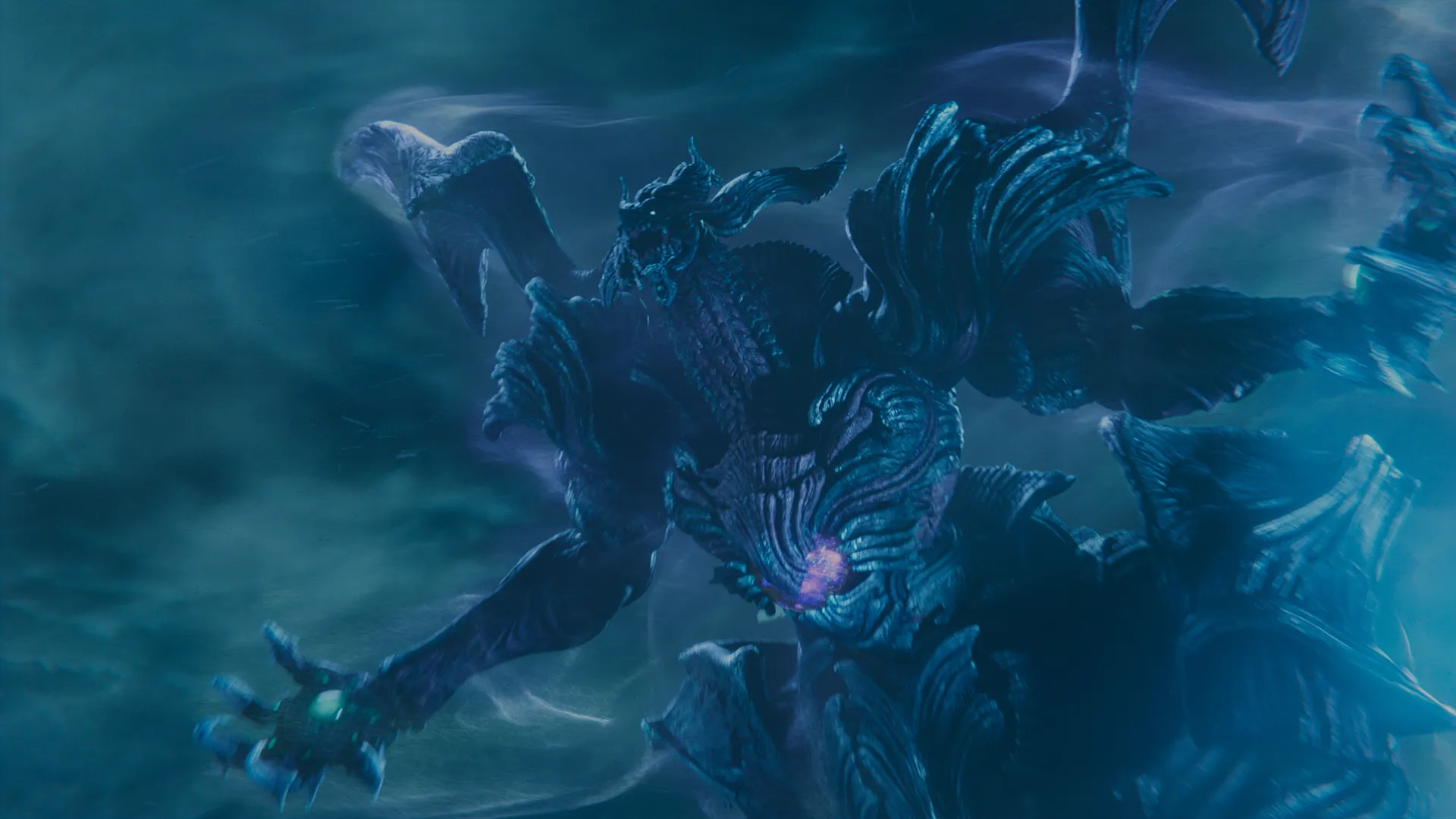
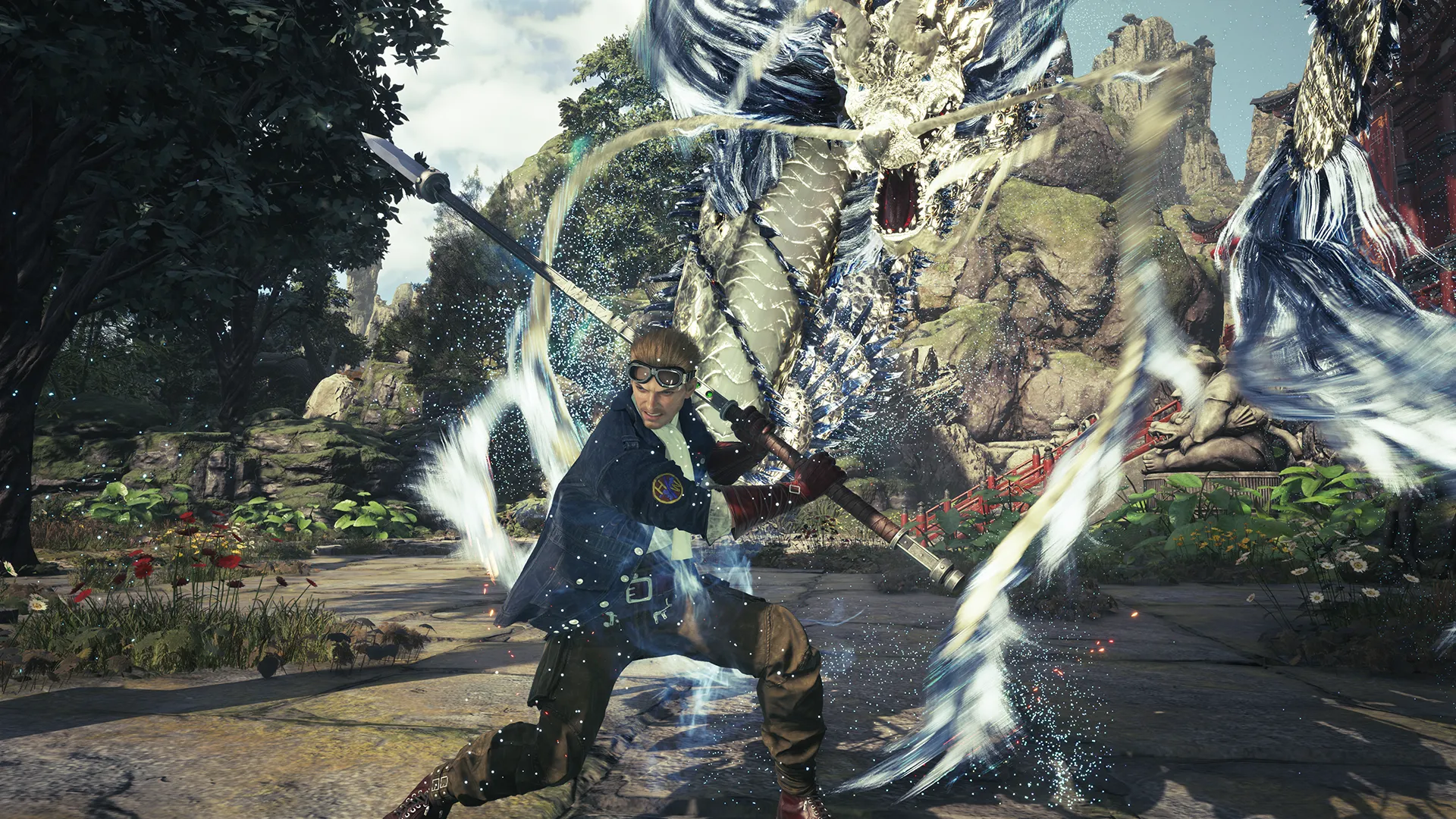
The exploding-out-gate reveal of Final Fantasy 7 Revelation represents a change of strategy for Square Enix. Not only is it the first instalment to launch on day one across all three major console platforms, instead of as a PS5 exclusive, but the publisher opted to focus not on the epic story and characters FF7 is famous for, but on nearly ten minutes of gameplay on the Summer Game Fest stage.
Hamaguchi explains that Square Enix knows the broad gaming public is likely aware of Cloud, Tifa, and Aerith and their battle against evil corporation Shinra, but few non-players probably know much about the gameplay of the Final Fantasy 7 series. With the first two instalments now available on all major platforms, SGF was an opportunity to entice new players to the series by showing the series in action.
“The goal for us was to use this opportunity to showcase the depth and gameplay of the Final Fantasy VII Remake series to encourage players around the world to start playing the Final Fantasy VII Remake series before Revelation launches,” Hamaguchi says.
“I don’t think I’ve talked about it too much before, but the way that the introduction of Final Fantasy 7 Revelation plays out, I think we were able to come up with a pretty interesting story beat”
“These past several days, I’ve been pretty occupied with all these media interviews, but our marketing members have been following the reception online, and we do notice a lot of people who are announcing that they’re finally starting playing the Final Fantasy VII Remake series for the first time.
“They’re saying things like, ‘oh, now’s the right time for me to finally start playing Remake or Rebirth’, and that’s a really great thing to see for us, and we hope players continue to be excited for our series and Revelation.”
However, despite Rebirth’s sales falling short of its predecessor, and Square Enix pushing for a broader, multiplatform future, Final Fantasy 7 Rebirth isn’t pandering to new players, Hamaguchi indicated.
When I ask the director about his thoughts on topics like bringing in new players, there’s an almost admirable determination evident in his responses, as if he’s an auteur completing an arthouse series, rather than some corporation chasing trends.

It’s “not the right approach” to say that players can start the FF7 Remake series with Revelation, he says. “We do have to say that you’ll probably need to start with the first instalment, FF7 Remake, to have a full understanding of the story.”
And the abundance of mini-games in Rebirth that many players complained about? Hamaguchi isn’t budging. In fact, he’s adding more.
“I do have some sort of logic with that idea, and I think it also applies to mediums outside of video games, like films, or TV shows,” he explains. “When you look at all the critiques, the criticism, negative feedback, and try to understand what the most common criticism is, what the median average user is saying, and try to address that and adapt your product to it, it is questionable if that approach actually leads to a better product.
Highwind is 'biggest technical challenge'
Hamaguchi is unique among many game directors thanks to his background in programming. Part of the reason the FF7 Remake games look so good and run well on less-powerful platforms is his expertise.
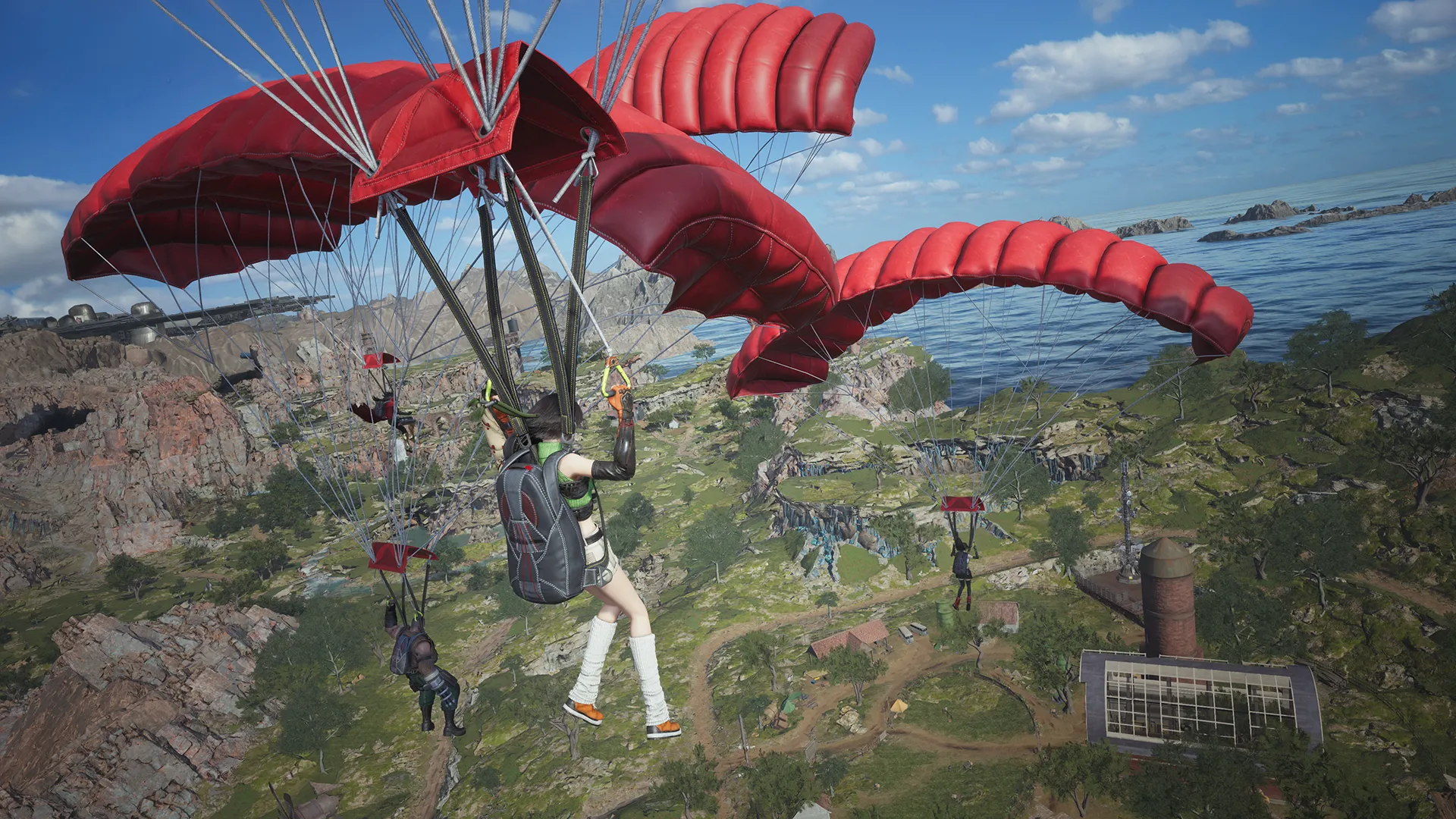
According to the director, FF7 Revelation’s biggest technical challenge was implementing the Highwind, a huge airship that allows players to freely roam the skies and jump down to different regions.
“The entire sequence of being able to control the Highwind in the sky and choose where to drop in via parachute and land on the ground, having all of that happen with a smooth transition, and implementing that into the game, was a pretty challenging feat for us,” he says.
“There is actually one more example regarding the Highwind. When you look at a lot of the other open worlds, a lot of times what happens is that when you go to the edge, you eventually bump into this invisible wall that prevents you from going further.
“With FF7 Revelation, we didn’t want that to happen, so when you are controlling the Highwind, the idea is that you are traveling across the planet, so you will go through a loop eventually, if you just keep going forward. When I pitched that idea to our engineers, I mentioned that it’s going to be an incredibly difficult thing to implement into the game, but we were able to put it in, so I hope the fans enjoy it.”
“If you were to address all the negative feedback, and even take the positive feedback into account, sometimes it’s a case that you’re seeing two sides of the extreme opinions, and by applying all of that, it’s possible that you come up with a product that doesn’t really have any character. It’s just a blank state that doesn’t really have any strong appeal.”
Because of that belief, Hamaguchi says his approach is to take responsibility for the big calls on behalf of the development team.
“What I can say for Revelation is that it will feature as many mini-games as it did in Rebirth, if not more. I did not want to make a cut on that aspect. I didn’t want to reduce the number of mini-games. We’ll see how it turns out in terms of the fan feedback, but I will take that responsibility, depending on what happens. That was my decision.”
That’s not to say the FF7 Remake team is ignoring all fan feedback, the director adds. For example, those who don’t like specific mini-games will now be able to skip them, and combat rewards tied to mini-games have now been rethought.
Hamaguchi is clearly making the calls that he feels are right to live up to the legacy of the original Final Fantasy 7 series. Throughout the trilogy of remakes, the development team has lived by the philosophy that it should keep as many major scenes from the PSone game as possible, even if, as the director explained at the top of our conversation, they may have moved some story beats around a bit for the purposes of pacing.
“Even for me personally, I might consider some things as less important, but fans might not think that way. So the goal is to keep as much as possible from the original,” he says.

“That being said, there might be some changes that we apply, an example being the sequence of the story beats. For example, if you look at the order or the exact story moment where the Rocket Town sequence happens in the original, that should have been included in FF7 Rebirth instead of Revelation.
“In FF7 Revelation, or to be a bit more exact, in the second half of Revelation, that’s when the party visits Rocket Town and the Rocket Town story, or the event happens there. We did make some adjustments in terms of the sequence and the order of how one of these story beats would happen in the game, but again, the general idea is not to make any changes or omit anything.
“The orders might be shifted up a bit, but in that sense, I think we were able to keep everything as close as we can, so I think the team and I did a pretty good job at that. I would say I’m pretty confident that we were able to remain true to the original.”
“Even for me personally, I might consider some things as less important, but fans might not think that way. So the goal is to keep as much as possible from the original.”
One major pressure Hamaguchi’s team faces with Revelation, of course, is how do you bring to a conclusion such an ambitious remake trilogy, which itself is honoring one of the most beloved and influential games of all time? The answer isn’t something that’s been left to chance, he explains.
“Obviously, I can’t share actual details on how this story is going to end, but in terms of how we envisioned the conclusion, we did have some sort of an idea of what we wanted to do at the end. So we did have a kind of direction from the early days of development.”
He continues: “The same goes for the producer, Yoshinori Kitase. He had his visions as well, and some of that is applied in the conclusion that we’re telling in FF7 Revelation. To be completely honest, I think we’re pretty confident and happy with how it’s turned out. We’re very much excited to see how fans will react to the ending of the story.”