Crazy Taxi World Tour feels like the offspring of the original Crazy Taxi and Forza Horizon, in the best way
Hands-on: Sega’s reboot retains the original game’s spirit but does its own thing
Crazy Taxi is one of those games that means a lot to certain people, myself included.
I can safely say I’ve spent more time playing the Dreamcast version of Crazy Taxi – and later its Xbox 360 re-release – than most games in my life. There was a time when I became so obsessed with it back in the Dreamcast days that I could make a single Arcade mode run last around 40 minutes because I knew the best order to pick up every passenger.
The news that Sega was working on a new Crazy Taxi, then, filled me with both excitement and trepidation. Sega has dabbled with sequels and spin-offs in the past with mixed results – Crazy Taxi 2 and 3 were solid sequels, but attempts to bring the series to GBA and PSP weren’t great, and mobile games Crazy Taxi City Rush and Crazy Taxi Tycoon were nothing like the real thing, offering Temple Run-style swiping and a business management sim respectively.
The idea of a new Crazy Taxi that takes players around the world and offers more than just the simple arcade gameplay of the original had me curious but cautious – it’s the simplicity of Crazy Taxi’s premise that made it so endearing in the first place, so could an attempt to pimp this particular ride end up with the original bodywork being unrecognisable?
Thankfully, after going hands-on with it at Gamescom this week, I’m satisfied that World Tour looks set to deliver a reboot that isn’t necessarily intended to replace the original, but instead offers a modern day Crazy Taxi experience that – unlike the original classic – is designed with consoles in mind, rather than arcades.
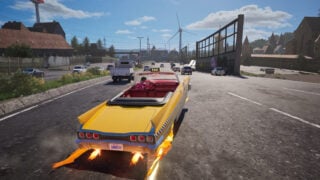
Whereas the original Crazy Taxi was based in San Francisco and its sequel had a New York stage, World Tour lives up to its name by taking the player to a variety of cities around the globe. Given that the demo took place at Gamescom, it was only fitting that the map in my demo was set in Germany.
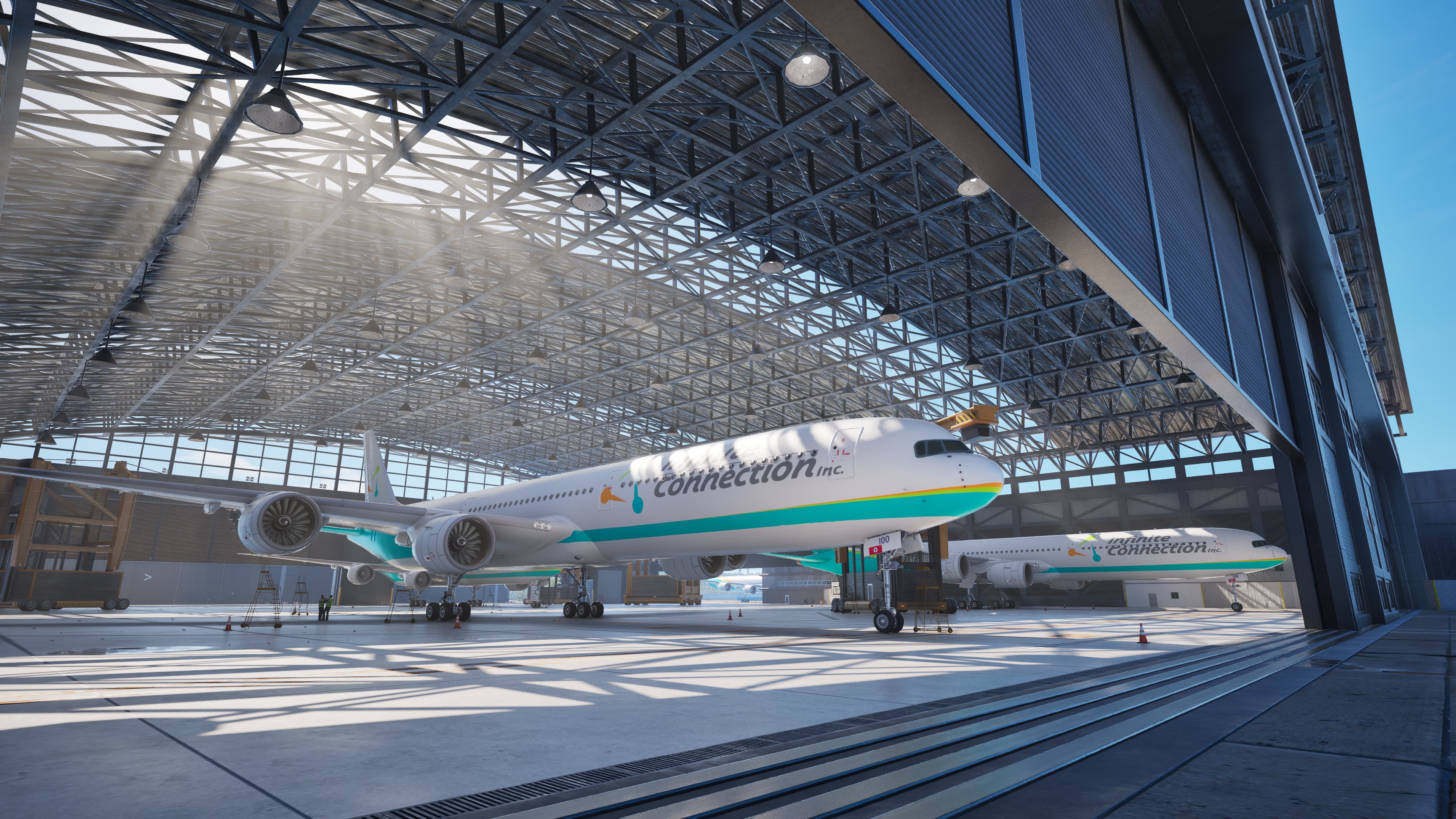
If the rest of the game’s cities are handled with the same care as this one in terms of layout and general design, it bodes well. Other than an airport area which seems a tad too open (but may be used for stunt-based tasks at some point), the streets have a pleasant Bavarian style to them that undoubtedly differs from the US-based cities in previous games.
That said, it would be remiss not to mention Sega’s confirmation that generative AI was used during the initial research phase, nor its assurance that it wasn’t used for the actual creation of any art assets in the game. While this article is focusing on the demo presented to me at Gamescom, you can decide where your line in the sand lies with regards to this ongoing topic.
Each city offers its own open world, with a variety of missions and other tasks dotted around. No longer are you restricted by a time limit (at least, not at first), meaning you can freely drive around in search of things to do. A selection of available missions is shown at the top of the screen, and you can switch between them using the D-Pad, with the active mission shown as a marker on the map.
Each of these main missions generally involves picking up a special passenger who has a specific task for you rather than a simple A-B journey. One of the riders I picked up was Albrect, a ballet dancer who not only wanted to be taken to his destination but taken in style, which meant hitting a drift target along the way.
Another was Ggoora Zyih, an alien who wanted an example of Earth driving, meaning I had to drive through a series of checkpoints as quickly as possible. My favourite was Pierre, a man so desperate to get to the airport that he neglects to tell you that he’s being pursued by the cops, making for a frantic police chase to the runway so he can catch his plane (quite literally – you have to drive up to it as it takes off so he can cling to the wheel).
Germany in Crazy Taxi: World Tour
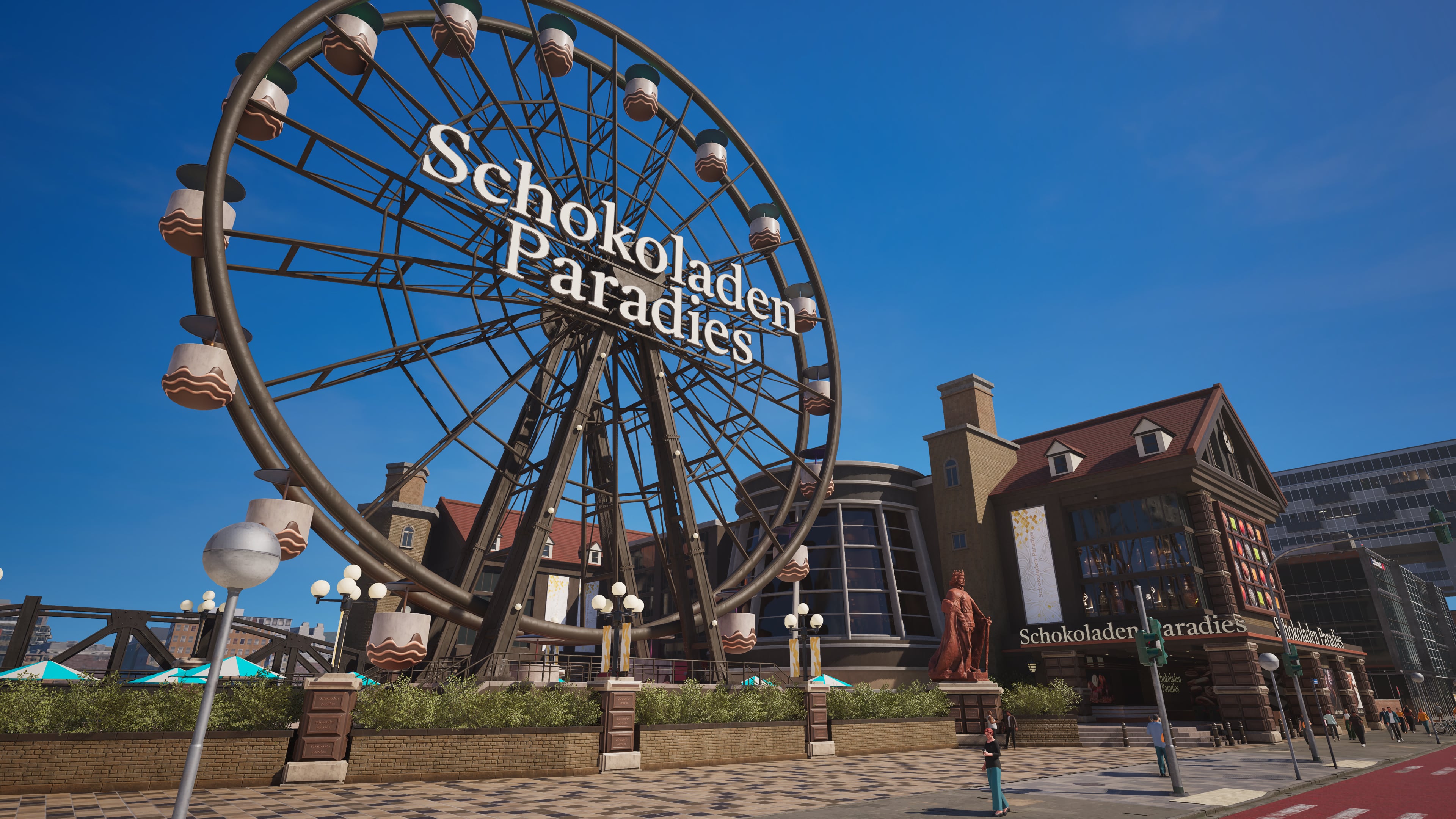
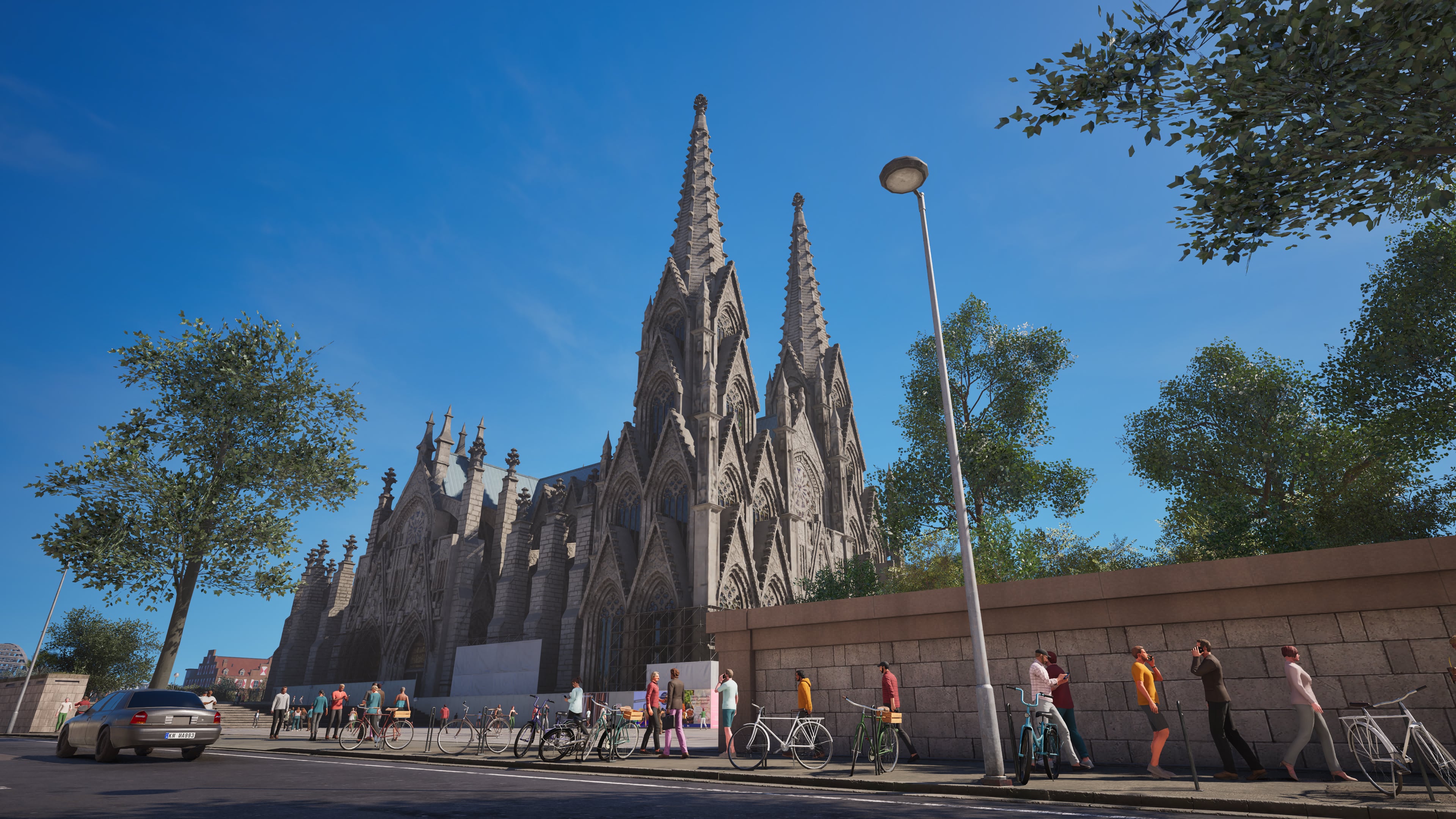
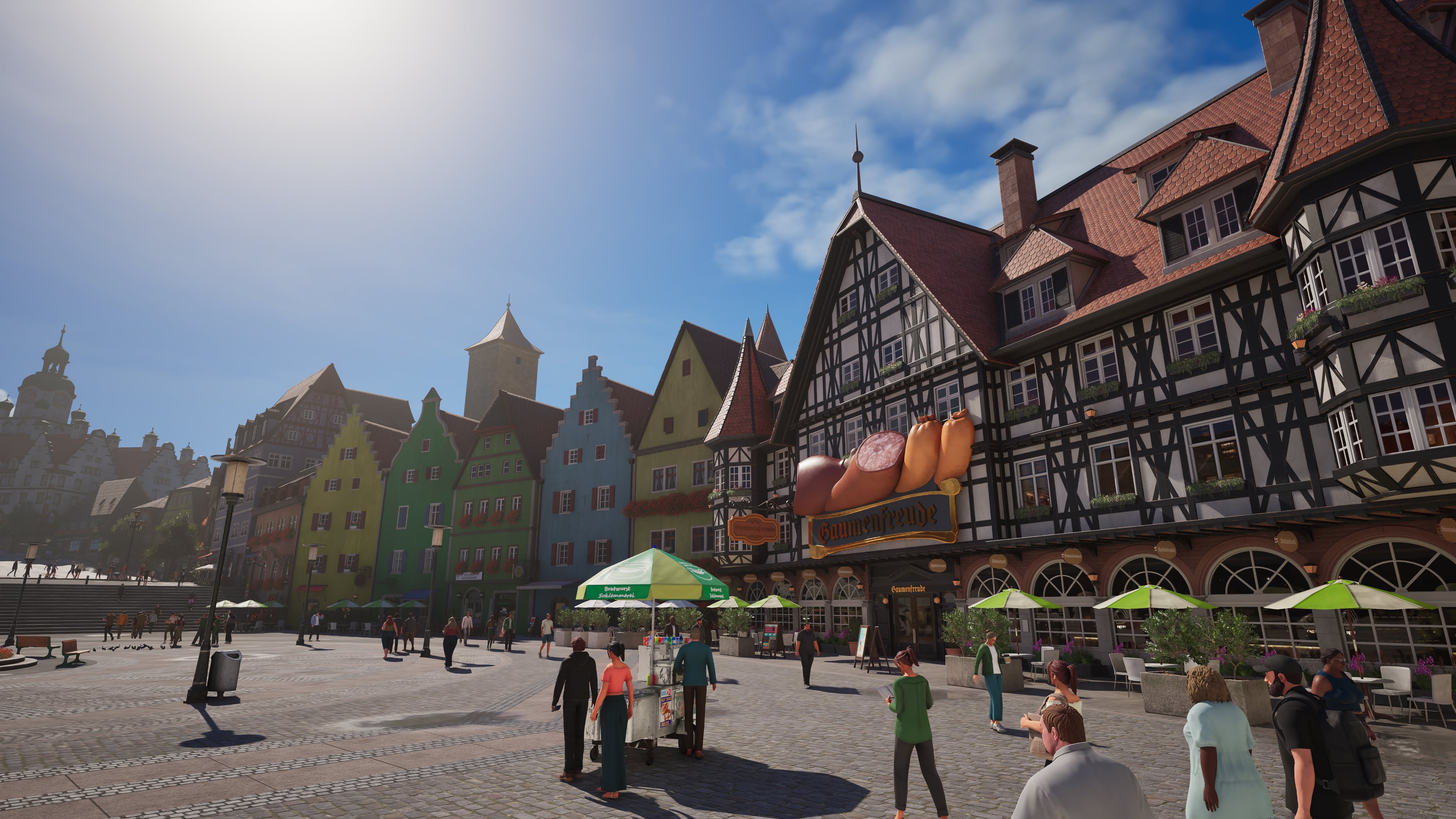
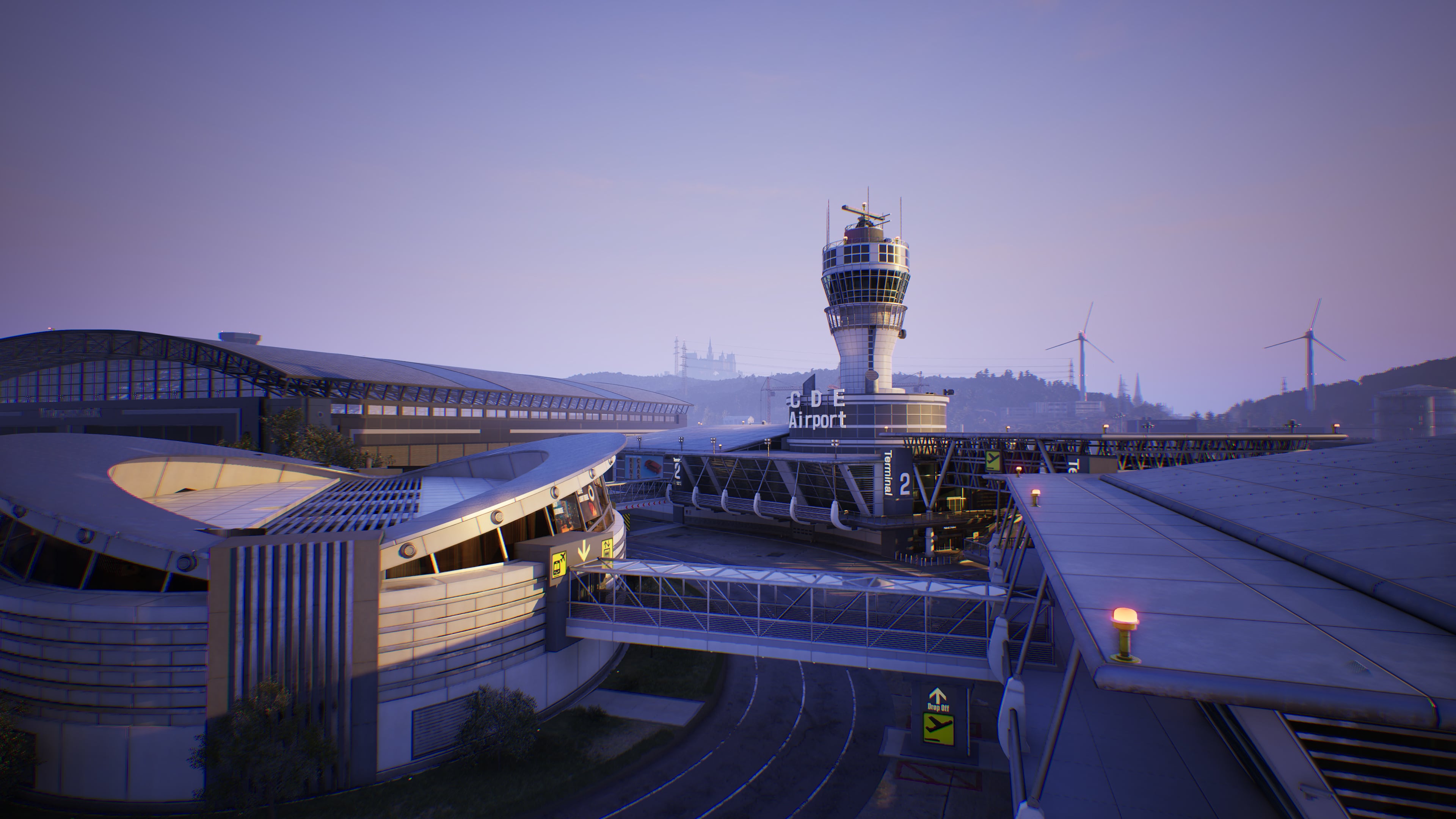



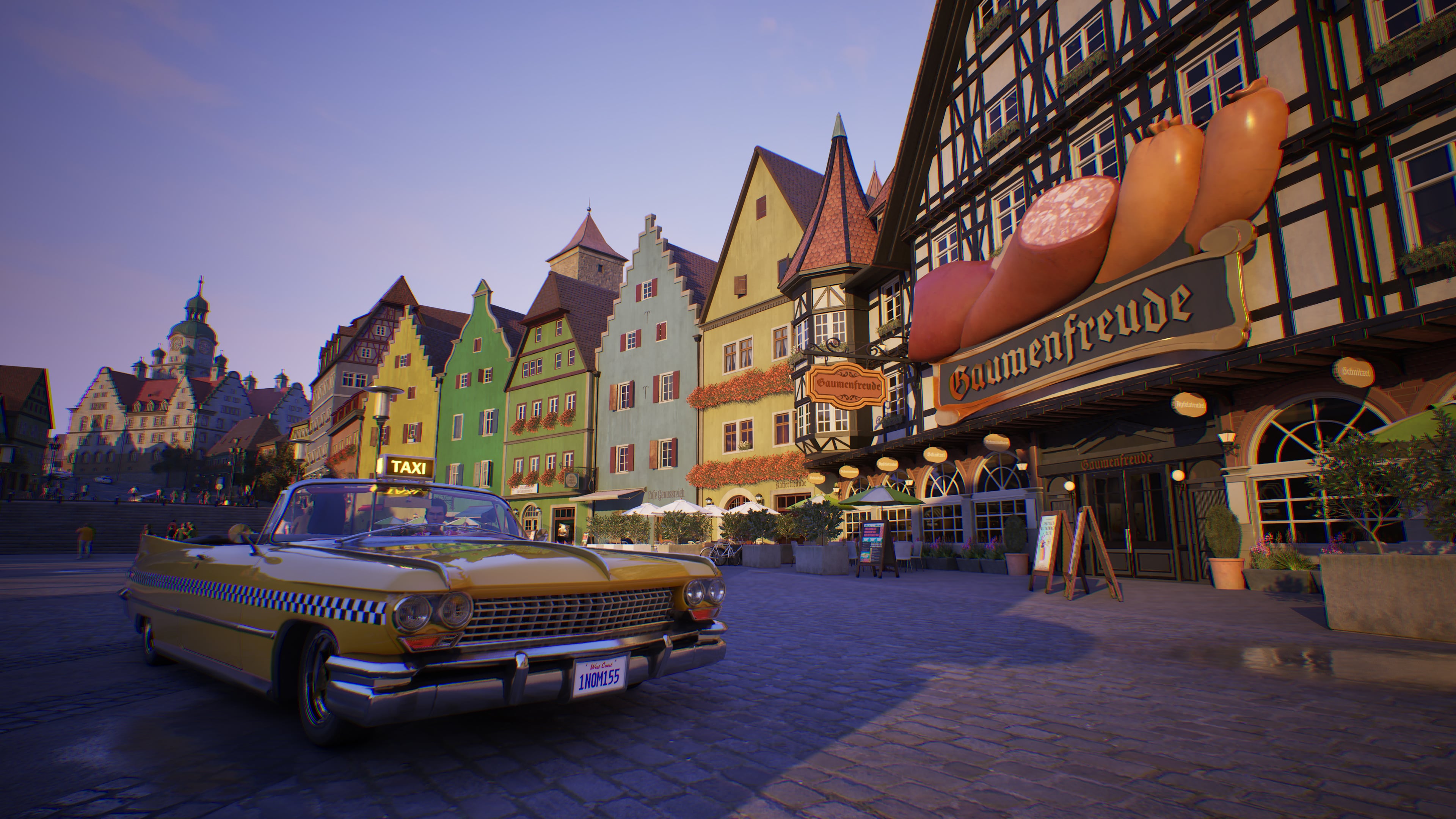
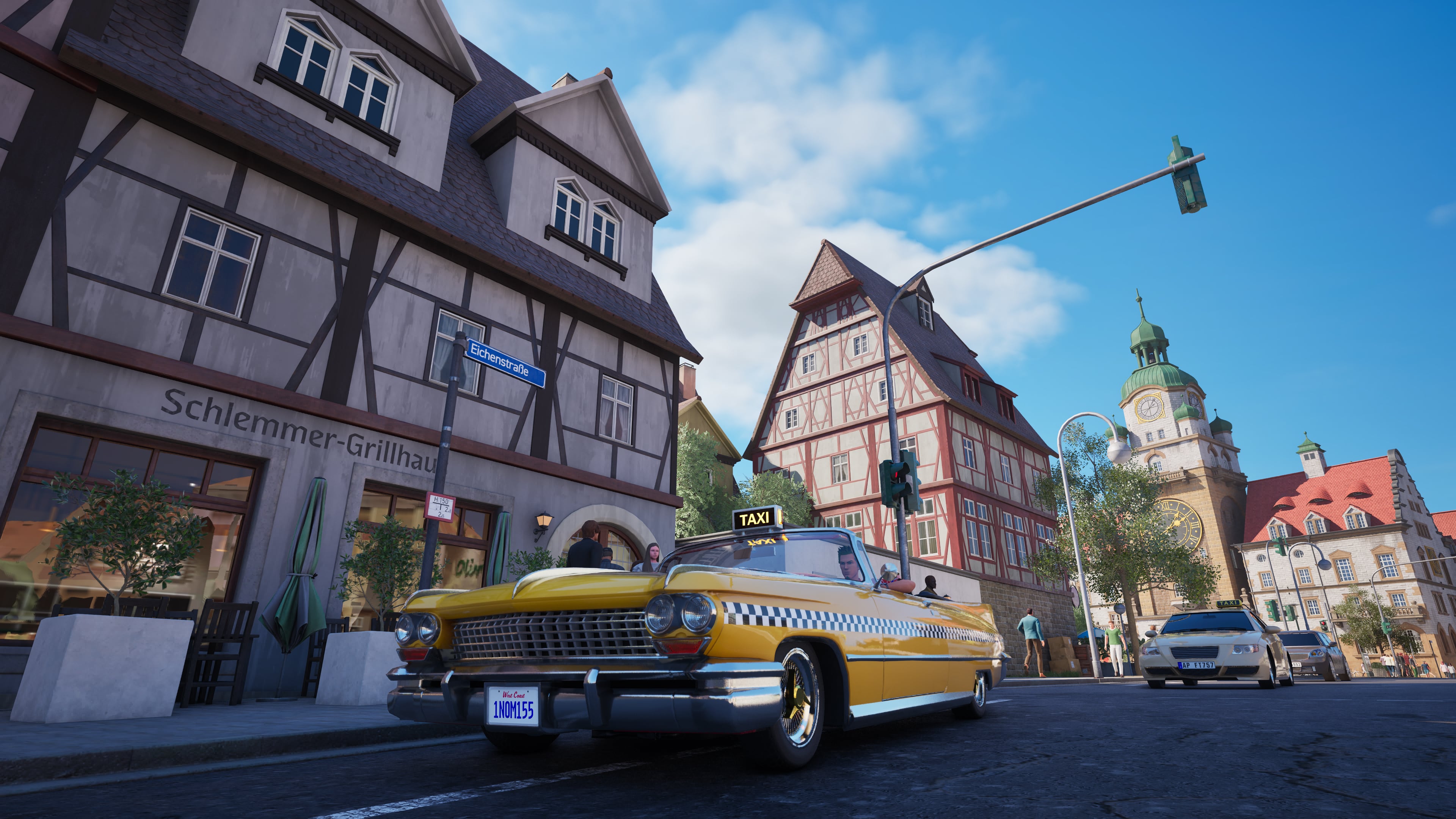
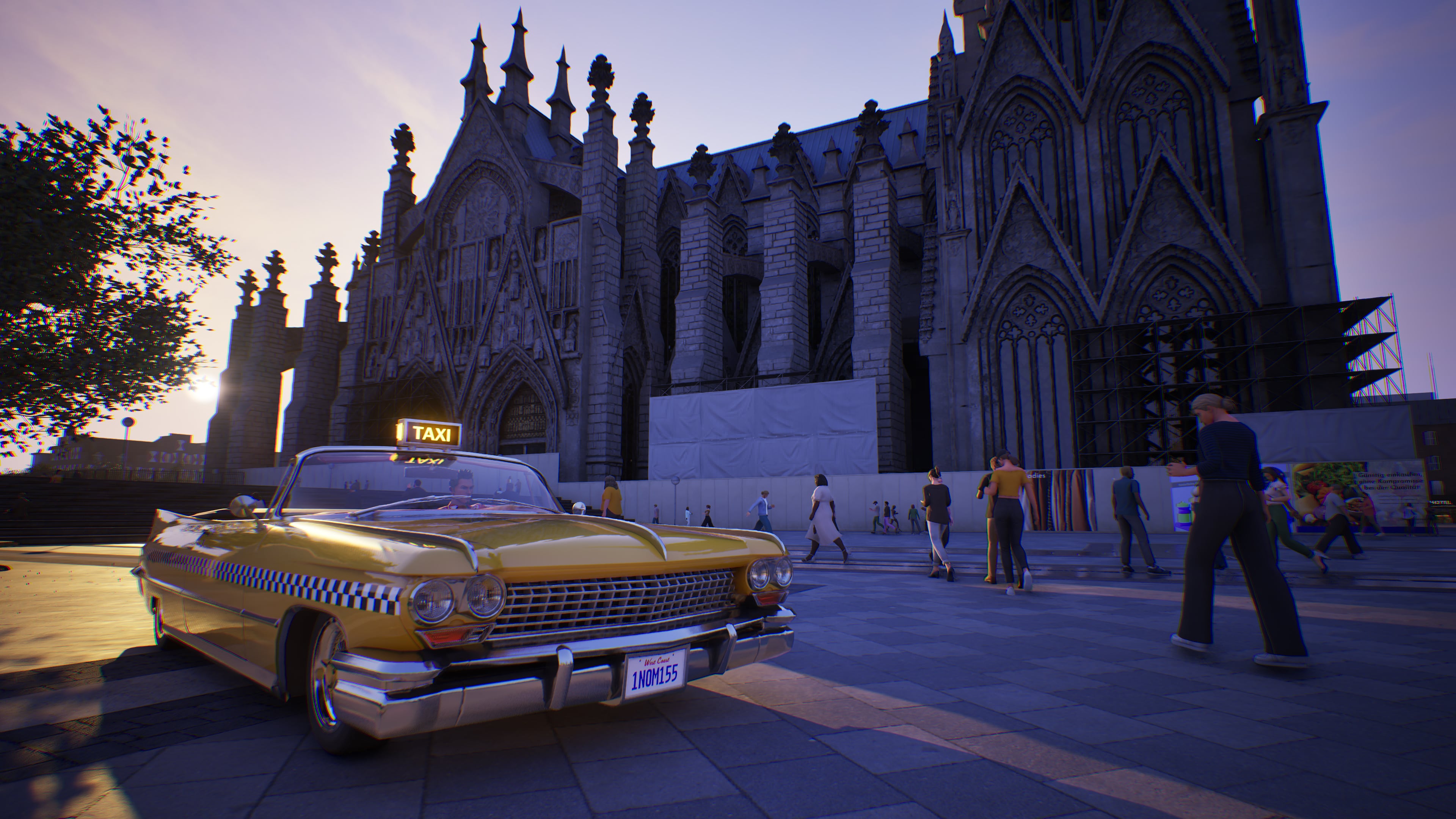
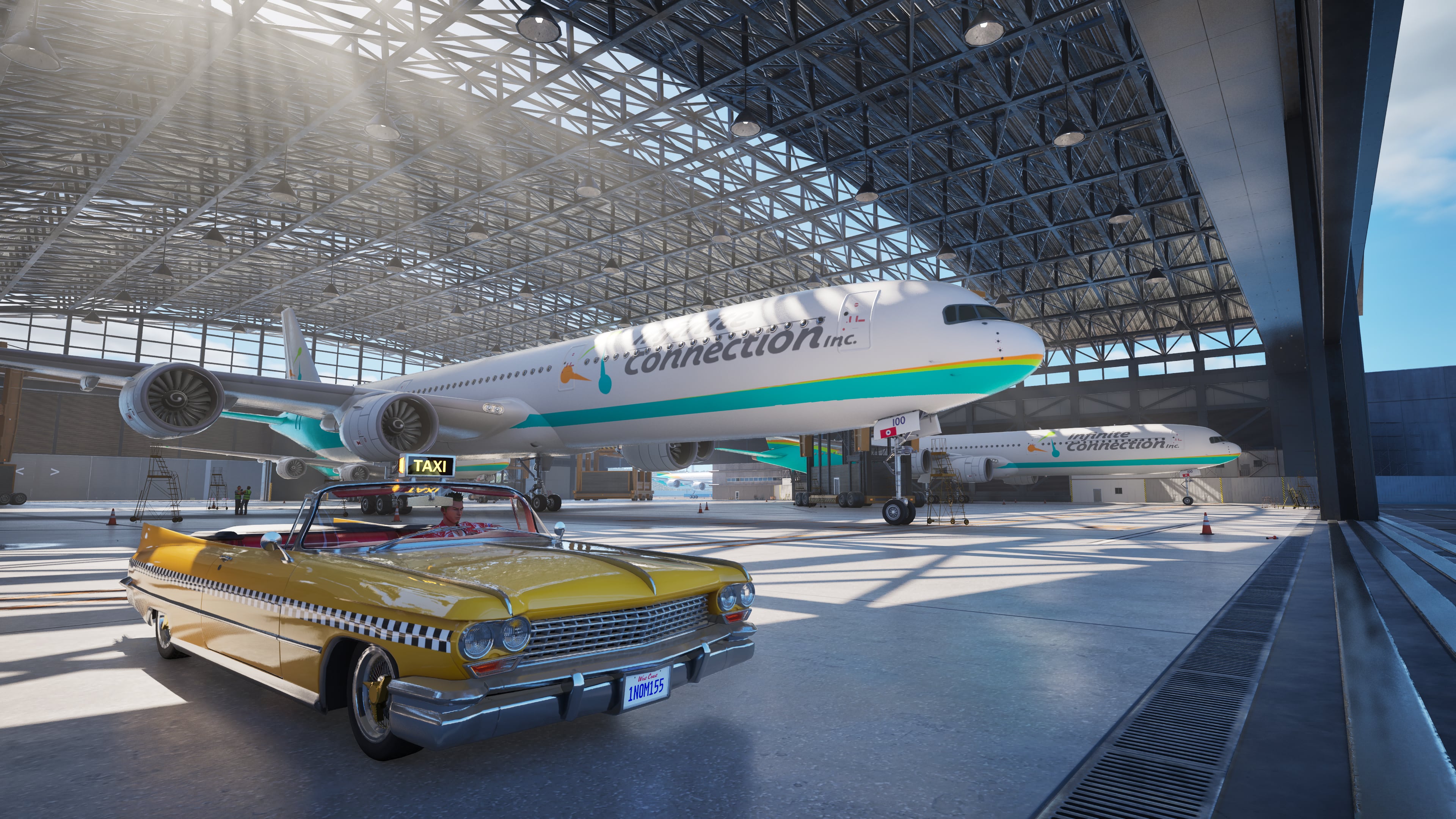
These are fun little diversions which add a bit more variety to the game than the simple ‘pick up passengers, drop them off, repeat’ formula in the original Crazy Taxi series. If that’s all the game was offering, however, there would doubtless be some hardcore Crazy Taxi fans disappointed that the gameplay loop they loved so much was gone.
At first listen the soundtrack might disappoint them too – when the stage starts there’s initially rather generic German-themed music playing in the background, rather than the Offspring and Bad Religion tracks the first game was so famous for.
Thankfully, those classic slices of gameplay are always at hand, should you ever want to enjoy them. While taking on the main missions is a crucial part of the World Tour, there are also still passengers standing around, waiting to be picked up. Drive up to a passenger and let them hop in your taxi, and suddenly The Offspring’s unforgettable “yeah, yeah, yeah, yeah, yeah”, kicks in, you’ve got an Arcade mode-like timer, and all is well in the world again.
“Drive up to a passenger and let them hop in your taxi, and suddenly The Offspring’s unforgettable ‘yeah, yeah, yeah, yeah, yeah’, kicks in, you’ve got an Arcade mode-like timer, and all is well in the world again.”
Even if you’re an expert player, you can probably only drop off four or five passengers at most during these shorter stints, but it’s a nice way to keep that original Crazy Taxi gameplay available at your beck and call, any time you feel like taking a break from the tasks at hand and indulging in some old-school taxi larks.
Of course, none of this would matter if the game didn’t handle well, and this was another area where I had concerns before playing. Crazy Taxi veterans know that the original game’s various tricks were pulled off using combinations of the brake, accelerator and Drive and Reverse gears, whereas World Tour changes things slightly to make things more approachable for newcomers.
Now, instead of pulling off a Crazy Drift (which used to involve shifting into Reverse then immediately back into Drive while turning) there’s a button solely dedicated to drifting, which simply needs to be held down. While the game marks the return of the Crazy Dash move, where you tap a button and accelerate again for a slight speed increase – the more powerful variant where you have to slip into Reverse first has been ditched.
Instead, players have a separate Nitro-style boost meter which is built up by performing Crazy Dashes, Crazy Drifts,, delivering passengers and various other feats. This means players have to earn their big speed boosts by driving skilfully and stylishly.
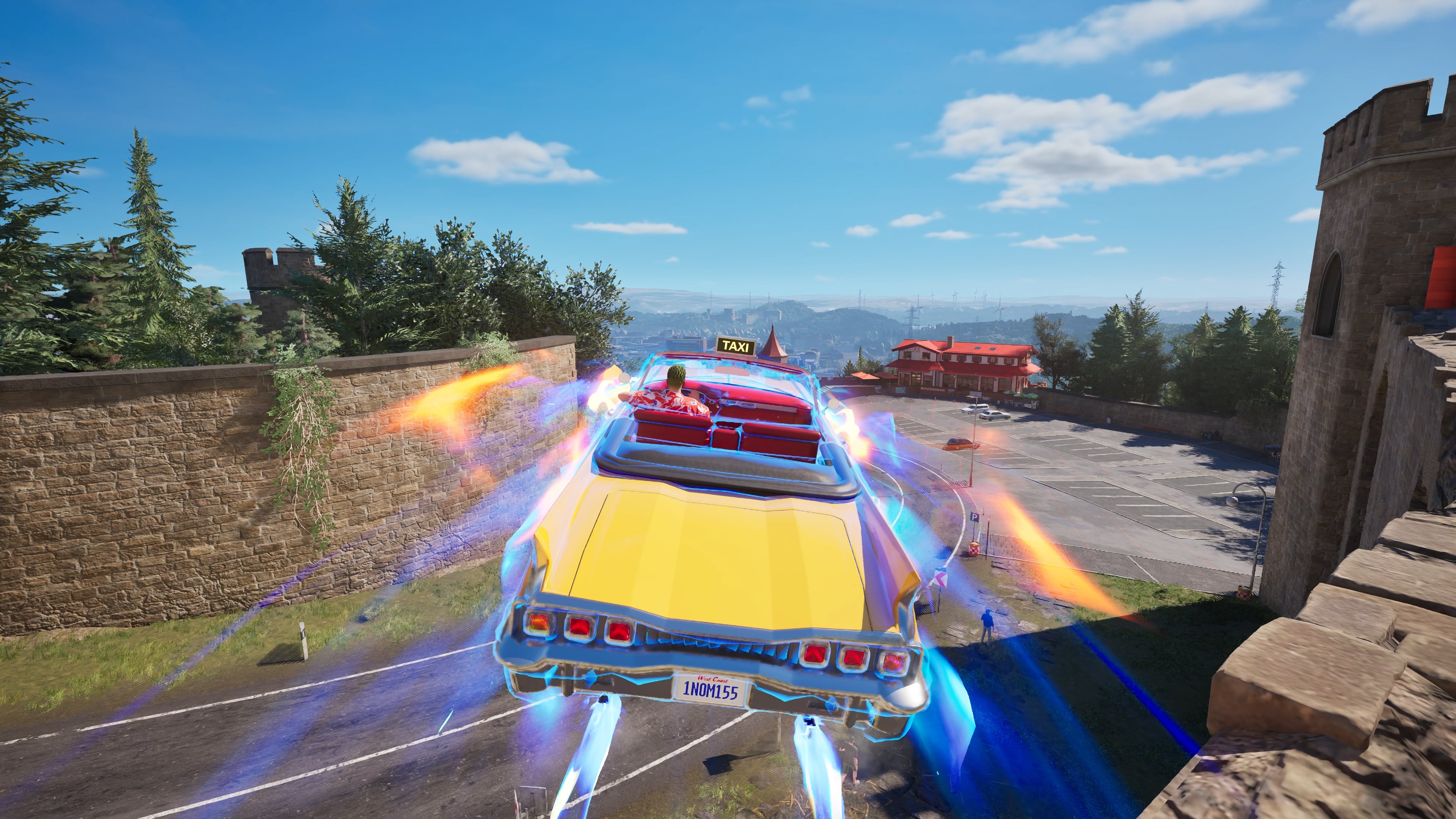
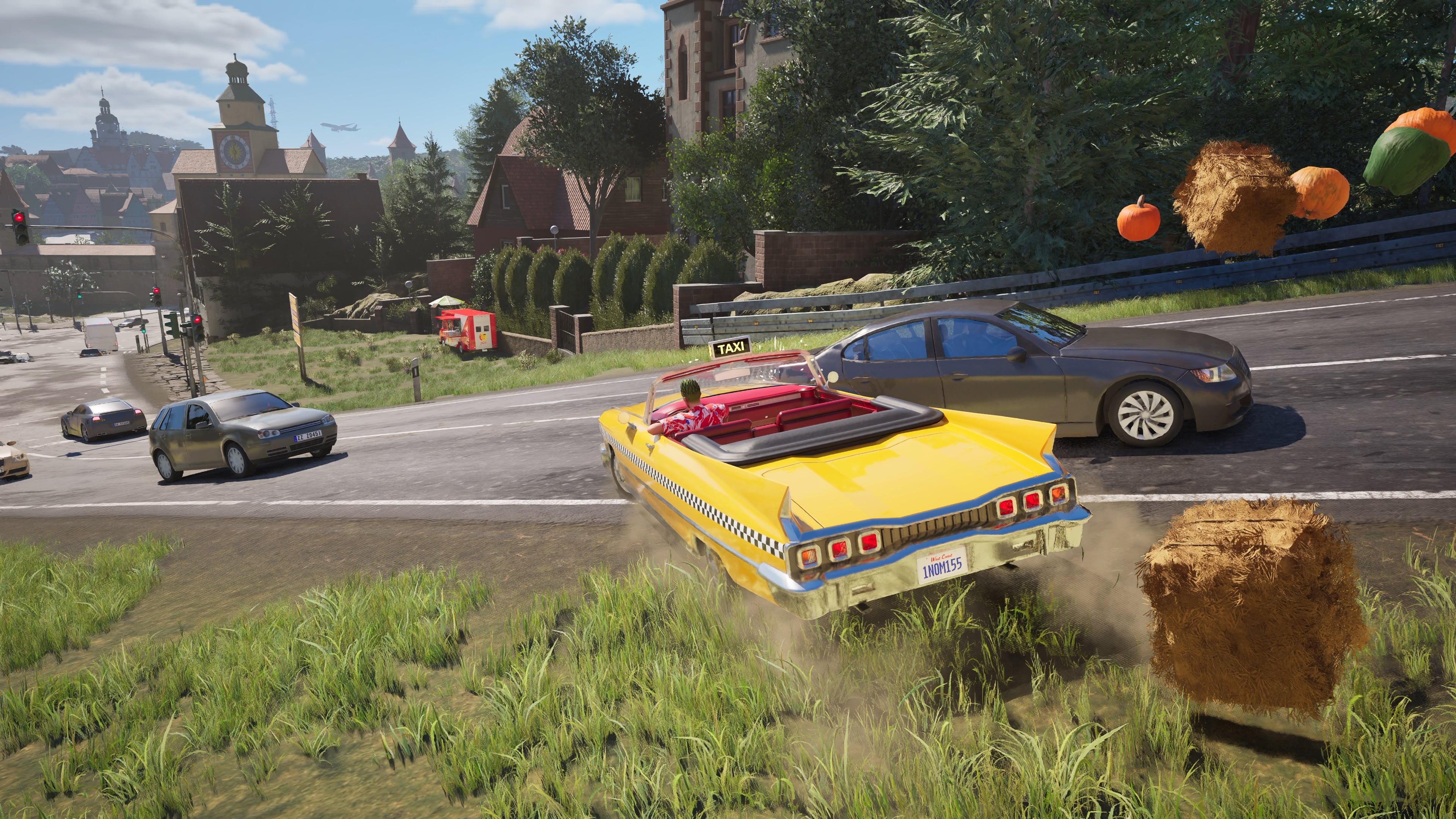
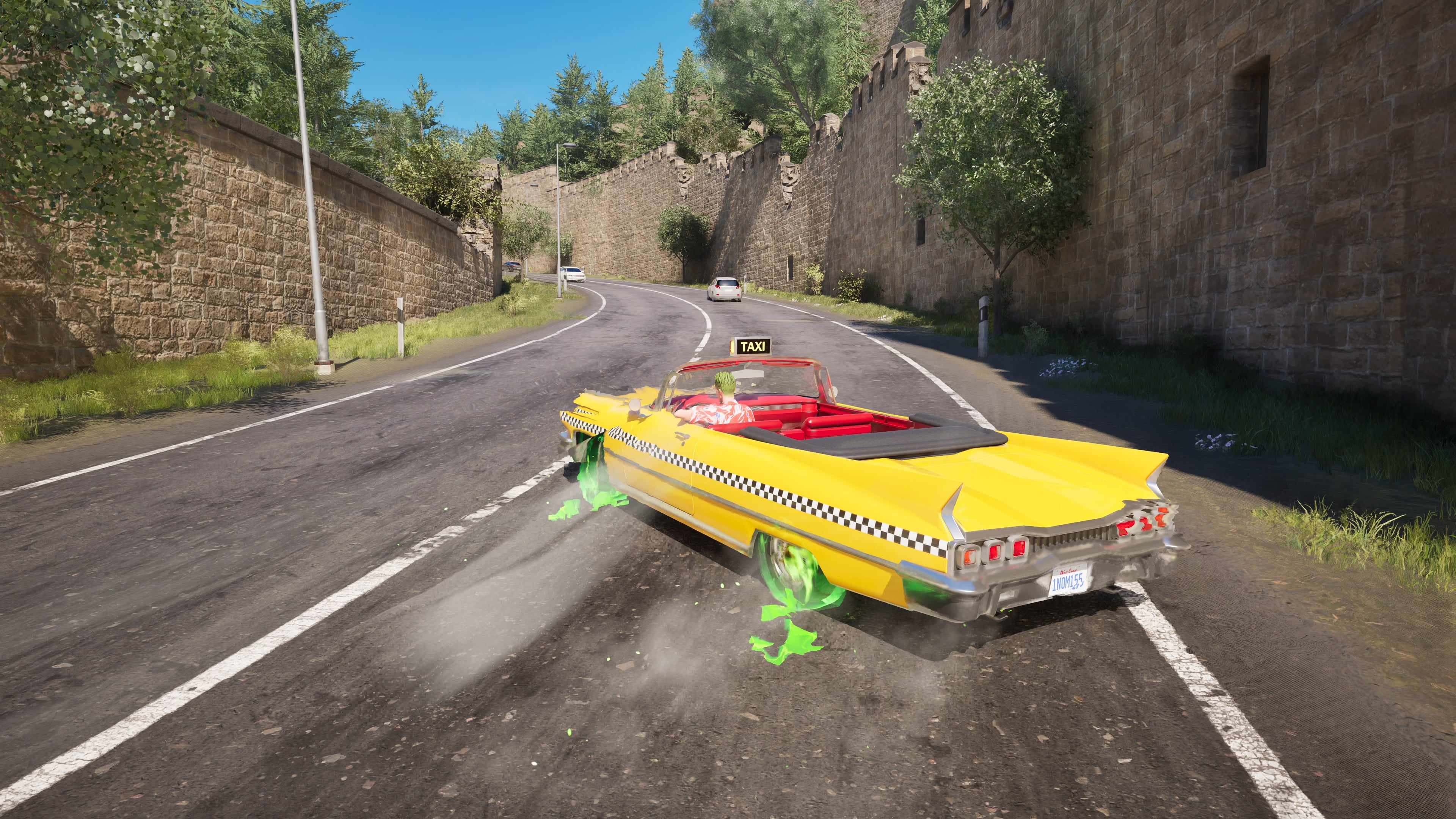
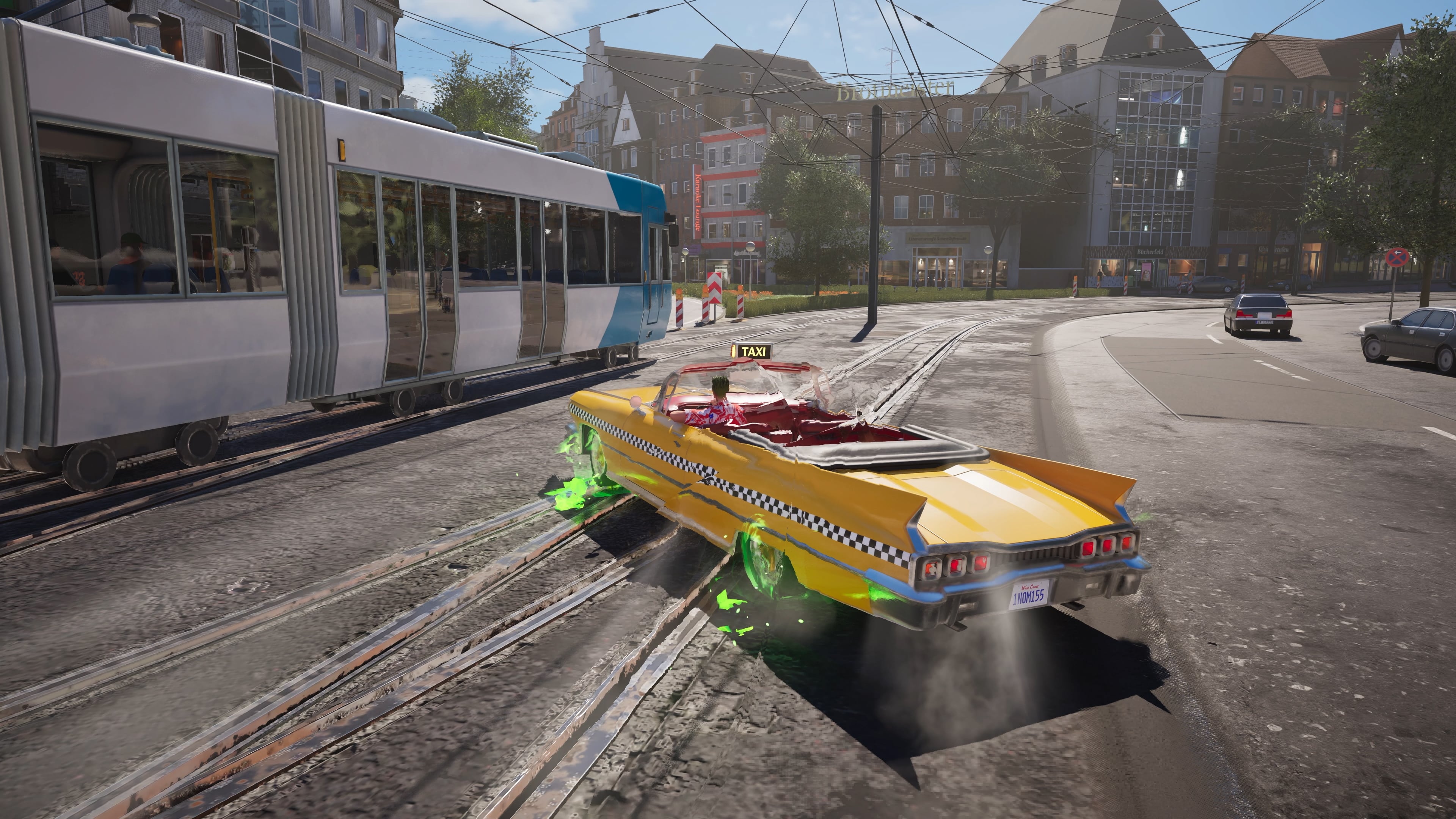
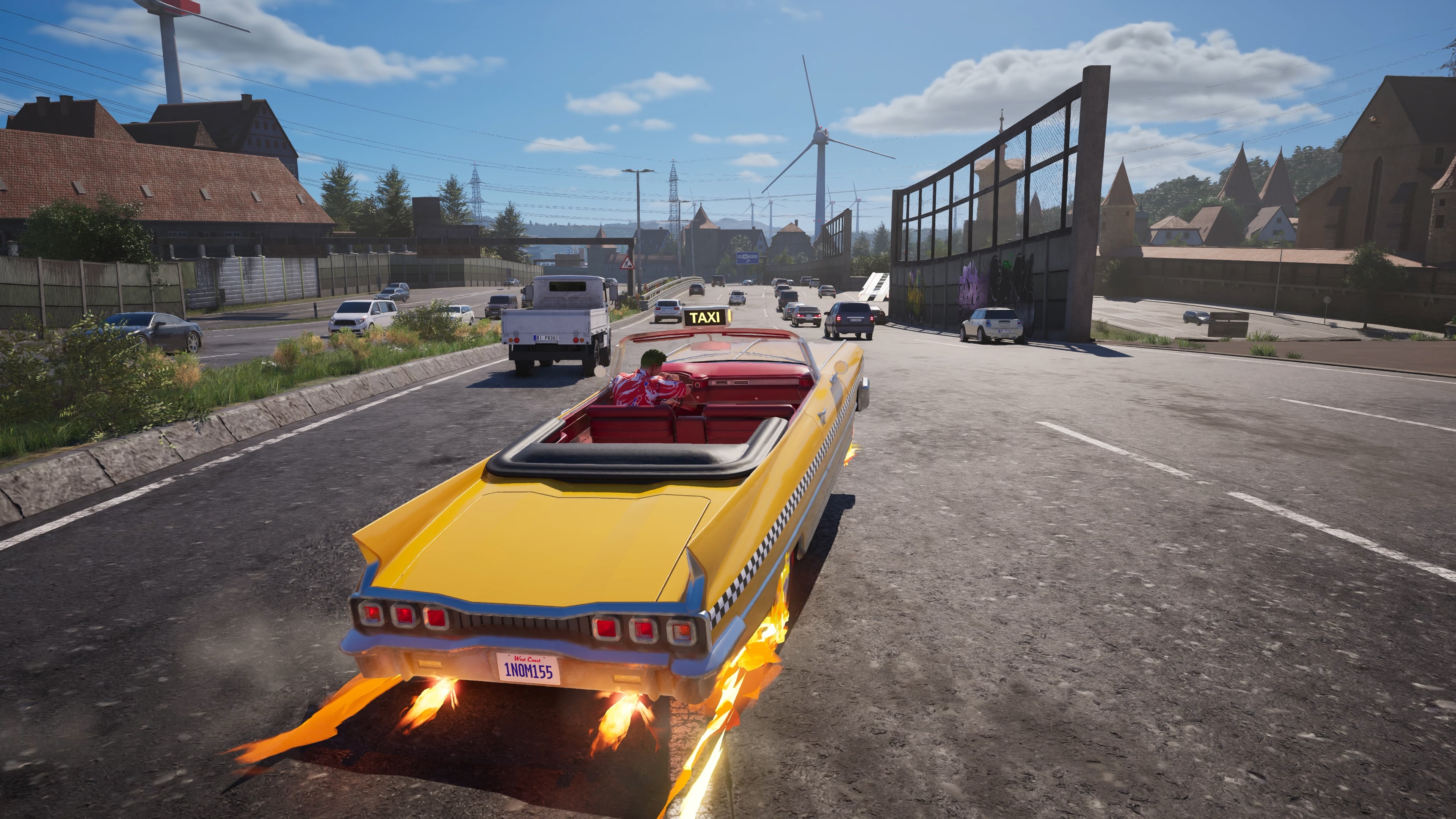
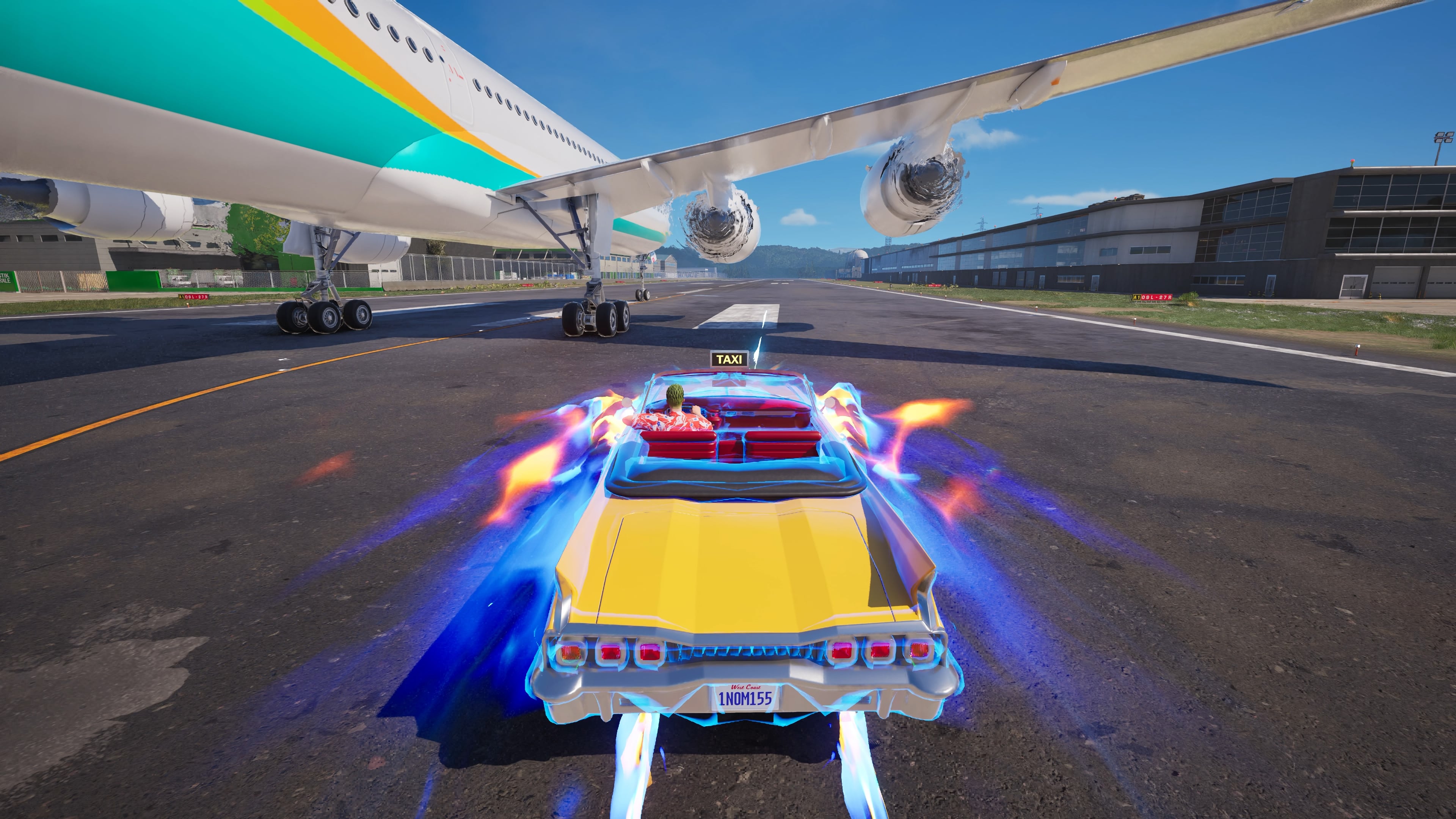
Speaking of driving skillfully, at times the game it feels like the love child (or, indeed the offspring) of Crazy Taxi and Forza Horizon, because the open world is filled with little impromptu skill-based tasks.
Just as Xbox’s game features speed traps, drift zones and large jumps in its open world, Crazy Taxi’s map features Slalom sections, Time Trial gates and large jumps, all of which are activated on the fly by driving through them without having to open a separate menu or accepting a mission.
The result is a game that so far somehow manages to feel just like Crazy Taxi and nothing like it at the same time, in the best possible way. What remains to be seen is how well this holds up over the course of multiple cities, and whether Sega manages to keep it feeling fresh throughout, or whether it starts to feel repetitive after a while.
The important thing for now is that my trepidation about World Tour died about five minutes after I started playing it, and now I’m really keen to see where it goes from here.
I was worried that this new game would be unrecognisable from the source material but that isn’t the case – World Tour may present the original concept in a new way, but there’s enough of the original embedded into its DNA that The Offspring’s claim that “it all just happens again, way down the line” has seemingly come to pass.