Control Resonant’s gravity-shifting combat sold me after just one hands-on session
Mikael Kasurinen and Sean Durrie discuss the sequel’s big gameplay departure, and the pressure of establishing a new hero

When the sequel to Control, Control Resonant, was first revealed, even Remedy’s most diehard fans were skeptical. It wasn’t called Control 2, it wasn’t a third-person shooter, and it didn’t star Jesse Faden. For director Mikael Kasurinen, this reaction wasn’t a surprise, but he wasn’t concerned.
“I think we’re fortunate because the community that we have,” he told VGC, ahead of Summer Game Fest. “I think they’re very trusting, they’re with us, and they believe in what we’re doing, and they like the unexpected twist and so on.”
We’re speaking at Annapurna’s West Hollywood headquarters. Virtually every inch of wall is covered by a movie poster, with a few video games thrown in for good measure. Remedy and Annapurna joined forces in 2024. However, Control Resonant will be self-published by the Espoo-based firm.
While the gameplay changes to Control Resonant may have shocked some players, this was always part of the plan for the veteran Finnish studio.
“So when we started to work on the first game, we wanted to take what it was we were known for and add that to an action-adventure recipe,” Kasurinen said.
“But then we start the layer on top of that, these different RPG elements. You can kind of customize your character to a degree. You have things like side quests. You can actually make choices in conversations with other characters. Things that we haven’t really done before. So it was a step towards that direction already.
“We learned a lot, made a bunch of mistakes,” he reflects.
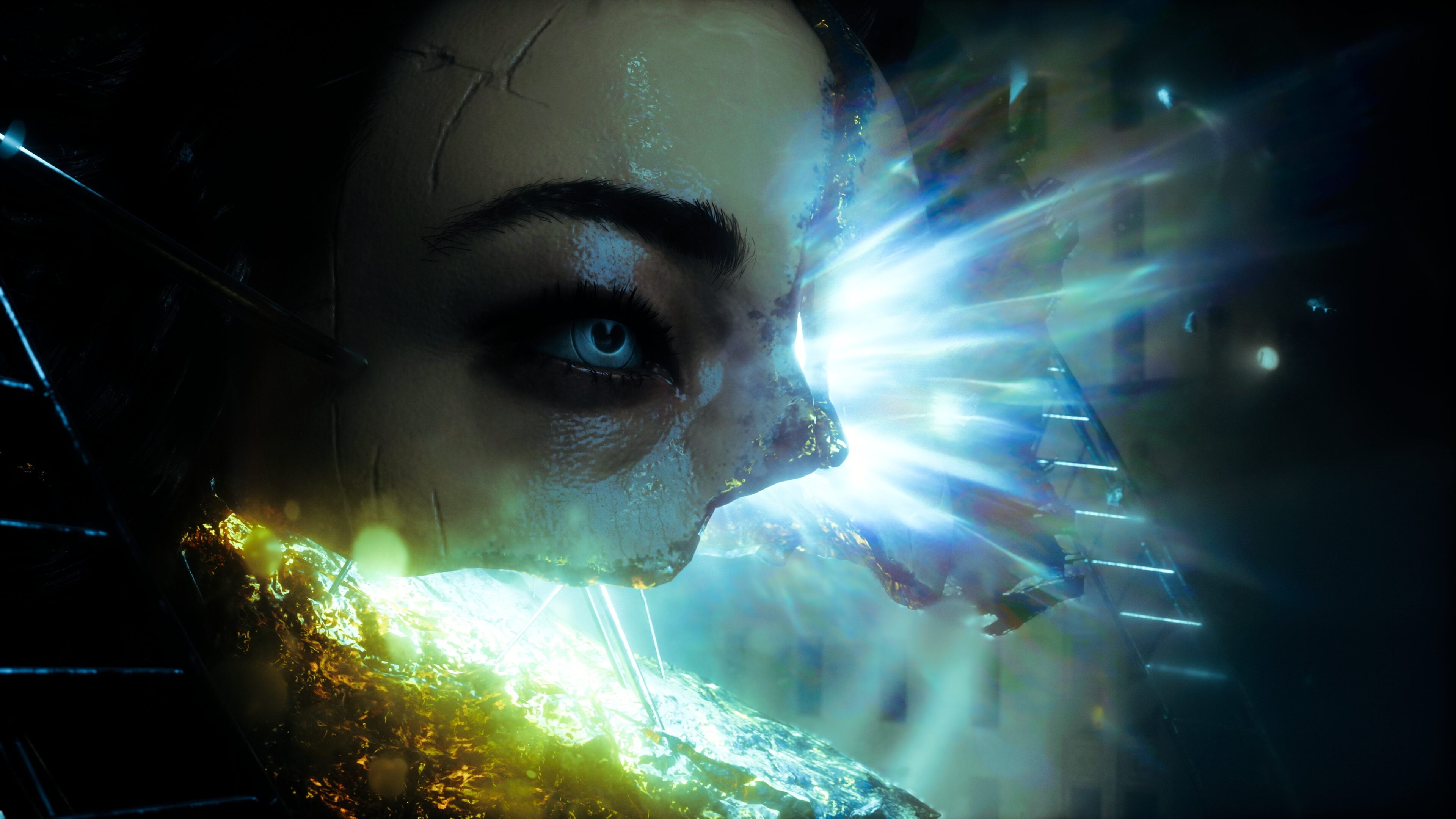
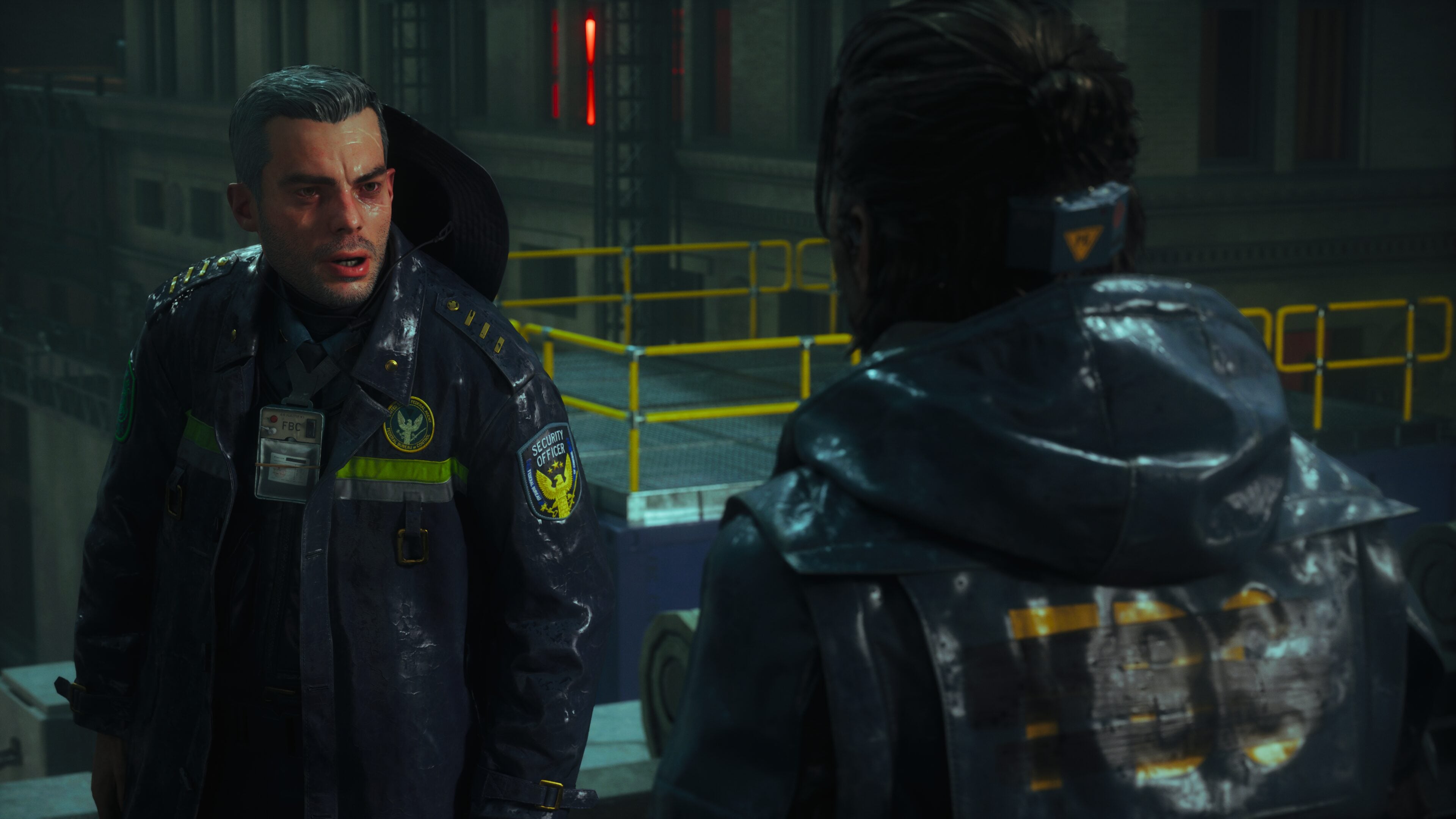
Control Resonant stars Sean Durrie as Dylan Faden, the brother of the first game’s protagonist. Dylan was a major character in the first game, but Resonant sees him shake the shackles of the Hiss-infected test subject into a full-blown hero.
“I got the immense privilege to go out to Finland and work with Mikael and the writers, developing the character from the ground up,” he told VGC. “They didn’t just hand the script over and say, ‘Learn this’. They were like, ‘You’re playing it. He’s completely different from the last game. What are some of your ideas that we can bring to this as well?’
“So the amount of collaboration that happened was incredible from my perspective. It’s just something that typically isn’t afforded to you as an actor, quite frankly.”
“They didn’t just hand the script over and say, ‘Learn this’. They were like, ‘You’re playing it. He’s completely different from the last game. What are some of your ideas that we can bring to this as well?'”
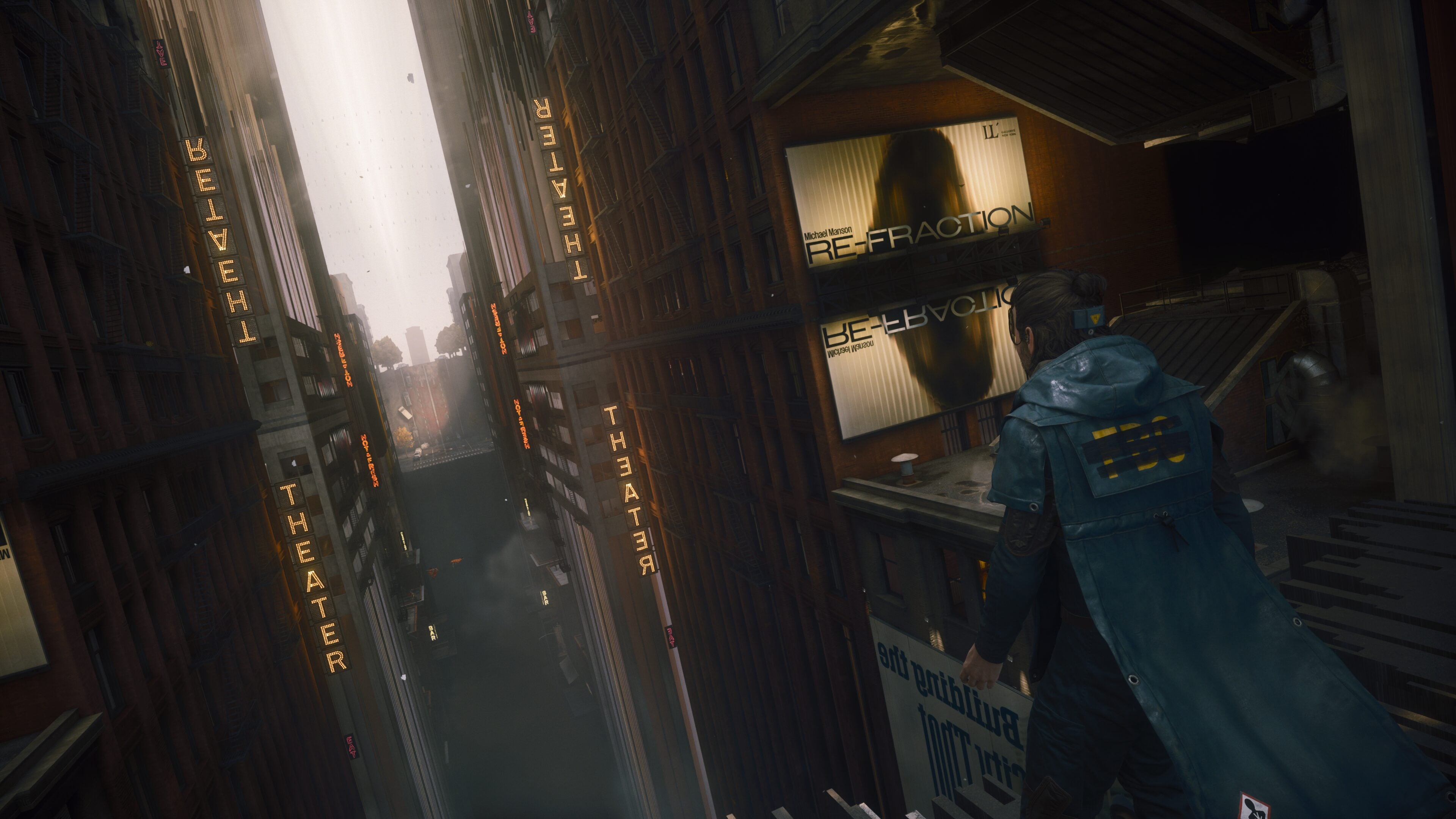
The game begins with Dylan escaping from The Oldest House, the setting of the first game. As a huge Control fan, it’s immediately novel to travel through the halls that you previously shot to pieces as Jesse Faden. The game takes place in Manhattan. A Manhattan devastated by paranormal entities that the FBC can’t contain.
Dylan’s only focus is finding his sister, desperate to establish as normal a life as possible, something he’s never been afforded. Durrie’s performance as Dylan has naturally evolved in the years since, but I wanted to know what kind of challenge it was to shift tones from a troubled side character to a full-fledged protagonist.
“Dylan in the first game was the infected version, and now we’ve moved here, and that’s gone. So it was, in a sense, there’s almost a rediscovery, and that’s kind of the essence of the story of him discovering not only himself but his humanity and his strength.

“But the biggest things we carried from the first to the second was the love for his sister, his yearn for family, his yearn to have a yearning to have a purpose. It’s a very human story. When you get to the center of it, because I think all of us want to have a purpose in life, and we want to get up every day and have something that we know we can go do, be a part of, or help. And that’s exactly what Dylan is trying to find now. And that’s exactly what he was missing in the first game.”
Remedy games wear their inspiration on their sleeve. The adoration for the work of David Lynch and Stanley Kubrick is obvious, but for Control Resonant, it was an iconic Japanese cinema and beloved mid-90s anime that enthralled Mikael Kasurinen.
“We were thinking about this kind of continuous sense of motion, like in Akira Kurosawa films,” Kasurinen said.
“For Control Resonant, it was an iconic Japanese cinema and beloved mid-90s anime that enthralled Mikael Kasurinen.”
“Every single shot feels like there’s something kind of going on, and there’s this kind of a dynamic feel to it. So it’s not an accident that when you kind of see Dylan, he always seems to be in motion. When you step into the world, there’s always something kind of happening, leaves blowing in the wind, and so on. It feels like this active world that exists outside of your presence.”
Kasurinen also tells me that Attack on Titan was a huge inspiration for the game. He jokes after the interview that Dylan’s new hairstyle is a direct reference to Eren Yeager, the show’s troubled protagonist.
“Also, older anime called Neon Genesis Evangelion, which I was blown away by in the nineties and still am. I think it’s one of the most amazing things ever created. Totally going against convention.

“This young boy, fourteen years old, was set up in an impossible situation, with all the responsibility and expectations from others, and he was also utterly failing at many different things, and others were trying to support him. And of course, the esoteric mix of religion and sci-fi. Tokyo is in its third iteration because it’s been devastated already so many different times, facing an apocalyptic kind of a kind of a threat, and how they fight against that.”
Kasurinen’s passion for the series is infectious. “When you play the game, I’m sure you will see the influence in a very direct way.”
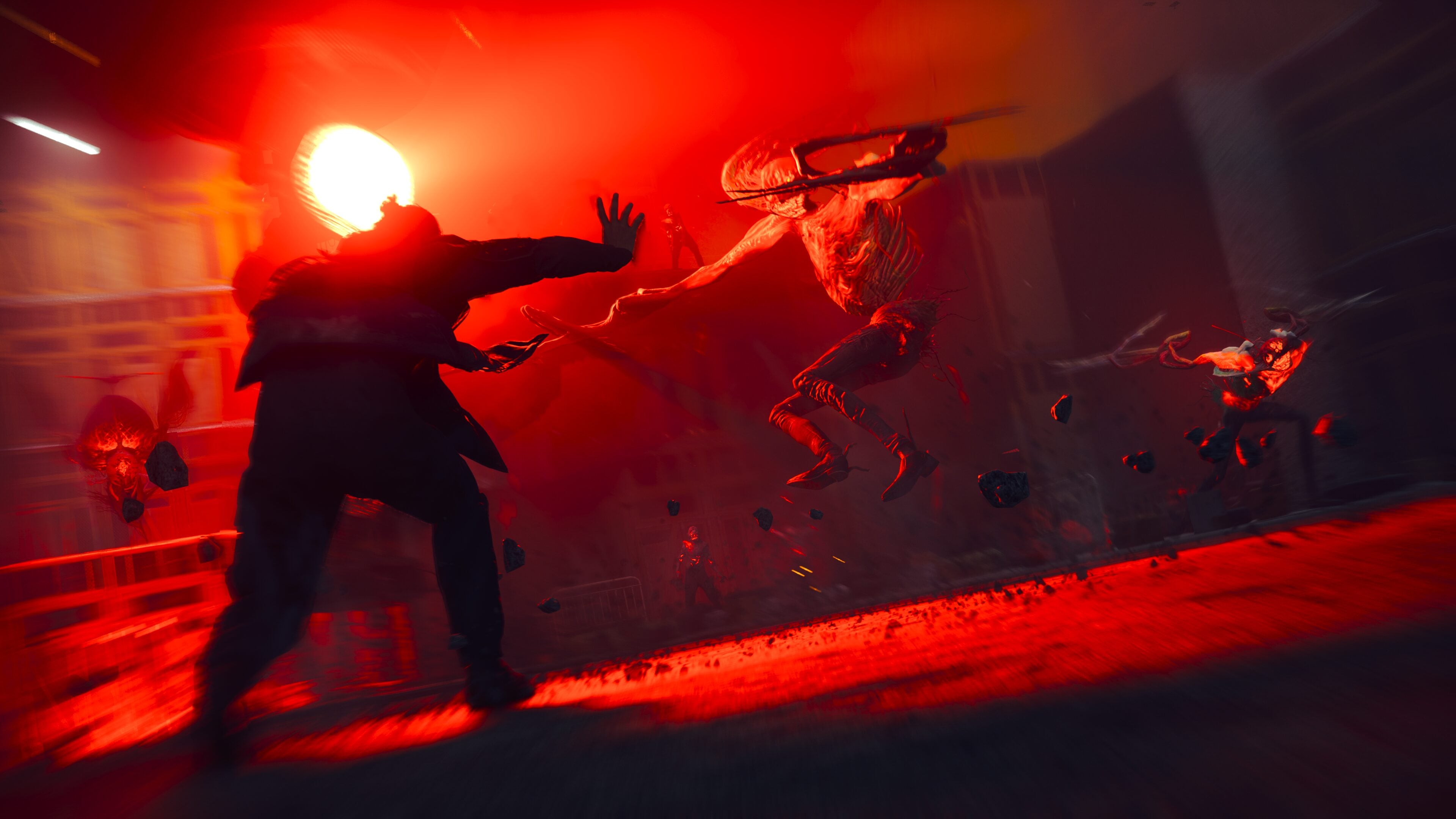
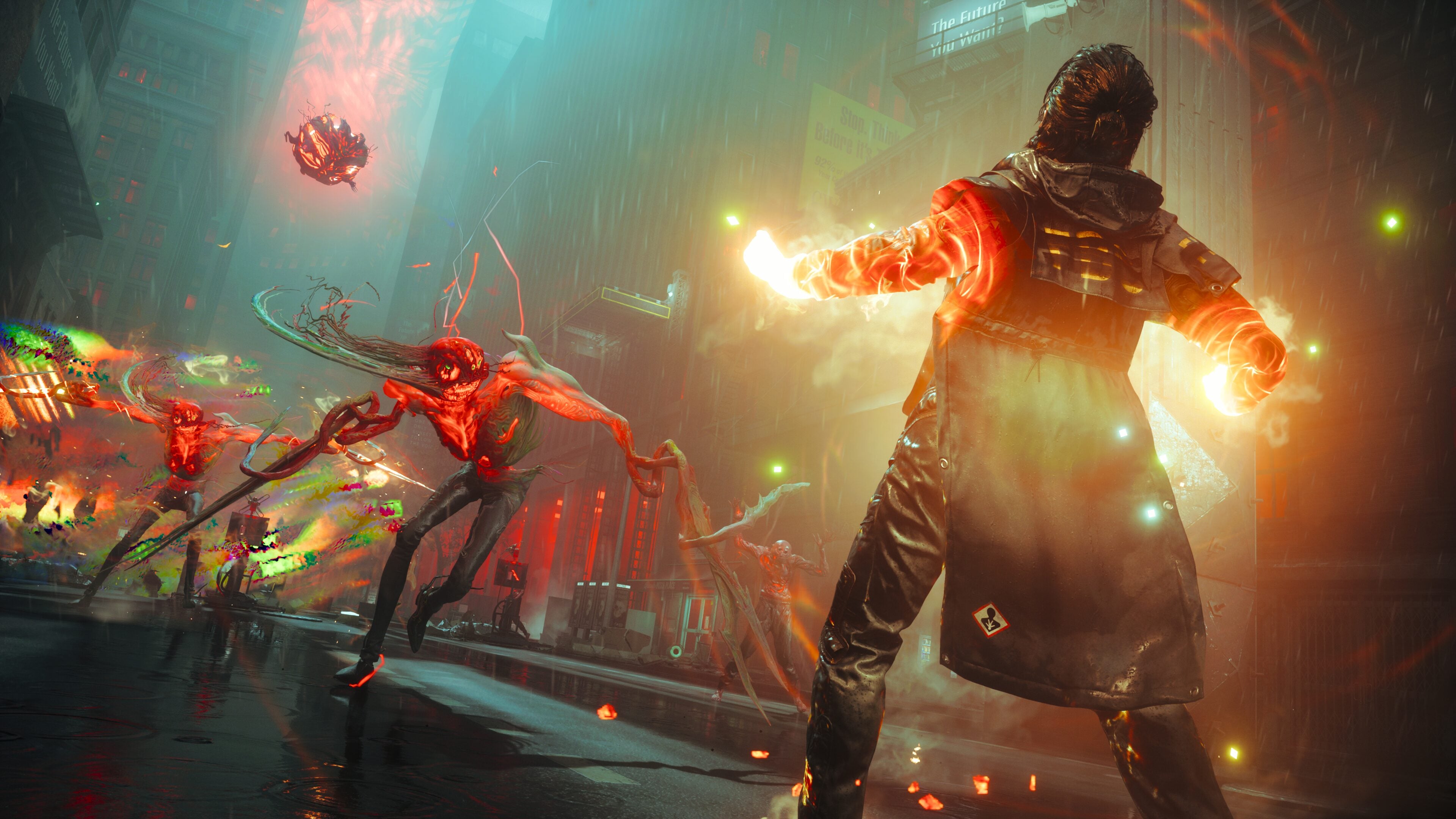
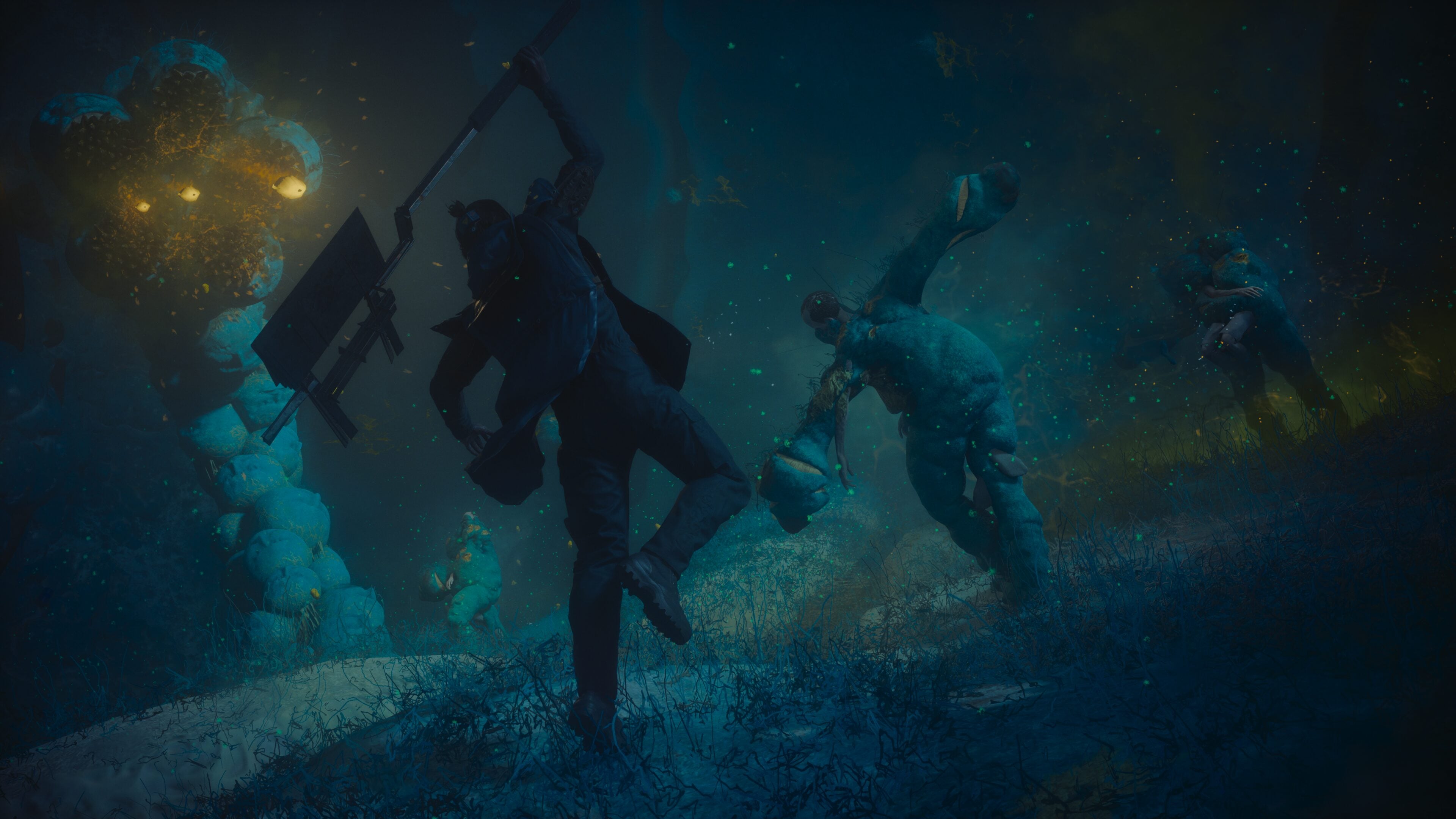
Control Resonant’s action is as visually impressive as it is satisfying to play. Dylan’s main weapon, the aberrant, can change into multiple different forms, depending on how the player wants to engage in a situation. In an early encounter, Dyland is swarmed by weaker enemies that will respawn constantly until the bigger threat is taken out. Mixing up attacking styles to handle the varied threats is instantly engaging.
“I was blown away by Neon Genesis Evangelion in the nineties and still am. I think it’s one of the most amazing things ever created. Totally going against convention.”
“We have a combination of elements that is really unique,” the director said.
“Instead of doing the thing that many games are doing, where the fighting feels like it’s focused on a single enemy at a time, we wanted to look at any of these kinds of action setups as almost like a puzzle with multiple different moving parts, the environment itself, the different types of enemies that you’re facing.
“How you move, and traversal is so important to us. You can fly, you can double jump, you can attach yourself to different surfaces, and so on.”
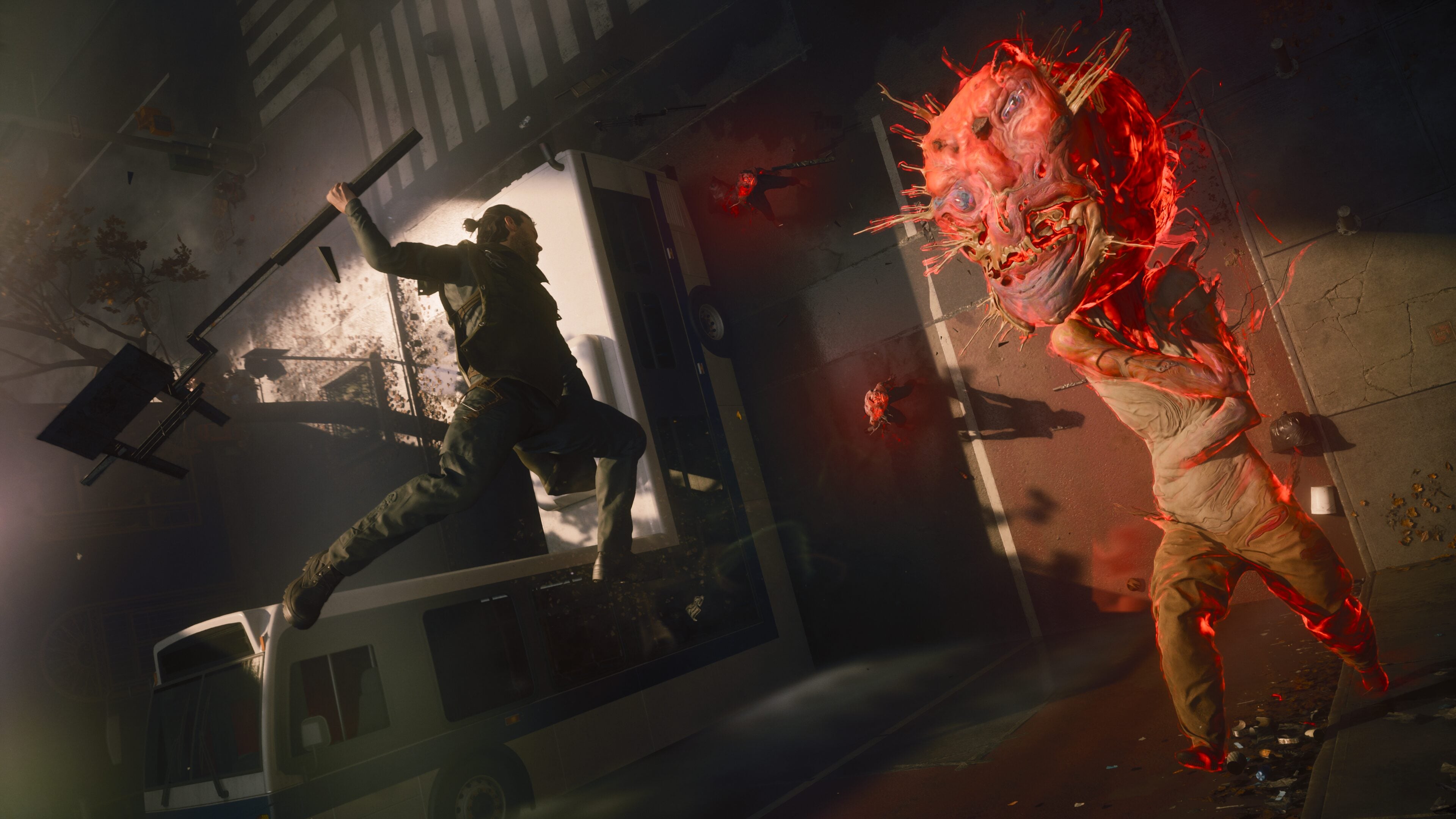
A segment I played saw Dylan fight his way through an M. C. Escher-style maze of interconnecting rooms, all while being pursued by an invisible enemy. While fighting, Dylan can change his gravitational plane, quickly moving from the floor, to the wall, to the roof, all while the camera swings around to catch the action.
In different hands, this could be vomit-inducing, not to mention incredibly hard to deal with alongside deadly enemies, but Remedy tells me this feature specifically was one that was laser-focused on before the team was satisfied.
“There are tons of iterations with this game. For instance, when we did the shift for the first time, like with the gravity shifts and your camera turns, and it comes to the kind of pacing and timing off, almost like in milliseconds.
“If we turn the camera too late, it can kind of trigger a motion sickness type of thing, and so on. We kind of learned that the camera should do as little as possible.”
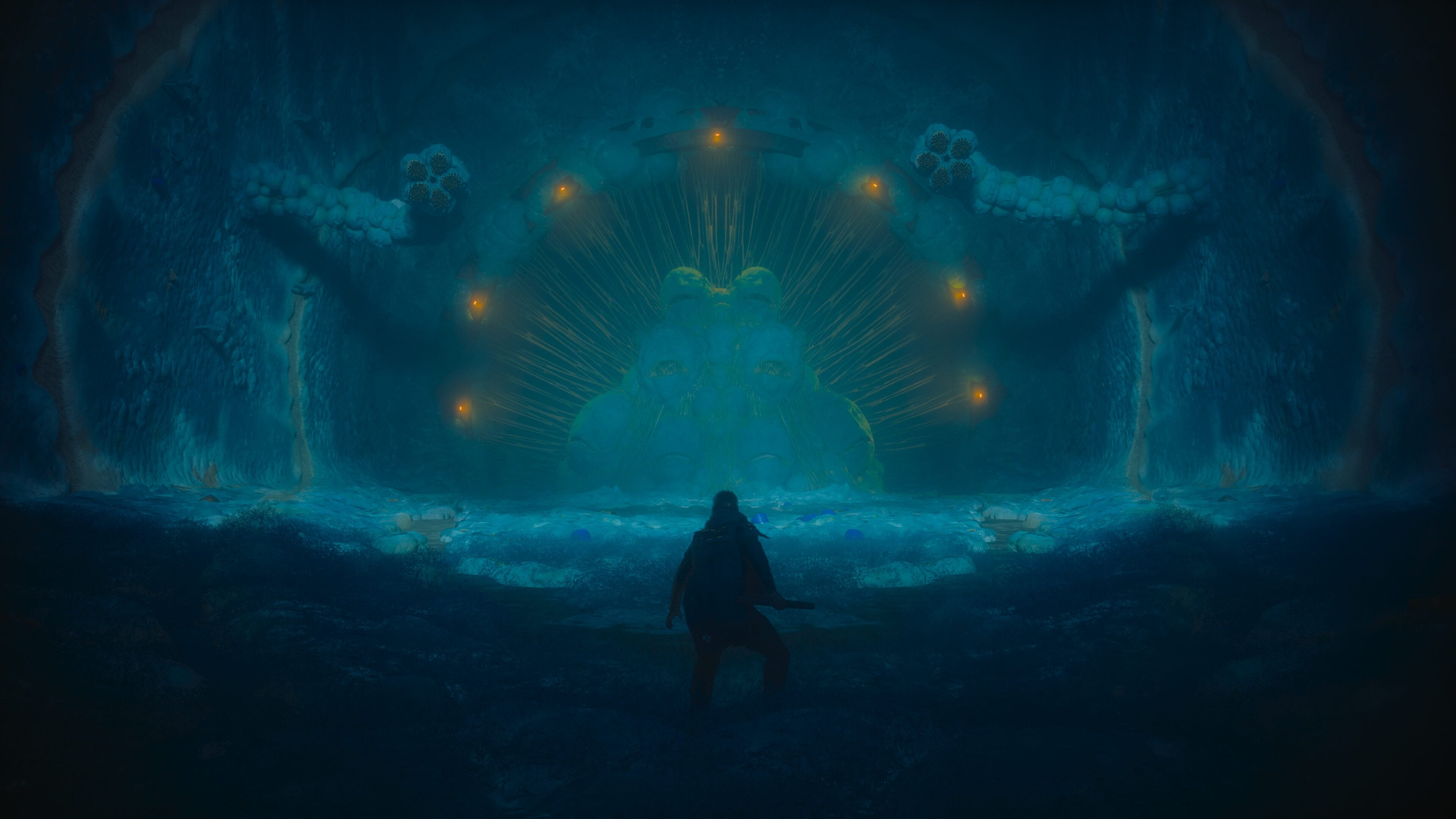
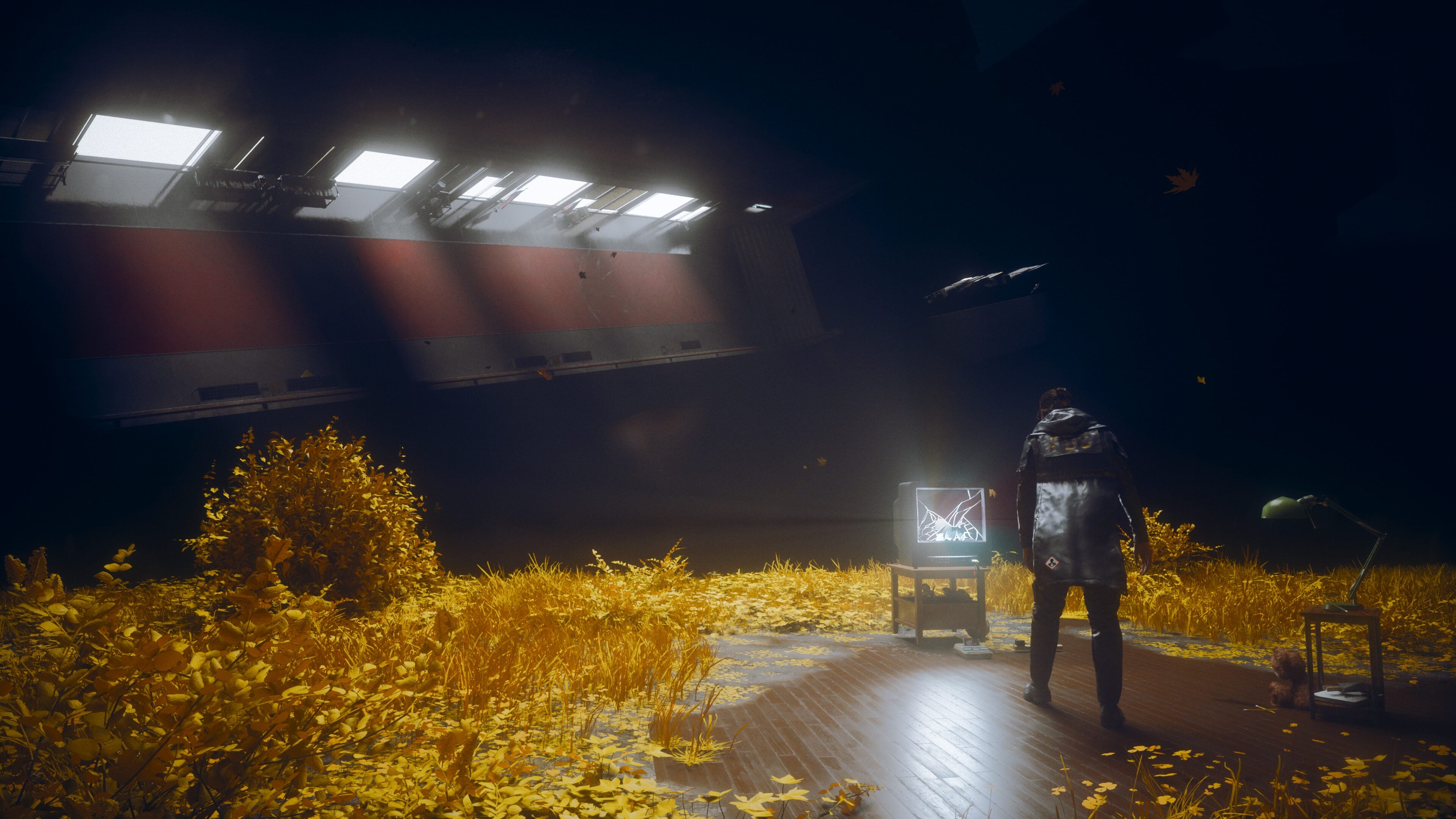
After fighting our way through one of the game’s dungeons, we find ourselves face to face with the kind of sequence that is a Remedy signature. A strange song emanates from a glowing TV. As we get closer, the TV extinguishes, and the song is now coming from another room.
“While fighting, Dylan can change his gravitational plane, quickly moving from the floor, to the wall, to the roof, all while the camera swings around to catch the action.”
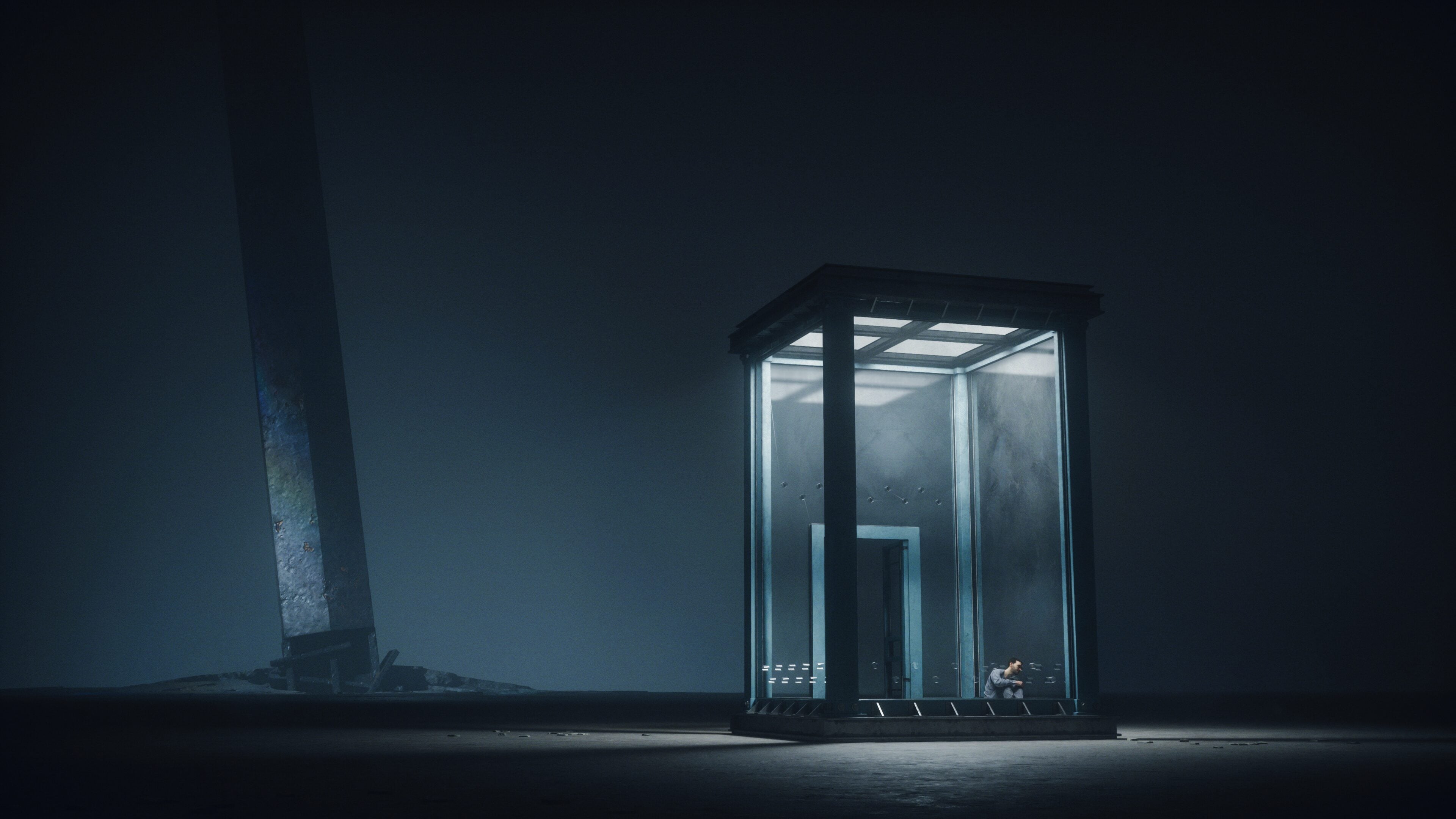
What stretches out in front of us is an impossible series of living rooms and bedrooms, spanning the walls and ceiling of this cavernous, unreal space. The atmosphere is one of discovery and dread. Even from the small section we played, the balance between the action sequences and these more contemplative, mystery segments is exactly what this studio has become so beloved for.
It’s an extremely cool moment from a studio that sets the bar for extremely cool moments. They know exactly what they are capable of, and it gets me every time. While they didn’t appear in the flesh, a poster for perennial Remedy favorite Old Gods of Asgard did appear on the wall. Fingers crossed.
It’s a toss-up between Remedy fans if they love the Ashtray Maze from the first Control game or the We Sing segment from Alan Wake 2 more. So it’s only natural to expect that Control Resonant will have its fair share of similar moments. I asked the director whether he ever feels these sequences are a crutch due to fan expectations, or whether they emerge naturally during the development process.

“It’s crucial that we build the right story, we build the right world.
“If there was a philosophy [for us], it’s more like; instead of banking and creating like one huge tent pole moment on the second half of the game, how about we create a more even journey where it feels like there’s this kind of a interesting, thought provoking mind-bending moments through the whole arc and integrate these kind of elements that make them unexpected and engaging and interesting and and of course weird as well to to make it more fun.
“What then happens is that those kinds of moments kind of start to grow like cells to become big and interesting, and you don’t need to decide it beforehand.”
My time with Control Resonant can be summed up simply; if I had been left with the game for the rest of the day, I wouldn’t have stopped playing it until they dragged me out.
I love this franchise, this connected universe, and this studio, so my reaction didn’t surprise me; however, I was shocked by just how confident Remedy is in the new combat system. The other elements, the visuals, the tone, the writing, and so on, I didn’t have the faintest worry about, but any niggling doubts I had about the combat have been thoroughly quashed.
The only thing that stands in Control Resonant’s way is the mountain of other games that are scheduled for this September, but from what I’ve played, there’s virtually nothing quite like this in 2026.