Tomodachi Life: Living the Dream is just the sort of quirky fan service needed at the end of Switch’s life
2026 preview: Nintendo’s offbeat life sim promises to be another cult hit

The end of a Nintendo console’s life doesn’t necessarily mean the end of support.
As its replacement arrives and the main focus shifts to developing games for that, Nintendo will often give us a few extra titles on the system that’s bowing out, to keep its large player base happy.
After the release of the Super Famicom / NES, Nintendo released the underrated fighting game Joy Mech Fight and puzzle game Wario’s Woods on the Famicom / NES. Donkey Kong Country 3 turned up on the SNES after the Nintendo 64 was released.
Tilt-based platformer Yoshi Topsy-Turvy (aka Yoshi’s Universal Gravitation), the Nintendo MP3 Player software and the wonderfully minimalist Bit Generations games came to the Game Boy Advance post-DS launch.
But it was the 3DS that enjoyed the longest life after its successor, the Switch, was released. Following the Switch’s March 2017 release, the 3DS would go on to get more than 15 notable titles, including the likes of Metroid: Samus Returns, Fire Emblem Warriors, Detective Pikachu, Captain Toad: Treasure Tracker, WarioWare Gold, Pokémon Ultra Sun and Ultra Moon, Mario Party: The Top 100 and two Mario & Luigi re-releases.
The same is happening to the Switch. Since the launch of Switch 2 the original console has had Pokémon Legends Z-A and Metroid Prime 4, but let’s face it – those were planned for Switch for a while, and have better Switch 2 versions, so they’re hardly must-haves.
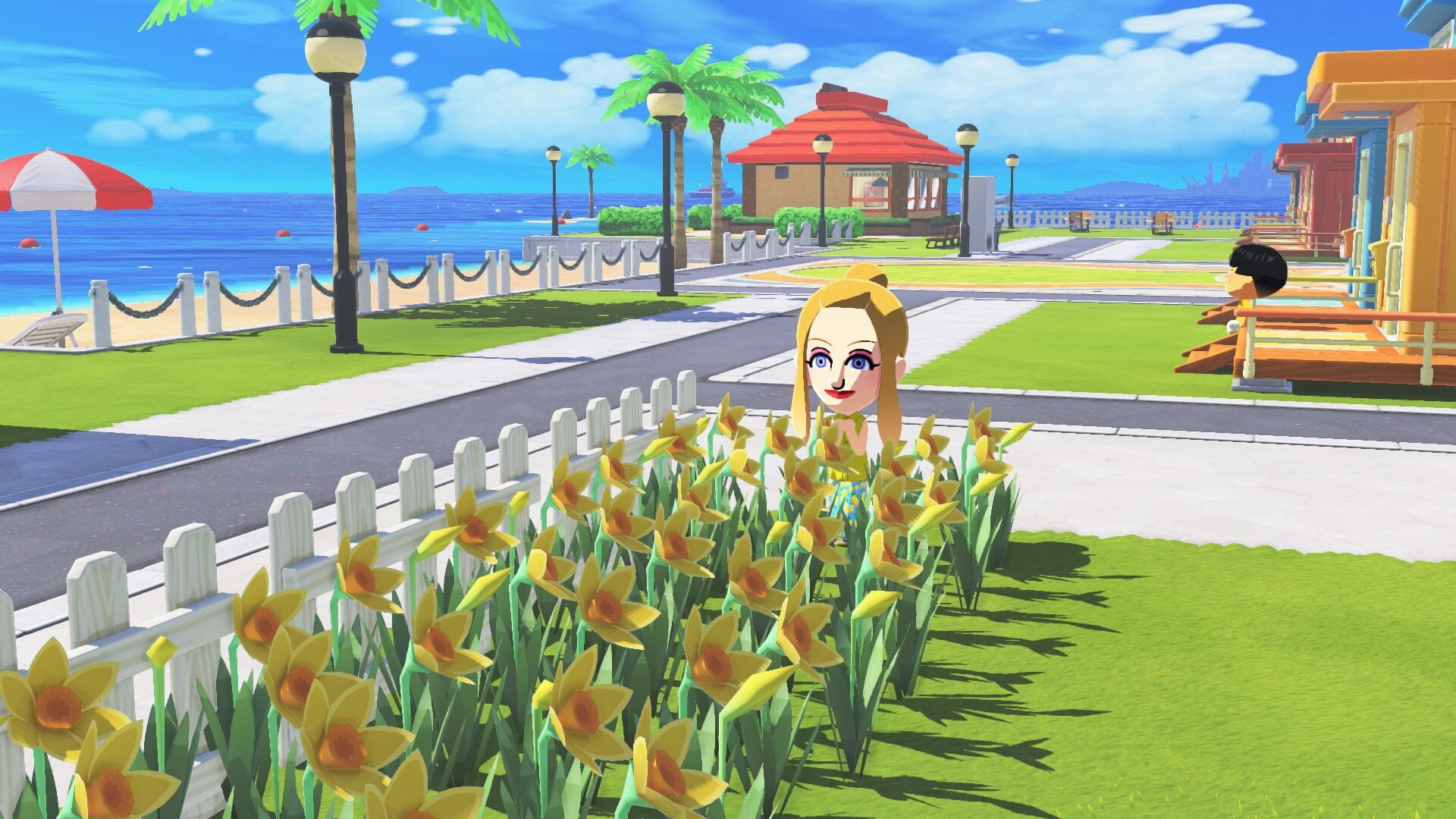


2026, however, will see what appears to be the final two first-party Switch games, unless Nintendo makes any more surprise announcements. And, rather fittingly, each of them is part of a delightfully quirky series that started in Japan before getting a chance in the West.
One of them is Rhythm Heaven Groove, which we’ll get to in a later article. The other is Tomodachi Life: Living the Dream, the third title in the deliciously silly Tomodachi Life series.
The first game, Tomodachi Collection, was only released in Japan on the Nintendo DS, and on paper sounds like the sort of zany game that never tends to see a release outside of its home country. The sort of game that people would see and, rather stereotypically, say “well, that’s certainly very Japanese”.
Tomodachi Collection would go on to become a huge hit for Nintendo, selling 3.2 million units despite being a Japan-only release. When the inevitable sequel arrived on 3DS, then, Nintendo decided to take a punt on it and release it in the West too as Tomodachi Life.
“What makes the game special is the thick layer of surrealism applied on top of it – one minute your Mii could be singing a song, the next they could be dreaming about doing a tribal dance with a bunch of other Miis around a Virtual Boy”
It was a bet that paid off – Tomodachi Life more than doubled the sales of its predecessor, shifting 6.72 million copies worldwide and becoming the 11th best-selling 3DS game ever. It should come as no surprise, then, that Nintendo would give us another Tomodachi game, and yet when Tomodachi Life: Living the Dream was announced during a Nintendo Direct in March, surprise – albeit of the pleasant variety – was the general reaction.
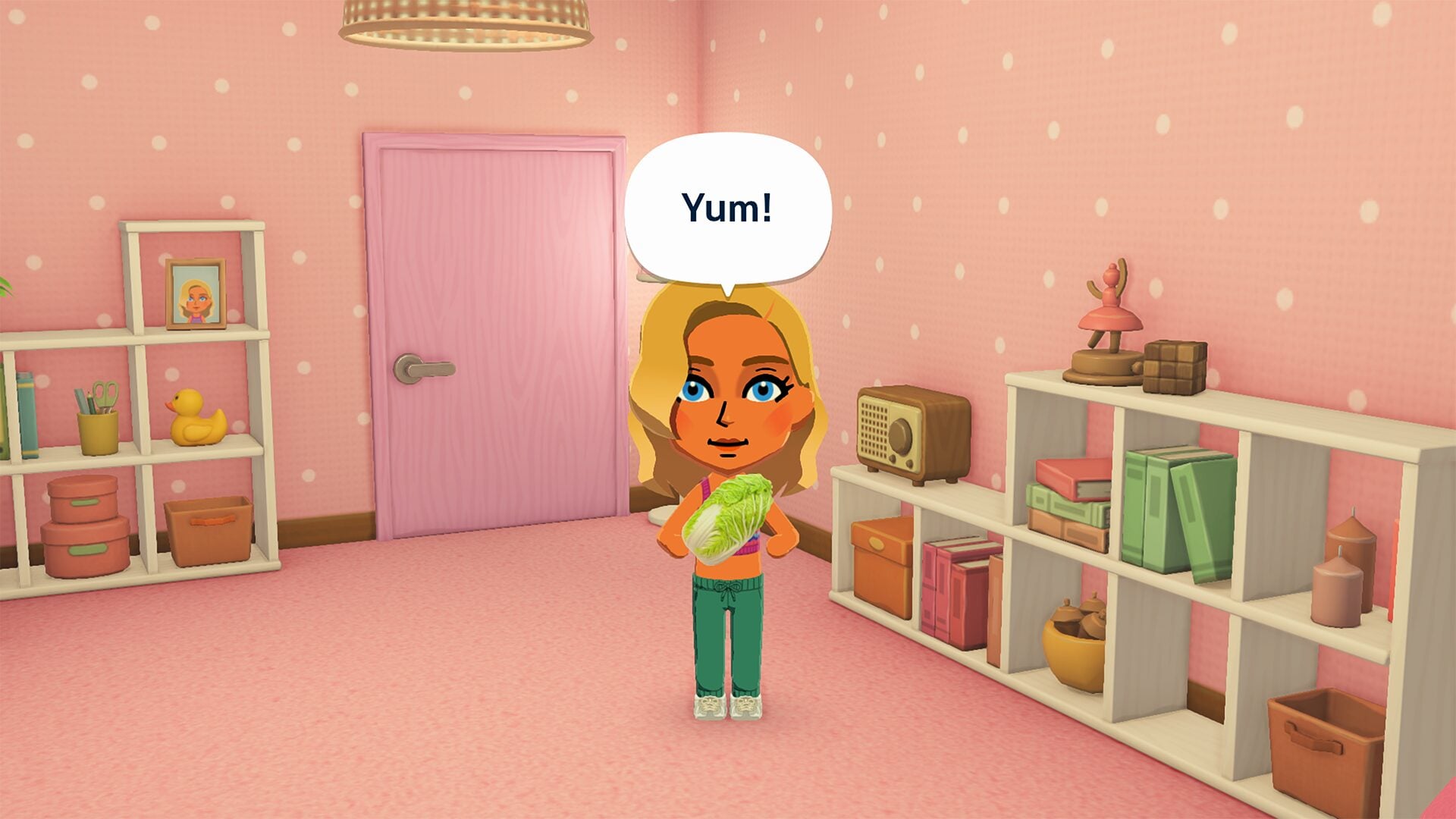
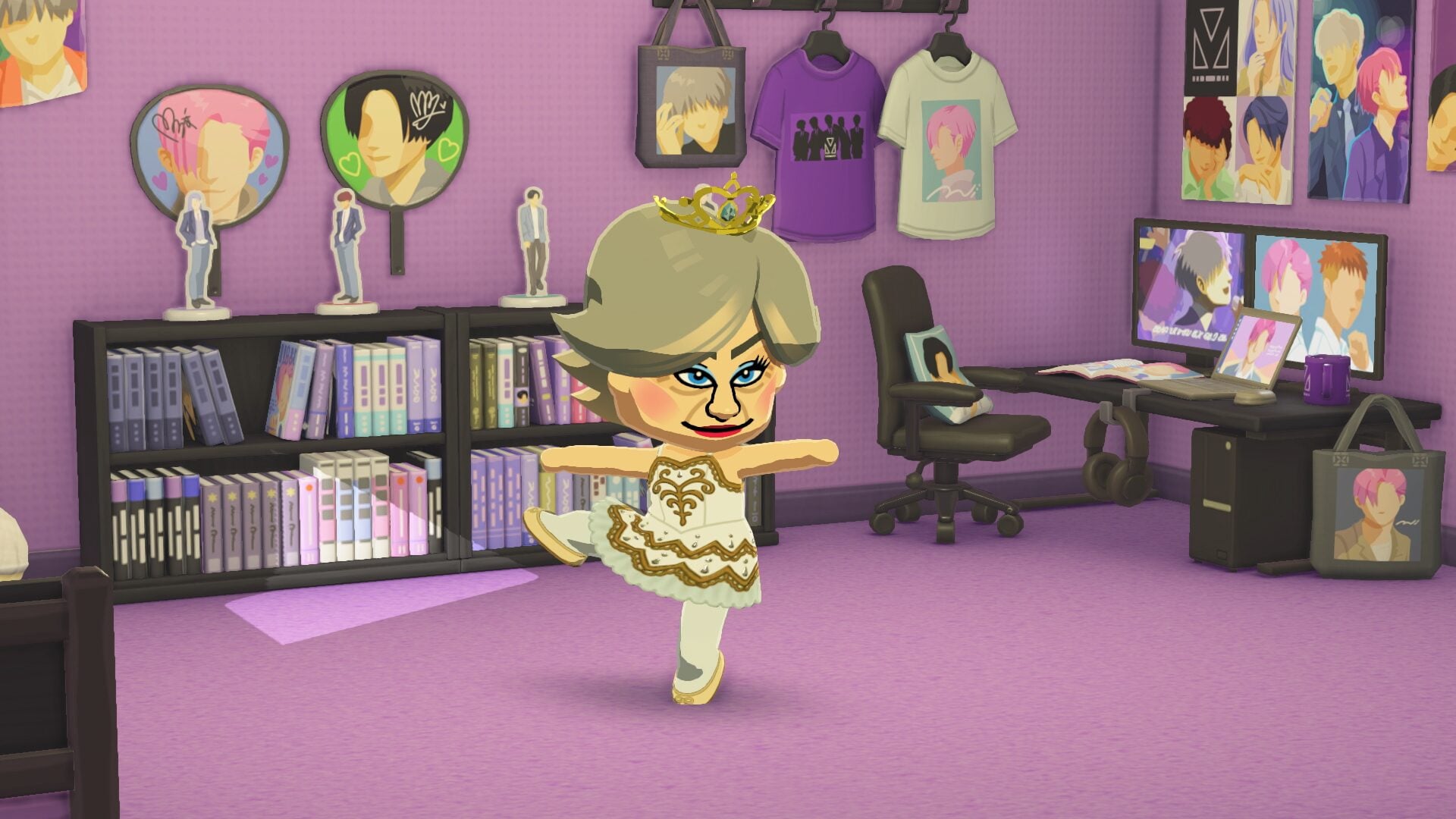
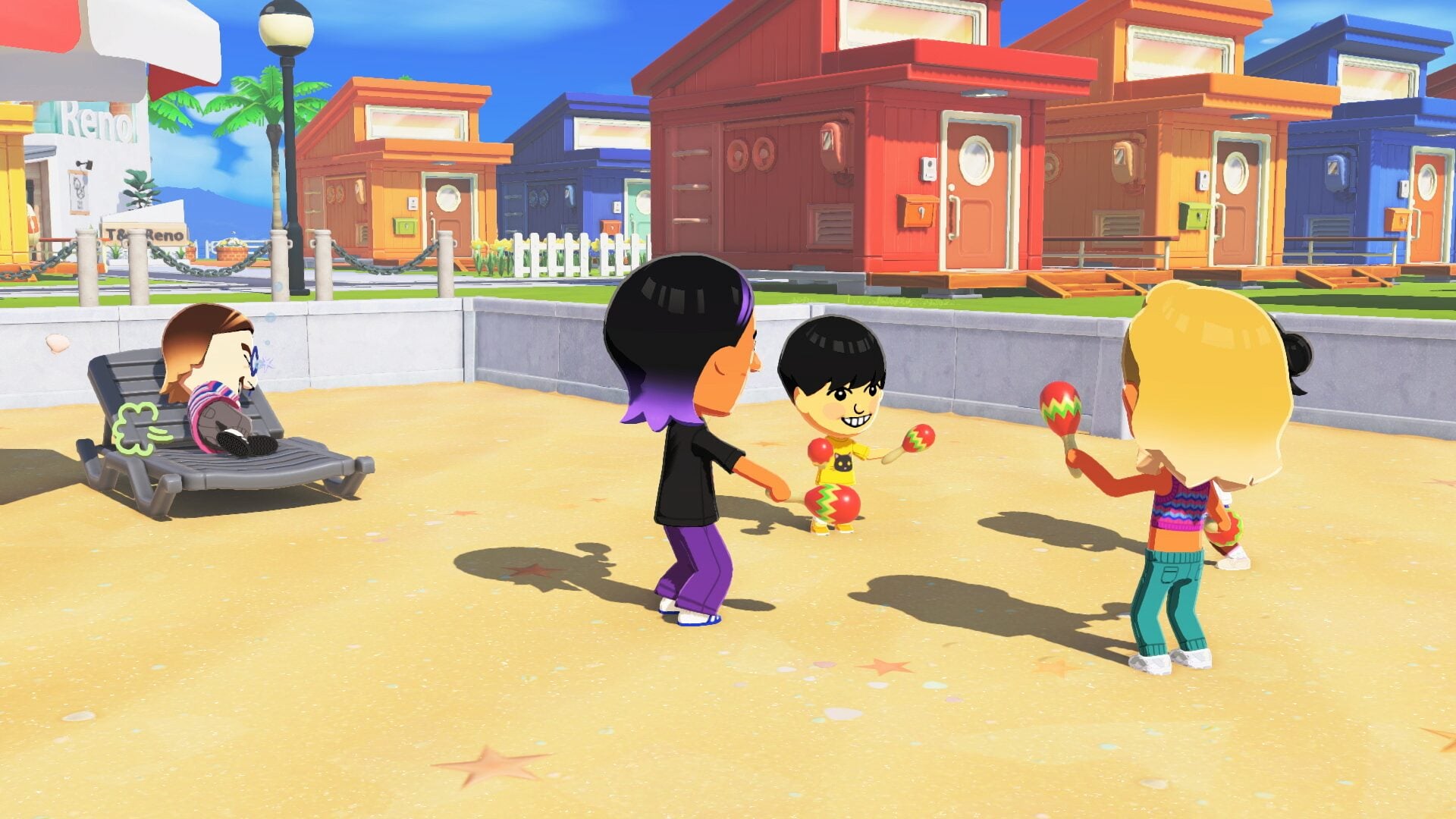
If you’re new to Tomodachi Life, you’ve just made my job difficult, because now I’m going to have to try to explain it. It’s a deliberately bizarre life simulation game, where you create or import a number of Mii characters – most people added a bunch of Mii celebrities to make it funnier – and have them live their life on an island.
Miis can interact with each other, building their friendships, falling in love, getting in fights and giving each other gifts. As you continue to encourage these interactions you unlock more locations, outfits, types of food and other items for your Miis or their apartments.
What makes the game special is the thick layer of surrealism applied on top of it – one minute your Mii could be singing a song (with lyrics you write which are then sung using a text-to-speech synthesiser), the next they could be dreaming about doing a tribal dance with a bunch of other Miis around a Virtual Boy, as if they were praising it like a god.

Nintendo promises that the third game, Tomodachi Life: Living the Dream – which comes to Switch in Spring 2026 – will offer players more control over their Miis, allowing them to choose what interactions they have with their fellow islanders instead of the random interactions the 3DS game offered. This may remove some of the fun from a “this game is unpredictable” standpoint, but in terms of actual gameplay mechanics it should also make things less frustrating.
The new trailer Nintendo released in September also showed an enhanced Mii creation suite, meaning for the first time those same customisation options that started on Wii and have carried over to the 3DS, Wii U and Switch are finally getting an upgrade, most notably with more hair options.
Thankfully, it does still look like the game will be delightfully silly. One of the cutscenes already released shows a girl Mii sitting on the floor shocked while an enormous pile of SNES Super Scope light guns pours on top of her, while another shows a Mii running down the street while an enormous 10-foot bowling ball rolls after them.
The whole thing looks set to be an utterly bewildering 2026 games experience that will often make no sense at all. Frankly, we wouldn’t have it any other way.