Housemarque’s Saros looks set to provide a less punishing experience than Returnal
2026 preview: Housemarque’s latest game appears to make some concessions with its upgrade system
Many PlayStation fans will tell you that Returnal is still the best first-party game PlayStation has released this generation. It’s a hard-as-nails bullet hell roguelite that combines gothic horror with hard sci-fi, and it’s absolutely fantastic.
The game, developed by Finnish studio Housemarque, was the first big-budget console game from the veteran studio, after cutting their teeth on arcade-style games like the well-loved Resogun, which launched alongside the PS4.
However, while Returnal is much loved by an incredibly hardcore audience, it’s a small audience. While hard games are having a moment in the spotlight, Returnal may have been slightly over the top for some. The game, which in some ways makes Soulslike titles look like Bluey: The Video Game, has a long list of victims that didn’t get beyond the first boss, and therefore didn’t get to experience the game’s excellent story or world design.
The next game from Housemarque, Saros, looks to show the rest of the world what they missed when it releases in 2026.
Once again, Saros is a third-person shooter that melds bullet hell games with modern roguelites. However, Saros doesn’t appear to be going for quite as punishing an atmosphere as its older brother. This time, players will be given far more options to upgrade their suit and their weaponry, offering a sense of permanent progression that was missing from Returnal for many.
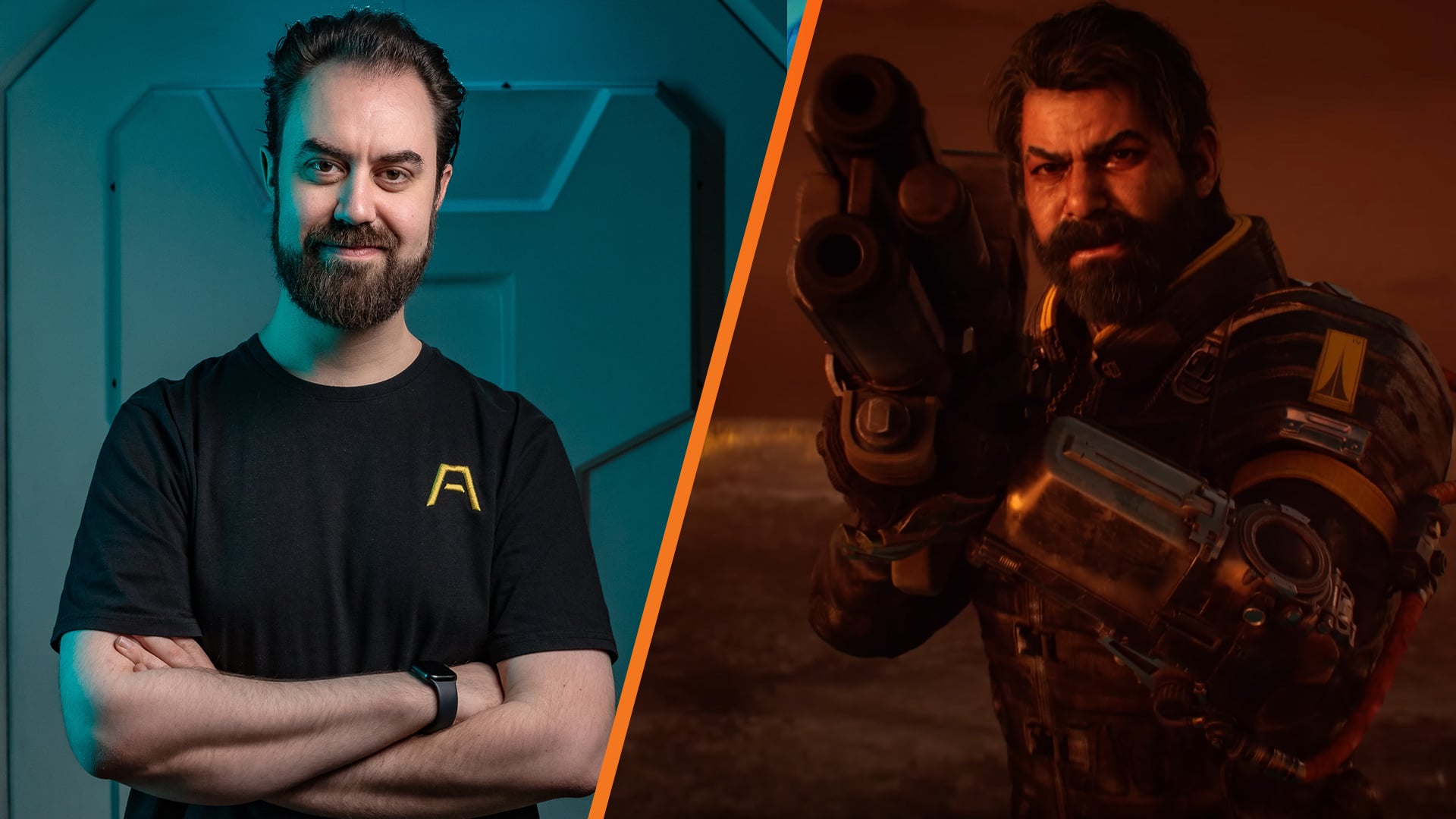
The game stars Rahul Kohli as Arjun Devraj, and will also see the return of Jane Perry, who played Seline in Returnal. In the game’s most recent trailer, we get the best glimpse of the game’s story, and the planet that Devraj will explore.
Devraj’s team, which appears to be made up of colonists exploring the hostile planet of Carcosa, has no way to get home. His team is turning on each other, and Devraj himself has lost track of how long he’s been separated from his team.
“This time, players will be given far more options to upgrade their suit and their weaponry, offering a sense of permanent progression”
Returnal’s narrative structure was unconventional and obtuse, so much so that there are players who finished the game who couldn’t quite tell you what was going on. While it was very rewarding to pick at narrative threads in Returnal, it felt almost compulsory to watch an explainer video afterwards to see what you missed.
Saros should look to tell a story that’s just as rich, but perhaps less impenetrable, matching the friendlier approach it’s seemingly taking with gameplay. There also seems to be a much larger cast in Saros when compared to Returnal, which may aid in making the story clearer.
Saros’s biggest success will be if it offers players an entry point into this type of game, and then makes them go back to visit Returnal. Much like Dark Souls 3’s relative lack of difficulty brought a wider number of players into the series, which would then go on to culminate with the massive success of Elden Ring, Saros could be the game that gives Returnal the chance to reemerge as the underplayed gem that it is.
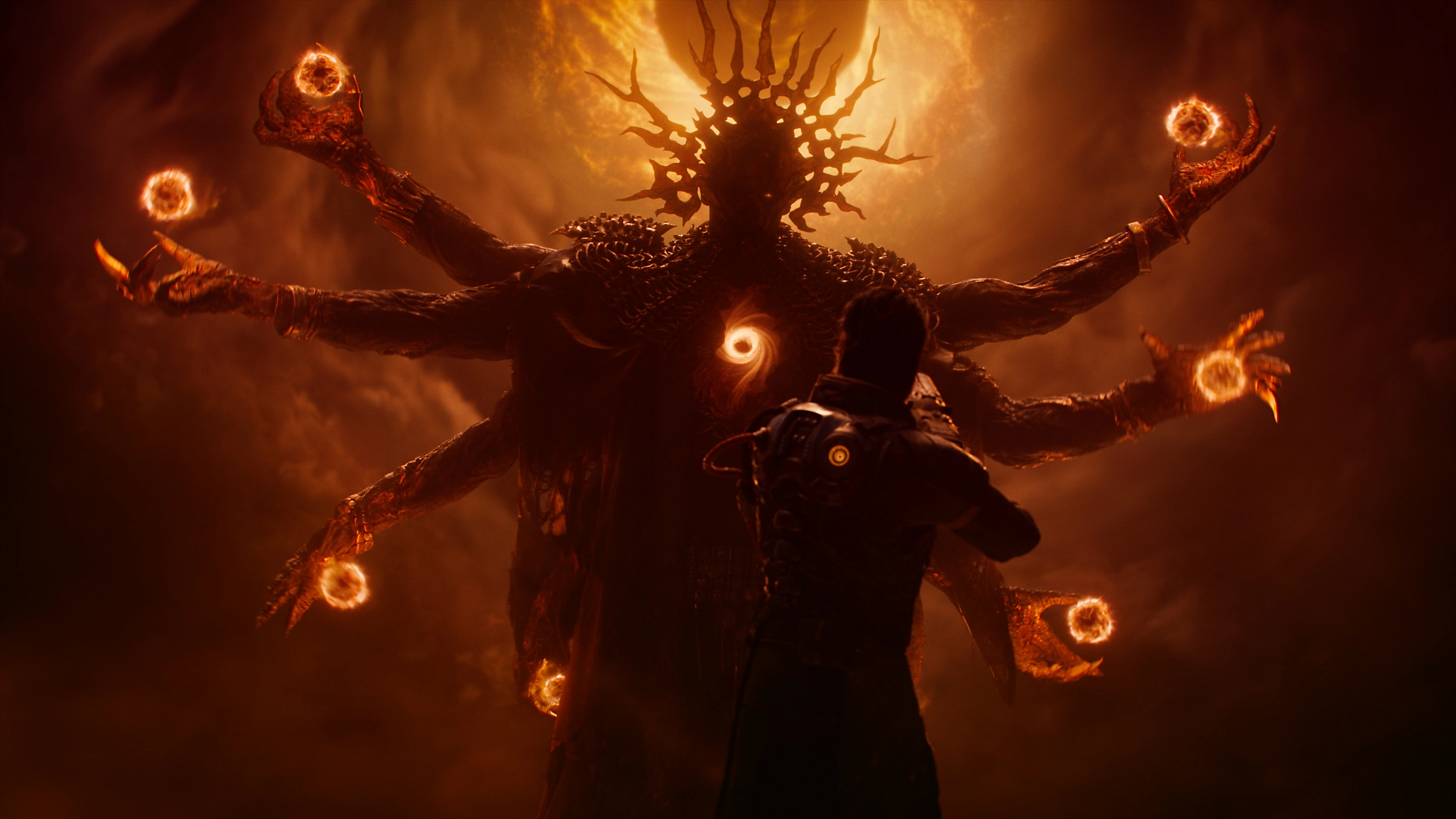
We don’t want Saros to make things so easy that players are able to totally overlevel themselves and negate the skill curve that’s always been key to the bullet hell genre, but there’s a happy medium. As much as we love it, the barrier to entry of Returnal is significant.
While there’s little information about the story of Saros out there, the storytelling from Returnal makes us extremely keen to explore a brand-new world and scan everything we can for more context. If Housemarque can pair that with another incredible soundtrack, then Returnal fans will surely be pleased, even if this game isn’t going to batter them over the head with a giant mallet as much as the first game did.
More 2026 game previews:
- 007 First Light
- Forza Horizon 6
- Lego Batman: Legacy of the Dark Knight
- Mario Tennis Fever
- Pokémon Champions
- Resident Evil Requiem
- Romeo is a Dead Man
- Wolverine