Rhythm Heaven Groove’s real test won’t be the game, but the format
2026 preview: Will input lag ruin an experience that hasn’t been playable on a TV in 15 years?

The March 2025 Nintendo Direct was a success for fans of Nintendo’s more offbeat games. Not only did it promise a new Tomodachi Life in 2026, it announced a new Rhythm Heaven for next year too.
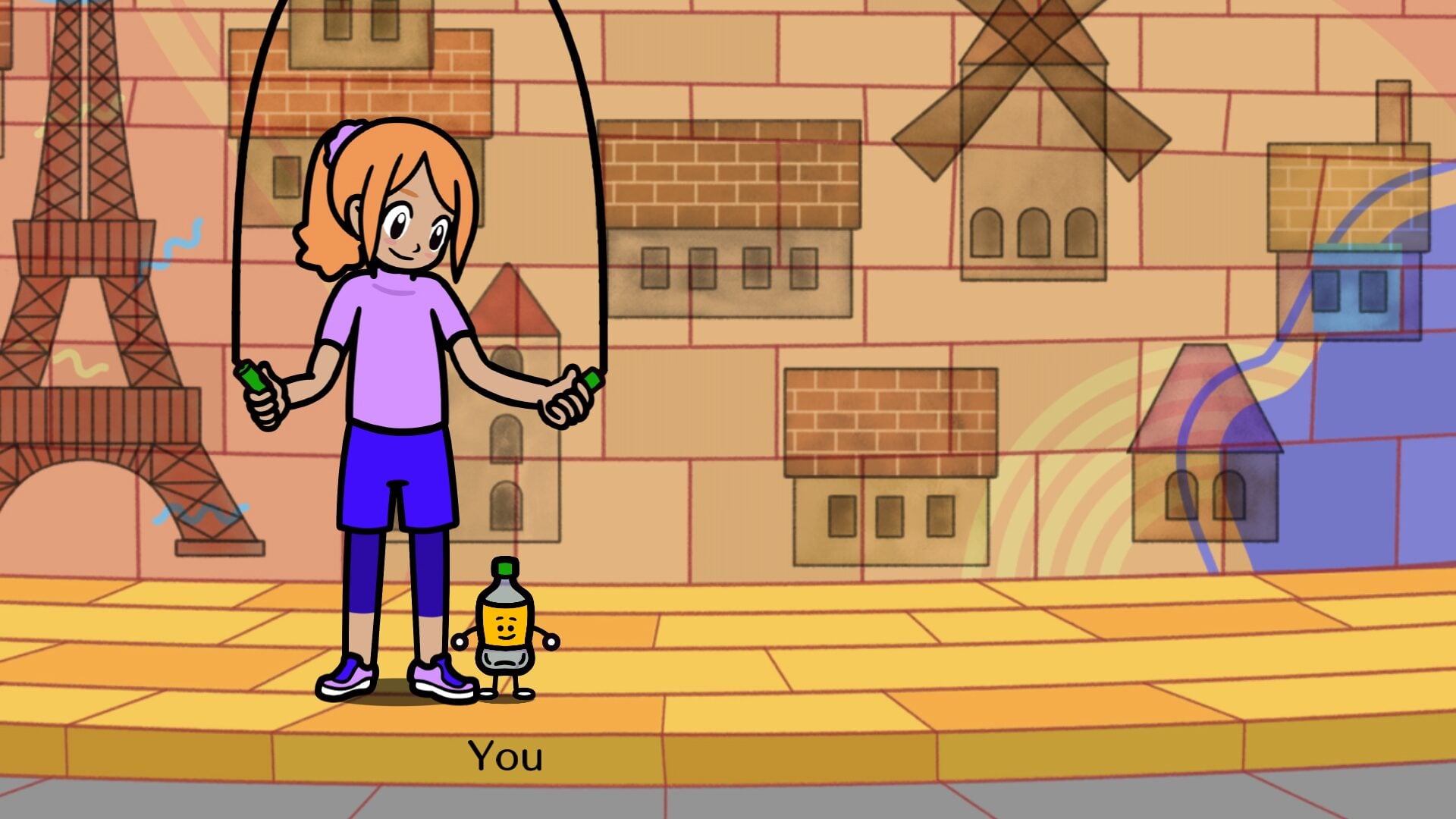
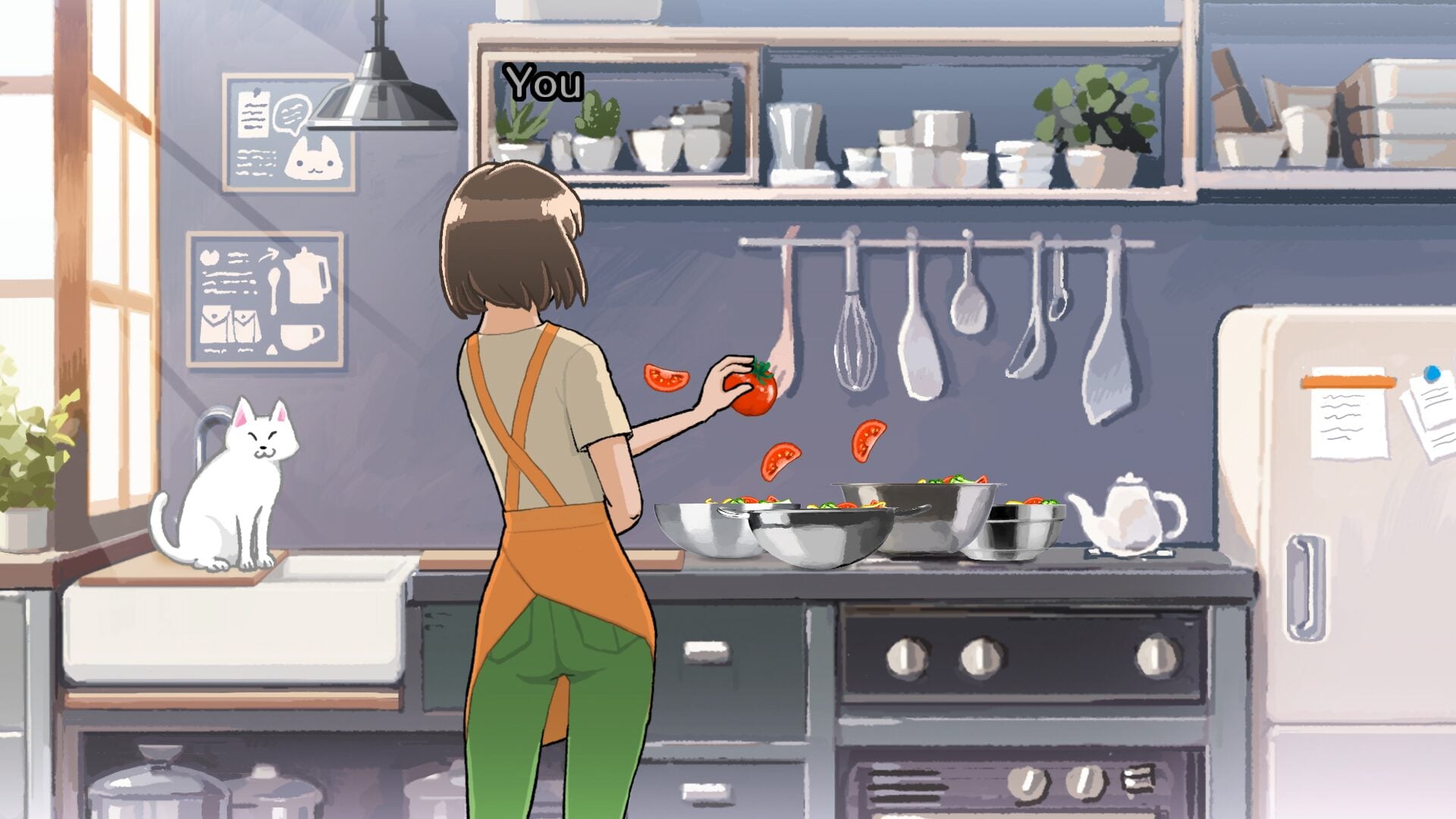
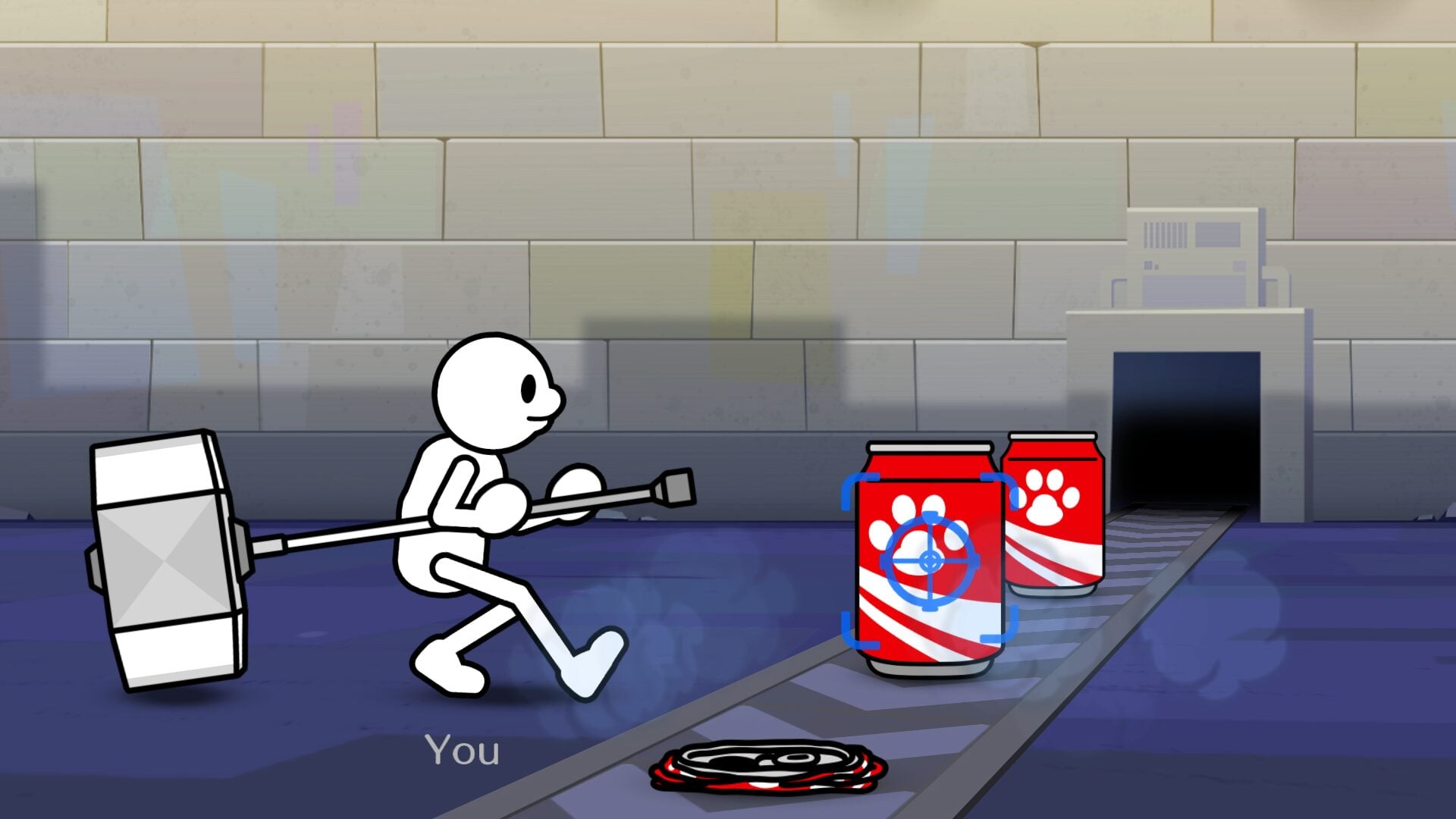
For the uninitiated, Rhythm Heaven (known in Europe as Rhythm Paradise and in its native Japan as Rhythm Tengoku) offers players a series of colourful, beautifully designed mini-games where the player performs actions to the beat of the music.
When it’s at its very best, Rhythm Heaven can be played without looking at the screen, as players are able to listen for the audio cues and engage in a bit of call-and-response gameplay. It’s a testament to the game’s sound design that this is possible, but I’d recommend looking at the screen anyway because the charm in each mini-game’s art is off the radar.
Starting with a (brilliant) Japan-only release on Game Boy Advance, the series made its Western debut on DS with the second game. This was followed by the brilliant Rhythm Heaven Fever on Wii, and the ‘greatest hits’ package that was Rhythm Heaven Megamix on 3DS.
That 3DS game was 11 years ago though, and fans have been eagerly waiting for Nintendo and series producer, singer-songwriter Mitsuo Terada – best known by his stage name Tsunku – to return with a brand new title. That long-awaited new game will finally arrive in 2026, with Tsunku as producer and composer.
The return of Tsunku was met with practically as much joy as the return of the series itself. It’s little wonder – for many people, Rhythm Heaven is Tsunku, and the idea of anyone else leading development on a new entry wouldn’t bear thinking about.
It wasn’t a guarantee, either – back in 2014, while the 3DS entry was in development, Tsunku announced that he had laryngeal cancer and had to have his vocal cords removed. This obviously led to him stepping down from a number of projects (including the breakup of his band Sharam Q, of which he had been lead singer since 1988).
The fact we’d gone a decade without a new Rhythm Heaven led some to believe that it had been another casualty of Tsunku’s illness, so the fact the series is back with him on board is wonderful news, both for the fans of his games and on a personal level.
Naturally, nothing is a certainty in the world of video games, and while the quality of the previous games suggests the odds are certainly in Rhythm Heaven Groove’s favour when it comes to its chance of success, a decade is a long time and Nintendo still has to make sure it doesn’t drop the ball here.
One potential banana skin that wouldn’t have been an issue before is input and audio lag. The Rhythm Heaven games depend on precise timing to make their mini-games work, and since the GBA, DS and 3DS games were obviously developed with those handhelds in mind everything felt perfectly responsive.


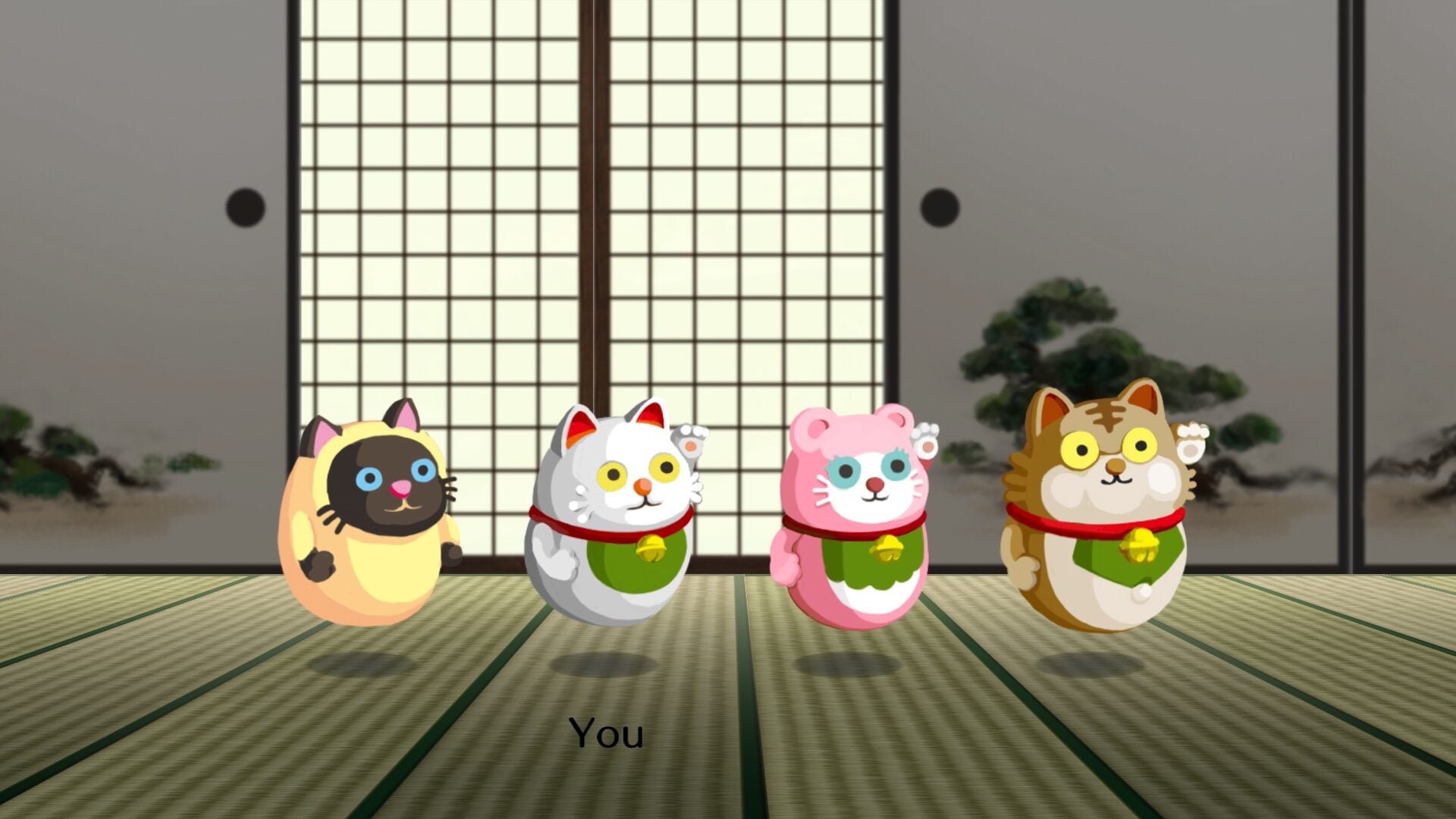
The Wii game, Rhythm Heaven Fever, wasn’t quite as satisfying for some players. That’s because the Wii arrived at the dawn of the HDTV era, and while the console itself only output at 480p, plenty of players used it on their HD televisions, many of which introduced delays that weren’t present on older CRT televisions.
As a result, many rhythm games like Guitar Hero and Rock Band had to add sync options to compensate for such issues. Rhythm Heaven Fever didn’t have these, and so for some players the timing was off, making the game feel sluggish at best and unplayable at worst (see also the PS4 version of PaRappa the Rapper, which was a port of the PSP version and also had no sync options, rendering it near-impossible to play well).
15 years after the release of the Wii game, input lag remains a modern-day issue on many televisions, and if Nintendo doesn’t take this into account for Rhythm Heaven Groove we could end up in a situation where the game is typically brilliant when playing it in handheld mode – where audio and video sync are a controlled environment – but becomes a less enjoyable game when docked and running through a TV.
It’s telling of the overall quality of the series, however, that the first potential pitfalls we worry about are external factors rather than the content of the game itself. It would take a massive blunder to destroy Rhythm Heaven’s winning formula, so here’s hoping Nintendo doesn’t mess up the beat.
More 2026 game previews:
- 007 First Light
- Fable
- Forza Horizon 6
- Grand Theft Auto 6
- Halo: Campaign Evolved
- Lego Batman: Legacy of the Dark Knight
- Mario Tennis Fever
- Pokémon Champions
- Resident Evil Requiem
- Romeo is a Dead Man
- Saros
- Tomodachi Life: Living the Dream
- Wolverine